Selogriyo is the kind of day trip that feels like a secret, because you trade crowds for rice-terrace walking and a remote 9th-century temple. I love the way the route takes you past farmers at work and open views on the slopes of Java’s 3rd highest mountain. I also like that you’re not just stamped with a ticket—you get an active, outdoor experience that makes the temple feel earned. One thing to consider: you’ll likely end up with wet, dirty shoes toward the top, even though the trek is described as soft and not very long.
You can also expect a friendly, English-speaking guide and driver. In past visits, guides like Cahyo, Ferry, and Nana, plus drivers such as Wahyun, have been praised for staying attentive and giving practical explanations along the way.
In This Review
- Why Selogriyo + rice terraces works so well
- Key highlights at a glance
- Getting to Selogriyo Temple: the ride from Yogyakarta or Borobudur
- The soft trek: what the rice-terrace walk feels like
- Reaching the steps: why Selogriyo Temple feels special
- Coffee stop and farmer views: the day’s best slow moments
- Temple visit + return route: not just the same road back
- Price and value: what $40 covers (and what it doesn’t)
- Group size, timing, and comfort on a 6-hour day
- Who should book Selogriyo and rice-terrace soft trekking?
- Should you book this tour?
- FAQ
- Where is Selogriyo Temple located?
- How long is the tour?
- What is included in the price?
- Are meals included?
- What languages are available for the guide?
- Will I be waiting at the ticket line?
- Is the trekking difficult?
Why Selogriyo + rice terraces works so well
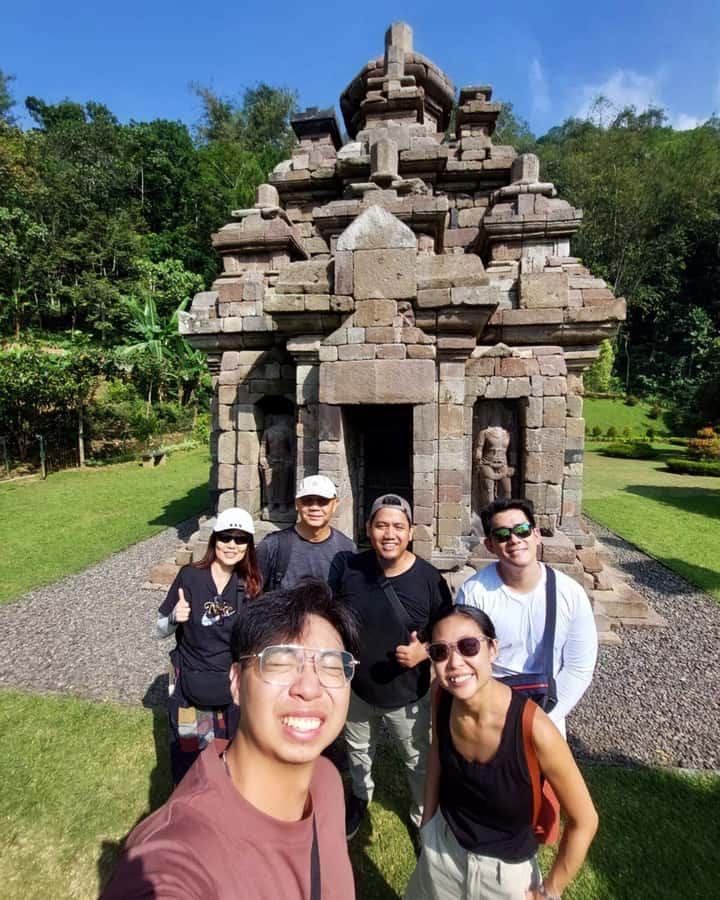
This tour is built around two experiences that connect: the countryside walk and the temple arrival. Selogriyo Temple sits in Magelang District, and reaching it is part of the story—rice terraces, village scenery, and fresh air make the final climb feel less like a chore and more like a scenic pause from the usual big sights.
Key highlights at a glance
- Remote Selogriyo Temple: a Hindu temple dating to the 9th century, reached via foot instead of a quick drive-up
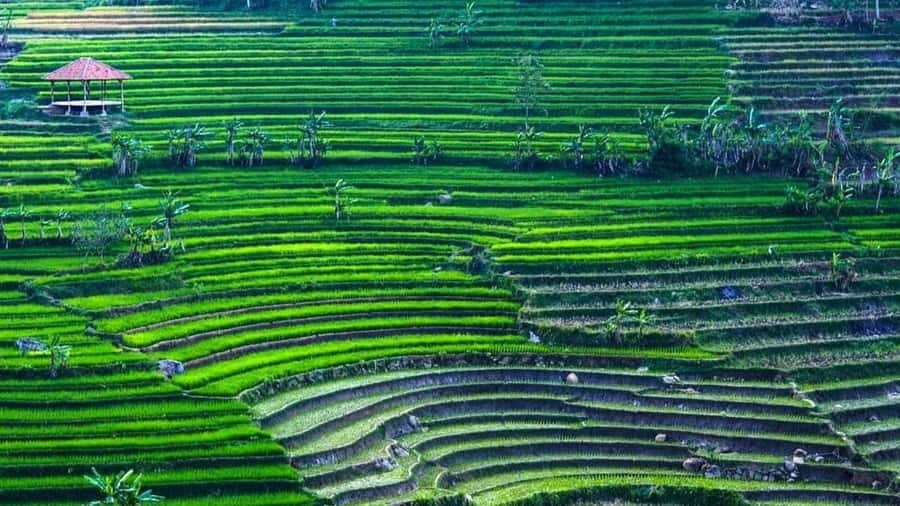
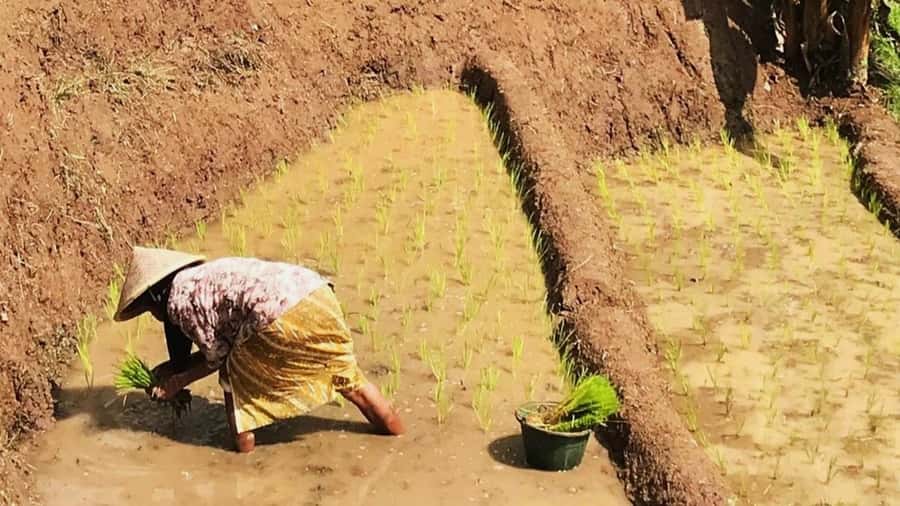
- Soft trekking through rice terraces: see wide stretching fields and get close to local farming life
- Temple steps moment: you climb around 163 steps to reach the temple area
- Attentive guiding: English-speaking guides have a track record of explaining crops and plant details
- Different return route: the way back to the entrance uses another path/road, so it doesn’t feel like a repeat
- A full 6-hour day: includes pickup, scenic drive time, trekking, temple time, and the return stop
You can also read our reviews of more tours and experiences in Yogyakarta.

Getting to Selogriyo Temple: the ride from Yogyakarta or Borobudur
Selogriyo Temple is in Magelang District, Central Java. The timing is pretty straightforward: it’s about a 2-hour drive from Yogyakarta or roughly 1 hour from Borobudur. That matters because the day still feels relaxed even with a full itinerary—there’s enough time for the ride to set the mood without turning the tour into an all-day bus slog.
You’ll travel in an air-conditioned vehicle with hotel pickup and drop-off included, and an English-speaking driver. In practice, the ride is more than transit. The route runs through rural villages and green countryside scenery, and you’ll have time to settle in before you start walking.
A small but real perk: one listed benefit is skipping the ticket line, so your temple visit can start sooner instead of waiting.
The soft trek: what the rice-terrace walk feels like
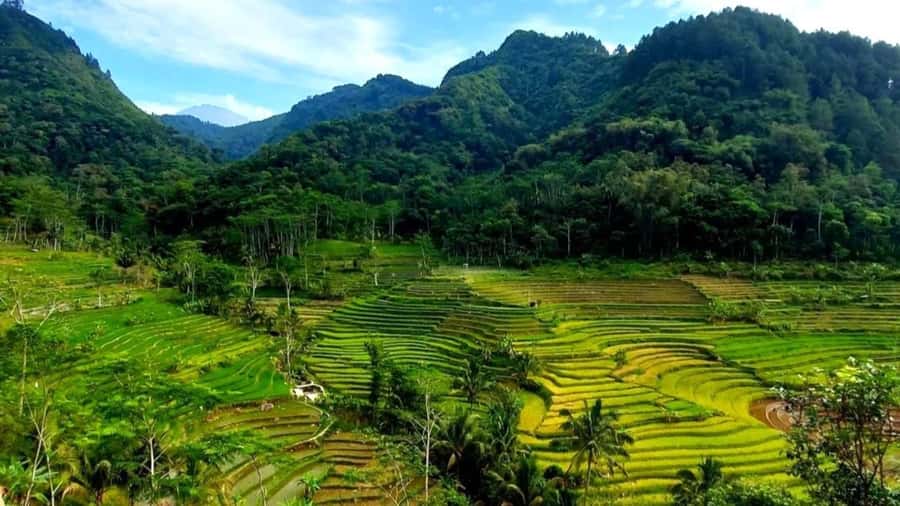
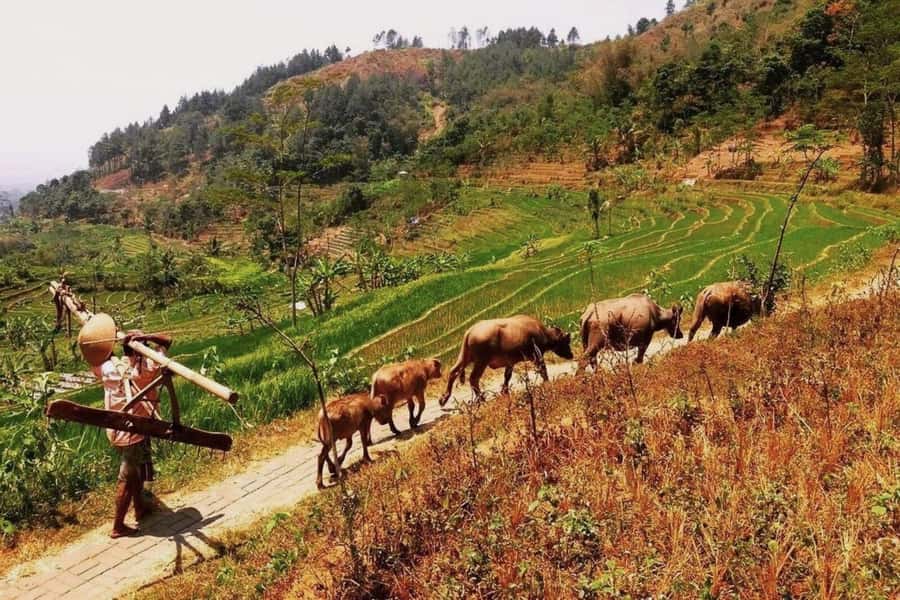
The best part of this day is the walk itself. Selogriyo tours aren’t just about arriving at an ancient site. The experience is designed around a soft trek through countryside where you pass rice terraces, breathe fresh mountain air, and watch everyday farming life along the way.
Here’s what you should expect:
- You’ll be walking along paths that cross wide rice terraces.
- You’ll get the chance to see farmers doing daily routines.
- The area sits on the slopes of Java’s 3rd highest mountain, so the air tends to feel cooler and cleaner than the city.
How hard is it? One very practical note from real experiences: even when the trek itself isn’t described as long, you should be in reasonable physical shape to make the up-and-forward walking work comfortably. Also, plan for messy footwear. Rice fields can be damp, and one visit included the warning that your shoes will likely get wet and dirty by the end.
My advice: wear shoes you don’t mind getting stained. If you tend to hate mud, this is where the tour could annoy you. If you accept that this is part of the “real countryside” vibe, the trek feels worth it fast—because the views keep opening up as you climb.
Reaching the steps: why Selogriyo Temple feels special
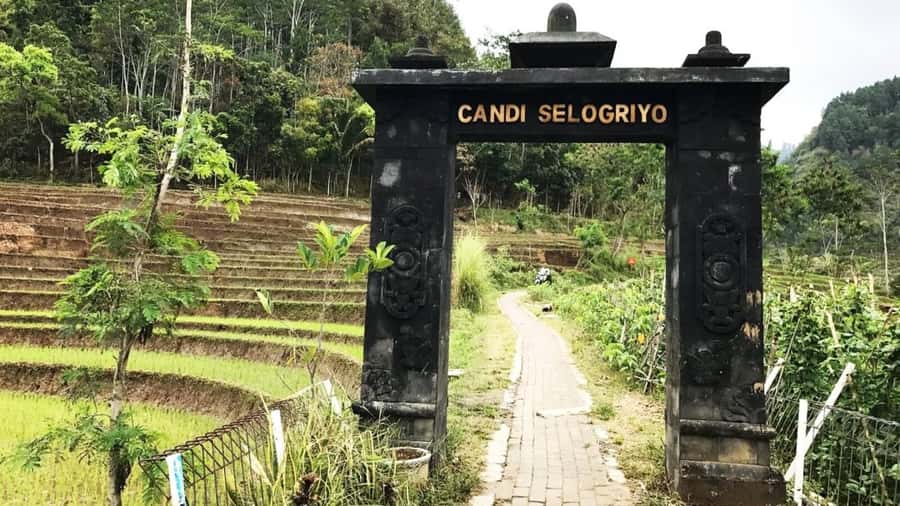
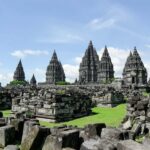
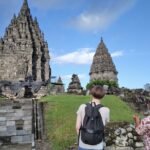
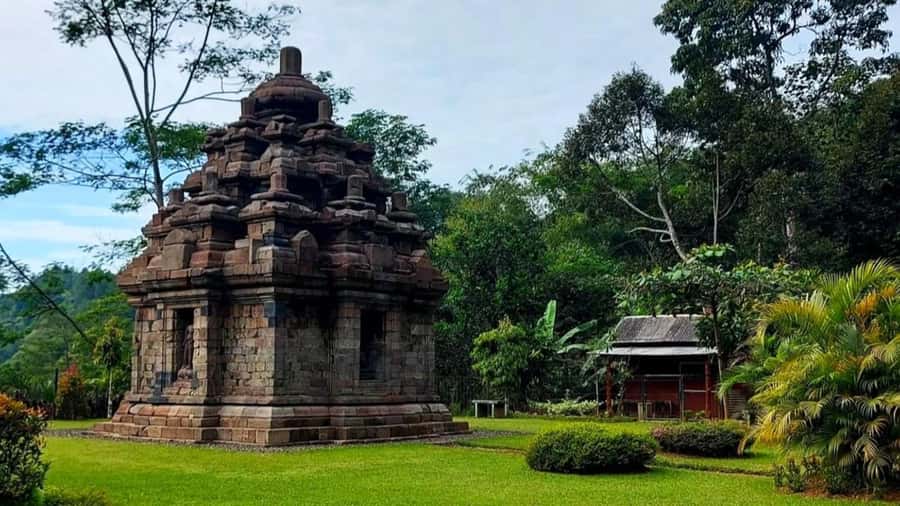
Selogriyo Temple is a Hindu temple from the 9th century, and it’s known as one of Java’s more remote temple experiences. That remoteness is the point. You’re not treating it like a quick photo stop. You’re arriving after walking through working fields, which changes how the temple lands.
Once you reach the temple approach, there’s a climb of around 163 steps. That number matters because it tells you the temple visit has a clear physical payoff. It’s not a flat stroll. You’ll feel the effort, and then the view and arrival make sense.
There’s also a nice logistical rhythm to the day. After the walk and before the temple climb, you may get a break at a coffee shop along the way (more on that next). After the temple steps and the visit, you return to the entrance via a different path rather than retracing your exact route.
The main consideration here: if steps are an issue for you, this tour is still described as soft overall, but the temple access does involve a real stair climb. Bring your energy for that portion.
Coffee stop and farmer views: the day’s best slow moments
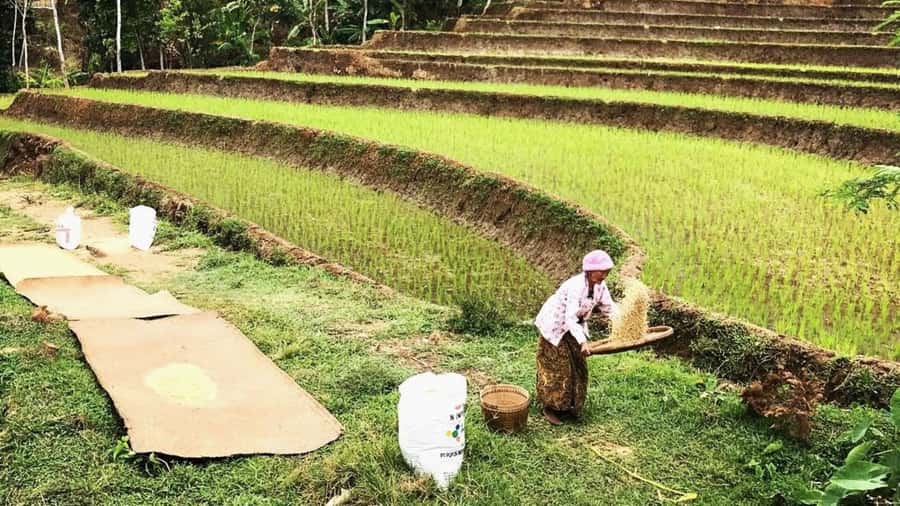
This is the part many people remember most: the quiet in-between.
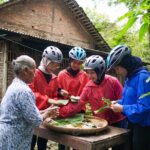
On the trek, you’re moving through rice terraces and rural villages, and the guide is usually there to help you make sense of what you’re seeing. In one experience, guide Cahyo was specifically praised for giving good explanations about crops and plants along the way. In another visit, the pace included a break at a coffee shop on the route, paired with a mention of the view being excellent from that spot.
Why this matters for your day: when you’re outdoors for hours, the best tour isn’t just ticking boxes. It’s giving you micro-pauses—places where you can look around, drink something warm, and reset your legs before the next climb.
If you’re the type who gets irritated by strict schedules, you’ll likely appreciate the built-in rhythm here: drive, walk, coffee break, steps, and then a return that doesn’t feel like one long line of effort.
Temple visit + return route: not just the same road back
After the temple visit, the day doesn’t end with a mirror-image hike. You go back toward the entrance via a different path like a road, which can make the return feel lighter mentally. Even if your legs are tired, it reduces the “we already passed this” feeling.
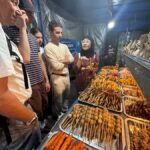
There’s also typically a stop for food on the way back. In one example, a tourist restaurant stop was described as still great. That’s useful because your tour package doesn’t include meals, so you don’t have to wonder where you’ll eat—you have built-in time for it.
What’s not included is important: meals are not included in the tour price. Water is included, but plan to buy your lunch and any extra drinks on your schedule.
Price and value: what $40 covers (and what it doesn’t)
The listed price is about $40 per person for a 6-hour experience. For that money, you get more than a ticket.
Included items are practical:
- Air-conditioned vehicle
- Hotel pickup and drop-off
- English-speaking driver
- Parking fees & bottled water
- Selogriyo Temple entrance ticket
Not included:
- Meals
That makes the value pretty clear. You’re paying for transportation plus access to the temple, and the biggest selling point—the soft trekking setup—doesn’t come with extra entrance fees listed here.
So how do you decide if it’s a good deal for you? Ask yourself if you want the day trip to be:
- Low planning: you show up, and the pickup + ticket + guide support handle the hard parts.
- Active but manageable: you’re walking in nature rather than just sitting in a car.
If you’re the kind of traveler who enjoys DIY route planning, you could theoretically recreate parts of this day. But if you’d rather not mess around with local transport timing and ticket coordination, $40 looks like a fair “one price, many pieces” bundle.
Budget tip: set aside money for meals. Without that cushion, the tour can feel “cheap” upfront and then more expensive by the time you’re hungry.
Group size, timing, and comfort on a 6-hour day
The tour duration is listed as 6 hours, which is a sweet spot. It’s long enough to include a drive from Yogyakarta or Borobudur, the trek, and the temple climb, but short enough that you won’t feel like your whole day is gone.
One detail that’s helped in past visits: smaller groups can mean a quieter experience. For example, one description included that only two people joined the tour, which made the whole visit feel pleasant and calm.
Comfort-wise, you have the AC vehicle for the transfers and bottled water provided. The part that requires your own preparation is the trekking footwear issue. If you’re smart about shoes and pacing, the day stays enjoyable.
Who should book Selogriyo and rice-terrace soft trekking?
This tour fits best if you want:
- A temple visit that comes with an active, outdoor approach
- Scenic countryside time near Yogyakarta without dealing with maximum crowd energy
- A chance to see working rice terraces and farm routines rather than just viewpoints
- A guide experience in English, plus Malay or Indonesian support when needed
You might want to skip or reconsider if:
- You have trouble with stairs (the climb to the temple area is around 163 steps)
- You strongly dislike muddy/wet footwear during outdoor walking
If you’re a “short walk, big payoff” type, this is in the right zone. The trek isn’t marketed as a brutal hike, but it still has enough effort to feel real.
Should you book this tour?
I’d book this if you want a Yogyakarta-area day trip that feels like countryside first and temple second—in the best way. The combination of rice terrace trekking, farmer-life scenery, and a 9th-century Hindu temple reached after steps is the kind of pairing that makes the day memorable without needing a long itinerary.
Choose it especially if you value:
- pickup convenience and ticket handling
- a guide who explains what you’re seeing (in past experiences, that friendly explanation has been a highlight)
- a route that avoids repeating the same path on the way back
Skip it if stairs are a deal-breaker for you or if getting your shoes wet and dirty would ruin the experience. For everyone else who likes walking outdoors and wants a calmer side of Central Java, this is a strong pick.
FAQ
Where is Selogriyo Temple located?
Selogriyo Temple is in Magelang District in Central Java. The trip is about a 2-hour drive from Yogyakarta or about 1 hour from Borobudur.
How long is the tour?
The tour duration is listed as 6 hours.
What is included in the price?
The tour includes an air-conditioned vehicle, hotel pickup and drop-off, an English-speaking driver, parking fees, bottled water, and the Selogriyo Temple entrance ticket.
Are meals included?
No. Meals are not included.
What languages are available for the guide?
The live tour guide is available in English, Malay, and Indonesian.
Will I be waiting at the ticket line?
The tour includes a benefit to skip the ticket line.
Is the trekking difficult?
The trek is described as a soft trekking tour and not very long, but you should have a good physical condition for walking up through the rice terraces. You should also expect wet and dirty shoes toward the end.