Bali feels like it has a second life away from the coast. This full-day tour strings together dance, craft, and temple rituals with the best inland scenery—rice terraces at Tegalalang, big views around Kintamani/Geopark Batur, and a real look at Balinese purification traditions. I especially like how the day balances performance (Barong and Keris) with hands-on culture stops (Celuk village), and then finishes with temple visits that actually explain why these places matter.
The main thing to consider is that you’ll spend a lot of the day on the road, and you’ll want to plan ahead for site entry and dress—religious stops mean covering your knees, and you should bring cash for optional or non-included fees. If you’re lucky with your guide, it can be a standout day: reviews specifically call out guides like Yogi, Kadek Muli, and Gus Tika for being informative, patient, and flexible.
In This Review
- Key highlights worth your attention
- Inland Bali’s “real schedule”: art first, temples last
- Batubulan Village Barong and Keris: more than a show
- Celuk art village: look closely at the workmanship
- Tegalalang terraces and Kintamani/Geopark Batur: the volcano-day payoff
- Tirta Empul purification: what to expect and how to dress
- Goa Gajah (Elephant Cave): a darker change of pace
- Time, transport, and small-group reality
- Price and value: is $72 a good deal?
- Guide quality: how this tour improves with the right person
- Who this day tour fits best
- Should you book this Bali day tour?
- FAQ
- FAQ
- How long is the Bali rice terraces, Mount Batur Geopark, and temple day tour?
- What is the price per person?
- Do I get pickup from my hotel?
- Are there extra charges for pickup from other areas?
- What group size is this tour?
- Is the tour guide English-speaking?
- Are entrance fees included?
- What should I bring?
- Is the Tegalalang swing included?
- Are meals included?
Key highlights worth your attention
- Barong and Keris Dance at Batubulan Village: myth meets music from the gamelan orchestra
- Celuk art village: you’ll see craft skills in metal and sculpture form, not just souvenirs
- Tegalalang Rice Terraces plus Kintamani/Geopark Batur views: big scenery breaks up the cultural pace
- Tirta Empul: the purification bathing rituals are the cultural center of gravity for the day
- Goa Gajah: a cave-temple stop that adds variety after the rice and volcano views
- Optional Tegalalang swing (if you want it): 150,000–200,000 IDR, bring cash
Inland Bali’s “real schedule”: art first, temples last
Most Bali day tours you’ll see try to cover too much in too little time. This one works better because it builds a clear flow: performance → craft village → rice terraces + volcano-area views → purification temple → Goa Gajah cave. You don’t just hop from photo spot to photo spot.
I also like that it’s a small-group format (up to 10 participants overall, and you’ll be placed with a max of 5 travelers per group). That usually means you can ask questions, get help with timing, and still move through each stop without feeling herded.
You can also read our reviews of more tours and experiences in Bali.


Batubulan Village Barong and Keris: more than a show
The morning kicks off with the Barong and Keris Dance at Batubulan Village (at Sila Culture). This isn’t just dance for entertainment—it’s Bali using theater to retell legends, with the gamelan orchestra setting the mood. It’s one of those performances where paying attention to the storytelling helps your photos later because you’ll understand what you’re seeing.
You’ll typically get around an hour here, which is enough time to watch without feeling rushed into the next stop immediately. If you care about culture, this is where the day earns its stripes. If you’re mostly in it for scenery, it still gives context for why the rest of the itinerary looks the way it does—Balinese life isn’t separate from art and ritual.
Celuk art village: look closely at the workmanship
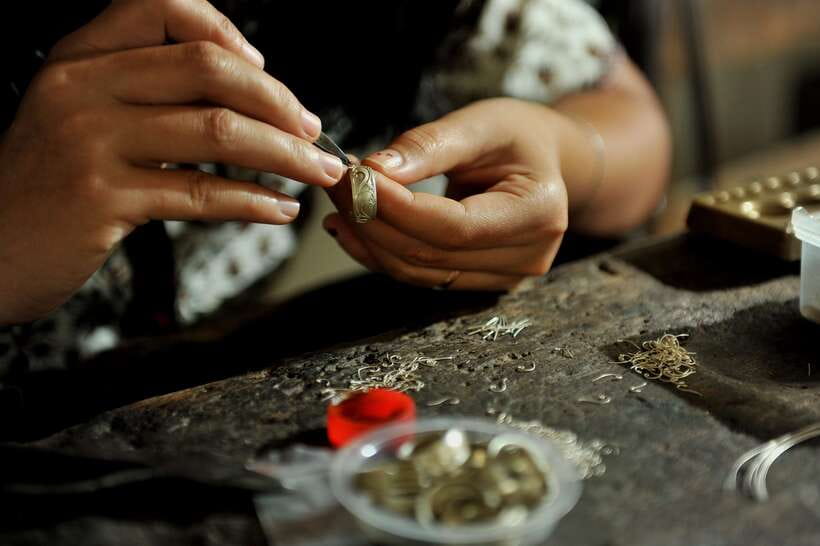
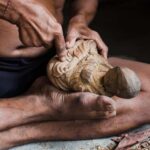
Next is Celuk, a traditional Balinese art village. This stop leans into skill—where sculpture and metalwork are part of daily creative culture, not just a craft booth. You’ll see walls and intricately designed work, and your guide can point out what to look for so you don’t just skim past the details.
Expect about an hour. That’s long enough to watch how artisans shape materials and to ask questions, but short enough that you won’t feel stuck in one spot. For me, this is the most satisfying “culture” stop because it doesn’t ask you to buy. It invites you to understand.
Tegalalang terraces and Kintamani/Geopark Batur: the volcano-day payoff
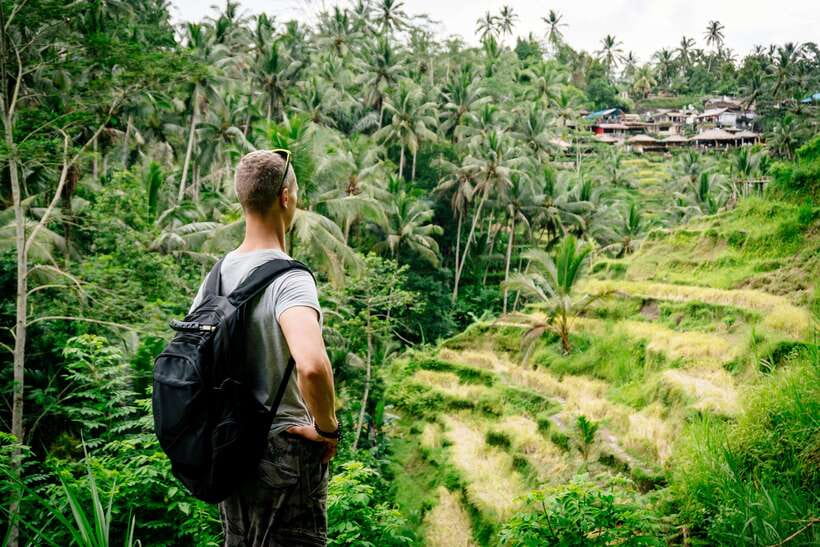
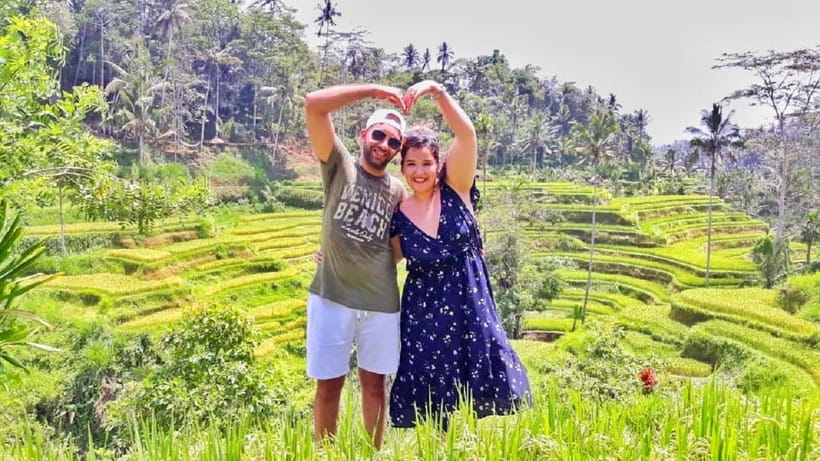
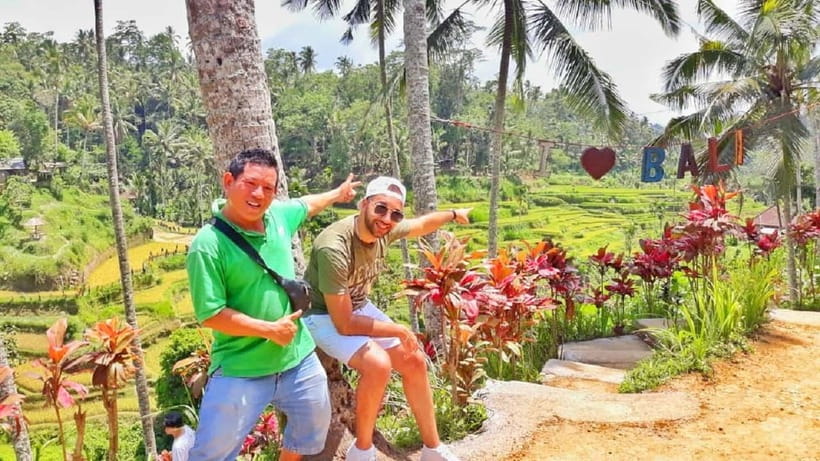
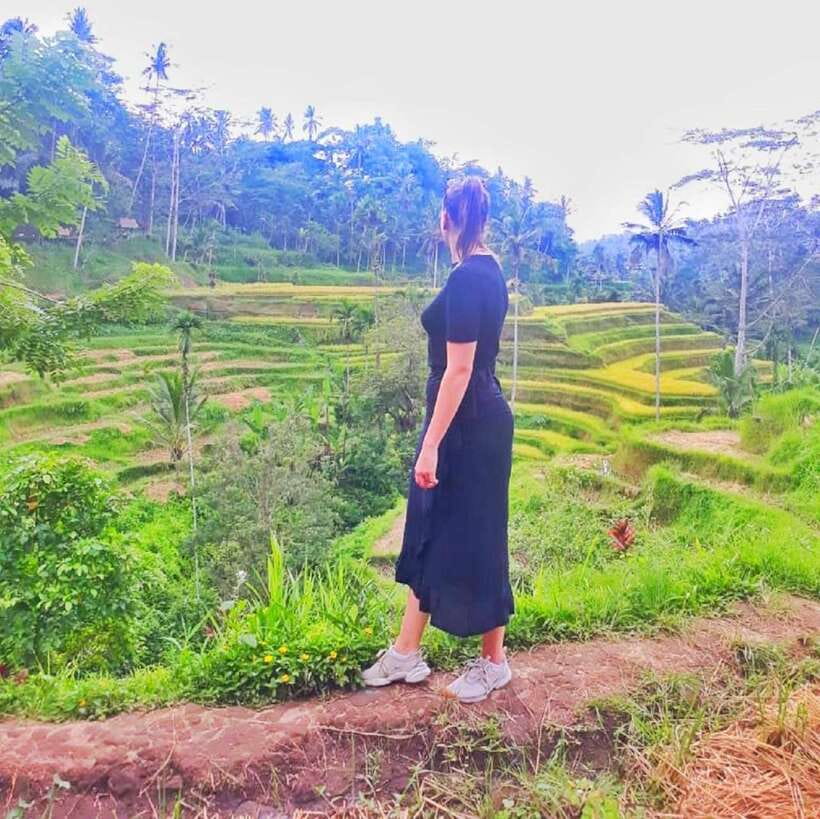
After Celuk, you’re in Tegalalang Rice Terraces territory. The terraces are famous for a reason: the layered views look great from many angles, and you can’t help but feel the scale once you’re there. Your guide will show you viewpoints and help you time your walking so you’re not only stuck with the busiest edges.
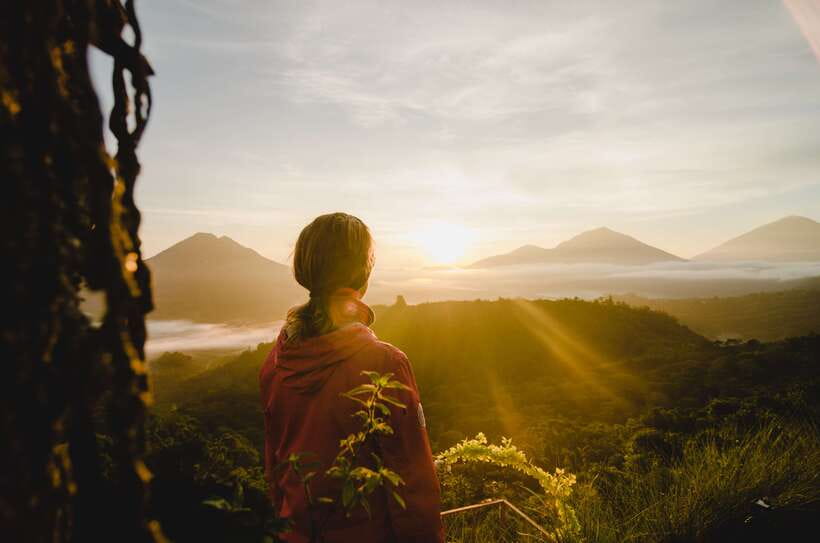
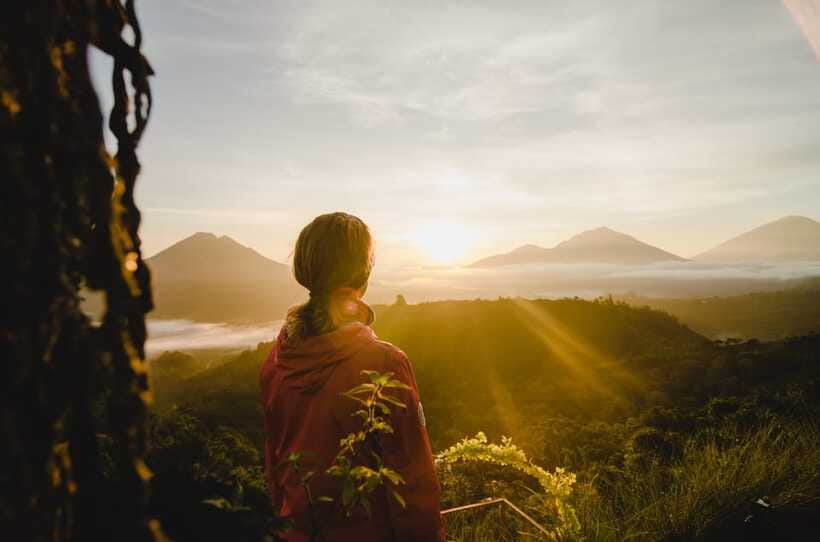
A big bonus is pairing this with Kintamani Geopark and stops tied to Mount Batur views. You’ll visit the Museum Geopark Batur, then take in scenic viewpoints on the way. This is where the inland part of Bali hits hardest: you go from craft-and-temple focus to wide open air and dramatic volcanic geography.
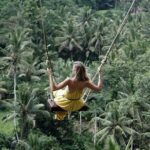
Optional swing at Tegalalang is available for 150,000–200,000 IDR. If you want it, plan on bringing cash, and don’t rely on ATM access that day. If you don’t care for heights, skip it and use the time for photos and a calmer terrace walk.
Tirta Empul purification: what to expect and how to dress
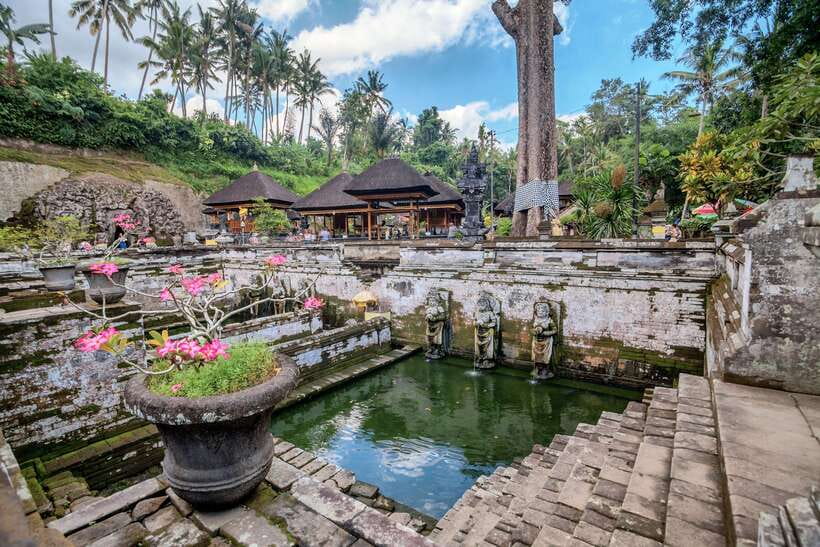
Then comes the day’s most sacred-feeling stop: Tirta Empul Temple, also known as a temple of purification. Here you’ll witness religious bathing rituals, with followers of Balinese Hindu tradition coming to bathe in the bubbling springs around the temple. This is the part of the tour where respectful behavior matters most.
Dress guidance is straightforward: wear clothes that cover your knees. You’ll also want to bring what you packed for wet ritual areas—swimwear, a towel, and a sarong—because the tour specifically tells you these items are recommended. Long pants are also listed, which helps if you’re doing any extra walking between sites.
Your visit is scheduled for about an hour, so you’ll see the rituals without getting stuck in a long wait. Still, it’s a temple, so expect you’ll need to slow down, follow any local instructions, and accept that you might not be allowed to photograph in every area.





Goa Gajah (Elephant Cave): a darker change of pace
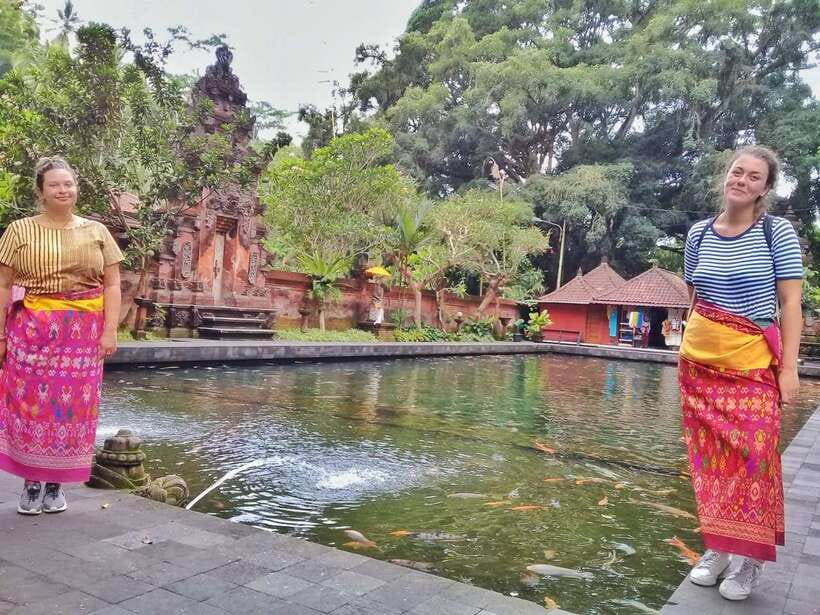
After Tirta Empul, you head to Goa Gajah, also known as Elephant Cave. This is a guided visit with sightseeing time, around an hour. It’s a nice change after rice terraces and springs because the vibe shifts—more enclosed, more atmospheric, and less about open-air views.
Even if you’re not a “cave person,” this stop adds variety and gives you a different kind of cultural context. The tour keeps it practical: you get guidance, time to see the site, then you move on instead of getting trapped in uncertainty about what you’re looking at.
Time, transport, and small-group reality
This tour runs about 8 hours, with multiple travel blocks by air-conditioned vehicle. You’ll have a jeep/SUV transfer early, then additional transfers between major stops. Translation: you’ll get plenty of sightseeing time, but you should still accept that Bali inland driving takes time. If you hate being in a car, this might feel like a lot.
Pickup is included from several popular areas: Kuta, Legian, Seminyak, Jimbaran, Sanur, Krobokan, Canggu, Nusa Dua, and Ubud. If you’re farther out—Candidasa has a supplemental charge of 100,000 IDR per person, and Lovina, Amed, and Tulamben are 150,000 IDR per person. The driver confirms the exact pickup time the evening before, so keep your messaging app on.
Price and value: is $72 a good deal?
At $72 per person, the value comes from stacking multiple major inland experiences into one coordinated day: performance (Barong and Keris), craft (Celuk), scenic highlights (Tegalalang + Batur/Geopark viewpoints), and two important cultural/temple sites (Tirta Empul and Goa Gajah). You’re not just buying “tickets.” You’re paying for transport, an English-speaking guide, and a plan that keeps the day moving.
Here’s where your budget matters: entrance fees and inclusions depend on tour type. The tour info notes entrance fees are included for attractions for Private Tours only. For the standard option, the provided entrance fees you should budget in cash are: Barong Dance 150,000 IDR, Tegalalang 10,000 IDR, Kintamani Geopark 50,000 IDR, Tirta Empul 50,000 IDR, and Goa Gajah 50,000 IDR.
So, in practice, you’ll want cash on hand for site entry and for extras like the Tegalalang swing. Meals aren’t included, so plan to eat before you go or after you return.
Guide quality: how this tour improves with the right person
One of the most consistently praised parts of this experience is the guide. Reviews specifically name Yogi as amazing and very informative, and another standout is Kadek Muli, described as friendly, patient, and passionate. Gus Tika is also mentioned as excellent, flexible, and patient, and even helping with photos.
That matters because this itinerary is packed with meaning—dance stories, craft technique, and religious rituals. A good guide helps you connect the dots quickly, so you’re not just collecting images. If your guide is great, this day can feel like a guided education you can actually enjoy.
Who this day tour fits best
This is a strong choice if you want more than beach time and you like cultural experiences with structure. You’ll probably enjoy it most if you’re interested in Balinese art forms (dance and craft) and you’re respectful about temple etiquette.
It may not suit you if you dislike long days or if you’re sensitive to religious sites as places with rules. The tour info also says it’s not suitable for pregnant women. Also, bring a realistic mindset: you’ll be covering several areas in one day.
Should you book this Bali day tour?
Book it if you want a single day that covers the core of inland Bali: performance, craft, terraces, volcano-area views, and temple purification rituals. The small-group setup plus an English-speaking guide usually makes the cultural stops easier to understand, not just witness.
Skip or rethink it if you’re mainly there for downtime, don’t want to dress for temples, or you’re not willing to budget some cash for entrance fees and optional extras. If you can handle a full schedule and you bring the right clothing, this tour is one of the more well-shaped ways to see Bali beyond the coast.
FAQ
FAQ
How long is the Bali rice terraces, Mount Batur Geopark, and temple day tour?
It runs for about 8 hours.
What is the price per person?
The price is $72 per person.
Do I get pickup from my hotel?
Yes, pickup is included from Kuta, Legian, Seminyak, Jimbaran, Sanur, Krobokan, Canggu, Nusa Dua, and Ubud.
Are there extra charges for pickup from other areas?
Yes. Candidasa has an additional 100,000 IDR per person, and Lovina, Amed, and Tulamben are 150,000 IDR per person.
What group size is this tour?
It’s a small group limited to 10 participants, and it also notes a maximum of 5 travelers per group.
Is the tour guide English-speaking?
Yes, the tour includes a professional English-speaking guide.
Are entrance fees included?
Entrance fees are included for Barong Dance, Tegalalang, Kintamani Geopark, Tirta Empul, and Goa Gajah for Private Tours only. For the Standard Tour option, entrance fees are listed as: 150,000 IDR (Barong Dance), 10,000 IDR (Tegalalang), 50,000 IDR (Kintamani Geopark), 50,000 IDR (Tirta Empul), and 50,000 IDR (Goa Gajah).
What should I bring?
Bring swimwear, a towel, cash, a sarong, and long pants.
Is the Tegalalang swing included?
No, it’s optional. The cost is 150,000–200,000 IDR.
Are meals included?
No, meals are not included, so you’ll want some cash for food.