Silver jewelry sounds fancy. Your hands make it real.
In Yogyakarta, this traditional silver jewelry workshop turns culture into something you can hold. I like the English guidance and the fact that you leave with a finished piece you actually made. One thing to consider: with a 2-hour limit, the project may not be 100% completed by your own hands, so you’ll need to be okay with support from the workshop team if timing runs tight.
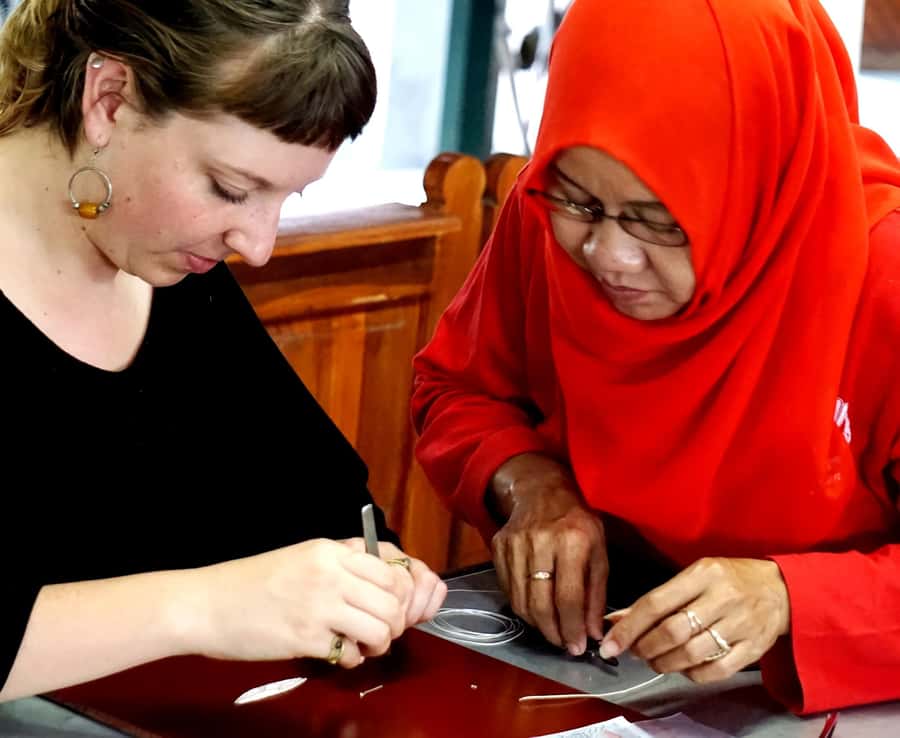
I really value the start-up rhythm: you get an introduction to the steps, you can watch the makers working, and you get a safety briefing because the tools are sharp. In one session, the workshop leader named Tia guided the group, shared what to expect, and stayed close while people made their own designs—plus she threw in practical local food tips, including ideas for vegetarian dishes.
For $33, you get a lot of essentials covered: silver, tools, a silversmith guide, snack, mineral water, and even a course certificate. The workshop location is Jl. Mondorakan No.1 in Kotagede (Yogyakarta), so it’s straightforward to reach and easy to pair with other Yogyakarta sights afterward.
In This Review
- Key Things to Know Before You Go
- Where You Go in Yogyakarta: Meeting Point and What the Timing Feels Like
- The Workshop Flow: From Choosing a Design to Taking Home Jewelry
- Tools, Safety, and the Reality of Sharp Metalwork
- The Core Skills You’ll Learn: Soldering, Shaping, and Detailing
- Watch the Workshop Team Work: Burning and Tumbling (Even If You Run Short on Time)
- Your Keepsake: Certificate, Snack Timing, and Packing It Home
- Price and Value: Is $33 Worth It for Silver Jewelry in Yogyakarta?
- Who This Workshop Fits Best (and Who Should Reconsider)
- Tips to Get More From Your 2 Hours
- Should You Book This Yogyakarta Silver Workshop?
- FAQ
- How long is the Yogyakarta silver jewelry workshop?
- How much does the workshop cost?
- Will the instructor speak English?
- What’s included in the price?
- Do I take home what I make?
- What should I bring or wear?
- Is the workshop wheelchair accessible?
- Is making fire allowed during the workshop?
Key Things to Know Before You Go
- English-led class: you can follow instructions clearly and ask questions.
- Hands-on from design to detailing: soldering, shaping, and engraving are taught as practical steps.
- You choose a wearable style: designs include options like earrings, rings, and pendants.
- Safety comes first: the session includes tool handling guidance because this is real metalwork.
- You may get help finishing: if you don’t finish your piece in time, the team can complete it while you watch later steps like burning and tumbling.
- A ready-to-remember souvenir: you take home what you made, plus a course certificate.
Where You Go in Yogyakarta: Meeting Point and What the Timing Feels Like
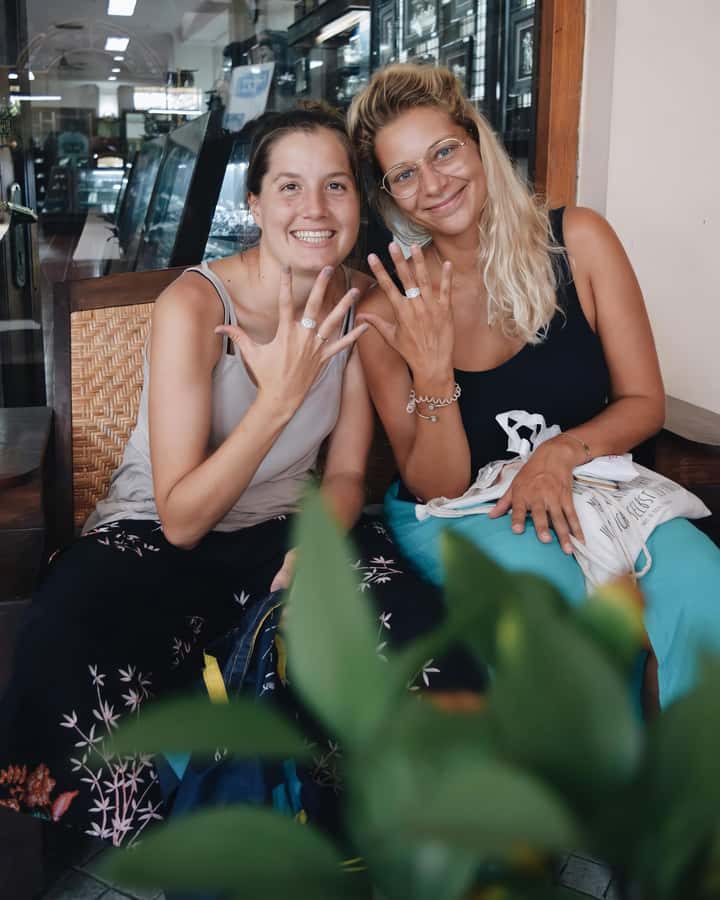
This workshop meets at Jl. Mondorakan No.1, Prenggan, Kec. Kotagede, Kota Yogyakarta, Daerah Istimewa Yogyakarta 55172. Kotagede is a good choice for a hands-on activity because you’re not bouncing between far-flung stops. You show up, you get oriented, and you stay in one workspace long enough to actually learn something.
The total time is about 2 hours. That’s a sweet spot for learning basics without turning your day into a full-day craft project. Still, keep your expectations realistic: it’s not a multi-day course where you can go slow and perfect every surface. It’s more like a focused “learn the process, make a piece” class.
If you have limited time in Yogyakarta, this is one of those activities that feels efficient. You get instruction, tools, guidance, and a finished keepsake without having to source anything yourself.
You can also read our reviews of more tours and experiences in Yogyakarta.



The Workshop Flow: From Choosing a Design to Taking Home Jewelry
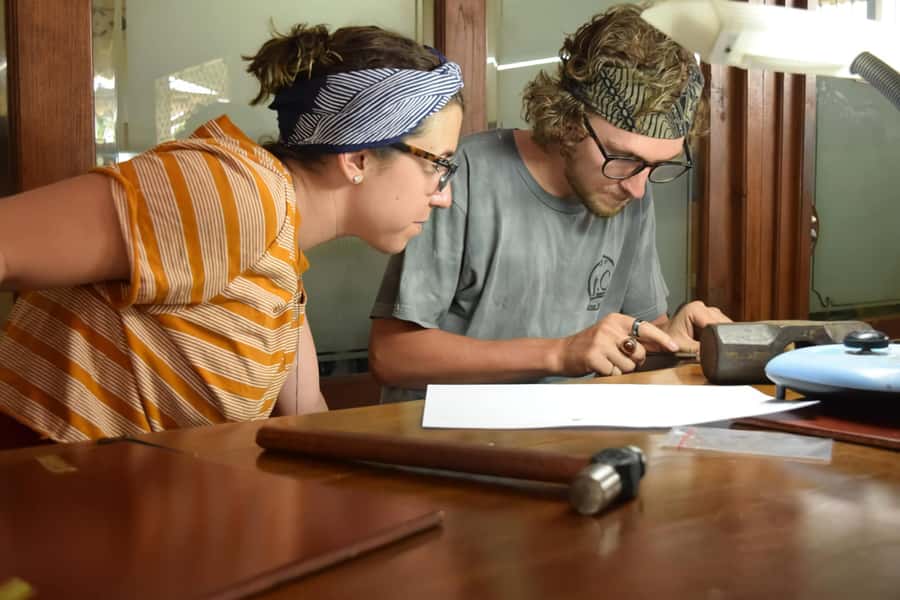
The class is structured to move you from inspiration to a wearable result. You start with choosing a design—often based on simple traditional-style motives and common jewelry forms such as earrings, rings, and pendants. This matters because it keeps the project within reach for a 2-hour session. You’re not stuck deciding for so long that your making time gets squeezed.
Then you move into the practical part: the teacher and guide explain each stage and you try it with support. The goal is not just to watch. You’ll use tools, handle silver pieces, and learn the sequence of tasks as one connected process.
A key part of the experience is that you’re not only working at your bench. You can also watch the workshop makers at work—an underrated way to learn. Seeing other people’s pace helps you understand what skills take the most practice and what steps are more straightforward.
At the end, you leave with your own piece. If your project isn’t fully finished when time is up, the workshop team can complete the remaining steps for you. You may also get to observe later finishing stages such as burning and tumbling, which are part of how the metalwork gets its final look.
Tools, Safety, and the Reality of Sharp Metalwork
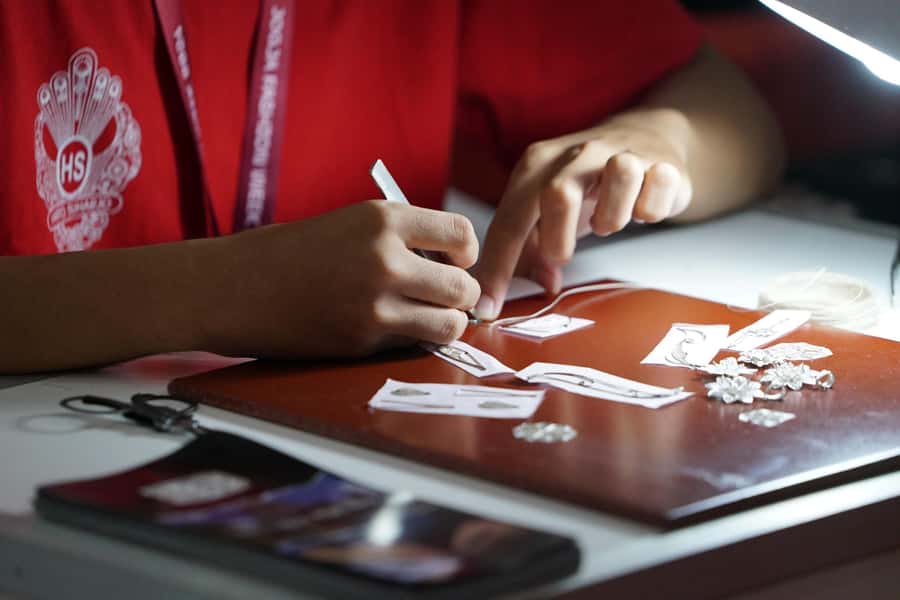
This is hands-on metal crafting, not a craft demo. The workshop includes guidance and a safety briefing, and they emphasize that tools and materials—like soldering irons, engraving tools, and cutting instruments—are sharp. That’s not a scare tactic; it’s simply the nature of the activity.
Before you start, plan to listen carefully to the instructions on tool use and handling. If you follow the teacher’s guidance, you’ll feel in control quickly. If you rush or skip steps, this type of workshop punishes that in a hurry.
Also, note what’s not allowed. The activity rules say no fireworks, no explosive substances, and making fire isn’t allowed. That’s good to know if you’re looking for a workshop that’s straightforward and controlled rather than chaotic.
This is one reason I think the workshop is worth doing even for beginners. You’re learning real processes, but you’re also learning safety habits that make it manageable.
The Core Skills You’ll Learn: Soldering, Shaping, and Detailing
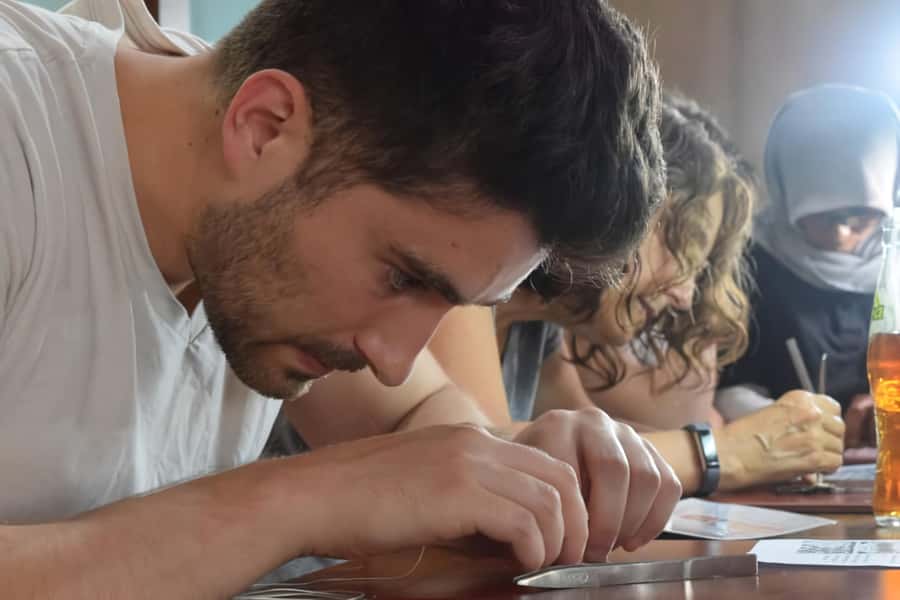
Even if your first attempt is imperfect, you’ll understand the workflow. The workshop breaks the craft into clear, teachable pieces:
Soldering
You learn how silver pieces can be fused. This isn’t about fancy showmanship. It’s about getting pieces joined correctly so they hold together as a real jewelry item.
Shaping
You use tools to mold the silver into your chosen form. This is where beginners often discover that “metalwork” means you have to be patient. Small adjustments matter.
Engraving and detailing
This is the creativity zone. You add patterns, textures, or personal touches. The best part is that you’re not copying a perfect masterwork on day one—you’re learning the mechanics of detailing so your design feels like yours.
You’ll get personalized help along the way. That’s important because in a group setting, not everyone progresses at the same speed. Having someone nearby who can correct your technique saves time and frustration.
Watch the Workshop Team Work: Burning and Tumbling (Even If You Run Short on Time)
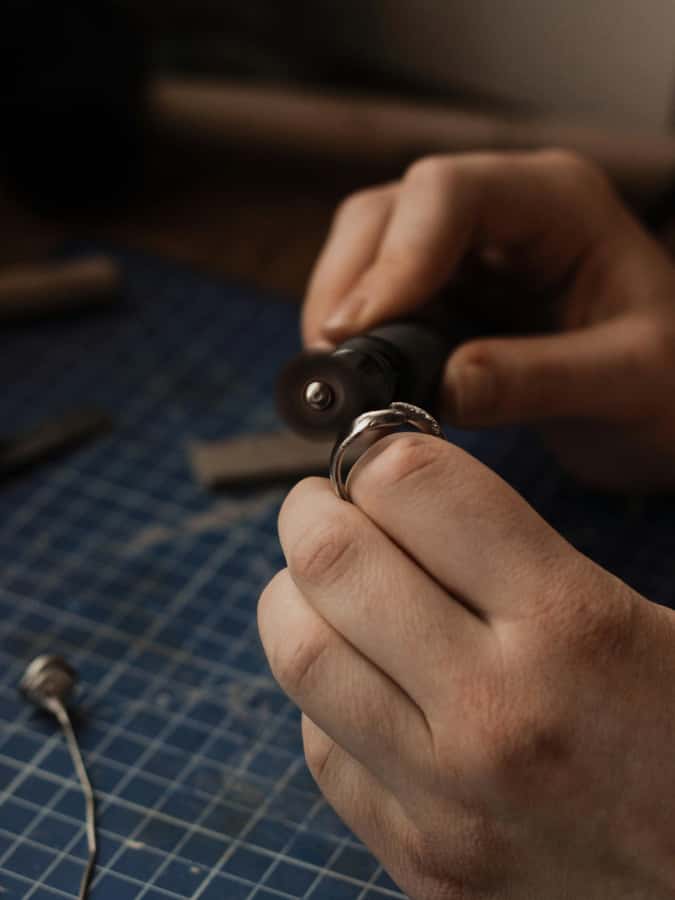
Because the class lasts 2 hours, the workshop has a practical backup plan: if you don’t finish your piece fully yourself, the professionals in the shop can complete it. In one session, people had time limitations, and the staff finished the jewelry and then let participants watch the remaining steps.
The parts mentioned include burning and tumbling. If you’ve never seen that process, it’s genuinely interesting because it shows how handcrafted work becomes refined. You can see that the final look depends on more than just the hand tools at your bench.
I like this structure because it avoids the all-too-common craft-class problem: you leave with a half-finished item and disappointment. Here, you still get a keepsake, and you also get the learning payoff of watching how professionals finish.






Your Keepsake: Certificate, Snack Timing, and Packing It Home
You don’t just take a memory. You take home the jewelry you made. The workshop also includes a silver course certificate, which is a nice touch if you want something more official than a casual souvenir.
You’ll also get snack and mineral water. In one experience, snack bags were handed out about an hour in, which is a smart rhythm: it helps people reset before the final making push.
When you pack your finished piece, treat it like jewelry you already own. Use a small pouch or wrap it carefully so the silver doesn’t scratch. If your piece includes fine details (engraving or delicate settings), give it extra protection during transit.
One more thing I appreciate: watching the later finishing steps means you’re more likely to understand how your piece ends up looking polished. That makes the souvenir feel earned, not just delivered.
Price and Value: Is $33 Worth It for Silver Jewelry in Yogyakarta?
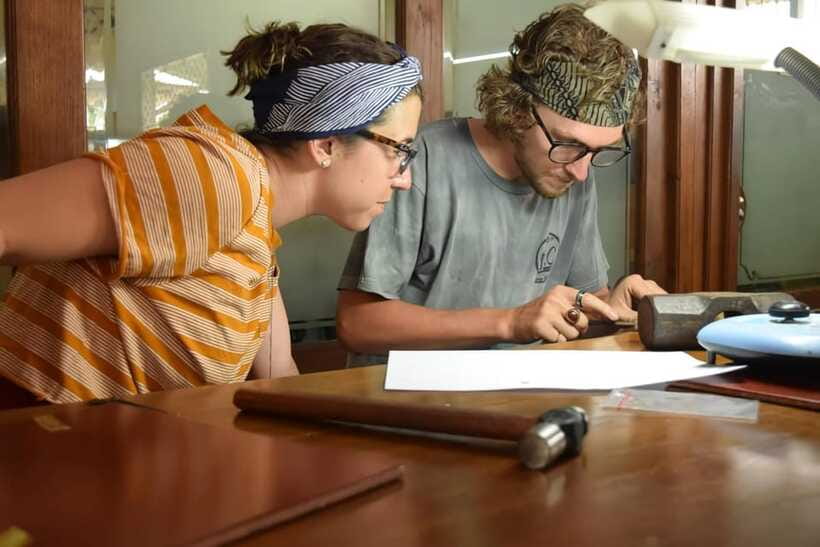
At $33 per person for a 2-hour workshop, this can feel like a fair deal—especially because key materials and tools are included. You’re not just paying for instruction. The ticket covers:
- Silver and tools
- A silversmith guide
- A take-home piece
- Snack and mineral water
- A course certificate
In many craft experiences, you pay for the class and then end up paying extra for materials. Here, the materials are part of the deal. That improves the value immediately.
The main “cost” you should factor in is time and attention. If you’re the type who wants to spend an hour carefully perfecting one tiny element, you may wish the workshop ran longer. The experience is designed to teach the fundamentals and produce a wearable result within a tight schedule.
So yes, I think it’s good value—particularly if you’re the kind of traveler who likes doing one meaningful activity instead of collecting ten mediocre photos.
Who This Workshop Fits Best (and Who Should Reconsider)
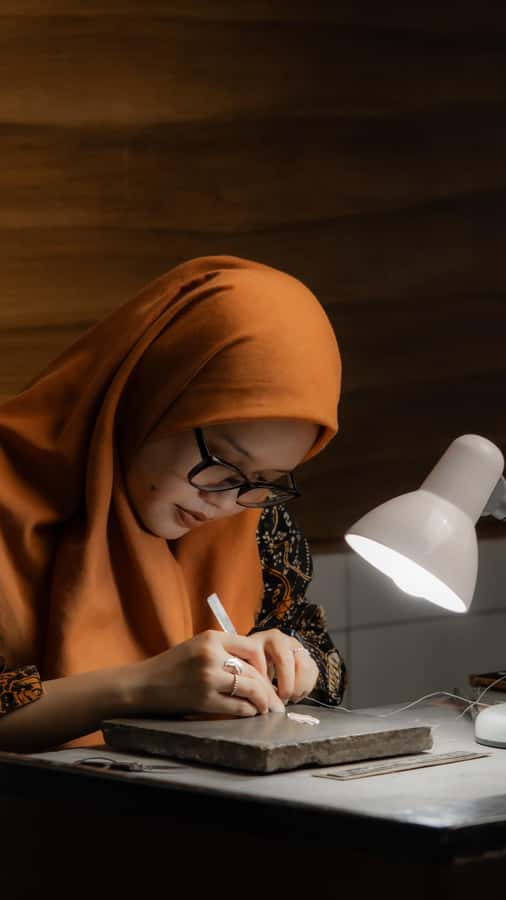
This class is a strong match if you want:
- a hands-on cultural experience instead of a passive tour
- a guided introduction to traditional silver-making techniques
- a take-home souvenir that looks like actual jewelry
- an experience with an English instructor, so instructions land clearly
It’s also a nice choice for couples or friends who learn differently. One person can be more focused on shaping while the other leans into engraving, and the teacher can adjust help accordingly.
Two caution points:
- The workshop is listed as wheelchair accessible, but it’s also noted that it’s not suitable for people with mobility impairments. If mobility is a concern, don’t guess—check with the provider directly about what support is possible on-site.
- This is tool-heavy work. If you’re uneasy around sharp instruments even with safety guidance, you might find it stressful rather than fun.
If you’re okay with following instructions carefully, you’ll likely find it empowering. You’ll leave with a real skill and a real object.
Tips to Get More From Your 2 Hours
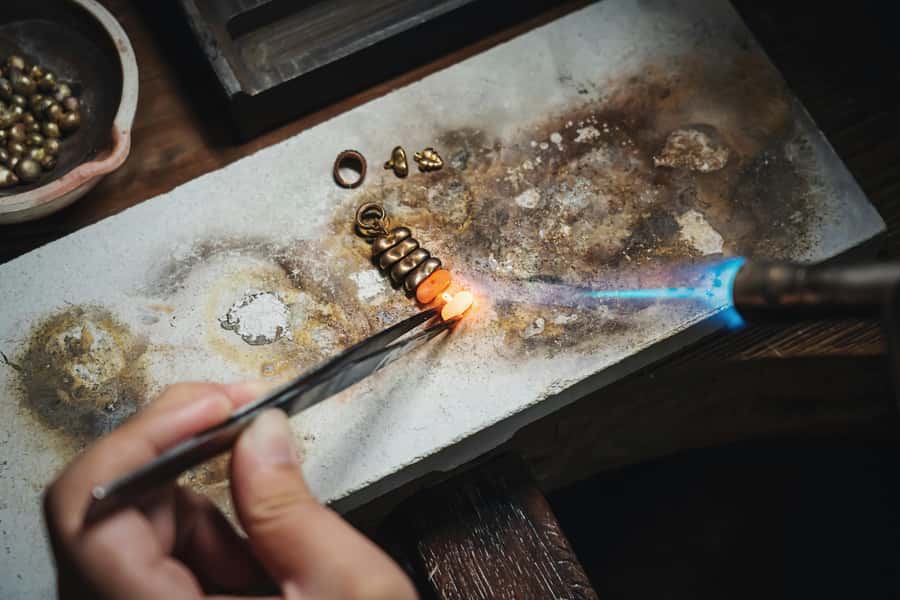
These are small choices that make a difference in metalwork.
- Wear comfortable shoes. You’ll be on your feet enough to matter.
- Dress in comfortable clothes that you don’t mind getting a little workshop-dust on.
- Go in ready to choose a design quickly. The fastest way to lose making time is to overthink the first decision.
- Listen hard during the safety briefing. It’s the part that keeps the whole class smooth.
- If you want to watch the later finishing steps, keep your schedule flexible. Those observations help you understand the process beyond your bench.
Also, it helps to be the type who enjoys talking with the guide. In one session, Tia shared interesting context about what people were doing and even offered practical local food tips for vegetarians. That kind of conversation makes the experience feel more like meeting a craft community than attending a scheduled show.
Should You Book This Yogyakarta Silver Workshop?
If you want a high-value, hands-on activity with a real outcome, I’d book it. You get English instruction, tools and silver provided, a snack, a certificate, and a take-home piece that represents what you learned.
Book it especially if:
- you’ve never tried silver jewelry before and you want clear step-by-step help
- you like traditional crafts but want to do more than look
- you value making a wearable souvenir, not just a photo
You might skip it if:
- you expect a long, slow, fully self-made masterpiece process (this is time-bound)
- you have mobility limitations and can’t confirm practical access details with the provider
- sharp tools make you anxious even with guidance
One last practical note: there’s an option to pay later and free cancellation up to 24 hours in advance, which makes it easier to fit into a changing Yogyakarta itinerary. If your schedule is still fluid, that flexibility is genuinely useful.
FAQ
How long is the Yogyakarta silver jewelry workshop?
The workshop duration is 2 hours.
How much does the workshop cost?
It costs $33 per person.
Will the instructor speak English?
Yes, the instructor is listed as English.
What’s included in the price?
The workshop includes a silver course certificate, your own masterpiece, snack, mineral water, silver, tools, and a silversmith guide.
Do I take home what I make?
Yes. You leave with your own handcrafted silver jewelry piece.
What should I bring or wear?
Wear comfortable shoes and comfortable clothes.
Is the workshop wheelchair accessible?
It’s listed as wheelchair accessible, but it is also noted as not suitable for people with mobility impairments. If mobility is a concern, it’s best to confirm details with the provider.
Is making fire allowed during the workshop?
No. Making fire is not allowed, and the rules also list no fireworks or explosive substances.