Three palaces, one focused morning.
This private Yogyakarta sightseeing plan is built around three big cultural stops in about five hours, with a personal guide, hotel pickup, and admission handled for the main sites. You start at the Kraton (sultan’s palace), then move to Tamansari’s pleasure-garden ruins, and finish in Kota Gede, the historic neighborhood tied to silver work.
I like the comfort angle first: round-trip transport in an air-conditioned vehicle means you spend less time wrangling rides and more time looking closely. I also like the guide style—one guide named Ditto is known for adapting the day to your interests, from watching coffee processing to visiting batik spots, so you don’t feel stuck in a script. The second big win: entrance tickets for the palace and Water Castle are included, so you’re not doing last-minute payment math.
One consideration: the timing is morning-first because the Kraton has tight opening hours and holiday closures, and transfers are included only for downtown hotels. If you’re staying farther out (or near the airport), you may need a supplement.
In This Review
- Key points worth knowing
- Private hotel pickup and why it changes the day
- Entering the Kraton: where the sultan’s palace still matters
- Tamansari Water Castle: a 1758 pleasure park walk
- Kota Gede: silver workshops and batik with local context
- Price and value: what $73.08 buys you in real terms
- What your guide can do for you (and why it shows)
- Timing, heat, and pacing: how to make the most of 5 hours
- Transport coverage: downtown pickup only
- Who this tour fits best
- Should you book Yogyakarta’s Essentials in Half a Day?
- FAQ
- What time does the tour start?
- How long is the Yogyakarta’s Essentials in Half a Day tour?
- Is this tour private or shared?
- Do I get hotel pickup and drop-off?
- What language is the guide?
- Which entrance fees are included?
- Are tickets provided as mobile tickets?
- What should I bring for the tour?
- Is lunch included?
- What is the cancellation policy?
Key points worth knowing
- True private setup: only your group, with an English-speaking guide (other languages on request).
- Admissions included where it counts: Kraton and Tamansari tickets are covered; Kota Gede entry is free.
- A walk through Tamansari’s 1758 pleasure grounds: ruins laid out for palace leisure.
- Kota Gede with industry context: silver workshops and batik stops, not just random shopping.
- Morning schedule for a reason: the Kraton can close early on Fridays and on certain holidays.
Private hotel pickup and why it changes the day
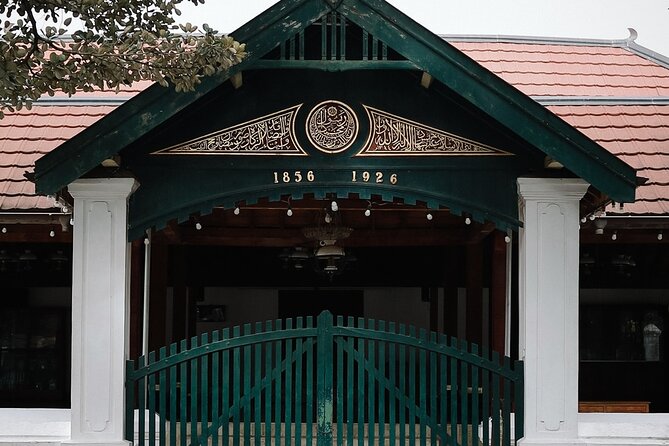
In Yogyakarta, traffic can turn a half-day into a half-day and a half. This tour tackles that problem directly with pickup and drop-off from downtown hotels, using an air-conditioned vehicle with a professional driver. It’s one of those simple choices that makes the whole plan feel easier, especially if you’re only in town for a short window.
You’ll also appreciate the pacing. Five hours sounds short until you factor in heat, walking, and the fact that palaces and heritage sites don’t work like check-the-box museums. Having your transport waiting and your guide managing the flow helps you keep momentum without feeling rushed.
If you want a more premium vehicle, there’s an upgrade option for better transport. That’s a nice lever if your group has someone who hates cramped cars, or if you simply want the comfort layer.
You can also read our reviews of more tours and experiences in Yogyakarta.


Entering the Kraton: where the sultan’s palace still matters
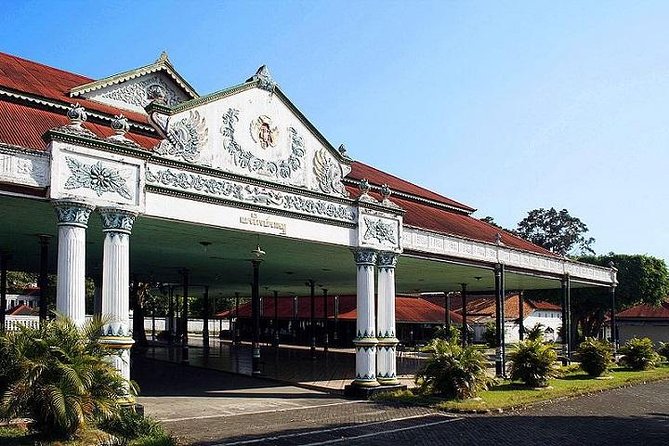
Your morning starts at the Kraton, founded in 1755 and located right in the center of town. This is not a theme-park version of royalty. It’s the palace area where the city’s sultan still lives, so even as a visitor site, it retains a living, official feel.
What I’d plan for mentally: you’re there for more than photos. A good guide will point out how spaces are organized and why certain parts of the palace complex exist where they do. You’ll spend about two hours here, which is enough time to slow down, ask questions, and not feel like you’re sprinting between gates.
The practical catch is hours. The Kraton is open daily from 8:00 am to 2:00 pm, but on Friday it closes at 1:00 pm. It’s also closed on national and public holidays and on Keraton-recognized holidays. This is exactly why the tour runs in the morning. If you’re the type who likes sleeping in, this tour will tug you back toward the real world.
Also note: even with ticket inclusion, this is still a formal palace setting. Wear clothing that feels respectful for a heritage site, and bring sun protection because Yogyakarta sun can be intense even when skies look mild.
Tamansari Water Castle: a 1758 pleasure park walk
After the Kraton, you head to Water Castle (Tamansari), built in 1758. It was created by a prince as a place of pleasure for him and his harem. That context matters because Tamansari isn’t just “some old ruins.” It was designed for leisure, views, and controlled movement—an escape within the palace world.
The tour gives you about two hours at Tamansari, including admission. Expect to walk around the well-preserved pleasure garden area and its ruin layout. Depending on the day, this stop can feel surprisingly restful. It’s one of those places where you can look at the same structure from multiple angles and notice how pathways and water features were intended to shape the experience.
A drawback to plan around: because it’s a walking stop, it can be tiring in the heat. You don’t need “athlete fitness,” but a moderate level of physical comfort helps. The ruins are outdoors and you’ll want your legs to be ready for the tempo.
If you’re the kind of traveler who likes to connect sites to real human life—power, entertainment, everyday rituals—Tamansari often clicks. If you prefer only big-standing monuments, you might need a guide to help you see the design logic hiding in broken walls and open garden spaces.
Kota Gede: silver workshops and batik with local context
The last stop is Kota Gede, the historic neighborhood known for its silver industry. Entry here is free, and you’ll have about one hour to explore batik factories, silversmiths, and related shopping.
This stop is short on purpose. It gives you enough time to see how the craft world looks and to watch what’s happening in workshops, without trying to turn it into a full shopping day. If you’ve ever walked into a craft market and felt lost about what you’re actually seeing, this is the fix: you’re in an area recognized for production, so the shopping connects back to a working craft tradition.
Here’s the useful part: you’re not limited to buying something. You can watch process, compare styles, and ask practical questions about materials or patterns. Then, if you want a souvenir, you have a better sense of what you’re paying for.
One small caution: because you’re in a shopping-focused area, take your time and don’t rush into the first price you hear. Your guide can help with pacing and explanations, but you’re still the driver of what feels fair and what feels worth bringing home.
Price and value: what $73.08 buys you in real terms
The price is $73.08 per person for a half-day tour that runs about five hours. When you’re comparing tours, don’t just look at the hourly rate. Look at what’s covered:
- A professional English-speaking guide
- Air-conditioned private transport
- Entrance fees for the Kraton and Tamansari
- Taxes and service charges
- Round-trip hotel transfers for downtown stays
That coverage is the value story here. If you were to piece this together yourself—separate transport, tickets, and a guide to interpret palace layout and cultural context—the costs usually climb fast, and the timing gets messy.
Also, the tour is private full-time with your group only. That matters because you’re not negotiating your schedule with strangers, and you can ask questions without feeling like you’re slowing down a crowd.
So, who gets the best deal? People who want a guided cultural morning but don’t want to waste half a day sorting out logistics. If you already know the city well and love DIY, you might find cheaper options. But if you want the smart, low-stress version, this one is priced like a practical solution.

What your guide can do for you (and why it shows)
The tour is run on a full private basis with an English-speaking guide. Other languages are available on request, subject to availability and supplementary charges. You’ll want to treat the guide as a translator of more than language.
In recent experiences, I’ve seen guides like Ditto take initiative in a useful way—adding interest-based stops such as a Luwak coffee place to see the processing and try coffee, or visiting batik locations to see how batik is made. That flexibility can be a big deal on a half-day tour, because it helps you tailor the day to what you actually care about.
Another example: Azhar is mentioned for smooth professionalism, from pickup to explanations to drop-off. That kind of service quality sounds boring until you’re in the middle of travel stress. Then it’s everything.
Bottom line: this tour works best when you communicate what you want to see. Tell your guide if you’re craft-focused, palace-focused, or you just want a clean overview with good context.
Timing, heat, and pacing: how to make the most of 5 hours
Start time is 8:30 am, and the plan is designed around morning. That’s good news for crowds and sun intensity. Still, bring what the operator asks for: sunglasses, a hat or cap, and sunscreen with high SPF. Even cloudy days can still deliver strong rays.
Also, keep your camera and phone safe. Outdoors in Yogyakarta means humidity, sweat, and occasional splashes. The tour notes that natural elements can damage electronics, so wrap and protect your devices if you’re using them often.
You’ll move from stop to stop with minimal gaps thanks to the private vehicle, but you still need to accept that palaces and heritage sites require walking and standing. If you have a moderate fitness level, you should be fine. If you prefer slow museum-style pacing with lots of seated time, consider planning your expectations—this tour is structured for movement.
If you’re sensitive to schedule shifts, remember that the operator tries to confirm exact pickup time after booking, but if they can’t finalize it, they reserve the right to inform you the day before.
Transport coverage: downtown pickup only
Hotel transfers are included only for customers staying in downtown Yogyakarta. Transfers outside that downtown area—like the Borobudur and Prambanan regions—and Yogyakarta International Airport are excluded, with supplements for joining from those areas.
This is important if your hotel is far from the center. It doesn’t automatically mean you can’t do the tour. It means you should double-check the pickup coverage so you don’t get surprised by additional transfer costs.
Also, the tour notes that you should provide correct hotel information, since pickup and drop-off depends on it. If you change accommodation outside 24 hours, the changes will be handled accordingly.
Who this tour fits best
This tour is a strong choice if you:
- Want a guided morning with major sites you can’t easily interpret alone
- Enjoy palace culture and design details, not just monument selfies
- Like craft areas and want to see silver and batik in context
- Prefer hotel pickup and a private driver over navigating rides and timing
It may not be ideal if you:
- Want an all-day itinerary (this one is tightly packed)
- Are staying far outside downtown and don’t want transfer supplements
- Prefer very relaxed pacing with lots of breaks and minimal walking
Should you book Yogyakarta’s Essentials in Half a Day?
If you’re choosing between DIY and a guided “hit the highlights” plan, this one is worth serious consideration. The included admission for the Kraton and Tamansari, plus the private, air-conditioned hotel transport, makes it a clean value play for a short stay.
I’d book it if you like your travel days structured but not stiff—especially because the guide can help steer you toward the things you personally care about, from craft viewing to coffee processing. Just be honest with yourself about the morning start and the fact that it’s designed for downtown access.
If your dream Yogyakarta is slow and deep with multiple regions, you’ll probably want a longer tour. But if you want a smart, culture-rich half-day that actually runs on time, this delivers.
FAQ
What time does the tour start?
The tour starts at 8:30 am.
How long is the Yogyakarta’s Essentials in Half a Day tour?
It runs about 5 hours.
Is this tour private or shared?
It’s a private tour. Only your group participates.
Do I get hotel pickup and drop-off?
Pickup and return transfers are included for hotels in downtown Yogyakarta. Pickup outside downtown (including Borobudur/Prambanan regions and the airport) is not included and may require a supplement.
What language is the guide?
The tour includes a professional English-speaking guide. Other languages are available on request, subject to availability and supplementary charges.
Which entrance fees are included?
Entrance fees for the Kraton and Water Castle (Tamansari) are included. Kota Gede entry is free.
Are tickets provided as mobile tickets?
The tour notes that it includes a mobile ticket.
What should I bring for the tour?
Bring sunglasses, a hat or cap, and sunscreen with high SPF, since sun rays can be strong even when cloudy.
Is lunch included?
No. Meals are not included, along with personal expenses such as drinks, tips, and gratuities.
What is the cancellation policy?
You can cancel for a full refund up to 24 hours before the experience starts. If you cancel less than 24 hours before, the amount paid is not refunded.