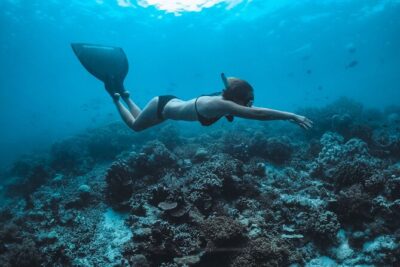
Manta rays start with a breath lesson. This 2-day beginner scuba program in Nusa Lembongan pairs pool practice with two underwater sessions, often at Manta Point and Crystal Bay, up to 40 feet.
I like how instructors such as Hugo and Romane coach you close-up, with a calm progression that starts on land and stays controlled before you go deeper. I also like the payoff: big marine moments like manta rays (and other sea life such as turtles, octopus, dolphins, and box puffer) paired with a clear limit of 12 meters. One drawback to consider: some comments note equipment can look a bit aged, so it’s smart to do a quick comfort check before you start.
In This Review
- Key Things You’ll Remember From This 2-Day Intro Scuba Program
- Nusa Lembongan Is a Friendly Place to Try Scuba
- Your Two Days: Pool Skills to Manta Point and Crystal Bay
- Crystal Bay + Manta Point: Why These Stops Matter
- A Quick Reality Check on What You’ll See
- The Skills You Learn So Underwater Breathing Feels Natural
- Gear and Facilities: What’s Included, What’s Not, What to Check
- The One Gear Consideration
- Price in Context: Is $151 Worth It for Two Days?
- Who This Course Suits Best (and When to Rethink)
- If You’re Anxious About Water
- How to Get the Most Out of Your Two Underwater Sessions
- Should You Book This Intro Scuba Program?
- FAQ
- What’s the maximum depth for the course?
- Do I need prior scuba experience?
- What happens on Day 1 vs Day 2?
- Where do the sessions take place?
- What gear and clothing are included?
- Are photos or videos included?
- Is there an age requirement?
- How is the tour structured in terms of group size?
Key Things You’ll Remember From This 2-Day Intro Scuba Program
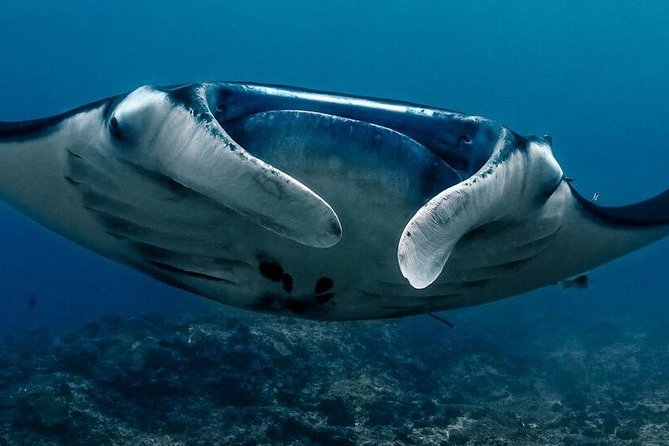
- Progressive skill-building: short briefing, then pool drills before your first open-water time
- Two iconic underwater areas: you’ll likely hit Manta Point and Crystal Bay on different parts of the course
- Instructor supervision close at hand so you’re not left to guess in the moment
- Beginner-friendly depth cap of 12 meters (40 feet) for confidence-building
- Video/photo souvenirs available if you want extra memory help (at an added cost)
- Manta Point timing focuses on that manta-cleaning-station vibe (often around 3–5 meters)
Nusa Lembongan Is a Friendly Place to Try Scuba
Nusa Lembongan is the kind of base that makes a beginner course feel less intimidating. You’re on an island setting where getting from the start point to boat spots is part of the flow, and the focus stays on your training and comfort.
What makes this program appealing is the way it balances instruction with real underwater magic. You’re not just “going down.” You’re practicing basics, building breathing control, and then getting a couple chances to see ocean life from inside the gear.
You can also read our reviews of more tours and experiences in Nusa Lembongan.
Your Two Days: Pool Skills to Manta Point and Crystal Bay
Day 1 is about getting your body and brain on the same page. You’ll start with a short briefing, then you practice in a pool to learn how the gear feels and how your breathing rhythm changes underwater.
Day 2 is when it gets real and also stays structured. The plan centers on an underwater session at Manta Point—a manta-cleaning-station area—followed by a short rest/refuel on the boat, then a second session at Crystal Bay.
A practical note: the course is designed as a progressive learning curve. That matters if you’re nervous. You get time to practice the basics before you’re asked to perform them on a moving boat and in open water.
Crystal Bay + Manta Point: Why These Stops Matter
Crystal Bay and Manta Point are chosen for a reason: they deliver the visual payoff beginners dream about. The goal is to give you a first taste of weightlessness while still keeping the experience instructor-led and controlled.
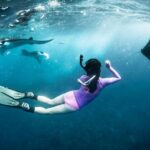
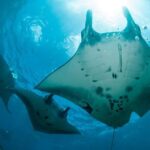
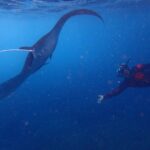
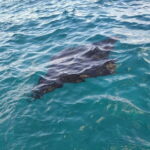
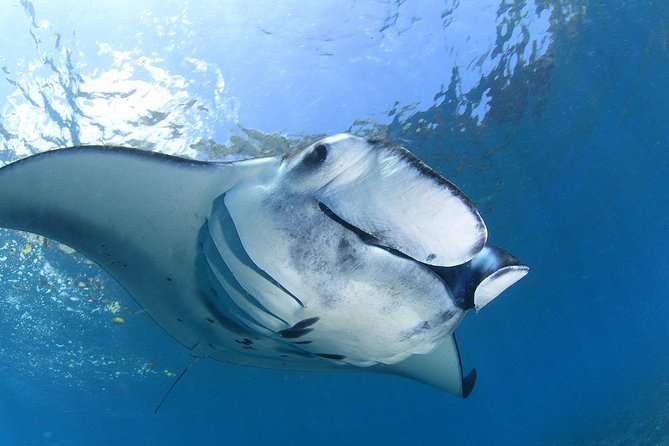
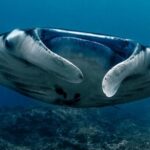
At Manta Point, the highlight is the cleaning-station action. The program specifically mentions mantas gathering around 3–5 meters, which is great for first-timers because you often get the excitement without needing to go deep right away.
Crystal Bay is your second underwater session. If you’re hoping to turn this into more than a “check-the-box” outing, this second spot is key. You’ll get a chance to apply what you learned on Day 1 with a new view of the reef and marine life.
And during the day, the route includes stops such as Mangrove Point at Nusa Lembongan, Toyapakeh, and Jungut Batu Beach. In practice, that means you’ll spend time on the water between sessions, with quick scenery and transfer moments before your next controlled underwater window.
A Quick Reality Check on What You’ll See
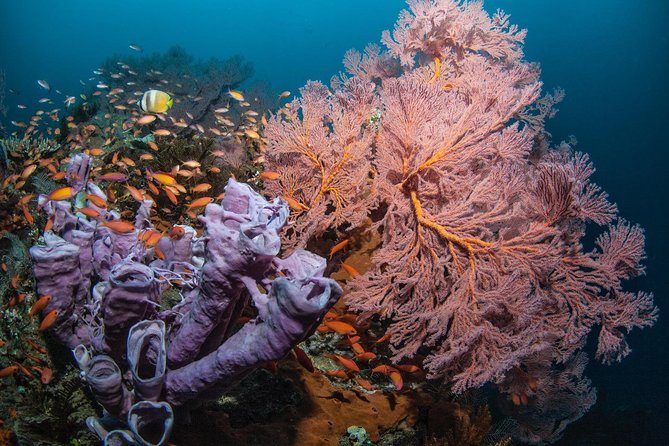
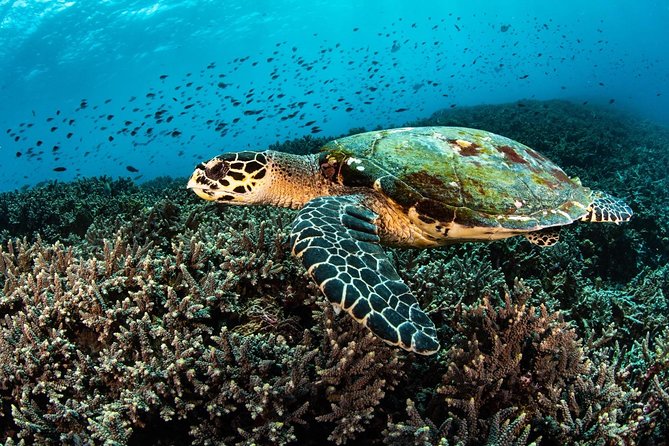
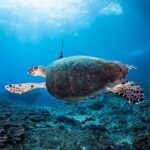
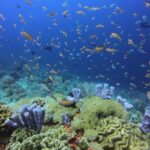
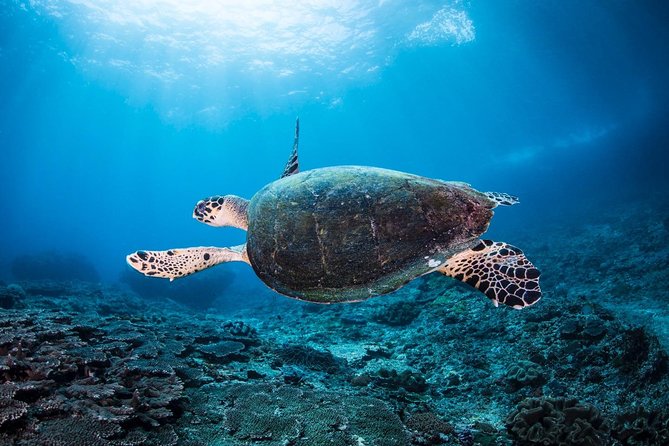
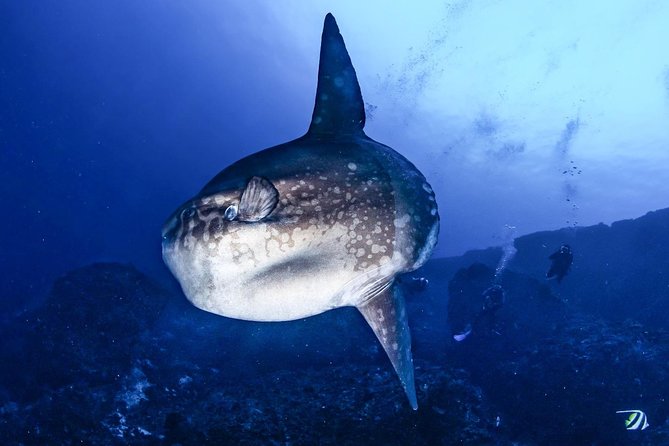
You shouldn’t expect identical sightings every time. But the program’s marine reputation is strong, and the course description plus feedback point to mantas and lots of reef creatures. Depending on conditions, you might encounter turtles, octopus, dolphins, and other colorful reef life like box puffer.
The Skills You Learn So Underwater Breathing Feels Natural
The biggest value here is not the location. It’s the way the training is built.
You practice basic diving skills—starting in the pool—so you learn how to move with the scuba equipment and manage your breathing. The goal is simple: after a short adaptation period, breathing underwater starts to feel like a new normal, not a scary unknown.
You’ll also learn how to put together your equipment. That sounds basic, but it’s a confidence booster. When you understand the gear and can assemble it without panic, you free up your brain to focus on calm breathing and good buoyancy.
Buoyancy control matters for beginners because it affects comfort fast. You’re given a buoyancy control jacket and a regulator, and your instructor works with you so you can evolve underwater with ease rather than forcing it.
If you tend to worry about losing control, this program is set up to help. Instructors (people like Hugo, Sara, Valentine/Valentin, and Romane) are repeatedly praised for being close, patient, and ready to respond when first-time nerves show up.

Gear and Facilities: What’s Included, What’s Not, What to Check
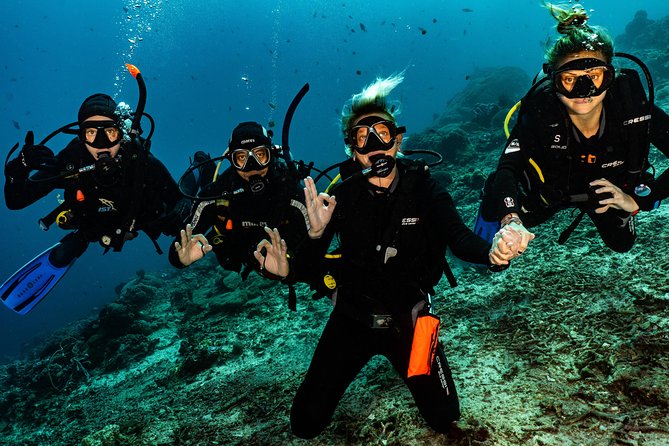
This course includes the essentials. You get a wetsuit and weight belt, plus all the core scuba equipment: mask, snorkel, fins, buoyancy control jacket, regulator, and other instruments.
That’s a real value point. For beginners, buying gear before you know if you’ll like scuba is a gamble. Having it included means you pay for an experience you can actually judge.
The operator also provides dive-center style facilities such as WiFi, toilet, shower, locker, and change rooms. Those comforts sound small, but on island days they help you avoid the “we’re all damp and flustered” spiral.
The One Gear Consideration
Some comments mention equipment that looks a bit older. You can’t change that before you arrive, but you can do a quick check:
- make sure your mask fits comfortably
- check that straps feel secure
- ask an instructor to confirm everything before you head out
Think of it as five seconds of prevention that can save a whole day of discomfort.
Price in Context: Is $151 Worth It for Two Days?
At $151.01 per person, this is priced like a serious training experience, not a quick sightseeing outing. The value comes from three things that are included: instructor support, gear, and the structure of two days with a pool foundation.
Included:
- certified instructor guidance
- pool practice on Day 1
- equipment and key gear items
- access to on-site facilities (toilet, shower, lockers, and more)
Not included:
- digital souvenir photos/videos (available for purchase)
- accommodation (though dormitories and bungalows are available at the center, they’re not included)
- an extra fee of 300,000 Rp per person to reach Manta Point
That last point is the one you’ll want to budget for. If Manta Point is part of your course day, you should assume this extra cost will apply. Still, even with the add-on, you’re paying for two guided underwater sessions plus the training component that gets you there.
Also, this activity gets booked ahead on average (roughly a couple months). If you’re traveling in a busy window, booking early helps lock in your date.
Who This Course Suits Best (and When to Rethink)
This is designed for people who want to experience scuba without prior training. It’s explicitly a beginner-friendly initiation, and the course mentions that the learning curve is progressive.
Minimum age is 10 years. If you’re traveling with a teen, this can be a clean first step—assuming they’re comfortable with water and can follow instructions.
There’s also a “moderate physical fitness” guideline. That doesn’t mean you need to be an athlete. It does mean you should be able to manage getting on and off the boat and handling your gear with guidance.
This program is private, meaning only your group participates. If you’re a couple, a small family, or a group of friends who want calmer, more focused attention, private format is a plus.
If You’re Anxious About Water
If you worry about panic in water, I’d pay attention to the instructor emphasis here. The course is structured with direct supervision, and first-day pool practice is meant to reduce surprises. Still, be honest with yourself: if you’re dealing with a serious water trauma, talk with the operator first so they can guide you toward the right pace.
How to Get the Most Out of Your Two Underwater Sessions
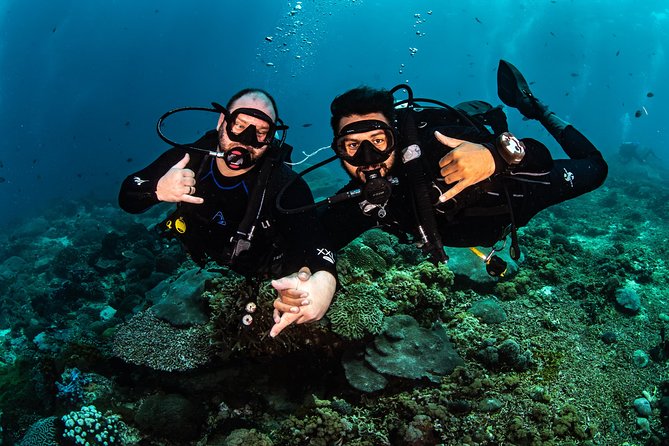
Your best results come from treating this like training, not a performance.
On Day 1, focus on learning what your body is doing. The pool isn’t there to waste time. It’s there to help you understand breathing, movement, and gear feel before you’re out in open water.
On Day 2, your job is to apply those basics calmly. If you feel off, you’re not expected to power through. A good approach is to communicate early and clearly to the instructor so they can adjust your plan and pace.
Also, plan your day around weather. The experience requires good weather, and if conditions aren’t right, you’ll be offered a different date or a full refund.
Should You Book This Intro Scuba Program?
I’d book it if you want a structured first scuba experience in a place known for marine life, and you want an instructor-led path that starts in a pool. You’ll likely enjoy this most if you like clear limits (max 12 meters), guided supervision, and the thrill of seeing mantas and reef animals without having to figure scuba out on your own.
I’d think twice if you know you’ll be unhappy with extra costs beyond the base price (because reaching Manta Point has a stated add-on fee), or if you’re very sensitive to equipment condition and need gear that feels brand-new every time.
If you want a first underwater experience that feels thoughtful, safe, and memorable—this one is a strong choice for Nusa Lembongan.
FAQ
What’s the maximum depth for the course?
The maximum stated depth is 40 feet (12 meters).
Do I need prior scuba experience?
No. This is an introductory program with basics taught first in a briefing and pool practice.
What happens on Day 1 vs Day 2?
Day 1 focuses on a short briefing and pool exercises. Day 2 includes two ocean underwater sessions, with one typically at Manta Point and the second at Crystal Bay.
Where do the sessions take place?
Your two ocean underwater sessions are most likely at Manta Point and Crystal Bay. Along the way, the route includes stops such as Mangrove Point at Nusa Lembongan, Toyapakeh, and Jungut Batu Beach.
What gear and clothing are included?
Included items are a wetsuit and weight belt, plus equipment such as a mask, snorkel, fins, buoyancy control jacket, regulator, and other instruments.
Are photos or videos included?
Digital souvenir photos/videos are not included, but you can purchase them.
Is there an age requirement?
Yes. The minimum age to participate is 10 years.
How is the tour structured in terms of group size?
It’s a private tour/activity, so only your group will participate.