A cabin houseboat on the Sekonyer River turns wildlife time into real downtime. You cruise through changing forest types while you look for orangutans and other primates, then get out for ranger-guided stops at orangutan feeding camps. It’s a classic Tanjung Puting style of travel: more nature time, less rushing.
I especially love the air-conditioned cabin comfort and the way the boat is set up for watching wildlife without feeling trapped below deck. I also like how the experience is organized around the animals, with a ranger on the feeding camps and a crew that’s actively scanning for sightings.
One consideration: you’ll do early starts and some light walking in the forest areas, so bring good mosquito protection and wear shoes that handle mud and uneven ground.
In This Review
- Key things that make this tour worth your time
- Cabin Comfort Meets Orangutan Conservation in Tanjung Puting
- How the Journey Works: Pickup, Transfer, and Boarding Timing
- Day 1: Kumai Transfer, Dayak Villages, and Your First Rehab Stop
- What to expect on day one
- Day one drawback to plan for
- Day 2: Camp Leakey, Pondok Tanguy, and the Best Wildlife Window
- Why the morning camp routine works
- A smart expectation to set
- Day 3: Kumai Transfers, Istana Kuning, Market Time, and a Dayak House Lunch
- Why this city segment can be a good payoff
- Day three consideration
- The Sekonyer River Route: More Than Pretty Scenery
- How to get the most from cruising time
- Cabin Life on a Klotok: Comfort, Meals, and Watching From Where It Counts
- The crew approach that makes the day easier
- Ranger-Led Feeding Camp Visits: How the Walks Feel in Real Life
- Practical tips for the walk
- Price and Value: Is $800 Per Person Reasonable?
- What to Pack and How to Dress for Comfort
- Who This Tour Fits Best (and Who Might Want Another Style)
- Should You Book This 3-Day Deluxe Cabin Houseboat Trip?
- FAQ
- How long is the tour?
- Where does the tour take place?
- What time does the tour start?
- Is hotel pickup and drop-off included?
- What’s included for meals during the trip?
- Are national park and entry fees included?
- What orangutan locations are visited?
- Is a ranger included?
- What’s not included, and what should I budget for?
- What’s the cancellation window for a full refund?
Key things that make this tour worth your time
- Air-conditioned cabin comfort on a real river boat, plus good observation spots for primates
- Ranger-led feeding camp visits at three different orangutan sites
- Forest variety along the Sekonyer River, from mangroves to peat swamp forest
- Meals and snacks included with afternoon tea, so you’re not constantly hunting food
- Private group feel with hotel pickup/drop-off and dedicated transport
Cabin Comfort Meets Orangutan Conservation in Tanjung Puting
This is one of those trips where the travel style matters as much as the wildlife. A Klotok houseboat is slow by design. That sounds simple, but it changes everything: you’re not sprinting between viewpoints, and you can settle into the river’s rhythm. The goal here is conservation-focused wildlife viewing, with structured stops at orangutan rehabilitation and feeding locations inside Tanjung Puting.
I like the fact that you’re not just passively watching from water. You cruise for wildlife along the way, then you step out at three orangutan feeding places for short, lightly paced walks guided by a ranger. It makes your sightings feel more meaningful because you understand what you’re looking at: rehab work and the orangutans’ return to rainforest habitat.
Also, this trip is positioned as a deluxe cabin experience. That means you spend the long middle of the day resting comfortably, not sweating it out in a cramped boat. If you’ve ever done boat tours in the tropics where you feel sticky and exhausted afterward, you’ll appreciate the difference.
You can also read our reviews of more tours and experiences in Pangkalan Bun.
How the Journey Works: Pickup, Transfer, and Boarding Timing
The experience starts with pickup around 9:00 am. Then you’ll transfer by air-conditioned minivan toward Kumai, where you board the boat. Your first day includes travel time plus time on the river, so you’re not stuck waiting forever on day one—there’s always something happening.
By midday you switch modes: from road travel into the river world. The Klotok boarding window is around early afternoon, with your cruise starting soon after. That timing is helpful because it gives you at least some daylight for your first wildlife scanning and rehab stop.
One practical note: river schedules can flex. A good crew accounts for conditions on the water, so go with the flow rather than expecting everything to run like clockwork. The upside is that once you’re onboard, the boat crew manages the pace so you can focus on wildlife.
Day 1: Kumai Transfer, Dayak Villages, and Your First Rehab Stop
Day one is built around getting you onto the Sekonyer River smoothly and then hitting your first major conservation site.
First, you’ll be transported from Pangkalan Bun to Kumai, passing Dayak villages along the way. This roadside segment matters more than it sounds. You’re seeing how communities live in the broader region you’re entering, so the park doesn’t feel like an isolated bubble once you get moving.
Then you board the Klotok and cruise into the afternoon. You have a planned stop at the first orangutan rehabilitation center, listed as Tanjung Harapan. This is your first introduction to the rehab side of the story: why orangutans end up in care, and how caretakers work toward returning them closer to their natural environment.
What to expect on day one
- Cruising time from the early boarding into the afternoon
- Rehabilitation-center visit with a ticket included
- An afternoon pace that doesn’t feel too rushed, especially if you’re adjusting to the humidity
Day one drawback to plan for
The day has multiple transitions—minivan to boat, boat to walking/visiting—so keep your essentials easy to reach. You’ll appreciate a small dry bag or something you can grab fast for water and sun protection.
Day 2: Camp Leakey, Pondok Tanguy, and the Best Wildlife Window
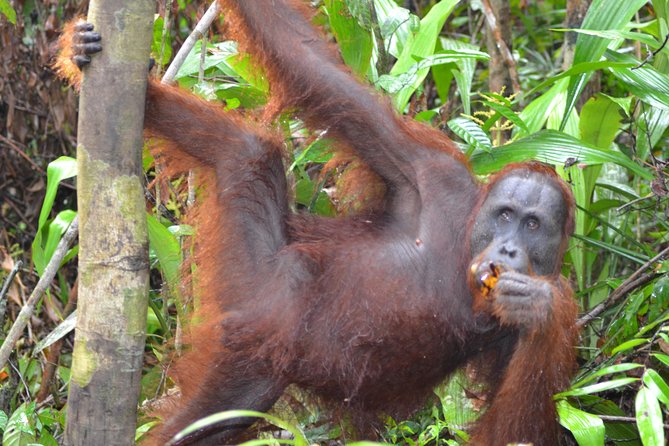
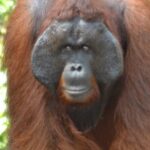
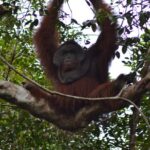
Day two is the heart of the wildlife viewing. You’ll start early after breakfast, then head up the river to Camp Leakey, where older orangutans are reintroduced into the rainforest.
This is where you’ll likely feel the most “in the action” part of the trip. Camp Leakey has a reputation for drawing orangutan activity because it’s tied to rehab and long-term reintroduction efforts. The timing—morning—also helps. Wildlife often seems more active when the air is cooler and the day hasn’t warmed up fully.
From there, you shift to another ranger-supported stop at Pondok Tanguy, another rehab location tied to orangutan care and feeding observations.
Why the morning camp routine works
- You get daylight for spotting primates
- The pace is structured so you’re not walking around without context
- You get ranger help on what you’re seeing and where to look
A smart expectation to set
You’re in a rainforest habitat, not a theme park. Even with a ranger and a plan, animal sightings depend on time, weather, and what’s happening in the canopy. The value here is that you’re positioned in the right places with the right support, not that you’re guaranteed a specific number of sightings.
Day 3: Kumai Transfers, Istana Kuning, Market Time, and a Dayak House Lunch
Day three starts with a river-to-city shift. You arrive back in Kumai by car in the early morning, then switch to a city tour format.
Your city day includes visits to:
- Istana Kuning
- A traditional market
- The Arut riverside
Then you pause for lunch at a Dayak house before the tour ends in the early afternoon.
Why this city segment can be a good payoff
After two days in the park, it’s nice to see a different side of the region. The market and riverside stop add texture. You also get a break from constant boat watching, which can be relaxing if you’re feeling full of nature by day three.
Day three consideration
This part is less controlled than the park days. It’s still organized, but you’ll get less wildlife density here and more cultural/urban rhythm. If you’re mainly hunting orangutan sightings, keep your expectations focused: day two is your prime wild window.
The Sekonyer River Route: More Than Pretty Scenery
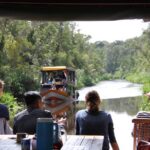
One of the most useful parts of this trip is that it explains the ecology through what you pass by. As you cruise along the Sekonyer River, you travel through a string of habitat types, including:
- mangroves
- lowland tropical forests
- dry land forests
- freshwater swamp mangroves
- peat swamp forests
- coastal forests
- secondary forests
That’s a lot of ecosystem variety in a short time. And you feel it in the bird calls and the way the banks look different as you move. You also get chances to spot different primate species in their broader habitat—not just orangutans.
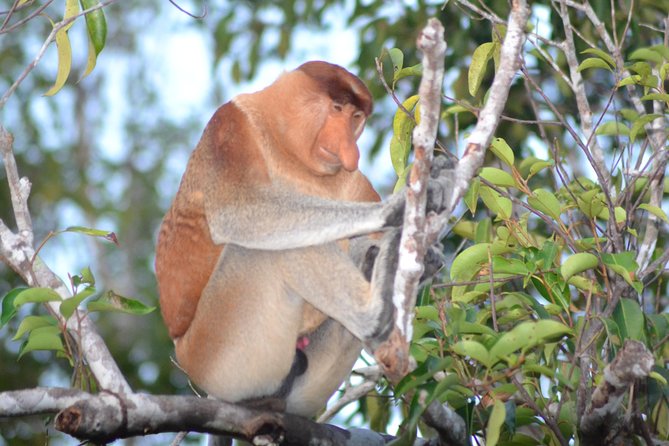
The wildlife possibilities you can look out for include proboscis monkeys, langurs, long-tailed monkeys, red monkeys, and birds throughout the route. The trip is timed so you spend enough hours on the river to scan steadily rather than catching only a few minutes here and there.
How to get the most from cruising time
- Stay ready with sunglasses and a hat; glare on water can be intense
- Use observation time between stops, not only during the busiest moments
- Don’t fixate on one spot—scan along the banks and treeline edges
Cabin Life on a Klotok: Comfort, Meals, and Watching From Where It Counts
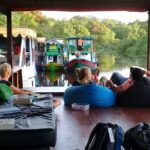
This is where the trip earns its deluxe tag. You get comfortable cabin space rather than just basic boat seating. The cabins have air-conditioning, which is a big deal in this climate. After hours in warm air (even if you’re not always in direct sun), that cool-down time is real recovery.
You also get comfy beds and cabin roof observation areas. That matters because orangutans and other primates can show up in ways that are easier to spot from a higher viewing position. If you’ve ever had to crane your neck from a low deck, you’ll appreciate the design here.
Food is included and it’s not treated like a side item. You’ll have breakfast (2), dinner (2), lunch (2), plus afternoon tea, bottled water, and snacks. That helps your day run smoother. You won’t waste time thinking about meals or burning energy searching for snacks.
The crew approach that makes the day easier
The boat crew is attentive without turning the whole trip into a constant performance. They’re there when you need something, and they also help you notice wildlife by actively looking as you cruise. The result is that you’re supported but not managed.
Ranger-Led Feeding Camp Visits: How the Walks Feel in Real Life
A key element here is the feeding-camp program. You visit three orangutan feeding locations, with ranger support on the camps. The route includes Tanjung Harapan, Pondok Tanggui (spelled slightly differently in different places, but it’s the same stop), and Camp Leakey.
At these stops, you’ll do light walking through forest areas. That’s important: it’s not an all-day hike, but it’s also not a sit-and-stare exercise. You’ll step onto trails or near feeding sites long enough to get close to the habitat and understand where the animals move.
Practical tips for the walk
- Bring mosquito repellent and use it before you think you need it
- Wear light layers you can manage in humidity
- Keep your small backpack minimal, because you’ll move and stop more than you might expect
- Bring sunglasses/hat and sunblock—shade can be patchy
The ranger role matters because they help you read the habitat and behavior. You’ll get more than a feeding-view moment. You’ll get context on why these sites exist and what “reintroduction” and rehab mean on the ground.
Price and Value: Is $800 Per Person Reasonable?
At $800 per person for about 3 days (2 nights), this is not the cheapest way to do Tanjung Puting. But it also includes a lot that usually costs extra elsewhere.
Here’s the value angle you should care about:
- 2 nights accommodation on the Klotok houseboat
- All taxes/fees and national park fees
- Pickup and drop-off, plus round-trip private transfers
- Meals across the full stay, including breakfast, lunch, dinner, snacks, tea, and bottled water
- Ranger support on the feeding camps
- A private tour setup, meaning your group controls the experience pace more than in large shared groups
The other line item you should budget for is tips, because guide and crew tips are not included. Personal expenses aren’t included either, as usual.
So the real question isn’t just the price tag. It’s whether you want to pay for convenience and comfort—especially air-conditioning, food planning, and built-in wildlife guidance—rather than doing a more basic, self-managed version of the trip.
What to Pack and How to Dress for Comfort
You’ll enjoy this trip more if you pack for heat, insects, and moving on and off the boat.
Use this as your packing checklist:
- Mosquito repellent (a must)
- Small backpack / daypack for essentials
- Sunglasses and a hat
- Sunblock
- Smart casual clothing for the overall flow of the days
For footwear, you might find water and mud inevitable around forest edges. If you can, choose shoes that handle uneven ground and dry quickly.
Who This Tour Fits Best (and Who Might Want Another Style)
This works well for:
- Couples or families who want a private experience rather than a crowded day
- People who want wildlife access without sacrificing comfort—especially with the air-conditioned cabins
- Anyone who appreciates a structured plan around conservation, not just random animal spotting
It might be less ideal if:
- You want a very spontaneous schedule with no fixed stop timing
- You dislike early mornings and humidity
- You’re expecting purely boat-based viewing with no walking at all
Still, the activity is described as “most travelers can participate,” and the forest walking is light, which usually makes it manageable for a wide range of ages.
Should You Book This 3-Day Deluxe Cabin Houseboat Trip?
Yes—if you want the Tanjung Puting experience to feel comfortable, structured, and genuinely conservation-focused. The biggest strengths are the air-conditioned cabin comfort, the solid meal setup that keeps you energized, and the ranger-supported feeding-camp visits that turn sightings into something you understand.
Book with confidence if you like:
- wildlife watching that isn’t rushed
- the slow joy of being on the river
- a private setup with hotel pickup and a dedicated group experience
I’d think twice if you hate mosquitoes even with repellent, or if you’re very sensitive to early mornings. In exchange, you get a thoughtful mix of forest ecology, orangutan rehab context, and a day that adds local culture back on land.
If this sounds like your style, go for it and keep your schedule flexible on the water. The river decides the pace, and that’s part of the charm.
FAQ
How long is the tour?
The experience lasts about 3 days.
Where does the tour take place?
It’s based in Pangkalan Bun, with activities and river cruising connected to Kumai and Tanjung Puting areas.
What time does the tour start?
The listed start time is 9:00 am.
Is hotel pickup and drop-off included?
Yes. Hotel pickup and drop-off are included.
What’s included for meals during the trip?
You’ll receive breakfast (2), dinner (2), lunch (2), plus afternoon tea, bottled water, and snacks.
Are national park and entry fees included?
Yes. National park fees are included.
What orangutan locations are visited?
The trip includes visits to Tanjung Harapan, Pondok Tanguy, and Camp Leakey.
Is a ranger included?
Yes. A ranger is included on the 3 feeding camps.
What’s not included, and what should I budget for?
Guide & crew tips and personal expenses are not included.
What’s the cancellation window for a full refund?
You can cancel up to 6 days in advance for a full refund.