Orangutans and river night skies feel close here. This 5-day wildlife-focused trail in Pangkalan Bun takes you by klotok river cruise through the mangroves and lowland jungle to places like Camp Leakey, plus villages and river rides. If you like nature that feels working and real, this is a strong fit.
I love how well the experience is built around the water and the forest, not just quick photo stops. You’ll also see serious care from the onboard team, with roles that run like a small unit: a guide, a captain, a cook, and a deck hand, all focused on keeping things smooth and welcoming, and the food is a clear highlight. For the second big win, I like that the group stays small, with a maximum of 6 people per booking, so the guide can actually guide your pace on trails and boat stops.
One consideration: the flow can be less rigid than you might expect, so I’d treat the exact timing of each moment as flexible rather than guaranteed. And if you’re sensitive to physical effort, be ready for a 9 km jungle day plus an overnight tent setup on a platform, even if the setting is part of the charm.
In This Review
- Key highlights from this orangutan jungle trail
- Where Pangkalan Bun’s jungle trip really starts: rivers, then rainforest
- Price and logistics: what $800 buys you (and what it doesn’t)
- Day 1 on the Sekonyer: Riverside watching and Tanjung Harapan Feeding Camp
- Day 2 to Camp Leakey via klotok: up the river, into the rehab story
- Day 3: the 9 km lowland jungle trail and sleeping on a tent platform
- Day 4: Pesalat replanting site, village river rides, and firefly night dinner
- Day 5 on Arut Riverside: market stops, Yellow Sultan Palace, and Kumai half-city
- The boat team is a big deal here, and it shows
- Who this tour suits best (and who should reconsider)
- Should you book this orangutan jungle trail in Pangkalan Bun?
- FAQ
- What time does the tour start?
- Where is this tour based?
- How long is the experience?
- Is hotel pickup and drop-off included?
- What meals are included?
- Are national park fees included?
- How many people are in a booking?
- What types of transportation are used during the trip?
- Is there an overnight tent setup?
- Is cancellation free if I change my mind?
Key highlights from this orangutan jungle trail

- Camp Leakey + orangutan rehab context: you’re not just watching animals; you’re seeing a reintroduction story unfold in the rainforest.
- Klotok boat travel on real rivers: Sekonyer and Arut river scenery is part of the experience, not just transit.
- 9 km lowland forest hike: a proper trek into Kalimantan lowland forest, with big trees and a true “on foot” feeling.
- On-forest overnight on a tent platform: one night is built around sleeping in the jungle setting.
- Firefly-light dinner: evening plans that connect the ecosystem to your schedule.
- Small group feel: max 6 per booking, so you’re less lost in a crowd.
Where Pangkalan Bun’s jungle trip really starts: rivers, then rainforest
Pangkalan Bun is your gateway to Tanjung Puting National Park, and this tour leans into that logic. The big movement is by boat first, then by foot, with day plans tied to rivers like Sekonyer and Arut that cut through mangroves and lowland forest.
That matters for two reasons. First, wildlife watching here often comes down to where the habitat meets the water. Second, the whole schedule feels less like commuting and more like traveling through an ecosystem, one stop at a time.
This is also a guided setup from start to finish. You get hotel pickup and drop-off, plus private transport by air-conditioned minivan for the non-boat parts, so you’re not juggling local buses while trying to stay on schedule.
You can also read our reviews of more tours and experiences in Pangkalan Bun.
Price and logistics: what $800 buys you (and what it doesn’t)
At $800 per person for about 5 days, this isn’t a budget sampler. But the price looks more reasonable when you list what you’re actually paying for: accommodation as arranged in the itinerary, national park fees, a local guide, meals (4 breakfasts, 5 lunches, 4 dinners) and snacks, plus transport (private and air-conditioned for land segments, boat travel for river days).
In remote areas like this, logistics are expensive even before you add guides and park entry. You’re also booking a small-group plan (max 6), and that usually costs more than mass tours, but it also changes how the guide can work with you.
Two things are not included: personal expenses and tips. So if you’re the type who likes bottled water, souvenirs, or extra snacks, budget a little extra. And if you care about perfect itinerary timing, I’d plan mentally for some wobble.
Day 1 on the Sekonyer: Riverside watching and Tanjung Harapan Feeding Camp
Your day begins with a river-first mindset. You’ll enjoy watching the Sekonyer Riverside where the ecosystem shifts across the water’s edge, moving through different vegetation types that reflect the park’s mix of coast and lowland rainforest.
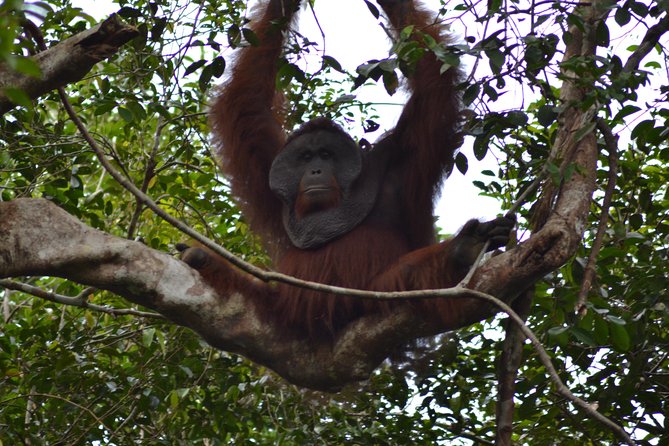
Then you head to the Tanjung Harapan Feeding Camp. Even if you’ve seen orangutans in zoos elsewhere, this feels different because you’re in the real rehabilitation-and-care context of the region. The big value on day one is orientation: you start learning how this park breathes, and what kinds of animals show up around the feeding and observation routines.
Later, you’re back on the boat for sunset. This is one of those “small moments with big payback” parts of the schedule. And yes, you may spot macaques and proboscis along the way, depending on what the habitat is doing that day.
What can feel challenging: your best sightings can be partly weather- and timing-dependent, and day one is still about getting oriented and moving between key river spots. If you want guaranteed orangutan encounters at a specific hour, this isn’t the type of tour that promises that.
Day 2 to Camp Leakey via klotok: up the river, into the rehab story
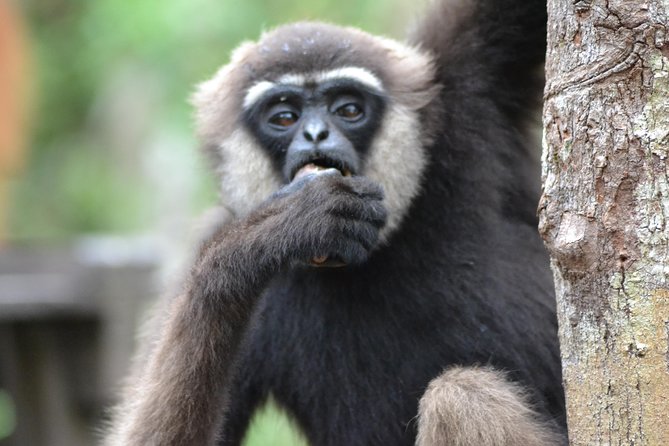
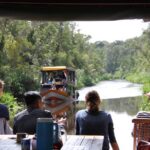
Day two is where the orangutan focus turns sharper. After breakfast, you board the klotok boat and travel up the river for about two hours. Then the route shifts again as you go up a side creek, bringing you into the forest setting around Camp Leakey.
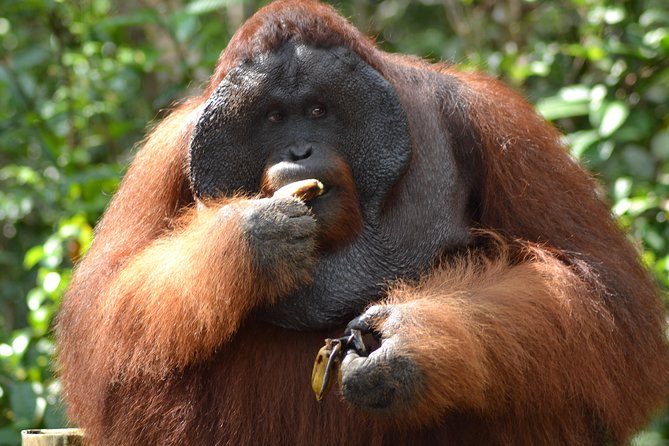
At Camp Leakey, the program context is the point. You’ll see older orangutans reintroduced into the rainforest. That’s a different kind of encounter than “look and move on.” It helps you understand why certain areas are managed, and why observation here is about supporting long-term survival, not just short-term viewing.
En route you stop at Pondok Tanguy, described as part of the rehabilitation area. This adds another layer to what you saw on day one, because it connects feeding-and-care routines to the broader rehab landscape you’re moving through.
What I like about this structure: it trains your expectations. By the time you reach Camp Leakey, you already know the rhythm of the river and the logic of the rehab locations, so your guide’s explanations land better.
Possible drawback: boat days move at the pace of the waterway, not the clock on your phone. If you’re someone who hates waiting or uncertainty, build in patience.
Day 3: the 9 km lowland jungle trail and sleeping on a tent platform
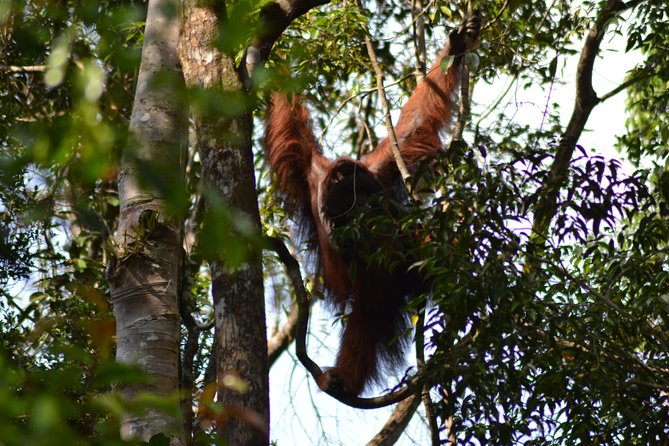
Day three is your physical reset and your “real jungle” day. After breakfast, you set out for a 9 km-long trail into Kalimantan lowland forest. The walk is described as truly wild, and the focus is on big, old trees and the feel of lowland rainforest.
This is the part of the tour that separates it from casual wildlife watching. You’re not only scanning from a boat. You’re earning the views by walking through habitat that doesn’t exist for your convenience.
Then you set up for the evening with a tent on a platform. That overnight is clearly part of the experience design, turning the schedule into an on-site night in the forest rather than a quick return to town accommodations.
What to consider before you go: a 9 km jungle trek is not a city stroll. Wear proper footwear and expect uneven ground. Also, if you’re uncomfortable with tent-style sleeping, this is a day to double-check. One review hint suggested the tent option may not match the written expectations in every case, so I recommend asking the operator ahead of time how the overnight works in practice, including what kind of platform setup you’ll actually use.
Why this day is worth it: sleeping in the jungle ecosystem reframes everything you saw earlier. Even the quiet moments start to feel alive.
Day 4: Pesalat replanting site, village river rides, and firefly night dinner
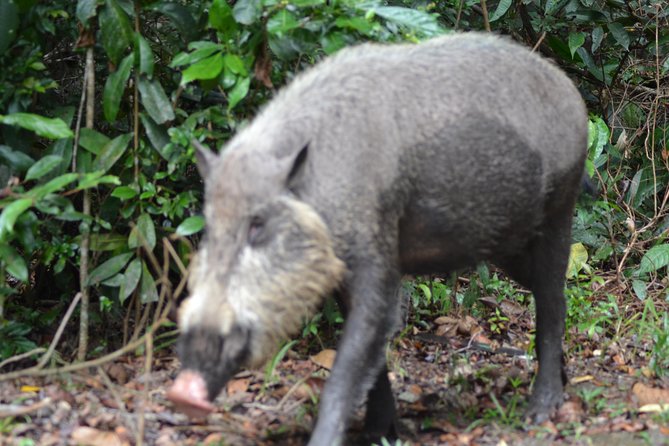
Day four adds education and community, which is smart. You start with Pesalat Replantation Conservation Education Site inside the park context. This is a different angle than camp feeding and rehab viewing: it’s about rebuilding habitat and teaching why conservation is long-term work.
After that, you head back toward Tanjung Harapan for sightseeing in the village. Then you explore by small boat on a smaller river channel. This part of the day matters because it shows how people and wildlife share the same broader landscape.
In the evening, you get firefly light dinner. That’s a special kind of experience because it doesn’t need animals in front of your face to be memorable. It’s timed to the night’s natural rhythms, and it’s the kind of evening detail that makes the whole trip feel cohesive.
Potential drawback: if you’re hoping for one more big orangutan-focused day, day four spreads attention across conservation and village life. That’s not a problem if you like the full picture, but it’s worth knowing.
Day 5 on Arut Riverside: market stops, Yellow Sultan Palace, and Kumai half-city
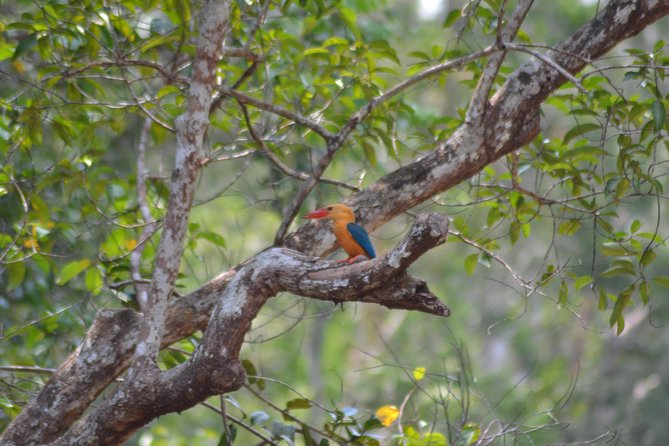
Your final day brings you back toward town life, but still keeps the river in the story. You travel by small boat up and down the Arut Riverside, then stop for a traditional market and the Kingdom Palace, known here as the Yellow Sultan Palace.
From there, you visit Kumai Half City and also see Istana Kuning. You end with lunch at Arut House, then transfer out to your departure area back in Pangkalan Bun.
This day is practical and cultural rather than “jungle only.” It’s also a helpful landing strip after a trek and a tent night. By day five, you’ll probably want a comfortable pace and something more structured than spotting wildlife in the canopy.
What to pack mentally: day five is your “wrap-up and remember” day, not a peak wildlife day. If you’re chasing a specific animal sighting, keep expectations flexible.
The boat team is a big deal here, and it shows
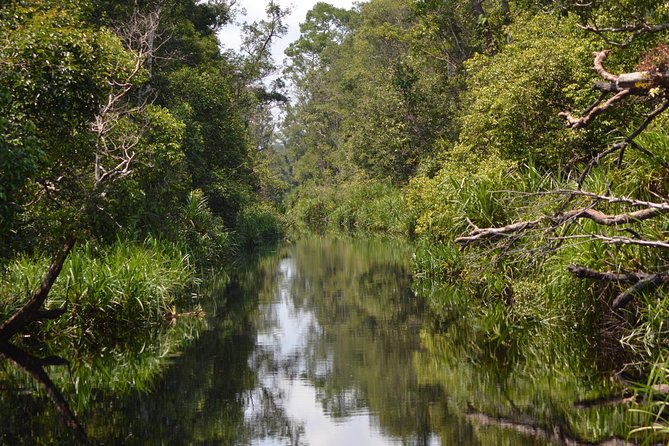
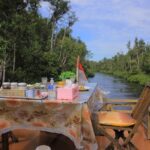
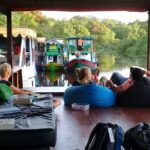
One of the most praised parts of this experience is the onboard crew and how they operate. The setup includes a guide, a captain, a cook, and a deck hand, and the tone is kind and helpful. Food quality is repeatedly singled out as incredible, which matters because multi-day jungle travel can wear you down fast if meals are basic.
This kind of staff organization also helps with comfort in a place where you don’t control the environment. When you’re dealing with boat schedules, hot weather, and trail logistics, calm competence makes the trip feel easier.
Who this tour suits best (and who should reconsider)
This experience suits you if you want a guided orangutan-focused nature trip that also includes real forest walking and nighttime jungle atmosphere. It’s a strong match for people who enjoy boats, quiet observation, and the conservation angle of rehab and replanting sites.
It’s also a good fit for small groups. A maximum of 6 people keeps things manageable and helps your guide tailor pace and attention.
You might want to reconsider if:
- You’re not comfortable with a long 9 km jungle walk.
- You prefer strictly fixed schedules with no flexibility.
- You’re very sensitive to tent sleeping, especially if you were expecting a specific tent setup.
Kids can join, but they must be accompanied by an adult, and most travelers can participate. The “most travelers” line doesn’t remove the need for decent walking fitness.
Should you book this orangutan jungle trail in Pangkalan Bun?
If your goal is to see orangutans in a rehab and rainforest context, plus experience lowland jungle on foot and at night, I think it’s a solid booking. The value comes from the full package: park fees, guiding, meals, small-group attention, and the fact that the transport system is built around rivers, not around convenience.
My best advice is simple: before you commit, ask the operator to confirm how the overnight tent platform works in your specific dates and whether the day-to-day flow will match the written plan closely. That one check protects you from surprises.
If you like nature with structure, and you’re okay with a bit of schedule flexibility, this tour can deliver exactly the kind of up-close, conservation-linked jungle experience people come to Kalimantan for.
FAQ
What time does the tour start?
The start time is 9:00 am.
Where is this tour based?
It’s located in Pangkalan Bun, Indonesia.
How long is the experience?
It runs for 5 days (approx.).
Is hotel pickup and drop-off included?
Yes. Hotel pickup and drop-off are included.
What meals are included?
Meals are included as per the itinerary: 4 breakfasts, 5 lunches, 4 dinners, plus snacks.
Are national park fees included?
Yes, national park fees are included.
How many people are in a booking?
The tour has a maximum of 6 people per booking, and it’s private for your group.
What types of transportation are used during the trip?
Land transfers use an air-conditioned minivan. You’ll also use private transportation by boat, including klotok and small boats on river segments.
Is there an overnight tent setup?
The plan includes building a tent on a platform for the evening on day 3. If this matters to you, it’s smart to confirm the exact overnight setup before you go.
Is cancellation free if I change my mind?
Yes, you can cancel for a full refund up to 24 hours before the experience start time.