Hot wax, calm hands, and a wearable souvenir. This 3-hour batik painting class in Ubud (Keliki) is one of those rare activities where you get hands-on creativity and clear, patient instruction. You learn Indonesian wax-resist batik the way it’s meant to be learned: step by step, with help when your hand shakes or your lines get a little wild.
Two things I really like here are the structured guidance (so you’re not guessing) and the relaxed studio vibe that makes the process feel doable, even if you’ve never done art before. The only real drawback to plan for is logistics on arrival: the studio involves going upstairs, and one review noted the way up can be tricky for anyone with walking issues.
In This Review
- Key Things That Make This Ubud Batik Workshop Worth Your Time
- Batik in Keliki: What You’re Actually Making in 3 Hours
- Meeting Five Arts Studio: How to Find the Place Without Stress
- The Studio Setup and the Session Flow You Can Expect
- Picking a Template: Why This Class Works for Beginners
- Hot Wax Tracing: The Part That’s Tricky, Then Surprisingly Calm
- Coloring and Dyeing: Turning Your Lines Into Color Blocks
- What You Take Home: Wearable Cloth and Real Artwork
- Price and Value: Is $26 Fair for a 3-Hour Class in Ubud?
- Who Should Book This Batik Class (And Who Should Rethink It)
- Practical Tips Before You Go
- Should You Book Five Arts Studio’s Batik Painting Class in Ubud?
- FAQ
- How much does the batik making class cost?
- How long is the batik class in Ubud?
- Is the class taught in English?
- What’s included in the price?
- What should I bring to the workshop?
- Where is the meeting point?
- Is the class suitable for young children?
Key Things That Make This Ubud Batik Workshop Worth Your Time
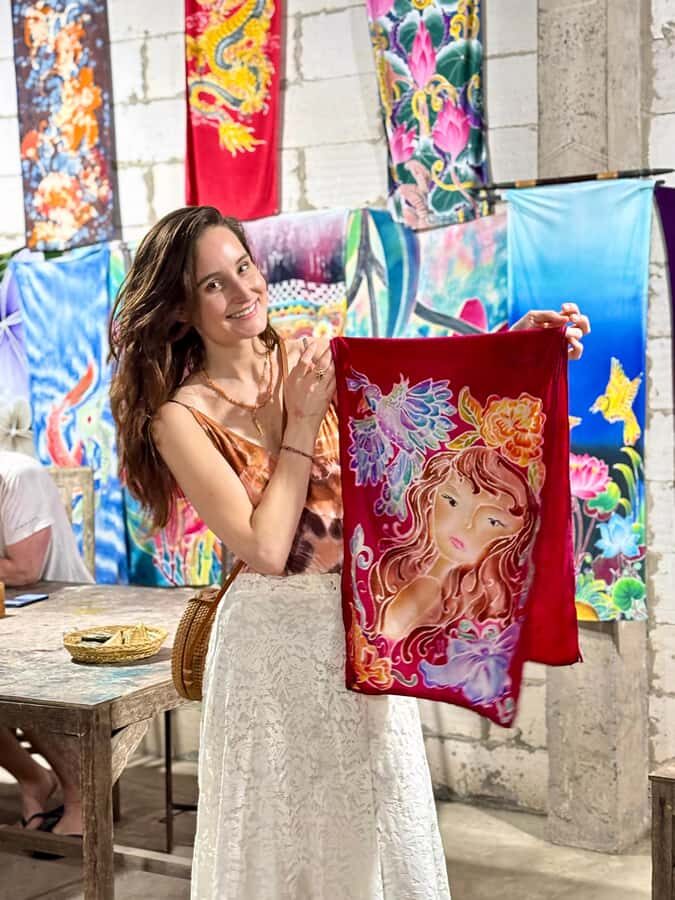
- English-speaking instructors who walk you through hot-wax tracing
- Template-based design (no need to invent a pattern from scratch)
- Hot wax is tricky but oddly soothing, and you’ll get help when it matters
- Open, airy creative workspace with a calm, rural feel in Keliki
- All materials are provided, including cotton cloth, tools, and dyes setup
- You’ll take home your finished piece as a real souvenir you made yourself
Batik in Keliki: What You’re Actually Making in 3 Hours
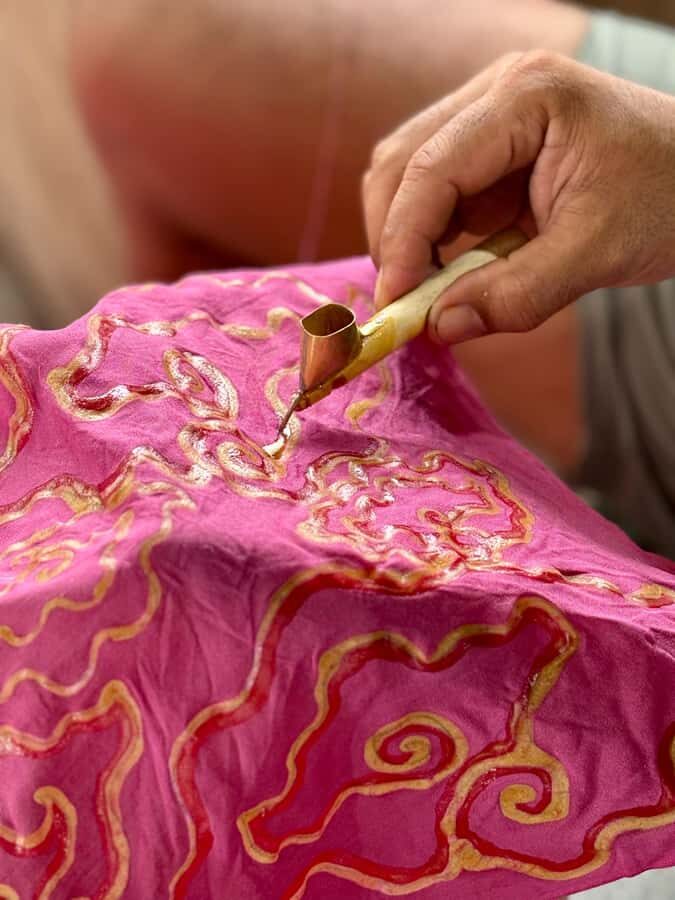
Batik sounds fancy, but the class makes it practical fast. You’re working with a wax-resist technique, meaning the wax blocks dye from reaching certain parts of your design. Where the wax goes, the color won’t. Where the wax is removed or not applied, dye takes over. That simple idea is what turns line drawings into patterned cloth with crisp, intentional results.
What you create isn’t just a craft project. Batik is tied to Indonesian culture and identity, and the studio’s approach focuses on the meaning behind designs as you work. The teachers guide you through the history and significance of batik, then help you translate that into your own pattern choices. If you’re the type who likes to understand what you’re doing while you do it, this fits.
And yes, you’ll get to be creative. You’re not locked into one option. Multiple participants mention choosing from templates and then adjusting details—some people even overlay two templates to build a more personal look. That matters because it keeps the class from turning into a paint-by-numbers souvenir.
You can also read our reviews of more tours and experiences in Ubud.



Meeting Five Arts Studio: How to Find the Place Without Stress
The meeting point directions are straightforward, but follow them exactly. When you arrive, go upstairs in front of the house. The studio itself is about 50 meters back in the yard.
That little detail matters because Keliki is quieter than central Ubud. A taxi driver can get you close, but if you’re hoping for a big street sign moment, you might be disappointed. One review describes the studio as rural and peaceful, with a view of rice fields, and that’s usually a sign you’ll be walking a bit from the nearest road.
If you plan to take a car, know that the class does offer hotel pick-up and drop-off for an additional charge, but transportation is otherwise not included. If you don’t want to negotiate rides, book a time that lines up with when you’re already moving around Ubud.
The Studio Setup and the Session Flow You Can Expect
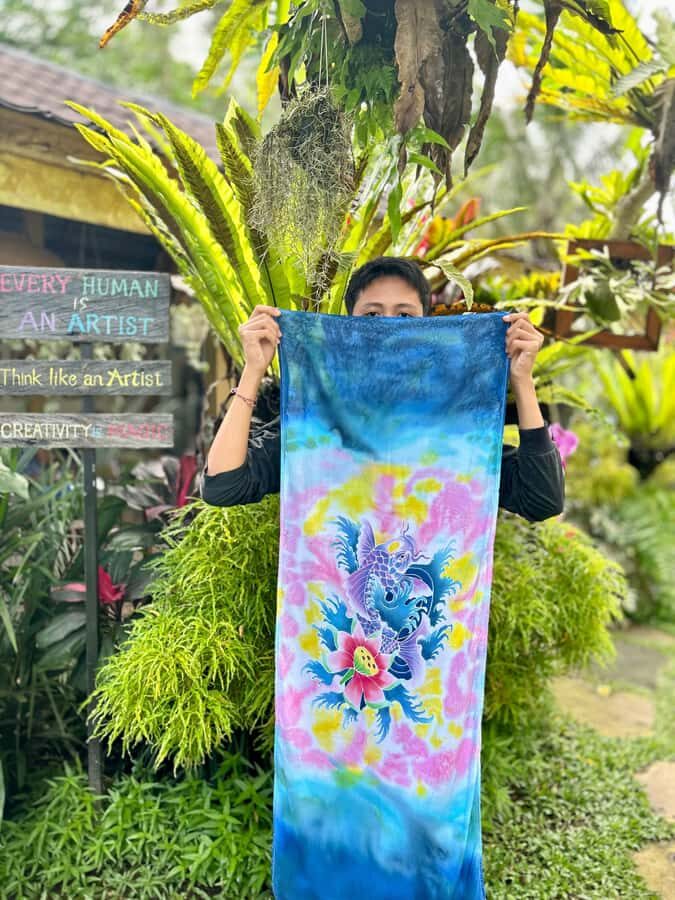
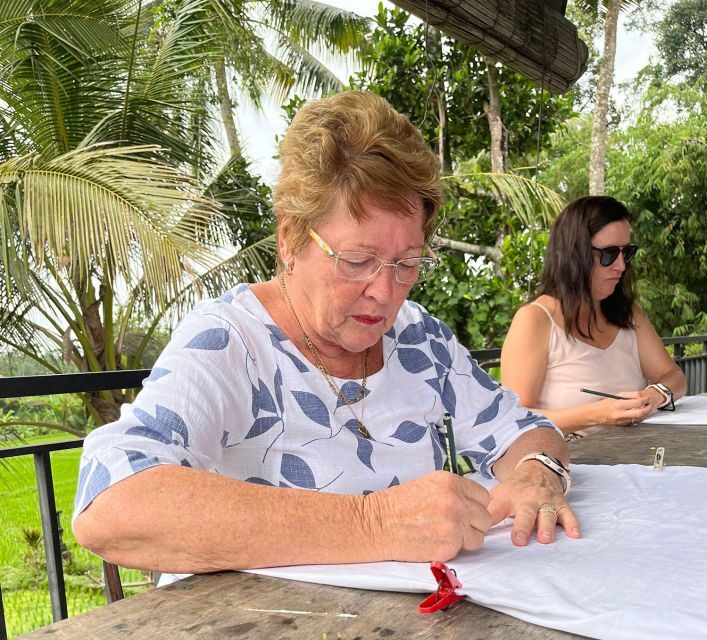
Five Arts Studio runs the workshop in a way that feels organized but not stiff. People describe the workspace as spacious and open air, with staff on hand to help. That combination matters because batik is part art, part process. If you’re left alone too much, the wax work can turn frustrating. If you’re micromanaged, it turns into stress.
Instead, the class typically feels like this:
- You start with design selection (templates or line drawings).
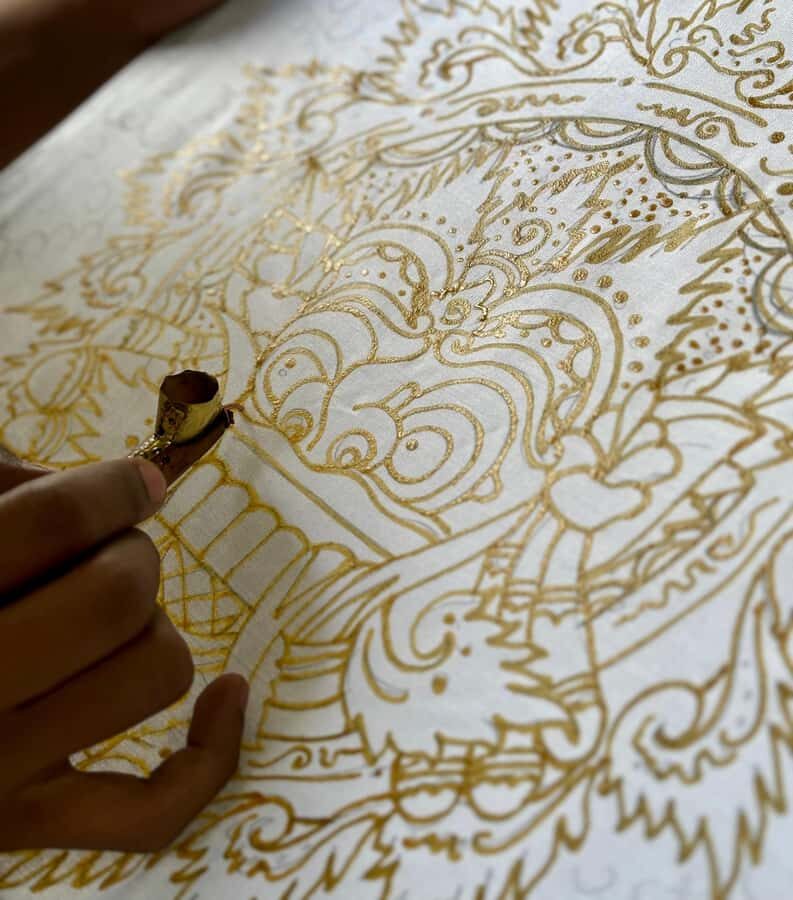
- You trace and reinforce your layout on the cotton.
- You learn how to apply hot wax.
- You add color through dyeing/painting steps.
- You finish with drying time and packing your piece for transport home.
The workshop also includes a welcome drink (mineral water/tea/coffee) and Balinese snacks or cake. It’s small, but it turns the experience from a rushed activity into an afternoon you can actually enjoy.
From the feedback, instructors also help with practical finishing steps, including drying and making sure your work is ready on time. One participant noted that if you’re flying out soon, the team may blow-dry pieces to help them be ready.
Picking a Template: Why This Class Works for Beginners

The best part for first-timers is that you don’t need to be able to draw. Reviews mention starting with a set of line drawings/templates, then tracing them onto the cotton cloth. If you worry about your artistic ability, you’ll feel calmer quickly once you realize the design groundwork is already in place.
You can still make it your own. People report choosing more than one template and combining them, or adding bits beyond the original plan. The instructors guide you on how to adjust without ruining the wax-resist logic.
Here’s the practical value: batik design is about placement. Lines that look pretty on paper might not translate well if your wax application is uneven. The teachers help you make those choices with your actual materials and your skill level in mind. That’s why so many reviews call out step-by-step help and patience.
Hot Wax Tracing: The Part That’s Tricky, Then Surprisingly Calm
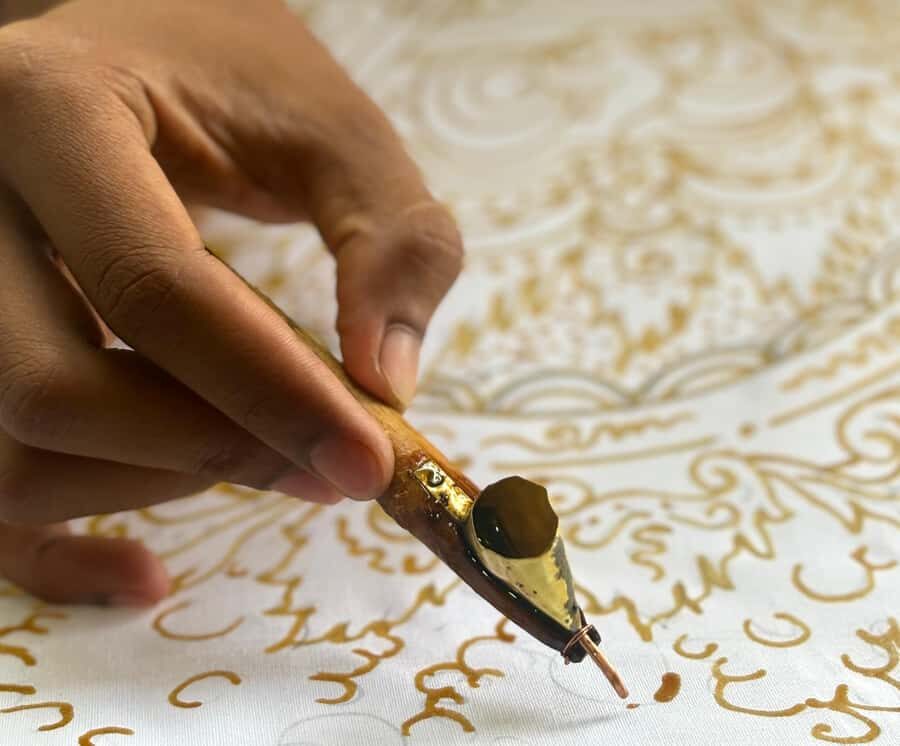
If there’s one moment you’ll remember, it’s the wax work. One review describes it as tricky, but soothing all the same. Hot wax needs steady handling: too fast and your lines break, too slow and you might drag dye later, too light and the wax coverage won’t protect the fabric properly.
This is also where the instructors earn their stars. Multiple participants mention teachers helping reinforce design lines that may be too thin. If you’re making mistakes, you’re not stuck with them. You get advice during the process, not after it’s too late.
Also, wax drying/prep time is real. Reviews include notes that the art takes about 10–20 minutes to be prepared/dried/cooked as part of the batik workflow. The official duration is 3 hours, but if you’re aiming for a very detailed final result—or you just want time to breathe—consider leaving extra room in your day. One participant suggested setting aside 4 to 4.5 hours if you want to perfect your work and take your time.






Coloring and Dyeing: Turning Your Lines Into Color Blocks
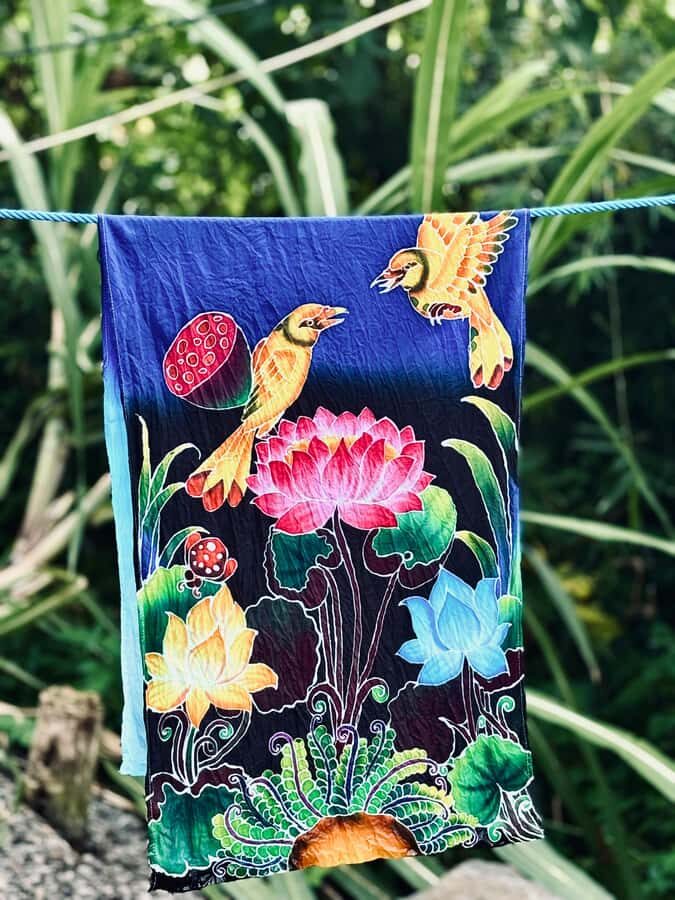
Once your wax pattern is set, the magic is what happens next: dye goes where wax doesn’t block it. This part can feel like painting, but the rules are slightly different. Instead of filling everything like a normal art project, you’re working around the resist.
Instructors give practical tips on color choices and technique. Several reviews specifically mention help choosing colors and guidance to improve how the design looks. That’s a big deal because the same line pattern can look completely different depending on contrast and how the dye is layered.
One small caution: your design doesn’t have to come out identical to your first idea to still look great. Reviews include honest moments—like splodging wax or mixing up details—and the common theme is that the final piece still feels special. In other words, it’s not a test. It’s a craft process.
What You Take Home: Wearable Cloth and Real Artwork
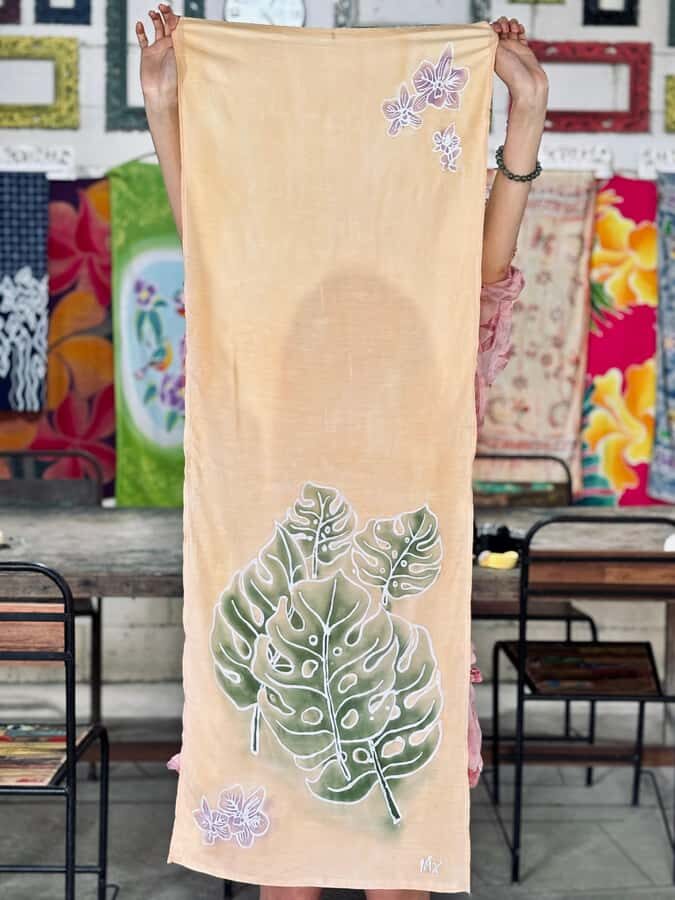
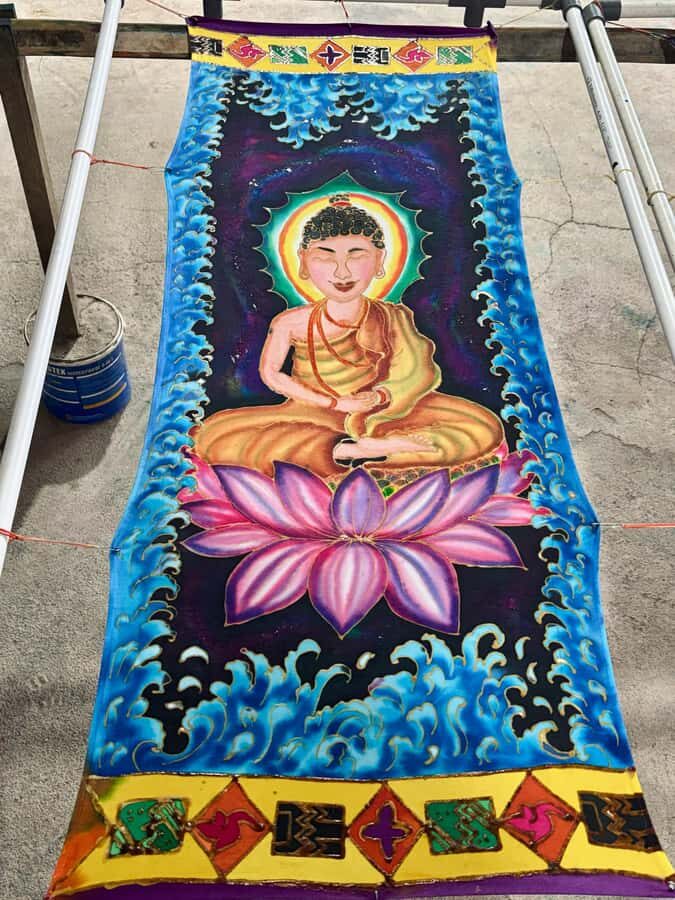
You leave with a personal batik creation, made on cotton cloth. Even though the class is listed as a painting workshop, the real takeaway is batik craftsmanship: your design decisions plus the wax-resist outcome.
Some reviews describe the finished product as a wearable sarong, which is exactly the kind of souvenir that beats another fridge magnet. It’s functional and personal at the same time.
If you enjoy browsing art, the studio atmosphere may include opportunities to see or purchase batiks made by others. One review even mentions buying wax and tools so you can keep experimenting at home. That’s useful if you want this to be the beginning of a new hobby, not a one-and-done experience.
Price and Value: Is $26 Fair for a 3-Hour Class in Ubud?
At $26 per person for a 3-hour workshop, the value is mostly in the package, not just the instruction. You get:
- cotton cloth
- all tools and materials
- an instructor (English)
- welcome drink
- Balinese snacks or cake
That added value matters because batik supplies aren’t cheap when you’re shopping in tourist markets. Here, you’re paying for the process and the guidance, and you’re not stuck trying to figure out what supplies you need next.
Also, the workshop includes real instructor support. Reviews repeatedly highlight that teachers help with design and painting when needed, and they take time so you don’t feel rushed. For many people, that’s the difference between a souvenir you made and a souvenir you’re proud to hang or wear.
If you’re comparing against other Ubud art activities, batik is a good choice when you want something cultural and hands-on, with a clear product at the end.
Who Should Book This Batik Class (And Who Should Rethink It)
This is a strong fit for:
- people who want a meaningful cultural activity without needing art experience
- anyone who likes step-by-step guidance and reassurance
- couples or solo visitors who want a calm break from Ubud’s busier areas
- people who want a souvenir that feels personal and wearable
It’s also a decent option for families, based on feedback (including kids aged 6 and up in one review). But it is not suitable for children under 5, so plan accordingly.
The main reason to reconsider is mobility. At least one review calls out that the way up is high due to the upstairs entry. If you have limited walking ability, you’ll want to think about whether stairs and moving through the property will feel manageable.
Practical Tips Before You Go
Bring what the studio asks for, and you’ll avoid the usual last-minute scramble:
- Camera (photos are great here because you’ll want to remember the process)
- Credit card (useful for purchases if you want extra tools or batiks)
- Comfortable clothes (wax and dye work can be messy)
- Cash (often helpful for small extras)
One more practical thought: leave the day feeling relaxed. Batik takes patience. If your schedule is tight, you might feel rushed during drying time. If you can, plan to arrive a little early so you can settle in.
Finally, if you care about details, give yourself time. Several reviews mention not rushing and even staying a bit longer to finish. That flexibility can be the difference between a quick souvenir and a piece you really love.
Should You Book Five Arts Studio’s Batik Painting Class in Ubud?
If you want a cultural Bali activity that doesn’t just entertain you, this is an easy recommendation. The combination of beginner-friendly template design, hands-on hot wax technique, and real instructor help is exactly what makes batik feel approachable.
Book it if you:
- want to take home something you made yourself
- like quiet, creative afternoons
- enjoy learning how a traditional technique works
Maybe skip it if:
- stairs are a problem for you
- you need an activity that’s mostly viewing or watching
- you’re very short on time and can’t spare extra minutes for drying/prep
For most people, $26 for a guided, materials-included, 3-hour workshop with a take-home piece is a solid deal in Ubud. And it’s one of those rare activities where you’ll walk away with a story tied to your own hands, not just your camera roll.
FAQ
How much does the batik making class cost?
The price is $26 per person.
How long is the batik class in Ubud?
The class lasts 3 hours.
Is the class taught in English?
Yes. The instructor is listed as English-speaking.
What’s included in the price?
You get Balinese snacks or cake, a welcome drink (mineral water/tea/coffee), cotton cloth, all tools and materials, and an instructor.
What should I bring to the workshop?
Bring a camera, a credit card, comfortable clothes, and cash.
Where is the meeting point?
Go upstairs when you arrive in front of the house. The studio is about 50 meters back in the yard.
Is the class suitable for young children?
The workshop is not suitable for children under 5 years old.