Two hours on a bike in Java? It’s temples plus snacks.
This Yogyakarta bicycle tour starts around Prambanan and mixes flat cycling through rice fields with real stops at local makers. I like that the guide (often identified as Alga) keeps things relaxed and easy to follow in excellent English, and the whole ride feels well organized from start to finish.
What I really enjoyed is the way the day turns into food and culture, not just sightseeing. You’ll learn how classic Indonesian emping chips are made, see tofu production, and even get honey tastings from stingless beekeeping. One thing to keep in mind: the tour includes temple time, but Plaosan Temple tickets are not included, and some temple viewing is from outside.
In This Review
- Key Highlights You’ll Actually Notice
- Where This Prambanan Bicycle Tour Starts (And How It Fits Your Day)
- Your Ride Setup: Equipment, Group Size, and the Pace
- Plaosan Temple Stop: What You See and What Might Cost Extra
- Prambanan Temples Area: UNESCO in Real Life, With Photo-Friendly Stops
- A Combined Hindu-Buddhist Temple Moment (Outside View First)
- Emping Chips at a Local Home Industry Stop (The Best Kind of Practical)
- Tofu and Fresh Soya Milk If You’re Lucky
- Stingless Beekeeping and Honey Tasting: Small Bees, Big Flavor
- Cycling Between Stops: Rice Fields, Villages, and Photo Planning
- Value for $22: Why This Feels Like a Good Deal
- Who Should Book This Tour (And Who Might Skip It)
- Should You Book Alga Lova Tour’s Prambanan Bicycle Experience?
- FAQ
- How long is the Authentic Yogya Bicycle Tour?
- Where does the tour start and end?
- What’s included in the price?
- Is the mobile ticket included?
- Do I need to buy tickets for Plaosan Temple?
- What places are covered during the ride?
- What physical fitness level do I need?
- How many people are in a group?
- What happens if the weather is bad?
Key Highlights You’ll Actually Notice
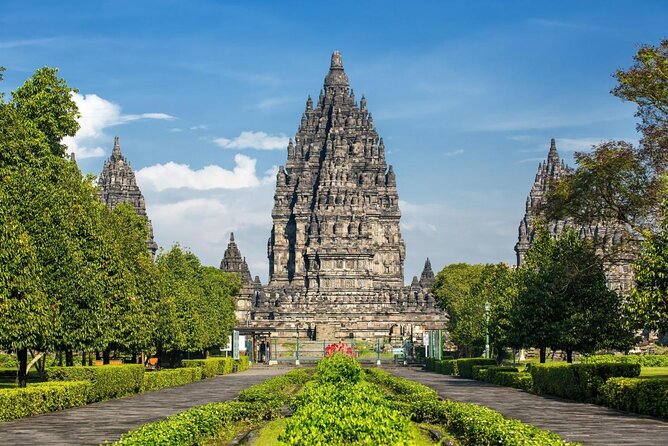
- Prambanan UNESCO area start: you ride out of the temple region before the day turns into villages and fields
- Flat, moderate cycling through rice paddies and small communities (good for first-timers who can ride comfortably)
- Emping chips workshop at a local home industry stop, plus listening to a traditional bamboo-instrument performance
- Tofu and soya milk tastings if conditions allow at the tofu makers’ place
- Stingless honey tasting from a local beekeeping operation
Where This Prambanan Bicycle Tour Starts (And How It Fits Your Day)
This tour is short by design: about 2 hours total. That matters in Yogyakarta, where the big sights can be spread out and your schedule can get chopped up fast. Here, you’re not committing to a whole half-day. You’re getting a focused tour of the Prambanan area with a lot packed in.
The meeting point is the Prambanan Temple area (Jl. Raya Solo – Yogyakarta). The good news is that the tour ends back at the same starting point, so you’re not stuck figuring out a second ride home. It also runs as a group experience with a stated maximum of 30 travelers, which usually keeps things from feeling chaotic.
You’ll ride with all the essentials handled. Bicycling equipment is provided, and you get bottled water plus coffee and/or tea. If rain shows up, you’re not left holding your hat—there’s a rain coat included. And yes, weather matters here. The experience notes it requires good weather, and if it’s canceled for poor conditions you’ll be offered another date or a full refund.
Practical tip: since this is a moderate fitness ride and the route is described as flat, you still want comfortable shoes and a light layer. You’ll be on a bike, stopping often, and dealing with tropical heat or occasional rain.
You can also read our reviews of more tours and experiences in Yogyakarta.

Your Ride Setup: Equipment, Group Size, and the Pace
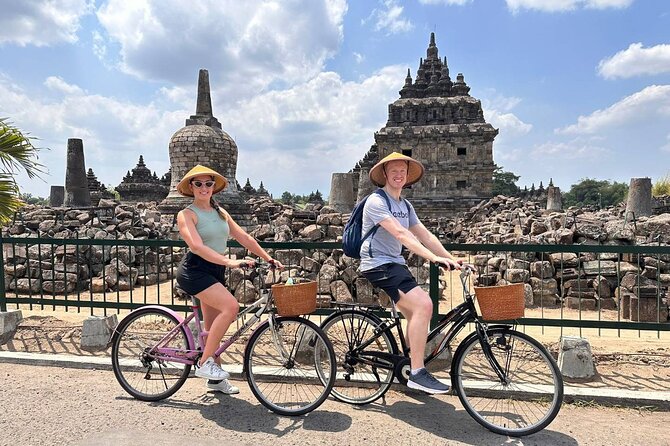
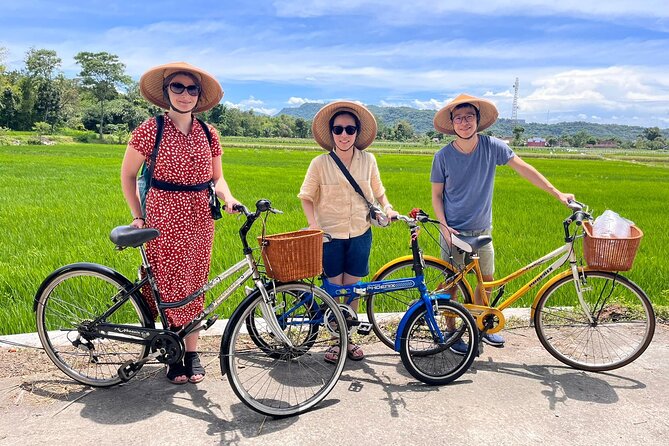
The cycling portion is built for access. The route runs in the north of the Prambanan Temple complex (outside the temple), described as flat and focused on peaceful stretches: rice fields, small villages, and scenic photo moments. That makes it more “local bike day” than “training ride.”
Because the tour is only around two hours, the pace tends to be steady but not rushed. You’ll stop at key places, including multiple temple areas and local production sites. The ride is also timed to work with different schedules—there are several tour times, so you can usually pick something that doesn’t wreck your other plans.
From the feedback, one of the strongest points is how the tour leader keeps things human and smooth. People highlight warm, welcoming hosting, friendly guidance, and bikes in good condition. One very common detail: you’ll be greeted with cold water and snacks, which is a small thing that makes a big difference once you’re out in the sun.
Plaosan Temple Stop: What You See and What Might Cost Extra
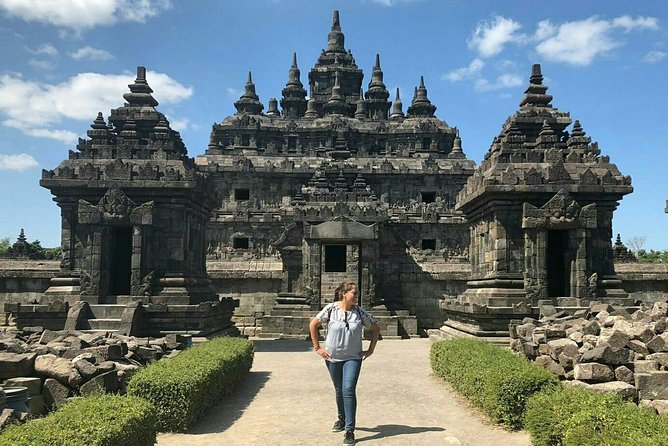
The itinerary includes a stop at Plaosan Temple first. This is the kind of temple stop that works best when you treat it like a photo and orientation break, not a full-on deep dive. The tour provides the guide and gets you there as part of the route, but there’s an important catch: Plaosan Temple’s ticket is not included.
So if you want to enter Plaosan and explore the interior parts, plan for that extra cost. If your goal is more about the exterior views and the ride experience connecting temple-and-field scenery, you can still enjoy the stop without overthinking it.
Either way, this is where the tour starts teaching you how the Prambanan area connects religious sites with everyday village life. It’s not just “look at temples.” It’s “see how the region works.”
Prambanan Temples Area: UNESCO in Real Life, With Photo-Friendly Stops
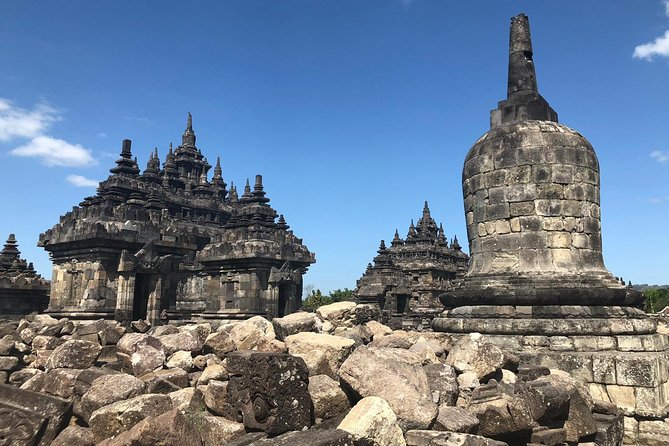
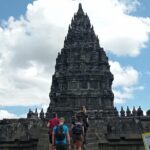
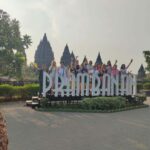
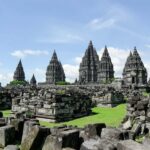
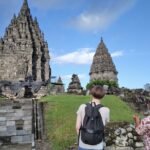
Next comes the big one: Prambanan, highlighted as a UNESCO World Heritage Site. The tour focuses on seeing the area and taking photos from several scenic points, which is smart for most visitors. Temple interiors can take time, and this is a ride tour. You don’t want your day hijacked by ticket lines and long detours.
You’ll also cycle through the temple-region approach before moving onward into the green countryside. That sequence matters. It helps you understand where Yogyakarta’s heritage sits in the wider geography—how close the temples are to farmland and neighborhoods.
In reviews, the vibe around the Prambanan region comes across as friendly and guided rather than formal. People consistently mention the guide’s English and the way explanations make the stops feel less like random ruins and more like part of the local story.
A Combined Hindu-Buddhist Temple Moment (Outside View First)
After Plaosan, the route includes a visit to a temple described as combining Hindu and Buddhist elements in one location. The standard experience is enjoying the view from outside, with an option mentioned for entrance if you want to go in.
This is a good reminder for your expectations. A bike tour is about movement and variety. You’re getting multiple viewpoints and a layered sense of culture without spending your entire afternoon inside one complex.
If you care most about inside access, check what’s actually possible on the day you go. The tour notes entrance is possible, but the primary experience is the outside viewing. That’s usually enough for most people, especially when you’re switching gears to food and local production soon after.
Emping Chips at a Local Home Industry Stop (The Best Kind of Practical)
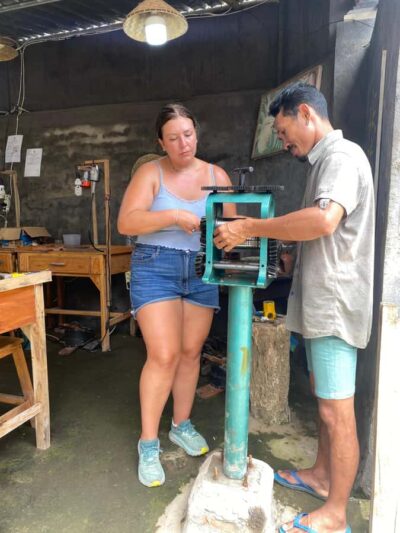
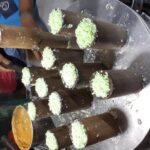
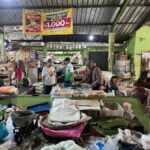
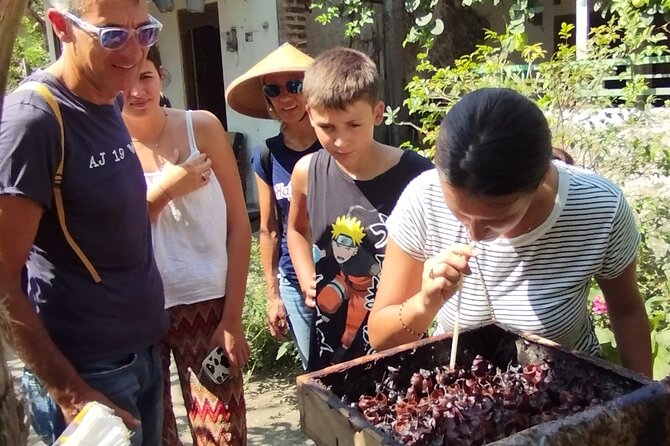
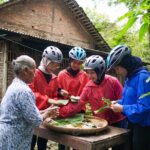
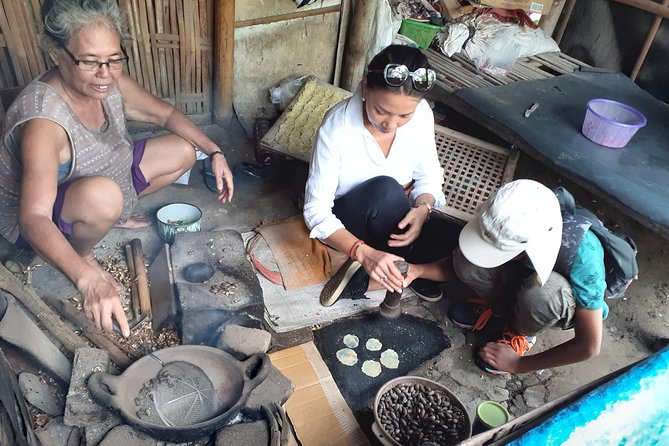
Here’s the part that turns a temple bike ride into a real Yogyakarta day: the snack-making stop. You’ll visit local homes/industry where you learn the traditional way to make emping chips, one of Indonesia’s iconic snack foods.
This is not just watching someone work. The description includes learning the traditional process, and at this stop you can also listen to music played on a traditional bamboo instrument. That combination—hands-on food learning plus local music—creates the kind of memory that doesn’t fade after the last photo.
What to expect in a practical sense:
- You’ll be in a small local space, not a museum setup.
- You’ll likely get explanations of ingredients and the process, guided in clear English.
- You may be offered samples (some tours like this do), but the confirmed included items are the guide, drinks, and water—so keep your expectations flexible beyond that.
One thing I like about this stop: it reinforces what you saw at the temples. Religion, heritage, and local daily life aren’t separate here. Food production is part of the same cultural ecosystem.
Tofu and Fresh Soya Milk If You’re Lucky
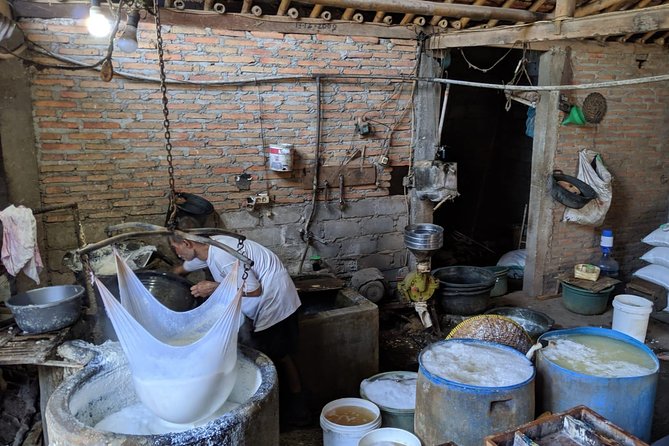
Next you’ll continue to a local tofu production stop. If conditions line up, you can taste fresh tofu and soya milk there.
That “if we are lucky” wording is honest, and you should treat it like a bonus rather than a guaranteed tasting. Still, even without the tasting, this kind of small-scale production visit can add meaning to your earlier rural cycling. You’re not just riding past agriculture—you’re getting a glimpse of how staple foods are made close to home.
If you do get to taste, make time to pay attention to texture and flavor. Fresh tofu can taste noticeably different from packaged versions, and soya milk can be a smoother or slightly different profile depending on how it’s prepared.
Stingless Beekeeping and Honey Tasting: Small Bees, Big Flavor
The final local-production stop is stingless beekeeping. You’ll learn about the small species and taste pure honey made by that operation.
This is one of those stops that makes you feel like you’re getting off the main tourist track without leaving Yogyakarta comfort behind. The ride has already guided you through rice fields and villages; then honey tasting gives you a “sweet payoff” for the day.
A few common-sense tips:
- If you’re sensitive to strong smells or sticky textures, honey can be intense at first.
- If you’re curious about nature, this beekeeping stop gives you a simple entry point into local ecological knowledge.
And yes, this is the kind of stop that adds variety. You’re not only doing temples and food. You’re seeing how people raise and harvest something unusual.
Cycling Between Stops: Rice Fields, Villages, and Photo Planning
This tour is designed around a flat route that passes rice paddies and small villages. You’ll get multiple scenic points for photos, and the cycling itself stays manageable.
The practical value here is timing. If you’re trying to see Prambanan and also want “the real countryside vibe,” a bike tour does that more naturally than a car-only day. You’ll pass through areas you’d likely miss if you just drove from one landmark to the next.
Because you have stops—temples and production sites—the rhythm goes like this:
1) ride a stretch
2) stop and look/learn
3) ride again
4) snack/culture stop
5) ride back to the meeting point
If rain starts, that changes the feel, but the included rain coat helps. One review specifically notes they enjoyed time at local houses after rain began, which is a good sign: the schedule isn’t only outdoors.
Value for $22: Why This Feels Like a Good Deal
At $22 per person, this tour is strong value for what’s included. You’re getting:
- an English-speaking local guide
- bottled water
- coffee and/or tea
- rain coat
- all fees and taxes (with the one clearly noted exception: Plaosan Temple ticket)
- and bicycle equipment
Then you add the big “experiences” layer: Prambanan UNESCO-area sightseeing, a Plaosan stop, a combined Hindu-Buddhist temple visit, plus food production and honey beekeeping.
Two-hour tours can feel overpriced when they’re mostly driving and minimal stops. Here, the time is used for cycling and for multiple meaningful local interactions. If you like tours where you learn something practical—how snack food is made, how tofu is produced, how honey is harvested—this one fits your money-to-memory ratio.
Who Should Book This Tour (And Who Might Skip It)
This is a great fit if you:
- want Prambanan area sightseeing without a full-day commitment
- like food and local production visits, not only temples
- feel comfortable with moderate cycling and want a mostly flat route
- enjoy a guide who explains clearly and keeps the group upbeat
You might skip it if you:
- want only major inside temple access (Plaosan ticket isn’t included, and most temple viewing is framed around what you can do efficiently during a bike tour)
- are looking for long-distance cycling or an intense workout
- dislike the idea of spending time in working local spaces (tofu and snack-making stops are real-life, not staged)
Should You Book Alga Lova Tour’s Prambanan Bicycle Experience?
Yes, if your goal is to see Prambanan and then understand the surrounding everyday Yogyakarta—rice fields, village rhythms, and how people make things you eat. The best reasons to book are the friendly, clear English guidance, the good bike condition, and the fact that the day includes real local production stops (emping chips, tofu, and stingless honey).
Book it especially if you only have a short window and you hate the idea of a packed schedule that leaves you tired and hungry with no cultural payoff.
One last check before you go: if you’re set on entering Plaosan Temple, bring extra budget for that ticket since it’s not included. Then you’re set for a smooth, satisfying two hours that feels more personal than your average temple tour.
FAQ
How long is the Authentic Yogya Bicycle Tour?
The tour lasts about 2 hours.
Where does the tour start and end?
It starts at Prambanan Temple on Jl. Raya Solo – Yogyakarta and ends back at the meeting point.
What’s included in the price?
The tour includes bottled water, all fees and taxes, a rain coat, a local guide, coffee and/or tea, and biking equipment.
Is the mobile ticket included?
Yes, the tour provides a mobile ticket.
Do I need to buy tickets for Plaosan Temple?
Plaosan Temple’s ticket is not included.
What places are covered during the ride?
The tour includes stops at Plaosan Temple and the Prambanan Temples area, plus additional temple and local industry visits such as emping chips, tofu, and stingless beekeeping for honey tasting.
What physical fitness level do I need?
You should have a moderate physical fitness level.
How many people are in a group?
The tour has a maximum of 30 travelers.
What happens if the weather is bad?
The experience requires good weather. If it’s canceled due to poor weather, you’ll be offered a different date or a full refund.