Temples, coffee, and rice fields in one morning. This small-group UNESCO-area walk strings together Bali’s spiritual side and everyday community life in a way that feels honest, not staged. I like that the pace stays human, with time to ask questions and actually look.
My favorite parts are the free coffee tastings at an organic plantation and the chance to witness the purification blessing bath at Tirta Empul. One thing to consider: you’ll be walking for hours and visiting temples, so dress smart (no sleeveless shirts) and bring weather-ready comfort.
In This Review
- Key highlights worth marking
- Morning Pickup: how this 6-hour route stays manageable
- Charity visit at a village school: a quick stop with real meaning
- Organic plantation coffee and spice tastings (and yes, it’s included)
- Pegulingan Temple: Buddhist-Hindu archaeology you’ll actually understand
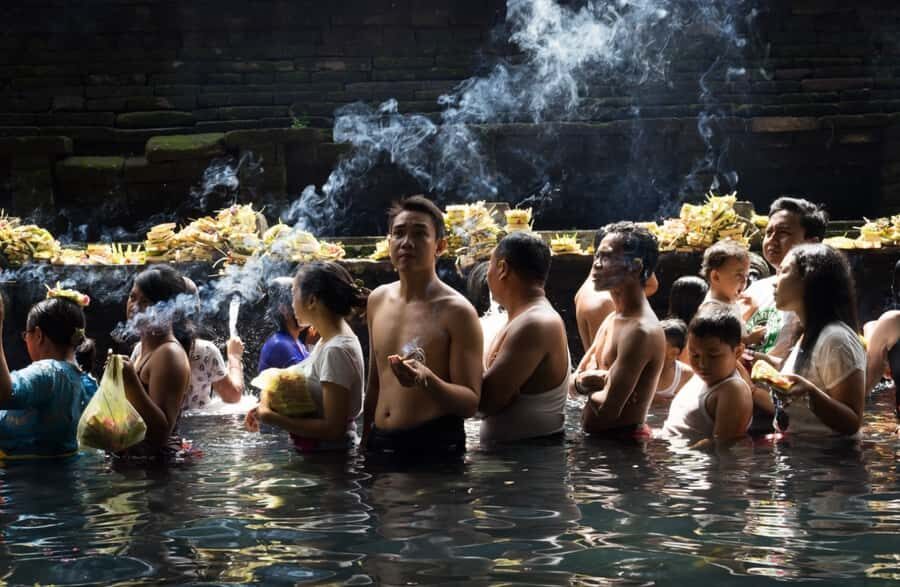
- Tirta Empul Holy Spring Temple: purification blessing bath, with equipment
- Gunung Kawi temple walk: villages, rainforest valley, and real pacing
- Inside a local compound: priest-family interaction and community living
- Rice fields near Laplapan: Subak Pulagan irrigation in the final views
- Price and value: what $50 buys you here
- Practical tips before you go (so nothing interrupts your day)
- Is this the right tour for you?
- Should you book this Bali UNESCO sites cultural walking tour?
- FAQ
- What is the duration of the Bali UNESCO sites cultural walking tour?
- How much does it cost per person?
- Where is the tour located?
- Does the tour include hotel pickup and return transfers?
- What time is pickup in the Ubud area?
- How big is the group?
- What languages are offered for the live tour guide?
- Are temple visits and purification-related items included?
- What is not allowed during the tour?
- What is not included in the price?
Key highlights worth marking
- Organic plantation coffee and spice tastings with multiple samples included
- Tirta Empul purification blessing bath experience with equipment provided
- Pegulingan Temple and Gunung Kawi for Buddhist-Hindu mix and centuries-old sights
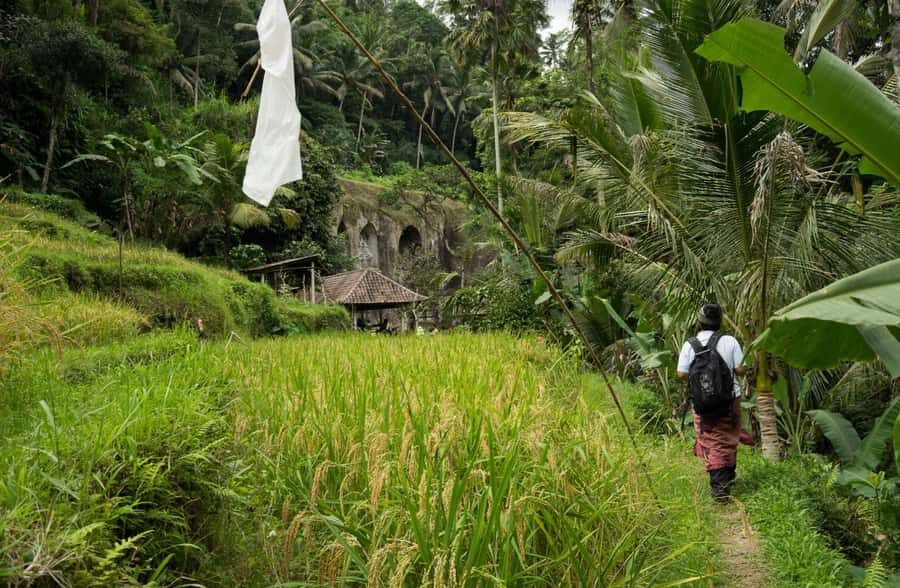
- Walk through native villages and an unexploited rainforest valley with coconut breaks
- A look inside a local priest’s compound to understand Balinese community life
- Rice-field finale and Subak Pulagan irrigation views around Laplapan
Morning Pickup: how this 6-hour route stays manageable
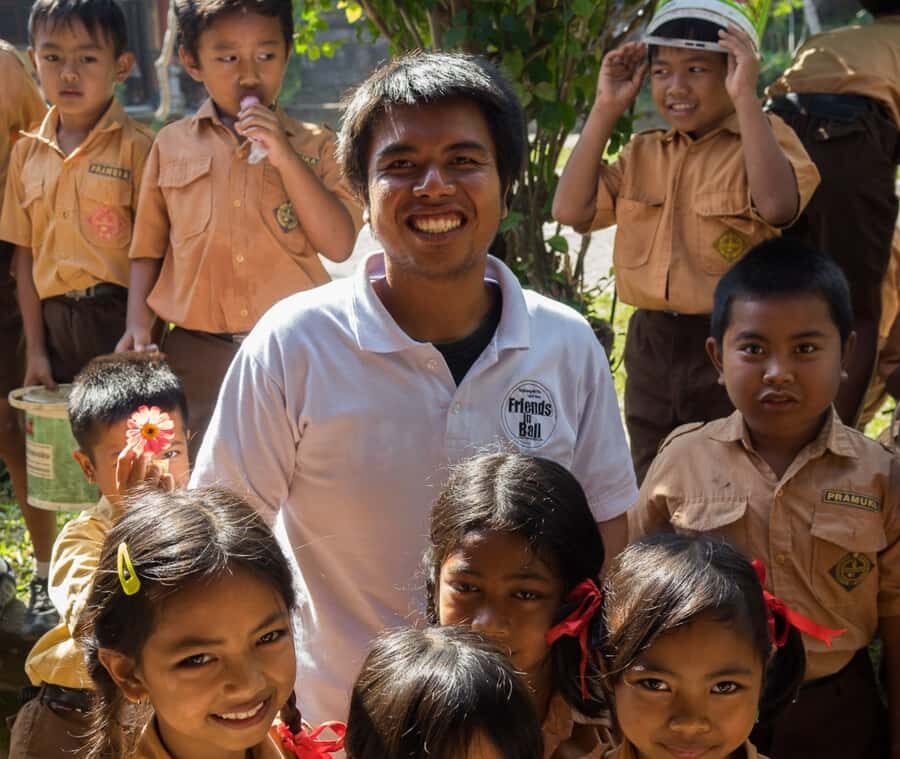
You start with hotel pickup in the morning, then head up to Tampaksiring Village. It’s built for a half-day rhythm: start early, get a mix of culture and walking, finish with a proper meal in rice country.
Timing matters here because temple visits and barefoot/temple-area rules can eat up time. The tour keeps it moving with breaks for coconut and rests during the walk, which helps if you want the experience but you don’t want to feel rushed.
Small group size is part of the value. With a limit of six participants, the guide can slow down when someone has questions, and it’s easier to follow along without feeling like you’re being herded. In past departures, guides like Wayan and drivers like Nyoman have been praised for being punctual and professional, which is exactly what you want when you’re on a tight morning schedule.
You can also read our reviews of more tours and experiences in Bali.
Charity visit at a village school: a quick stop with real meaning
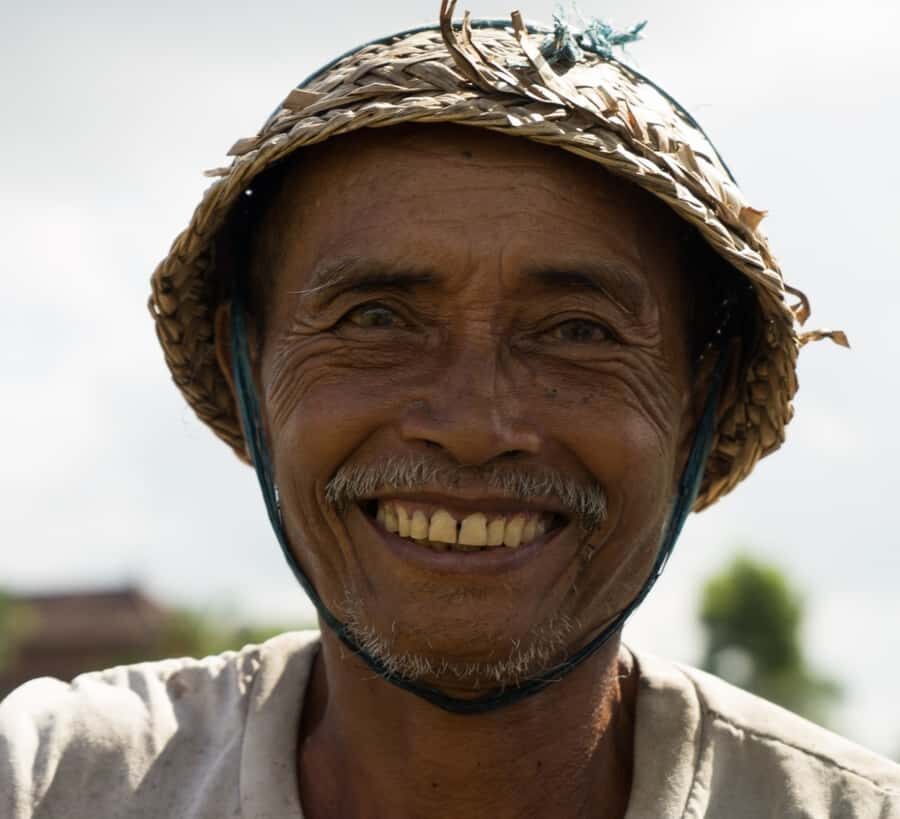
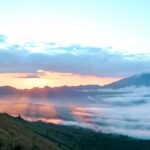
The day begins with a charity visit to a village school. It’s not a long, scripted speech moment, so it tends to feel more like a respectful introduction to the community you’re about to explore.
What makes this stop worthwhile is the sequence. You’re not jumping straight to temples and then forgetting local life. You start by seeing education as part of the local story, and it sets the tone for everything that follows—organic farms, family compounds, and ritual spaces.
You should also know what you’re supporting in this format. The tour includes charity linked to the local school, so you’re not just paying for sights. You’re contributing to an on-the-ground community element that fits the theme of cultural respect.
Organic plantation coffee and spice tastings (and yes, it’s included)
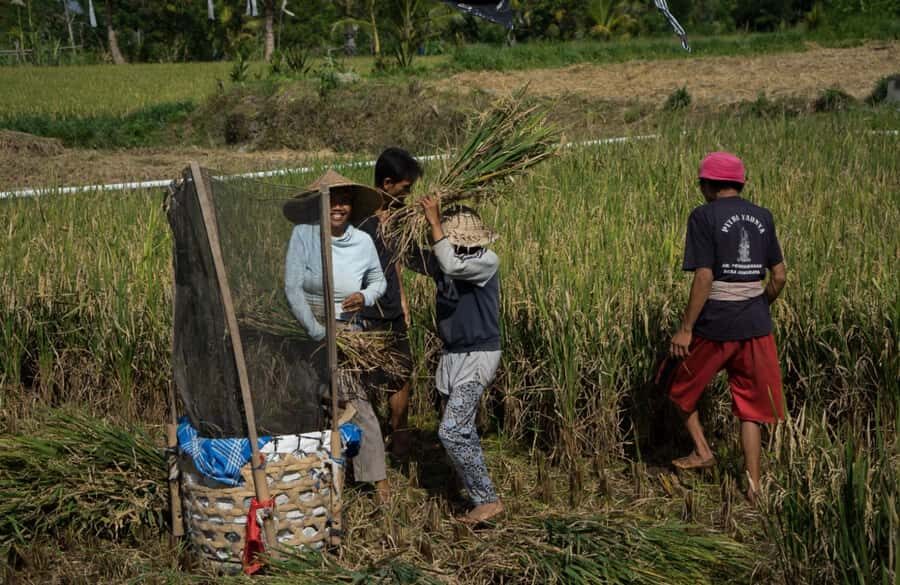
Next comes the local organic plantation—your coffee-and-spice lesson with several free tastings. This is one of the most practical parts of the tour because it gives you a real baseline for how Bali’s flavor world is built.
Here’s what you can expect the guide to do with you: explain how coffee and spices are grown/used locally and help you make sense of the tastes. It’s also a smart energy reset before temple time. Coffee (and other warm drinks if offered at the plantation stage) plus cool shade tends to make the rest of the morning feel easier.
A fair heads-up: food and drinks at a coffee plantation are sometimes where tours quietly sell you souvenirs. This one includes the tastings, and you’ll still see opportunities to purchase products, so decide ahead of time if you want to buy or just enjoy the learning.
Pegulingan Temple: Buddhist-Hindu archaeology you’ll actually understand
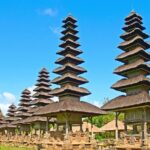
From the plantation, you head to Pegulingan Temple, where you can see a mix of archaeological Buddhist and Hinduism temples. The guide’s job here is crucial: without context, temple ruins can look like random stones. With context, the layers start to make sense.
What I like about this stop is that it supports the theme of “Bali isn’t one thing.” You get a visual lesson that religion and ritual spaces can overlap, and the guide connects it to how people live and worship today.
Also, you’ll be learning about purification blessing bathing that ties directly into the next major temple visit at Tirta Empul. So Pegulingan works like a warm-up. You’re not going in cold; you’re building understanding step-by-step.
Tirta Empul Holy Spring Temple: purification blessing bath, with equipment
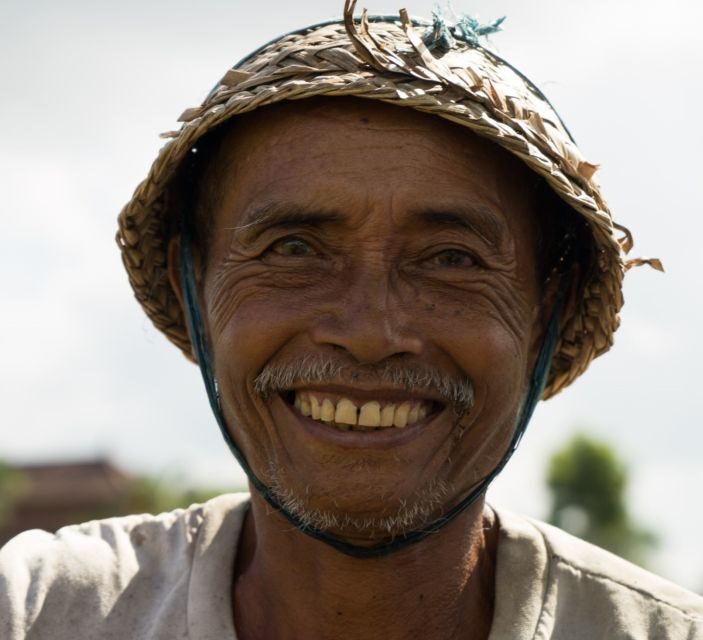
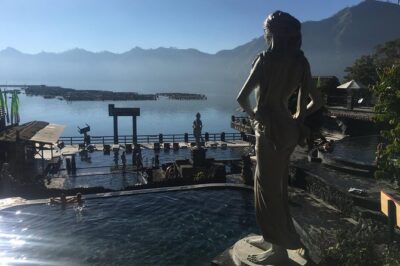
Tirta Empul is the big spiritual moment on this route: you get the chance to witness a purification ritual at the Holy Spring Temple. The tour includes purification blessing bath equipment, which matters because it means you’re not hunting down gear while everyone else is preparing for the ritual area.
This part is also where respect and rules come into play. Temple visits mean you’ll want to wear the right clothing (the tour specifically says sleeveless shirts aren’t allowed). You’ll also receive Balinese cloths for the temple visit, which helps you stay within dress expectations.
If you’re the type who likes to understand what you’re seeing, you’ll appreciate the explanation here. You’re not just staring at water; you’re learning what the purification blessing bath represents in the ritual context, and that makes the experience feel more human and less like a photo stop.



Gunung Kawi temple walk: villages, rainforest valley, and real pacing
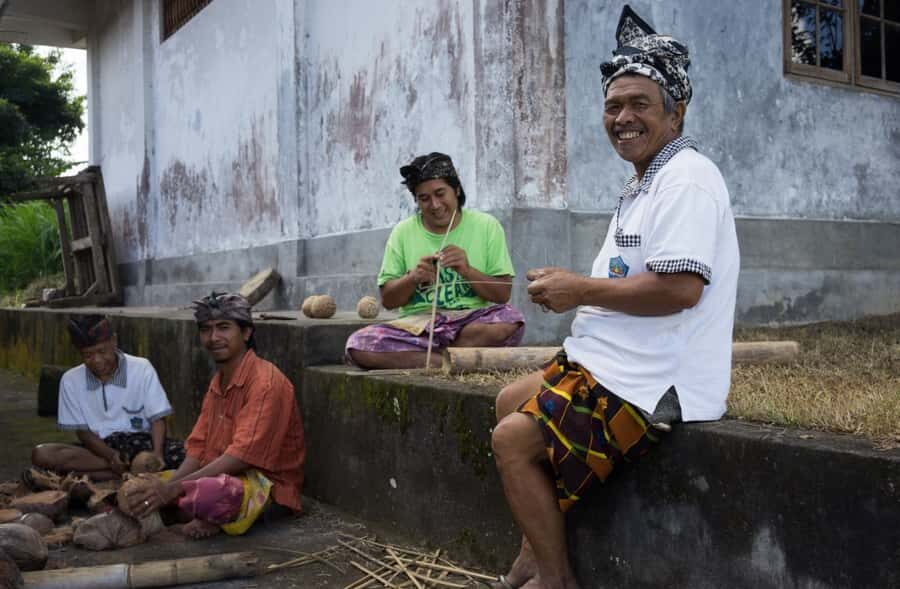
After the temple complex, the itinerary continues on foot to the centuries-old Temple of Gunung Kawi. This is where the tour turns into a walking cultural route through native villages and an unexploited rainforest valley.
This walk is one of the reasons the tour feels different from a drive-and-stop sightseeing day. You pass through lived-in areas, and the guide’s explanations help you see everyday details—houses, community rhythms, and how people move through shared space.
Expect breaks. Fresh coconut is served during the walking stretch, and you’ll get pauses that prevent the day from feeling like a workout. Still, it’s a walking tour, so you’ll do best if you wear comfortable shoes and accept that you’re trading speed for connection.
Inside a local compound: priest-family interaction and community living
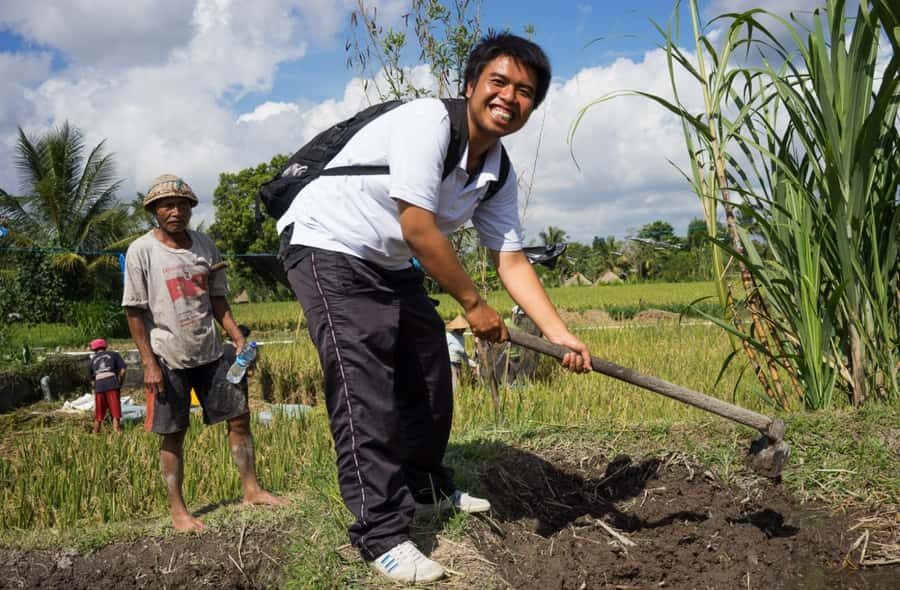
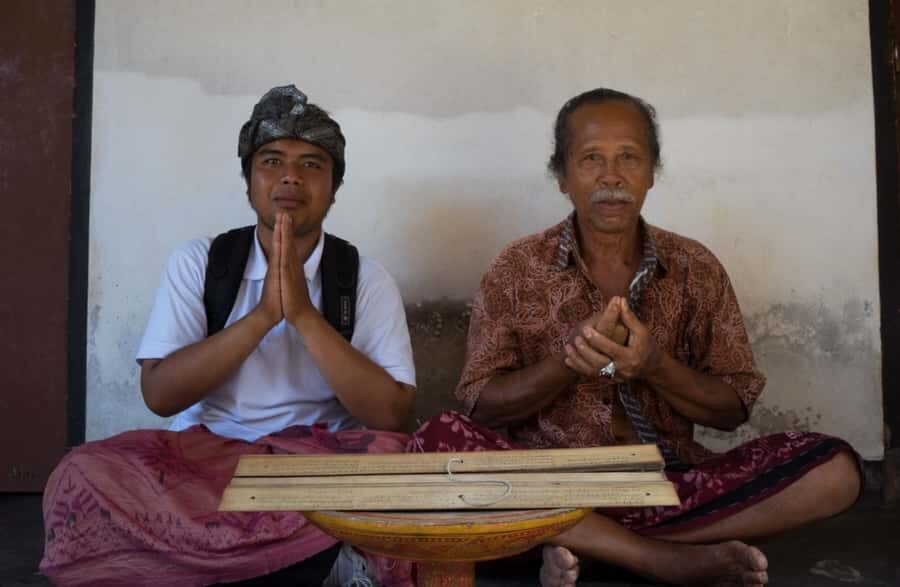
One of the most memorable segments is when you visit locals in a compound and interact with the family. The tour specifically highlights a chance to be a guest in a local priest’s compound and learn about the unique Balinese community living system.
This is the point where cultural tours can either feel respectful or feel intrusive. What makes this one work is that the experience is framed as an interaction with local family life, not just a look-see. When it’s done well, you walk away with a sense of how religion, household roles, and community boundaries fit together.
You may also find this segment turns into Q&A time. Guides often encourage questions, and smaller group size helps because you’re not fighting for attention. If you’re shy, don’t worry—the guide usually leads the conversation in a way that keeps the mood calm.
Rice fields near Laplapan: Subak Pulagan irrigation in the final views
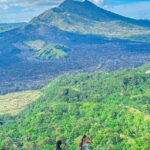
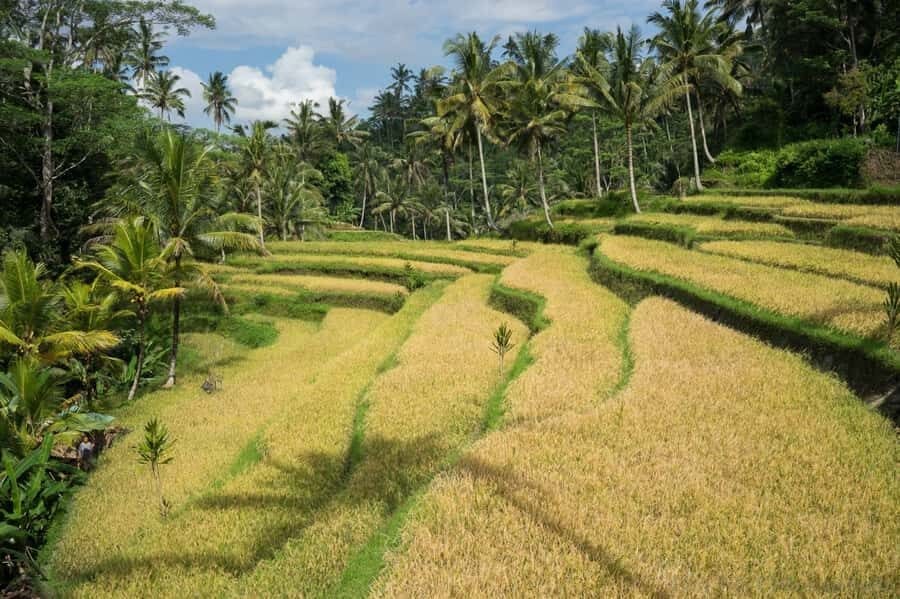
The tour ends with a beautiful viewpoint over hectares of rice fields. You’ll also learn about Bali’s old irrigation system of Subak Pulagan, finishing your morning with a meal in a local restaurant in the village of Laplapan.
This finish is smart. Walking and temples can make a day feel intense. A wide rice-field view gives you a reset, and the irrigation lesson ties agriculture back into culture. In Bali, farming isn’t just what people do; it’s part of how communities organize water and time.
The lunch is part of the value too. You get a Balinese lunch included, eaten in a restaurant surrounded by rice paddies. That combination—food plus scenery—helps the morning feel complete, not like you rushed out the door and ended on the wrong note.
Price and value: what $50 buys you here
At $50 per person for six hours, this tour is priced like a full cultural experience rather than a basic temple transfer. Here’s what you’re getting for that money, and why it matters:
- Hotel return transfers from many popular areas (Ubud, Sanur, Nusa Dua, Jimbaran, Kuta/Legian/Seminyak, and Canggu zones)
- Mineral and coconut water to keep you steady during the walk
- Temple admission fees so you’re not paying little add-ons
- Purification blessing bath equipment and Balinese cloths for temple spaces
- Charity in a local school
- Balinese lunch
- A guided experience with a small group of up to 6
What you don’t get is also useful to know: alcoholic beverages, sunblock, and souvenirs. If you need sunblock, bring your own. Temples and walking in Bali can mean sun exposure, and the tour doesn’t include that safety piece.
So is it good value? For me, yes—especially because you’re not only seeing temples. You’re also getting coffee/spice education, a charity stop, and a family compound interaction, all wrapped into one guided morning with transport and entry fees handled.
Practical tips before you go (so nothing interrupts your day)
- Wear comfortable walking shoes. This is a walking route, not a short stroll.
- Follow the dress rule: no sleeveless shirts. Temple areas will enforce this.
- Bring sun protection even though sunblock isn’t included.
- If you’re picky about pace, ask about it early. The organizer has been described as able to adapt to wishes, and that’s where your comfort wins.
- If you’re worried about language, you’re covered: the tour runs with English plus French, Italian, and Spanish.
Also, note the tour is not suitable for pregnant women. If that applies, you’ll want a different format with less walking.
Is this the right tour for you?
I’d point you toward this tour if you want a morning that feels grounded: temples with context, a purification ritual moment, and a look at everyday Balinese life in villages and compounds. The coffee and spice tastings are a fun break that also gives you something you can share later.
You might skip it if you want a purely hands-off sightseeing day or if you can’t handle several temple-area steps, modest walking segments, and early-morning movement.
If you like guides who explain, this format fits. Past experiences highlighted guides who were professional, friendly, and eager to explain details clearly, plus support for photos without making it feel stiff.
Should you book this Bali UNESCO sites cultural walking tour?
Book it if you’re seeking more than landmarks. This tour combines spiritual sites, food learning (coffee and spices), and real community interaction, and it does it with a small group and a schedule that doesn’t feel too long.
Skip or switch alternatives if you need a low-walking itinerary, struggle with temple dress rules, or fall into the tour’s not-suitable-for-pregnancy category.
If you like practical structure—pickup, stops, planned breaks, and lunch—this one is built for that. It’s a strong choice for a first Bali morning when you want depth without burning the whole day.
FAQ
What is the duration of the Bali UNESCO sites cultural walking tour?
The tour lasts 6 hours.
How much does it cost per person?
It costs $50 per person.
Where is the tour located?
The tour is in Bali, Indonesia.
Does the tour include hotel pickup and return transfers?
Yes. Return transfers are included from Ubud, Sanur, Nusa Dua, Jimbaran, Kuta, Legian, Seminyak, and Canggu areas.
What time is pickup in the Ubud area?
Pickup in the Ubud area is listed as 8:30 AM to 9:00 AM.
How big is the group?
It’s a small group limited to 6 participants.
What languages are offered for the live tour guide?
The tour guide is available in English, French, Italian, and Spanish.
Are temple visits and purification-related items included?
Yes. Temple admission fees are included, and purification blessing bath equipment and Balinese cloths for temple visits are included.
What is not allowed during the tour?
Sleeveless shirts are not allowed.
What is not included in the price?
Alcoholic beverages, sunblock, and souvenirs/personal expenses are not included.