Bali mythology becomes real when you watch it performed. This private day strings together classic Ubud sights and culture, from the Barong and Kris dance to holy springs at Tirta Empul, plus big photo stops like Tegalalang and Tegenungan. You also get door-to-door pickup across southern, central, and eastern Bali, which matters in a place where traffic can eat half a day.
I like that the guide is English-speaking and stays focused on your pace. I also like the balance here: performance and craftsmanship (Batubulan and Celuk) sit next to nature and temple time (Tegalalang, Tirta Empul, and Tegenungan). The result feels like Bali, not a checkbox sprint.
One thing to consider: it’s a full 10-hour loop packed with stops, so you will be in the car for stretches. If you’re the kind of traveler who wants long, slow breaks, you may want to use the flexible time windows (like lunch and tea time) wisely.
In This Review
- Key highlights that make this tour worth your time
- Door-to-door pickup that saves you from Bali timing headaches
- The Barong and Kris dance: Good and Evil, explained without killing the mood
- Celuk silver village: craftsmanship you can actually see happening
- Balinese traditional house visit: how daily life shapes architecture
- Tegalalang rice terrace: photos, optional swing, and a real lunch break
- Tirta Empul spring temple: sacred water ritual with explanation
- Tampaksiring tea time: the quiet reset before Tegenungan
- Tegenungan Waterfall: aiming for light and fewer crowds
- Price and ticket reality: a low-cost private day with a small watch-out
- Your guide can make or break the day
- Practical tips to get the most from a full 10-hour itinerary
- Should you book this private Bali culture and spring temple tour?
- FAQ
- What’s the duration of the Bali Culture And Spring Temple Private Guided Tour?
- Where do pickup and drop-off happen?
- Is the tour private?
- Are entrance tickets included or do I pay extra?
- What about lunch?
- What should I wear or bring?
- Can I cancel for free?
Key highlights that make this tour worth your time
- Barong and Kris dance in Batubulan, where the Good-vs-Evil story connects to Balinese belief and karma
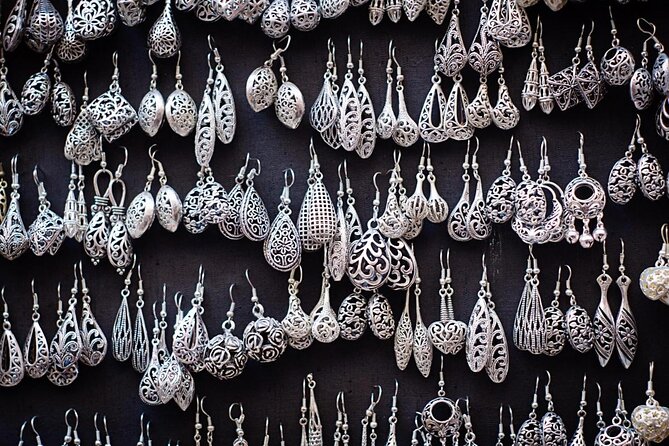
- Celuk silver village visit, with step-by-step craft viewing of traditional silver making
- Tirta Empul holy spring temple experience, including a blessing ritual and explanation of the holy water springs
- Tegalalang rice terrace stop with optional swing and a real lunch break at a local terrace-area restaurant
- Tampaksiring tea time and garden photos, plus a quieter-feeling break before the waterfall
- Tegenungan Waterfall at a time aimed at better light and fewer crowds, with time for photos
Door-to-door pickup that saves you from Bali timing headaches
This is the kind of tour that starts working immediately, because pickup and drop-off cover a wide area: Seminyak, Ubud, Kuta, Nusa Dua, Legian, Canggu, Gianyar, Jimbaran, Kerobokan, and more. That means you’re not wasting your morning learning where to go, or paying for extra rides to get to the “starting point.”
You also get private, air-conditioned transportation. In Bali heat, that’s not a luxury detail. It’s how you keep your energy for temple time, walking around terraces, and standing near waterfalls for photos. The tour also runs long enough (about 10 hours) that the schedule needs to be tight, so door-to-door pickup helps you start that tight schedule without extra friction.
If you’re visiting from farther south or from the coast, I’d treat this as a smart way to protect your day. You’ll spend your attention on the places that matter instead of dodging buses, sorting directions, or doing the “where is the drop-off” dance.
You can also read our reviews of more tours and experiences in Seminyak.



The Barong and Kris dance: Good and Evil, explained without killing the mood
Stop one is the Barong and Kris dance in Batubulan Village. This performance is built around the classic Balinese story of good and evil spirits, tied to karma. The important part for you is not just that it’s a show. It’s that you’ll be guided through the myth and the meaning, so you can follow what’s happening instead of watching with a blank mind.
The tour keeps it to about 1 hour, which is a good length for a performance morning. It’s long enough to feel fully in the rhythm, but short enough that you’re not dragged into a slow timeline before you’re ready to move.
A practical tip: wear comfortable clothes. You’ll be sitting and standing for a bit, and Bali performance venues can be warm. Smart casual fits fine, and you’ll avoid the “why did I wear this” feeling that comes later at temples and terraces.
Celuk silver village: craftsmanship you can actually see happening
Next up is Celuk Village, known for silverwork. This isn’t a quick look-and-leave. You’ll spend around one hour with your guide, watching how the artists make silver step by step and seeing finished Balinese silver pieces tied to local style.
The value here is clarity. When you see the process—how metal becomes decoration—it turns souvenir shopping into something else. It becomes a cultural visit. Your guide’s English helps you ask better questions and understand why designs look the way they do.
If you’re curious about hands-on culture, this is a highlight. If you’re not into crafts, it can still be worth it because it gives you a break from scenery and temples while staying cultural and local.
Balinese traditional house visit: how daily life shapes architecture
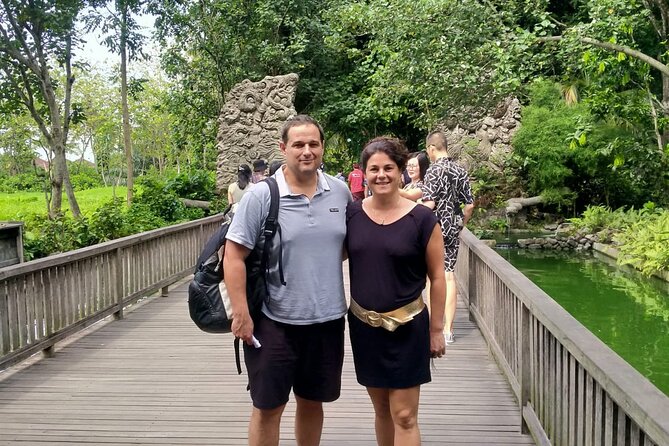
Then you head to a Bali traditional house compound (listed as Gung Aji). You’ll get a guided look at the building structure and learn the function of different areas within the compound.
This stop works well because it connects what you see elsewhere. In temples, you’re looking at belief in stone and water. In a house, you’re looking at belief in daily routines and space. The tour stays about 1 hour, so it’s informative without overstaying.
A small consideration: some house compounds involve rules about how you enter and where you stand, and you might be asked to adjust your behavior out of respect. Dress code is smart casual, but treat this as a “show respect” stop, not a sightseeing selfie competition.
Tegalalang rice terrace: photos, optional swing, and a real lunch break
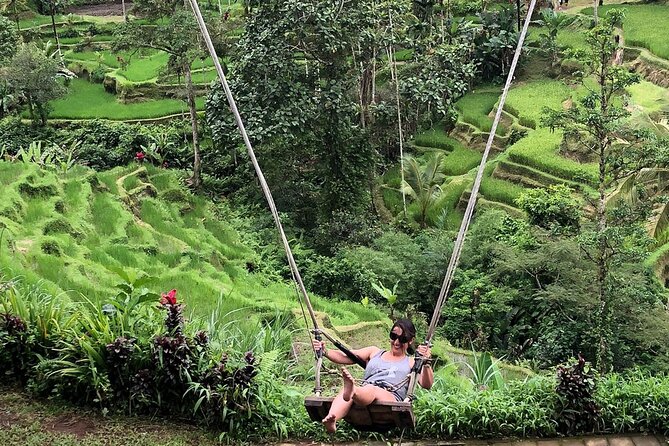
The tour hits Tegalalang Rice Terrace next, with about one hour allocated. This is one of the Bali photo classics for a reason: the terraces create layers of green that look dramatic from multiple angles.
You’ll also have a chance to enjoy lunch at a local restaurant near the terraces. Lunch is not included and is an additional personal expense, estimated at around $4 per person. I like this setup because it lets you eat what you actually want instead of being locked into a generic tour meal.
There’s also an optional traditional attraction swing. You don’t have to do it, but it’s the kind of add-on that can make the stop feel more like an experience than a viewing platform. If you do it, keep in mind you may get pushed into photos that start looking “staged.” Still, it can be fun if you like that style of souvenir.
Timing matters here. The tour’s route is designed to keep you moving to the next stops without leaving you stuck at the terrace until everyone else shows up. Your guide can also help you find the better angles when the light changes.

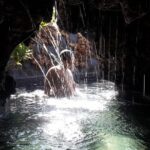


Tirta Empul spring temple: sacred water ritual with explanation
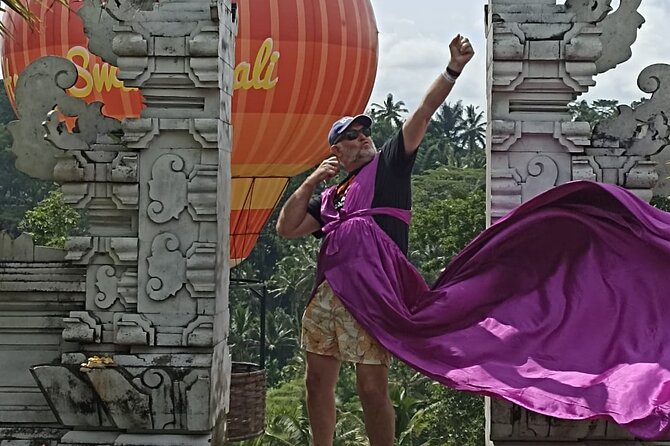
This is the stop that matches the tour title best: Tirta Empul, the holy spring temple at Tirta Empul complex area (the itinerary also includes Tampaksiring tea time nearby).
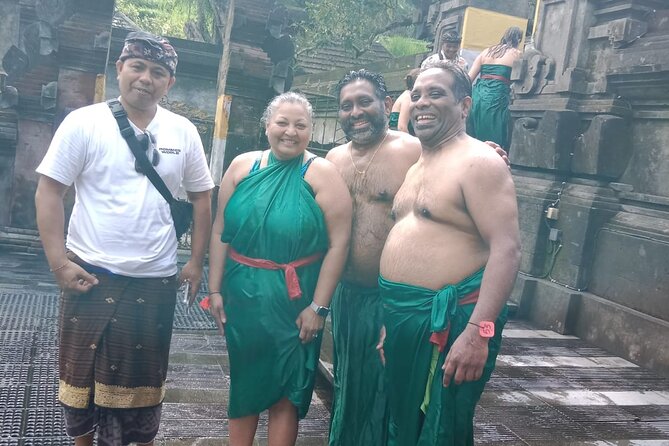
You’ll spend about one hour, including the blessing ritual and your guide explaining the function of each holy spring. That explanation is the difference between “standing near water” and actually understanding what you’re seeing.
I’d recommend arriving mentally ready for a slower moment. Temples like Tirta Empul aren’t about speed. You’ll be in a space where people come for ritual and cleansing. Even if you’re not joining every step, the context makes your photos and your impressions feel more grounded.
Dress code is smart casual, and the tour notes that you should bring swimming cloth. That’s a strong clue that you may want to be prepared for water-related ritual moments. Don’t show up with just a dry outfit and wishful thinking. Bring what you need so you can participate comfortably if you choose to.
Tampaksiring tea time: the quiet reset before Tegenungan
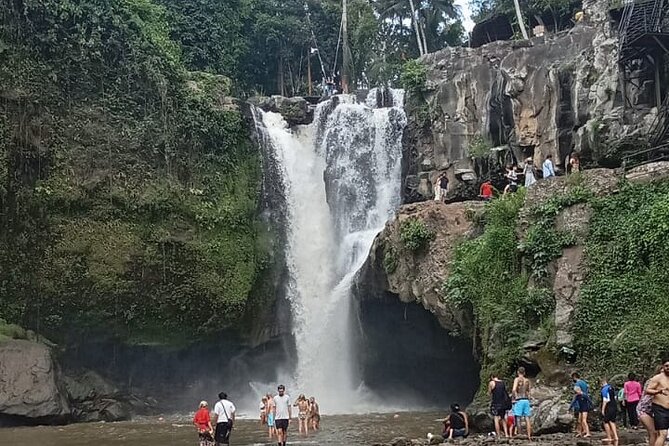
After the temple, you get a tea time stop in the local village of Tampaksiring, about one hour. This is one of those “small” stops that changes the mood of the whole day. You get a break from major sightseeing and a chance to cool down and refocus.
You’ll also have time to capture photos in a green garden setting and enjoy the tropical climate. I like this stop because it prevents the day from feeling like a nonstop schedule. Even if you only spend part of the hour sipping tea and catching your breath, it helps you arrive at the waterfall with better energy.
Tegenungan Waterfall: aiming for light and fewer crowds
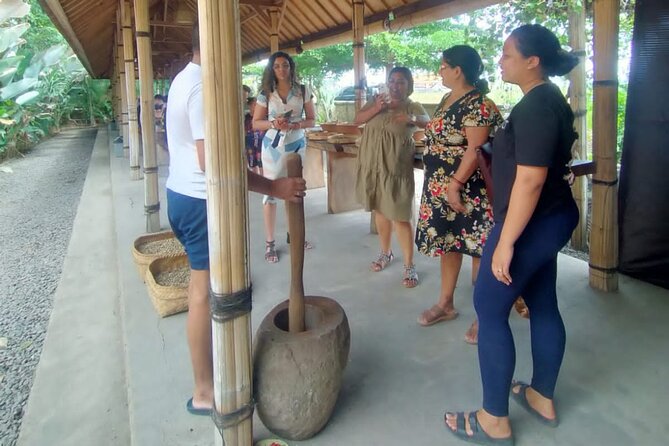
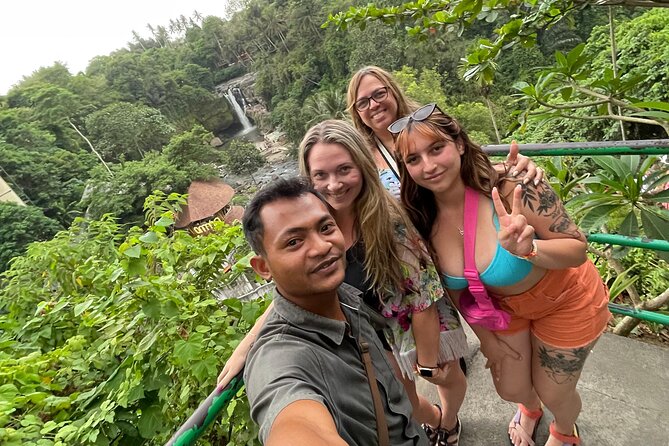
Then it’s on to Tegenungan Waterfall. The itinerary allows about one hour, and the plan is to arrive at a time aimed at better light and a not-too-crowded afternoon.
That’s a real practical goal. Waterfall photos are mostly about timing: the sun angle, the sound level (crowds can be intense), and whether you can find a comfortable spot to watch and take pictures. The tour specifically builds in that expectation, so you’re not just dropped off and told good luck.
Again, bring swim cloth if you like the idea of getting close enough to feel the mist. At minimum, it makes you more flexible. You can always keep it simple—walk around, take your photos, and enjoy the view from the right spots.
Price and ticket reality: a low-cost private day with a small watch-out
The listed price is $20 per person, booked on average about 5 days in advance. For a 10-hour private day across multiple major Ubud-area stops, that can feel like a bargain.
But here’s the part you should understand before you book:
- Transport, an English-speaking guide, water/tea time, and insurance are included.
- The tour description also mentions entrance tickets on a Premium All Inclusive basis.
- At the same time, the details note that there’s an optional upgrade to include tickets, and there may be additional entrance ticket costs if you visit all attractions (around $18 per person).
So the safest approach: confirm what entrances are covered for your exact route and whether any sites require extra payment for the version you choose. If you’re planning to do everything, budgeting for that potential extra cost is smart.
Also note lunch is extra, estimated around $4 per person. If you already know you’ll want a sit-down meal, set aside that small budget so you don’t end up eating quickly just to stay on schedule.
Your guide can make or break the day
This tour’s biggest strength is not the famous sites. It’s how people bring them to life.
In the experiences I’ve heard about from guides on this route, the pattern is consistent: they’re friendly, communicative, and flexible. One guide named Komang Adi Artha helped with a practical stop like purchasing a SIM card when plans shifted. Guides like Bagus Putrawan and Eka are praised for pacing and for clear explanations of Balinese culture and Hindu religion. Other names that came up include Kadek (often described as patient, joyful, and good with photos) and Kadek Dwi, who was noted as a friendly translator and even as a “camera man” type.
You shouldn’t treat those as guarantees, but they do tell you what to look for in a good day: a guide who answers questions, keeps time, and adjusts without making you feel like you’re derailing the plan.
Practical tips to get the most from a full 10-hour itinerary
Here’s how I’d make this day work smoothly for you:
- Bring swimming cloth for water-friendly stops. Even if you skip the extras, it keeps options open.
- Wear smart casual clothing that handles walking and heat. Light layers help.
- Use your lunch time for a real reset. Lunch is extra, so pick a meal you actually want, not a rushed bite.
- Bring cash or a card for small extras like lunch and any potential entrance fees if your chosen option isn’t fully included.
- Expect a lot of movement. This is a great “major sites” tour, not a slow-stay.
If you’re traveling with family or a mixed group of ages, this private format is a strong match because your guide can adapt your pace. If you’re traveling solo, it also works well because it turns Bali into a guided day with fewer unknowns.
Should you book this private Bali culture and spring temple tour?
I’d book it if you want a single day loop that covers performance, craft, rice terraces, and a meaningful temple ritual. It’s especially good if you appreciate a guide who explains what you’re looking at and helps you keep the day moving without stress.
Skip it (or adjust expectations) if you hate long schedules and prefer slow, minimal-driving days. With a 10-hour plan and multiple stops, you’ll be busy. It’s ideal for “see a lot, learn a lot, take great photos” days.
If you do book, confirm ticket coverage for your selected version and come prepared for water stops with the swimming cloth noted in the dress guidance. Then you’ll be set for a classic Bali day that feels both cultural and photogenic without losing the human context.
FAQ
What’s the duration of the Bali Culture And Spring Temple Private Guided Tour?
The tour runs for about 10 hours.
Where do pickup and drop-off happen?
Pickup and drop-off are offered across Seminyak, Ubud, Kuta, Nusa Dua, Legian, Canggu, Gianyar, Jimbaran, Kerobokan, and other addresses in the south, central, and east Bali areas.
Is the tour private?
Yes. This is a private tour/activity, and only your group participates.
Are entrance tickets included or do I pay extra?
Entrance tickets are described as Premium All Inclusive, and there’s also an option to upgrade to include tickets. The details also mention that if you visit all attractions, you may need to pay entrance tickets of about $18 per person. It’s worth confirming what’s covered for your exact selection.
What about lunch?
Lunch is not included. The estimate given is about $4 per person, and you’ll pay at local restaurants.
What should I wear or bring?
The dress code is smart casual, and the tour asks you to bring swimming cloth.
Can I cancel for free?
Free cancellation is offered, with full refund if you cancel at least 24 hours before the experience starts. If you cancel less than 24 hours before, the amount paid is not refunded.