Ubud’s art spills into your afternoon. This 7-hour tour strings together Puri Lukisan Museum (with its famous wayang-style paintings) and Petulu Village’s white herons sightings, all with hotel pickup and entrance fees handled. If you like seeing how Balinese art gets made and where it comes from, this route is a strong first pass through Ubud’s cultural heart.
I like the way the day mixes art forms, not just a single museum stop. You’ll also spend time at the former royal residence, Puri Saren Ubud, and then head to the traditional art market to browse and bargain. The one thing to watch: the experience can feel sales-forward for some people, with extra time in gallery-style places and a guide style that may vary by group.
In This Review
- Key Highlights You’ll Actually Care About
- Timing, Route, and What the $62.83 Covers
- Puri Lukisan Museum: Wayang-Style Paintings and Ubud Artists
- Ubud Palace (Puri Saren Ubud): Royal Architecture in Plain Sight
- Ubud Traditional Art Market: Bargaining, Crafts, and Potential Shopping Pressure
- Petulu Village and the White Herons (Kokokan): What You’ll See
- How the Guide Shapes Your Day (and Your Wallet)
- Comfort Tips for the Mini-Bus Reality
- Who This Tour Suits Best
- Should You Book The Enchantment of Ubud Tour?
- FAQ
- How long is the tour?
- What time does the tour start?
- Is hotel pickup and drop-off included?
- What’s included in the price?
- What are the main stops during the day?
- How many people are in the group?
- Does the tour run in rain?
- Are there extra charges for cruise passengers?
Key Highlights You’ll Actually Care About
- Puri Lukisan Museum’s wayang-style painting tradition, plus examples tied to older and newer Ubud artists
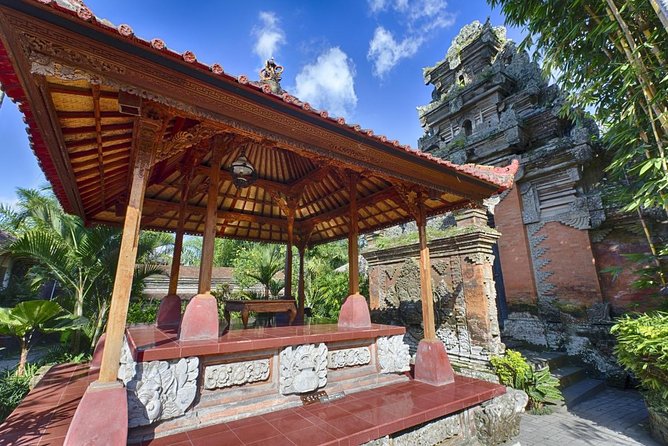
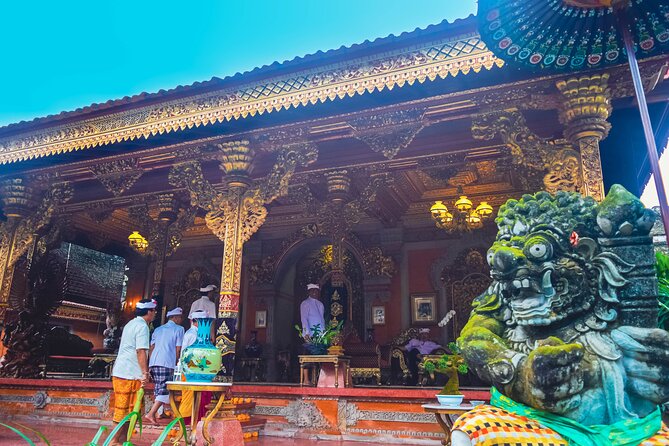
- Puri Saren Ubud palace compound with intricate carved details from Bali’s royal era
- Ubud Traditional Art Market for handmade crafts you can watch being made and practiced haggling with your guide
- Petulu Village kokokan (white herons) with nesting season info—thousands can appear Oct–Mar
- Hotel pickup and drop-off plus an English-speaking licensed guide in a group capped at 15
Timing, Route, and What the $62.83 Covers
This tour runs about 7 hours, starting at 1:00 pm. The route is built for one day of “see a lot, learn some, buy if you want,” with a mix of museums, palace architecture, and nature at Petulu Village.
At $62.83 per person, the price is easier to judge because several big costs are included: round-trip transport by air-conditioned vehicle, an English-speaking licensed guide, and entrance tickets. What’s not included is food and drinks, so I’d plan a snack or early lunch before pickup unless you know your budget will flex.
Pickup is offered from major hotel areas including Kuta, Seminyak, Sanur, Jimbaran, and Nusa Dua. If you’re outside those zones, you may need to confirm the exact pickup arrangement at booking—still, the standard setup is hotel-to-hotel, which saves you the hassle of routing yourself across Bali traffic.
The group is capped at 15 travelers, so you’re not stuck in a huge bus crowd. Still, a small group doesn’t always mean comfort—some setups can use a mini-bus, so if you’re sensitive to cramped seating, keep that in mind.
You can also read our reviews of more tours and experiences in Ubud.



Puri Lukisan Museum: Wayang-Style Paintings and Ubud Artists
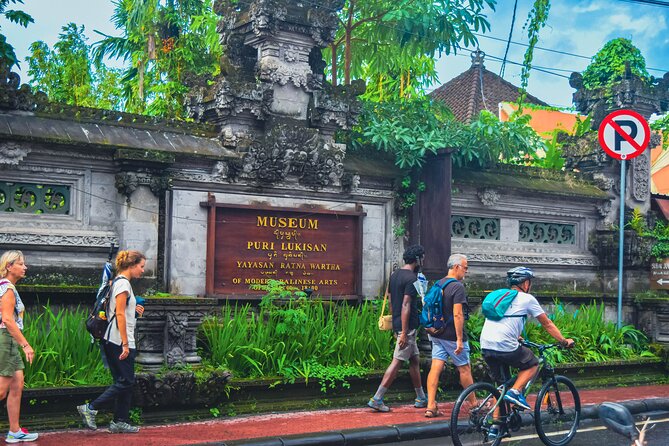
Your day’s art foundation starts at Museum Puri Lukisan. This museum is known for colorful Balinese painting traditions, especially wayang-style painting, a technique that was a major part of Bali’s output before the 1920s. If you’ve ever wondered why Balinese art can feel both theatrical and detailed, this is a helpful place to start.
What I like about this stop is that it’s not only “old masters.” You’ll also see works by contemporary Ubud artists, alongside examples of traditional styles like Batuan (associated with Brahman artistic tradition) and Sanur, which uses a more stylized approach to depict animals. That mix helps you connect how styles evolved without turning the day into a single-theme lecture.
The visit is about 1 hour, so you won’t get lost for half a day. Bring a phone or notebook and pick 2–3 paintings that really grab you—then use your guide’s explanations to learn what makes them Balinese rather than just pretty.
Practical tip: museums in Bali can be warm and bright, so plan for sun glare. If you’re trying to photograph paintings, take a moment to aim from the least reflective angle, and respect any “no flash” rules inside.
Ubud Palace (Puri Saren Ubud): Royal Architecture in Plain Sight

Next up is Puri Saren Ubud, the former royal residence of Bali’s last monarch. This is the kind of stop where you can learn fast just by looking: the compound has detailed carved elements and traditional building features that show how seriously the Balinese royal lifestyle treated art and design.
You’ll spend about 1 hour here, which is usually enough to appreciate the craftsmanship without feeling rushed. The palace visit pairs well with the museum because you start noticing the same design instincts—ornamentation, patterns, and careful stonework—showing up across different art forms.
If architecture is your thing, focus on the carved door and window elements, the rhythm of columns, and the way the buildings are laid out within the compound. Your guide can connect those details to the historical role the palace played, not just how it looks today.
A small consideration: if your guide’s energy is low, this stop can feel more like a quiet walk than a story. I’d encourage you to ask a question early—how the royal compound functioned, or what carved details were most important—so you can steer the visit toward meaning, not only sight.
Ubud Traditional Art Market: Bargaining, Crafts, and Potential Shopping Pressure
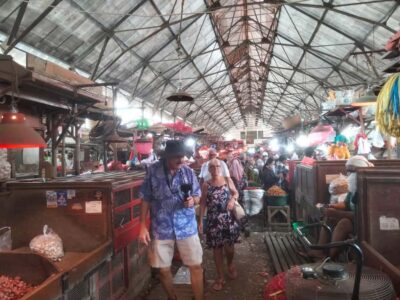
Then the day moves into the Ubud traditional art market, which is the kind of place that can either delight you or annoy you—mostly depending on expectations. This market is described as one of Bali’s older art markets, and you’ll find both traditional handmade crafts and more contemporary offerings.
The most practical value here is that you get time to browse with a guide, and you’ll learn basic bargaining approach. That’s useful, because markets are where prices can feel confusing when you don’t know what’s fair and what’s a first offer.
Here’s the realistic caution: this tour’s style has been criticized for feeling gallery- and store-forward, with some guides pushing expensive shopping stops and limited museum time in comparison to what you might hope for. I can’t promise it will happen in your group, but you should plan to say no quickly and calmly if you feel pushed.
My best advice: set a budget before you arrive, and treat the market like a place to find one or two pieces you truly love. If a shop is trying to lock you into a sale too fast, step back and keep walking. The point is to see the art culture, not to win a negotiation marathon.
Petulu Village and the White Herons (Kokokan): What You’ll See
After central Ubud, you head out toward Petulu Village, known for its kokokan white herons that nest in the trees. This is the most nature-heavy part of the tour, and it gives your day a breath of calm after museums and crafts.
You’ll have about 1 hour here. The key detail is timing: the herons are most noticeable when chicks hatch, and the tour info notes that thousands of birds can be seen during October through March. If you’re visiting outside that window, you may still see herons, but the crowd size and nesting activity could be less dramatic.
When you’re there, focus on the trees and the birds’ movement patterns rather than chasing every single bird with your camera. If you spot one bird take off or call, look nearby—often the whole group is communicating and shifting together.
Respect matters here. Keep a reasonable distance, don’t block paths, and avoid doing anything that shakes the trees. You’re there to watch a community, not to stage a performance.






How the Guide Shapes Your Day (and Your Wallet)
This tour is built around a guide explaining Bali’s art culture—painting techniques, palace architecture, and what you’re seeing in the market. That’s exactly why having an English-speaking licensed guide matters; interpretation can turn “a visit” into learning.
But guide style can change how the day feels. Some experiences with this format have been described as having limited commentary, or as steering the group toward purchase-heavy stops. If you want real cultural context, you should ask for it early and set the tone.
A simple way to do that: when you arrive at Puri Lukisan, ask one question that’s not about buying. For example, ask how wayang-style painting differs from other local styles, or what you should look for in the carvings. Guides who are serious about teaching will happily answer.
And if you feel the day turning into a shopping push, you can still participate on your terms. You don’t need to buy in order to enjoy the market, and you can decline extra private-tour offers or upsells without being rude.
Comfort Tips for the Mini-Bus Reality
The biggest comfort issue isn’t the walking—it’s often the vehicle. The tour uses an air-conditioned vehicle, but group transport can still mean tight seating, especially if your group is placed into a mini-bus rather than a larger coach.
If you’re traveling with anyone older or with mobility needs, I’d factor in extra time for restroom breaks and cushion the day with snacks and water before the heron stop. Also, bring a light layer even if it’s warm; A/C can feel chilly once you’re in the car for hours.
Also pack for weather. The tour runs in all weather conditions and says you should dress appropriately. That means a compact rain layer is smart, plus shoes you can walk in comfortably on uneven ground.
Who This Tour Suits Best

I’d point this tour toward you if you’re:
- A first-time visitor who wants a structured art-and-culture day in Ubud
- Someone who enjoys museums, palace architecture, and market browsing more than long temple hikes
- An “I want to learn a few things fast” traveler who likes having a guide connect dots
This is less ideal if:
- You want a deeply historical, slower-paced itinerary with fewer shopping moments
- You dislike negotiating or any feeling of being steered toward sales
- You’re very sensitive to cramped group transportation
If you fall into the “I’d rather drive myself” category, you might be happier with a private driver and a tighter list of stops based on your interests. This tour can still work—but only if you’re comfortable with some market browsing as part of the experience.
Should You Book The Enchantment of Ubud Tour?
I think this one is worth considering if your priority is a single, guided art circuit—museum paintings, palace details, market culture, and a heron encounter. The included transport, guide, and entrance fees make the $62.83 price feel more realistic than DIY when you want everything organized.
Book it with eyes open. If you’re picky about sales pressure, go in ready to browse and decline without guilt. If you want your day to be mostly about learning, ask early for clear explanations and don’t be afraid to guide the guide toward museums and away from over-shopping.
FAQ
How long is the tour?
The tour runs about 7 hours.
What time does the tour start?
The start time is 1:00 pm.
Is hotel pickup and drop-off included?
Yes. Pickup and drop-off are included for major hotels in Kuta, Seminyak, Sanur, Jimbaran, and Nusa Dua areas.
What’s included in the price?
The tour includes an English-speaking licensed guide, air-conditioned transport, and entrance fees, plus pickup and drop-off. Food and drinks are not included.
What are the main stops during the day?
You’ll visit Puri Lukisan Museum, Puri Saren Ubud (Ubud Palace), the Ubud Traditional Art Market, and Petulu Village for the white herons.
How many people are in the group?
The tour has a maximum of 15 travelers.
Does the tour run in rain?
Yes, it operates in all weather conditions, and you’re advised to dress appropriately.
Are there extra charges for cruise passengers?
The additional info notes additional charges for cruise passengers.