Cooking in Ubud feels like learning by doing, not watching. You get a hands-on class with a Balinese Chef and even a quick look around the Ubud traditional market before you cook.
I love the way the kitchen setup is built for participation: you’re given your own station and utensils, and you cook everything yourself with step-by-step guidance in English. I also like that the menu splits cleanly into vegetarian and non-vegetarian options, so you’re not stuck eating around the food.
One thing to think about: pickup is easiest if you’re staying in Ubud center for the morning class, and the experience requires good weather, so plan for a backup date if conditions turn bad.
In This Review
- Key things to know before you go
- Ubud market time: a short walk that sets you up for cooking
- Ketuts Bali Cooking Class: hands-on, station-by-station learning
- The 7-dish Balinese menu: what you’ll make (vegetarian and non-vegetarian)
- Vegetarian menu (the whole lineup you’ll cook)
- Non-vegetarian menu (same structure, different proteins)
- The dessert that seals the deal
- The real lesson: bumbu Bali and peanut sauce (and why you’ll use them later)
- Lunch or dinner: what happens after you finish cooking
- Pickup, timing, and the Ubud logistics that affect your day
- Morning class: pickup inside Ubud center
- Afternoon class: meet at Lapangan Desa Ubud at 2:30pm (for return)
- What’s included (and what’s not)
- Price check: $35.79 and where the value comes from
- Who this suits best (and who should adjust expectations)
- Should you book this Ubud cooking class?
- FAQ
- FAQ
- Is this cooking class hands-on or mostly watching?
- Do you offer vegetarian options?
- What non-vegetarian dishes are included?
- How long does the experience take?
- Is hotel pickup included?
- Do I get to visit the market?
- What’s included with the meal?
- What if the weather is bad?
- Can I cancel and get my money back?
Key things to know before you go
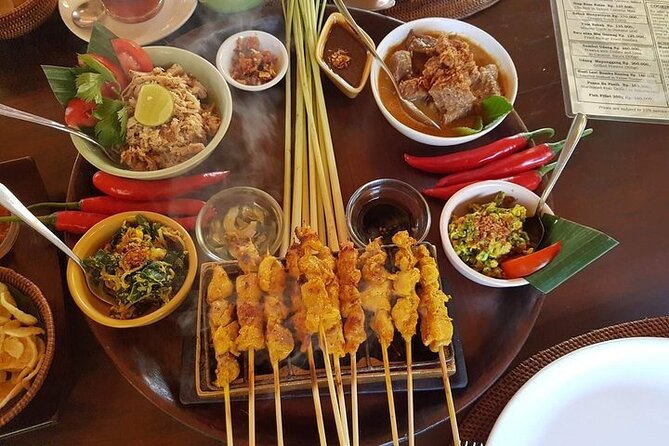
- You cook all the dishes yourself at your own station, with tools and ingredients provided
- Market visit first (morning trips only), with the admission ticket included
- English instruction from a local chef team, with fun, clear teaching styles from chefs like Made
- A full 7-dish menu tailored to vegetarian or non-vegetarian preferences
- Small group feel with a maximum of 24 travelers
- Return logistics built around Ubud center, with outside areas costing extra
Ubud market time: a short walk that sets you up for cooking
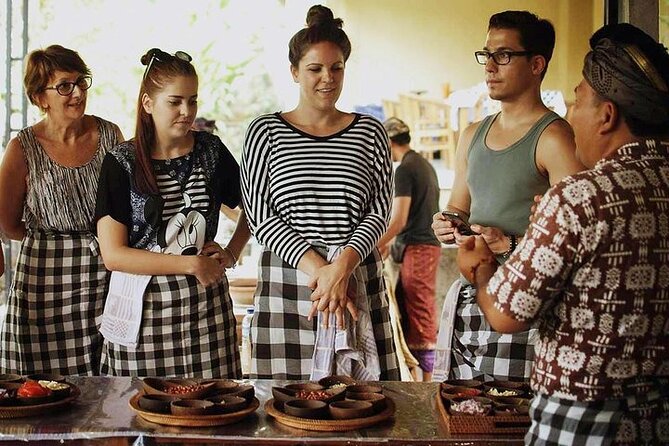
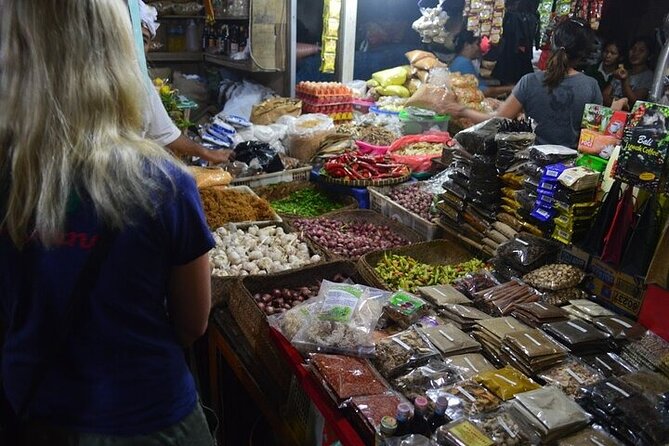
Before you touch a cutting board, you start with a stop at the Ubud Traditional Art Market. For morning trips, it’s about 30 minutes, and the admission ticket is included. This isn’t a long shopping spree. It’s more like a quick orientation to what Balinese cooking draws from: spices, produce, and the everyday ingredients that show up later in your dishes.
Here’s how to use this time well. If you’re the type who likes to understand what you’re buying, watch what vendors handle and how produce is displayed. If you’re more “just tell me what matters,” you can still benefit by picking up a feel for the ingredient names that later connect to your cooking tasks.
Practical note: personal spending at the market is not included, so you can browse freely, but if you buy anything, that’s on your tab. Since the market time is short, I’d keep your shopping goals simple.
You can also read our reviews of more tours and experiences in Ubud.



Ketuts Bali Cooking Class: hands-on, station-by-station learning
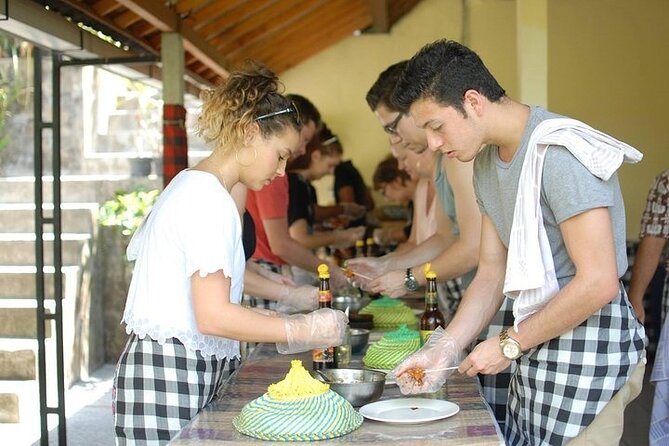
The main event happens at Ketuts Bali Cooking Class. The format is very practical: this is not a demonstration where you stand back and take notes. You’ll prepare and cook the dishes yourself, using equipment provided for the class.
A big reason this works is pacing. The class runs for about 3.5 hours (and the overall experience is listed around 4 hours including the market stop and transfers). That’s enough time to go from prep to cooking to eating without feeling rushed, especially when multiple dishes share common components like spice paste and sauce.
Group size matters here too. The experience caps at 24 travelers, and the teaching team will typically have enough hands on deck for questions. That support shows up in the style of instruction, which you can expect to be step-by-step and delivered in English by local chefs.
If you’re worried about language, the key point is simple: you’re cooking with an English-speaking chef. You won’t have to guess what to do next.
The 7-dish Balinese menu: what you’ll make (vegetarian and non-vegetarian)
This class is built around cooking a set menu, and the final result is that you sit down to taste what you cooked for lunch or dinner, depending on your session.
You’ll make 7 dishes, and the menu is split into vegetarian and non-vegetarian versions.
Vegetarian menu (the whole lineup you’ll cook)
For the vegetarian option, you’ll make:
- Sauce Kacang (Peanut sauce)
- Bumbu Bali (Balinese spice paste)
- Kare Sayur (Vegetable Curry)
- Tempe, tofu and vegetable Sate (served with peanut sauce)
- Pepes Mushroom (grilled mushroom in banana leaf)
- Mie Goreng (Fried noodle)
- Kolak Pisang (braised banana saba in palm sugar gravy)
The vegetarian lineup is smart because it doesn’t feel like a downgrade. Peanut sauce and spice paste are still the core flavors, and you still get a mix of textures: curry, grilled banana-leaf cooking, and noodles. The sate gives you a chance to practice skewering and saucing, and the dessert ties it together with palm sugar sweetness.
Non-vegetarian menu (same structure, different proteins)
For non-vegetarian, you’ll make:
- Sauce Kacang (Peanut sauce)
- Bumbu Bali (Balinese spice paste)
- Ayam Bumbu Bali (Balinese fried chicken)
- Sate Ayam Sauce Kacang (chicken sate with peanut sauce)
- Pepes Ikan (grilled fish in banana leaf)
- Mie Goreng (Fried noodle)
- Kolak Pisang
This version adds two meat/fish dishes while keeping the same backbone flavors. That means you still learn the key Balinese building blocks (especially bumbu and peanut sauce) and you see how they translate into different cooking methods: frying for the chicken and banana-leaf grilling for the fish.




The dessert that seals the deal
Kolak Pisang shows up on both menus. It’s braised banana in palm sugar gravy, which is a great end note after savory spice and fried noodle work. Even if you’re not a dessert person, this one helps you remember the balance of sweet and aromatic flavors that are common in Indonesian cooking.
The real lesson: bumbu Bali and peanut sauce (and why you’ll use them later)
If you want value out of a cooking class, you need more than recipes. You need repeatable building blocks. This menu gives you two of the biggest ones:
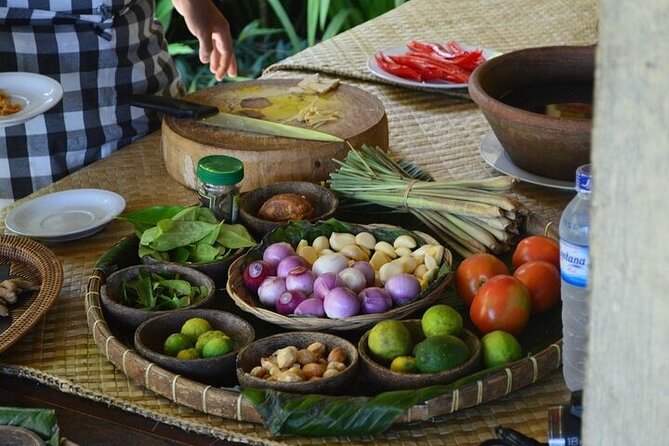
- Bumbu Bali (Balinese spice paste): You’re making the paste as part of the class, not just using a jar. That’s how you learn what the flavor actually is.
- Sauce Kacang (Peanut sauce): You learn to create the peanut-based sauce that shows up with sate and complements other dishes.
I like that the menu repeats these flavors across multiple dishes. You don’t just taste them once. You see them show up again and again, which makes it easier to remember what to replicate when you cook at home.
And because the class is hands-on, you’re not only learning tastes. You’re learning textures too: how spice paste behaves, what peanut sauce looks like while it comes together, and how those flavors stick to noodles and grilled items.
Lunch or dinner: what happens after you finish cooking
After the cooking work, you eat what you made. The class includes lunch/dinner (taste the dishes that you had prepared). This matters more than it sounds. When you taste your own food right after cooking, you get instant feedback: what needed more salt, what got the right punch, and what cooking method produced the best aroma.
There’s also a social side. Even with a small group size, eating together in a dining room turns the class from a task into an experience you can talk about. If you’re traveling solo, it’s a nice way to connect without needing to chase conversation all day.
Pickup, timing, and the Ubud logistics that affect your day
Here’s the practical side that can make or break your experience.
Morning class: pickup inside Ubud center
For the morning option, return hotel transfer is included for Ubud central only using a sharing car. If you’re outside Ubud center, pickup can cost extra.
You’ll also get the market stop first, then the cooking class. That structure is convenient because it bundles sightseeing with the meal plan.
Afternoon class: meet at Lapangan Desa Ubud at 2:30pm (for return)
The information you have says that for the afternoon class, you meet around 2:30pm at the front of Lapangan Desa Ubud as the pickup point for the return.
Since it doesn’t spell out the exact start time for the afternoon session in the details provided, my advice is simple: confirm your session timing when you book so you know whether you need to plan your afternoon around that 2:30 return point.
What’s included (and what’s not)
Included:
- English-speaking local chef
- Traditional market tour (morning trip only)
- Welcome drink / mineral water
- Cooking ware and cooking ingredients
- 7 dish cooking (vegetarian or non-vegetarian menu)
- Lunch/dinner (the tasting you cooked)
- Mobile ticket
Not included:
- Beverages beyond what’s listed
- Personal expenses at the market
- Insurance
- Pickup from areas outside Ubud center for the cooking class (up to IDR 600K per car is mentioned)
This is also a money-saving clue: you’re already paying for ingredients and the meal. The extra cost that might surprise you is drinks or any market purchases.
Price check: $35.79 and where the value comes from
At $35.79 per person, this class can be a solid deal in Ubud because you’re getting three things tied together: a short market experience, a long hands-on cooking session, and a full meal that you cook.
The value case is strongest if you like to learn by doing and you want to take home repeatable skills, especially around bumbu Bali and sauce kacang. If you’re only looking for a quick bite and don’t care about cooking, it might feel like more work than you want.
One more value note: the menu includes multiple dishes, not just one main course. You’re making noodles, a curry (or chicken), sate, banana-leaf grilled items, and dessert.
That’s why this price can make sense even before you think about souvenirs or dining out later.
Who this suits best (and who should adjust expectations)
This experience fits you best if you:
- want a hands-on cooking class where you cook at your own station
- enjoy Indonesian flavors like peanut sauce, spice paste, noodles, and banana-leaf grilling
- want a class in English with a local chef
- like the idea of seeing ingredients at the Ubud Traditional Art Market first
It may be less ideal if you:
- need very long market browsing time (it’s 30 minutes for morning trips only)
- get thrown off by weather changes (the class requires good weather)
- are staying well outside Ubud center and want pickup included without extra cost
If you’re traveling with dietary needs, it’s comforting that vegetarian and non-vegetarian menus are defined and complete, not “maybe you can swap something.”
Should you book this Ubud cooking class?
I’d book this if you want an efficient way to learn real Balinese cooking skills in a single morning or afternoon block. The menu is structured around core flavors, and you leave with food you made yourself plus the building blocks you can recreate later. The market stop adds context without turning the day into a long tour.
Skip it only if you prefer pure sightseeing, dislike cooking, or need strict pickup coverage outside Ubud center without any extra charges. Also keep an eye on weather so you’re not caught off guard.
FAQ
FAQ
Is this cooking class hands-on or mostly watching?
It’s hands-on. You’re given your own cooking station and utensils, and you prepare and cook all of the dishes yourself.
Do you offer vegetarian options?
Yes. There is a full vegetarian menu with 7 dishes, including Peanut sauce, Balinese spice paste, vegetable curry, vegetable sate with peanut sauce, grilled mushroom in banana leaf, fried noodles, and Kolak Pisang.
What non-vegetarian dishes are included?
The non-vegetarian menu includes Peanut sauce, Balinese spice paste, Balinese fried chicken, chicken sate with peanut sauce, grilled fish in banana leaf, fried noodles, and Kolak Pisang.
How long does the experience take?
The duration is listed at about 4 hours (approx.), with the market stop and cooking time included.
Is hotel pickup included?
For the morning class, return hotel transfer is included for hotels in Ubud center only (sharing car). Pickup from other areas can cost extra.
Do I get to visit the market?
Yes, but it’s morning trip only and lasts about 30 minutes, with the admission ticket included.
What’s included with the meal?
The class includes tasting what you cooked for lunch or dinner, plus a welcome drink or mineral water.
What if the weather is bad?
The experience requires good weather. If it’s canceled due to poor weather, you’ll be offered a different date or a full refund.
Can I cancel and get my money back?
No. This experience is non-refundable and cannot be changed for any reason.