Neon sunrise starts with midnight legs. This Mount Agung sunrise trek is built around one big payoff: reaching the 3,032 m summit in time to watch the sky flip from dark to red-orange. You also get wide-open views over Bali, with Lombok and Java on clear days.
I love the way the hike mixes dense tropical jungle with volcanic sand and steep, hard footing. It feels like a real mountain experience, not just a photo stop, and you’re supported with an experienced local guide plus safety gear and first-aid basics.
The main drawback is that this is tough in the cold and on slippery volcanic rock, and your experience can hinge on what you bring. If you’re not ready for warm layers, proper shoes, and extra snacks/water, you’ll feel it fast.
In This Review
- Key Points You’ll Care About
- Mount Agung Sunrise From Besakih: What Makes This Trek Worth It
- The Timing: Meet at 10 PM, Start at 11 PM, Return After Sunrise
- Besakih Temple Start: A Peaceful Beginning Before the Volcano Workout
- The Actual Hike: Jungle, Volcanic Sand, and Steep Sections That Add Up
- Sunrise at 3,032 m: What You’re Really Paying For
- Getting Your Money’s Worth: Price, Inclusions, and Where Extra Costs Can Pop Up
- Guides, Safety Gear, and the English-Language Factor
- What to Pack for Mount Agung: Don’t Skimp on Cold and Slippery Rock
- Who Should Book This Trek (and Who Should Skip)
- Should You Book This Bali Sunrise Trek?
- FAQ
- What time do I meet for the Mount Agung sunrise trek?
- What time does the hike start?
- How long is the experience?
- Is hotel pickup included?
- What’s included in the tour price?
- What should I bring?
- Who is the tour not suitable for?
Key Points You’ll Care About
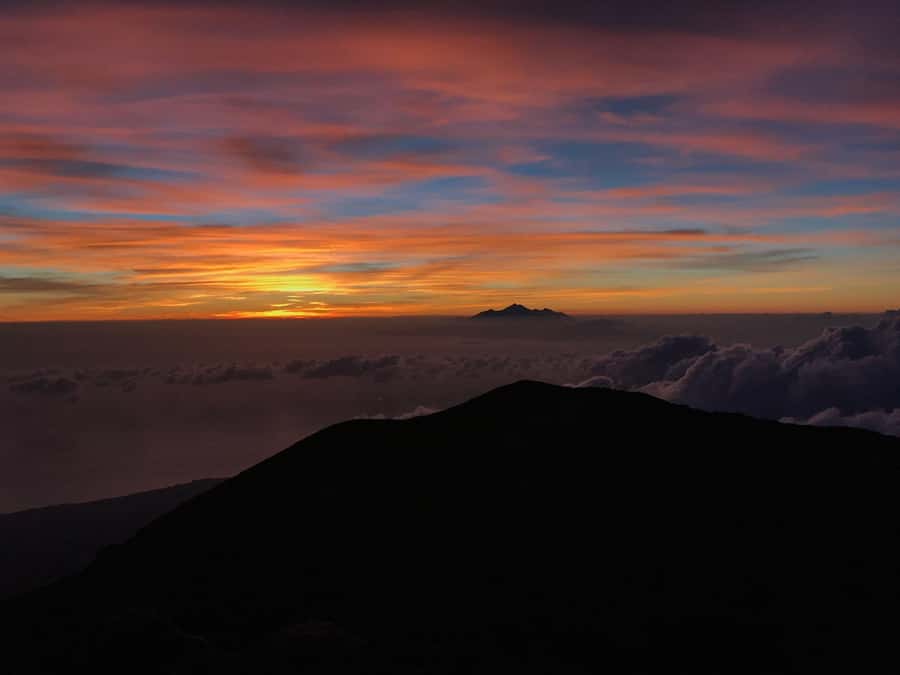
- Summit timing at 3,032 m for that red-orange sunrise over Bali
- Besakih Temple departure (meet at Pura Pengubengan Besakih at 10 pm) before the climb
- Challenging terrain mix: jungle paths, volcanic sand, and steep sections
- Cold waiting for the right moment may happen around the 2,600 m range
- Included basics: guide, safety equipment, entrance fees, breakfast, tea/coffee, mineral water
- You should plan extra water and snacks beyond what’s provided
Mount Agung Sunrise From Besakih: What Makes This Trek Worth It
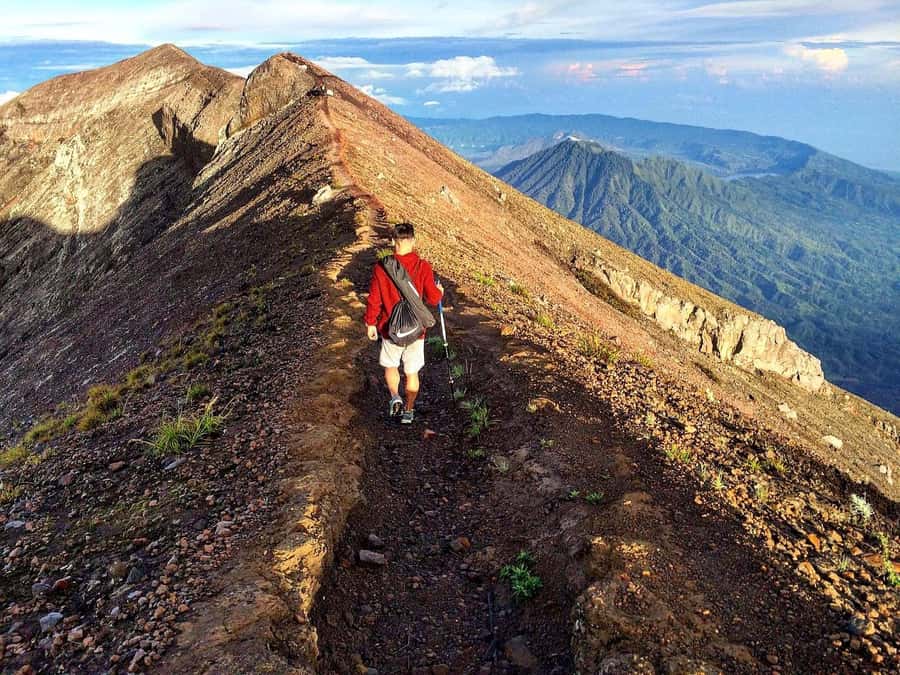
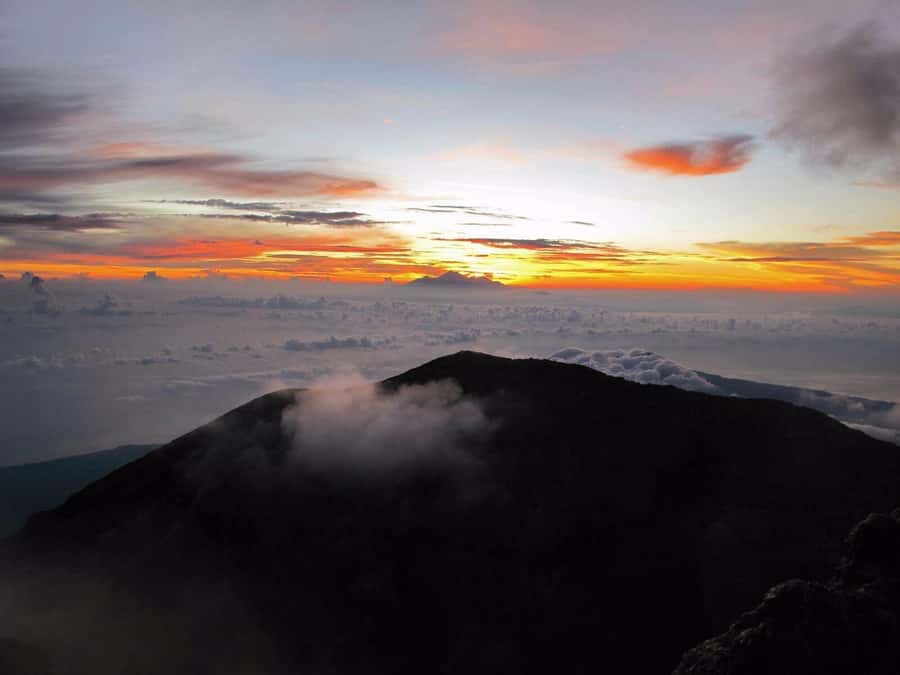
Mount Agung is Bali’s highest peak, and sunrise is the reason people do the whole night-to-morning grind. The idea isn’t just to get to the top—it’s to be there when the horizon wakes up and the sky starts changing color. When the wind cuts at that altitude and the mountain is still dark beneath you, sunrise feels earned.
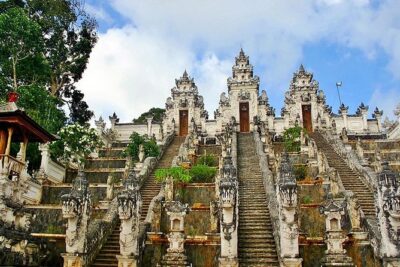
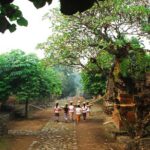
Starting from Besakih Temple adds real cultural weight to the day. You’re not driving straight to a trailhead and disappearing into a hike; you begin at the Mother Temple complex and move from sacred space into the volcano world. It gives the trip a sense of purpose beyond fitness.
The other big win is the view range. From the summit area, you’re positioned to see a lot of the island and, when conditions cooperate, you can spot neighboring Lombok and Java. That’s why this trek is more than a local mountain walk.
You can also read our reviews of more tours and experiences in Karangasem Regency.

The Timing: Meet at 10 PM, Start at 11 PM, Return After Sunrise
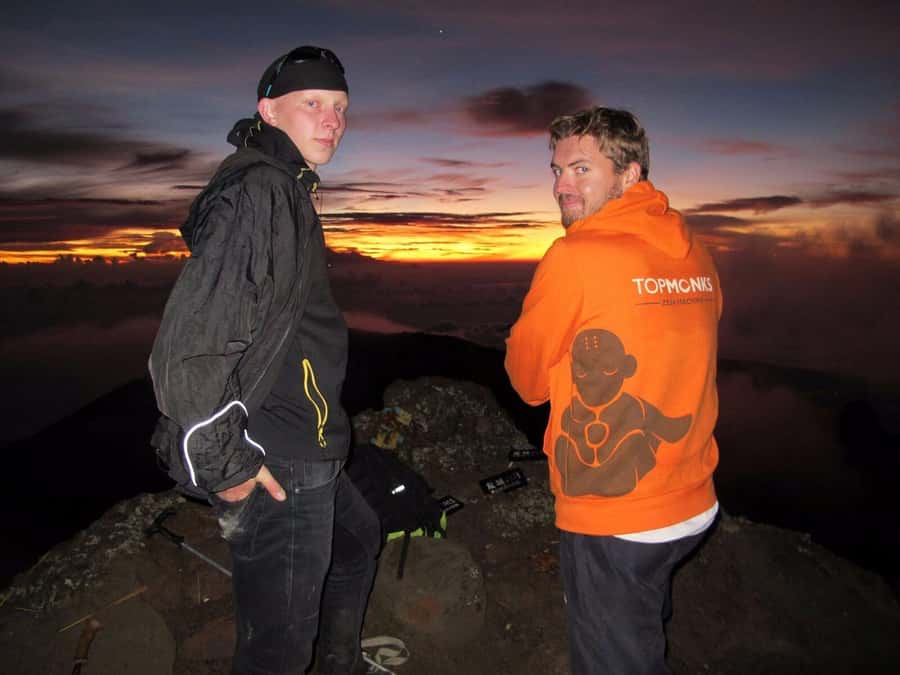
Your day begins at night. You meet at Pura Pengubengan Besakih at 10:00 pm, and the trek is set to start at 11:00 pm so you can reach the summit for sunrise. The total duration is typically 12 to 16 hours, so you’ll plan your whole day around being out for most of the night plus the morning descent.
Once you’re moving, your climb runs through multiple terrain types as the darkness lifts. The pace is guided, and you’re expected to be physically ready for sustained uphill effort and uneven ground. Reaching the summit before sunrise is the goal, but you may also face timing delays during the climb to avoid arriving way too early.
After the sunrise moment, the plan is straightforward: descent back to the starting area. Descents on volcano rock can feel harder than the ascent because your legs get tired and the footing turns extra tricky.
Besakih Temple Start: A Peaceful Beginning Before the Volcano Workout
Besakih Temple (Pura Pengubengan Besakih) is where your night experience kicks off. Entrance fees are included, so once you arrive you can focus on getting oriented, meeting your guide, and settling into the early-morning plan. It also helps that you’re starting somewhere established and easy to find, instead of hunting for a random trail access point in the dark.
You’ll likely get a simple pre-hike rhythm: meet, gear check, then the long uphill push. This temple start matters because it breaks the experience into two phases—culture first, then the physical challenge.
One practical thing to remember: early-morning starts mean you’ll be moving while it’s still cold. Warm layers and a plan for wind protection are more important here than you might expect.
The Actual Hike: Jungle, Volcanic Sand, and Steep Sections That Add Up
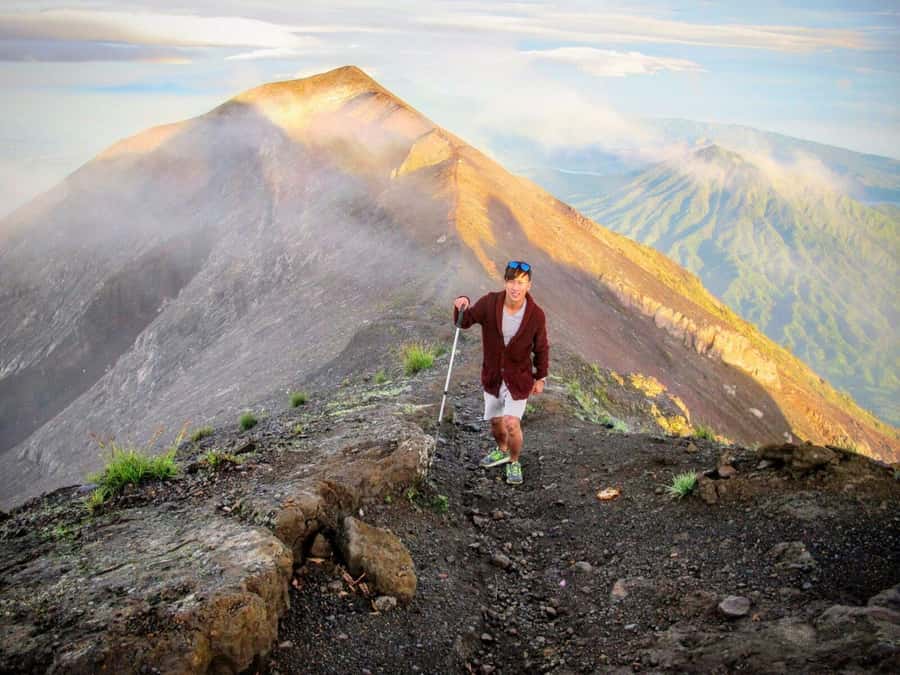
The trek’s route is described as dense tropical jungle, volcanic sand, and steep terrain—and that mix is exactly what makes Mount Agung feel different from a standard hiking path. Jungle sections can slow you down because the trail can be uneven and shadowy, even before sunrise. Then volcanic sand and steep climbs change the physics: your footing needs to be sure, and your calves feel it.
The biggest real-world challenge isn’t only distance. It’s time on your feet at a steep angle, plus the cold. Even people who hike strong routes often find this one demanding because the terrain and altitude timing stack together.
One caution based on lived experience from other hikers: if you don’t have the right shoe grip, the descent can become a slippery, leg-burning test. Plan for traction, not just comfort.
Sunrise at 3,032 m: What You’re Really Paying For
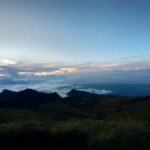
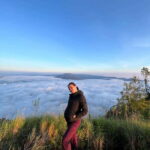
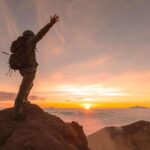
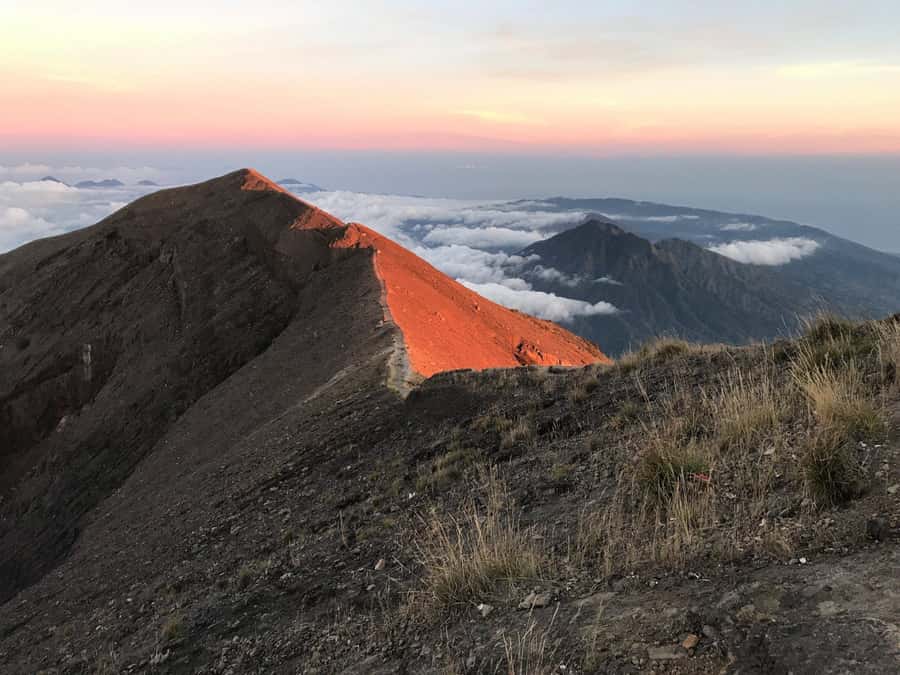
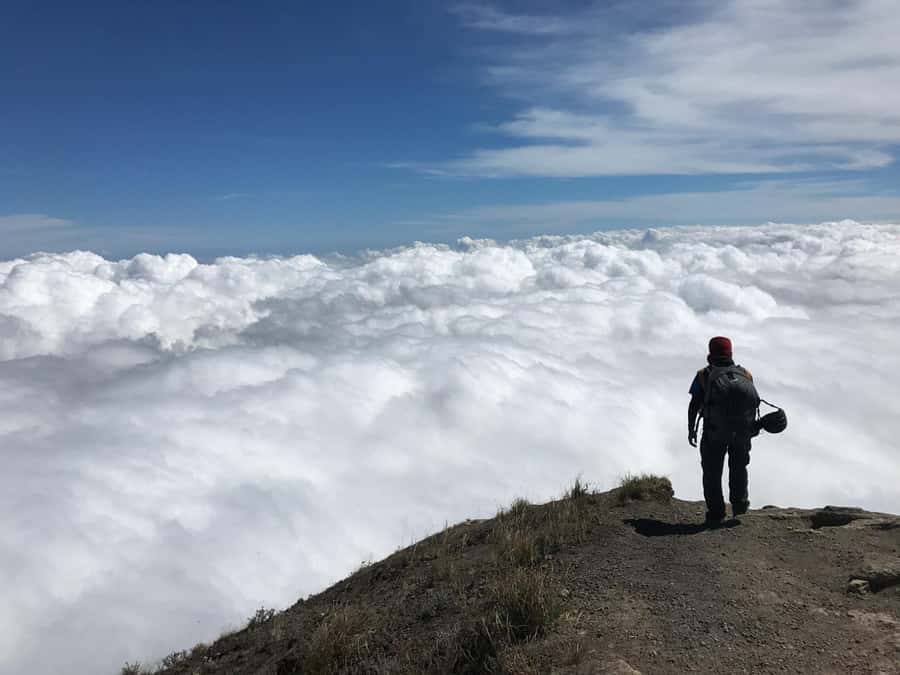
The sunrise is the star of the show, and the payoff is specific: you’re climbing to see it from Bali’s highest point at 3,032 meters above sea level. This is where the sky-turning effect happens—dark to red to orange—while you take in a wide slice of the island below.
You’re also aiming for panoramic visibility that may include Lombok and Java. Those names matter because they signal the scale: you’re not just looking at nearby hills. You’re looking across water and islands, which makes the whole climb feel like it connects to a bigger geography.
Just keep expectations realistic. Sunrise requires good weather, and conditions can affect visibility and comfort. When it’s cold and windy, the view is still worth it, but you’ll want your layers dialed.

Getting Your Money’s Worth: Price, Inclusions, and Where Extra Costs Can Pop Up
The price is listed at $60 per person, which is fairly reasonable for a guided overnight-style mountain trek with entrance fees and included refreshments. What you get on paper is solid: an experienced local guide, safety equipment, a first aid kit, entrance fees, breakfast, mineral water, and tea/coffee.
That said, the “value” part depends on how prepared you are. Mineral water and tea/coffee don’t replace the need for enough hydration and calories during a long steep climb. Bring your own snacks and plan extra water—especially if you tend to move slowly.
Also pay attention to drop-off details. Pickup is optional and depends on your hotel, with exceptions noted for Lovina, Jembrana, and the Balian beach area. If your drop-off differs from what you expect, you may want to double-check the plan up front to avoid last-minute arguments.
For food, breakfast is included, but it can be basic. If you have strict dietary needs, don’t assume your preferences will be fully handled by the included meal—bring extra food so you’re never stuck.
Guides, Safety Gear, and the English-Language Factor
You’re told there’s a live tour guide in English, and the tour includes safety equipment and a first aid kit. For many hikers, that support is the difference between a stressful trek and a manageable one.
Still, experiences can vary in practice. If English communication is important for you—especially for understanding pace, timing, or safety instructions—send a clear message to the operator before you go and confirm that your guide will be comfortable leading in English. I’d rather verify than guess when you’ll be hiking in the dark.
On a route like this, safety comes down to real hiking behavior too: stop where it makes sense, don’t rush the slippery parts, and don’t skip warm layers because you feel tough at first.
What to Pack for Mount Agung: Don’t Skimp on Cold and Slippery Rock
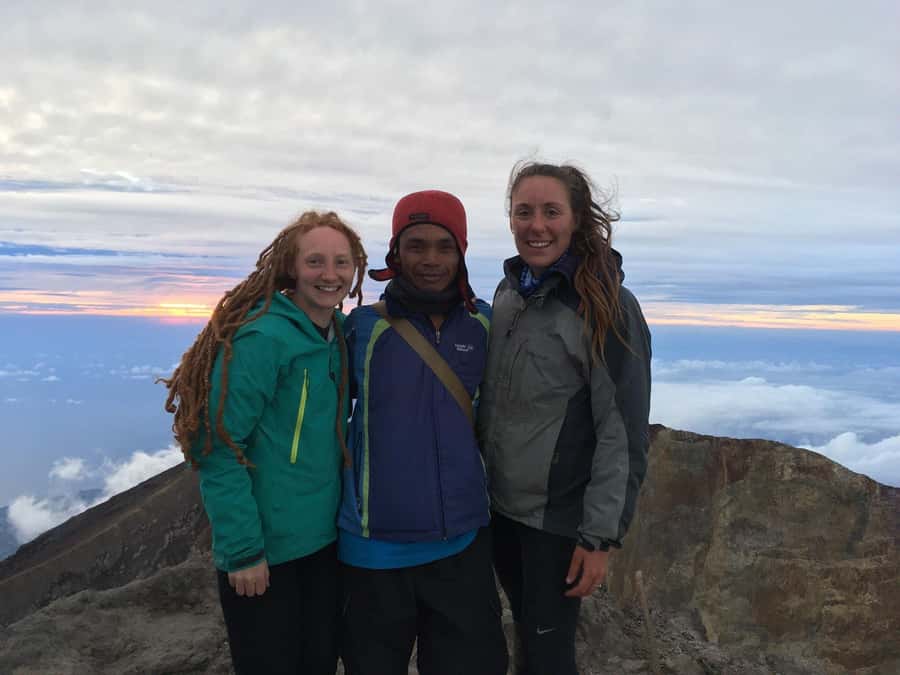
This is where you can make or break the day. The practical pack list is pretty clear: comfortable shoes, warm clothing, snacks, water, and a flashlight (plus trekking gear). The tricky part is that shoes and cold gear matter more than most people expect before a sunrise trek.
I’d treat the footwear as your #1 decision. Volcanic sand and steep slopes can be slick, especially during the descent. Shoes should handle uneven ground and provide grip, not just cushioning.
Then plan for cold and possible rain or dampness. Warm clothing isn’t optional. Bring layers that you can adjust as your body warms during the climb, then re-wear as you slow down at higher altitude and during sunrise waiting time.
One more practical note: you’ll want enough snacks to keep your energy steady for a long effort. The climb timing can include waiting periods so you hit sunrise at the right moment, and that’s when hunger and chill tend to team up.
Who Should Book This Trek (and Who Should Skip)
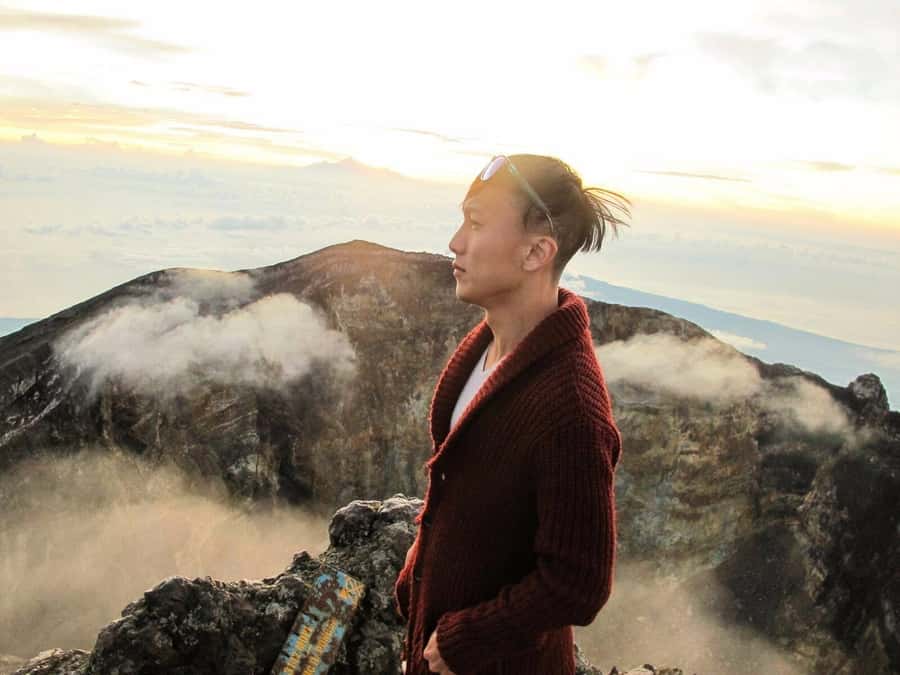
This tour needs real fitness. It’s not suitable for children under 12, pregnant women, people with heart problems, or anyone with low fitness. If you know you struggle on steep climbs or you’re unsure in cold conditions, this one may be the wrong call.
If you love high-effort hikes and want a sunrise view that feels like a reward for hard work, you’ll likely enjoy it. This is also a good choice if you want guided structure and safety basics while tackling a demanding climb you wouldn’t want to plan on your own.
If you’re traveling with limited hiking experience, treat this as a serious challenge, not a casual night walk. The mountain demands respect.
Should You Book This Bali Sunrise Trek?
Book it if you want the kind of sunrise that feels bigger than a photo. The combination of Besakih Temple start, a guided night climb, and the chance to see sunrise from 3,032 m is exactly the sort of Bali experience that sticks with you.
Skip it or choose a gentler option if you’re not set up for cold, slippery terrain, and a long, steep effort. Bring the right shoes, pack extra food and water, and confirm the practical parts—especially timing and your pickup/drop-off expectations.
If you do book, I’d go in with one mindset: prepare like the descent will be the hardest part. Do that, and you’ll spend less time worrying and more time watching the sky change over Bali.
FAQ
What time do I meet for the Mount Agung sunrise trek?
You meet at Pura Pengubengan Besakih at 10:00 pm.
What time does the hike start?
The trek is set to start at 11:00 PM for the sunrise viewing.
How long is the experience?
The duration is listed as 12 to 16 hours.
Is hotel pickup included?
Pickup is optional. The operator says they will pick up in your hotel except Lovina, Jembrana, and the Balian beach area.
What’s included in the tour price?
Included items are an experienced local guide, safety equipment, a first aid kit, entrance fees, breakfast, mineral water, and tea/coffee.
What should I bring?
Bring comfortable shoes, warm clothing, snacks, water, a flashlight, and trekking gear.
Who is the tour not suitable for?
It’s not suitable for children under 12, pregnant women, people with heart problems, and people with low level of fitness.