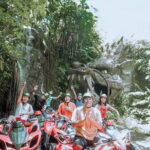
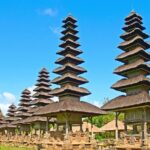
Bali’s waterfall day feels like a full game plan. You start in Sambangan village on a scenic walk through rice fields, then swap quiet nature for big water moments at spots like Blue Lagoon, Aling-Aling, and Kroya. I love that the trip mixes local life with adrenaline, and I also like the way the guides (including Putu and Panca) keep the vibe fun while prioritizing safety. One consideration: the jumping and sliding parts are not for everyone, especially if you’re not comfortable with heights or swimming.
The pacing works because each stop changes the mood. You’ll go from cocoa and young coconut tastings at a local house to canyon scenery at Blue Lagoon and Secret Garden, and then you’ll earn the fun at the waterfalls. I also appreciate the small-group feel, limited to 10 people, so you’re not stuck watching from the sidelines.
If you’re bringing someone with mobility issues, back problems, or you’re not a confident swimmer, this one can be the wrong fit. The route includes water activities, and the day is active for around 10 hours.
In This Review
- Key things I think you’ll care about
- From Hotel Pickup to Sambangan Rice Fields
- Practical note
- The Plantation Stops: Cocoa, Young Coconut, and a Quick Balinese Moment
- Consideration
- Blue Lagoon and Secret Garden: Canyons, Natural Pools, and a Sanity Check
- Safety-minded tip
- Aling-Aling Waterfall: The Choose-Your-Own-Adrenaline Moment
- What to watch for
- Kroya Waterfall Slide (About 12 Meters): When Fun Gets Physical
- Gear you’ll actually use
- Twin Waterfalls: Jump Options at 10 Meters
- A small mindset adjustment
- Pucuk Waterfall: The 15-Meter Test
- For anyone nervous
- Basecamp Lunch and Shower-Ready Break
- What to pack for this part
- Price and Value: Is $69 Worth It?
- Who This Tour Fits Best (and Who Should Skip It)
- Who should skip
- Tips to Make the Day Smoother
- Should You Book This Bali Waterfall Day?
- FAQ
- How long is the Bali Sambangan Waterfalls trip?
- What’s included in the price for $69 per person?
- What activities are included at the waterfalls?
- Is there a group limit?
- What language is the guide?
- Is pickup from my accommodation included?
- What do I need to bring?
- Is alcohol allowed on the tour?
- Is the trip refundable if plans change?
- Who is this tour not suitable for?
Key things I think you’ll care about
- Sambangan village walk with rice fields, farm scenery, and local plantation stops
- Blue Lagoon + Secret Garden with canyon views and natural pools for swimming
- Aling-Aling Waterfall where you can choose to jump into the water or watch the action
- Kroya slide (about 12 meters) plus jump options at Twin (10 m) and Pucuk (15 m)
- Small group (max 10) with English-speaking guide, life vest, and trekking stick provided
From Hotel Pickup to Sambangan Rice Fields
This is one of those Bali days that starts early and stays interesting. You get picked up from your accommodation and head to northern Bali, into the Sambangan area. The morning feels like the opposite of a theme-park tour: you’re on local paths, watching everyday farm life, then slowly transitioning toward the water stops that make this day famous.
The first stretch is a walking route through rice fields surrounded by hills. You’ll see how the landscape is shaped by small, working plots, not postcard-only scenery. This is also where your guide sets the tone: simple context on what you’re seeing, plus tips on where to step and how the terrain changes underfoot.
If you’re the kind of traveler who likes learning without being stuck in a classroom, you’ll probably enjoy this part the most. It’s active, but it doesn’t feel rushed. Wear comfortable shoes you can trust on uneven ground.
You can also read our reviews of more tours and experiences in Bali.
Practical note
You’ll be outside for much of the morning. Sunscreen and sunglasses make a real difference here, even if the day stays cloudy.
The Plantation Stops: Cocoa, Young Coconut, and a Quick Balinese Moment
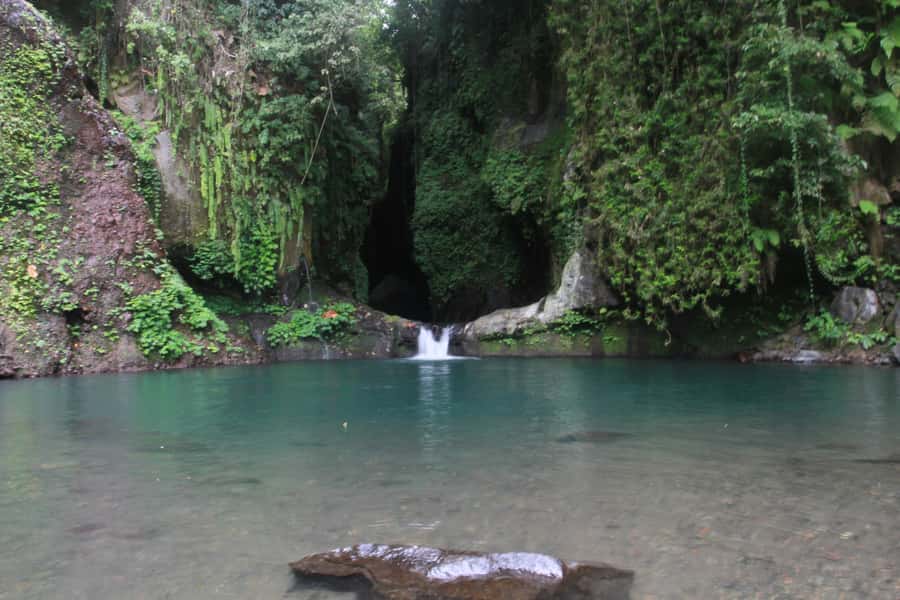
After the rice-field walk, you move into the village area and see tropical plantations that actually matter to local daily life. Expect trees and crops like clove, banana, jackfruit, durian, cocoa, lemongrass, and coconut.
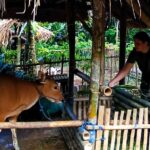
What I like about these stops is how hands-on they feel without going overboard. You’ll pause at a local home, take a break, and try small bites like cocoa and young coconut. You also get to hear a Balinese instrument, which gives the morning something more personal than just scenery.
One nice touch from the way the day is designed: you’re not just looking at plants, you’re tasting and listening. That makes the later waterfall adrenaline feel earned instead of random.
Consideration
This part is active and sunny. If you’re sensitive to heat, bring a little extra water attention (you’ll get mineral water, but you’ll still want to pace yourself).
Blue Lagoon and Secret Garden: Canyons, Natural Pools, and a Sanity Check
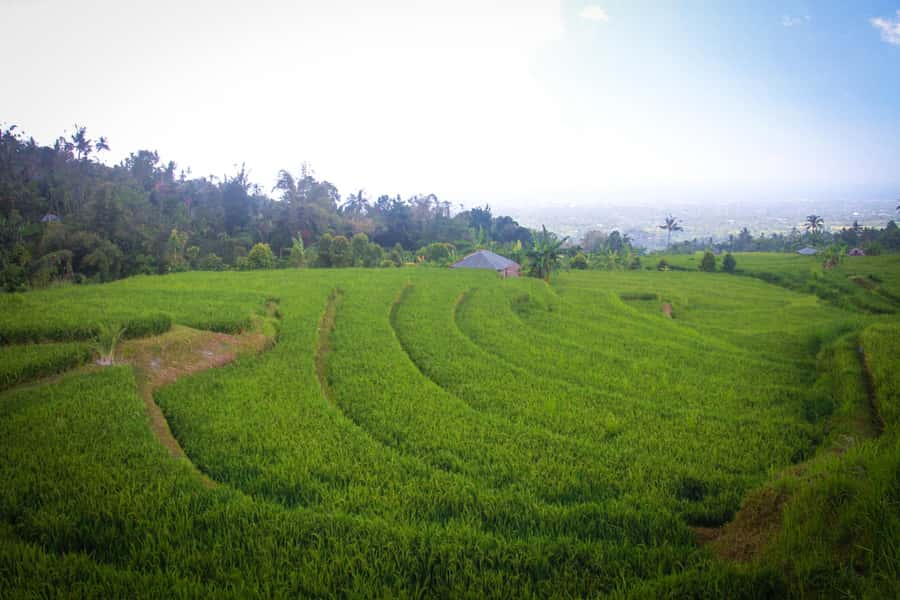
Once you reach Blue Lagoon and the Secret Garden area, the scenery shifts from village greenery to canyon-like views and water. This is where you’re likely to feel the change in temperature and the change in pace.
You’ll have time to swim in natural pools. The water-based break is important because it gives you a real reset before Aling-Aling and the bigger action jumps. If you’re unsure about jumping, swimming first helps you understand what the water feels like and what your comfort level might be.
The canyons make the whole area feel dramatic, even if you don’t do anything athletic. And because the day is built around multiple water stops, this segment works as both a reward and a warm-up.
Safety-minded tip
Even if you feel confident, take the guide’s instructions seriously. Life vests are provided for the water activities, and you’ll do best by following the safety rhythm your guide sets.
Aling-Aling Waterfall: The Choose-Your-Own-Adrenaline Moment
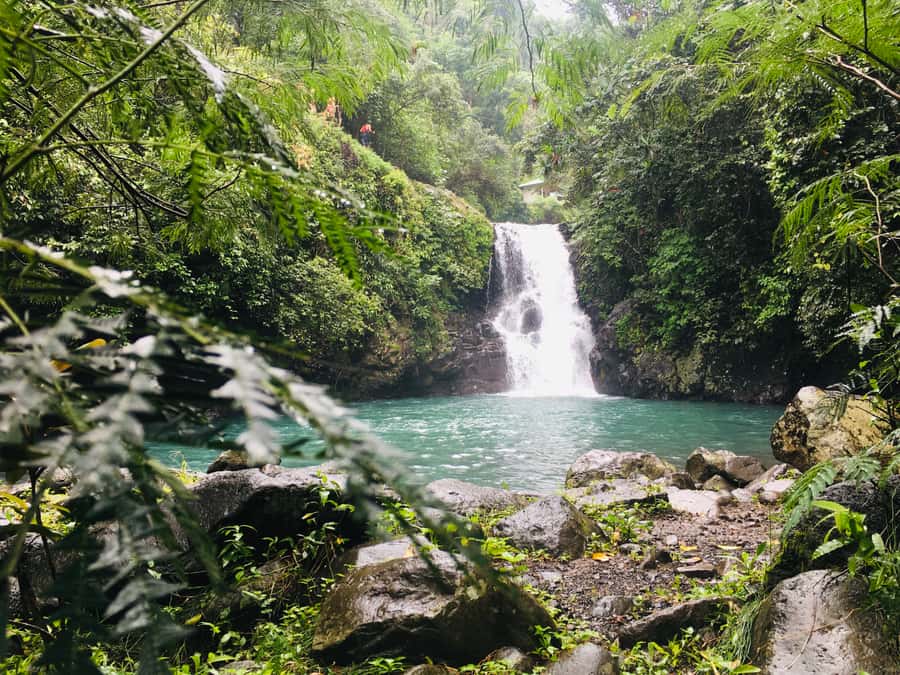
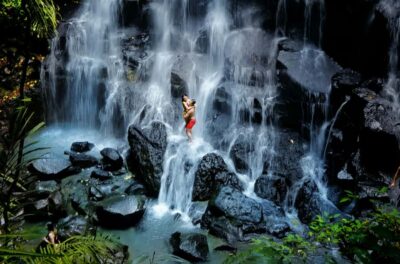
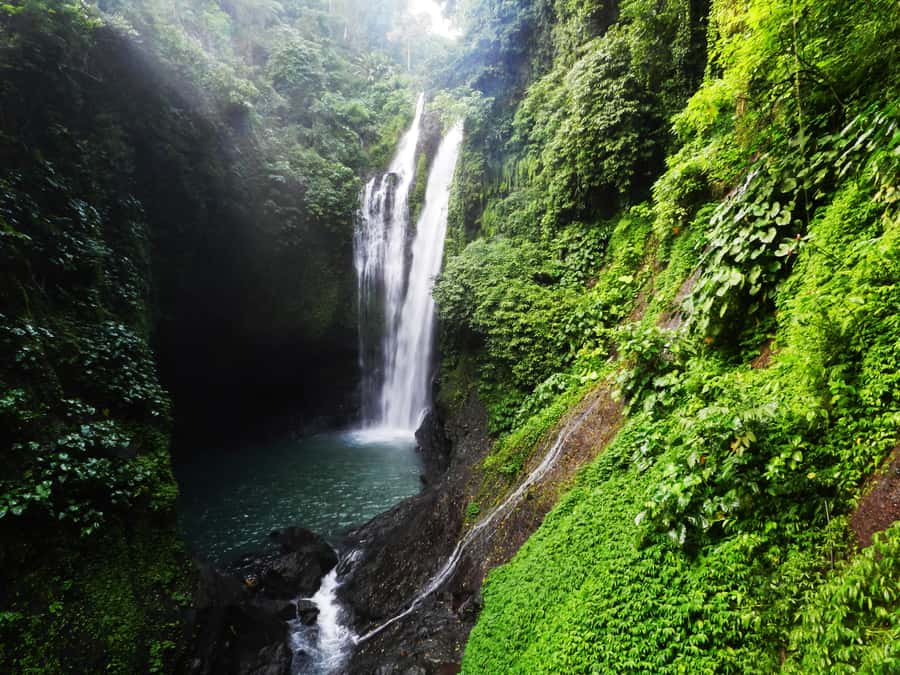
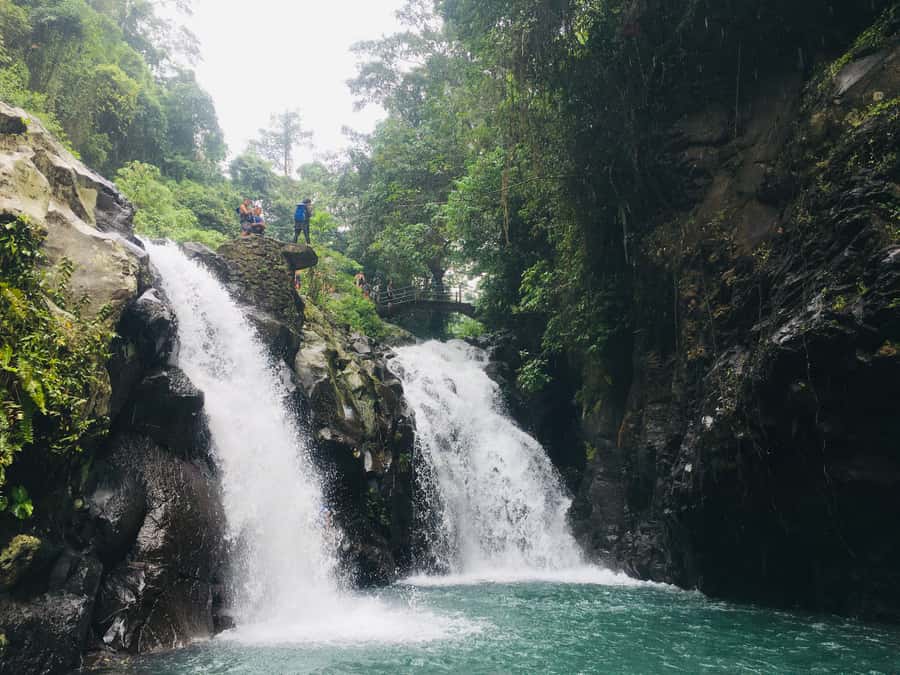
Aling-Aling Waterfall is the first major “wow” stop. You’ll arrive after swimming time, and the area naturally draws you toward the action zones. Here, you get options based on ability and desire.
You can jump from around 5 meters into the pools if you want a smaller entry point. Or, if you’d rather go big later, you can focus on timing and watching safely. Either way, your guide keeps things moving and explains what to do before you attempt jumps.
What I like about Aling-Aling specifically is that it doesn’t force one definition of fun. You can participate at your level, and the day still feels complete.
What to watch for
Waterfalls mean slick surfaces. Your trekking stick helps earlier in the day; in the water sections, you’ll rely more on balance and the guidance you’re given. If you’re feeling tired, it’s smarter to choose the lower jump option than to “push it” out of pride.
Kroya Waterfall Slide (About 12 Meters): When Fun Gets Physical
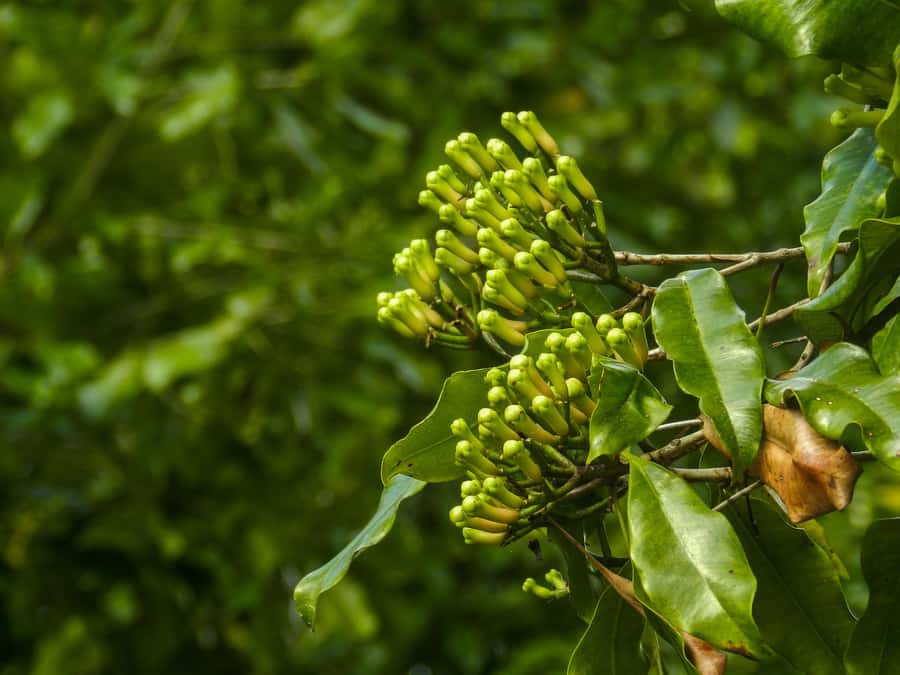
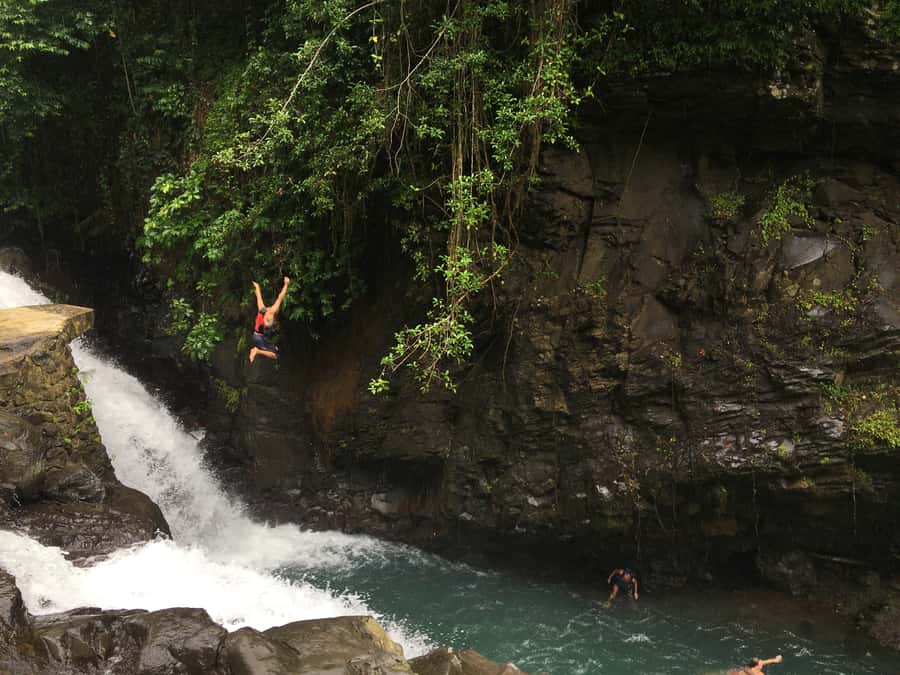
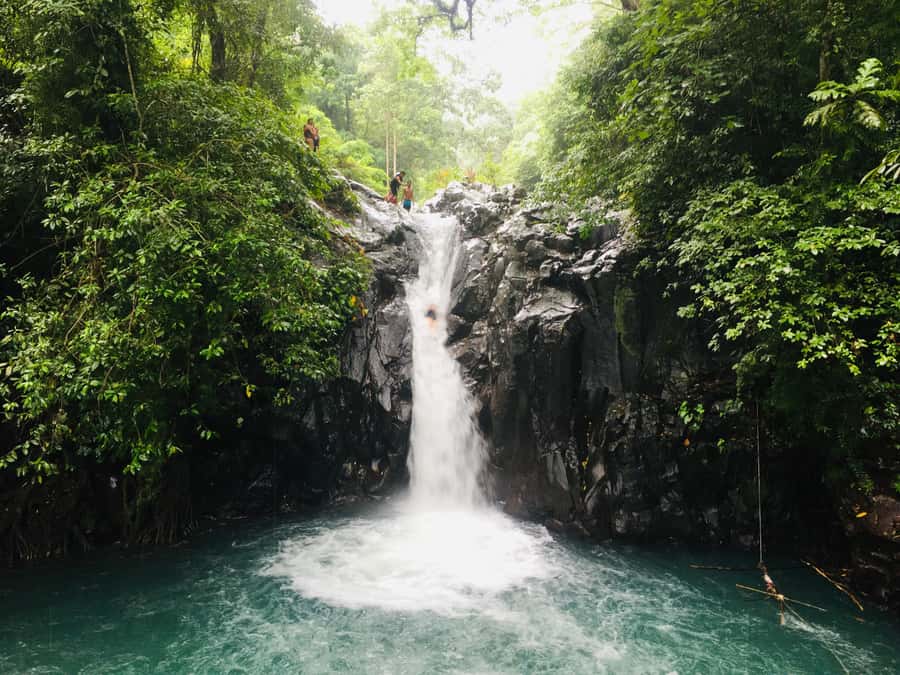
Kroya Waterfall is the slide stop, and it’s where the adventure level spikes. You’ll slide down a natural rock slide that’s about 12 meters, with the water guiding you after the run.
This is not just a quick photo stop. It’s a full-body activity: you’ll be dealing with position, speed, and the fact that the rock is wet. That’s why the guide matters so much. A calm, clear instructor keeps you from panicking at the start and helps you avoid mistakes on the slide.
I’ve seen guides make this moment either intimidating or genuinely fun. In this day’s case, guides like Putu and Panca are known for building confidence and encouraging safe attempts, including helping with photos and video.
Gear you’ll actually use
You’ll have a life vest and a trekking stick during the day. For the slide, the important part is listening first. If the guide says wait your turn, wait your turn.
Twin Waterfalls: Jump Options at 10 Meters
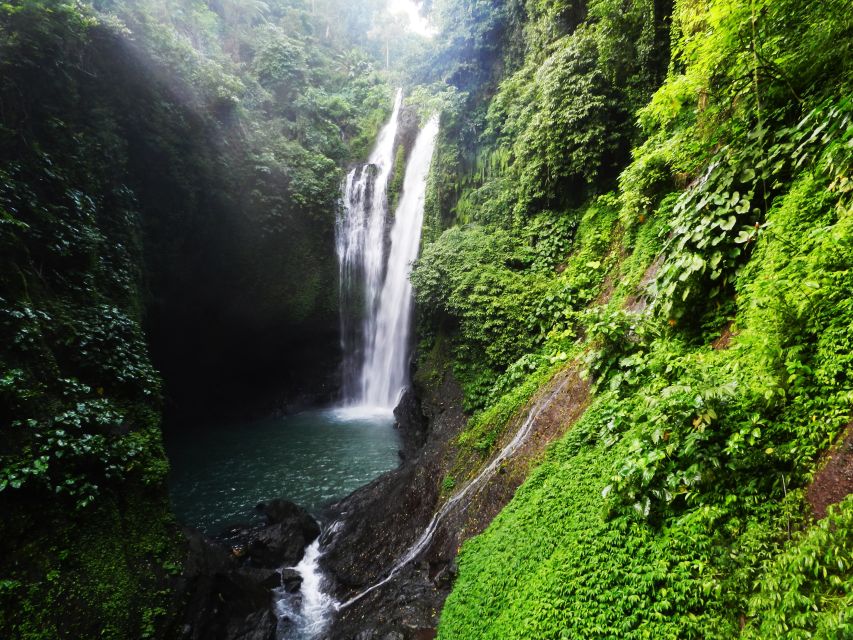
After Kroya, the day shifts into more jump-focused adrenaline. At Twin Waterfalls, you can attempt a jump of around 10 meters into the pools.
This is where I’d encourage you to be honest with yourself. If your knees and ankles feel shaky, it’s not the moment to prove anything. Wait for your body to say yes, then go.
The upside is that even people who choose the lower-risk approach still enjoy the experience because the scenery is close and the atmosphere stays upbeat.
A small mindset adjustment
If you think of it as one controlled moment rather than a giant leap of faith, it tends to feel more manageable. Your guide’s safety cues help with that mental shift.
Pucuk Waterfall: The 15-Meter Test
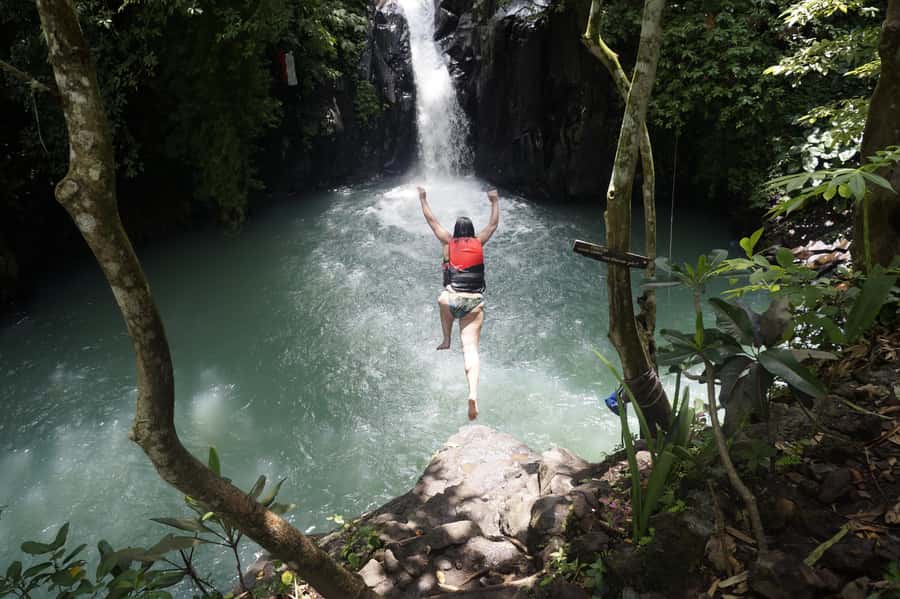
If you want the biggest jump of the day, Pucuk Waterfall is the final challenge, with jumps around 15 meters. This is for the travelers who truly want that peak adrenaline moment.
Even if you plan to jump, this stop benefits from patience. The line, the setup, and the timing all matter because the jump only feels good when everything is stable.
If you’re not jumping, you can still enjoy the dramatic setting. The water, the rock, and the surrounding canyon energy make this a strong finale.
For anyone nervous
Start by watching. Then talk to your guide about what you should do with your posture and timing. A good guide doesn’t just say jump or don’t jump. They help you understand how to do it safely.
Basecamp Lunch and Shower-Ready Break
After all the water and movement, you’ll return to basecamp. Here you’ll have a simple lunch that keeps the day realistic. This isn’t a gourmet feast; it’s the kind of food that helps you recover and keeps the tour moving.
One practical perk: basecamp is set up for cleaning up. You may find towels and shower facilities, and that matters more than you’d think after waterfall time. Change clothes before you leave when you can. It’s a small comfort that makes the ride home feel better.
Then you’re dropped back at your starting point.
What to pack for this part
Bring a change of clothes, and consider something easy to dry. Wet days in Bali are common, and you’ll feel it when you’re done.
Price and Value: Is $69 Worth It?
At $69 per person for a 10-hour day, this tour is priced like a serious “water adventure day,” not a casual sightseeing loop. Here’s why it can feel like good value if you’re aiming for multiple waterfalls in one go:
- Hotel pickup and drop-off save you from figuring out transport across northern Bali
- English-speaking local guide handles route pacing and safety guidance
- Entrance fee is included, so you don’t pay extra for each stop
- Breakfast and lunch are covered, plus morning coffee or tea
- You get equipment like a life vest and trekking stick
- You also get mineral water and young coconut water, which reduces your need to constantly buy snacks
The main reason this price works for many people is that the day isn’t only scenic. You’re paying for guided access to several active waterfall zones and structured safety around jumping and sliding.
If you only want gentle photos and no water movement, you might feel the price is heavier than you need. But if you want a full, action-oriented Bali day with local farming context, $69 usually feels fair.
Who This Tour Fits Best (and Who Should Skip It)
This trip suits you if you want a mix of nature walks and waterfall play, and you’re okay being active for most of the day. If you’re traveling with teens or adults who can handle physical activities, the energy tends to be a big part of why the day works.
It’s especially a good match if you like guides who teach while staying safety-focused. Based on how guides like Putu and Panca are described, you’re likely to get clear instruction and encouragement, plus help with photos and video.
Who should skip
The activity isn’t suitable for:
- Pregnant women
- People with back problems
- People with mobility impairments
- Wheelchair users
- Non-swimmers
Also note that alcohol and drugs aren’t allowed.
Tips to Make the Day Smoother
- Bring swimwear and a change of clothes. You’ll be happier on the ride home.
- Wear comfortable shoes you can walk in on wet, rocky surfaces.
- Pack sunscreen and sunglasses; the day includes open walking time.
- If you’re using a camera or phone, plan for water exposure and storage space.
- Have your ID or passport copy ready, since a copy is accepted.
One more thing: if you care about action photos, tell your guide you want help capturing the moment. Good guides can help you position and time shots, which makes a huge difference when everything happens fast.
Should You Book This Bali Waterfall Day?
If you want a single 10-hour day that gives you rice fields, local village life, canyon water pools, and the chance to jump or slide, then yes, I think this tour is a strong choice. The small group size and the focus on safety make the adrenaline feel more manageable than it would alone.
I’d skip it only if you’re not comfortable swimming, you’re dealing with mobility or back issues, or you want a low-effort itinerary. For the rest of you, this is the kind of day that gives you real stories: walking through Sambangan’s farm life in the morning, then ending with a clean, shower-ready reset after the waterfalls.
FAQ
How long is the Bali Sambangan Waterfalls trip?
It lasts about 10 hours.
What’s included in the price for $69 per person?
The trip includes hotel pickup and drop-off, morning coffee or tea, light breakfast and lunch, a local guide, life vest and trekking stick, mineral water and young coconut water, and the entrance fee.
What activities are included at the waterfalls?
You’ll have options to jump at Aling-Aling (about 5 meters), slide at Kroya Waterfall (about 12 meters), jump at Twin Waterfalls (about 10 meters), and jump at Pucuk Waterfall (about 15 meters).
Is there a group limit?
Yes. The group is small, limited to 10 participants.
What language is the guide?
The guide is English-speaking.
Is pickup from my accommodation included?
Yes, hotel pickup and drop-off are included.
What do I need to bring?
Bring comfortable shoes, sunglasses, swimwear, a change of clothes, sunscreen, and a storage device. You’ll also need your passport or ID card, with a copy accepted.
Is alcohol allowed on the tour?
No. Alcohol and drugs are not allowed.
Is the trip refundable if plans change?
Yes. Free cancellation is available up to 24 hours in advance for a full refund.
Who is this tour not suitable for?
It isn’t suitable for pregnant women, people with back problems, people with mobility impairments, wheelchair users, or non-swimmers.