Spice shopping first, cooking second, happiness third. This Ubud class is interesting because you start at a morning market and then cook in a home-style setting with a small group and real Balinese techniques. I especially like how practical it feels: you learn what to buy, why spices matter, and how the flavors come together in dishes like banana-leaf fish and minced chicken satay.
One consideration: pickup is only included within the Ubud area. If you’re outside that zone, you may need to pay extra for transport, and the whole schedule can be more rigid if you’re not close to town.
In This Review
- Key Highlights to Know Before You Go
- Why This Ubud Paon Cooking Class Is Such a Solid Value
- Ubud Traditional Art Market: Where the Day Gets Real
- Paon Bali Cooking Class: Hands-On Plates You Can Recreate
- Learn the “why,” Not Just the “what”
- The Dishes: What You Eat and Why It Matters
- Transfers and Timing in Ubud: Simple, But Watch the Zone
- Group Size, Vibe, and How the Class Feels
- What’s Included (and What to Budget For)
- Who Should Book This Cooking Class?
- A Few Smart Tips Before You Go
- Should You Book Paon Bali in Ubud?
- FAQ
- How long is the Bali Ubud Paon cooking class?
- Do I get hotel pickup in Ubud?
- Is the market visit included in every session?
- What’s included in the price?
- How many people are in the class?
- What dishes can I expect to cook?
- Can I cancel and get a refund?
Key Highlights to Know Before You Go
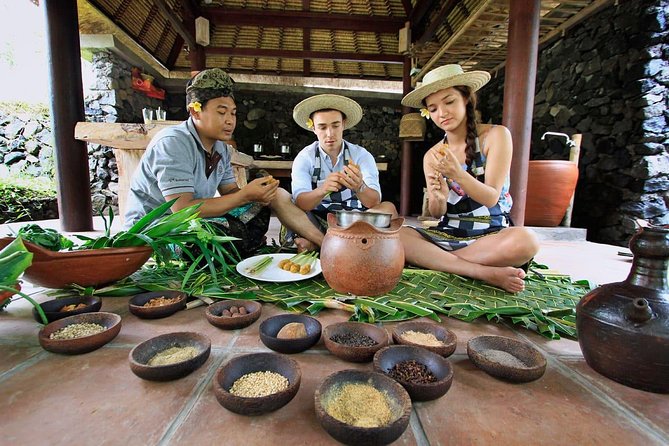
- Morning market focus: Shop for fresh ingredients with a local market stop included only on the morning session
- Small group limit (max 15): Easier hands-on help and less time waiting around
- Hands-on cooking at a Balinese home setting: Learn techniques in a real kitchen setup, not a demo hall
- Food that matches what you came for: Expect classic plates such as banana-leaf fish and minced chicken satay
- Inclusions that matter: Lunch and a cooking class certificate are included in the package
- Forest-view cooking space: The setting is reported as stunning, with greenery around the kitchen area
Why This Ubud Paon Cooking Class Is Such a Solid Value
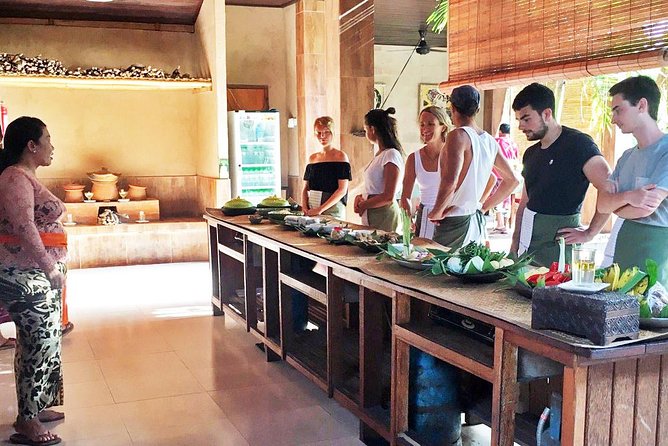
At $44 per person for about 5 hours, this isn’t one of those “pay for a show” classes. It’s priced like a real activity: you get transportation within Ubud, you eat what you cook (lunch), and you leave with a certificate. For Bali, that’s a good deal, especially if you’re aiming to bring skills home instead of just collecting photos.
The small-group format matters more than people think. In a class capped at 15, you can ask questions without shouting over a crowd. And because the food is hands-on, you’re more likely to remember the steps that actually change flavor—toast, grind, balance, and timing—rather than just the ingredients.
You can also read our reviews of more tours and experiences in Ubud.



Ubud Traditional Art Market: Where the Day Gets Real
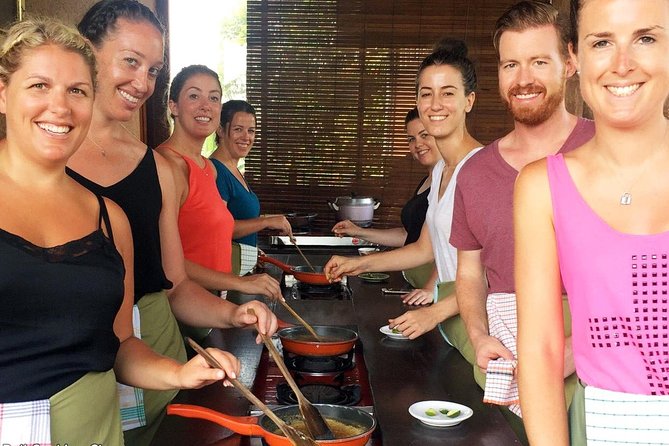
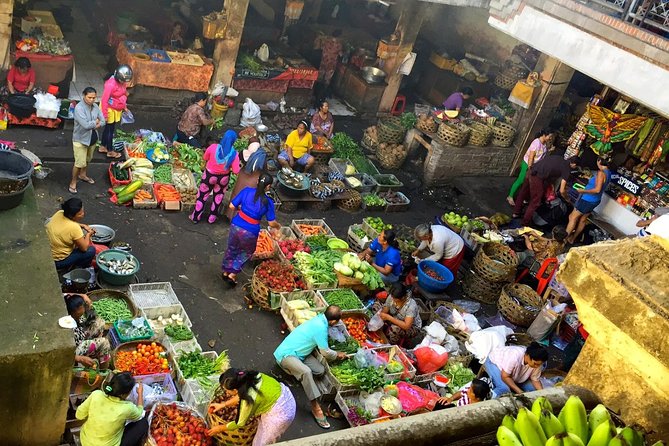
If you book the morning session, your first stop is Ubud Traditional Art Market. This isn’t just a quick photo stop. The point is to see ingredients in their natural context—fresh produce, herbs, and spices used in local cooking.
Here’s what makes this step valuable for you: you learn how Balinese cooks choose flavors, not only how they cook them. Spices can be the difference between a dish that tastes right and one that’s only “close.” One of the repeat themes from people who did this is that they had access to spices that are hard to find at home, and they bought them during the market visit.
Practical tip: wear something comfortable for walking around a market. You’ll likely handle fragrant ingredients, and your hands will get spice-scented. That smell is part of the experience—just don’t expect it to vanish instantly when you get back out.
Paon Bali Cooking Class: Hands-On Plates You Can Recreate
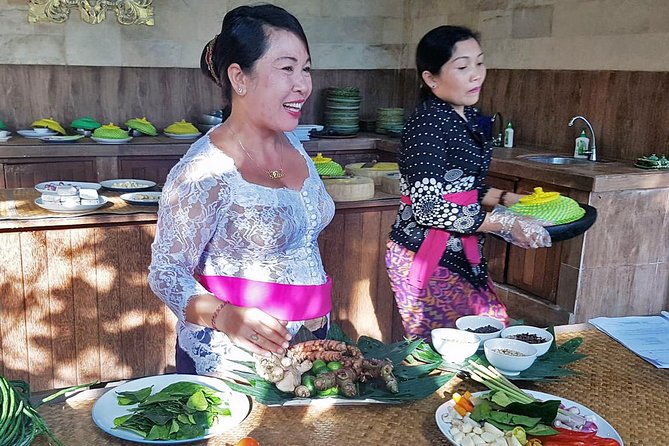
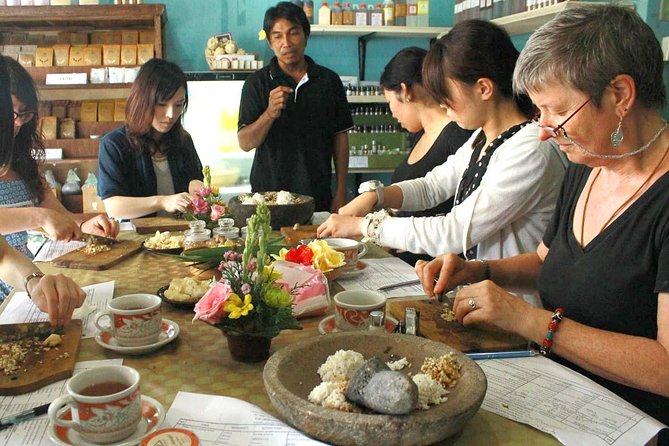
After the market, you head to the Paon Bali cooking space—reported as a beautiful setting with views of the surrounding greenery/forest area. The home-style vibe is a big part of why this class lands well. It feels like you’re being taught in someone’s kitchen, not rotated through stations.
What you cook is anchored in classic Balinese flavors. Dishes mentioned include banana-leaf fish and minced chicken satay. Banana leaves are common in Balinese cooking because they help perfume and protect the food as it cooks. Satay is all about getting the seasoning balance right—salty, savory, fragrant, and not too heavy.
You also get clear guidance through the process. The class is described as organized and efficient, with instructors explaining steps and purposes of ingredients, plus enough support staff to keep things moving. For you, that means less chaos and more learning. If you’ve ever watched cooking videos and thought, I get the idea but not the technique, this is the antidote.
Learn the “why,” Not Just the “what”
A great cooking class doesn’t just hand you a recipe card. It helps you understand what changes the dish. In this class, you’re taught spice techniques and cooking methods, and you participate in the prep so the steps stick.
One helpful detail: some people report getting recipe sharing after the class (even via WhatsApp if they want it). That’s useful if you plan to cook again at home and you’d rather not rely on memory alone.
The Dishes: What You Eat and Why It Matters
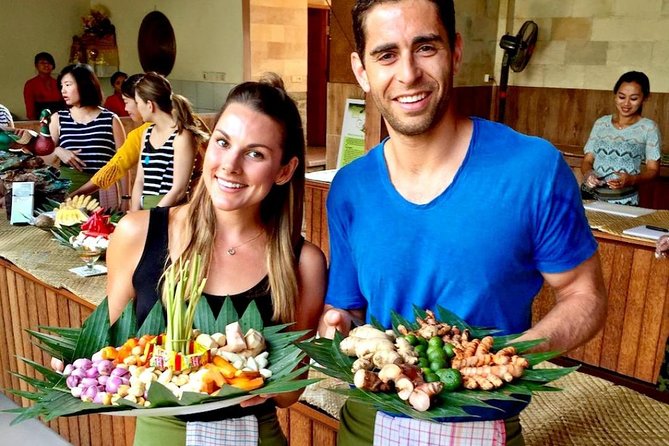
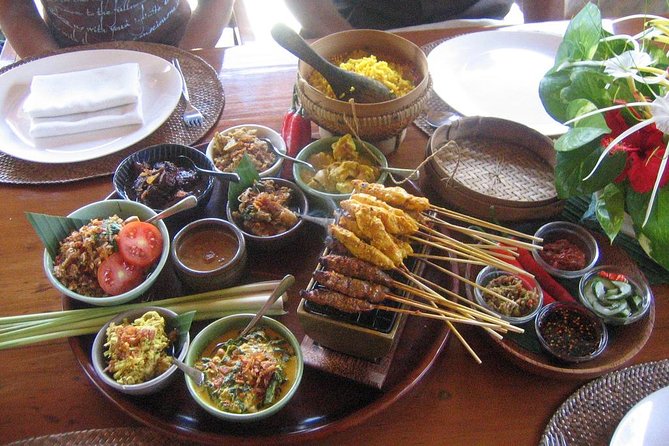
The class includes lunch, which is a big reason to book. You’re not just learning; you’re tasting your results right away. That feedback loop helps you improve. If a sauce tastes a bit flat, you can connect it to what you did earlier.
Balinese food is built on layered flavor—spices plus herbs plus the right cooking approach. That’s why dishes like banana-leaf fish and minced chicken satay are great teaching targets. They’re flavorful enough to be memorable, but they’re also structured enough to teach specific technique.
Another detail worth noting: the class is described as clean and interactive. If you’re worried about a cooking class getting messy or disorganized, the consistency here seems to be a strength.






Transfers and Timing in Ubud: Simple, But Watch the Zone
The package includes hotel transfer services within the Ubud area only. That’s a practical detail, and it can make or break a smooth day.
If you’re staying in central Ubud, this is usually painless: pickup brings you to the market and then to the cooking location, and you get a return ride back as part of the flow. If you’re just outside Ubud, plan ahead. Extra pickup/drop-off outside the area may cost more.
A second timing detail: the experience runs about 5 hours. That length is ideal for people who want a real activity without losing an entire day. If you’re visiting multiple places in Ubud, this fits neatly as a morning or afternoon anchor.
Group Size, Vibe, and How the Class Feels
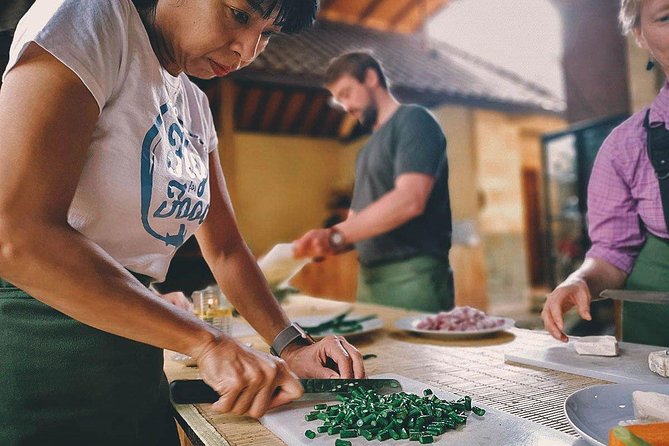
This is a max 15 travelers experience, which keeps the energy friendly. Many cooking classes end up feeling rushed with too many people in one kitchen. Here, the format seems built for interaction.
People also mention warm instructors and a fun, spontaneous tone. That matters because when you feel relaxed, you’re more willing to ask, try, and taste. This class isn’t just about following steps; it’s about learning until it makes sense.
If you’re traveling as a couple, you’ll likely appreciate the small group setting. If you’re traveling with family, it can also work well because everyone gets hands-on tasks during the cooking.
What’s Included (and What to Budget For)
Here’s what you can count on:
- Traditional market visit (only on the morning session)
- Lunch
- Cooking Class Certificate
- Hotel transfers within Ubud area only
What’s not included:
- Tips (optional but generally expected for good service)
- Anything outside the listed inclusions
- Individual traveler’s insurance
- Pickup/drop-off outside Ubud (additional charge)
Price reality check: at $44, you’re paying for the teaching, the market ingredient shopping (in the morning), the meal, and the transportation within the Ubud zone. If you want a class where you eat what you cook and learn technique, the value is strong. If you want something with unlimited frills or private instruction, this likely isn’t the match.
Who Should Book This Cooking Class?
This is a great fit if you:
- Want to learn Balinese cooking basics you can use again at home
- Like starting with ingredients, not just recipes
- Prefer small group classes where you can ask questions
- Are excited by spices and practical technique
- Want a fun, social activity that still feels structured
It may be less ideal if you:
- Are staying far outside Ubud and don’t want to manage extra transport costs
- Hate early mornings, since the market visit is tied to the morning session
A Few Smart Tips Before You Go
- If you’re booking the morning version, plan to arrive ready to walk and smell spices. Bring comfortable shoes.
- Expect your day to be paced by the tour flow. Don’t stack another “must-see” right after unless it’s nearby.
- If you think you’ll want to cook later, take notes during key steps—especially anything involving spice prep or timing.
- If you’re curious about what to buy back home, focus on spices you can realistically store and use, not just what looks interesting in the moment.
Should You Book Paon Bali in Ubud?
If your goal is to learn Balinese flavor from fresh ingredients and real instruction, I’d say yes. This class checks the boxes that matter: market-to-kitchen continuity, hands-on cooking, lunch, and a small group size. The dishes taught (banana-leaf fish and minced chicken satay) are memorable and teach useful technique, not just “cook and hope.”
The one “hold up” is logistics if you’re outside central Ubud. Make sure you’re in the included pickup area—or be ready for extra transport costs. If that’s handled, this is a practical way to turn Bali’s food culture into something you can recreate.
FAQ
How long is the Bali Ubud Paon cooking class?
The class runs about 5 hours.
Do I get hotel pickup in Ubud?
Yes, hotel transfer services are included within the Ubud area only.
Is the market visit included in every session?
The traditional market visit is included only on the morning session.
What’s included in the price?
It includes the morning market visit (if you’re on that session), lunch, a cooking class certificate, and hotel transfers within Ubud.
How many people are in the class?
The tour/activity has a maximum of 15 travelers.
What dishes can I expect to cook?
You’ll learn Balinese cooking with dishes such as banana-leaf fish and minced chicken satay.
Can I cancel and get a refund?
No. The experience is non-refundable and cannot be changed for any reason.