If your mind feels noisy, this Ubud session is worth a try. You start with pranayama breathing to slow everything down, then move into sound and healing mantras that many people say are the most relaxing part. The main thing to consider: it’s geared toward emotional and physical healing, and it may not be a fit if you have specific physical limits like back problems.
I like how the structure feels both gentle and focused, with an experienced host guiding you through breathing, energy cleansing, and guided meditation in about 1.5 hours. You’ll also get a welcome drink and a calm setup at Pranasanti Yoga, so you’re not scrambling before you start. One possible drawback is that it’s not suitable for wheelchair users and it isn’t aimed at kids under 3, so check your comfort and needs first.
In This Review
- Key Highlights You’ll Actually Feel
- Ubud Private Healing Yoga: What This Is Really Like
- Meeting at Pranasanti Yoga in Ubud (and How the Session Starts Smoothly)
- The First Step: Pranayama Breathing to Calm the System
- Energy Cleansing: Letting Go of Pain and Blockages (With Care)
- Guided Meditation: The Part That Helps You Land
- Sound & Healing Mantras: Why People Love This Finale
- Personalized Healing Yoga: What Personalized Actually Means Here
- Price and Value: Why $23 Can Be a Good Deal
- What’s Included (and What Isn’t) So You Can Plan Right
- Timing Tips: Getting the Most Out of Your 1.5 Hours
- Who This Is Best For (and Who Should Skip)
- FAQ
- FAQ
- How long is the Ubud private yoga and healing meditation session?
- Where does the experience start and end?
- How much does it cost?
- What’s included in the session?
- Do I need to bring a yoga mat?
- Is hotel pickup available?
- What languages are the instructor and host using?
- What should I wear or bring?
- Is this activity suitable for people with back problems or wheelchair users?
- Is there a cancellation policy?
- Should You Book This Ubud Healing Session?
Key Highlights You’ll Actually Feel
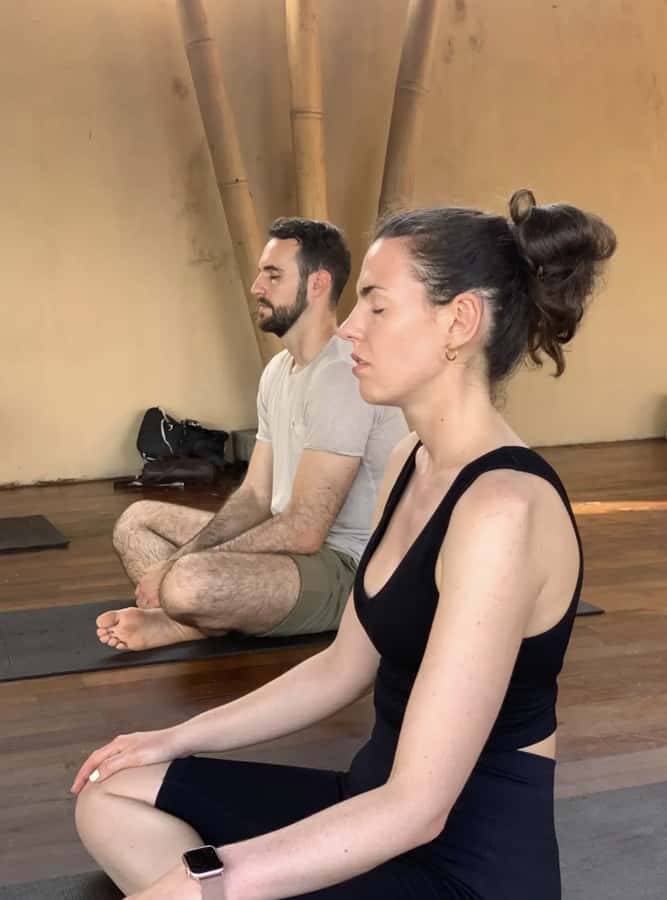
- Pranayama to get you centered: breathing work designed to calm your mind before the healing starts
- Energy cleansing with a release theme: a guided process focused on letting go of emotional pain and energy blockages
- Sound healing and mantras as the finale: soothing vibrations intended to bring clarity and renewed balance
- Small group, plus individualized attention: the session is described as personalized, and some reviews mention a one-on-one feel
- English/Indonesian instruction: helpful if you don’t want to guess through your session
- Serene Ubud setting: you arrive to a quiet space and settle in before you begin
Ubud Private Healing Yoga: What This Is Really Like
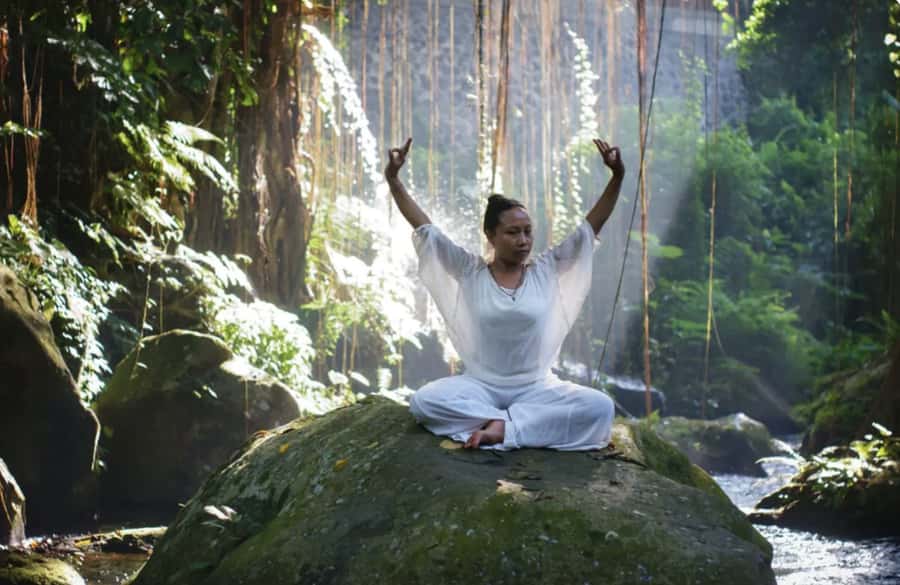
This isn’t a high-intensity yoga class. It’s a healing session that mixes yoga-based breathwork, guided meditation, and sound therapy in a calm, structured flow.
In plain terms, the goal is to help you feel more regulated—less tense, less scattered—by working on your body and attention first, then shifting into release and reset. If you’ve been carrying stress, burnout, anxiety, or emotional heaviness, the pacing makes sense: start by getting your breathing steady, then move into cleansing and mantra-based sound.
That said, go in with realistic expectations. This isn’t a medical treatment, and it doesn’t replace care from a clinician. It’s best viewed as a focused wellness ritual with spiritual and somatic elements. The session description also notes it’s designed for people seeking deep emotional and physical healing, so if you want something purely athletic or purely secular, you might prefer a different style of class.
You can also read our reviews of more tours and experiences in Ubud.



Meeting at Pranasanti Yoga in Ubud (and How the Session Starts Smoothly)
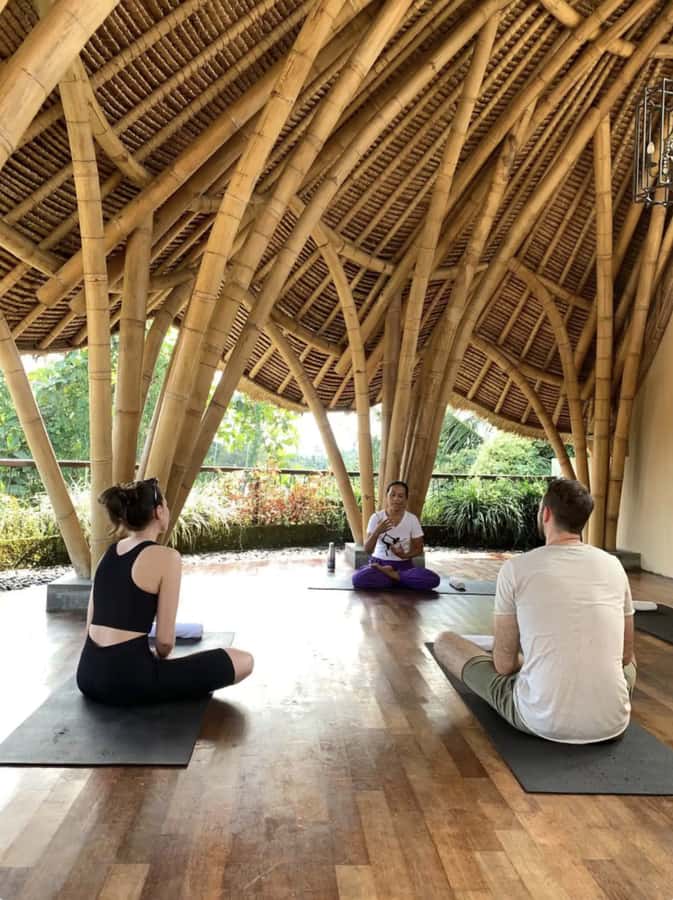
You’ll meet at Pranasanti Yoga, Ubud and the activity ends back there. The atmosphere is built for settling in, not rushing around.
If you choose the optional transfer, you’ll be picked up from your hotel lobby. You’ll want to plan for at least a little buffer time either way, because you’re advised to arrive 10–15 minutes early to settle in. That small detail matters more than you’d think. When your nervous system is already calm before you begin, the breathing and sound work hit better.
When you arrive, you’re welcomed with a refreshing drink. That might sound like a small touch, but it helps you transition into the session without the usual travel-brain jitters. Then you’ll do introductions so the host understands what you want to focus on and you can feel comfortable asking questions.
The First Step: Pranayama Breathing to Calm the System
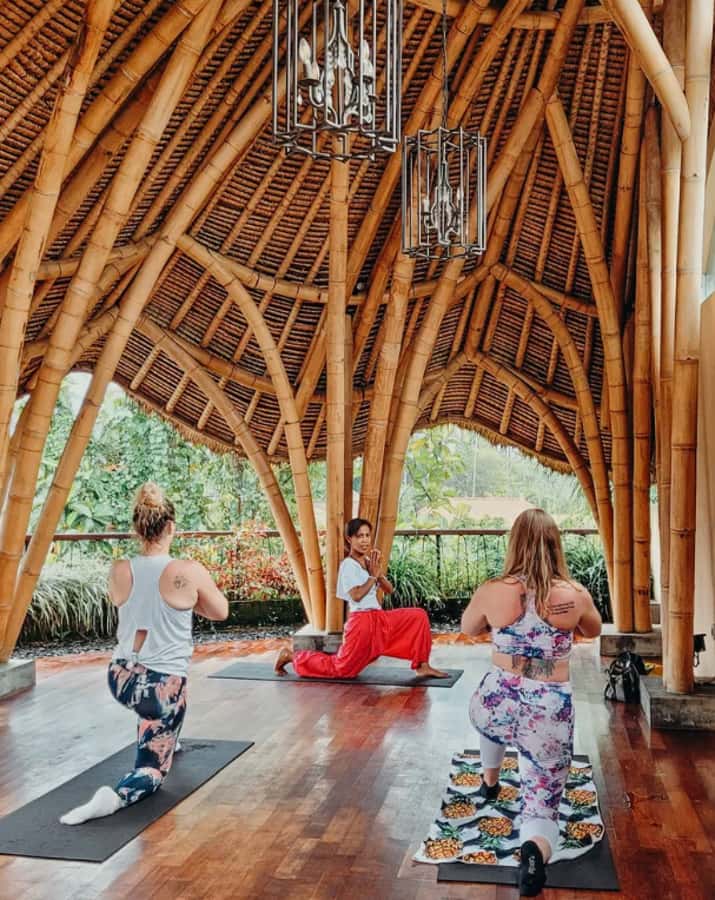
The session begins with pranayama breathing. In many yoga classes, breathwork is brief. Here, it’s treated like a foundation—something you do first so the rest of the session has a stable base.
What you can expect: guidance meant to center your mind and prepare your body for deeper healing. Pranayama often works by slowing your attention and giving you a rhythm you can follow. Even if you don’t go deep spiritually, it tends to feel practical: you stop “thinking your way through” stress and start training your breath to lead.
This is also a good moment to communicate anything relevant before you move into cleansing work. If you know you get anxious during silence, struggle with breath control, or have sensitivities, mention it early. The session is described as personalized to individual needs, so your input helps.
Energy Cleansing: Letting Go of Pain and Blockages (With Care)
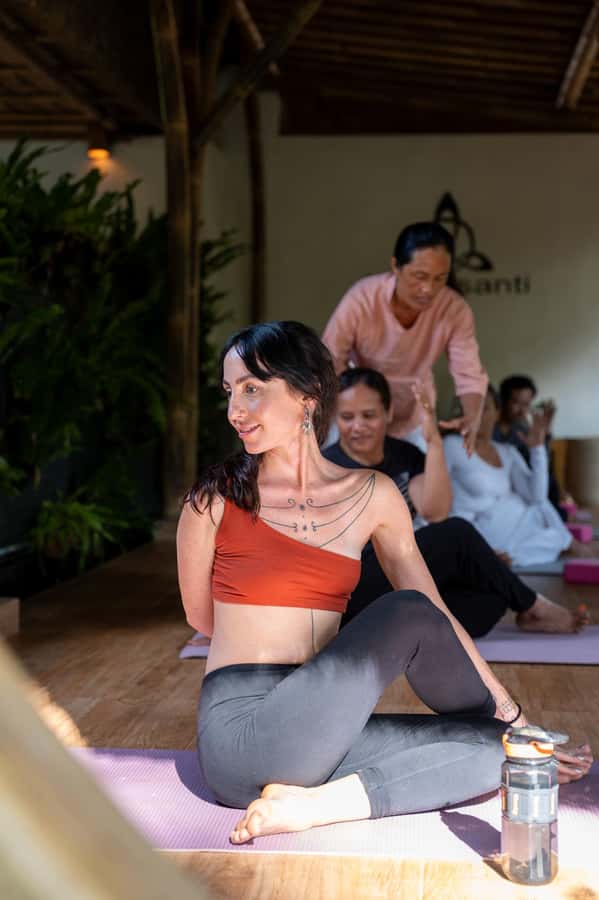
After breathwork, you’ll move into a powerful energy cleansing session. The description frames this as releasing emotional traumas, pain, and energy blockages that no longer serve you.
You should picture this as guided, intention-based release rather than a massage or a hands-on medical procedure. The session also lists emotional flexibility and conditions like depression, anxiety, burnout, and migraines as needs the experience is designed to support. That doesn’t mean it cures anything, but it does show the focus: emotional tension often shows up physically, and the session aims to address both.
Here’s the practical advice: treat it like a conversation with your body. If you feel overwhelmed, you can ask for adjustments. If you feel numb, you can ask for grounding techniques during meditation or sound parts. The host’s experience is a big part of why people rate this so highly.
A possible consideration: because it’s centered on releasing emotional blocks, it may feel intense for some people—especially if you’re already going through a major life event and aren’t sure how you’ll react to deeper emotional work.
Guided Meditation: The Part That Helps You Land
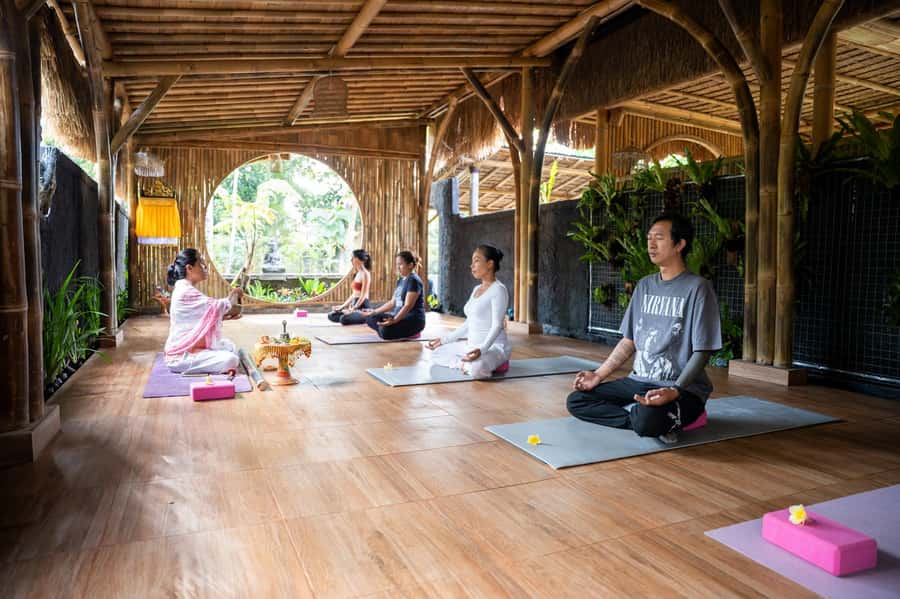
Next comes guided healing meditation. This is where the session slows down even more and gives you a chance to integrate what you just did with your breathing and cleansing.
The description emphasizes deep relaxation through guided meditation. And in the reviews, sound healing comes up again and again as a favorite, but meditation is the bridge that makes that sound work feel more accessible. Meditation can also help if you’re dealing with racing thoughts. Even 30–40 minutes of guided focus can change how your mind feels afterward, especially when it’s supported step-by-step.
If you’re new to meditation, don’t worry. The setup is designed to create a safe and supportive environment through introductions and guided instruction. If you know you’ll get impatient, tell the host. They can often help you stay on track without forcing you into long stretches of silence.






Sound & Healing Mantras: Why People Love This Finale
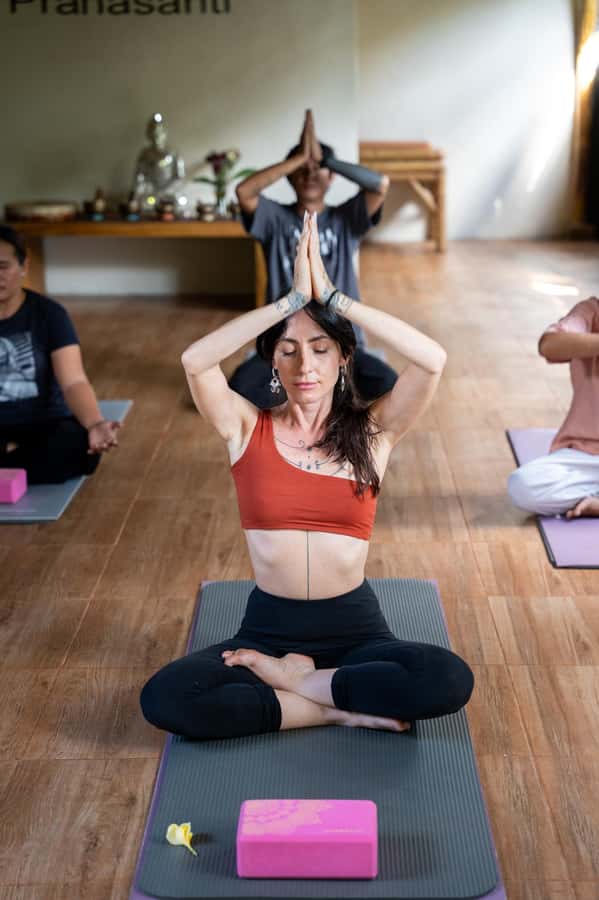
The finale is Sound & Healing Mantras. The idea is that soothing vibrations from sound therapy help elevate your energy levels and bring clarity and focus to your mind.
This part is the standout in the reviews. People specifically mention it as their favorite piece and describe feeling very relaxed. That’s consistent with how sound healing typically works: it uses vibration, tone, and repetition to support your nervous system in a calm state. Even if you’re skeptical at first, the experience often feels physical rather than purely mental—like your body gets permission to soften.
You can also expect mantras to be guided. That matters because repeating something with an instructor’s pace keeps you from overthinking. The goal is balance and harmony by raising your vibration through sound therapy, meditation, and prana healing.
One review also mentions the outside room as lovely. That suggests you may be in a serene outdoor or open-air yoga space depending on the setup. If you’re sensitive to temperature or mosquitoes, plan accordingly with comfortable layers and basic protection.
Personalized Healing Yoga: What Personalized Actually Means Here
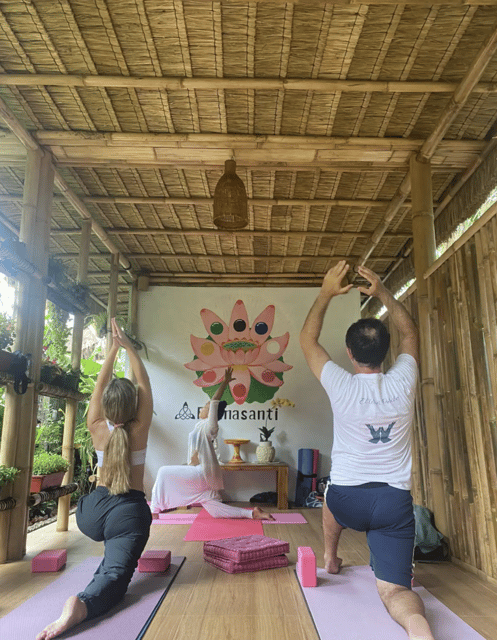
This experience is described as personalized healing yoga tailored to individual needs. In a practical sense, that usually means the host adapts how you do breathwork, how you move (if you move at all), and what you focus on during meditation and energy cleansing.
The session is also positioned to address both emotional and physical targets, including:
- self-healing and emotional blocks
- depression, anxiety, burnout
- migraines
- emotional flexibility
You should go into your session with one or two clear goals. For example:
- I want to feel calmer and less tense
- I want relief from mental overload
- I want to support recovery and reduce stress impacts
Then tell the host at the start. The more specific you are, the more likely the guidance will match what you’re actually seeking.
Also, because it’s offered as a small group activity, you may get more attention than you’d get in a big class. One review even mentions a one-on-one session, so it’s possible that based on demand and your booking situation, you could receive a more focused format.
Price and Value: Why $23 Can Be a Good Deal
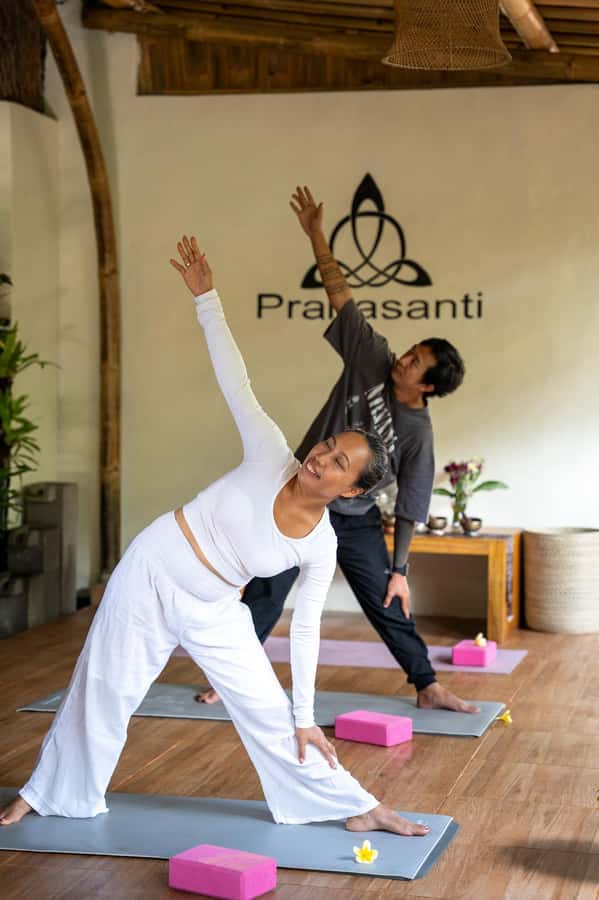
At $23 per person for about 1.5 hours, this is priced like a value wellness experience rather than a luxury spa add-on.
Here’s why the value can make sense:
- You’re getting a guided flow with multiple components (breathing, cleansing, meditation, sound)
- You’re provided yoga mats and equipment, so you don’t have to bring everything
- You’re working with an English/Indonesian instructor who can tailor the session
- You’re in Ubud, where wellness experiences can range from casual to pricey, and this is positioned as accessible
Of course, value depends on fit. If you’re the type who prefers workouts to feel athletic, or you want purely physical yoga with no emotional or spiritual framing, you might feel the price doesn’t match your expectations. But if you’re seeking stress relief and a structured healing ritual, the cost-to-time ratio is strong.
What’s Included (and What Isn’t) So You Can Plan Right
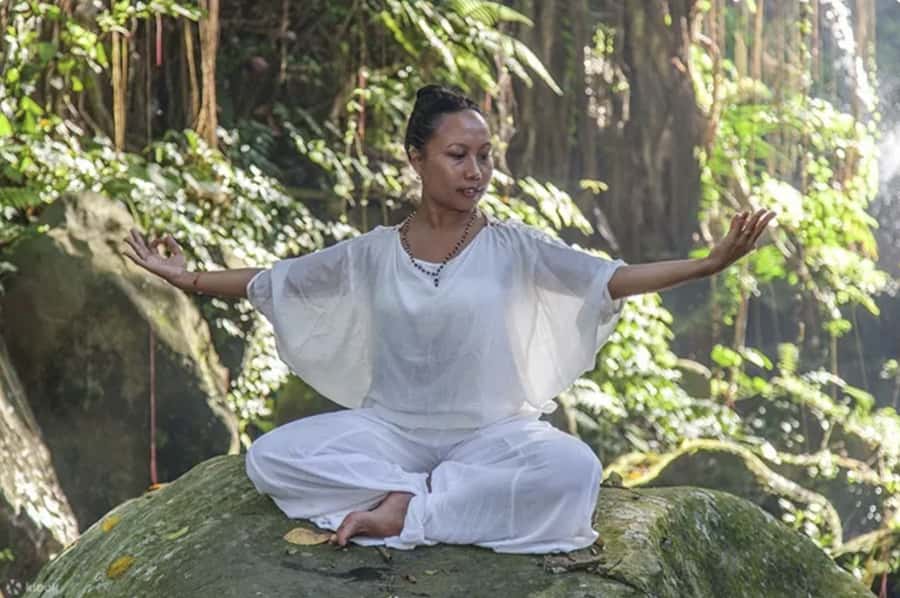
Included:
- guided healing meditation
- yoga mats and necessary equipment
- optional hotel transfer
Not included:
- meals or snacks beyond a welcome drink
- personal items or souvenirs
This means you’ll want to plan your day around the session. If you book later in the afternoon, consider eating beforehand. You’ll likely feel better during breathwork and sound if you’re not too hungry, but you also don’t want a heavy meal right before.
Comfort items matter more here than for a basic yoga class. Bring a change of clothes and wear something comfortable enough for breathing, stillness, and possibly sitting in different positions. The session advises comfortable clothes suitable for yoga and meditation.
Timing Tips: Getting the Most Out of Your 1.5 Hours
Duration is about 1.5 hours, and session start times vary, so check availability for what works with your Bali schedule.
My practical advice: treat this like a reset, not a filler activity. If you stack it right after a hike or a long day in traffic, you may arrive tired. Being tired isn’t necessarily bad, but if you’re exhausted, it’s easier to go numb during sound or breathing rather than feel relief.
Arrive early, even if you think you’re already nearby. That buffer helps you get out of tourist mode and into body mode.
Who This Is Best For (and Who Should Skip)
This experience is a good fit if you want:
- deep relaxation and guided meditation
- breathing-based stress relief
- sound healing and mantra work
- a structured session focused on emotional and physical healing
It may be less suitable if you’re:
- looking for purely fitness-focused yoga
- someone with back problems
- a wheelchair user
- someone experiencing altitude sickness
- very young (not suitable for children under 3)
- in the very elderly range (not suitable for people over 95)
If you have any specific health concerns or conditions, inform the host beforehand. That’s not just a safety step. It also helps personalize your session so it feels supportive instead of generic.
FAQ
FAQ
How long is the Ubud private yoga and healing meditation session?
It lasts about 1.5 hours.
Where does the experience start and end?
It starts at Pranasanti Yoga in Ubud and ends back at the same meeting point.
How much does it cost?
The price is listed as $23 per person.
What’s included in the session?
Included are yoga mats and necessary equipment, plus guided healing meditation.
Do I need to bring a yoga mat?
A personal yoga mat is optional. You’ll also have mats and equipment provided.
Is hotel pickup available?
Yes, hotel transfer is optional.
What languages are the instructor and host using?
The instructor is listed as English and Indonesian.
What should I wear or bring?
Wear comfortable clothes suitable for yoga and meditation, and bring a change of clothes.
Is this activity suitable for people with back problems or wheelchair users?
No. It’s not suitable for people with back problems or for wheelchair users.
Is there a cancellation policy?
Free cancellation is available up to 24 hours in advance for a full refund.
Should You Book This Ubud Healing Session?
Book it if you want a calm, guided session that mixes breathwork, meditation, and sound + mantras with a healing focus. The strongest signal from the reviews is how many people love the sound healing part and leave feeling relaxed, and the structure (welcome drink, settling in, breathwork, cleansing, meditation, sound) is designed to help you actually get there.
Skip or rethink it if your priority is athletic yoga, or if you have limitations like back issues or wheelchair needs. And if you’re prone to feeling overwhelmed by emotional-release work, ask the host to adjust the pacing so you stay comfortable.
If you’re in Ubud and you want an experience that’s equal parts calming and intentional, this one is easy to recommend.