Balinese food tastes better when you make it. This Ubud class turns your day into a hands-on market-to-plate experience with round-trip hotel transfer, then wraps with either a simple return or extra sightseeing time. I especially like that you’re not just watching—you’re cooking your own Balinese dishes. I also like the helpful, friendly guidance (including practical tips that can make a big difference, like phone camera guidance). One thing to consider: temple visits are part of some options, and entrance fees plus dress rules and stair-heavy spots can affect what you’re able to do.
You can choose the format that fits your energy: a morning class paired with lunch, or an afternoon class paired with dinner. I like that pickup timing is built in and the driver can take you back even if your hotel drop-off differs from pickup. If you’re short on time in Ubud, this helps you get structured value without feeling rushed all day.
The main catch is that the day can include extra costs that are not covered—think temple entrance fees and a few site-related charges. Also, schedules can shift a bit due to local conditions, so it’s smart to plan loose free time around the experience.
In This Review
- Key highlights
- Market-to-Plate in Ubud: What This Day Really Feels Like
- Price and Value: Why $94.85 Can Be Fair (If You Use the Transfer)
- Morning Class + Lunch: Market Shopping to Cooking Start
- Afternoon Cooking + Dinner With Ubud Add-Ons
- How the Cooking Lesson Teaches Balinese Methods (Not Just Recipes)
- Ubud Stops Between Savoring Spices: What Each Place Adds
- Transport, Timing, and Staying Sane in a 5 to 8 Hour Day
- Temple Etiquette and Practical Comfort: What You Must Plan For
- Guides Make It Better: Art, Kutu, and the Little Things That Matter
- Who Should Book This Cooking Class in Ubud?
- Should You Book This Cooking Class?
Key highlights
- Market buy for the morning option, so you start with real ingredients
- Hands-on cooking where you cook and eat what you make
- Round-trip hotel transfer in an air-conditioned vehicle
- Ubud sightseeing add-ons on the afternoon format (from rice terraces to temples)
- Bilingual drivers (Japanese and English) for a smoother day
- Practical guide touches, like helpful phone camera tips, depending on your guide
Market-to-Plate in Ubud: What This Day Really Feels Like
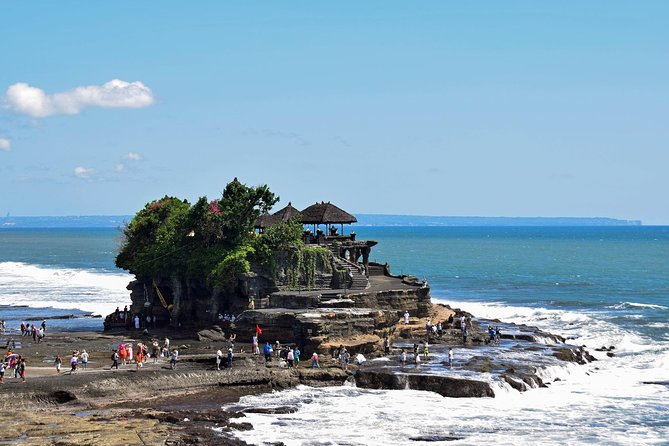
This experience is built around a simple idea: food isn’t theory. You shop for ingredients (on the morning format), learn Balinese cooking methods, and then you cook the dishes yourself. By the time you eat, you understand what you just did—why the flavors work, what to watch for, and how Balinese cooking typically balances aromatics, spice, and fresh herbs.
In a place like Ubud, it’s easy to cram in temples, viewpoints, and markets until the day feels like a checklist. This class breaks that pattern. You still get to be in the middle of Ubud life, but the focus stays human and practical: hands, smells, taste, and a meal at the end.
There’s another quiet benefit: the transfer is handled for you. With pickup and drop-off included, you don’t waste energy figuring out transport, timing, and routes. The schedule even leaves room for you to arrange your day after the class, if you want more sightseeing.
You can also read our reviews of more tours and experiences in Ubud.



Price and Value: Why $94.85 Can Be Fair (If You Use the Transfer)

At $94.85 per person, you’re paying for more than a cooking show. Your price includes an air-conditioned vehicle, round-trip hotel transfer, the cooking school fee, and your meal (lunch on the morning format, dinner on the afternoon format). Drivers are provided in Japanese and English, and gasoline costs are covered.
That matters because Ubud transport can quietly drain your budget when you’re hopping between areas. Here, you buy that time back up front. You also get a structured activity that lasts about 5 to 8 hours, which is a useful chunk of a vacation day.
What’s not included is the stuff that can add up if your day includes temples: parking fees, temple entrance fees, tolls, Balinese dance fees, and souvenirs. So the best value comes when you treat this as your anchor plan and only add optional paid stops if you truly want them.
If you’re traveling with family or friends and want a focused activity without the chaos of big groups, this private setup can also be a plus. Your group participates together, not mixed with other people.
Morning Class + Lunch: Market Shopping to Cooking Start
If you choose the morning class, your day starts with pickup at around 07:00. Then you head out for shopping at a local market. This is a big part of why I like this format: buying ingredients locally gives you context. You’re not relying on a vague grocery list later—you see what’s available and how vendors think about freshness and quality.
After the market, cooking starts. This is not a sit-and-watch lesson. You learn Balinese cooking methods and then you enjoy cooking your own food. That hands-on part is what turns the experience into something you can repeat later at home, even if your final results won’t be exactly the same (Bali has its own rhythms and ingredients).
One practical consideration: the morning itinerary is designed mainly around cooking and then you’re taken back to your hotel. If you want the rice terraces and temple stops too, you’ll likely be happier choosing the afternoon option instead.
Dress and comfort still matter even in the morning. If your route includes any temple areas or similar stops, avoid clothing that exposes skin, because entrance may not be possible.
Afternoon Cooking + Dinner With Ubud Add-Ons
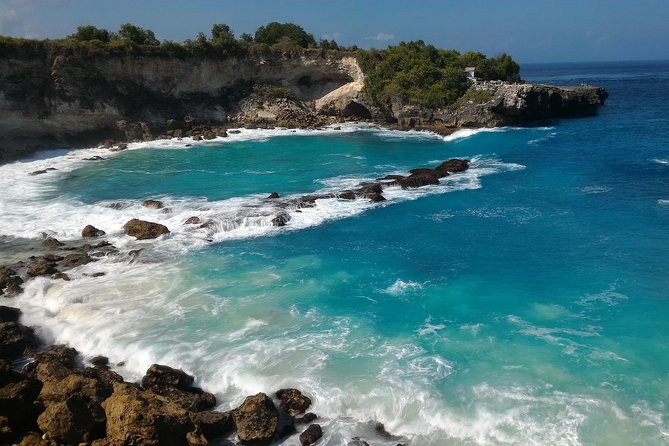
The afternoon option starts with pickup at about 07:00 as well, but your timing shifts toward later in the day because it includes a stack of sightseeing stops. After cooking, your route can include famous Ubud areas such as Tegalaran Rice Terrace, optional Bali Swing-style stops, and coffee like Luwak (optional).
From there, the day can include temple visits and palace grounds. The listed stops include Monkey Forest Temple, Ubud Royal Palace, and Saraswati Temple (part of the Water Palace area). You may also have time around Ubud Market, Ubud Freedom Walk, and other nearby sights.
Here’s what I think is smart about the design: you’re cooking first, when the group energy is higher, and then you pivot to sightseeing while the day is still young. In Ubud heat, that order often feels better than bouncing straight into long walks and crowds before lunch or dinner.
A drawback to consider: some of these sites have long stairways, and that can slow your pace. Wear comfortable shoes, and if you know your legs get tired easily, you may want to set expectations for shorter stops or more frequent pauses.
How the Cooking Lesson Teaches Balinese Methods (Not Just Recipes)
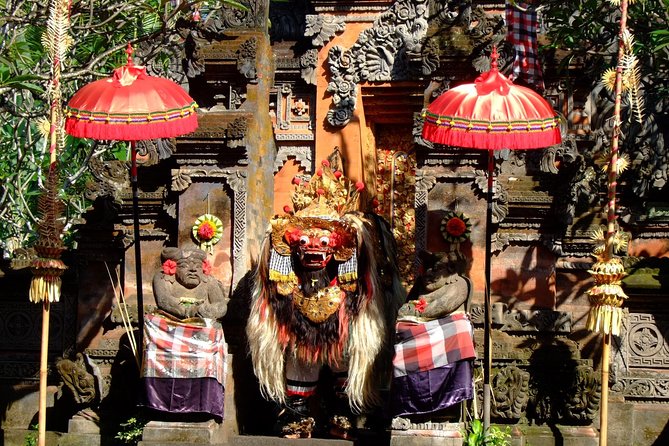
The class is centered on Balinese cooking methods. That phrase matters because it suggests you’ll learn how flavors and techniques work, not just what ingredients go into a dish. In practice, that means you’re paying attention while you chop, grind, mix, and cook, so the steps are easier to remember later.
I also like that the experience is paired with a meal you made yourself. Food isn’t something you read about; you taste your results and adjust your understanding. If you’ve ever tried cooking a recipe at home and wondered why it tasted different, this kind of method-based learning helps you spot where the differences come from.
One more plus: your guide can make a measurable difference in how smooth it feels. In one past outing, the guide Art was praised for being a strong, story-rich communicator and for practical tips, including help with using phone cameras. In another experience, the guide Kutu led a merukat (ablution) with care and instruction on doing it properly. Those details aren’t always the same for every group, but they show the range of ways guides can personalize your understanding of Balinese culture alongside the food.
If you’re a visual learner, this is a good class to bring your phone. You’ll likely want to photograph the process, not just the final plates.



Ubud Stops Between Savoring Spices: What Each Place Adds
When you opt for the afternoon format, the sightseeing isn’t random. It’s a curated sweep through what people associate with Ubud—rice scenery, temples, palaces, market energy, and easy-to-walk areas.
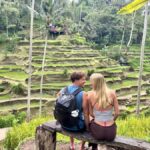
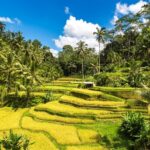
Tegalaran Rice Terrace
Rice terraces are a visual payoff and a gentle way to start sightseeing. The main catch is that you may need to manage sun, uneven ground, and walking distance depending on where you stop.
Bali Swing / Big Swing / Luwak Coffee (optional)
If you like playful photo moments, swing stops and coffee tastings can add variety. If you’re not into action-style photos, you can treat these as optional breaks rather than must-dos.
Monkey Forest Temple
This is a classic Ubud stop, but it can involve walking and stairways. Wear shoes you can trust. Also keep in mind the temple etiquette angle—cover up if you’re heading into sacred spaces.
Ubud Royal Palace and Saraswati Temple
These stops connect you to Ubud’s royal and cultural atmosphere. Expect rules around dress and site behavior. Entrance might not be possible if your clothing doesn’t fit the standard, so plan to cover shoulders and avoid exposed skin.
Ubud Market and Ubud Freedom Walk
These are the practical, everyday Ubud moments. Market time is good for lingering, picking up small items, or just people-watching. Freedom Walk is easier pacing compared with temple grounds, which can be helpful at the end of a long day.
Transport, Timing, and Staying Sane in a 5 to 8 Hour Day
Pickup is included, and you’re also brought back to your hotel afterward. The company notes that it’s okay if pickup and drop-off hotels are different, so your driver can use your hotel connection efficiently. That’s helpful if you’re split between properties or staying slightly outside central areas.
The day runs about 5 to 8 hours, but schedules can change based on local circumstances. The most important timing detail: if your experience time runs over, an additional cost of 1,000 yen per hour may apply.
To keep things smooth:
- Start with comfortable shoes.
- Keep a small buffer for site rules (temples can slow you down if you need to adjust clothing).
- Don’t plan a super-tight appointment right after the return transfer.
Also note that this is a private tour/activity. That means your group stays together, which tends to reduce the stress of waiting on others.
Temple Etiquette and Practical Comfort: What You Must Plan For
Balinese temples have dress expectations. You should avoid skin-exposed clothing in temples and other similar places. If you don’t meet entrance requirements, you may not be able to go in.
You also need to be ready for walking. Some of the stops can involve long stairways, so you’ll want shoes designed for uneven ground and steps.
Here’s a useful mindset: instead of treating each temple stop like a guaranteed “checkmark,” think of it as a chance to learn and observe within the rules. When entrance is limited, it’s not your fault—it’s the reality of sacred-site access. Adjust your plan quickly and keep going.
Power spots are another consideration. This tour does not guarantee the effectiveness of the Power Spot, so don’t build your expectations solely around spiritual outcomes. Treat it as a cultural and scenic element, not a promise.
Guides Make It Better: Art, Kutu, and the Little Things That Matter
A cooking class lives or dies by the guide. In these experiences, there are examples of guides adding value beyond instruction.
- Art was praised for being a fantastic guide, sharing lots of facts and interesting stories, and giving phone camera tips that make it easier to capture what you’re doing.
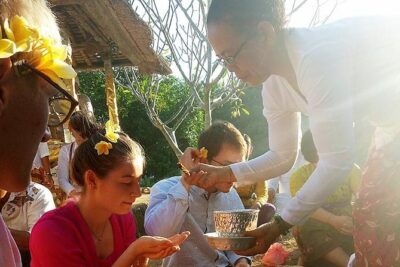
- Kutu was praised for leading a merukat (ablution) experience, explaining how to bathe properly. That kind of instruction turns a casual moment into something memorable and respectful.
Not every guide will do the exact same extras, but the lesson is consistent: your comfort and understanding improve when the guide actively explains the why, not just the what.
If you want the best experience, ask small questions as you cook—what spice does, how to tell doneness, and how Balinese cooks balance freshness with heat. Your guide is more likely to respond well when you show curiosity.
Who Should Book This Cooking Class in Ubud?
This is a great fit if you want your Ubud day to feel useful, not just scenic. Pick it if you like learning by doing and you want a meal you can recreate in spirit back home.
It’s especially suitable for:
- Food lovers who enjoy hands-on cooking
- Travelers who want hotel pickup and an organized schedule
- People who like culture and temples but still want a practical anchor activity
- Small groups who prefer a private setup
If you’re strictly trying to “only see the best views,” you may find the cooking portion slows the pace. But if you’re okay with a day that blends food craft and Ubud highlights, this will likely feel like your best use of time.
One more note: service animals are allowed, and the tour is near public transportation. That won’t replace the car transfer, but it can help you plan if you’re coordinating other parts of the day.
Should You Book This Cooking Class?
Book it if you want real Balinese cooking taught in a way that ends with you eating what you made, and you appreciate the value of hotel pickup and drop-off. At $94.85, you’re not just buying a recipe—you’re buying time, transport, meal, and a structured day.
Skip or choose carefully if you hate stairs, dislike temple rules, or have no interest in Ubud sightseeing add-ons. The additional site costs and dress requirements can change how easy it feels. Also consider that morning vs. afternoon availability can’t always be guaranteed, so keep flexibility.
If you like the idea of market ingredients, hands-on cooking, and a guide who can help you understand the culture as you go, this is a solid Ubud choice.