Spice pastes and tofu come together in Ubud. This 4-hour vegetarian Balinese cooking class turns a morning or afternoon into a hands-on lesson, from market shopping to grinding spices in a traditional ulekan. You’ll learn how Balinese flavors work without meat, and you’ll cook nine separate dishes made for vegetarians.
What I like most is the focus on technique you can actually repeat at home—especially that spice-grinding part. I also like that you’re not just watching. You’re making a full set of dishes (tofu, tempe, fresh veggies, and more), then you leave with a digital copy of the 9 recipes.
One thing to keep in mind: hotel pickup reliability can make or break a day. If you’re on a tight schedule, give yourself a buffer and double-check your pickup timing the day of.
In This Review
- Key takeaways before you go
- Vegetarian Balinese cooking in Ubud: what $39 is really buying
- From pickup to the cooking spot: how the experience flows
- Market shopping and rice-field context: the part that makes cooking click
- The ulekan moment: learning Balinese spice paste the hands-on way
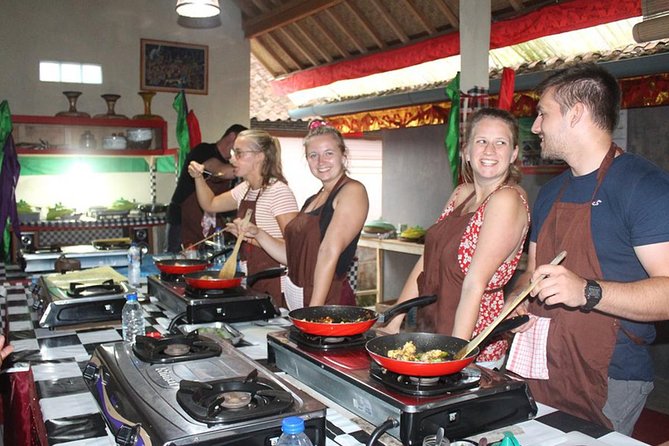
- Cooking nine vegetarian dishes: tofu, tempe, and more
- Morning lunch vs afternoon dinner: which session fits you
- Chef-led teaching and the small-group advantage
- Transfers in central Ubud: convenient, but plan for the unexpected
- What you’ll really take home: recipes you can cook, not just eat
- Who this cooking class is best for
- Quick value check: is this worth it compared to other Ubud activities?
- Should you book the Vegetarian Ubud Cooking Class?
- FAQ
- How long is the cooking class?
- Is pickup included from Ubud hotels?
- Does the class offer vegetarian dishes?
- What food is included in the price?
- What do I receive to take home?
- Is this experience refundable if I cancel?
Key takeaways before you go
- Market-to-stove format: you shop first, then cook what you picked
- Ulekan spice grinding: learn the texture and rhythm behind Balinese spice pastes
- Vegetarian by design: nine dishes built around tofu, tempe, and fresh veggies
- Small-group feel: max 15 travelers, so you’re not lost in a crowd
- Meals included: lunch in the morning session, dinner in the afternoon session
Vegetarian Balinese cooking in Ubud: what $39 is really buying
At $39 per person for about 4 hours, this class is priced like a smart “do something real” activity—not like a fancy dinner show. You’re paying for a guided workflow, not just ingredients on a plate. That matters because Balinese cooking isn’t one big “stir everything” trick. It’s stages: buying the right stuff, grinding aromatics, then building dishes step-by-step.
The value is strongest because several core pieces are included:
- a professional chef who speaks English
- cooking equipment
- a welcome drink and bottled water
- lunch (morning) or dinner (afternoon)
- a digital copy of 9 recipes
Even better, the menu is vegetarian-focused. This isn’t a last-minute swap. The class is designed around tofu, tempe, and fresh vegetables, so you’re learning the flavor system without constantly asking what can be changed.
If you want a souvenir, this is the kind you can use. A printed magnet might look cute. A working recipe for Balinese-style seasoning is more useful.
You can also read our reviews of more tours and experiences in Ubud.



From pickup to the cooking spot: how the experience flows
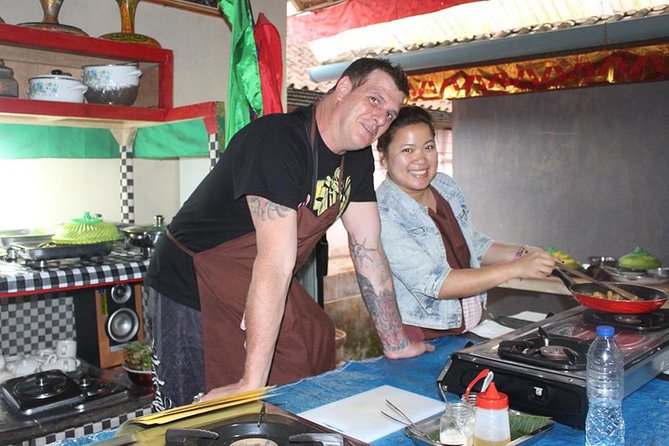
This class runs out of a location labeled Subak cooking class & Cooking class in ubud, at Jl. Werkudara, Tampaksiring area (Gianyar, Bali). You can be picked up from central Ubud hotels, or you can meet at the location directly.
That pickup detail is important. The transport service covers central Ubud only. If you’re staying outside that area, you may need to plan how you’ll get to the meeting point. Since the activity is listed as near public transportation, you’ll have options if you prefer to handle the ride yourself.
Also note the class size: it’s capped at 15 travelers. In practical terms, that usually means more attention from the chef, more chances to ask why something tastes a certain way, and less standing around waiting your turn.
There’s also a mobile ticket involved, and you should receive confirmation within 48 hours of booking (subject to availability). So your plan stays flexible, but you’ll still want to confirm details after booking.
Market shopping and rice-field context: the part that makes cooking click
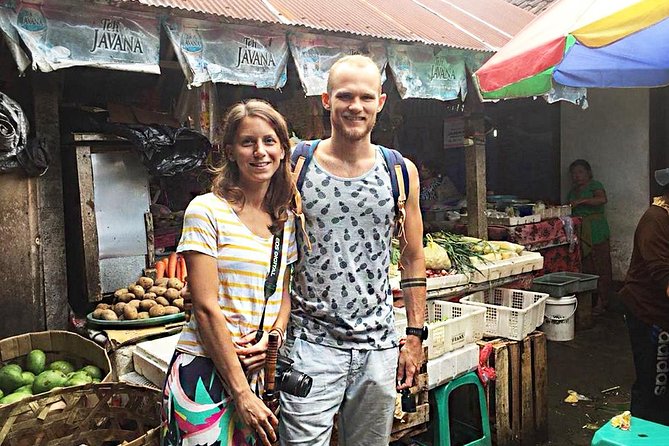
One of the most memorable parts of this style of cooking class is when your lesson starts before the stove. Here, you’ll shop the market. That’s not just sightseeing. It’s where you learn how Balinese cooks think: what ingredients matter, what looks fresh, and how spices connect to flavor.
You’ll also get some local context around rice fields. While it’s not a museum stop, it helps explain why certain crops and ingredients show up again and again in Balinese food. When you understand the setting, the dishes feel less random and more intentional.
Here’s why that matters for you: when you cook at home, you can’t replicate Bali perfectly. But you can replicate the logic. Market shopping and local context give you a better sense of what to look for when you’re standing in your own grocery store later.
Practical tip: if you’re the kind of person who always buys the same spices, this class can nudge you to widen the options. Even if you can’t find every ingredient, the technique and flavor-building ideas transfer well.
The ulekan moment: learning Balinese spice paste the hands-on way
The headline technique here is grinding spices in a traditional ulekan. That’s the stone mortar-and-pestle setup that turns dry ingredients into a paste you can actually cook with.
Why this is worth your time: spice paste isn’t just about taste. Texture changes flavor too. A coarser paste can feel sharper; a smoother paste can blend in more evenly. Grinding also helps you understand what the cook is doing. If you’ve ever wondered why two dishes taste similar yet slightly different, paste consistency is one of the reasons.
In a vegetarian class, that technique matters even more. When you remove meat, the “depth” has to come from spice, aromatics, and how ingredients are prepared. So the chef’s instruction on grinding is basically the backbone of your entire meal.
Expect lots of questions from yourself during this part. It’s normal. Take notes if you can, or at least pay attention to the rhythm and texture the chef goes for.
Cooking nine vegetarian dishes: tofu, tempe, and more
This class has you cooking nine separate dishes. That’s a lot for a 4-hour session, which usually means the lesson is structured to move at a steady pace. You’ll make vegetarian dishes featuring tofu, tempe, fresh veggies, and more.
What you’ll walk away with is not only food, but a set of building blocks. Here’s how to think about it:
- Tofu and tempe give you protein and a hearty bite, so the dishes don’t feel like side-dish cooking.
- Fresh vegetables keep the flavors bright and help balance heavier spice profiles.
- The spice paste work ties the whole menu together, even when the final dishes look different.
Since you receive a copy file of 9 recipes, you’ll have a roadmap after the class. For home cooking, that’s huge. Without recipes, cooking classes become memories. With recipes, you can recreate the experience.
One small caution: nine dishes means you’ll likely be cooking more than “sampling.” Bring patience. This is hands-on practice, not a slow, relaxed meal.




Morning lunch vs afternoon dinner: which session fits you
You get a choice of morning or afternoon. The experience lasts about 4 hours either way, but the food included changes:
- Morning session: lunch and bottled water
- Afternoon session: dinner and bottled water
Both sessions include a welcome drink. Other beverages are available for purchase, if you want something beyond water and the included drink.
So how do you choose? Here are the practical reasons:
- If you like starting your day strong, pick the morning slot and treat lunch as part of your Ubud day plan.
- If you want a mid/late activity and a full dinner meal at the end, pick afternoon.
Since you’ll also be learning market and cooking techniques, morning sessions can feel extra productive. Afternoon sessions can feel calmer. Either can work—you just want the time that matches your energy and how you’ve scheduled the rest of your Ubud day.
Chef-led teaching and the small-group advantage
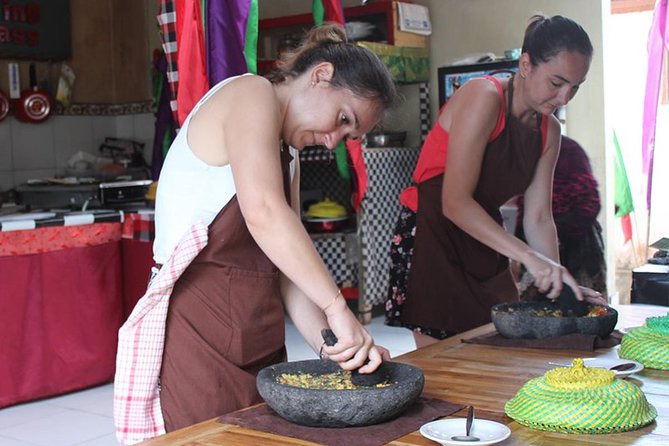
The chef is a professional English-speaking local chef. That sounds basic, but it matters. When instructions are clear, you cook better and you learn faster. You’re not stuck guessing what a technique should look like.
The maximum group size—15 travelers—also affects quality. In a larger group, the chef’s attention gets stretched thin, and you spend more time waiting. Here, the pace is more manageable, so you can actually follow along and correct mistakes while they’re happening.
One more point: this class is meant for friends and family energy—people cooking together, not just standing in a line. If you go with others, you’ll probably find it easier to laugh, share questions, and keep the day moving.
Transfers in central Ubud: convenient, but plan for the unexpected
Transfers from central Ubud hotels are included, and you’ll also have a two-way transfer. That’s a real convenience. Ubud traffic can get weird, and it’s nice not to negotiate a ride after a messy cooking session.
Still, here’s the consideration: pickup is the most fragile part of any hotel-to-activity tour. If something goes wrong, it usually happens before you ever reach the kitchen. I’d treat pickup timing as a serious part of your plan:
- confirm your pickup time once you have your confirmation
- keep your phone charged
- give yourself buffer time on the day of the class
If your schedule is extremely tight, consider meeting at the location directly or arranging a backup way to get there.
What you’ll really take home: recipes you can cook, not just eat
The main takeaway is the digital copy file of 9 recipes. That turns the class from an experience into a tool. You’ll be able to recreate the dishes back home, assuming you can source similar ingredients.
Even without perfect ingredients, the skills help you adapt:
- How to prepare and grind spice pastes using a traditional style approach
- How Balinese-style flavors build through aromatics and seasoning
- How tofu and tempe can carry flavor in vegetarian dishes
This is also where the market visit pays off. When you understand which ingredients matter and how fresh produce looks, you can make better choices later. You’re not just copying a recipe—you’re learning a method.
If you cook at home already, this class can level up your spice game. If you don’t cook much, the structured lesson makes the first attempt easier. Either way, you’ll leave with something concrete.
Who this cooking class is best for
I think this works especially well if you:
- want vegetarian Balinese cooking, not a generic cooking class with substitutions
- like hands-on learning and making your own food
- enjoy market visits and understanding where ingredients come from
- want a small-group experience around 15 people max
It’s also a good fit for couples, solo travelers, and small groups. You’ll likely find it easier to connect through shared food prep than in tours where you mostly listen from the sidelines.
If you hate any kitchen workload or you only want a quick tasting, this may not feel relaxed. Nine dishes in 4 hours means active participation.
Quick value check: is this worth it compared to other Ubud activities?
For $39, you’re getting:
- a professional chef-led session
- market shopping and local explanation time
- nine dishes worth of cooking
- lunch or dinner plus bottled water depending on session
- welcome drink
- cooking equipment
- digital recipes
Many Ubud activities charge more for far less hands-on learning. Here, your time turns into skills and food. The only reason this wouldn’t be a value for you is if pickup reliability becomes a problem on your specific day—or if you’re expecting a very slow, casual experience.
If you’re flexible and you like learning practical cooking technique, this is strong value.
Should you book the Vegetarian Ubud Cooking Class?
Yes, if you want a vegetarian-friendly way to learn Balinese flavors with real technique. The best reasons to book are the vegetarian focus, the ulekan spice grinding, the market-to-cooking flow, and the fact that you leave with 9 recipes.
I’d hesitate only if:
- your schedule is extremely tight and you can’t risk any pickup delays
- you want a purely observational tour with minimal time in the kitchen
- you rely on major changes after booking (this experience is not refundable and cannot be changed)
If you’re an “I want to learn something useful” traveler, this is the kind of Ubud activity that sticks with you.
FAQ
How long is the cooking class?
The class runs for about 4 hours.
Is pickup included from Ubud hotels?
Yes, pickup and drop-off are included for central Ubud hotels only. If you prefer, you can also meet at the cooking class location directly.
Does the class offer vegetarian dishes?
Yes. The cooking class is tailored for vegetarians and includes nine dishes, featuring tofu, tempe, fresh veggies, and more.
What food is included in the price?
You’ll get a welcome drink and bottled water. The morning session includes lunch and bottled water, and the afternoon session includes dinner and bottled water.
What do I receive to take home?
You get a copy file of 9 Balinese vegetarian recipes.
Is this experience refundable if I cancel?
No. It’s non-refundable and cannot be changed for any reason.