Waves and green views in one day. This private Ubud route strings together two standout waterfalls and Tirta Empul’s holy spring cleansing for a full-on sensory mix. I like that it also builds in a coffee break in the middle, so the day doesn’t feel like non-stop rushing. One thing to consider: you’ll want change of clothes because waterfall time and temple water rituals can get you damp.
The best part is the pacing with a real guide and car: long enough to walk and take photos, not long enough to burn out. I also love how guides tend to treat this like more than sightseeing—helping with practical stuff like sarongs at Tirta Empul and making sure you get good angles at the falls. Still, if you hate crowds, pick timing carefully, since Ubud’s popular spots can draw people depending on the day.
Because it’s private, pickup and drop-off are flexible within the area, and you can ask for photo stops that match your comfort level. At the same time, you’ll be on the move for about 7 hours, so it’s not the best choice for days when you want zero walking.
In This Review
- Key takeaways before you go
- Ubud, packaged like a local day out
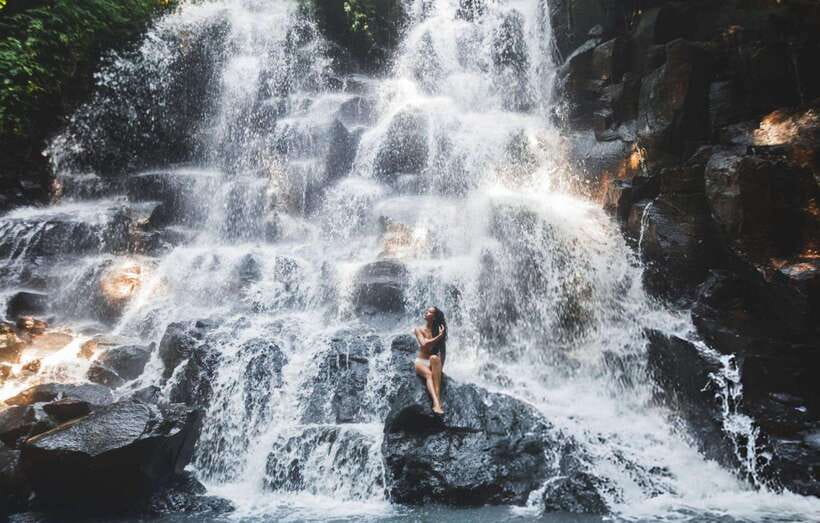
- Kanto Lampo Waterfall: photo stop with real water energy
- Tibumana Waterfall: clearer water and calmer vibes
- Coffee plantation break: what tasting really means here
- Tirta Empul: the holy spring temple and ritual cleansing
- Tegallalang rice terraces: viewpoints, walks, and slow Bali air
- Private car + English guide: how the day feels in motion
- Price and value: is $21 per person actually fair?
- What to bring so the day doesn’t trip you up
- Who this Ubud tour suits best (and who should skip it)
- Should you book this Ubud tour?
- FAQ
- FAQ
- What’s included in the tour price?
- How long is the tour?
- What places are visited during the day?
- Is this tour private or shared?
- Does the guide speak English?
- What should I bring with me?
- Is there free cancellation?
Key takeaways before you go
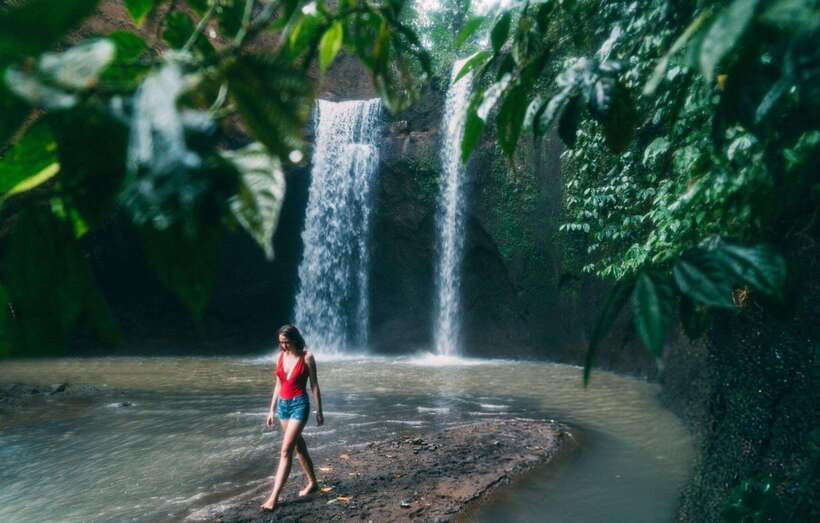
- Two waterfall stops that feel very different: Kanto Lampo for power and a plunge option, Tibumana for calmer, clearer water and easy scenic time
- Tirta Empul is the cultural anchor: pools fed by natural springs tied to purification and a guided cleansing ritual
- Coffee plantation + tastings break up the day with locally served drinks and fruit
- Tegallalang rice terraces are a viewpoint-and-walk experience with guided navigation through the most photogenic spots
- Private guide support is a real value add—including help with photos and temple attire moments like sarongs
- Bring small essentials (especially flip-flops and cash) so you can move comfortably and handle small on-site extras
Ubud, packaged like a local day out
This is a one-day Ubud tour built around three “Ubud classics”: waterfall scenery, a major Hindu water temple, and the famous terraced rice area. What makes it work is the order. You hit the waterfalls first while your energy is highest, then shift into culture at Tirta Empul, and finish with the rice terraces when you’re ready for slower walking and photos.
You’re in a private car with a private guide and driver, which matters in Bali. Roads take time, and small route changes can make the difference between a pleasant day and a stressful one. Here, the private format also means you can pause for better photos, adjust your pace, and spend more time where you actually care.
The practical downside is simple: it’s still a full day. Even with good guidance, you’ll do multiple stops, including short walks and lookouts. If you want a relaxed spa day, this is not that. If you want a Ubud “greatest hits” day with real nature and real ritual, it’s a solid fit.
You can also read our reviews of more tours and experiences in Indonesia.

Kanto Lampo Waterfall: photo stop with real water energy
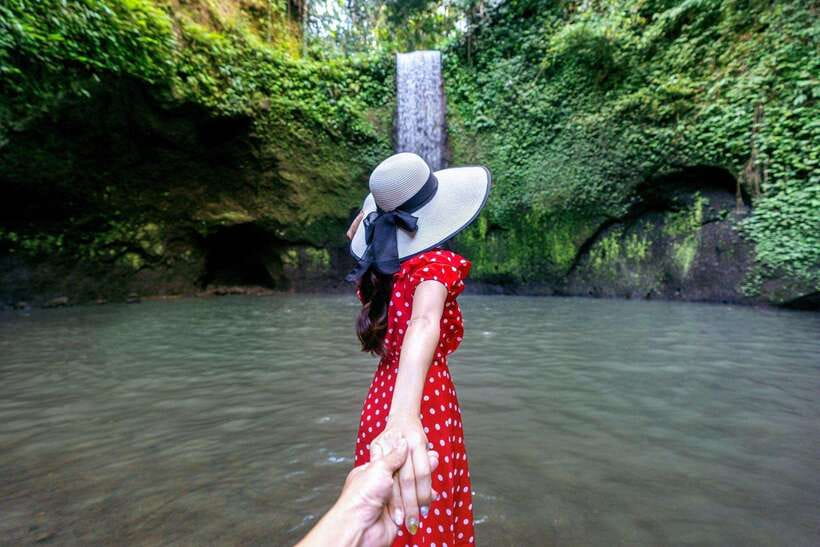
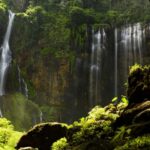
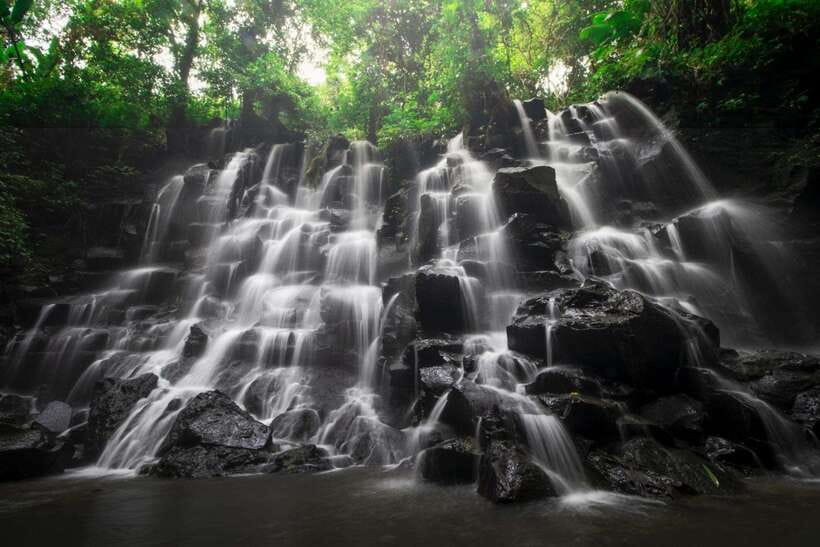
Kanto Lampo is the “wow” moment early on. The tour includes time for photo stops, a guided visit, and walking, with about 1.5 hours set aside. Expect a dramatic cascade and that unmistakable Bali feel—wet rock, bright greenery, and lots of angles for pictures.
A few practical tips help you enjoy it more:
- Wear flip-flops you don’t mind getting slick.
- Bring a change of clothes if you plan to get close to the water or swim where allowed.
- Keep your camera ready for the spray zone, but protect it from direct drips.
The good news: this stop is structured so you can do what you feel like doing. If you’re a “watch and shoot” person, you can focus on viewpoints and photos. If you’re game for water time, the pool area below is part of the experience.
Potential drawback: waterfalls mean uneven footing. Even on a short walk, you’ll want careful steps—especially if it’s damp.
Tibumana Waterfall: clearer water and calmer vibes
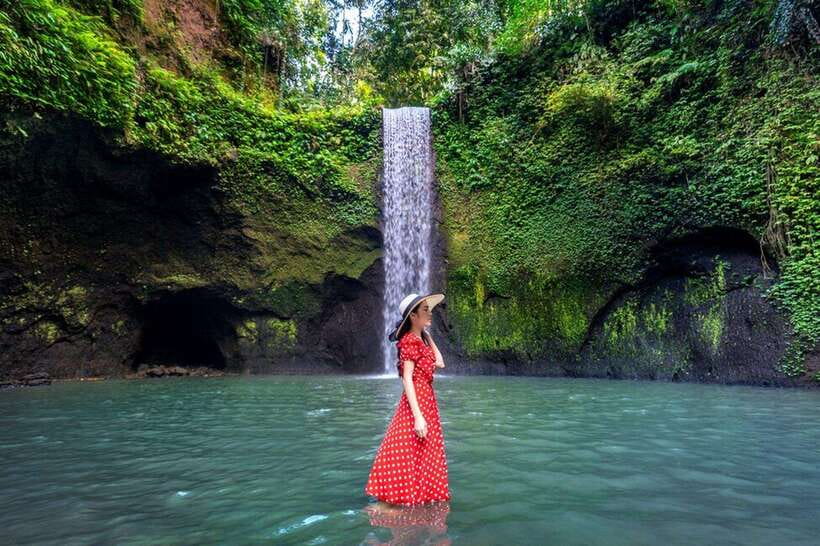
Next up is Tibumana, another waterfall stop with about 1.5 hours. This one has a different personality than Kanto Lampo. It’s known for clearer water and an environment that feels more about atmosphere than sheer chaos.
You get another guided visit and scenic walk on the way, plus time for sightseeing and photos. If Kanto Lampo feels like kinetic energy, Tibumana leans into stillness.
This is also a great stop for people who want to slow down a bit after the first waterfall. You can spend more time observing the water and surroundings, and if you want a swim, it’s a common part of the plan here.
Practical note: if you’re sensitive to heat, aim to move steadily during the walk portions. Once you’re at the waterfall, the shade and spray help.
Coffee plantation break: what tasting really means here
Between waterfalls and temple time, the tour adds a coffee plantation visit and tasting. It’s listed as a stop with coffee and coffee tasting, and the day’s description also points to fruit and locally produced beverages. In other words, it’s not just buying a souvenir drink—you’re meant to understand what you’re tasting and why it’s used.
Why I think this is a smart break: it gives you a chance to dry off a bit, sit down, and reset. It’s also the moment where your guide can explain how the region grows and uses different plants, which makes the rest of the day feel more grounded.
What to expect practically:
- You’ll likely spend enough time to try multiple items, not just one cup.
- Plan your energy so you don’t feel rushed heading into the temple.
If you’re not into coffee, you might still enjoy the fruit and beverage tasting element. It’s an easy cultural stop that doesn’t demand a big physical effort.
Tirta Empul: the holy spring temple and ritual cleansing
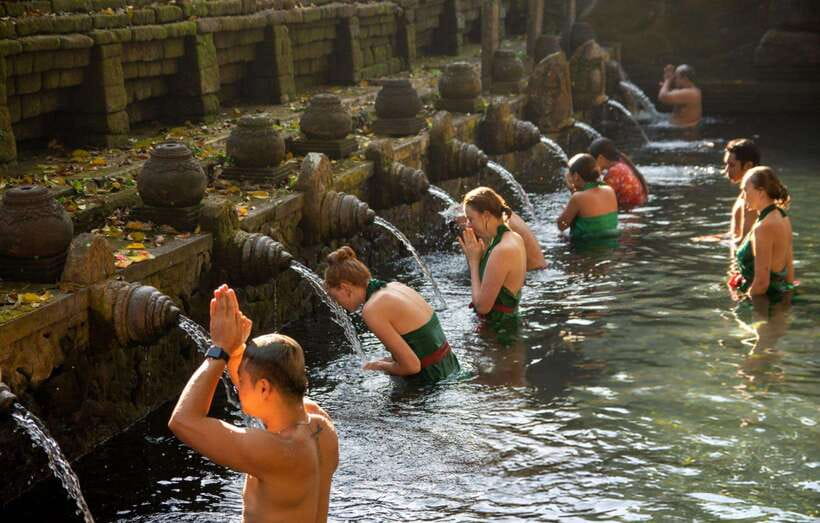
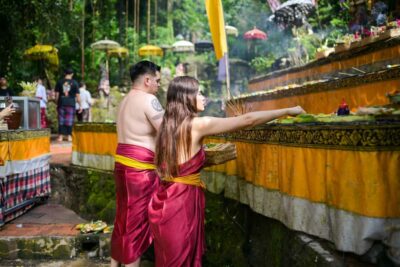
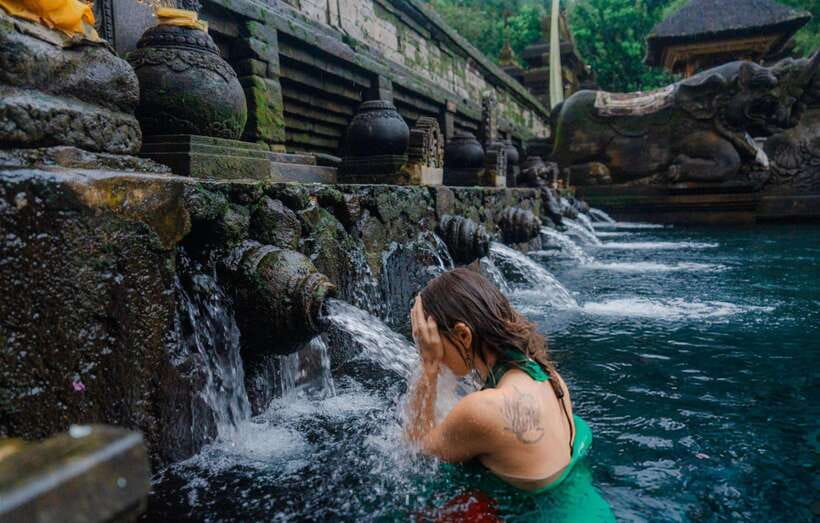
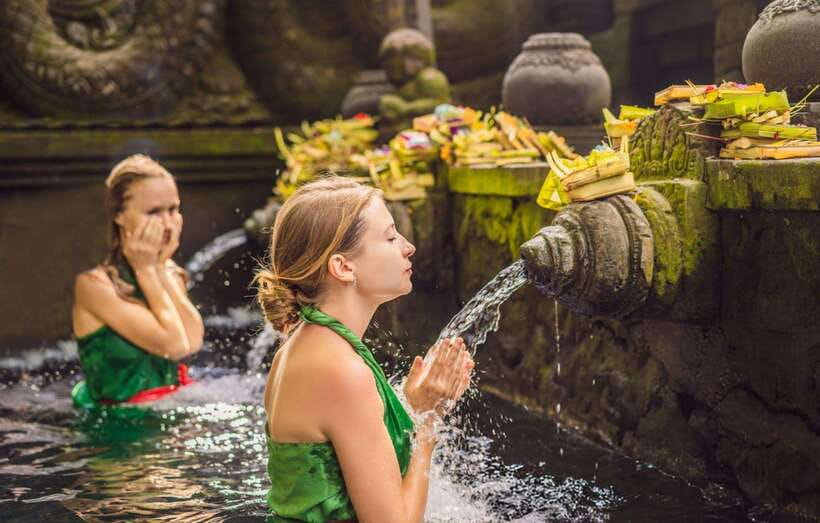
Tirta Empul is the cultural center of this tour, with about 2 hours allocated. The temple complex is dedicated to Vishnu and uses pools fed by natural springs. The water is believed to have healing and purifying powers, and the tour includes a guided visit with photo time.
Here’s what makes it meaningful for your day: it’s not just architecture and a quick look. You can participate in a traditional ritual cleansing in the holy waters, with the guidance you need so you know what’s happening and how to act respectfully.
A big practical takeaway from experience-style feedback: guides often help with temple readiness, including help with a sarong when needed. That kind of support matters because temple etiquette can be confusing when you’re on your own.
A couple of things to keep in mind:
- You will get wet. Change of clothes is genuinely useful here.
- It can be emotionally intense or simply personal—go at your own comfort level.
- Bring cash for small needs, since situations inside temples sometimes involve offerings or extra purchases.
Whether or not you do the full cleansing ritual, Tirta Empul is worth your time because it connects the water theme from the waterfalls to a deeper cultural meaning.

Tegallalang rice terraces: viewpoints, walks, and slow Bali air

After Tirta Empul, you finish at the Tegallalang Rice Terrace area. The tour includes photo stop, guided tour, and sightseeing, with about 1.5 hours for this final leg.
This is a different kind of beauty than the waterfalls. You’re in a patchwork of green terraces, with paths and viewpoints that reward taking your time. It’s also where a private guide makes the day easier—there are many ways to see the same view, and your guide can steer you toward the most comfortable walking route and the best angles.
Practical tips:
- Expect uneven ground on walk segments. Take your time.
- Wear something you can move in. Flip-flops are fine, but be aware of wet or muddy spots.
- If you care about photos, keep your phone accessible—this is the stop where golden-hour-ish lighting can make a huge difference, depending on the day.
Potential drawback: if you’re tired, the final walk can feel long. Pace yourself. This is the moment to enjoy the scenery more than chase the perfect shot.
Private car + English guide: how the day feels in motion
You’re not just paying for transportation. The private driver and English-speaking live guide shape how smoothly your day runs and how much you actually understand at each stop.
In the feedback patterns tied to this tour style, guides like Madia, Kadek, Pica, Sandi, Yande, Wirma, and Made Keliwon come up with the same theme: they’re attentive and help you feel comfortable. People also mention great photo support, including guides helping capture images and adjusting to requests on the fly.
You can also expect a “real day” feel from the small actions:
- helping with doors and stairs,
- holding items while you swim,
- guiding you through ritual steps,
- staying flexible if weather changes.
Weather matters in Bali. One review note specifically flagged that the day still worked out well even with rougher conditions. That’s another reason a private guide helps: you can adjust your pace and priorities instead of getting stuck with a rigid group schedule.
Price and value: is $21 per person actually fair?
At $21 per person for a roughly 7-hour private tour, this is priced as a value option, especially because it includes a private car and a private guide/driver.
Here’s how I’d judge value with this specific itinerary:
- You’re paying for time-intensive stops (two waterfalls, one major temple, and a rice terrace) rather than just a single attraction.
- You get included mineral water.
- Entrance fees are included if you choose the option—so confirm that part matches what you want.
What’s not included is meals, so you’ll want a simple plan for lunch (either bring something or budget for purchasing on your own). The good news is the coffee plantation stop may partly cover your mid-day needs if you’re not picky.
Overall, if you want a private Ubud day that hits multiple major spots without handling logistics yourself, this price point can make sense. If you only care about one place, you’d likely pay less doing fewer stops—so choose based on your travel style.
What to bring so the day doesn’t trip you up
This tour is simple, but the right items make it smoother.
Bring:
- Change of clothes (waterfalls and holy spring cleansing get you wet)
- Flip-flops (easy for wet areas and temple water zones)
- Cash (useful for small purchases or situations where cash may be expected)
Also, consider packing:
- a zip bag for phone and wallet (because water is part of the plan),
- a small towel if you run cold after swimming.
Who this Ubud tour suits best (and who should skip it)
This is a great fit if you:
- want a private Ubud day with a guided route,
- care about nature and culture in the same morning-to-afternoon mix,
- like photography but also want help moving through stops without stress,
- are comfortable with walking and getting wet.
You might think twice if you:
- want minimal walking and absolutely dry conditions,
- dislike temple rituals or water-related experiences,
- prefer to spend a full day in one area instead of traveling between multiple sites.
Should you book this Ubud tour?
I’d book it if your ideal Bali day looks like waterfalls first, then a meaningful cultural stop, then rice-terrace scenery to end the day on a calmer note. The biggest reason is the combination: you’re not just seeing Ubud, you’re getting its water story from nature to temple—while still having enough time for breaks like the coffee tasting.
Skip it if you’re only interested in one attraction or you’re traveling with very limited mobility, since you’ll handle short walks at multiple points and you may get wet at Tirta Empul and the waterfalls.
If you do book, my advice is to come ready for water, keep your phone protected, and trust your guide to handle the in-between moments like temple attire and photo timing. That’s where the experience tends to feel easy instead of chaotic.
FAQ
FAQ
What’s included in the tour price?
You get mineral water, a private tour with a private car, and a private guide and driver. Entrance fees are included only if you select the option that includes them. Meals are not included.
How long is the tour?
The tour duration is listed as 7 hours, with starting times varying based on availability.
What places are visited during the day?
The tour includes Kanto Lampo Waterfall, Tibumana Waterfall, a coffee plantation stop, Tirta Empul Holy Spring Temple, and the Tegallalang Rice Terrace.
Is this tour private or shared?
This is a private group experience, with your own guide and driver.
Does the guide speak English?
Yes, the live tour guide is listed as English.
What should I bring with me?
Bring a change of clothes, flip-flops, and cash.
Is there free cancellation?
Yes, free cancellation is available up to 24 hours in advance for a full refund.