Java can do dramatic in three days. This Malang-based trip strings together Tumpak Sewu Waterfall and the Bromo sunrise run, then follows with the early-morning scramble for Ijen’s crater views and possible blue flame. What I like most is the structure: you get the transport, park access, and guides where it matters, while you still get freedom at Ijen and control over your Bali stay. The main drawback is simple: it’s a sleep-light, long-drive kind of adventure, so you need solid fitness and a tolerance for cramped shared rides.
One more thing to plan around: Malang lodging is on you. You’ll arrive, do Tumpak Sewu, then sleep again before midnight Bromo pickup. After Bromo you’ll sleep in Banyuwangi (a dorm-style stay is included), and then you start Ijen in the late night/very early morning.
In This Review
- Key things you should know before you go
- Why this Java-to-Bali route makes sense (and saves you headaches)
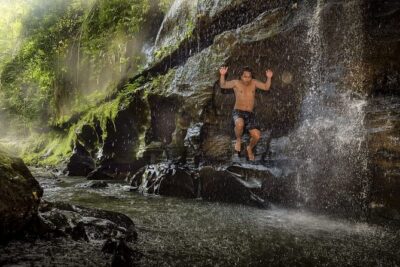
- Tumpak Sewu: waterfall walks, Goa Tetes, and getting properly damp
- Malang downtime: what to do with the long gap before midnight Bromo
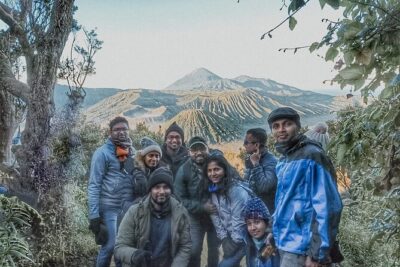
- Bromo at sunrise: the short hike, the jeep squeeze, and the crater walk
- Banyuwangi: the included dorm night that sets you up for Ijen
- Ijen trek and blue fire: what’s real, what’s conditional, and how to be ready
- Ferry to Bali and drop-off: the convenience you’ll feel right away
- Price and value at around $163 per person
- What to bring, what not to carry, and the fitness reality check
- Who should book this (and who should choose a slower pace)
- Should you book Malang to Tumpak Sewu, Bromo, Ijen, and Bali?
- FAQ
- Is accommodation in Malang included?
- Where do I sleep overnight during the trip?
- Are meals included?
- Do Ijen blue fire and sunrise guarantees happen every time?
- What gear is provided for the Ijen trek?
- What time does the Bromo sunrise day start?
- How do I get to Bali at the end?
- Is Bali drop-off included for solo travelers?
Key things you should know before you go
- Malang to Bali, handled for you: shared transport + ferry + direct drop-off to your Bali accommodation (with minimum 2 pax for the same destination).
- Tumpak Sewu includes cave and viewpoints: access covers Panorama, the waterfall area, and Goa Tetes Cave, not just one stop.
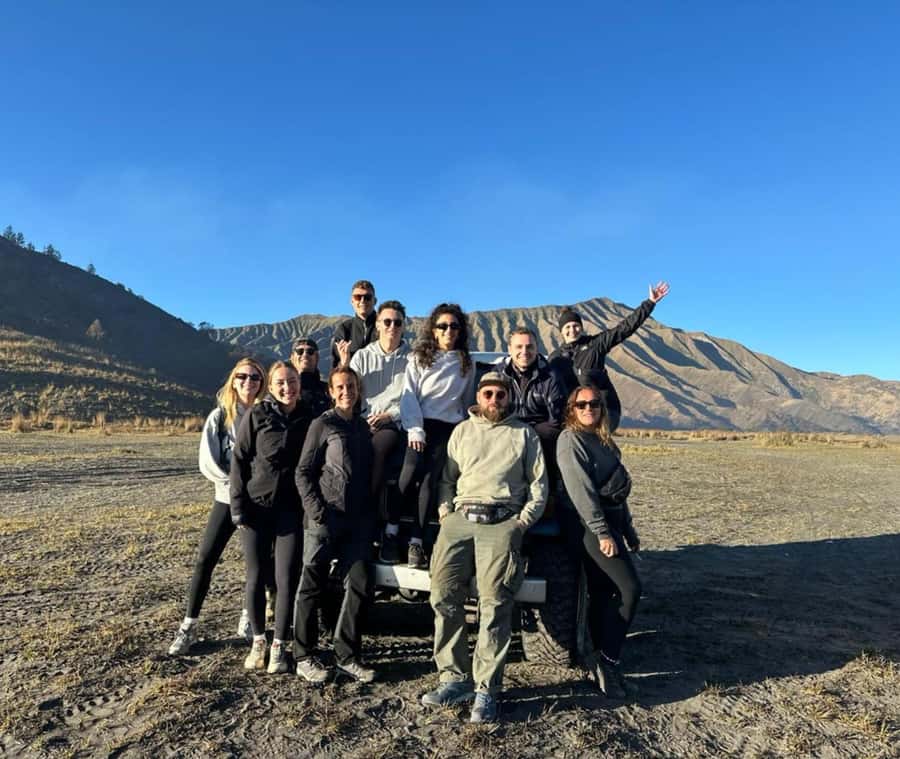
- Bromo sunrise is about timing: jeeps leave early to grab the best spot, then you do a short hike for sunrise and a crater walk afterward.
- Ijen is not a guaranteed blue fire show: sightings depend on natural conditions, and it can be restricted without notice.
- You get Ijen gear and a mandatory health certificate: gas mask + headlamp are included, plus an included clinic stop for documentation.
- It’s moderate fitness, but with real early starts: trekking plus minimal sleep, especially on Day 2 and Day 3.
Why this Java-to-Bali route makes sense (and saves you headaches)
This is a “big map, small time” itinerary, and it works because the plan is built around two realities of East Java: distances are long, and volcano access is all about early mornings. You’re starting from Malang, hitting Tumpak Sewu in the daytime, then shifting into night-and-dawn mode for Bromo and Ijen.
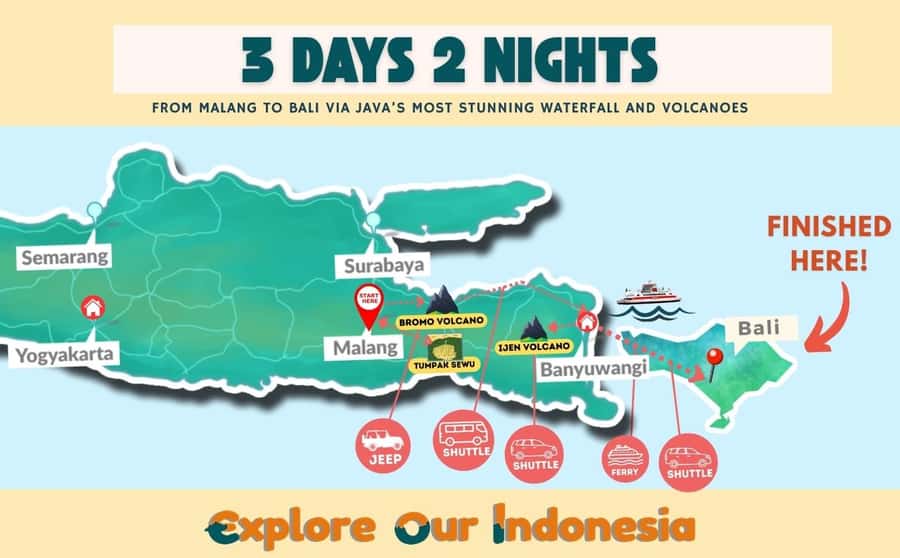
For value, the biggest win is that you’re not piecing together transport across multiple regions. You get shared transport from Malang to Tumpak Sewu, shared transport and a jeep ride to Bromo National Park, and onward road transfer to Banyuwangi. Then you get the late-night Ijen trekking logistics and finally the ferry crossing to Bali, with drop-off to your chosen place.
Also, it’s not “all guided all the time.” You’ll travel with local leaders where it counts (Tumpak Sewu and Ijen), but you’re not stuck hearing someone talk for every step. That matters when you’re trying to soak in a crater view or catch the right moment at sunrise.
Your main planning burden is outside the package: Malang accommodation and meals you didn’t get included. If you treat those like part of the trip planning (not an afterthought), the rest feels pretty smooth.
You can also read our reviews of more tours and experiences in Indonesia.
Tumpak Sewu: waterfall walks, Goa Tetes, and getting properly damp
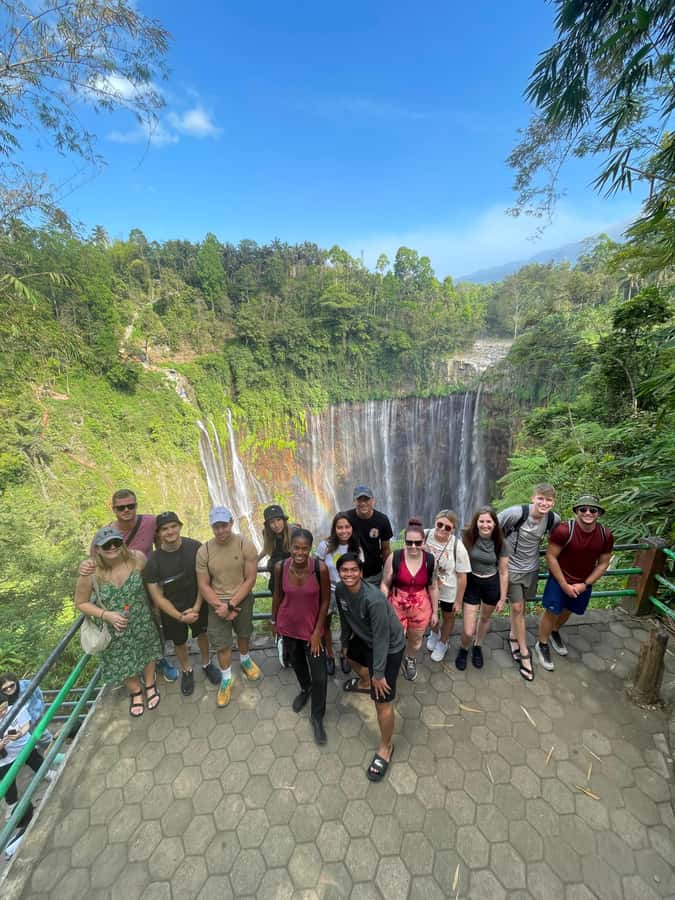
Tumpak Sewu is one of those places where you show up and immediately understand why people make the trek. On this trip, you start early from Malang—pickup around 05:00–05:30 AM, then about 2–3 hours on the road (roughly 64 km). You reach the parking area by about 07:30–08:00 AM, which is ideal for beating heat and crowds.
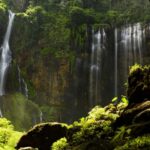
You’ll spend about 08:00–12:00 PM exploring. What’s included isn’t just a single viewpoint. Entrance covers multiple areas: Panorama, the main Tumpak Sewu waterfall area, and Goa Tetes Cave. A local trekking leader supports the route, which helps because the paths involve some walking and can get slippery.
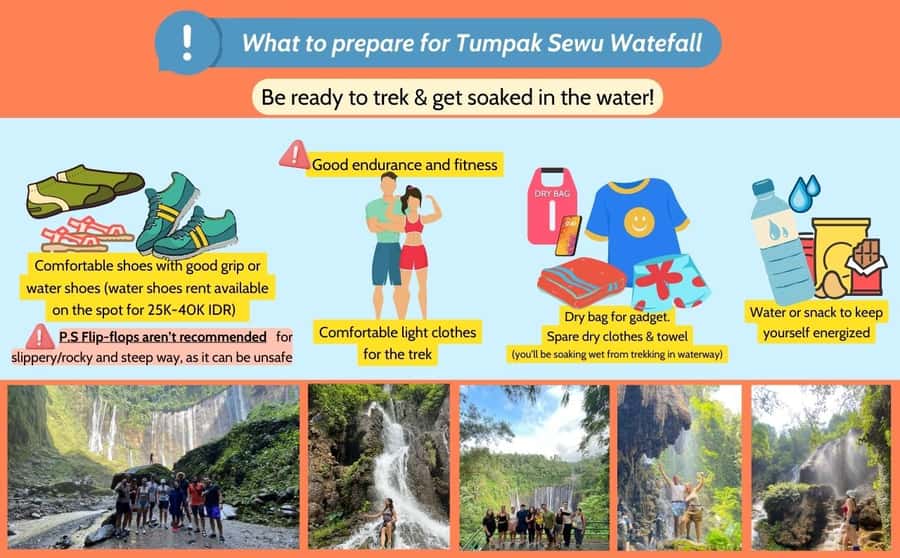
Here’s the practical part: plan to get wet. The itinerary explicitly calls for bringing spare clothes and a towel, and that’s not just a hint. Waterfall spray plus humidity means you’ll feel damp even if you avoid standing right on the busiest spots.
My takeaway for your planning: treat this as a walking day with occasional slippery footing, not a sit-and-snap photo stop. Pack shoes that can handle wet surfaces, and keep a waterproof bag ready for your phone and essentials.
Malang downtime: what to do with the long gap before midnight Bromo
After Tumpak Sewu, you drive back to Malang and arrive around 03:00 PM. Then you get a big stretch of free time—about 03:00 PM to 11:00 PM—before the Bromo jeep tour begins.
This downtime is not filler. It’s your chance to reset in a practical way:
- Rest and sleep when you can, not when you feel like it.
- Eat a proper dinner so you’re not running on stress and snacks.
- Do laundry or at least dry out gear from the waterfall if it’s damp.
Because the next day starts around midday-to-midnight timing, you’ll want to make sure your bag is ready to go. The trip notes you won’t return to Malang after Bromo—you’ll continue onward to Banyuwangi—so think of Day 1 as the last time you comfortably manage your packing.
If you’re prone to decision fatigue, use the free time to lock in your Malang accommodation and keep everything simple. The tour handles the big moves; you handle sleep and food.
Bromo at sunrise: the short hike, the jeep squeeze, and the crater walk
Day 2 is the one that tests your schedule. You’ll be picked up from Malang around 12:00–12:15 AM and driven to a sunrise viewpoint via the Malang entrance route. Arrival is around 03:00–04:00 AM, and you’ll likely wait 30–60 minutes because jeeps arrive early to secure the best spots.
Then comes the short hike—about 04:30–06:00 AM—for sunrise, usually around 04:45–05:30 AM. The timing matters here: you want to be moving enough to stay warm but not so frantic you waste the first minutes of daylight.
After sunrise, the plan shifts to crater access. You’ll return to the driver, continue to the Bromo crater parking area, then do a walk up to the crater by about 07:00–07:30 AM. You’ll spend roughly 08:00–08:30 AM enjoying crater views before heading out.
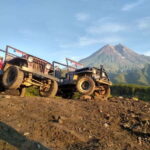
One honest consideration: shared jeeps can be cramped. The trip notes the cars fit 4–6 passengers, so be ready for tight space and a bumpy ride. This is normal for Bromo logistics, but it’s still something to plan for—especially if you’re tall, carry a bulky daypack, or dislike motion sickness.
Who this fits best: people who are okay trading comfort for timing. If you love sunrise and don’t mind early starts, this day feels worth the effort.
Banyuwangi: the included dorm night that sets you up for Ijen
After Bromo, you drive to Banyuwangi—about 6–8 hours by road. The expected arrival is around 07:00–07:30 PM, and you’ll have that evening to rest before Ijen.
This overnight is included as one night’s dormitory accommodation in Banyuwangi. “Dormitory” here means you should expect shared space rather than a private hotel room. Still, it’s clean and practical, and it’s exactly what you need: sleep, recharge, and keep your energy for the late-night Ijen trek.
This part is underrated. People focus on the crater moment, but the quality of your sleep the night before matters. You can’t control when you wake up for pickup, but you can control whether you treat that dorm night like a recovery session.
When you wake up and prepare for Day 3, don’t underestimate how cold or windy it can feel during early starts—even in the tropics. Bring a jacket, and keep your headlamp accessible.
Ijen trek and blue fire: what’s real, what’s conditional, and how to be ready
Day 3 starts in the late night. You’re picked up from Banyuwangi accommodation around 11:20–11:45 PM, then you stop at a local health clinic for a mandatory health certificate (included). After that, you continue to Ijen National Park.
You’ll arrive at Paltuding basecamp around 01:45–02:00 AM, meet your trekking leader, and take a coffee break (included). Then the trek begins around 02:00–04:00 AM. The summit trek is about 4 km, and you’ll also do crater exploration from roughly 04:00–06:30 AM.
Now, the blue fire part deserves clear expectations. The itinerary states blue flame sightings depend on natural conditions and may be restricted without prior notice due to safety or crowding. Translation: you should go for the crater itself and the atmosphere, not treat the blue flame as guaranteed.
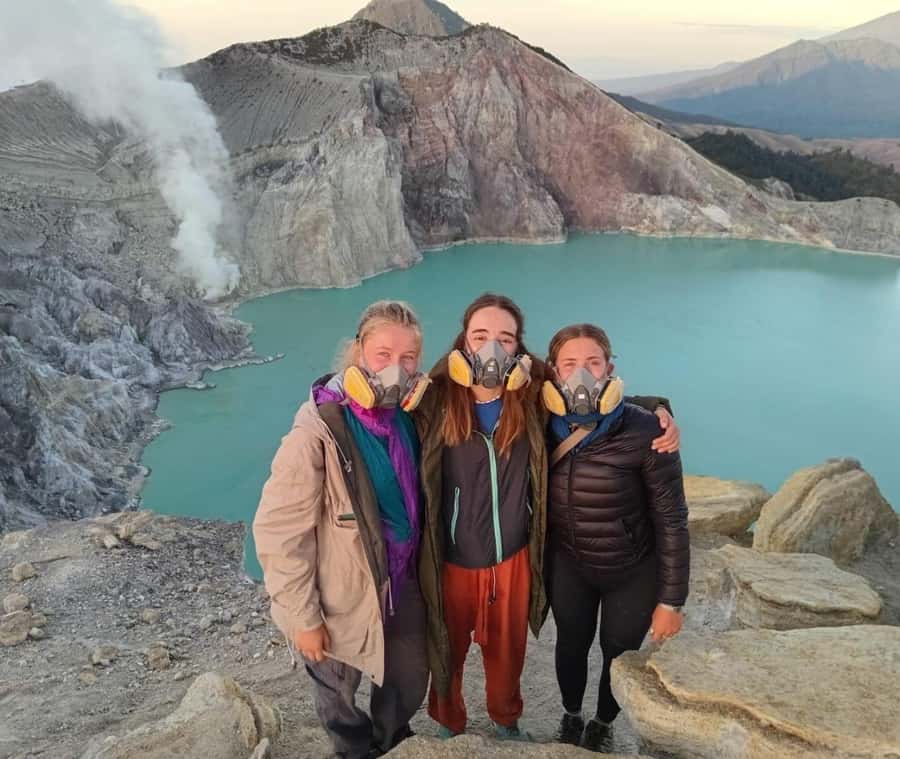
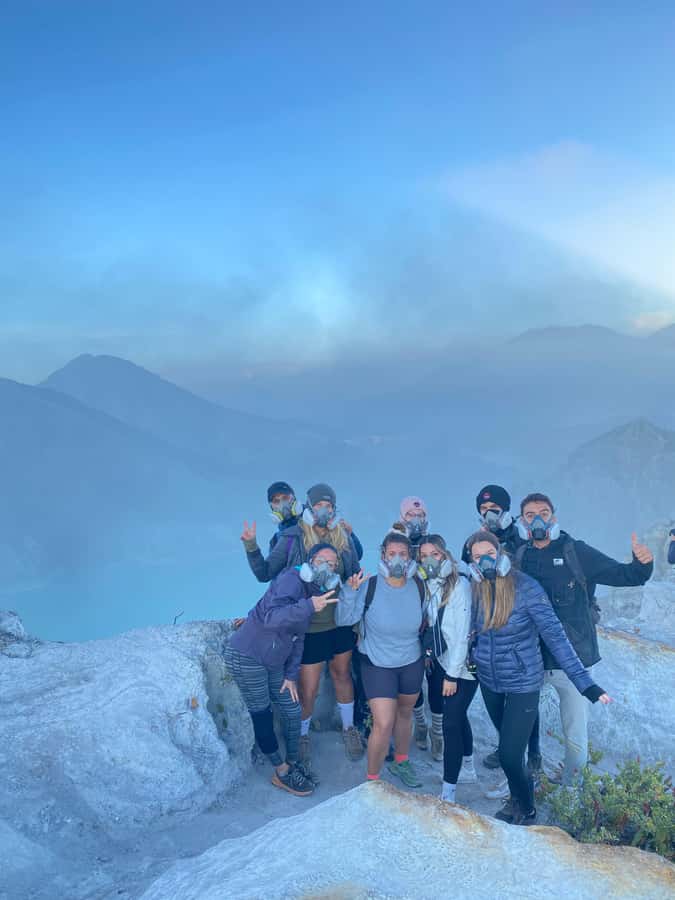
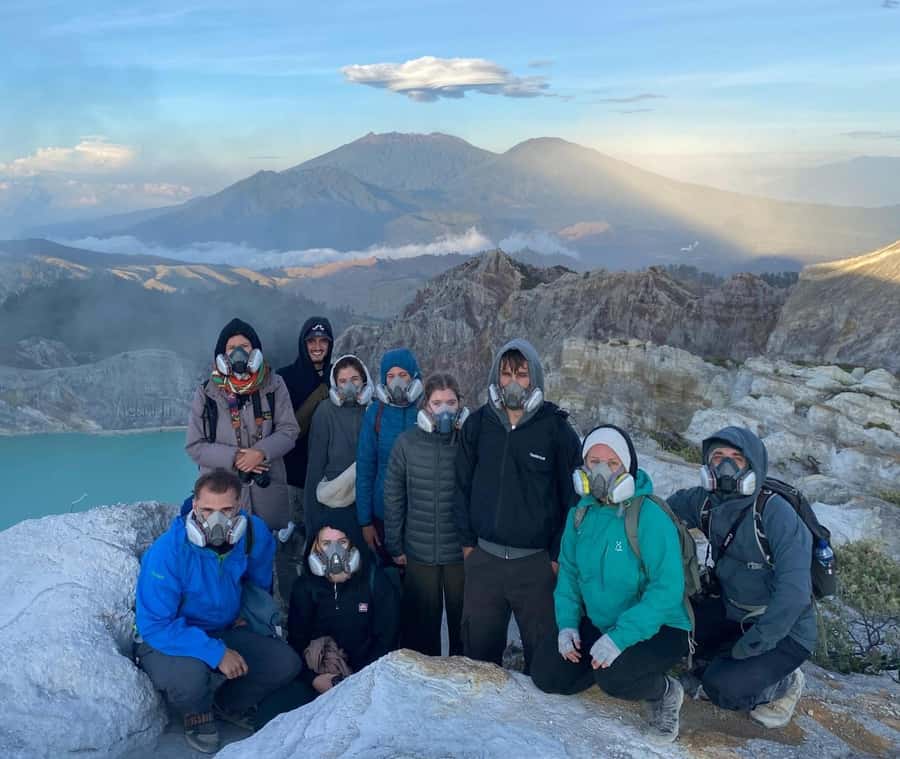
You’ll also get essential safety gear. The tour includes a gas mask and a headlamp for the Ijen trek. That’s a big deal because you’re moving in darkness and near sulfuric activity. Even with the gear, you still need to follow instructions closely because safety rules are non-negotiable.
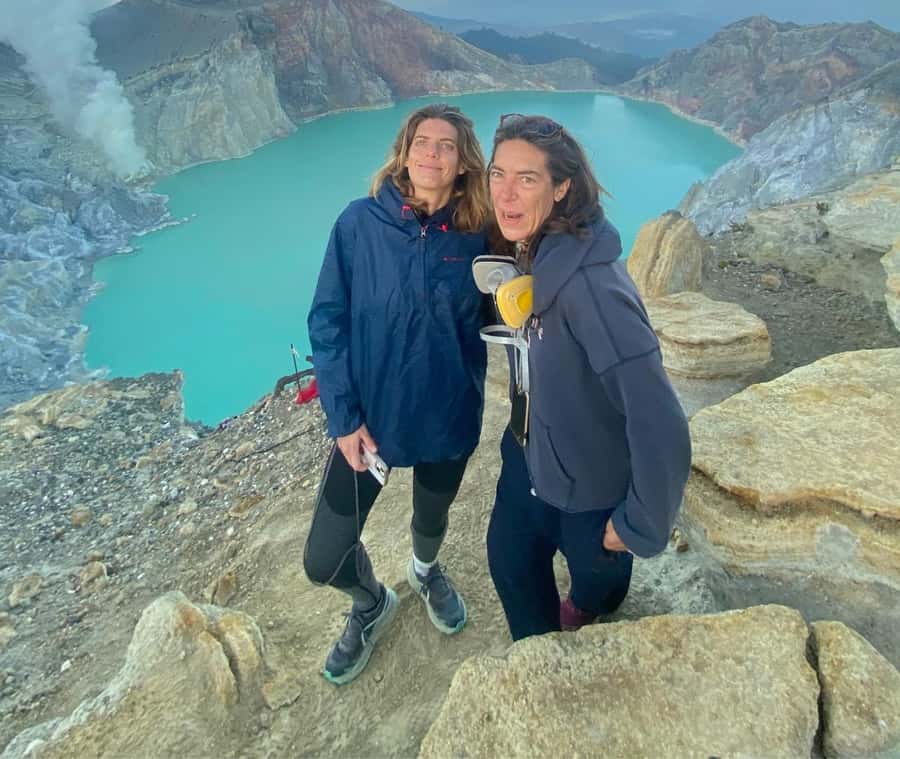
During crater time, you’ll have the chance to see the crater views, the activity around the rim, and potentially the blue flame. Afterward, you descend, have breakfast (included), and then continue back to your Banyuwangi accommodation to freshen up and prepare for the Bali ferry transfer.
My practical advice: pace yourself on the climb. The trip’s difficulty is partly about altitude-like fatigue and partly about minimal sleep. Go steady, keep your breathing controlled, and use the headlamp carefully so you’re not tripping in uneven ground.
Ferry to Bali and drop-off: the convenience you’ll feel right away
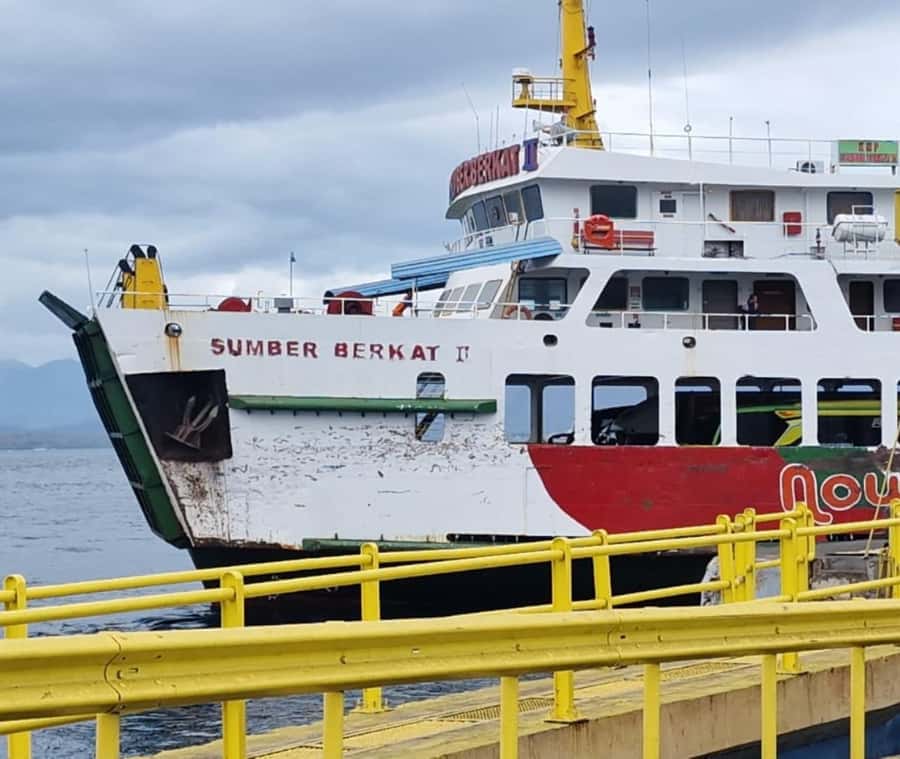
After Ijen, the itinerary builds a clean ending: you return to Banyuwangi for check-out around ~11:00 AM, then transfer to Ketapang Harbor. The ferry ride takes about 45–60 minutes, and you arrive in Bali with a direct drop-off to your chosen accommodation.
There are two key benefits to this setup:
- You’re not forced to solve transport from East Java to Bali on your own.
- Bali time is one hour ahead of Java (Bali is GMT+8), so the schedule shift is handled for you rather than confusing your day planning.
Also, the drop-off is included, but it has a condition: it requires minimum 2 pax with the same destination. If you’re a solo traveler, the trip notes Bali drop-off is available with an extra charge. If that matters to you, it’s worth confirming before you book.
This ferry day is usually calmer than the volcano days. You’re still moving, but it’s less physical. If you’ve been thinking about how to structure a Bali stay right after a volcano circuit, this is one way to make it workable.
Price and value at around $163 per person
At $163 per person for 3 days, this package earns its keep if you value two things: time saved on coordination and the fact that transport crosses multiple regions. You’re paying for:
- Shared transport and local access tied to Tumpak Sewu, including entrance fees for multiple areas and a leader.
- A shared jeep ride and National Park access for Bromo, including sunrise point entry and crater access.
- One night of Banyuwangi dorm accommodation.
- Ijen National Park access, a local Ijen guide, and required paperwork steps (the health certificate stop is included).
- Gas mask and headlamp for Ijen.
- The Ketapang Harbor ferry to Bali.
- Direct Bali drop-off to your accommodation (with the shared-destination condition).
What you pay extra for is also part of the deal: meals aren’t included except Indonesian lunch at Tumpak Sewu and breakfast after Ijen. Snacks and dinners are on you. Malang lodging is also not included.
So, is it good value? If you were to book each leg separately—Malang pickup, Tumpak Sewu access, Bromo sunrise jeep logistics, Banyuwangi transfer, Ijen guide + gear + certificate, then the ferry—you’d likely spend more time managing vendors. Time has a cost, and this package reduces that friction.
What to bring, what not to carry, and the fitness reality check
This trip asks for a practical packing approach. Bring:
- Comfortable shoes (you’ll want grip)
- Hat
- Change of clothes and a towel (for waterfall wetness)
- Jacket (early starts can feel cold at altitude)
- Sunscreen and water
- Snacks (not everything is included)
- Waterproof bag and waterproof shoes
Headlamp for Ijen is provided, but don’t assume everything else is taken care of. You still need to carry your own essentials.
What’s not allowed is also important for your bag plan. The trip says no luggage or large bags. That means you’ll want to travel light with a daypack that fits the flow of group movement. If you show up with a big suitcase, expect problems.
Fitness-wise, it’s listed as moderate, but the schedule adds strain. You’re trekking with minimal sleep and long road times. The trip is not suitable for children under 10, pregnant women, people with mobility impairments, heart problems, epilepsy, or people over 65, and those with pre-existing medical conditions or low fitness. If any of that applies, skip this one or ask for alternatives.
And one more rule for your budget: the trip notes you should return Ijen trek equipment to avoid charges. Bring the gear back as instructed and don’t assume it’s like a souvenir.
Who should book this (and who should choose a slower pace)
You’ll enjoy this route if you:
- Want to hit Tumpak Sewu, Bromo, and Ijen without planning a chain of separate bookings
- Can handle midnight pickups and waking up in the dark
- Prefer a balance of structure (transport and access handled) and flexibility (your own Bali lodging and most meals)
You might hate it if you:
- Want a relaxed schedule or full nights of sleep
- Dislike crowded group transport or cramped jeeps
- Need a private room at every stop (Banyuwangi is dorm-style, not a hotel)
Also, this is group travel. The trip states you must stay together and follow the local trekking leader for safety reasons, and independent exploration isn’t allowed. If you like wandering off alone to pace your photos, this setup won’t feel right.
Should you book Malang to Tumpak Sewu, Bromo, Ijen, and Bali?
I’d book it if your priority is maximum East Java volcano intensity with minimal logistics work. The route is built around the right time windows: early Tumpak Sewu, then sunrise timing at Bromo, then crater timing at Ijen. Add in the ferry to Bali and direct accommodation drop-off, and you get a complete East Java-to-Bali story in three days.
Before you hit Reserve, do three quick checks:
- Can you handle lack of sleep and long drives without getting miserable?
- Are you okay with no Malang lodging included (you’ll arrange that yourself)?
- Do you understand that blue fire is conditional and not something to count on as guaranteed?
If you can say yes to those, this trip is a strong deal at $163—especially because it includes the hard-to-organize bits: transport through multiple regions, Ijen gear, the health certificate step, and the ferry that finishes the story on Bali.
FAQ
Is accommodation in Malang included?
No. Accommodation in Malang before and after Tumpak Sewu is not included, so you’ll arrange your own stay. The trip suggests you can get recommendations if you want help choosing.
Where do I sleep overnight during the trip?
You get one night of dormitory accommodation in Banyuwangi included. The trip does not list a second included night in Malang.
Are meals included?
Only some meals are included: Indonesian lunch at Tumpak Sewu and Indonesian breakfast after Ijen. Other meals and snacks/drinks are not specified as included.
Do Ijen blue fire and sunrise guarantees happen every time?
No. Blue flame sightings are subject to natural conditions and may be restricted without prior notice due to safety or crowding.
What gear is provided for the Ijen trek?
The trip includes gas mask and headlamp for the Ijen trek. You’re also expected to return the equipment after the trek to avoid charges.
What time does the Bromo sunrise day start?
You’re picked up around 12:00–12:15 AM from Malang, arrive at the sunrise point around 03:00–04:00 AM, then do a short hike for sunrise around 04:45–05:30 AM.
How do I get to Bali at the end?
You transfer to Ketapang Harbor and take a ferry crossing to Bali (about 45–60 minutes). Then you get a direct drop-off to your chosen destination.
Is Bali drop-off included for solo travelers?
Drop-off is included, but the trip notes it requires a minimum of 2 pax with the same destination. For solo travelers, Bali drop-off is available with an extra charge, so you should confirm with the provider.