Rinjani summit tests your will. This 2-day, 1-night trek is all about reaching the top with a local English-speaking guide and a real focus on meals and snacks to keep you fueled, even when the ascent hurts. One watch-out: the final climb is genuinely hard, and not everyone makes the summit if your fitness or altitude tolerance isn’t strong.
I like that the operation is built for people who want less stress. You get porters, camp setup gear (including tents and mattresses), and a structured day-to-day rhythm—plus guidance from leaders like Apok and Salma, who sound like they keep things organized and upbeat. The main drawback to plan for is the tough physical demand, and the fact that some transfers can feel bumpy on a pickup truck.
In This Review
- Key things that make this Rinjani trek work
- Rinjani summit trek: what the 2-day, 1-night rhythm really means
- Getting started: pickup from hotels and the Senaru connection
- Day 1 on the trail: steady climbing, porters, and planned fuel
- Overnight on the mountain: camp comfort you don’t have to figure out
- Final summit push: where fitness meets timing
- Meals, gear, and group size: where the value shows up
- Timing and closures: when Rinjani trekking shuts down
- Who this trek is for (and who should skip it)
- Practical packing checklist (so you don’t regret it later)
- Should you book Star Rinjani for the Mount Rinjani guided summit trek?
- FAQ
- What’s included in the Mount Rinjani 2-day 1-night guided summit trek?
- What’s not included, so I should plan for it?
- How many people are in the group?
- Are meals and water provided during the trek?
- What months are Rinjani treks closed?
- Who is this trek not suitable for?
- Can I get a full refund if I cancel?
- Is alcohol or drug use allowed on the trek?
Key things that make this Rinjani trek work
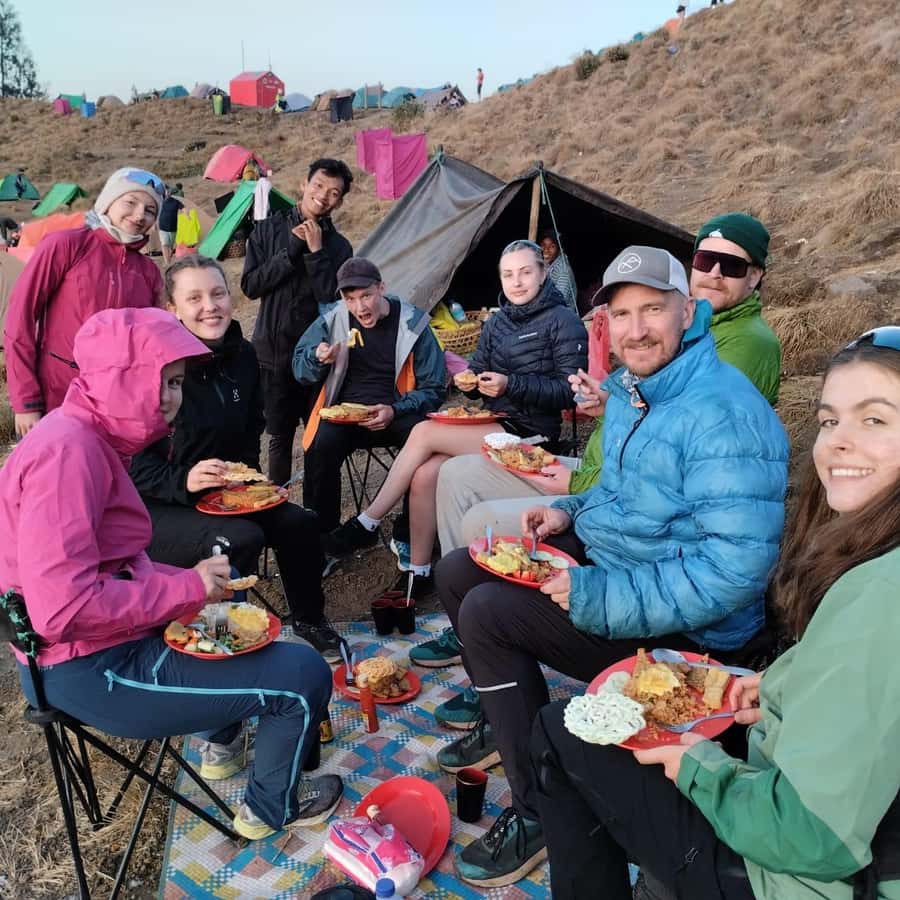
- Small group (up to 4) means less waiting and more attention on pace, footing, and questions.
- Guides you can actually talk to in English help you understand what’s happening before the hard parts.
- Meals + extra snacks + water are planned into the trek, which matters when energy drops.
- Camp gear included (tents, toilet tents, mattresses, cooking gear) so you’re not scrambling with supplies.
- Overnight on the mountain breaks the summit push into a more realistic 2-day rhythm.
- You must bring the right basics (especially flashlight), because the trip includes camp gear but not everything wearable.
Rinjani summit trek: what the 2-day, 1-night rhythm really means
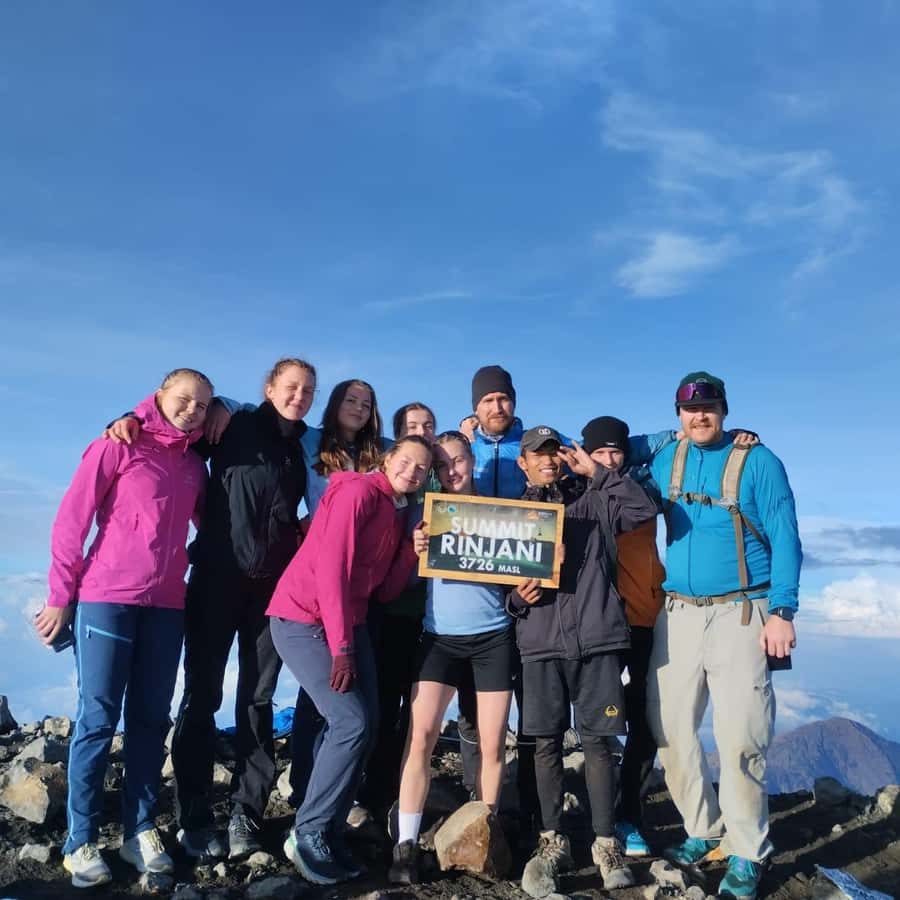
This is a summit-focused trek. The idea is simple: you hike during the day, sleep on the mountain, then go for the summit when conditions are best the next morning. That “two days, one night” structure is valuable because it spreads effort across time. Instead of rushing everything into one brutal day, you get a camp night where you can eat, settle in, and recover a bit before the final push.
Now, the honest part. The summit day is the make-or-break moment. You should mentally prepare for a steep grind. Even with a good guide, not every participant will reach the top. That’s not a failure of the trip—it’s just Rinjani doing what Rinjani does. If you’re unsure about your altitude tolerance or endurance, treat that as a signal to train first or pick a different plan.
One more reality check: Rinjani is not the place for a casual “I’ll be fine.” You’ll be moving for long hours, carrying your own daypack, and walking on uneven ground where fast pace can turn into sloppy steps. A small group helps here, because you’re less likely to get separated from your guide’s attention.
You can also read our reviews of more tours and experiences in Indonesia.
Getting started: pickup from hotels and the Senaru connection
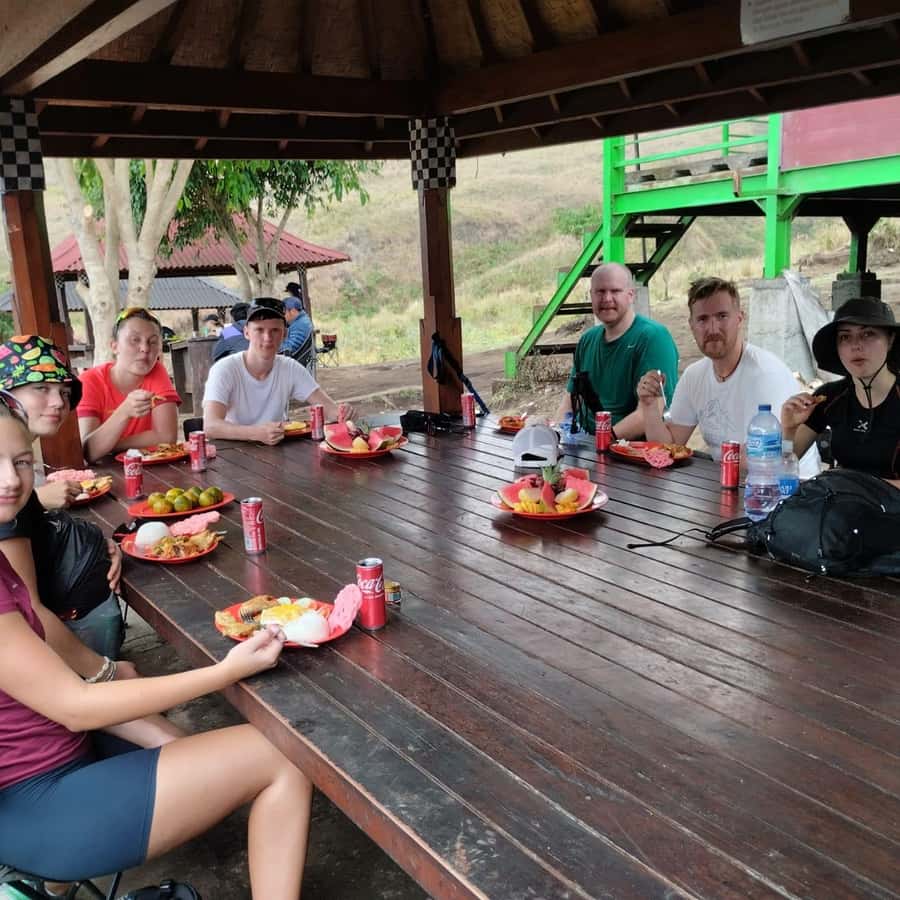
The trek includes pickup from selected hotels, and it also includes transportation pick up from Senaru. That matters because Rinjani treks often lose people time-wise when transfers are unclear. Having pickup arranged reduces the chance you’ll arrive late to the trail start.
Still, do plan for comfort issues during the transfer. At least one person reported about an hour in a pickup truck that hurt the back. It’s not the fault of the trek itself, just a reminder to bring a small comfort item: a compact seat cushion or even a folded layer for padding can save your mood before the climb.
After the trek, drop-off is not listed as included. Some guests said the team offered free rides like shuttles after finishing (for example toward Bangsal Port). That’s a nice bonus when it’s available, but don’t assume it’s guaranteed for every departure. If you have a boat connection or another plan, ask ahead where you’ll end up and what transport is covered.
Day 1 on the trail: steady climbing, porters, and planned fuel
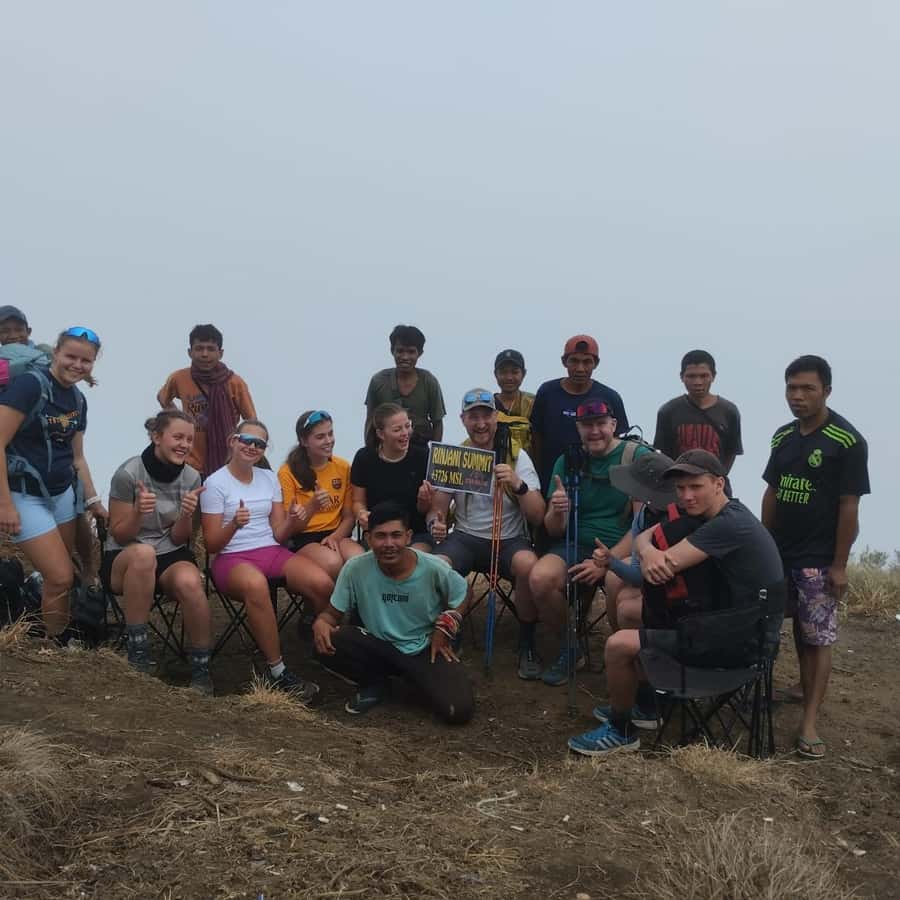
Day 1 is your long hike up to your first camp area. You’ll be working your way uphill with the support setup that comes with this package. The big advantage isn’t just that you have a guide. It’s that you also have local porters handling a lot of the heavy lifting, so you can focus on walking, breathing, and keeping your legs under you.
Food is part of how day 1 stays manageable. Meals included during the trek include breakfast, lunch, and dinner, and the team adds extra snacks and water between meals. That sounds basic until you’re already tired and your energy starts slipping. On a mountain trek, planned snack timing is what keeps you from bonking at the wrong moment.
The guide’s job goes beyond route-finding. You’ll want someone who keeps an eye on pacing and weather changes. In the experience you’re reviewing here, the guides are described as friendly and helpful—often with a fun, human side. Names that come up include Apok, Ijan, and Arif. That kind of team vibe tends to matter on day 1 when you’re still building momentum and deciding whether you can comfortably hold your pace.
What to watch for on day 1:
Short pauses are normal. Take them.
Stick to steady steps over speed.
Don’t overdo the first hours because you feel good. Rinjani punishes that later.
Overnight on the mountain: camp comfort you don’t have to figure out
Overnight stay on the mountain is included. That’s the heart of a 1-night trek: it turns the summit day from an all-day sprint into a follow-up push after you’ve slept (even if sleep isn’t perfect).
You’ll have tents, toilet tents, and mattresses, plus cooking gear. Those inclusions make a real difference. If you’ve ever done multi-day treks where camp setup becomes chaos, you’ll appreciate that someone else is doing the work. Even the “small” pieces matter when the weather gets cold at altitude. Mattresses help. Toilet tents help. The whole camp setup helps.
Flashlight needs special mention. A flashlight/headlamp is not included, but bringing one is on the list of what to bring, and it makes sense. Even if the trek is organized, you’ll still be dealing with dark conditions around the camp area.
One more camp note from a real-world report: someone mentioned a tent that couldn’t close properly. The guide tried to fix things, but it wasn’t fully successful. You can’t control every tiny camp setup issue, so come prepared to handle cold and damp conditions with your own clothing layers and a reliable light.
Final summit push: where fitness meets timing
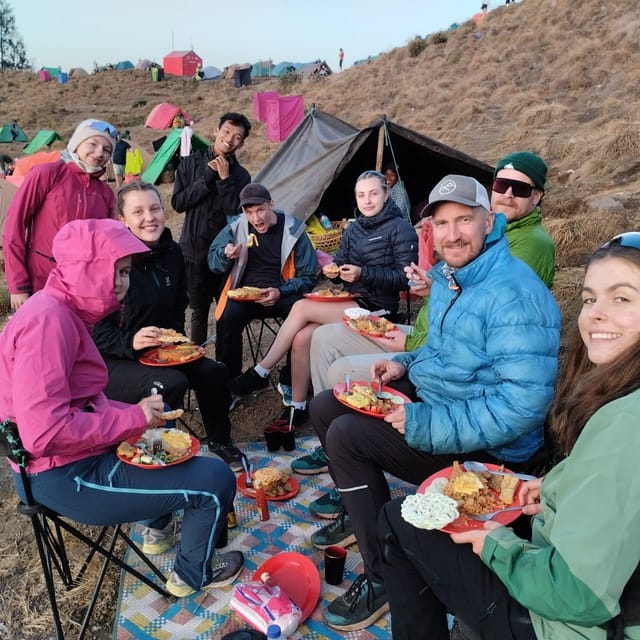
This is the part everyone talks about, and for good reason. The final ascent is really hard, and the climb can be steep enough that some people turn back before the top. A strong guide helps you read your body and your timing. In the descriptions from past trekkers, guides like Apok and Ijan (including Ijan’s father) are highlighted as sweet, helpful, and supportive—exactly the kind of energy you want when your legs start arguing with you.
The summit day also tends to be the most emotionally “loud” part of the trek. When you’re dragging, it’s easy to feel stressed. When you reach views you’ve waited for, the feeling swings the other way fast. That’s why people remember this trek as an achievement, even if it takes a lot of grit to get there.
Practical advice for summit day:
Start where you can keep consistent breathing.
Treat the summit like a long conversation with your legs, not a race.
If you feel altitude trouble, don’t push “hero mode.” This trek is not suitable for people with altitude sickness.
Also, keep in mind the “group up to 4” setup. A small group reduces the chance you’ll lose your bearings in a crowd. But you’ll still want to follow your guide’s pacing, not everyone else’s.
Meals, gear, and group size: where the value shows up
At $126 per person, this trek is positioned as affordable. The value isn’t just the price tag. It’s what’s included.
Big inclusions that help you save money and hassle:
- English-speaking local guide
- Local porter
- Trekking insurance
- Tents, toilet tents, mattresses
- Cooking gear
- Meals (breakfast, lunch, dinner) plus extra snacks and water
- Storage room and parking area (helpful for your pre-trek logistics)
- Trekking equipment provided for the camp setup, including tent infrastructure and mattresses
Then there are the not-included items that become your responsibility:
- Trekking poles (bring your own if you use them)
- Head light/flashlight (bring a reliable light)
- Jacket and clothing (you’ll need your own layers for cold air and possibly damp conditions)
This is why it’s a “value” trek. If you show up with the correct clothing and a light, you’re not forced into last-minute gear rentals. And since the guide support is emphasized (including help with rentals you don’t have), you may find the team flexible if you’re short on a few items.
Group size is another value driver. Limited to 4 participants, you’ll be more comfortable with questions and guidance. You also spend less time waiting around if someone needs a pause or extra help adjusting.
Timing and closures: when Rinjani trekking shuts down
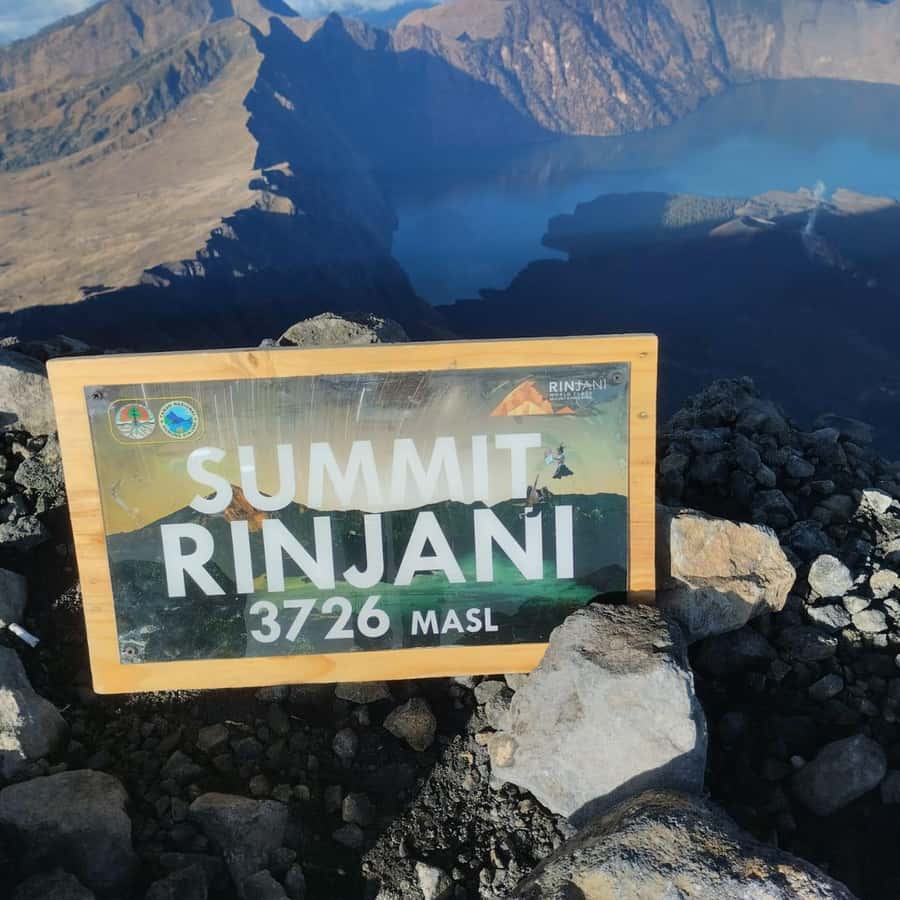
There’s a clear seasonal warning here. Rinjani trekking is closed in January, February, and March due to the rainy season. That means you should plan outside those months if your goal is a summit trek.
Rainy season affects more than just comfort. It can affect safety, trail conditions, and overall trekking reliability. If your trip dates fall inside those months, you’ll need to shift your travel plan.
When you travel outside closure months, still expect changing mountain weather. Bring layers you don’t mind getting dirty, because trail dust and mud happen. The trek also calls for clothes that can get dirty, plus a change of clothes so you’re not stuck in damp fabric after sweating for hours.
Who this trek is for (and who should skip it)
This trek is not for everyone. It’s listed as not suitable for:
- Pregnant women
- People with altitude sickness
- People with low level of fitness
That’s not just legal wording. A summit trek at altitude asks for steady endurance and mental focus, not bravery after the fact. If you’re new to hiking, you might still be able to do it—if your fitness is strong and you train for long, uphill days. But if you know your fitness is low, treat this as a sign to build capacity first.
Who will likely love it:
- You want a guided summit attempt with a small group
- You value having porters and camp setup handled
- You prefer structure: meals on the schedule, not “figure it out” trekking
- You’re excited by the challenge and the sense of achievement at the top
Practical packing checklist (so you don’t regret it later)
You’ll be happiest if you pack like it’s a real mountain sleep + hard hike combo. Bring:
- Comfortable shoes (non-negotiable)
- Change of clothes
- Camera
- Cash
- Clothes that can get dirty
- Flashlight (headlight/flash light not included)
- Daypack
- Charged smartphone
And a safety/comfort note: alcohol and drugs are not allowed. Keep the trip focused and straightforward.
Because jacket and clothing aren’t included, plan your layers. Cold at altitude can be sneaky. Also, if your transfer involves a bumpy ride, bring something to make that part easier on your body.
Should you book Star Rinjani for the Mount Rinjani guided summit trek?
If you want an affordable, guided summit attempt with the heavy camp work handled, this is a strong option. The included package hits the big needs: guide, porters, meals, camp setup gear, and trekking insurance. The small group size (up to 4) also fits how Rinjani should feel—supported, not crowded.
Book it if:
- You’re fit enough for a tough final ascent
- You can bring your own flashlight and appropriate layers
- You want structure (food timing, guide support, camp comfort)
Skip it or reconsider if:
- You’ve struggled with altitude before
- Your fitness is low and you can’t commit to getting stronger
- Your travel dates land in the closed season (January–March)
If you do book, do one simple thing that makes the whole trip better: confirm your pickup and your end location after the trek. Transport after finishing isn’t listed as included, even if some teams offer helpful shuttles. Ask clearly so your next move is easy.
FAQ
What’s included in the Mount Rinjani 2-day 1-night guided summit trek?
The package includes pickup from selected hotels, trekking insurance, a local English-speaking guide, a local porter, and trekking equipment for the camp setup (including tents, toilet tents, and mattresses). Meals are included (breakfast, lunch, and dinner), plus extra snacks and water. You also get cooking gear, overnight stay on the mountain, and transport pickup from Senaru, along with parking and a storage room.
What’s not included, so I should plan for it?
Trekking poles are not included. You also need to bring a head light/flashlight, plus your own jacket and clothing. Trekking pole and cold-weather clothing are on you, not the operator’s list.
How many people are in the group?
This trek is run as a small group, limited to 4 participants.
Are meals and water provided during the trek?
Yes. The trek includes breakfast, lunch, and dinner during the hike, plus extra snacks and water along the way.
What months are Rinjani treks closed?
This trek notes closure during January, February, and March due to the rainy season.
Who is this trek not suitable for?
It’s not suitable for pregnant women, people with altitude sickness, and people with low level of fitness.
Can I get a full refund if I cancel?
Yes. Free cancellation is available up to 24 hours in advance for a full refund.
Is alcohol or drug use allowed on the trek?
No. Alcohol and drugs are not allowed.