Vintage jeeps make Bali roads feel like a movie. I love riding the vintage cabriolet Volkswagen jeep through real countryside, not just main roads, and I love how Tanah Lot sits on an outcrop while waves keep crashing right under the temple. The day runs early (pickup at 7:00 AM), and you’ll want to travel light because luggage or large bags aren’t allowed.
This safari also works because it’s not only about photo stops. You get a ceramics look in Pejaten, then a Balinese house lunch where you’ll hear how daily life, culture, and even house architecture connect to Hindu Dharma ideas of harmony and alignment. The only drawback I’d flag is that how much you learn can depend on the guide in your vehicle—some days feel more like expert driving plus helpful context, and less like a deep lecture about every temple detail.
If you’re lucky enough to ride with a guide like Putu, Nyoman, Froggy, or Eric (names you’ll see tied to standout experiences), the whole thing clicks. I’d book this if you want a fun, efficient way to see Tabanan-area countryside, villages, temples, and rice fields in one solid morning-to-afternoon loop—without the usual big-tour bus vibe.
In This Review
- Key points to know before you go
- Entering The Vintage VW Safari Loop
- Pickup Zones and the 7:00 AM Start
- Tanah Lot Temple: Waves, Outcrop, and Photo Stops
- Pejaten Village Ceramics: Watching Craft Up Close
- Lunch at a Balinese House: Culture, Architecture, Harmony
- Riang Darma Rice Fields Walk: A Calmer Afternoon Pace
- Price and Logistics: Is $50 Really Good Value?
- Driver vs Guide: A Small Reality Check
- Who This Tour Fits Best (and Who Might Prefer Something Else)
- Should You Book This Bali Vintage VW Jeep Countryside Safari?
- FAQ
- What time does pickup start?
- Where can I be picked up from?
- How long is the tour?
- What’s included in the price?
- Do I need to buy entrance tickets?
- What language is the tour guide?
- What happens during lunch?
- What should I bring?
- Are large bags allowed?
- Is the tour suitable for wheelchair users or young children?
Key points to know before you go
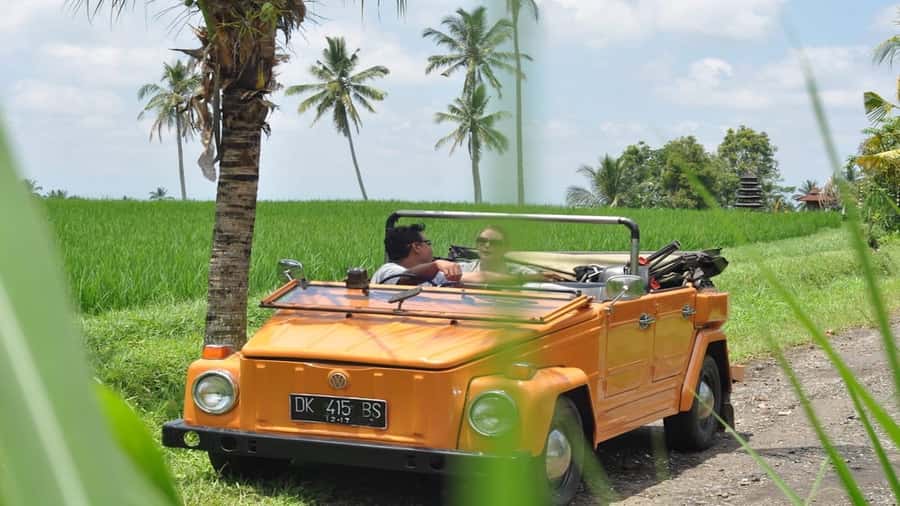
- Vintage cabriolet VW jeep rides make the countryside feel special, not rushed.
- Tanah Lot at the coast: a thousand-year-old temple perched over pounding waves.
- Pejaten ceramics focus: watch how local craftsmen make pottery and ceramics.
- Balinese house lunch includes culture and architecture tied to Hindu Dharma harmony.
- Riang Darma rice fields walk gives you a calmer, more personal feel for rural Bali.
Entering The Vintage VW Safari Loop
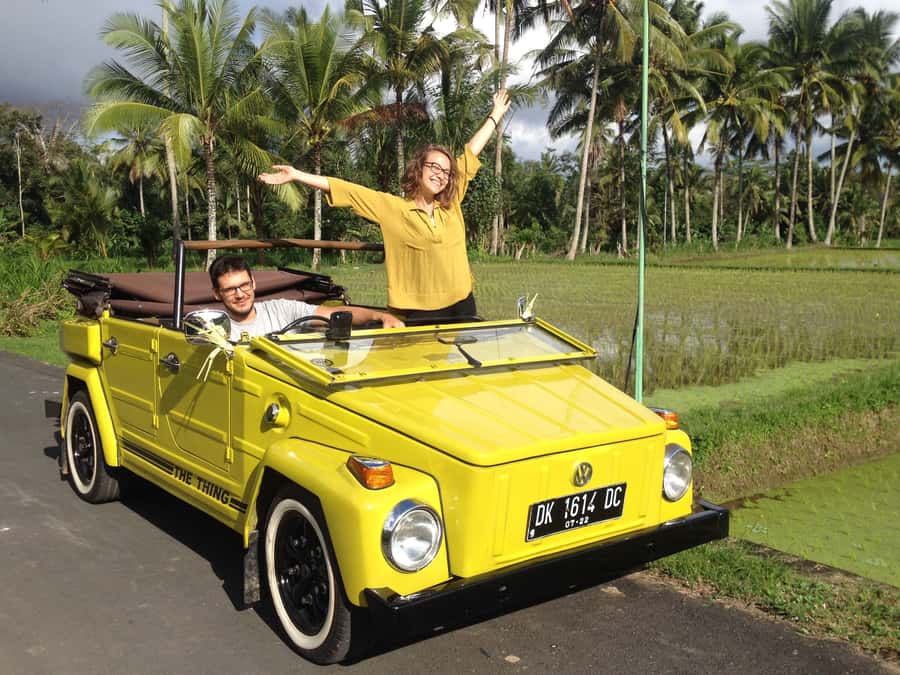
This tour is built around a fun contrast: modern Bali is just outside your windows, but your ride keeps pulling you into quieter Tabanan-side countryside. The star is the vintage cabriolet Volkswagen jeep—open-air enough that you can actually enjoy the road, the breeze, and the small roadside moments that buses miss.
You’re also set up with a professional driver and a live tour guide in English, so you’re not just dropped at sites with a map and good luck. In practice, that means you can ask questions while you’re moving between stops, when it’s easiest to learn and not only when you’re standing in front of a monument.
Timing matters here. Pickup is at 7:00 AM, and the day is organized into a morning temple stop, a village/crafts segment, lunch at a local home, and an afternoon rice-field walk. If you’re the type who hates feeling rushed, bring sunglasses, water, and a calm attitude—the morning pace is part of why you get a packed but enjoyable route.
You can also read our reviews of more tours and experiences in Bali.



Pickup Zones and the 7:00 AM Start
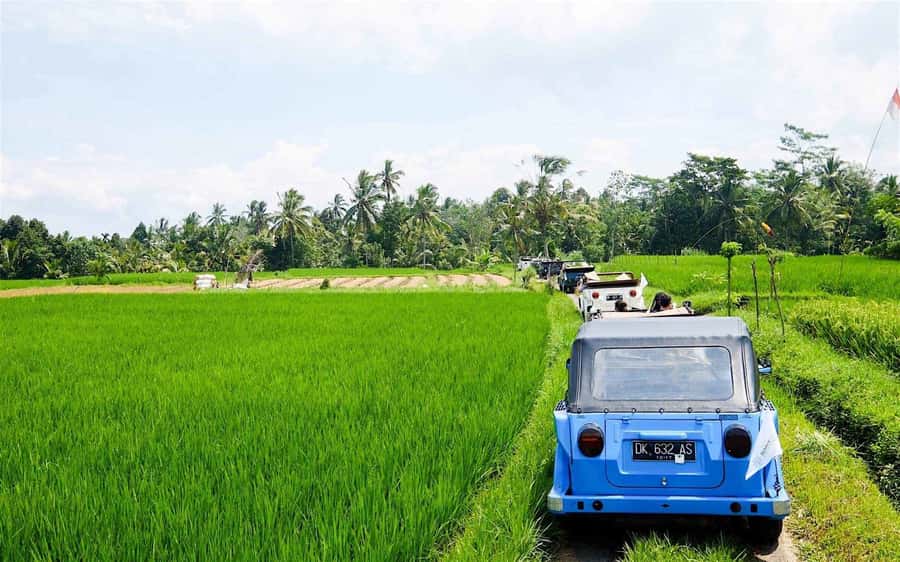
Your day begins with hotel pickup, and the tour lists a wide set of pickup areas. You should be able to request pickup from places like Nusa Dua, Jimbaran, Kuta, Legian, Seminyak, Tuban, Sanur, Canggu, Uluwatu, and Ubud, with additional options shown as Ubud, Kuta Selatan, Kuta, Denpasar, and North Kuta.
The big practical point: you’ll want to be ready before 7:00 AM. A 7:00 AM pickup means you’ll likely be back out in the countryside before the hottest part of the day, and it also helps you experience Tanah Lot without feeling like you’re always chasing time.
There’s one more logistics note that can affect your comfort. The tour isn’t friendly to bulky packing because luggage or large bags aren’t allowed. Bring a small day bag, keep essentials accessible (sunscreen, camera, maybe a light layer), and wear shoes that can handle walking on uneven ground.
Tanah Lot Temple: Waves, Outcrop, and Photo Stops
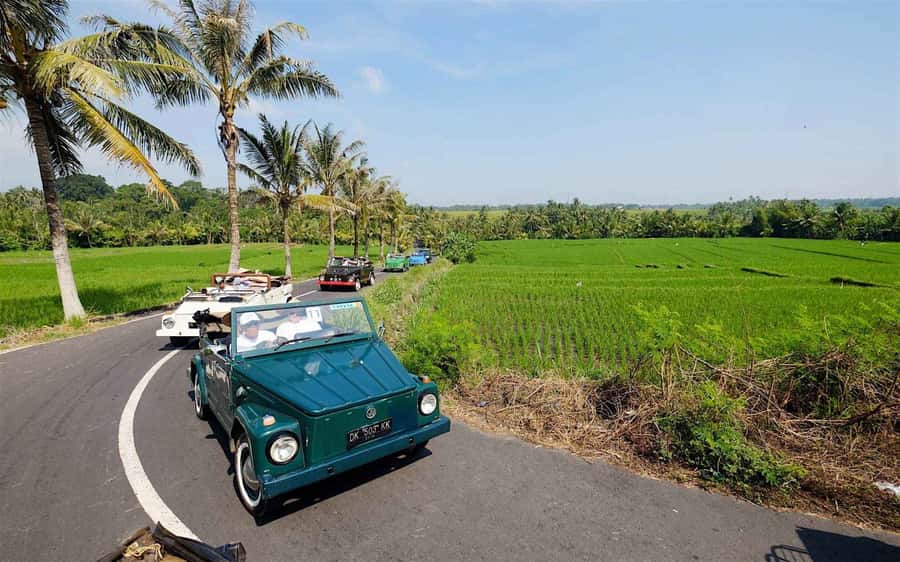
Tanah Lot is the headline for a reason. This thousand-year-old temple sits on an outcrop above the sea, and the description isn’t exaggerating when it says the waves keep crashing constantly around it. You’ll get a photo stop and sightseeing time here, and it’s one of those places where the scenery changes fast—because the ocean does.
What I like about this stop is how it blends sacred space and natural drama. You’re not just viewing a structure; you’re looking at the way the coastline and the temple location interact. Even if you don’t consider yourself religious, it’s still a meaningful way to understand Balinese priorities: land, water, timing, and the idea that certain spots are set apart.
Plan for sun and glare. Tanah Lot sits along the coast, so the light can be intense and reflections off the water can be strong. Sunglasses and a hat aren’t optional accessories; they’re your comfort gear for a long outdoor stretch.
Also keep expectations realistic. Your time here is scheduled for sightseeing and photos, not a slow, deep guided tour of every carving and story. If you love detailed explanations, ask questions during the stop or while you’re driving in—this is when you can get the most value from your guide.
Pejaten Village Ceramics: Watching Craft Up Close
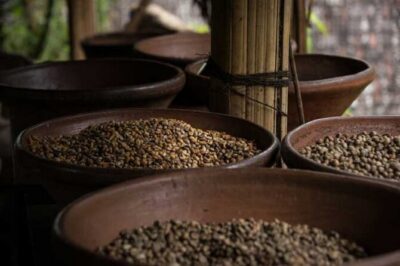
After Tanah Lot, you head toward Tabanan and Pejaten Village, known for pottery and ceramics. The big win here is that you get to see how local craftsmen create ceramics as part of your route, rather than treating crafts as a quick souvenir stop.
This segment pairs well with the VW jeep ride because it shifts you from coastal scenery into village life. You’ll likely spend around two hours in the broader Tabanan-area class/sightseeing block, and Pejaten is where the ceramics focus happens. The vibe is hands-on observation: learning what materials and methods matter, and getting a sense for why this craft has a place in daily life.
Here’s how I’d think about this stop before you go: ceramics is one of those skills where technique is visible, but the meaning comes from context. You’ll get the context—who makes it, how it’s produced, and how it connects to local culture. That turns a ceramic purchase from a random memento into something more personal, because you’ve actually watched the work happen.
If you’re hoping to buy something, don’t rush. Take a breath, look at how pieces are shaped, and decide what you’d actually use back home. The point isn’t just to collect—it’s to understand.
Lunch at a Balinese House: Culture, Architecture, Harmony
Lunch is where this tour earns extra points. Instead of a generic roadside meal, you eat at a Balinese house, and you learn about daily life, culture, and architecture tied to Hindu Dharma principles. The description is specific: the idea that objects in the universe must be correctly aligned at all times to achieve harmony.
That might sound abstract, but in person it usually makes more sense. When you hear how physical layout and order relate to spiritual thinking, the house stop stops being a novelty photo opportunity. You start noticing alignment, placement, and the practical logic behind the space.
You should also expect a comfortable cultural shift. This is one of the few times during the day when the route slows down enough for real conversation. It’s also a good moment to ask your guide questions like how Balinese families structure daily routines or what visitors often misunderstand about Hindu Dharma practices.
Bring patience with you, because meals take time. This isn’t a 20-minute fuel stop. It’s a sit-down lunch built around learning, and that’s part of why the tour feels worth the price.





Riang Darma Rice Fields Walk: A Calmer Afternoon Pace
After lunch, you move to Riang Darma village for a walk through rice fields and time to interact with local farmers. This is your break from the more structured temple and crafts stops. The walk is a chance to stretch your legs, enjoy the countryside, and see agriculture from the inside rather than as a background for Instagram.
The best advice here is simple: go slow. Rice field paths can be uneven, and you’re walking in a humid climate. Comfortable shoes matter, and so does a hat plus sunglasses for the open stretches.
What makes this segment valuable is interaction. You’re not only looking—you’re also getting a chance to talk with people about how farm life works. Your guide helps bridge the gap, so you can move beyond surface-level curiosity and ask better questions.
If you want a “real Bali” feeling without sacrificing organization, this rice-field block is a strong candidate. It gives you the sense that the island’s beauty isn’t just temples and scenery—it’s people working the land every day.
Price and Logistics: Is $50 Really Good Value?
At $50 per person for a 1-day countryside safari, the key question isn’t whether it’s cheap. It’s whether you’re getting enough included to justify the total.
Here’s what you’re paying for, in plain terms:
- Return hotel transfer
- Vintage cabriolet VW jeep
- All entrance ticket and fee
- Lunch at a Balinese house
- Professional driver plus a live English-speaking tour guide
- Skip the ticket line
When you price those items separately, the value usually looks better. Transport alone on Bali can add up fast, and entrance fees + guided time + a home-cooked-style lunch make this more than a standard “drive to two places” half-day.
There are also practical inclusions that matter: skip the ticket line saves time at busy spots, and the guide helps you avoid the common mistake of wandering in the wrong direction or missing context.
Just keep one consideration in mind. Because luggage or large bags aren’t allowed, this isn’t a “bring your whole wardrobe” kind of tour. If you travel light and you’re excited by countryside walking and village stops, the price-to-experience ratio makes sense.
Driver vs Guide: A Small Reality Check
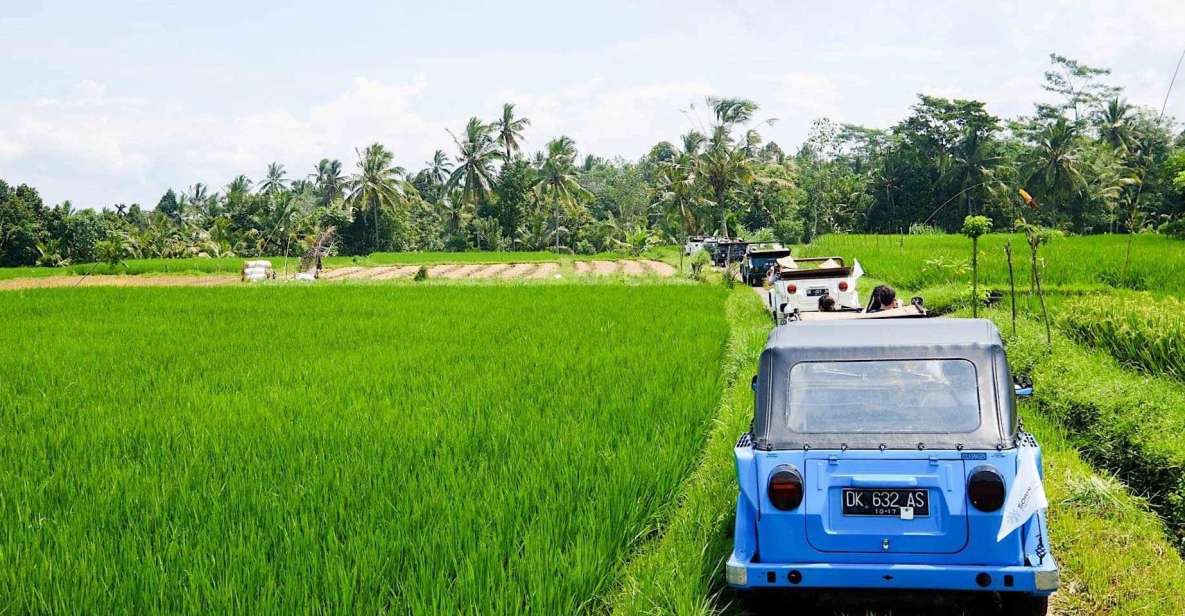
The tour includes both a professional driver and a tour guide, and English is the listed guide language. Still, the balance can vary by person in the vehicle.
That’s not a reason to avoid booking—it’s a reason to come prepared to engage. If Tanah Lot details, ceramics technique, or house architecture are what you care about most, ask questions when you have them. Your best learning usually comes during the drive and right before you step into a stop, when you can frame what you want to know.
If you’ve been told you might get a guide like Putu, Nyoman, Froggy, or Eric, that’s a positive signal. People have described them as amazing, funny, flexible, and safe drivers—exactly the mix that makes a long day feel smooth.
Who This Tour Fits Best (and Who Might Prefer Something Else)
I’d aim for this safari if you want:
- A countryside-focused Bali day that’s organized but not stiff
- A vintage ride experience in a classic VW jeep
- Balanced variety: temple + village craft + local lunch + rice fields
- A day that doesn’t require you to plan routes or tickets yourself
This is probably not your best match if:
- You need wheelchair access (the tour isn’t suitable for wheelchair users)
- You’re traveling with children under 2 years old
- You want a slow, ultra-deep explanation of every temple stone and every historical detail, with no variation in how guides choose to focus
If you’re flexible and curious, this works because it’s designed to move you through multiple parts of Bali’s culture in one day without feeling like a frantic checklist.
Should You Book This Bali Vintage VW Jeep Countryside Safari?
Book it if you’re excited by the combination of vintage jeep fun plus real countryside moments. The Tanah Lot setting is dramatic, the Pejaten ceramics stop gives you a hands-on craft connection, and the lunch at a Balinese house adds depth beyond simple sightseeing. The rice-field walk gives the day a softer, human pace that’s hard to get on quick tours.
Skip it or consider alternatives if you know you won’t enjoy early mornings, don’t want to walk in the heat, or you need full accessibility. And if you’re someone who needs very detailed temple lectures, plan to ask direct questions—then you’ll get the value even if your particular guide leans more toward driving and practical context.
If you want one day that feels like Bali lived-in, not staged, this is a strong choice.
FAQ
What time does pickup start?
Pickup is scheduled for 7:00 AM.
Where can I be picked up from?
Pickup is available from areas including Nusa Dua, Jimbaran, Kuta, Legian, Seminyak, Tuban, Sanur, Canggu, Uluwatu, and Ubud, with pickup options also listed as Ubud, Kuta Selatan, Kuta, Denpasar, and North Kuta.
How long is the tour?
The tour lasts 1 day.
What’s included in the price?
Return hotel transfer, a vintage cabriolet VW jeep, all entrance tickets and fees, lunch at a Balinese house, a professional driver, and a tour guide.
Do I need to buy entrance tickets?
No. All entrance tickets and fees are included, and you can skip the ticket line.
What language is the tour guide?
The tour guide provides live interpretation in English.
What happens during lunch?
Lunch is at a Balinese house, and you can learn about daily life, culture, and architecture based on Hindu Dharma principles.
What should I bring?
Bring comfortable shoes, sunglasses, a sun hat, and a camera.
Are large bags allowed?
No. Luggage or large bags aren’t allowed.
Is the tour suitable for wheelchair users or young children?
No. It is not suitable for wheelchair users, and it’s also not suitable for children under 2 years old.