Some mountains feel bigger than the map.
This 3D/2N Rinjani trek is all about crater drama: sunset over Lake Segara Anak, an early climb for sunrise, and then hot springs down in the crater.
I love how the route hits both sides of the volcano and gives you multiple viewpoints over Segara Anak from high rim camps.
One thing to consider up front: this is a physically hard program, and the second day can feel long and demanding even if you’re fit.
The Sembalun approach is a treat—open grass savanna at first, then steep stone and forest as you gain altitude toward the crater rim.
I also like that you don’t just hike past scenery; you camp with enough time to actually watch sunsets and sunrises, then move on for lake time and a hot springs pause.
A possible drawback is timing: you wake around 3 a.m. for the summit push, and the schedule leaves little margin if you’re slower than average.
I walked away thinking the real value is the full package: guides, porters, meals, and camping basics are handled, so you can focus on the walking and the views.
Still, make footwear and cold-weather layers your top priority because the hike involves steep, rocky sections and early mornings up high.
If trail conditions ever change (for example after earthquakes), your guide may adjust how the day feels on the ground—so ask and follow their lead.
In This Review
- Key highlights I’d center in your planning
- Why Rinjani’s crater views feel so big
- Picking a starting gate: Senaru vs Sembalun
- Day 1: Sembalun grasslands to the crater rim campsite
- Day 2: 3 a.m. summit push, then Segara Anak hot springs
- Night camp on Senaru rim: dinner views and a clearer big-picture
- Day 3: the long descent via Pos 3, Pos 2, Pos 1
- Price and value: what $154 really covers
- Gear that matters on Rinjani (and what to skip)
- Who this trek fits best (and where to be careful)
- Should you book this 3D/2N Rinjani trek?
- FAQ
- Where are you picked up for the trek?
- How long is the trekking program?
- What’s included in the trekking package besides the guide?
- Is the national park entrance fee included?
- What’s the highest point you reach?
- Is hot springs time included?
- What should I bring if rain and cold are a concern?
- Is free cancellation or pay later available?
Key highlights I’d center in your planning
- Sembalun grass savanna: wide-open starts before the climb turns steep.
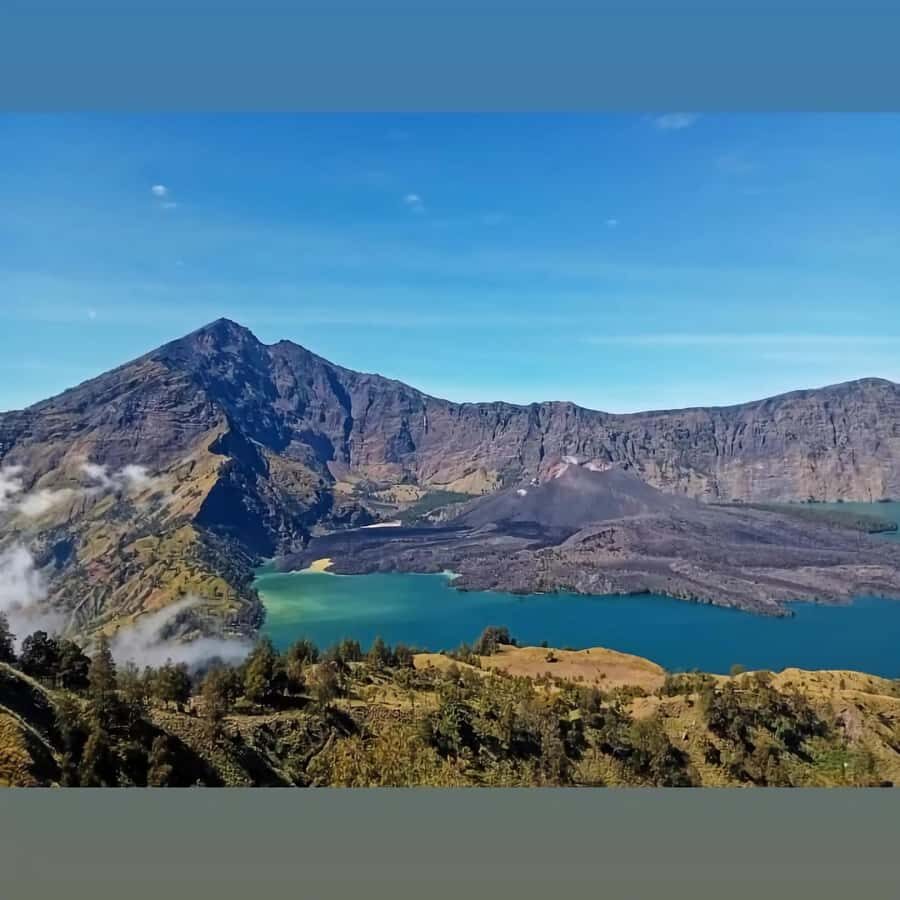
- Sunset over Segara Anak from high crater rim camps.
- Summit sunrise timing with a 3 a.m. wake-up and a summit climb to 3,726 m.
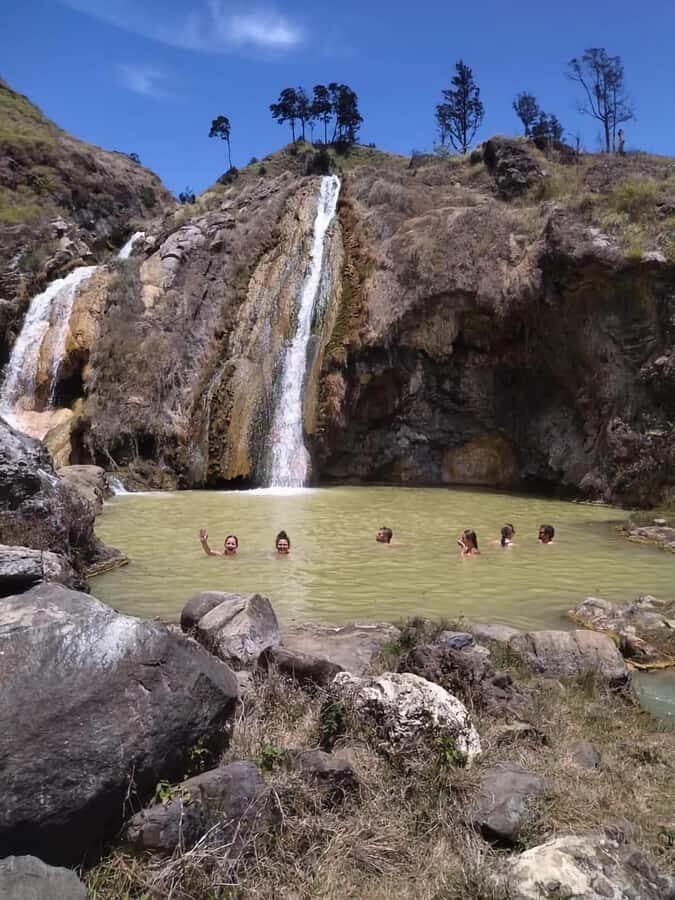
- Hot springs in the crater: swim right after lunch near the lake.
- Big-distance viewpoints: Senaru crater rim can show Bali’s Mount Agung and the Gili islands.
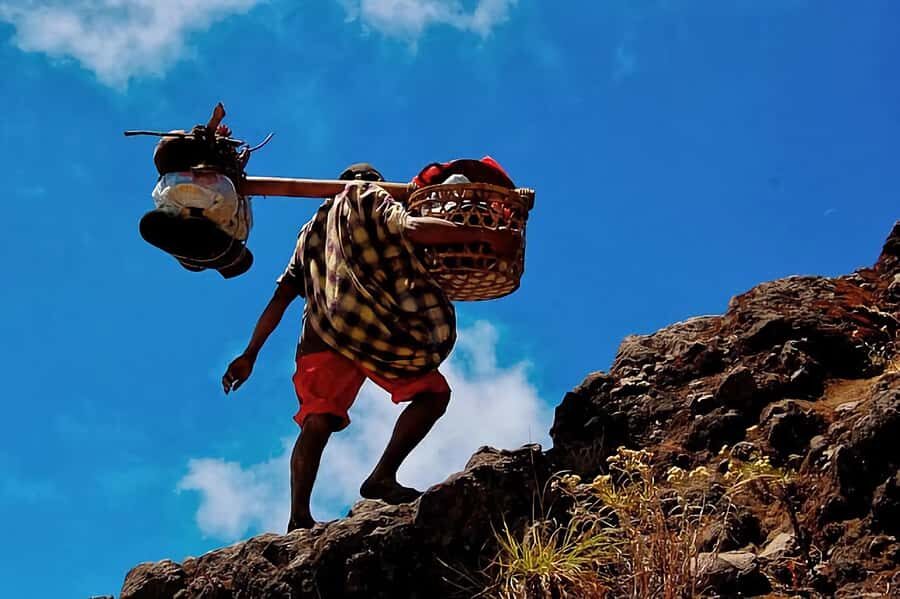
- Guides and porters who handle cooking gear and camp setup, so you carry less than you expect.
Why Rinjani’s crater views feel so big
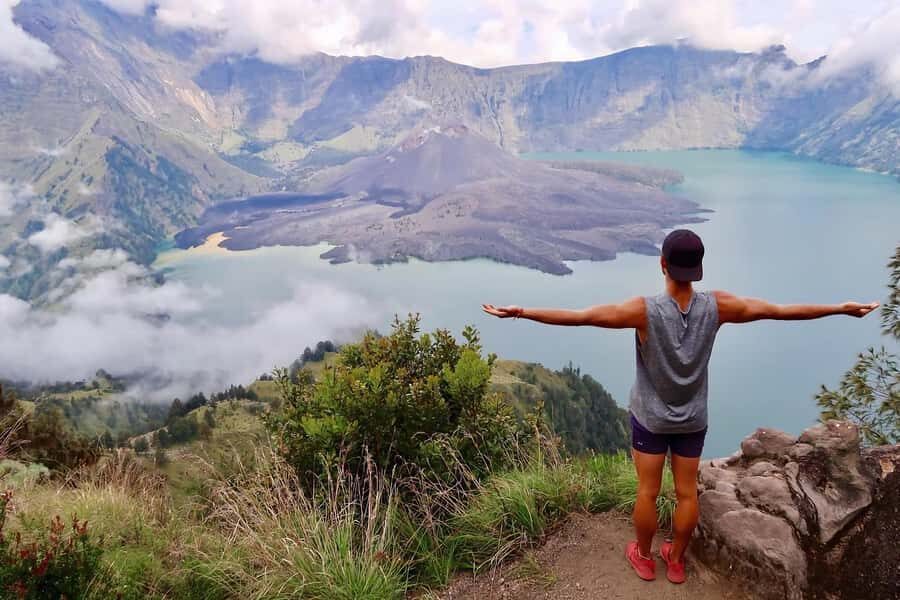
Rinjani’s main trick is simple: you’re not hiking to one viewpoint. You’re hiking inside the volcano’s story.
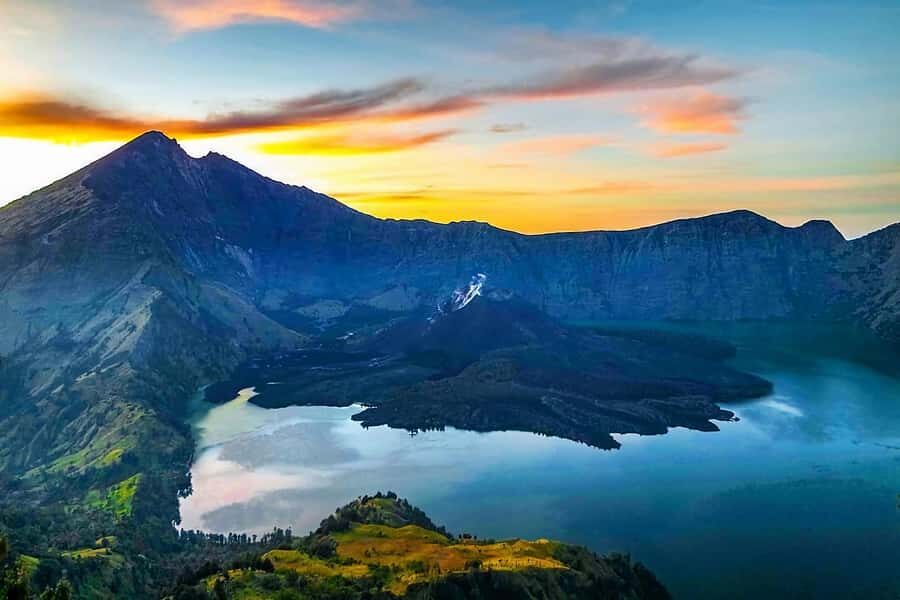
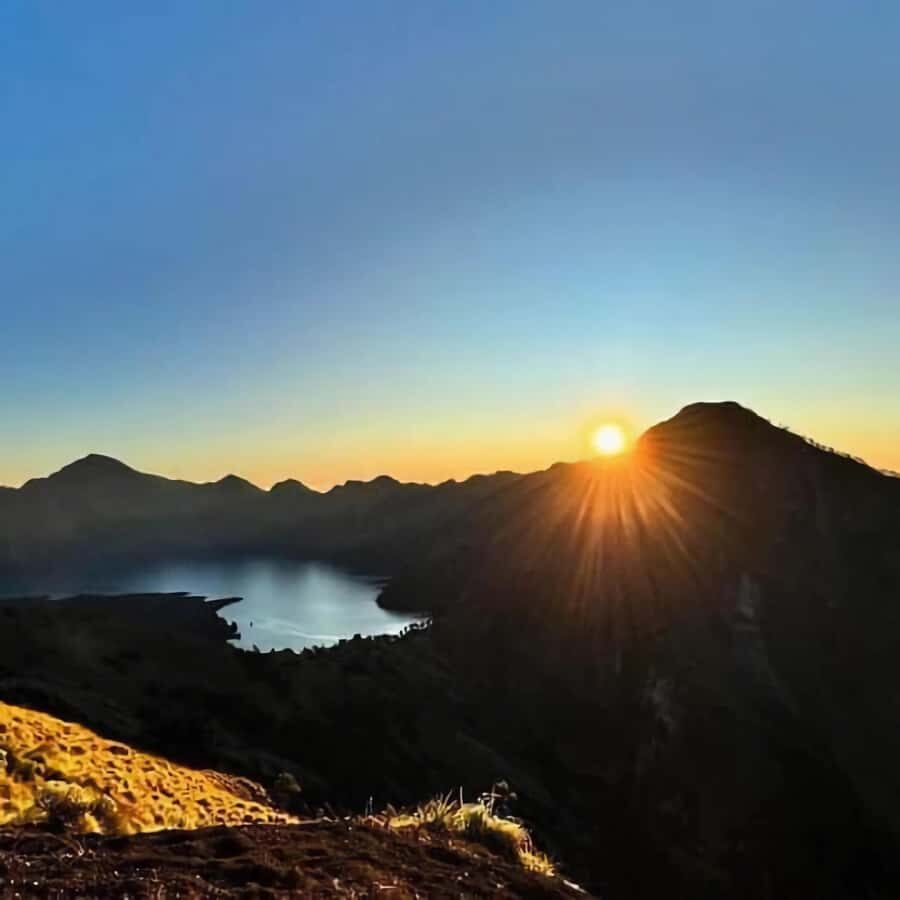
From the crater rim, Lake Segara Anak sits in the caldera like a stage prop—especially around sunset and sunrise, when the colors change fast and you feel the whole space shrink into something personal.
That’s why this program includes not just one sunrise, but also a sunset at the crater rim and another sunrise-style moment from high up.
The other “wow” factor is how often your perspective changes.
Day 1 gives you the crater rim camp with big views over the summit area and Segara Anak.
Day 2 starts in the dark for the summit, then later you’re down at the lake for hot springs, and then you climb back up to the Senaru crater rim for dinner views again.
It’s the rare hike where each day resets your eyes.
Finally, you get the kind of sightlines that feel like travel in 3D: from the Senaru rim you can see Gunung Baru (the smaller volcanic cone in the crater), and on clear days you may catch views toward Mount Agung in Bali and the Gili islands.
You can also read our reviews of more tours and experiences in Senaru.
Picking a starting gate: Senaru vs Sembalun
This trek typically runs Senaru to Sembalun (and returns you to Senaru by the end) if permits allow.
But there’s a practical twist: if the Sembalun gate is full, the plan can start from Senaru and end at Sembalun, based on ticket availability.
Why you should care: your first day is when you’re most fresh.
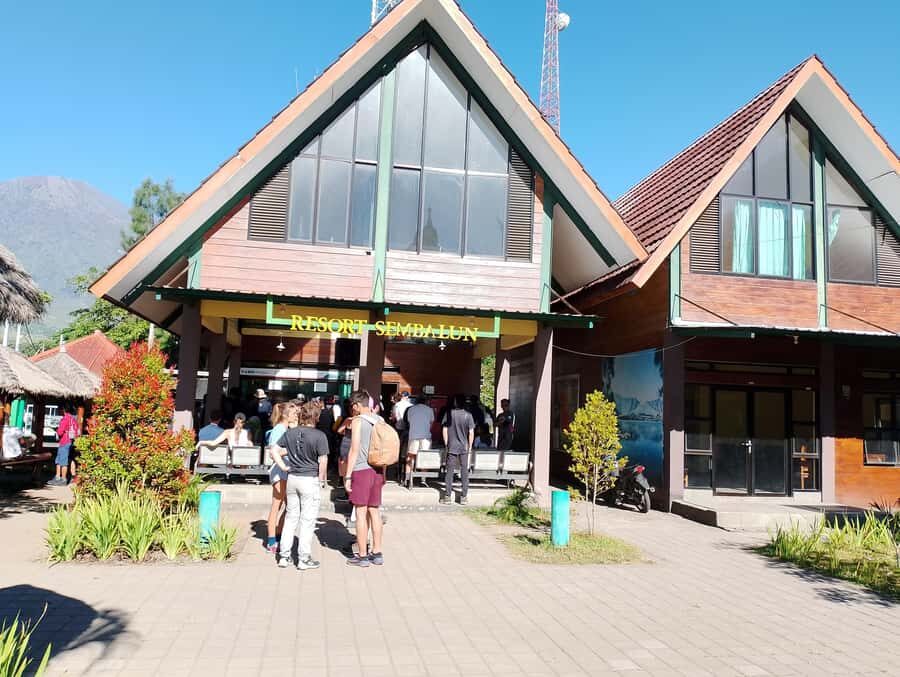
Starting from Senaru means you travel by 4WD to Sembalun, register at the Rinjani Trek Centre, and then begin on the Sembalun side.
The key experience—the grass savanna start—still happens once you’re hiking from Sembalun around lower trail points.
Logistically, pick-ups matter too.
If you stay in Sembalun, you’re picked up around 08:30.
If you’re staying in Senaru, pick-up is around 07:00, and you head by 4WD to Sembalun before registering and trekking.
Day 1: Sembalun grasslands to the crater rim campsite
Day 1 is built for altitude gain without wasting your energy too early.
After the 4WD transfer to Sembalun and registration at the trekking center (1,156 m), the trail starts with undulating open grasslands.
Those first sections are your chance to find your rhythm—walk steady, sip water, and keep your breathing smooth before the steep parts arrive.
You’ll stop at Pos 1 and Pos 2 for shorter rest breaks and snacks.
Then at Pos 3 (1,800 m) you get a longer lunch break.
This is a smart structure: you eat before the steep crater-rim climb, so you don’t run out of fuel when the trail starts getting serious.
After lunch the route steepens as you head toward the crater rim.
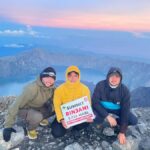
The night is spent camping at Sembalun Crater Rim (2,639 m), where the day’s reward is the view—sunset, Lake Segara Anak, and the broader Rinjani summit area.
Camping here also sets expectations for the whole trip: the hike isn’t only about the “big” summit day. The crater rim is your living room for the night.
One small comfort note: you’re provided tents, a toilet tent, sleeping bags, and a mattress, and you’ll also use a headlamp/hand torch during early or late steps.
That means you’re not trying to solve camp logistics after you’re already exhausted.
Day 2: 3 a.m. summit push, then Segara Anak hot springs
Day 2 is the heart of the trek—and the part that separates “I can hike” from “I can handle this schedule.”
You wake around 3 a.m. for a light breakfast, then begin the challenging climb to the summit at 3,726 m.
The plan aims to have you reach the summit in time for sunrise, which is the moment this hike sells for a reason: the crater and the ridges look like a different planet in low light, and the payoff feels immediate.
After sunrise, you return to the campsite on the crater rim for a hot breakfast and rest.
Then comes the descent into the crater, where the day shifts from “climb hard” to “keep moving.”
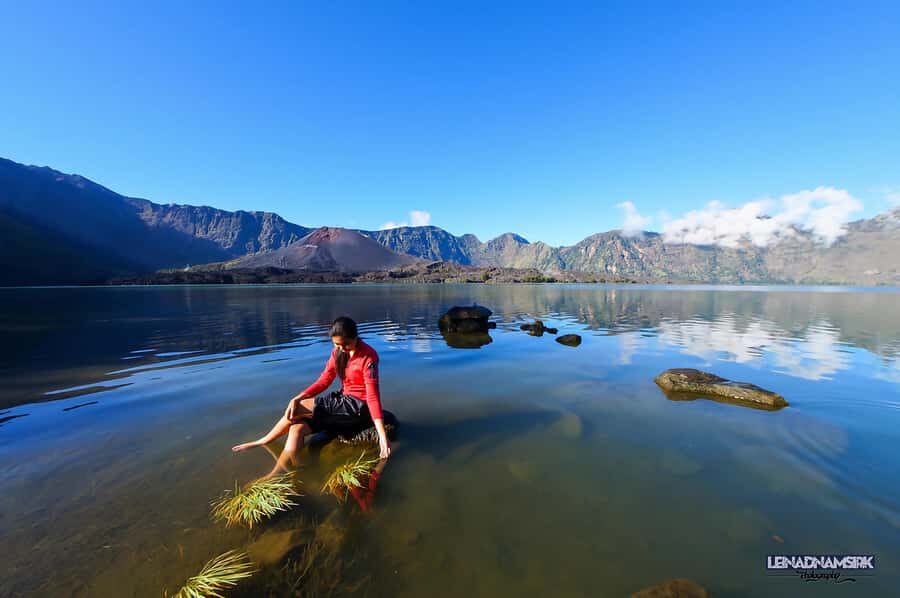
You stop for lunch on the shore of Lake Segara Anak (around 2,000 m).
This is where the program earns its variety: after lunch, you can swim in the hot springs, but you’ll want to keep it short and practical—think warm-up, not spa retreat—because you still have a climb ahead.
From there, you trek around the lakeshore and then begin the steep climb out of the crater.
This segment runs through dense forest and can feel rocky and slow.
It’s also the portion where pace matters a lot. In a long program like this, one slower member can impact the whole group’s energy level, especially at night.
You finish Day 2 at Senaru Crater Rim (2,641 m) for dinner and another camp.
The view angle is different than Day 1: you look back across the lake toward the summit, with Gunung Baru in view and, when visibility allows, Mount Agung and the Gili islands in the distance.
Night camp on Senaru rim: dinner views and a clearer big-picture
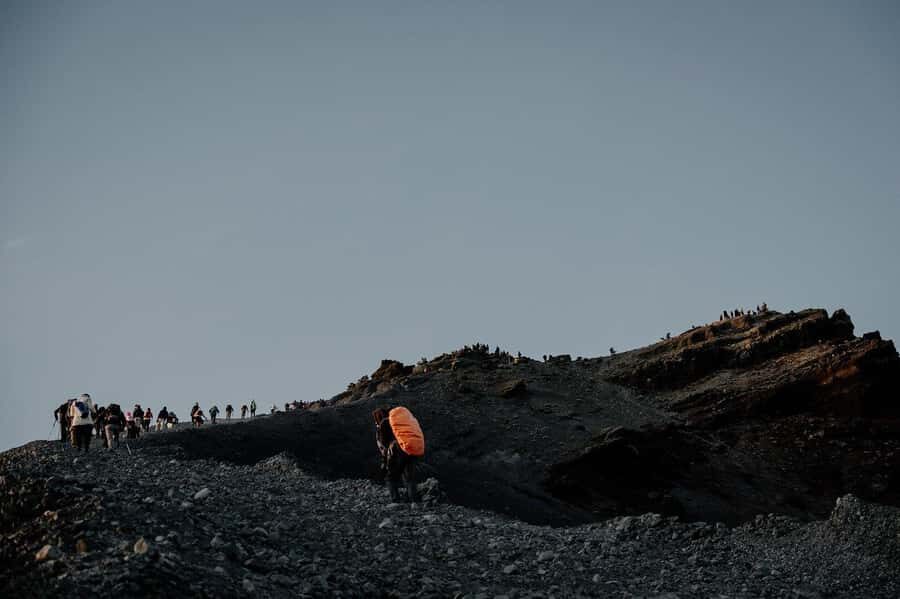
The best use of the Senaru Crater Rim camp is simple: eat well, then treat the rim like a viewpoint deck.
Dinner and the night here come after a long day, but the elevation keeps the scenery dramatic.
You get one last crater framing before tomorrow’s descent—so you can connect what you saw yesterday with what you walked today.
This camp also helps the itinerary make sense.
After the summit sunrise and the hot springs lake moment, Day 2 ends by positioning you for the descent route on Day 3.
It’s a good design if you want the best of both worlds: the big volcanic moments and then a return through greener, thicker forest.
A practical note from the way the day is described: you’ll be moving during daylight and also experience nighttime trekking on some routes.
That’s why headlamp/hand torch is included, and why you should pack a flashlight you trust.
Day 3: the long descent via Pos 3, Pos 2, Pos 1
Day 3 is all about controlled legs.
After breakfast at the crater rim camp, you start the descent using rest spots like Pos 3, Pos 2, and Pos 1.
There’s also a longer lunch break along the way, which matters because the final push to Senaru is when fatigue starts talking.
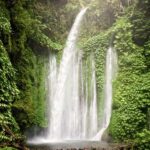
As you go down, the forest becomes thicker and increasingly lush.
That’s not just pretty; it can change how you feel physically.
Shade can ease the heat, while humidity can make everything feel heavier—so keep your pace steady and don’t “race” the finish.
You arrive in Senaru around 1:00 pm.
Then you’ll get drop-off to areas like Senggigi, Bangsal Port, or Mataram (as listed), so you’re not scrambling for transport immediately after a hard walk.
Price and value: what $154 really covers
The price listed is $154 per person for 3 days, which is competitive for a guided, portered, camping-style volcano trek.
Here’s what that price typically buys you:
- hotel pick-up in Senaru or Sembalun
- a trekking guide plus porters (they carry cooking gear and camping equipment)
- an English-speaking guide
- food and drinking
- water during the trek (2 liters of mineral water per person per day)
- camping setup basics: tents, toilet tent, sleeping bags, and mattress
- trekking pole, plus headlamp/hand torch
- meals: Lunch 2x, Dinner 3x, Breakfast 2x
- drop-off after the trek to Senggigi/Bangsal Port/Mataram
What’s not included is the piece that can surprise you if you don’t budget for it:
- National park entrance fee: IDR 250,000 per day per person
Also not included:
- raincoat
- trekking shoes
Value-wise, the “buying” here is not just the hike. It’s the whole infrastructure so you don’t have to handle camp, food, and basic gear logistics after a summit day.
That’s also why a good guide and porter team matters—because they determine whether you feel safe, fed, and on track.
Gear that matters on Rinjani (and what to skip)
You don’t need to overpack, but you do need the essentials.
The tour data is specific about what to bring, and I’d treat that list as your minimum.
Must-bring items you’re specifically told to pack:
- Passport
- Sunglasses, hat
- Towel
- Camera and power bank
- Sunscreen, jacket, gloves
- Long pants and hiking pants
- Cash
- Flashlight
- Binoculars (optional, but useful for the rim viewpoints)
- Hiking shoes (this is important—trekking shoes are not included)
What you might think you can skip—but shouldn’t:
- gloves and a warm layer, because you’re up early and moving at high altitude
- rain protection: a raincoat isn’t included, so if you don’t already have one, plan to buy or borrow
Lightweight planning tip: you get a trekking pole included, which helps on steep parts and long descents.
Still, you need shoes with real grip, not just comfort sneakers.
Also bring sandals as a reset shoe for camp and downtime.
That simple change can make Day 3 feel less brutal.
Who this trek fits best (and where to be careful)
This is not a casual hike.
It’s a 3 days / 2 nights route that climbs to 3,726 m, then drops into the crater for lake time and hot springs, and ends with a multi-hour return descent to Senaru.
It’s a good fit if you:
- want sunrise from the summit and also want crater rim sunset moments
- can handle steep, rocky climbing and forest sections
- are okay with camping and early starts
- don’t mind that the second day can be long and physically demanding after you reach the top
Two practical caution zones:
- Footwear: if you’re missing proper hiking shoes, the rocky, steep trail sections become harder in a hurry.
- Pace: once you commit to summit and the crater schedule, slower movement can affect group timing.
The tour is not suitable for children under 4 years, based on the provided info.
If you’re bringing kids older than that, you’d still want to be honest about stamina and how they handle early mornings, cold conditions up high, and rocky terrain.
Should you book this 3D/2N Rinjani trek?
Book it if you want the full Rinjani experience: grass savanna first, then crater rim sunsets, summit sunrise, lake hot springs, and a return through forest.
This program is also good value because so much is included—guides, porters, camp gear, food, water, and key transport connections after the trek.
Don’t book it if:
- you know you struggle with steep climbs or long downhill walking
- you’re planning to rely on basic shoes instead of proper hiking footwear
- you want a relaxed itinerary with lots of slack time
If you’re serious and prepared, you’ll come away with the kind of volcano memories that stick: Lake Segara Anak in the crater, sunrise on the summit, and that hot springs moment that feels totally out of place—until you remember you’re inside a live volcano.
FAQ
Where are you picked up for the trek?
You’ll be picked up at your hotel in either Senaru or Sembalun. Waiting for the driver happens in your hotel lobby.
How long is the trekking program?
The trek runs for 3 days and 2 nights, with an itinerary designed to include summit sunrise and crater views.
What’s included in the trekking package besides the guide?
The package includes trekking guide and porters, food and drinking, water (2 liters mineral water per person per day), tent and camping items (including sleeping bags and mattress), trekking pole, and a headlamp/hand torch.
Is the national park entrance fee included?
No. The national park entrance fee is IDR 250,000 per day per person and is not included.
What’s the highest point you reach?
You climb to the summit of Mount Rinjani at about 3,726 m for sunrise.
Is hot springs time included?
Yes. After lunch by Lake Segara Anak, you can swim in the hot springs for a few minutes.
What should I bring if rain and cold are a concern?
Bring a jacket and gloves, plus a raincoat since it is not included. You should also pack long pants and proper hiking shoes.
Is free cancellation or pay later available?
Yes. You can cancel up to 24 hours in advance for a full refund, and there’s also a reserve now & pay later option.