Jakarta changes faster than I expected. This private half-day tour is a fast, well-paced hit list of the city’s top landmarks, and I like that it pairs major sights with real street life. I especially love the chance to see Monas up close and to walk through Chinatown with time for local snacks and market watching.
Here’s the practical catch: it’s only 5 hours, so you’ll move between stops and get more photo-and-walk time than long hangs. Also, meals aren’t included, so if you’re hungry, plan to buy something small along the way.
In This Review
- Key things you’ll notice on this tour
- How a private 5-hour route can still feel like a real city day
- Monas: the independence icon and the gold that steals your attention
- Istiqlal Mosque and Katedral Church: big scale, big meaning, and smart guidance
- Chinatown in Jakarta: old temple touches and real market energy
- Kota Tua Batavia: Dutch-era corners and the old harbor feel
- Transport, timing, and what the route does to your energy
- Price and value: $55 feels fair for what’s included
- Who this tour is best for (and who should choose something else)
- What to bring (and what to plan for in the real world)
- Should you book Jakarta: Enjoy Jakarta Private City Tour?
Key things you’ll notice on this tour
- Small group (up to 10) keeps the walk manageable and the questions coming.
- Skip-the-line entry using a separate entrance helps you avoid wasted time at big sites.
- English guide plus a local Istiqlal guide gives you better context inside the mosque.
- Old Jakarta to modern Jakarta in one route: Monas, Old Town, and Sunda Kelapa.
- Driver who handles traffic well makes a big difference in Jakarta.
- Photo stops timed in so you still get landmark views, not just car time.
How a private 5-hour route can still feel like a real city day
Jakarta can be chaotic. The streets, the pace, and the sheer sprawl can wear you down fast—especially if you’re only here for a short window. What I like about this tour format is that it uses a private guide plus pickup and drop-off inside Jakarta, so you’re not constantly figuring out transport, entrances, and meeting points.
You’re also getting a true “high-impact overview” without pretending every site gets equal time. Expect short guided segments, walking bits, and a few photo stops that help you connect the landmarks to the story of the city—independence, colonial-era streets, and today’s multicultural neighborhoods.
One more thing: this is a live tour in English. You’re not stuck with a headset that misses nuance. Guides you may encounter on this route include people like Ms Ratih, Neti, Neta, Rezky/Retzky, and Rana, and drivers such as Harry or Rama have been called out for handling traffic smoothly.
You can also read our reviews of more tours and experiences in Jakarta.

Monas: the independence icon and the gold that steals your attention
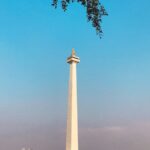
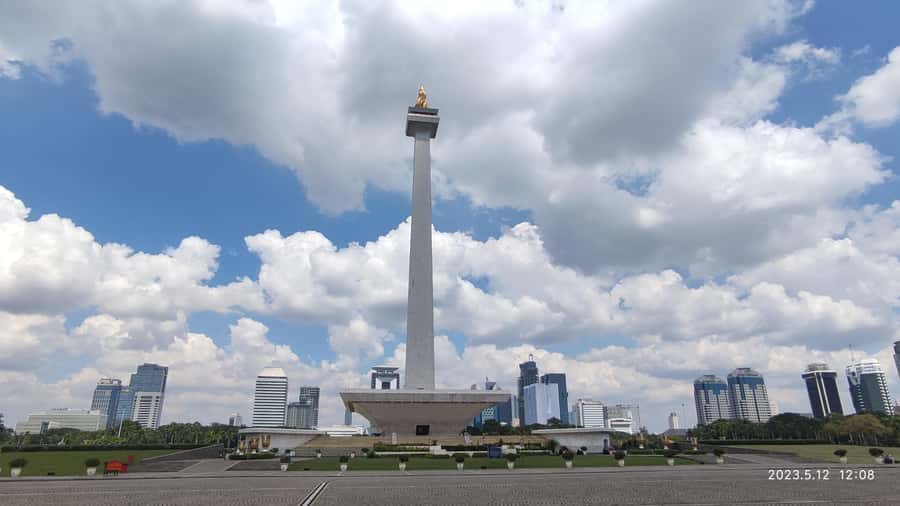
You start with the National Monument area, a centerpiece for Indonesia’s independence story. You’ll head to Monas, the tall symbol in the city, and you’ll get close enough for a proper photo moment rather than a distant view through traffic.
This stop is quick—about 15 minutes for the experience block—but the monument’s design does the heavy lifting. The gold top is hard to miss, and the sheer height (about 132 meters) makes it feel like a landmark you can’t fully understand from just a postcard.
Why this matters for your itinerary: in a city tour, Monas is your orientation point. After you’ve seen it, the rest of the route feels less random. You’re connecting where the country talks about independence with neighborhoods that reflect older waves of trade, immigration, and colonial rule.
A small consideration: if you’re hoping for extra time inside or a long, slow visit, you’ll need a longer tour. This one is built for coverage.
Istiqlal Mosque and Katedral Church: big scale, big meaning, and smart guidance
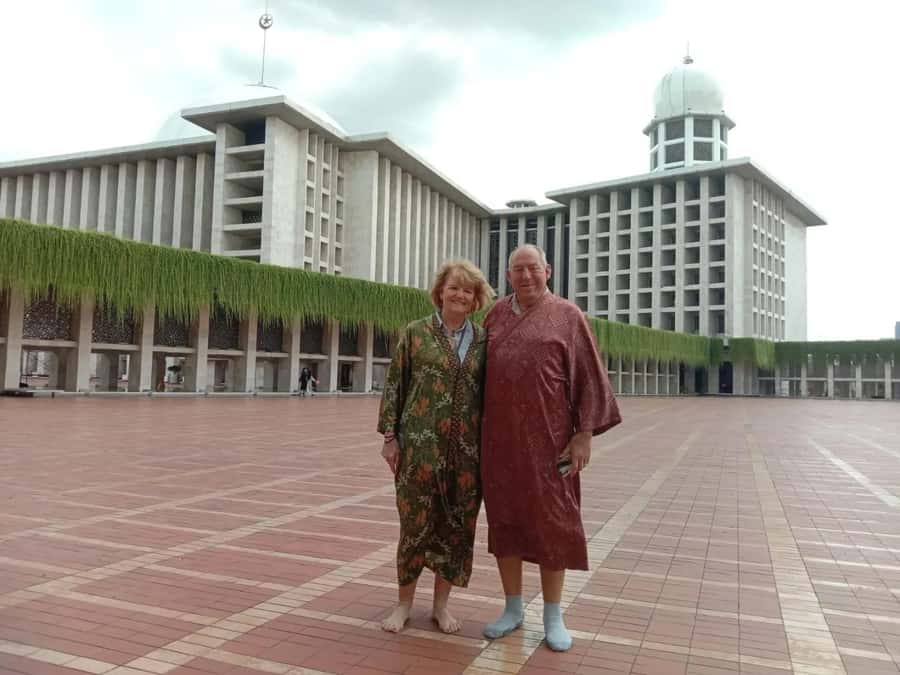
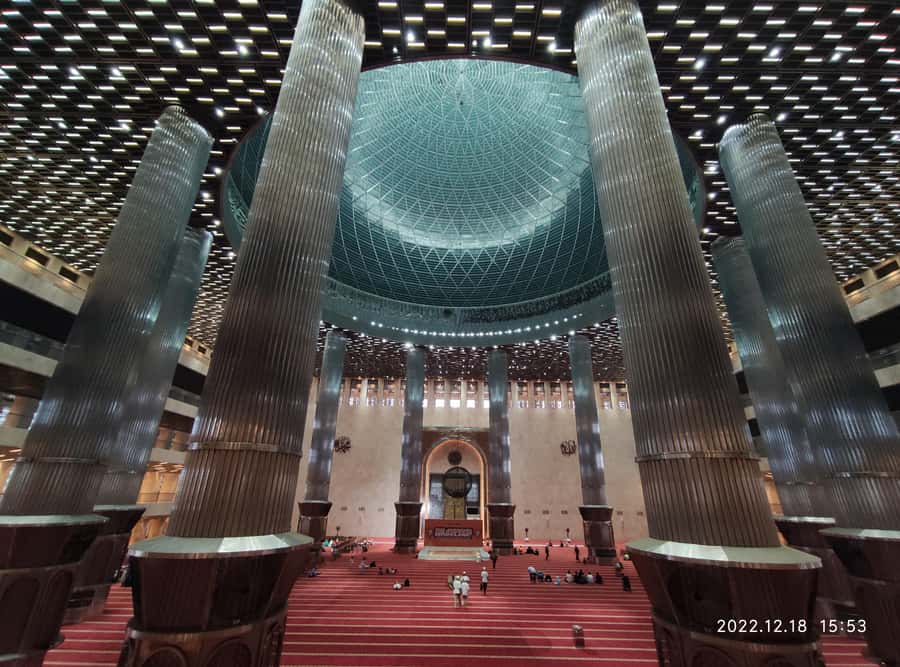
Next comes Istiqlal Mosque, known as one of the largest mosques in Southeast Asia. You get a photo stop, then a guided look inside with a local Istiqlal guide included. That local component helps, because you’re not just looking at architecture—you’re learning what to notice and how people use the space.
The mosque visit is timed at about 30 minutes, which means you’ll have enough time to see the scale and key areas without feeling rushed in every corner. This kind of stop also benefits from a guide’s on-the-spot advice: where to stand for views, what details are worth noticing, and how to move respectfully during the visit.
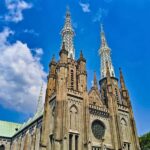
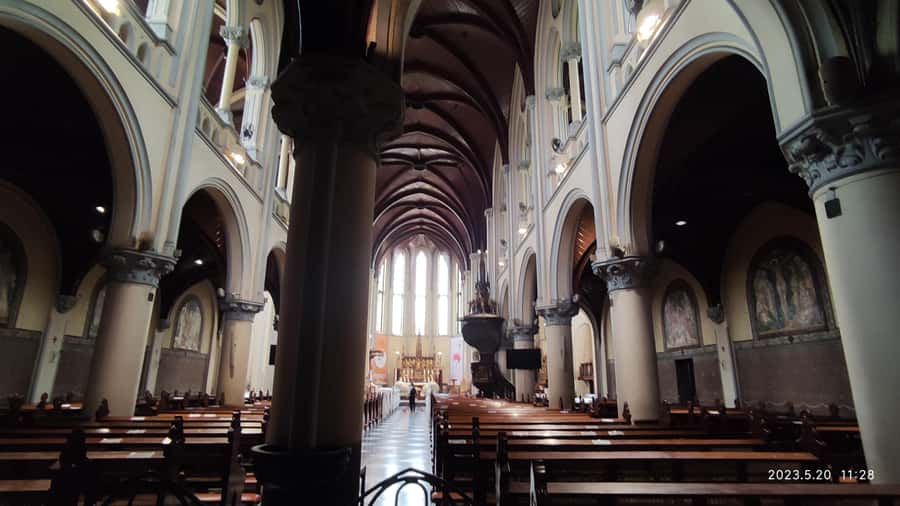
After Istiqlal, you’ll also visit Katedral Church (neo-Gothic style). Seeing a major Catholic cathedral right after a massive mosque is a blunt but useful reminder of Jakarta’s mix of faiths and communities. The contrast in design styles makes photos more interesting too—different lines, shapes, and textures.
What I’d watch for: the tour includes guidance, but you should still dress and behave for a religious site. If you don’t like being in crowds or moving quickly through large interiors, plan to keep your expectations realistic for a 5-hour itinerary.
Chinatown in Jakarta: old temple touches and real market energy
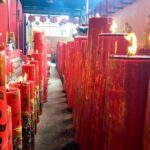
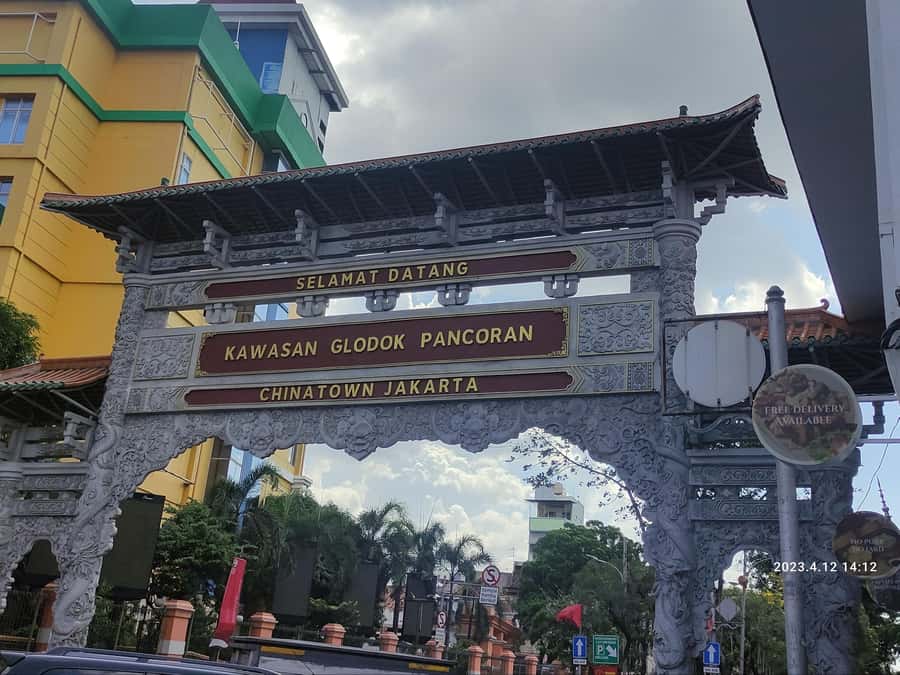
Then you switch from monuments to everyday city life. Chinatown in Jakarta is where the tour slows down just enough to feel like you’re walking with locals instead of being driven past sights.
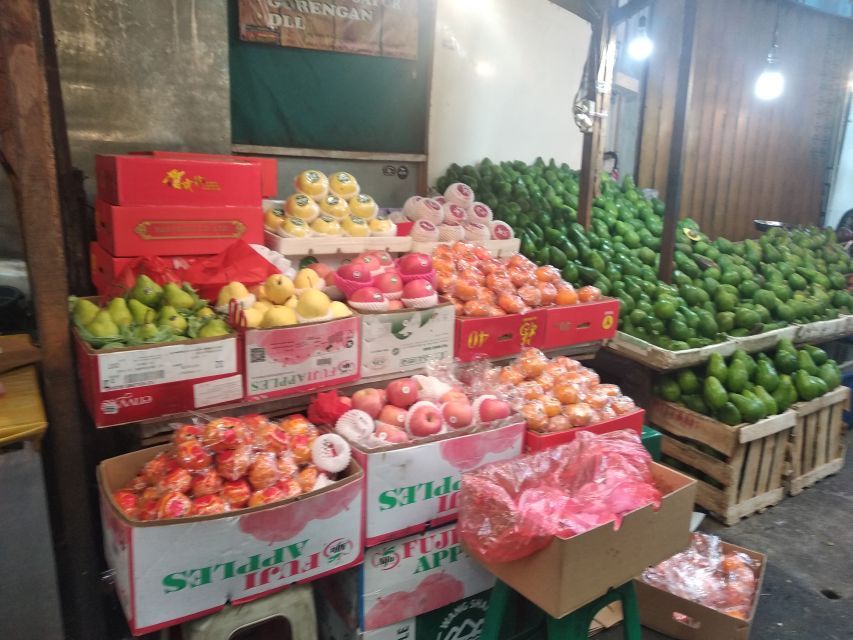
You’ll spend about 30 minutes here, with a guided walk plus time for local snacks and food tasting. That matters more than it sounds. Market neighborhoods are where you get a sense of what the city actually eats and buys, not just what it looks like on a sightseeing map.
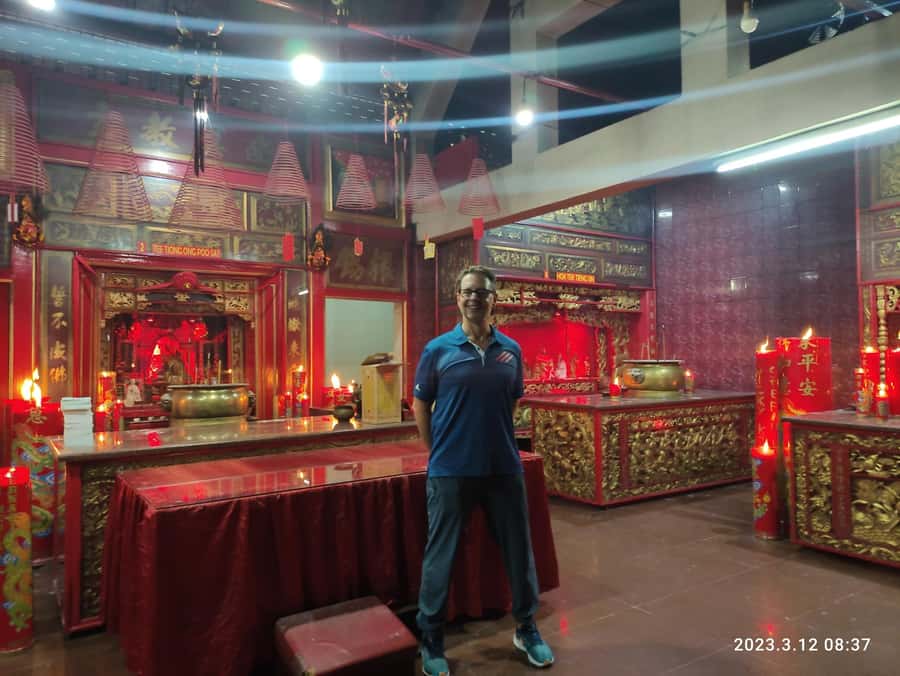
You’ll also visit an ancient Chinese temple dating back to around 1650, then continue through the market area where people are shopping and moving. The guided portion helps you understand what you’re seeing—temple role, neighborhood pattern, and what’s typical to try in the market.
Practical payoff: if you’re cautious about street food, this is one of the better setups. You’re not wandering alone, and you’re getting snack time built into the experience. It also gives you photos that feel less staged: colorful stalls, busy corners, and ordinary daily life.
One note: you should still bring your own water bottle habits in mind. The tour includes mineral water, but markets can be warm and crowded, and you’ll be walking.
Kota Tua Batavia: Dutch-era corners and the old harbor feel

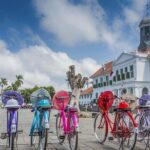
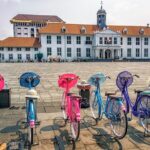
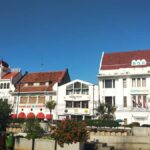
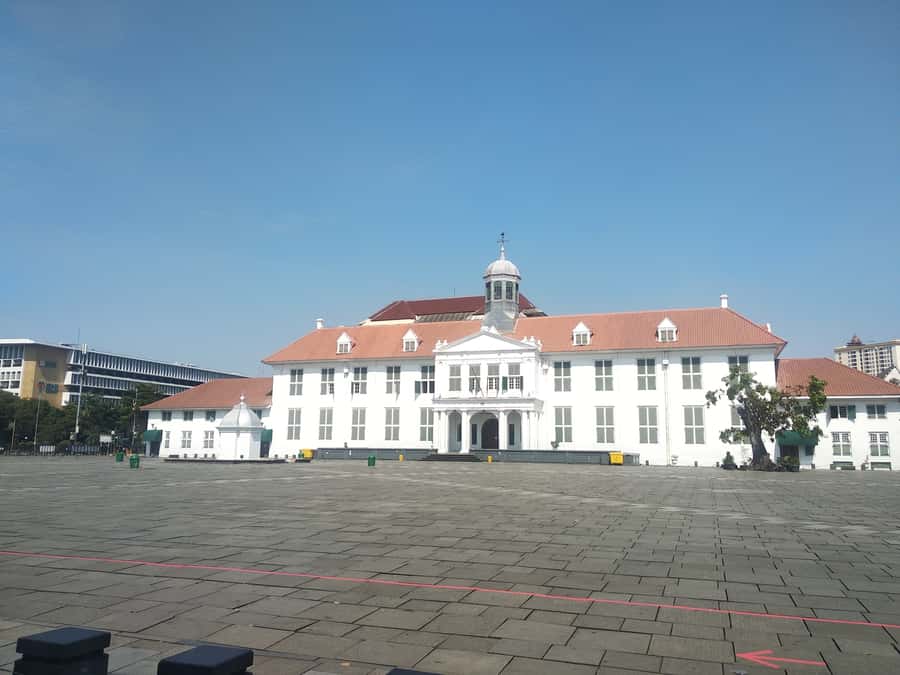
After Chinatown, the route shifts back in time with Kota Tua Jakarta, the colonial-era Old Town area connected to Batavia. This is where the tour gives you a longer guided block—about 1 hour—with photo stops and guided walking through the historical Dutch buildings and the square where colonial-era life lingered in the layout.
The value here is not just that the buildings exist. It’s that you can read the city by looking at how the street grid and public spaces were shaped. Colonial design shows up in the proportions, the facades, and the way open squares pull people in.
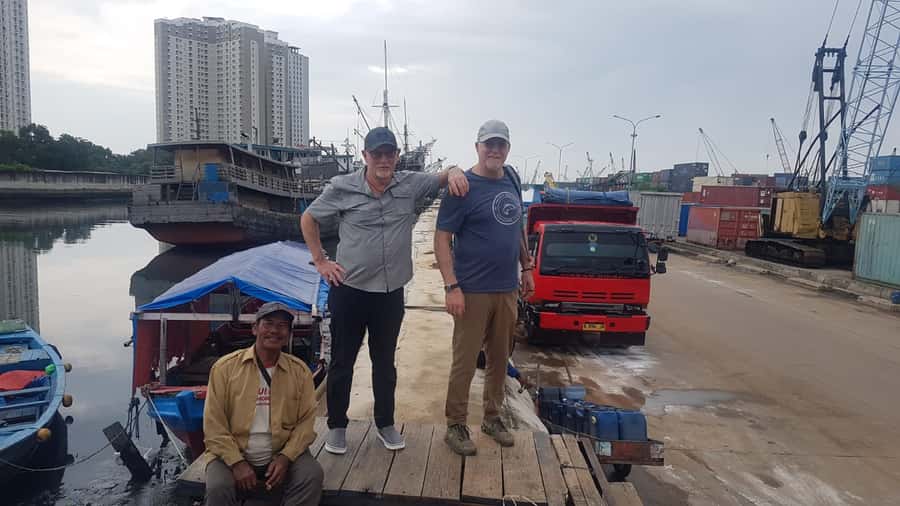
Then you finish at Sunda Kelapa Harbour. This is about a 20-minute photo stop and guided look, including a walk to see the working port side of Jakarta. You’ll see old and new ships used for domestic cargo, and you’ll notice the difference between heritage buildings along the harbor and the active shipping life around them.
Why this ending works: leaving Kota Tua for the harbor helps you connect history to movement. The Old Town story is about trade and colonial control. The harbor brings it back to the present—ships are still the reason this area matters.


Transport, timing, and what the route does to your energy
A big part of whether a city tour feels fun or exhausting is the transport. Jakarta traffic can be intense, and this tour leans into a practical solution: a comfortable car plus a driver who handles navigation well.
In the past, drivers like Harry or Rama have been credited for getting people safely between neighborhoods and keeping the tour on track despite traffic. That’s not a small detail. When you’re on a 5-hour schedule, being stuck in traffic for half of it makes the whole day feel like a waiting game.
The timing pattern also matters: short guided blocks plus photo stops at key moments. For you, that means you’ll likely leave with good photos, basic orientation of the city’s big themes, and a mental map of where to go next on your own.
If you’re the type who wants slow walking, long museum time, or repeated return visits, this format might feel tight. But if you want to see multiple iconic areas in a single morning/afternoon, it’s a smart use of limited time.
Price and value: $55 feels fair for what’s included
At about $55 per person for a 5-hour private city tour, the value comes from what’s bundled rather than from the base sightseeing.
You’re getting:
- Hotel pickup and drop-off inside Jakarta
- Entrance tickets
- Tolls and parking
- Mineral water
- Tour guide service, plus a local Istiqlal guide
- English live guiding
- Skip-the-line access via a separate entrance
The parts you don’t get are also clear: meals and tipping are not included. That’s important because it changes how you budget. You may want to plan for a snack or small meal on your own, especially since Chinatown includes snack time but not a full meal by default.
Is it worth it? For me, yes—because Jakarta is hard to connect efficiently without local help. Paying for a guided route that bundles transport and entries often costs less than cobbling together taxis plus tickets plus a private guide yourself. The skip-the-line feature also helps protect your short time window.
Who this tour is best for (and who should choose something else)
This is a good match if you:
- want a quick overview of Jakarta with minimal logistics stress
- enjoy a mix of monumental landmarks and street-level neighborhoods
- like walking through markets when there’s guidance and timing built in
- want an English-speaking guide and a small group experience (up to 10 people)
It’s also a decent option if you prefer “see and understand” over “only take photos.” The tour is built around explanation at each major stop, not just sightseeing.
You may want a different tour if you:
- need lots of downtime between stops
- are looking for long interior time at only one site
- want a fully meal-included day (this one leaves meals to you)
Also, there’s a stated limitation: it’s not suitable for people over 95 years old.
What to bring (and what to plan for in the real world)
You’ll want to show up ready for walking and sun. Bring:
- a camera
- hat
- comfortable shoes
- sunglasses
The tour is also clear about restrictions: no weapons or sharp objects, and no alcohol or drugs. The no-alcohol rule is mainly relevant if you were considering bringing items for later; treat the day as a normal sightseeing outing.
If you’re coming from outside central Jakarta (like the airport area or hotels near the airport), plan for an extra pickup/drop-off charge. Airport-area pickup works as an add-on, priced per group with a maximum of 4 people and no luggage. If that applies, you’ll want to request it while reserving and message the hotel details.
Should you book Jakarta: Enjoy Jakarta Private City Tour?
Yes, I’d book it if you want a clean, efficient introduction to Jakarta in one half day. The combination of Monas, Istiqlal Mosque, Chinatown market walking, Kota Tua’s colonial-era feel, and Sunda Kelapa’s working harbor gives you a rounded picture without requiring you to study the city map for hours.
Skip this one only if your main goal is deep time in one place (like a long mosque visit or a long museum day). This tour is designed for smart coverage, not slow wandering.
If you do book, go in ready for a packed but manageable schedule: comfortable shoes, a camera, and a mindset of short walks that add up to real understanding of Jakarta’s layers.