Cycling past rice fields near Borobudur feels like real life, not a postcard. This tour pairs an easy bike ride with small artisan stops, so you see how everyday Javanese work turns into crafts you can actually take home. You’ll also get plenty of photo breaks at quiet viewpoints along the way.
What I like most is how practical the experience feels: first, the ride is flat and beginner-friendly, with frequent stops so you never feel rushed. Second, the activities are hands-on, especially the pottery shaping and the coconut sugar and tofu home-industry visits, which give you context for what you’re seeing.
One consideration: this isn’t for you if you struggle with riding a bike or if you have back problems. The tour moves through several stops over a half day, so comfortable cycling clothes and shoes really matter.
In This Review
- Key highlights to know before you go
- Why this Borobudur cycling day feels different from just seeing temples
- Meeting up near Borobudur: pickup options and timing in plain terms
- The ride itself: flat roads, rice fields, and the joy of slow sightseeing
- Coconut sugar: why this stop is more than a demo
- Tofu workshop: simple tools, real freshness, and a daily routine you can understand
- Pottery village: hands-on shaping with a local artisan
- Optional batik workshop: create a wax-resist souvenir (if you want the extra making time)
- How the viewpoints and rice-field breaks fit into the day
- What’s included (and what to plan for yourself)
- Pricing and value: why $29 can be a smart half-day choice here
- Who this tour fits best (and who should skip it)
- Practical tips so the day stays comfortable
- Should you book this Borobudur cycling and village experience?
- FAQ
- How long is the Borobudur cycling tour?
- Where do you meet the guide?
- Is hotel pick-up available?
- What activities are included?
- Is the batik workshop included?
- Do I need to know how to ride a bike?
- What should I bring and wear?
Key highlights to know before you go
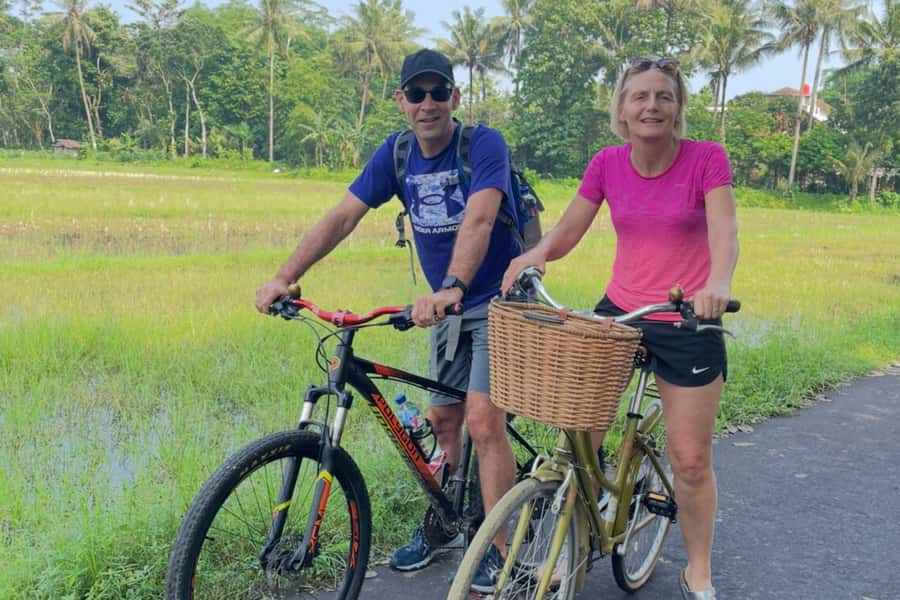
- Easy countryside cycling through rice fields and local village roads around Borobudur
- Hands-on pottery guided by a local artisan, with time to shape something yourself
- Coconut sugar home industry where you watch coconut sap cooking and meet the people behind it
- Tofu workshop showing how fresh tofu is produced daily using simple methods
- Optional batik workshop so you can create a wax-resist style artwork to take home
- English-speaking guide who shares stories about daily life and Javanese culture
Why this Borobudur cycling day feels different from just seeing temples
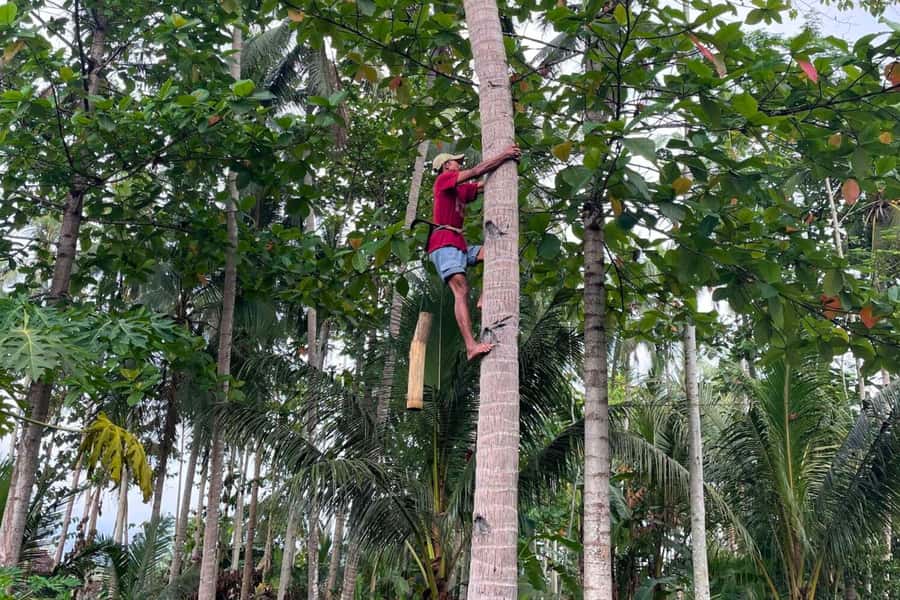
Borobudur is the headline, sure. But the best part of this kind of day is what happens after you stop looking at the big monument and start watching the smaller world around it. You ride through quiet village roads where people are going about their morning, and the rhythm of the day is calm rather than tourist-fast.
What you’re really buying here is balance: movement plus making. The bike gets you into the countryside without the hassle of driving, and the craft stops explain the culture behind everyday products you might otherwise walk past in a shop. Even if your main goal is photos, the route’s pacing makes it easier to actually notice details.
You’ll probably appreciate that the tour is a private group, so the guide can set the pace and keep the experience relaxed. That matters on a cycling tour, because a “stretch it out” mood makes the stops feel natural, not like checklists.
You can also read our reviews of more tours and experiences in Indonesia.

Meeting up near Borobudur: pickup options and timing in plain terms
You start at the main gate of Borobudur Temple, where you’ll meet your English-speaking guide and get ready for the ride. If you’re staying nearby, you can ask for free hotel pick-up around the Borobudur area. The goal is simple: avoid dragging yourself across town before you even touch the bike.
If you’re based in Yogyakarta, pickup and drop-off can be arranged on request with an additional charge. Plan for that extra transfer time in your day, because it can shift the feel of the half-day from relaxed to “more driving, less cycling.”
The tour runs about 4 to 6 hours. The cycling portion is split into two main stretches, with time for viewpoints and frequent short stops. You’re not expected to sprint through miles of countryside. This is more about cruising, chatting, and stopping to look, photograph, and learn.
The ride itself: flat roads, rice fields, and the joy of slow sightseeing
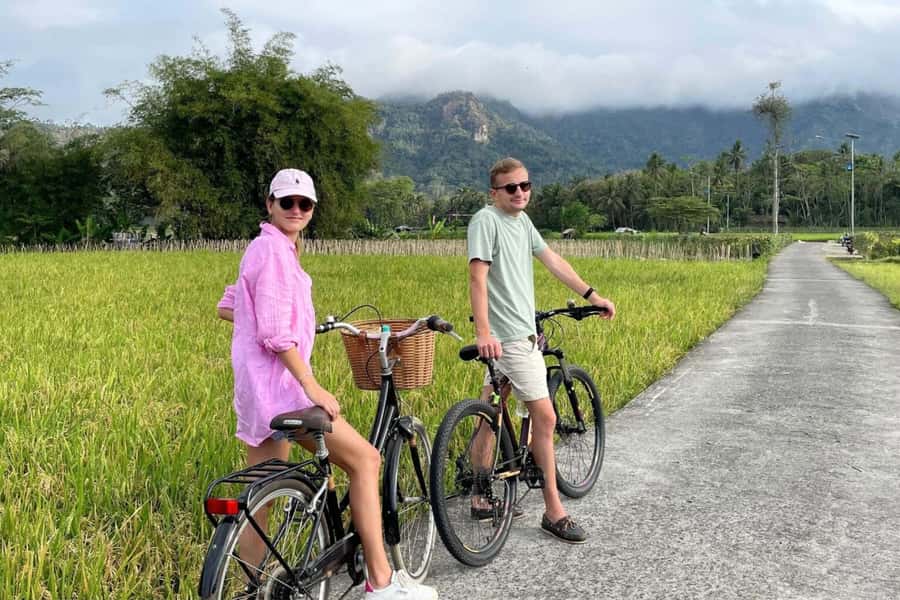
The route is designed to be flat and easy, which is huge if you don’t ride often. It’s an especially good match for groups with mixed comfort levels, because the countryside is accessible without turning the tour into a workout.
As you move through the countryside, you’ll see rice fields, village homes, and small lanes that feel quieter the farther you get from the main roads. One of the best parts of the experience is that you get repeated chances to stop for photos rather than just one “big” scenic moment at the start or end.
You’ll also find that the guide’s explanations help you look longer. When someone points out what’s happening in a craft home or why a product is made the way it is, the ride becomes more than scenery. It becomes a route through daily life.
Coconut sugar: why this stop is more than a demo
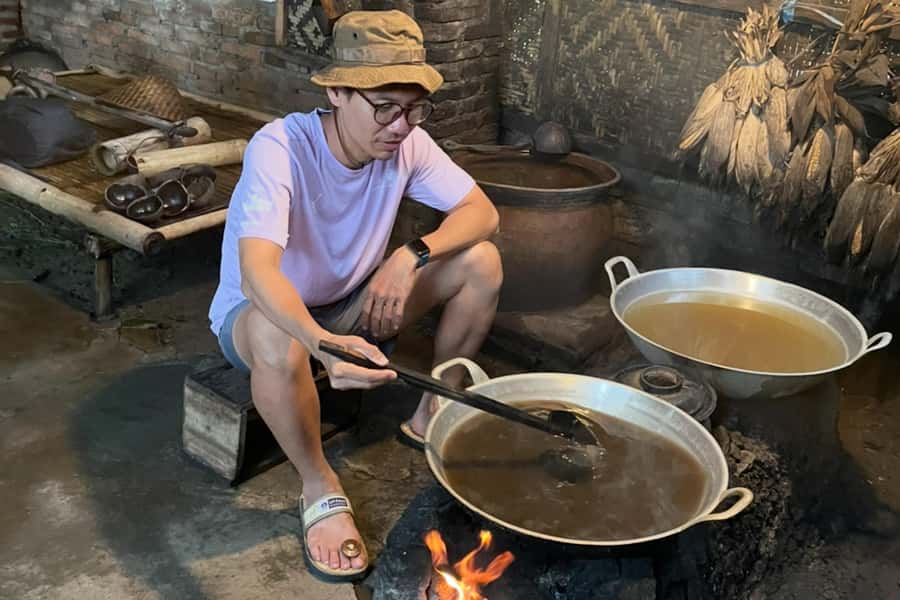
One of the first real-world stops is a small home industry where coconut sugar is made from coconut sap. You’ll watch the traditional cooking process and meet the family behind the product.
This matters because coconut sugar isn’t just a sweet taste. It’s a window into how ingredients are collected, processed, and turned into something with economic value for a local community. Seeing the cooking process up close makes the product feel less like a packaged item and more like a craft that requires patience and attention.
The best way to approach this stop is with curiosity. Ask questions about timing, tools, and what goes into getting from sap to sugar. The guide is there to translate cultural context, and the family can show you what changes during the process.
Tofu workshop: simple tools, real freshness, and a daily routine you can understand
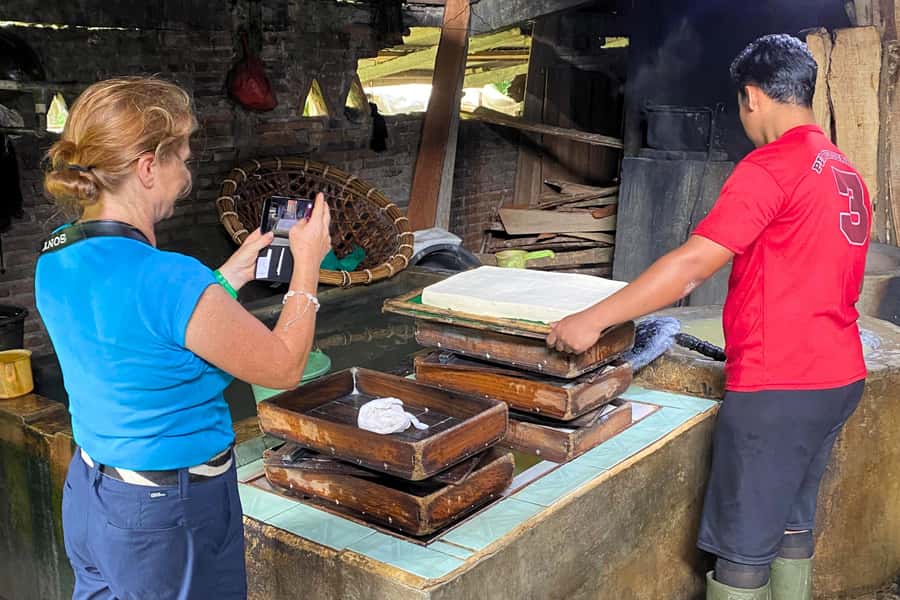
Next comes a tofu-making workshop, where you see fresh tofu being produced daily with simple tools and time-honored techniques. This stop has a different energy than coconut sugar. Instead of cooking down sap into sweetness, you’re watching how food transforms through steps that are practical and repeatable.
Fresh tofu has a very short life, so it’s hard to fake. By the time you taste or observe the finished product, you get the sense that this is part of a routine, not a special event staged for visitors. That’s one reason this kind of stop feels authentic: you’re not only learning; you’re seeing something that keeps the community fed and supported.
If you care about food, don’t rush through the explanations. The techniques may be simple, but the craftsmanship comes from doing them correctly every time.

Pottery village: hands-on shaping with a local artisan
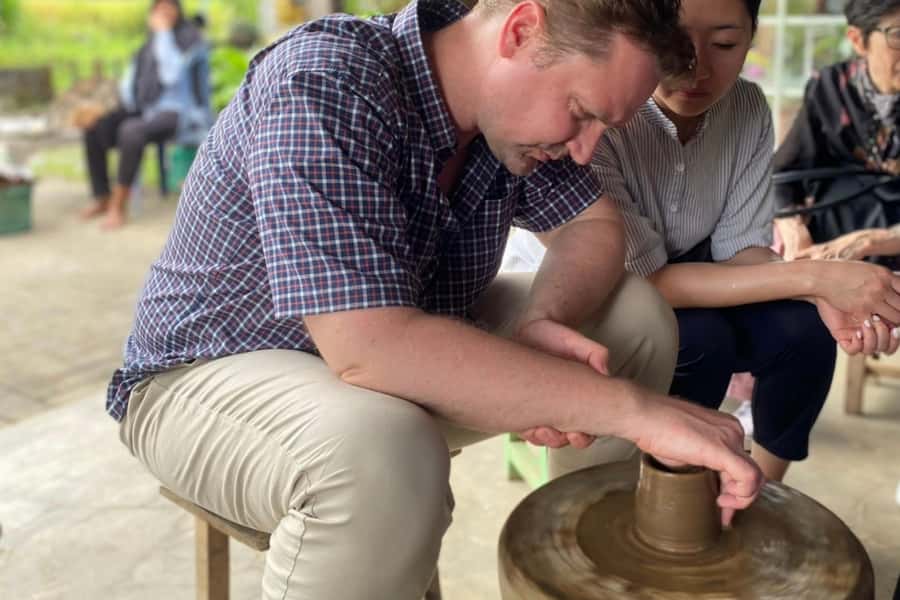
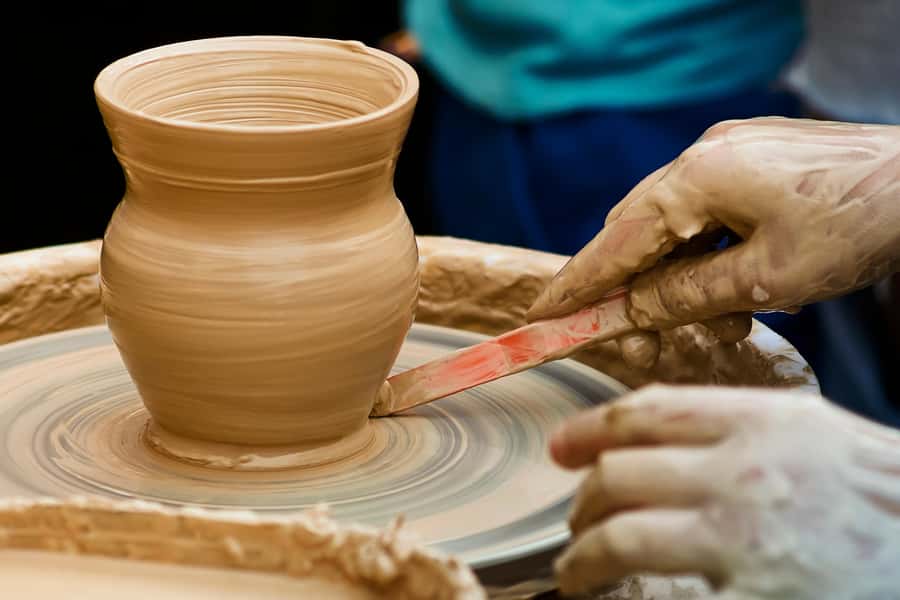
The pottery part is the activity that most people remember, because it’s not passive. You visit a pottery village, where an artisan guides you through shaping clay by hand. You don’t need prior experience.
You’ll make your own pottery piece, which turns the visit into something personal. That’s the difference between watching a craft and understanding it: your hands learn what your eyes can miss. Even if your piece doesn’t look like a perfect mug or bowl, the process shows you why potters develop technique over time.
This stop also connects the dots for why small industries matter. Pottery work supports local livelihoods and keeps craft skills alive. The tour includes a private artisan experience, which helps you focus and ask questions instead of feeling like you’re in a crowded group.
One small drawback to note: pottery involves handling materials and working on a seated level. If you have any physical limitations, choose comfortable clothing and pace yourself with the guide’s instructions.
Optional batik workshop: create a wax-resist souvenir (if you want the extra making time)
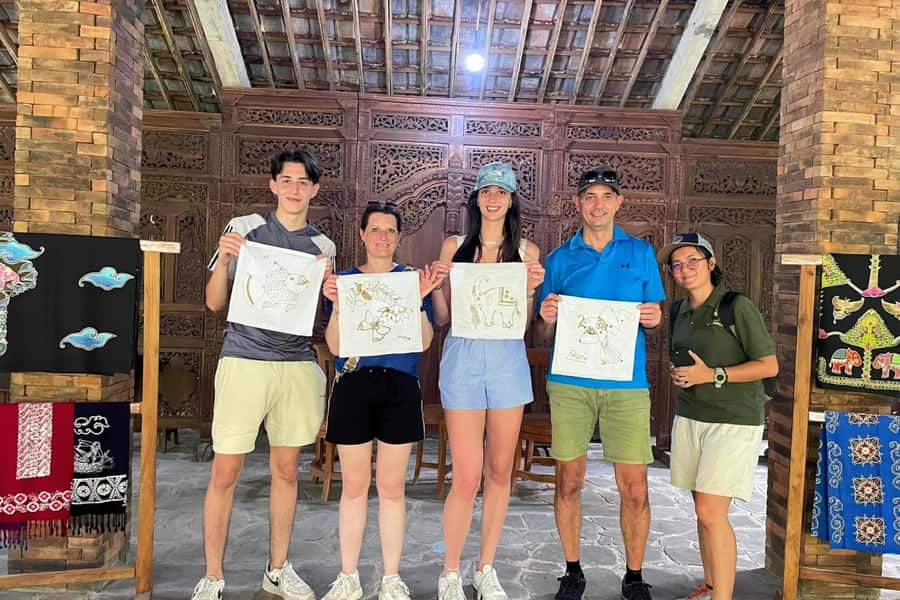
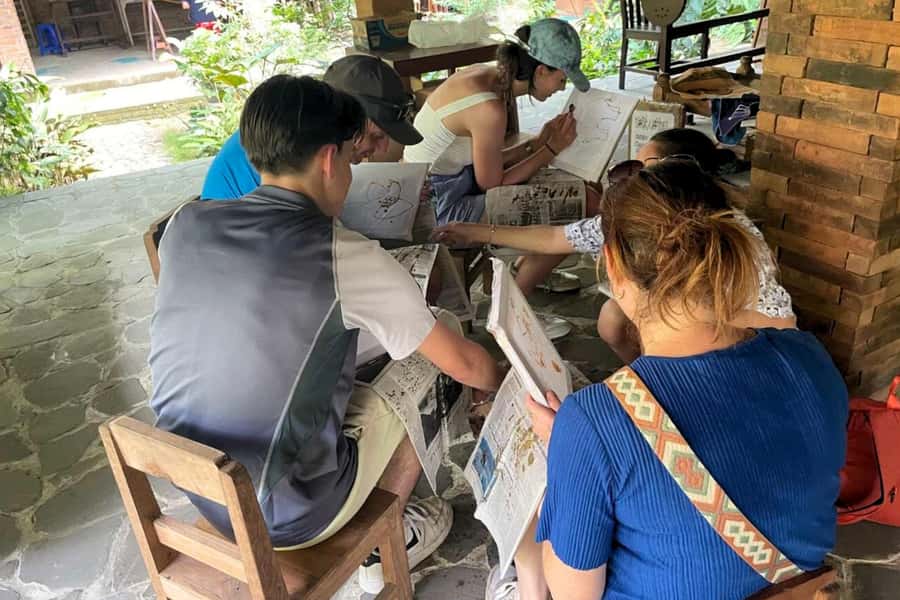
Batik is offered as an optional workshop on request. If you add it, you’ll learn about the wax-resist dyeing technique and create your own batik artwork to take home.
This is a good choice if you want a souvenir that’s more than a printed image. Wax-resist dyeing is method-based, which means you’ll likely understand the process more clearly because you’re doing it, not just watching it happen.
The big practical point: since it’s optional, you can tailor the day. If you like the idea of making something and don’t mind extra workshop time, batik is worth considering. If you’d rather keep the day lighter, you can skip it and still leave with pottery as a handmade highlight.
How the viewpoints and rice-field breaks fit into the day
Between the home-industry stops and the pottery workshop, you’ll have pauses at rice fields and a Borobudur viewpoint. These aren’t just quick photo breaks. The stops help you stretch your legs, rehydrate, and reset so the craft experiences don’t feel nonstop.
The ride schedule also makes the day feel varied. One moment you’re on a bike, the next you’re watching tofu methods, then you’re shaping clay, then you’re learning about dye and wax (if you choose batik). That shift in pace keeps attention high, which is especially helpful if you’re doing this as one of only a few tours in your time around Java.
What’s included (and what to plan for yourself)
You get a lot of value packed into the base experience. Included items are an English-speaking guide, bicycle, local snacks, and mineral water. You also get hotel pick-up around the Borobudur area on request, plus donations for local industries tied to the craft visits.
You should also expect pit stops at rice fields and viewpoints, plus guided activities at the coconut sugar, tofu, and pottery stops. The guide is part storyteller, part translator of cultural context, which is what helps the craft visits feel meaningful rather than random.
What isn’t included is the batik workshop (unless you add it), plus personal expenses. Tips for the guide are optional. For planning, bring your own budget for snacks and drinks outside what’s included, if you think you’ll want more than the provided water and local snack.
Pricing and value: why $29 can be a smart half-day choice here
At about $29 per person for a 4 to 6 hour private cycling experience, the pricing makes sense because you’re not just paying for transportation. You’re paying for guided time, a bike, and multiple hands-on and observation stops that support local producers.
The real value is the mix of activities that would be hard to piece together yourself: you’re getting access to home industries and craft workshops in a structured way, plus donation support for local industries. That turns the day into something closer to a cultural day trip than a basic countryside ride.
If your main goal is only to cycle, you might find cheaper options. But if you want the day to include making pottery and learning where common products come from, this price looks more reasonable. In short: you’re paying for time with makers, not just miles on a bike.
Who this tour fits best (and who should skip it)
This tour is a strong match if you want a calm, rural half-day around Borobudur and you don’t mind doing a few short activities during the ride. You’ll especially like it if you enjoy:
- Easy cycling through quiet village roads and rice fields
- Learning by watching how things are made
- Taking home a handmade item, like your pottery piece
It’s not suitable if you have back problems or you can’t ride a bike. The route is flat, but it still requires active cycling. If you’re unsure, be honest about your comfort level before booking.
Practical tips so the day stays comfortable
The basics matter here. Wear comfortable clothes and comfortable shoes for cycling and walking during craft stops. Bring a sun hat and some sunscreen, since you’ll be outside for the ride and viewpoints. Pack water too, even though mineral water is included, because you might want extra for comfort.
Also, skip anything involving smoking during the tour, since it’s not allowed. And bring your camera if you’re even slightly photo-minded. The route has repeated photo moments, plus viewpoints where the scenery connects back to Borobudur.
One more small tip: don’t overpack. You’ll appreciate having your hands free during the craft activities, especially when shaping pottery.
Should you book this Borobudur cycling and village experience?
If you want a half-day that feels like meeting people and making things, I think it’s a great choice. The cycling is intentionally easy, and the crafts are guided in a way that makes them understandable, not just observational. The pottery experience is the kind of souvenir that doesn’t feel generic, and the coconut sugar and tofu stops give you a sense of daily work in the countryside.
I’d skip it only if biking would be uncomfortable for you or if you want a day focused purely on temple sightseeing without additional stops. But for most people balancing scenery with culture, this is a smart, good-value day around Borobudur.
FAQ
How long is the Borobudur cycling tour?
The tour typically lasts 4 to 6 hours.
Where do you meet the guide?
You meet your English-speaking guide at the main gate of Borobudur Temple.
Is hotel pick-up available?
Free hotel pick-up is available around the Borobudur area on request. Pickup and drop-off for Yogyakarta can also be arranged on request for an additional charge.
What activities are included?
The experience includes cycling around local villages, visits to a coconut sugar home industry and a tofu home industry, and pottery making with a local artisan. Local snacks and mineral water are included, along with a donation for local industries.
Is the batik workshop included?
The batik workshop is optional and available on request, rather than automatically included.
Do I need to know how to ride a bike?
You need to be able to ride a bike. The route is described as flat and easy, but it is still a cycling tour.
What should I bring and wear?
Bring comfortable shoes and comfortable clothes, plus a sun hat and water. Sunscreen is also recommended.