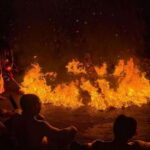
Two volcanoes, one unforgettable sunrise rhythm. This Bromo–Ijen 3D2N tour strings together a jeep ride for Bromo sunrise and a midnight trek to Ijen’s sulfur crater, where you’ll see blue fire up close. You’re not just doing photo stops here; the timing is built around the volcanoes being at their most dramatic.
I especially like the way the tour keeps things practical: private transport, hotel stays, entrance tickets, and an on-the-ground English setup that reduces stress when you’re trying to move fast. I also enjoy that the Ijen part includes key gear like a gas mask and headlamp, because sulfur smell and low light are not “optional” problems.
One drawback to plan for: the Ijen section is a real hike and the schedule is early and late. If you’re not comfortable with steep effort at night (plus strong sulfur fumes near the crater), you’ll feel it.
In This Review
- Key points worth knowing before you go
- How the 3-Day Java loop actually flows
- Surabaya to Bromo: rides, rest, and why hotel time matters
- Bromo sunrise by private jeep: what you get for your money
- After sunrise at Bromo: crater views and the quick reset
- The midnight Ijen climb: pace, effort, and real altitude work
- Down to the sulfur crater: where the blue fire moment becomes possible
- Guide and transport: English support that keeps you from guessing
- What to bring: your checklist for Bromo and Ijen
- Price and value: is $258 per person worth it
- Who should book this tour (and who should reconsider)
- Should you book the Bromo – Ijen Sunrise Tour 3d2n?
- FAQ
- What is included in the tour package?
- Is lunch or dinner included?
- What language is the tour guide?
- How do you get to Bromo and Ijen?
- Do I need to hike for Bromo?
- How long is the hike to the top at Ijen?
- Who is this tour not suitable for?
Key points worth knowing before you go
- Private group convenience: you travel with your own group and get direct guidance without merging into a huge crowd tour.
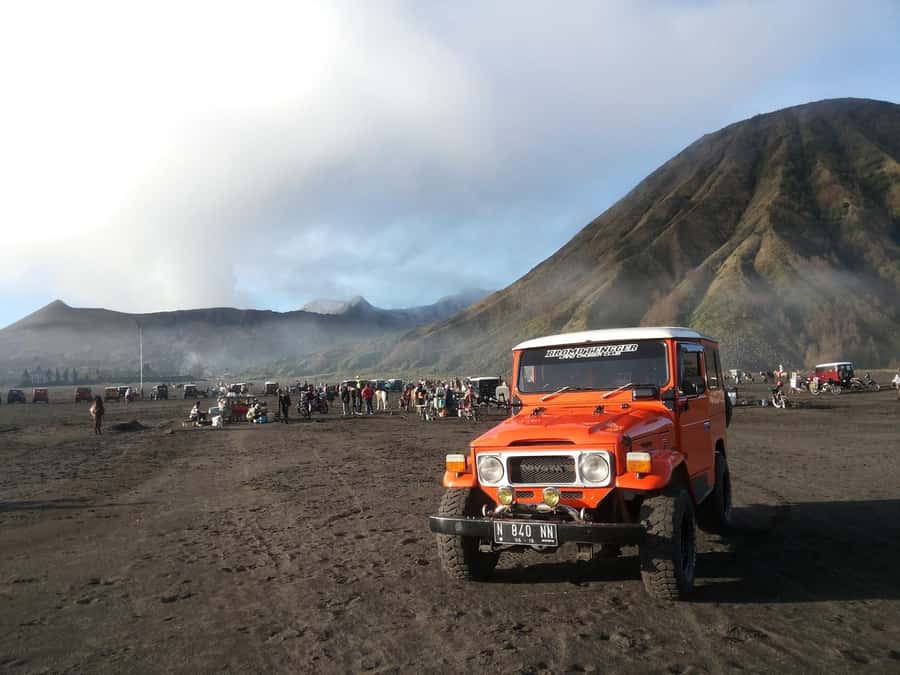
- Bromo by private jeep: you’ll ride to sunrise viewpoints instead of spending energy walking through sand and slopes in the dark.
- Ijen needs fitness: expect around 12 km hiking and about 600 m height difference, plus a climb in nighttime conditions.
- Gas mask changes the experience: it’s provided for a reason, and it makes the blue fire viewing possible.
- English support throughout: live English guidance at Ijen plus an English audio guide.
- Meals not included: breakfast is included, but you’ll need a budget for lunch and dinner.
How the 3-Day Java loop actually flows
This tour is built as a simple loop: you meet at Surabaya International Airport, then you’re transferred by private car to the Bromo hotel. After check-in, you get time to rest before the early-morning sunrise push.
Next, you move to the Ijen area by car and you get another block of downtime at the hotel. Then the real schedule kicks in at midnight, when you start the climb toward Ijen so you can reach the crater experience in time.
That rhythm matters. Volcano photography is a timing game, but the tour’s structure helps you show up rested enough to do the hard parts and not just survive them.
You can also read our reviews of more tours and experiences in Indonesia.
Surabaya to Bromo: rides, rest, and why hotel time matters
The private car pickup from Surabaya is more than a convenience. It reduces the chaos factor on Day 1, when you’re likely arriving in a new country and don’t want to bargain with local transport while carrying the wrong shoes.
At the Bromo hotel, you’ll check in and take a breather. This is a smart setup because the next morning’s sunrise requires you to be awake early and ready to move.
Also keep your expectations realistic: breakfast is included, but lunch and dinner are not. I suggest planning for simple snacks you can grab ahead of time, because you’ll be busy during the long travel stretches.
Bromo sunrise by private jeep: what you get for your money
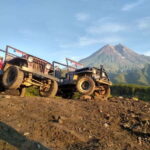
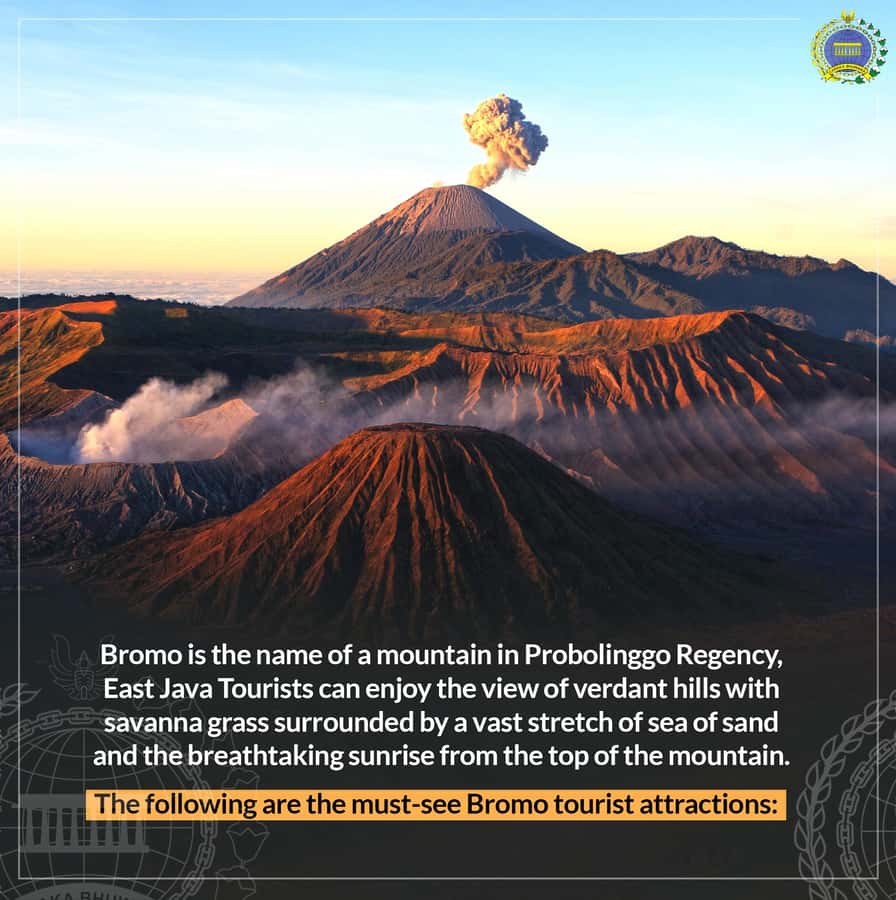
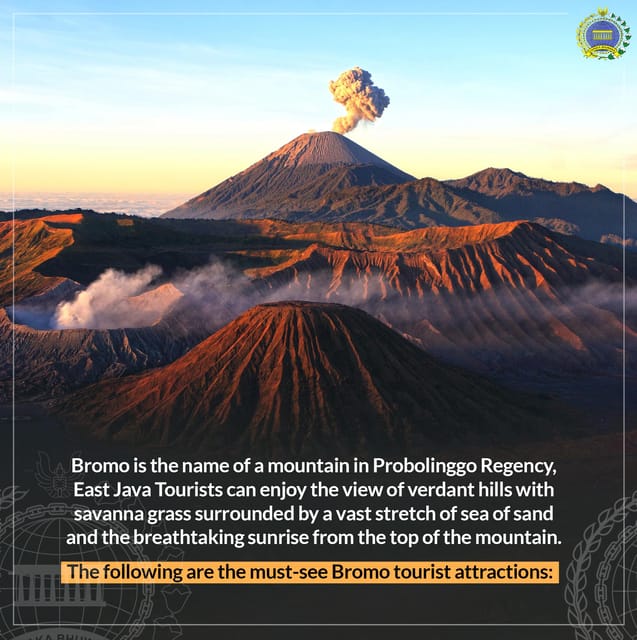
Bromo is the headline act for Day 2, but the real value is how you reach it. You’ll take a private jeep up to the sunrise area, then wait for the sunrise time. That approach saves your legs for later and helps you arrive with better positioning.
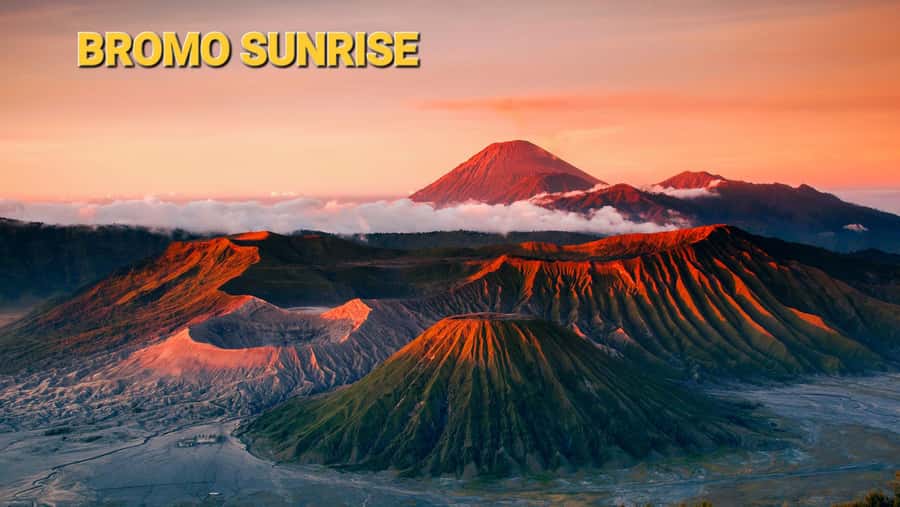
Once you’re up, you get panoramic views that include more than one volcano. It’s one of the reasons Bromo works so well for first-timers: you’re not stuck with a single viewpoint, and the vast open terrain makes the scale obvious.
Bromo is also described as very accessible compared to Ijen. One of the best points here is that you don’t need a minimum fitness level to enjoy the experience, as long as you’re comfortable following instructions and standing/walking a bit on uneven ground.
One consideration: weekends can be crowded at both volcano areas. That doesn’t ruin it, but it can change how “quiet” the experience feels, so going with patience helps.
After sunrise at Bromo: crater views and the quick reset
When the sunrise part wraps up, you go down again to see what’s happening around the volcanic areas. This is where you shift from “watching the sky turn” to “watching the mountain do its thing,” which feels different and keeps your day from turning into a one-moment show.
Then it’s back toward the hotel area so you can prepare for the next leg. This “reset” block is important because Ijen starts at midnight, meaning you can’t just power through without sleep.
Again, remember meals aren’t included, so if you have preferences for food or you know you get hungry while traveling, plan accordingly.
The midnight Ijen climb: pace, effort, and real altitude work
After you arrive at the Ijen start point, you prepare and begin the climb. The climb to the top is about 90 minutes, and the effort is not the same as a casual hike.
A useful fitness note: Ijen is described as a proper hike around 12 km with roughly 600 m height difference. That means steady pacing and basic stamina matter more than speed. You’ll also be climbing at night, which makes footing and breathing more important than usual.
This is the part of the tour I’d take seriously when deciding if it’s for you. The tour also isn’t suitable for certain travelers: children under 5, pregnant women, people with recent surgeries, and anyone over 70. If any of those apply, it’s better to choose a different itinerary.
For everyone else, bring the right clothing and footwear. In the details list, they specifically call out jacket, gloves, hiking pants, and hiking shoes. Treat that as guidance, not a suggestion.

Down to the sulfur crater: where the blue fire moment becomes possible
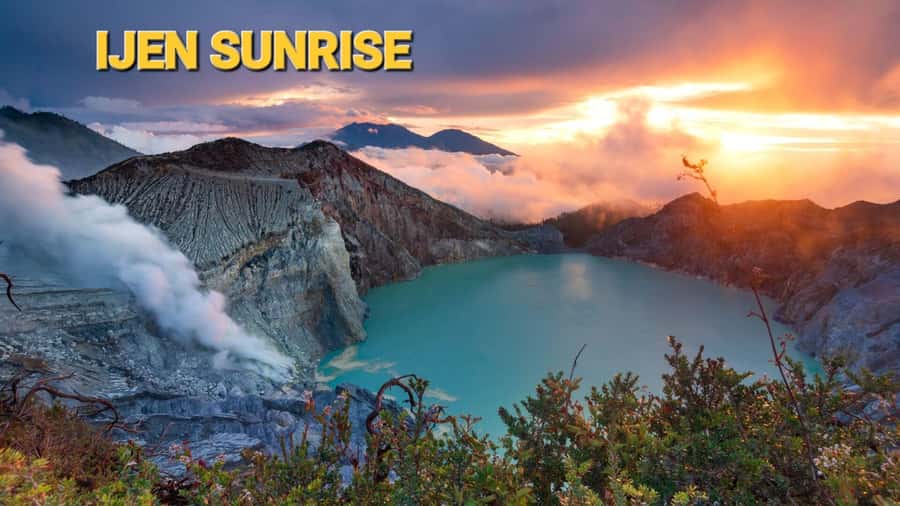
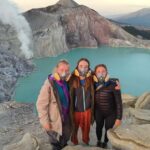
Here’s the Ijen payoff: you go down to the sulfur crater to see the blue fire. You’re given (and expected to use) a gas mask because the sulfur smell is very strong.
That gas mask moment changes the experience. Without it, you’d rush away or not last long enough to appreciate the blue fire properly. With it, you can stand still and look, which is exactly what you need to actually see what makes Ijen special.
You’ll also have a headlamp, which helps with the low-light climb and viewing near the crater. The tour includes this for a reason: you’re moving in dark conditions and need reliable hands-free light.
One more timing perk: after the blue fire viewing, you get to enjoy the sunrise on the top. So you’re not only chasing a flame effect—you’re also catching the morning glow after a hard climb, which feels like a full-circle payoff.
Guide and transport: English support that keeps you from guessing
What I like about this tour setup is how much it removes uncertainty. The tour includes entrance tickets, private car transport, and private jeep access for Bromo, so you’re not negotiating with multiple providers while juggling timing.
On the language side, you get live tour guide support in English, plus an English audio guide included. In practical terms, this helps when the terrain is tricky or when you’re trying to understand what you’re looking at around active volcanic zones.
A detail from the experience feedback that stands out: the chauffeur Endi is mentioned as especially helpful and kind, making long hours easier to handle. That kind of driver energy matters on Java tours, because the schedule is packed and the roads can take longer than you expect.
Also, the tour includes skip-the-ticket-line access. That’s not glamorous, but it’s real value when you’re trying to keep your sunrise or midnight timing intact.
What to bring: your checklist for Bromo and Ijen
The packing list is clear for a reason: you’re mixing sunrise waiting, sand/volcanic ground movement, a long nighttime hike, and crater viewing with strong fumes.
Bring comfortable shoes for the overall walking, and also hiking shoes if you have them. Include a jacket and gloves because the Ijen portion happens in the dark and you’ll want warmth and hand protection.
Plan for clothing changes too. A change of clothes can save you from feeling miserable after the combination of sweat, humidity, and cold-ish early morning air.
Don’t forget camera gear and a charged smartphone. You’ll want to capture Bromo’s wide panoramas and Ijen’s blue fire moment, and phones die fast when you keep taking photos in low light.
They also recommend bringing cash and a first aid kit. I can’t predict what you’ll need, but having basic medical supplies and some cash on hand is smart when you’re in remote areas with limited options for last-minute fixes.
Price and value: is $258 per person worth it
At $258 per person for a 3-day, two-volcano tour, the value is strongest when you look at what’s included. You get accommodation, breakfast, private car with petrol, all entrance tickets, a private jeep for Bromo, a local guide at Ijen, plus the crucial gear for Ijen viewing: gas mask and headlamp.
If you tried to piece this together yourself, the cost tends to rise quickly once you account for transport between remote areas, timely access to viewpoints, and professional guidance for the Ijen crater portion. Here, those pieces are bundled, which is a big deal when timing is non-negotiable.
The trade-off is simple: lunch and dinner are not included. So budget for meals separately, and you’ll feel the price more fairly. You’re paying for the logistics and the key experiences—then you handle food on your own.
Who should book this tour (and who should reconsider)
This tour fits best if you want a focused volcano itinerary with real structure. You’ll be up early for Bromo sunrise, then you’ll do the effort-heavy Ijen night climb, and you’ll come back with two very different volcanic moods.
I’d recommend it for you if:
- You’re comfortable hiking in the dark and you can handle steep effort.
- You want English guidance and gear support for Ijen’s crater conditions.
- You prefer a private group feel over joining multiple buses of strangers.
I’d reconsider if:
- You have limited mobility or you’re within the stated non-suitable categories (young children under 5, pregnant women, recent surgeries, over 70).
- You’re sensitive to strong smells and don’t feel confident using the provided gas mask.
- You hate early starts, because the Ijen timing is midnight-to-morning.
Should you book the Bromo – Ijen Sunrise Tour 3d2n?
If you’re chasing two iconic volcano experiences without the headache of assembling transport and timing yourself, I think this is a strong choice. The biggest reasons to book are the private transport setup, the Bromo jeep for sunrise access, and the fact that Ijen’s most critical viewing gear—gas mask and headlamp—is included.
Before you commit, do one honest check: your comfort level with the Ijen climb effort. It’s described as about 12 km and 600 m height difference, plus the hike happens around midnight, so it’s not a stroll.
If that sounds manageable, you’ll likely love the way the tour builds from panoramic Bromo views to the high-impact blue fire crater moment. When you’re ready for that mix of comfort (hotel rest and private driving) and challenge (night hike), this itinerary makes a lot of sense.
FAQ
What is included in the tour package?
The tour includes accommodation, breakfast, private car transport (with petrol), all entrance tickets, a private jeep for the Bromo segment, a local guide at Ijen, plus a gas mask and headlamp.
Is lunch or dinner included?
No. Lunch, dinner, and anything else you need are not included.
What language is the tour guide?
The tour is guided in English. There is also an English audio guide included.
How do you get to Bromo and Ijen?
You meet at Surabaya International Airport and travel by private car. For Bromo sunrise, you then use a private jeep to reach the sunrise area.
Do I need to hike for Bromo?
The Bromo sunrise part is described as accessible and does not require a minimum fitness level.
How long is the hike to the top at Ijen?
After arriving at the Ijen start point, the climb to the top takes around 90 minutes, followed by going down to the sulfur crater for blue fire viewing.
Who is this tour not suitable for?
It’s not suitable for children under 5, pregnant women, people with recent surgeries, and people over 70.