Scooter traffic in Bali doesn’t have to start scary. This private electric scooter lesson in Canggu focuses on getting you comfortable step by step, with instructor-in-your-ear coaching and patient, private guidance that helps you build real confidence. You start with theory, practice balance and turning, and only move to quieter roads once you’re ready.
The main catch is paperwork: you should have a valid license before you ride.
In This Review
- Key things to know before you go
- Why Canggu Scooter Lessons feel practical (not intimidating)
- What actually happens in your first 2 hours
- From balance drills to real comfort: the lesson progression
- Instructors in your ear: what good coaching looks like
- Licenses, fitness, and the bicycle prerequisite
- Price and value: is $31.34 per person worth it?
- Where the lesson starts (and how that affects your day)
- Weather and schedule realities in Bali
- Who should book this scooter lesson in Canggu
- Should you book Canggu Scooter Lessons?
Key things to know before you go
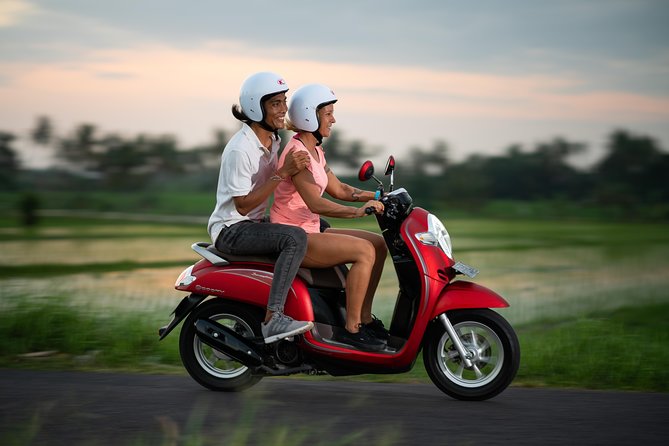
- Private electric scooter instruction so you control the pace and don’t get lost in a group lesson
- Theory first, then balance and turning drills before you ever touch busier areas
- Quiet village street practice only after you’re confident, not before
- Break time on request, so you can stop, breathe, and reset instead of pushing through
- Typical learning path is 2–3 lessons, often totaling about 4–6 hours for comfort
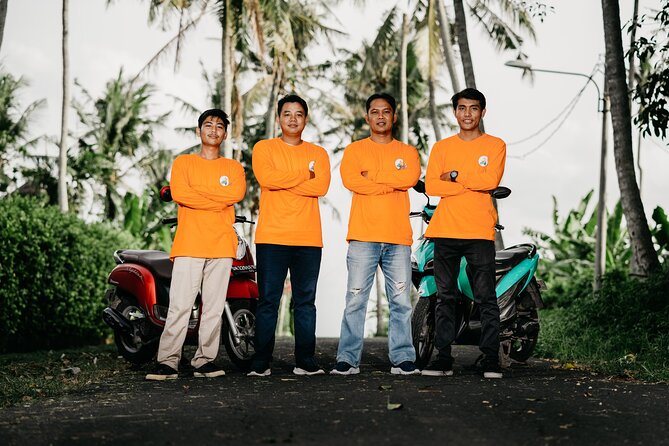
- Instructor names you may meet include Agus and Gede, both mentioned for patience and clear explanation
Why Canggu Scooter Lessons feel practical (not intimidating)
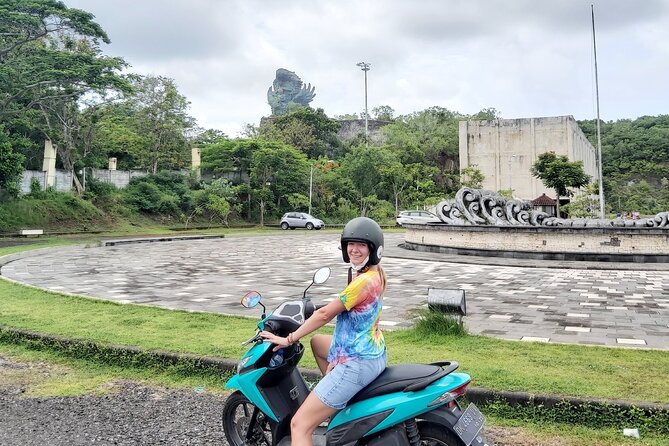
Learning to ride a scooter in Bali is one of those tasks that looks simple until you’re actually on the road. The good part here is how the lesson is structured: it doesn’t start with traffic. It starts with how the scooter works, how to stay balanced, and how to make controlled turns.
I like that the experience is designed for both first-timers and people who already know a little but don’t feel safe yet. It’s private, so the instructor can watch your posture, your speed, and your decision-making in real time. That matters because your confidence usually improves fastest when someone adjusts you right away.
The other thing I really appreciate is the “earn the next step” approach. You do the basics first, then move out to a quiet village street only when you’re comfortable. That keeps the learning curve human-sized and helps you avoid the classic first-ride panic.
You can also read our reviews of more tours and experiences in Ubud.



What actually happens in your first 2 hours

This lesson is about 2 hours (approx.), and it has a clear sequence. You begin at the parking lot with an instructor-led setup and basics, then you progress as you gain confidence.
First comes the theory. You’ll get instruction on how everything works on the scooter and what the different parts do. For many people, this is where the anxiety drops, because you stop guessing and start understanding.
Next is hands-on practice. You’ll learn how to balance the scooter and how to take turns. This is the stage where you build the muscle memory for slow control. Expect the instructor to guide you step by step and keep checking whether you’re ready to move on.
Only after you’re completely confident do you continue your lesson on a quiet village street. That street part is key. It means you get real movement and turn practice while still staying in an environment designed to help you practice safely.
And yes, you can take as many break times as you need. That’s not just a comfort feature. Breaks help you process what you just learned instead of stacking mistakes on top of mistakes.
From balance drills to real comfort: the lesson progression
The provider is upfront that the number of lessons depends on you. Some people click with the first session and feel fine sooner. Others need repetition, slower pacing, or more time on turns before they feel safe.
Based on their guidance, the average learning time is about 4–6 hours. That usually translates to 2–3 lessons. You’ll likely be encouraged to try that range, but the nice part is flexibility. You can do as little or as many lessons as you want, and they’re set up to adjust based on how you feel after the first one.
Here’s what that usually means in practice: your first lesson is often about control. Your second lesson often builds confidence with turns and smoother handling. A third lesson, if you take it, tends to help you feel calmer about the next stage—handling more complexity without rushing your skills.
This is also why private coaching works well here. If you’re struggling with balance, you can focus there. If you already balance but panic on turns, the instructor can spend time on turning drills. The learning plan adapts to your real needs.
Instructors in your ear: what good coaching looks like
The biggest value in any scooter lesson is the coaching. Here, the instructors are described as patient and specific, and that shows up in how they teach.
For example, Agus is named for being nice and patient and for explaining everything in detail when it’s someone’s first time. Gede is also mentioned for patience and helpful guidance, especially when the student is ready for the next step. Those comments line up with what you want from an instructor: calm presence, clear explanation, and no pressure to move faster than you can handle.
Another advantage is that you don’t get shoved through tasks. The lesson emphasizes learning at your own pace, and the instructor checks when it’s time to progress. That approach helps you stop thinking, Why am I falling behind? and start thinking, I understand this now.
If you’re the type who learns better by doing—small tasks, repeated practice—this teaching style fits. It’s also helpful if you’re returning to riding and want a safety reset rather than a full retraining.
Licenses, fitness, and the bicycle prerequisite
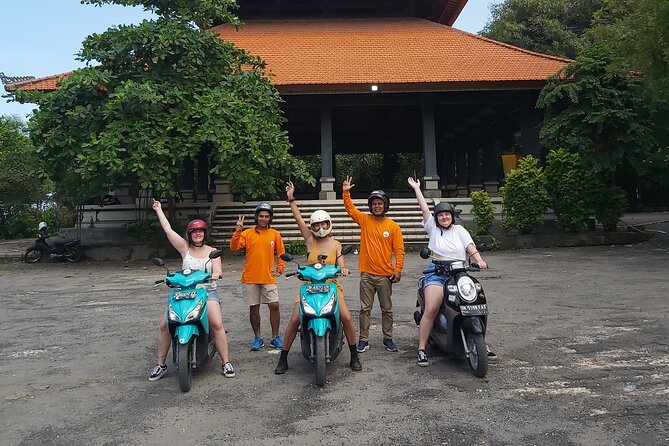
Before you book, read the requirements closely. They ask that travelers have a valid license. That’s not just a formality. It’s a reminder that this lesson is aimed at people who are legally allowed to ride and can take safety seriously.
They also note a moderate physical fitness level. You’ll need enough comfort with standing, mounting, and maintaining balance during practice runs. Nothing extreme is described, but if you’re dealing with pain or mobility limits, you should consider how much controlled riding practice you’ll be doing.
One more requirement is the bike experience note: for learning driving the scooter, you need experience riding a bicycle/bike. That makes sense. Scooters use similar balance and steering instincts, just with different power and control.
If you’ve ridden a bike confidently before, you’re already set up for the balance part. If you haven’t, you might find the scooter learning curve steeper than you expected.






Price and value: is $31.34 per person worth it?
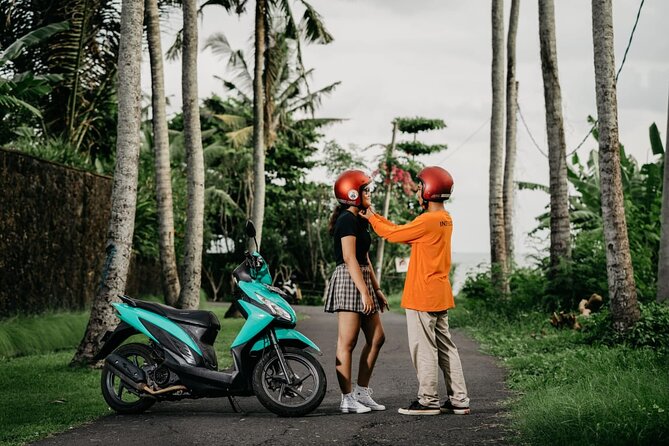
The price is $31.34 per person. For a private lesson, that’s a strong value—especially because you’re not competing for attention. You can ask questions, repeat tasks, and slow down when you need to.
Duration is listed at about 2 hours, which means you’re paying for focused, guided practice rather than a long, wandering experience. And because it’s private, the “time spent learning” is usually higher than with group lessons.
The real value comes from the structure. Learning scooter basics in the wrong place or without guidance can cost you time, nerves, and maybe more than you’d spend here. This lesson is built around reducing risk while building control. You can also choose to stop after one lesson if you’re comfortable, or keep going toward the typical 4–6 hour learning range.
So the pricing isn’t just about the 2-hour session. It’s about whether you leave feeling safe enough to handle Bali traffic with more confidence. If one lesson changes your comfort level a lot, you’re getting a bargain. If you need two or three lessons, you’re still paying for instruction that aims to prevent sloppy habits.
Where the lesson starts (and how that affects your day)
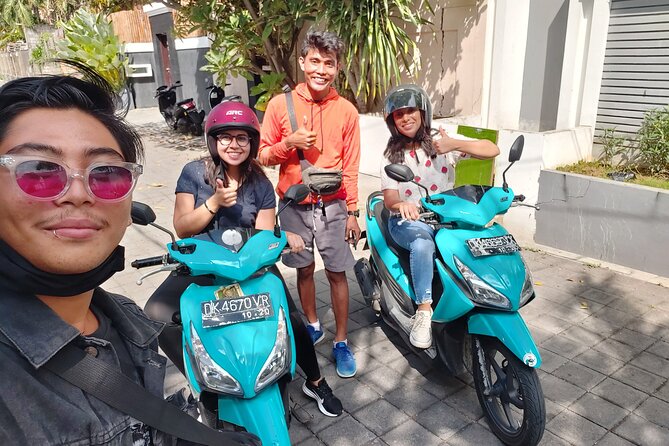
The meeting point is at Jl. Raya Dawas, Tibubeneng, Kec. Kuta Utara, Kabupaten Badung, Bali 80361, Indonesia. The activity ends back at the meeting point, so you can plan your timing without worrying about getting dropped elsewhere.
Because it’s private and you’ll start in a parking lot area, you don’t need to arrive and instantly jump into traffic. The “start here, practice here, then move later” approach makes the lesson feel like training, not a random street tryout.
Also, this is an experience with a mobile ticket. That’s handy in Bali, where plans can change and you don’t always want to hunt for paper.
Weather and schedule realities in Bali
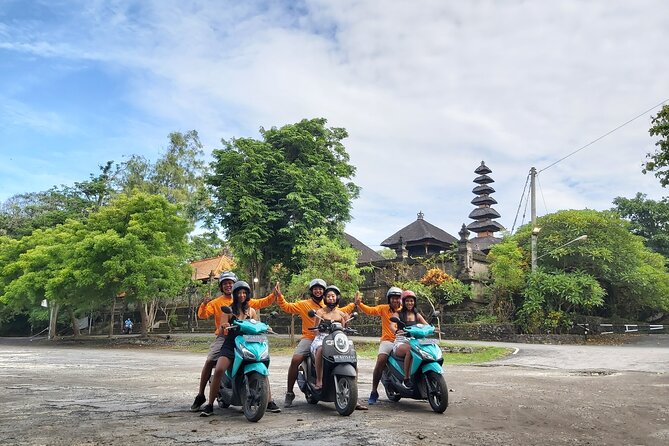
This experience requires good weather. If it’s canceled due to poor weather, you’ll be offered a different date or a full refund. That’s the kind of policy you want for scooter learning because wet roads can make practice harder and less safe.
If you’re traveling on a tight schedule, plan for at least one weather buffer day. Even if you’re hoping for sun, Bali conditions can shift quickly, and scooter instruction is one of those activities that really benefits from good pavement and visibility.
They also note that the experience is non-refundable and cannot be changed for any reason. So the best move is to book with confidence about timing—and keep an eye on the forecast so you’re not gambling with your dates.
Who should book this scooter lesson in Canggu
This lesson is a strong fit if you want confidence without being thrown into traffic on day one. It works for new arrivals who need a safety foundation and for repeat visitors who still don’t feel fully comfortable riding on busy streets.
It’s also a good choice if you like learning in a controlled way. The sequence—theory, balance, turns, quiet-street practice—keeps you from skipping steps. And because you can take breaks, it’s easier to stay calm when you’re still learning coordination.
If you already ride well on a bike, you’ll probably progress faster through the balance part. If you don’t have bike experience, expect the scooter learning curve to be steeper and consider allowing extra time.
Finally, if you’re the type who values clear instruction and a patient teacher, this is the kind of lesson that tends to deliver. Instructor names like Agus and Gede are mentioned specifically for patience and helping students progress only when ready.
Should you book Canggu Scooter Lessons?
I’d book it if you want a practical path to scooter confidence without guessing. The training style—theory first, balance drills, turns, then quiet-street practice—reduces the biggest risks that come with learning in Bali traffic.
You should think twice only if you don’t have the required valid license, don’t have bicycle experience, or you’re worried about meeting the moderate physical fitness needs. And if your schedule is inflexible, plan around weather since the lesson needs good conditions.
If you’re aiming to ride more freely while you’re in Bali, this is one of the few ways to get there with a plan, not luck.