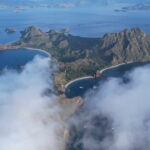
Early mornings change everything in Komodo. This 5:30 AM private speedboat itinerary lets you see the big sights before the day turns loud and crowded. You’ll get a smooth day plan built around trekking viewpoints, sandy shore time, and snorkeling with real natural drama.
I especially like the pacing. You start at Labuan Bajo’s harbor early (latest departure 6:00 AM) and you move stop-to-stop without feeling rushed. I also like the hands-on team setup: a certified guide, experienced local crew, and rangers for the Komodo dragon trek, plus snorkeling gear included so you can spend less time fussing and more time in the water.
One consideration: the start is early and the day runs about 11 hours. Also, the tour depends on sea conditions—during November to February, weather can mean waiting longer for clearance from the Harbor Master (and sometimes itinerary adjustments).
In This Review
- Key Highlights You’ll Actually Feel
- Why the 5:30 AM Start Is Worth It in Komodo
- Labuan Bajo Harbor to Your Own Speedboat Ride
- Stop 1: Padar Island and the Three-Color Beach Viewpoint
- Stop 2: Pink Beach for Sand Time and Water Views
- Stop 3: Komodo Island Ranger Trek for Komodo Dragons
- Stop 4: Taka Makassar Sandbar for a Calm Interlude
- Stop 5: Manta Point Snorkeling With Manta Rays
- Stop 6: Siaba Island for Sea Turtles and Tropical Fish
- The Return to Labuan Bajo: Long Day, Organized Ending
- Price and Value: Why $420 Can Make Sense Here
- Weather Season Tip: Rainy Months, Clearance, and Manta Odds
- Who This Tour Fits Best (and Who Should Think Twice)
- Should You Book This Early Komodo Speedboat Tour?
- FAQ
- What time is pickup for the early tour?
- When does the speedboat leave Labuan Bajo?
- How long is the tour?
- What’s included in the price?
- What costs extra?
- Is this tour private or shared with other groups?
- Are there options to depart later than the early schedule?
- What should I know about rainy season?
- Do I need special permission if I want to bring a drone?
- If I have a flight after the tour, what should I do with luggage?
Key Highlights You’ll Actually Feel
- 5:30 AM pickup so you reach Padar before the hardest crowd wave hits
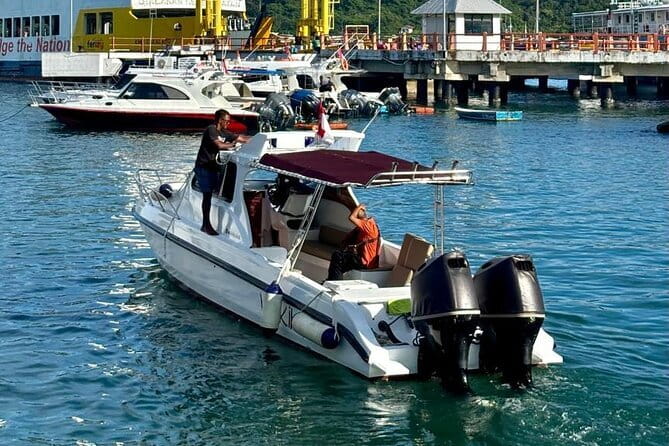
- Private twin-150 HP speedboat ride at about 20–25 knots, built for comfort and efficiency
- Padar’s viewpoint trek to catch the iconic three-color beach panorama
- Komodo Island ranger-led trek to look for Komodo dragons on foot
- Manta Point snorkeling where you have a shot at swimming alongside manta rays
- Towel, lunch, snacks, and water included to keep the long day manageable
Why the 5:30 AM Start Is Worth It in Komodo
Komodo National Park can feel like a theme-park version of itself—boats stacked, people herding, phones held high. The big advantage of this tour is that it starts before that pattern fully forms. With pickup at 5:30 AM from your hotel lobby and a harbor departure at 6:00 AM (at the latest), you’re positioned to enjoy the places that people travel here for while the air is cooler and the day is calmer.
The other value in going early is light and timing. Padar Island’s viewpoint is about angles and contrast—when you’re early, you’re more likely to get clear views of the three-colored beaches without the day’s haze building. And because the whole route is planned around that early momentum, you get a full itinerary without spending your best hours waiting around.
This is a private tour, meaning your group only competes with time, tide, and weather—not other tour groups for boat space or trail pacing. That matters a lot on treks where everyone wants to stop, take photos, and catch their breath.
You can also read our reviews of more tours and experiences in East Nusa Tenggara.
Labuan Bajo Harbor to Your Own Speedboat Ride
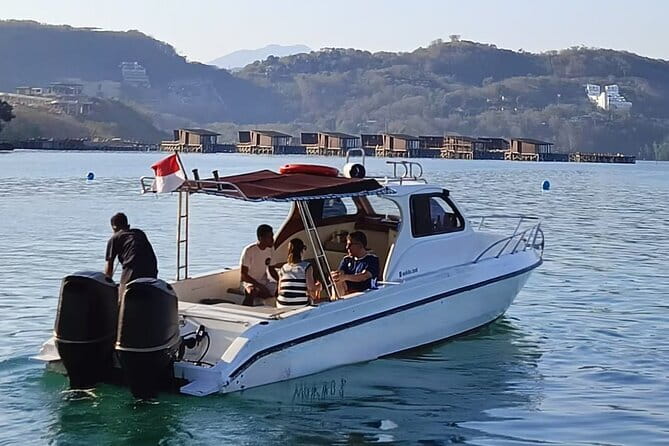
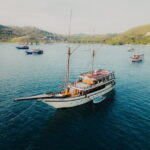
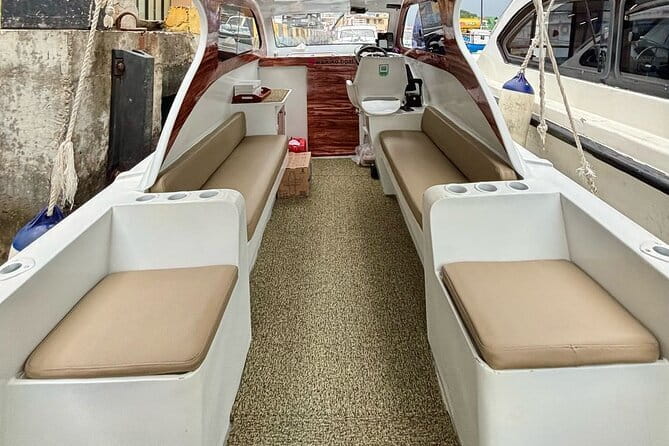
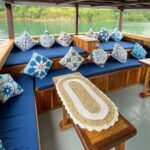
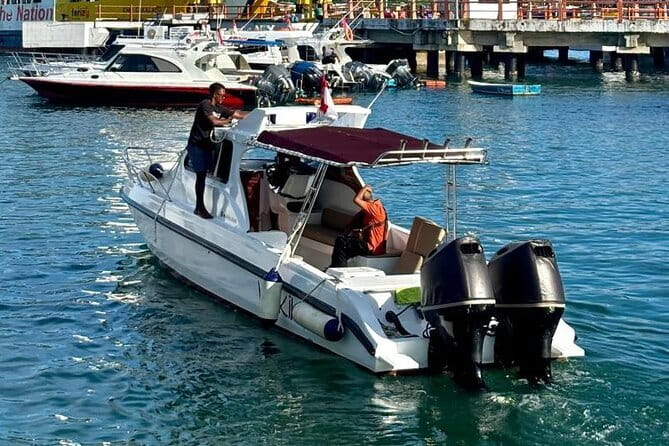
Your morning begins with a hotel pickup at 05:30, then a transfer to Labuan Bajo’s harbor. You board a private speedboat powered by twin 150 HP engines, cruising at roughly 20–25 knots. That’s fast enough to connect the islands without turning the day into a long boat slog, but it’s also built for a comfortable day out at sea.
You’ll also want to plan smart for the logistics of a long day. The tour includes your lunch and snacks, plus bottled water, towels, and snorkeling equipment. That reduces the usual stress of trying to find supplies on the fly once you’re already out on the route.
If you’re traveling with any flight schedule the same day, the tour company provides an important tip: bring your luggage with you and store it in the shuttle car. The same car takes you straight to the airport once the tour ends. That saves you from dragging bags around twice.
Stop 1: Padar Island and the Three-Color Beach Viewpoint
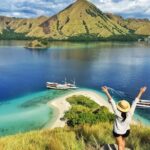
Padar Island is the first big moment, and it’s a good choice to do early. You’ll start with a moderate trek to the famous viewpoint. This climb isn’t about technical difficulty; it’s about effort and patience. You’ll likely be breathing a bit harder, and you’ll want to move at your own pace while the world spreads out behind you.
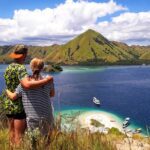
From the viewpoint, you’re chasing the iconic look of Padar’s beaches—often described as three-color sand. The payoff is wide panoramic vision: coastlines, bays, and the island’s dramatic shapes. It’s the kind of scenery you can photograph from multiple angles as you find your footing and your best line of sight.
What could make this stop feel harder: the stairs and steps can be tiring, especially if you’re not used to uphill walking. I’d treat the trek as a warm-up for the rest of the day. Wear shoes with grip, and plan to take short pauses so you don’t rush the climb.
Stop 2: Pink Beach for Sand Time and Water Views
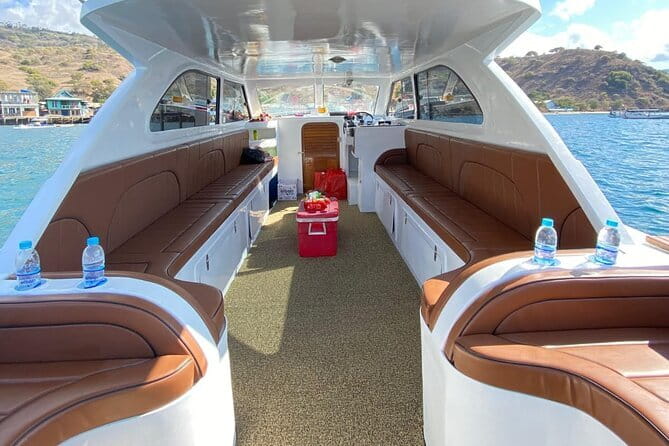
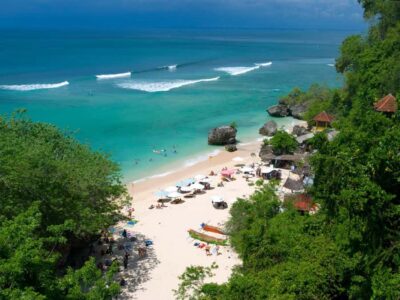
After Padar, you switch from trekking to relaxing at Pink Beach, famous for its pink-toned sand and bright coastal water. This is your recovery moment. You can sit, walk the shoreline, and take photos without feeling like you’re constantly moving to keep the itinerary on track.
This stop is also about choice. Some people will love it as a laid-back beach break; others use it as a photographic stop where the light and water texture create strong contrast. Even if you don’t do much besides watch the waves, this is still a meaningful cultural break from the trekking rhythm.
One downside to keep in mind: the day is long, and by this point you’ll already have been up early. If you like beaches but hate feeling rushed, use the time here to reset your energy before the dragon trek on Komodo Island.
Stop 3: Komodo Island Ranger Trek for Komodo Dragons
Now comes the emotional core of the day: Komodo Island and the chance to see Komodo dragons. You’re not just dropped off and left to wander. You’ll trek with experienced rangers, which is a big deal for both safety and the ability to find wildlife.
The trek itself is part walking, part waiting, part scanning. When you’re looking for large animals, movement matters. The rangers’ guidance helps you understand where activity tends to happen and how to behave while you search.
What I like about doing this on a guided trek is that it keeps your expectations realistic. You’re looking for wild animals, not a zoo guarantee. But with a ranger-led approach, your chances improve, and your experience stays grounded in how the park actually operates.
From the reviews, the dragon trek is one of the parts people remember most—someone specifically praised trekking through Komodo Island looking for dragons, guided by a professional team. That’s what you want: clear direction, safe trail behavior, and someone who knows the terrain.

Stop 4: Taka Makassar Sandbar for a Calm Interlude
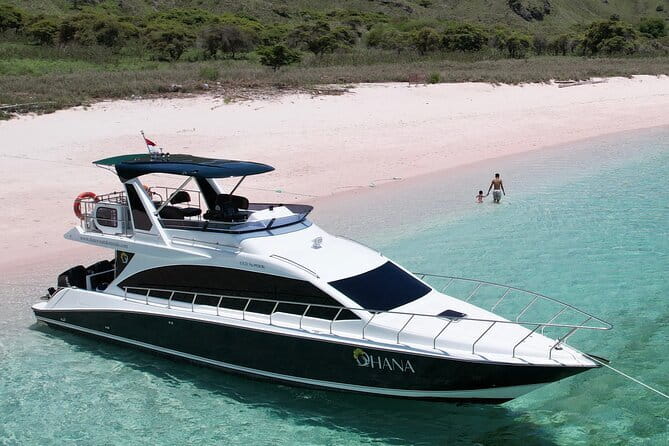
After the dragon trek, you head to Taka Makassar, a peaceful sandbar area. This is a quieter, scenic stretch in the itinerary. It helps break up the more active parts of the day and gives you time to enjoy the seascape from a slower angle.
A sandbar stop can be weather-sensitive, and how it feels day-to-day can vary with sea conditions. Still, it’s generally a good place to slow down, look for bird activity, and appreciate the color of the water before snorkeling later.
Stop 5: Manta Point Snorkeling With Manta Rays
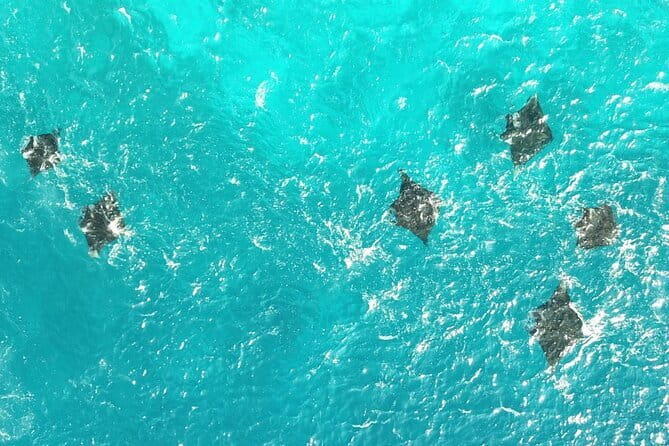
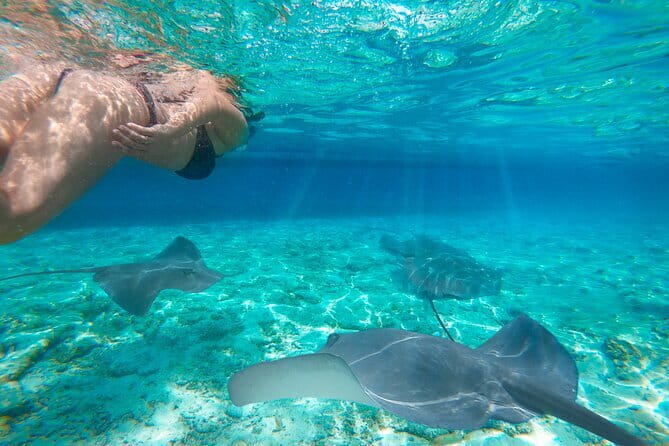
Next is the water highlight: snorkeling at Manta Point. The goal here is big—swimming alongside manta rays. Even when the park doesn’t deliver the manta show you’re hoping for, the underwater experience can still be spectacular in terms of visibility and the sense of open-water movement.
This is where having snorkeling equipment included really helps. You’re not paying extra or trying to coordinate gear after you’ve already traveled. Towels and bottled water also make the day feel more managed.
Small practical note: snorkeling is physical, even if you don’t swim far. You’ll want to be comfortable in the water for this part of the route. If you’re not a strong swimmer, talk with your guide before you enter, and remember that your comfort matters more than your photo.
One extra detail worth noting from the supplied review feedback: someone mentioned snorkeling and seeing manta rays. That’s the kind of payoff this stop aims for.
Stop 6: Siaba Island for Sea Turtles and Tropical Fish
Your final island stop is Siaba Island, known for an underwater world with sea turtles and tropical fish. This is another snorkeling session-style experience, but it also works as a change of scenery. Different islands can bring different underwater vibes, and Siaba’s reputation leans toward seeing more sea-life variety.
If you’re the type who cares about marine animals, this is the stop that often satisfies that second wave of anticipation after Manta Point. It’s also a nice way to finish the day’s “wildlife theme” with a more gentle, underwater feel.
Keep your expectations balanced: sea turtles and fish sightings depend on conditions and animal behavior, like they always do in nature. The upside is that you’re not just there for one splash—you’re getting multiple nature moments across the route.
The Return to Labuan Bajo: Long Day, Organized Ending
After the island sequence, you’ll return to Labuan Bajo in the afternoon. Your team will escort you back to your hotel or—if you planned it this way—help with airport drop-off via the shuttle car.
This “organized ending” matters because a day like this can otherwise feel like you’re constantly restarting your schedule. Since the tour includes lunch, snacks, bottled water, towels, and snorkeling equipment, you’re largely covered for the middle hours. That means your energy can be spent on the park, not on basic logistics.
Duration is listed as about 11 hours, and that tracks with the very early start plus the number of stops. You’ll want to plan the rest of the day for recovery: comfortable clothes afterward, an early dinner, and a bit of rest.
Price and Value: Why $420 Can Make Sense Here
At $420 per person, this is not a cheap day out. The value question is: what are you buying?
First, you’re paying for private boat time. That’s often where most of the “you can actually enjoy the day” experience comes from. A private speedboat itinerary typically means you’re not dealing with a chaotic mix of group schedules or trail bottlenecks caused by dozens of unrelated people landing at once.
Second, you’re paying for a full day with a guided structure: a certified guide, experienced local crew, ranger support for the Komodo trek, plus snorkeling equipment, towels, lunch, snacks, and bottled water. When you price those elements separately—boat, guide, park logistics, food, and gear—the total can start to look more reasonable.
Third, you’re paying for time optimization. The early departure helps you experience Padar and the rest of the route in a more relaxed rhythm. If you’re the kind of traveler who cares about enjoying places rather than just checking boxes, the early start is a big part of the value.
On the flip side, government fees are not included: IDR 200,000 per person. Also, breakfast is not included. So you’ll want to eat before pickup unless you plan a quick option near your hotel beforehand.
Weather Season Tip: Rainy Months, Clearance, and Manta Odds
Komodo isn’t a “rain or shine, do the same thing every day” destination. November to February is the rainy season, and the tour may be adjusted or postponed if conditions are unsafe. There’s also a special practical reality in this season: you may need to stay longer while waiting for sailing clearance from the Harbor Master, since departures are regulated based on sea conditions.
Here’s the honest trade-off. Rainy months can mean more delays, but they can also mean fewer crowds. And your odds for manta rays can be excellent in this period, which is a reason some people plan their trip specifically in these months.
If you choose to go in rainy season, treat the day as flexible. Pack patience, keep your schedule after the tour light, and stay ready to adjust. It’ll feel worth it if the sea delivers the clearance and the wildlife shows up.
Who This Tour Fits Best (and Who Should Think Twice)
This tour is a strong match if you want:
- A private, early Komodo day from Labuan Bajo
- A trip that mixes trekking with snorkeling and wildlife-focused stops
- A well-organized pace where you’re not scrambling for food or gear
- A ranger-led approach for Komodo dragon safety and search strategy
It might be less ideal if:
- You hate early mornings (pickup is 05:30)
- You get uncomfortable with physical treks, since Padar and Komodo Island involve moderate walking
- You have a hard connection immediately after the tour; while there’s airport help with the shuttle car, you’ll still want buffer time
Good news: the tour asks for moderate physical fitness, not advanced hiking ability. If you can handle stairs and steady walking for a few hours, you’re likely in the right zone.
Should You Book This Early Komodo Speedboat Tour?
I’d book this if your priority is seeing Komodo’s top highlights with less stress. The early start, private speedboat, ranger-led dragon trek, and snorkeling equipment included make it feel like a “do it once, do it well” day.
I’d pause before booking if you’re sensitive to long days or you’re traveling during a period when you can’t afford weather-related delays. In rainy season, you may spend extra time waiting for safe sailing clearance.
If you want Komodo at a relaxed pace—Padar views, Pink Beach time, dragons on foot, and a real shot at manta rays—this is one of the more logical ways to structure your day.
FAQ
What time is pickup for the early tour?
Pickup is at 5:30 AM from your hotel lobby.
When does the speedboat leave Labuan Bajo?
The speedboat leaves from the harbor at 6:00 AM at the latest.
How long is the tour?
The duration is approximately 11 hours.
What’s included in the price?
Lunch, bottled water, snacks, towels, snorkeling equipment, and tourist personal accident insurance are included.
What costs extra?
Breakfast is not included, and government fees are listed as IDR 200,000 per person.
Is this tour private or shared with other groups?
It’s private. Only your group will participate.
Are there options to depart later than the early schedule?
Yes. The tour can also depart later depending on what’s most convenient for you—tell the provider your preferred time.
What should I know about rainy season?
November to February can be affected by weather. The itinerary may be adjusted or postponed for safety, and you may wait longer for sailing clearance from the Harbor Master.
Do I need special permission if I want to bring a drone?
Yes. You must inform the provider at least 5 days in advance, have valid drone certification, and obtain a permit costing 2.5 million rupiah (paid upfront and can be reimbursed upon arrival).
If I have a flight after the tour, what should I do with luggage?
Bring your luggage with you and store it in the shuttle car. The same car will take you to the airport after the tour ends.