Flores doesn’t do small. This 8D/7N essentials route strings together iconic sights and real village life, then saves the big wow for Riung’s 17 Islands Marine Reserve. I especially liked the day trip that mixes snorkeling with a beach barbecue lunch, and I also liked how often you actually meet the people behind the scenery—starting with Manggaraian and Ngada traditional villages and ending with Li’o storytelling.
One heads-up: you’ll spend a lot of time in the car across mountain roads. The tour is rated for moderate fitness mainly because of hikes and a few active stops (like waterfall time), but the bigger trade-off is simply long seating stretches.
In This Review
- Key highlights at a glance
- First look: what this Flores essentials tour gets right
- Day 1: Cunca Wulang waterfall, Todo conical houses, and the Cancar spiderweb vista
- Ruteng sunrise, a real market morning, and Wolobobo sunset over Mount Inerie
- Day 3: Bena and Gurusina culture plus Malanage hot springs reset
- Day 4: Bajawa cathedral or market, then Soa Hot Springs, ending in Riung’s harbor glow
- Day 5: 17 Islands Marine Reserve in Riung—snorkel reefs and flying fox mangroves
- Day 6: Ende Sea views, Blue Stone Beach, and the Nduaria market at Mount Ebulobo’s base
- Day 7: Kelimutu tri-color lakes, Jopu banyan stories with Maria, and coffee in Ende’s highlands
- Day 8: a calm Ende morning and flight timing with Wings Air
- Price and value: what $2,410.10 covers (and what it doesn’t)
- Who this tour fits best (and who should think twice)
- Should you book 8D/7N Flores Essentials?
- FAQ
- How long is the Flores 8D/7N essentials tour?
- Where does the tour start, and how early is the meeting time?
- Is airport pick-up included?
- What’s included in the price?
- Are admission tickets included for stops like waterfalls and villages?
- Are domestic flights included?
- What kind of physical fitness do I need?
Key highlights at a glance
- 17 Islands Marine Reserve day with island-hopping, snorkeling, and a grilled beach BBQ lunch
- Traditional villages like Todo and Bena, plus Li’o community time at Jopu with a local storyteller named Maria
- Kelimutu Tri-Color Lakes guided through volcanic-color science and local soul-rest beliefs
- Sunrise and sunset viewpoints from Ruteng rice fields and Wolobobo Hill over Mount Inerie
- Hot spring breaks in Malanage and Mengeruda/Soa Hot Springs to reset after driving
- Offbeat coastal stops like Riung’s harbor glow and Blue Stone Beach with collectable blue stones
First look: what this Flores essentials tour gets right
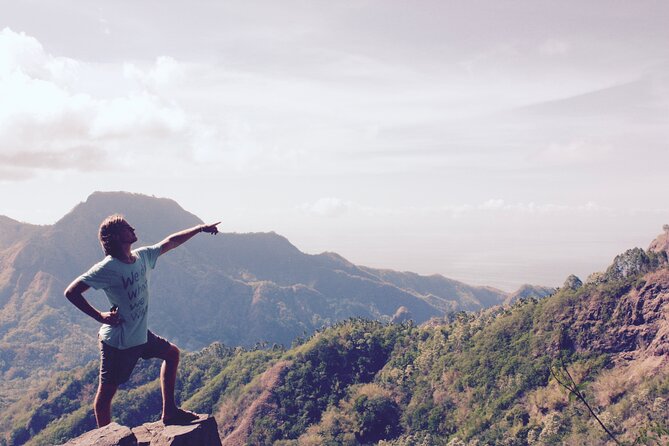
This is sold as an all-inclusive way to cross Flores in about a week: 8 days, 7 nights, with a tight route that runs from Labuan Bajo to Ende or Ende to Labuan Bajo (and it can be extended to Maumere). That direction choice matters because it can line up with your flights and the pace you want at the end of the trip.
The structure is also practical. You meet with a start time of 7:30 am, and you travel by an air-conditioned vehicle with water, tea, coffee, and snacks along the way. Admissions and government fees are included for the listed sights, plus 7 breakfasts, 7 lunches, and 7 dinners. In other words: you’re not constantly hunting for cash, tickets, and last-minute meals.
This is also a private tour (only your group), which tends to make the whole day feel more flexible when you’re moving between very different environments—rice terraces, volcanic viewpoints, market stops, and coastal reef time.
You can also read our reviews of more tours and experiences in East Nusa Tenggara.
Day 1: Cunca Wulang waterfall, Todo conical houses, and the Cancar spiderweb vista
Your first day leans into Flores’ jungle-and-village contrast. At Cunca Wulang Waterfall, you’ll trek into a lush area where the main event is time among the falls—walking through canyons, hearing the water, and getting that “this is why I left the highway” feeling. The stop description also notes cliff jumping as an option, so if you’re the type who likes to be brave, plan for that possibility and wear shoes you trust on wet ground.
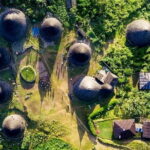
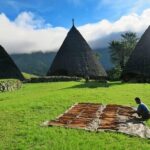
Then you shift into culture with Todo Traditional Village. This is where you see the Manggaraian royal-seat history and the famous mbaru niang conical houses. Even if you know very little about Flores before you arrive, these villages work because they’re not staged behind fences—you can learn what makes the architecture and settlement patterns meaningful.
Finally comes Cancar, perched above spiderweb-like rice terraces. The key value here isn’t just the view (though it’s the point). It’s that you see agriculture as the engine of daily life on Flores—small villages tied to steep plots, with viewpoints built around how people farm and travel.
What to watch: because Day 1 includes a trek plus active village walking, pack light and wear breathable clothing. If you’re planning any water activity at the falls, bring a dry bag or keep a plastic bag handy for electronics.
Ruteng sunrise, a real market morning, and Wolobobo sunset over Mount Inerie
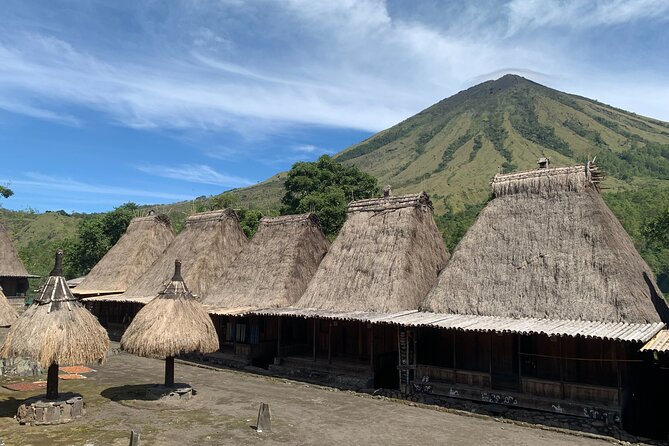
Day 2 starts early with Ruteng’s sunrise rice field walk. This is one of those “short but meaningful” moments. You’re not just taking a photo; you’re seeing how terrace farming shapes daily rhythm. The walk is timed for the softer light, and it also helps you get oriented for the rest of the highland sections of the trip.
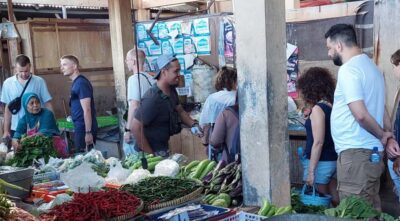
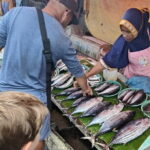
Next you go to the Traditional Market in Ruteng. This stop matters because it shows Flores as a living economy: people selling produce, spices, and woven textiles from the surrounding highlands. Markets like this are where you get a sense of what locals actually carry home—practical goods, not tourist-only crafts.
You also have a quick stop at Aimere and then a longer-feeling payoff at Wolobobo Hill for sunset. The view is set up for contemplation and photos, looking out over Mount Inerie. Sunset here gives your legs and mind a break after walking, and it’s a good moment to slow down before the trip climbs into deeper cultural stops.
What to watch: sunrise means you’ll want a restful first night. If you’re not naturally a morning person, I’d treat this as your “wake up early day” and don’t try to cram extra plans the night before.
Day 3: Bena and Gurusina culture plus Malanage hot springs reset
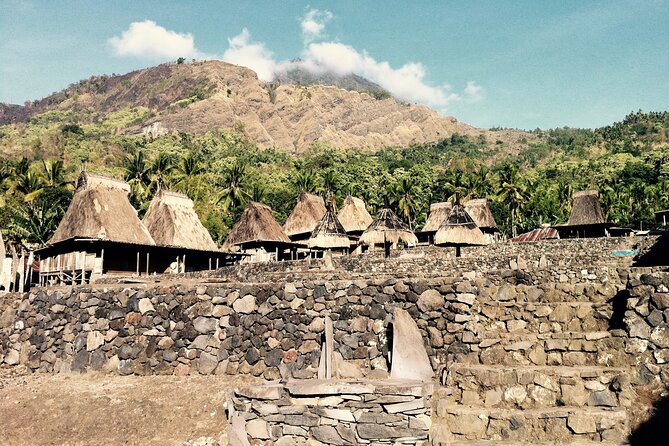
Day 3 is for people who like culture that is specific, not generic. First up is Bena Traditional Village, described as a living testament to the Ngada community’s traditions and architecture. This stop works well on the essentials route because it’s not just an overview—it’s village time where the cultural context is the point.
Then you have an optional move: Gurusina Traditional Village, reached via a walk through Tololela to Gurusina. Optional walks are usually a good sign on a busy itinerary because you can choose your energy level. If you want more rural footpath time, take it; if you want to conserve, you can skip the longer walk while still seeing the main cultural focus.
After that, you get a well-earned break at Malanage Hot Springs, paired with lunch. The hot springs stop includes two springs—hot and cold—that merge into one, which makes it more interesting than a simple soak-and-go. It’s also a smart rhythm choice: after several hours of cultural walking and driving, heat and mineral water are a physical reset.
What to watch: hot springs are usually easy going, but water conditions vary. Bring simple sandals or flip-flops you can stand in for a while.
Day 4: Bajawa cathedral or market, then Soa Hot Springs, ending in Riung’s harbor glow
Day 4 starts with Bajawa, where you can either visit a striking cathedral reflecting Flores’ strong Catholic heritage or keep it practical with a stroll through the traditional market. This is the day where the tour shows it has multiple “interests” covered—religious architecture and everyday commerce both get attention.
Then you head toward Riung with a stop at Mengeruda Hot Spring, also described as Soa Hot Springs. This is a social soak: the plan notes locals gathering in family settings, and you’ll be soaking warm, mineral-rich waters. It’s one of those stops that helps the trip feel local, because you’re not the only people relaxing.
Finally, you arrive at Riung and, if timing allows, you can take a short walk toward the harbor. Riung is a coastal village that rewards evening pacing. The setting is described with a pink glow across the water—exactly the kind of detail you want after a full travel day.
What to watch: if you’re prone to motion discomfort, Day 4 is a car-heavy day. Pack ginger chews or whatever your body trusts.
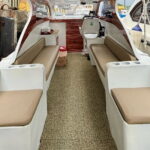
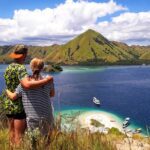
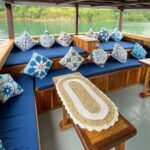
Day 5: 17 Islands Marine Reserve in Riung—snorkel reefs and flying fox mangroves
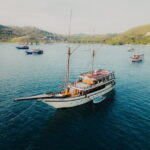
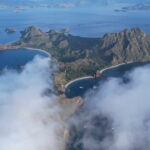
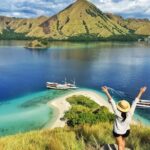
This is the highlight day on the route, and for good reason: the plan is built around Riung’s 17 Islands Marine Reserve. You get a full day around a conservation area where you’ll see more than “pretty water.” One described stop is Pulau Kelelawar, noted for endemic flying foxes living in mangroves. It’s a reminder that the marine life story here is connected to the land-side ecosystem.
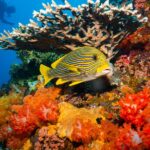
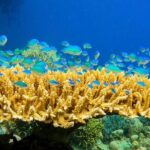
Expect classic island-hopping flow: boat time, snorkeling opportunities, and time to enjoy the day at sea. The lunch plan is a big quality point: a freshly grilled barbecue lunch right on the beach. That matters because it keeps you from wasting your best ocean hours in a restaurant line.
Why it’s great value: this day stacks multiple payoffs you’d normally pay for separately—guided marine access, snorkeling time, and a proper lunch setup. It’s also framed as “Komodo beauty without the crowds,” which is believable in spirit: you’re in the same island-province nature world, but the experience is designed to feel quieter and more relaxed.
What to watch: bring reef-safe sunscreen and something waterproof for your phone. Even if you’re not a confident swimmer, you’ll likely be offered snorkel gear and should be able to decide how much water time to do.
Day 6: Ende Sea views, Blue Stone Beach, and the Nduaria market at Mount Ebulobo’s base
Day 6 shifts from Riung’s north coast energy into Ende-region highland-to-coast travel. After breakfast in Riung, the plan drives toward the Li’o district, with a viewpoint over the Ende Sea early in the day. That’s not just scenery time; it helps you understand Flores as something more than one “type” of place. You’re seeing how the island folds into ocean.
Then you reach Blue Stone Beach. The standout is the blue stones you can collect along the shore. The stop also includes a lunch by the shore while fresh fish and seafood are prepared, plus time to stroll and possibly swim. This is one of those practical beach moments where you’re not just watching from the sidelines.
Later comes Nduaria at the foot of Mount Ebulobo. It’s a market stop focused on agriculture and daily trade: fruits and vegetables displayed by local farmers, with a short duration that makes it a quick hit rather than a full market wandering session.
What to watch: if you plan on collecting blue stones, keep your expectations realistic. Bring a small bag and handle them gently. Also, sand and rocks at beaches can be rough—pack footwear that grips.
Day 7: Kelimutu tri-color lakes, Jopu banyan stories with Maria, and coffee in Ende’s highlands
Day 7 is a two-part brain-and-soul day: volcanic science and local belief.
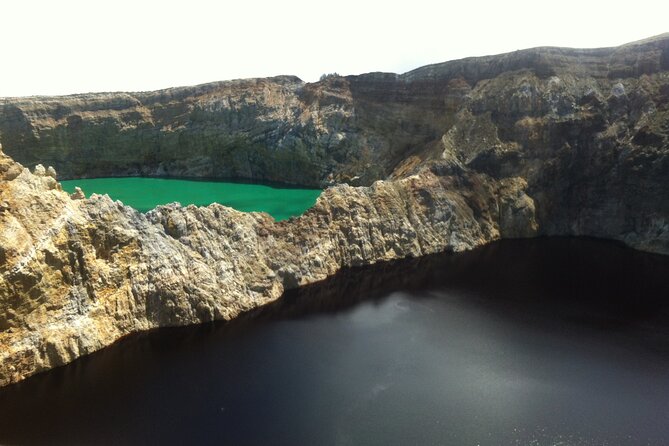
At Kelimutu Lake (Tri-Color Lake), the plan explains the volcanic origin and why the lakes can show different colors. It also references local beliefs: the lakes are seen as a resting place for departed souls. The best part of stops like this on a good guide-led tour is that you don’t have to choose one viewpoint. You can appreciate the real-world mineral and oxidation explanation and still respect the spiritual meaning in the culture.
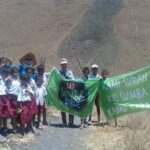
Next you head to Jopu. The entrance has a centuries-old banyan tree, and a local storyteller named Maria shares heritage stories about the Li’o people. This is where the trip does its best work: connecting what you’re seeing (a settlement, a tree, a path) to why it exists beyond tourism.
Then you finish with Kebun Kopi Tani, a coffee plantation stop in Ende’s highlands. Here, you learn how coffee shapes daily life and the region’s economy. The plan also includes a freshly brewed cup, so you can taste what you just learned about rather than treating it as a random photo stop.
What to watch: this is one of the days that can feel “busy” even if the stops aren’t long, because the content depth is high. If you’re sensitive to cold at higher elevations or early mornings, bring a light layer.
Day 8: a calm Ende morning and flight timing with Wings Air
Day 8 is about finishing gently. You’re in Ende for a quiet morning drive to the airport area. The plan mentions that, as of 2025, Wings Air operates two daily flights from Ende at 08:30 and 11:40. That’s useful because it helps you sanity-check whether you’ll have enough time for a smooth airport arrival.
What to watch: don’t plan “just one more stop” at the end. Morning timing is tight on these routes, and airport process times can vary.
Price and value: what $2,410.10 covers (and what it doesn’t)
At $2,410.10 per person for an 8-day Flores crossing, this isn’t a budget deal. But it also isn’t “pay extra later” pricing in the way some tours are. Here’s what you’re clearly getting based on the included items:
- Air-conditioned vehicle for the long drives
- 7 breakfasts, 7 lunches, 7 dinners
- Water, tea, coffee, and snacks along the way
- Admission and government fees for the included sights
- All donation or fees to local communities
That’s a lot of the annoying line-item stuff handled up front. It’s also meaningful in Flores, where you can spend time figuring out the next stop instead of spending time at the stop.
What you should budget separately:
- Domestic flights (and travel insurance)
- Beverages beyond the listed included drinks
- Pick-up from the airport unless specified otherwise
- Tips for the driver and guide
So the value call comes down to you: if you want someone else to manage the full sequence across Flores, plus you want meals and key entrance fees handled, the price can feel fair. If you’d rather self-drive, build your own route, and pay for each entrance and meal separately, you might find cheaper options—but you’ll trade away that full-route convenience.
Who this tour fits best (and who should think twice)
This tour is a strong match if you want:
- Big variety in one week: waterfalls, rice terraces, markets, villages, hot springs, and a full marine reserve day
- People-focused cultural stops like Todo, Bena, and Jopu
- A structured pace with included meals and fees
It may not be ideal if:
- You hate car time. This route explicitly involves lots of mountain-road driving and sitting
- You don’t do well with physical stops. You’ll have trekking/walking moments, and waterfall time can be active
- You want lots of downtime with nothing scheduled. The plan is stop-rich by design
Should you book 8D/7N Flores Essentials?
I’d book this if Flores is on your must-see list and you like the idea of hitting the island’s most important anchors—Kelimutu, Riung’s 17 Islands, and multiple traditional villages—without constantly planning. The biggest strength is the balance: nature days get water and views, culture days get real community context, and hot springs break up the drive-heavy rhythm.
You might pause if you’re seeking a slow, laid-back trip with minimal movement. The car stretches are a real factor here, even though the itinerary tries to keep it engaging with frequent stops and resets.
If you do book, I’d show up prepared: wear grippy shoes for wet ground, bring a light layer for higher elevation mornings, and pack a swimsuit and towel for beach and hot spring possibilities. Then do one more thing: pick the direction (Labuan Bajo to Ende or reverse) based on your flight times, not just on “which city sounds nicer.” That simple choice can make the whole trip feel smoother.
FAQ
How long is the Flores 8D/7N essentials tour?
It runs for 8 days (about 7 nights).
Where does the tour start, and how early is the meeting time?
The meeting time is 7:30 am. The route can run Labuan Bajo to Ende or Ende to Labuan Bajo.
Is airport pick-up included?
Pick-up is mentioned as offered, but pick-up from the airport is not included unless specified otherwise.
What’s included in the price?
Included items listed are: air-conditioned vehicle, water/tea/coffee/snacks, admission/government fees, donations/fees to local communities, and meals (7 breakfasts, 7 lunches, 7 dinners).
Are admission tickets included for stops like waterfalls and villages?
Yes. Admission fees and listed entry items are included for the stops described in the itinerary.
Are domestic flights included?
No. Domestic flights are not included.
What kind of physical fitness do I need?
It’s recommended for travelers with moderate physical fitness, mainly because you’ll travel on mountain roads and have some walking and active stops.