Sumba can feel far away fast. This 5-day adventure swaps the stress of rough roads for guided days packed with big nature moments, from Weekuri Lake to East Sumba villages and waterfalls. I also love the cultural stop at Praijing Heritage Village, where you can see how locals make Kain Ikat using natural dyes.
One caution: the driving is part of the deal. Expect long stretches over roads that aren’t always in great shape, plus some stops need real walking (including steep terrain at the waterfalls).
In This Review
- Key things that make this tour worth your time
- Sumba roads: why a driver/guide saves you energy
- Price and value: where the $281 really goes
- Hotel comfort: simple stays vs business-class upgrade
- Day 1: Weekuri Lake, the ocean-bay lagoon that feels unreal
- Day 2: Praijing weaving village, Lapopu falls, and a hill for sunrise or sunset
- Praijing Cultural Village: Kain Ikat and megalithic tombs
- Lapopu Waterfalls: pristine, layered, and worth the time
- Wairinding Hill: plan for the golden-hour view
- Day 3: Puru Kambera savanna, Tanggedu’s steep waterfall, and Walakiri Beach
- Savana Puru Kambera: grassland, big sky, great photos
- Tanggedu Waterfall: moderate trek, steep sections, and a must-see pool
- Walakiri Beach at sunset: white sand and unusual trees
- Day 4: Waimarang’s three-chamber pool, Praiyawang royalty village, and a mangrove sunset beach
- Waimarang Waterfall: early trek to a big private pool
- Praiyawang Traditional Village: East Sumba royalty and traditional architecture
- Pantai Watuparunu: mangroves that make sunset feel special
- Day 5: Waingapu tenun shopping time and Brotherhood Hills rice terrace views
- Waingapu City: Rambu Chiko Gallery and Tenun Ikat
- Brotherhood Hills: rice terraces and that last photo moment
- What you should bring (so the steep parts don’t wreck your day)
- When weather can change everything
- Is this tour for you?
- Should you book Sumba Adventure 5 Days 4 Nights?
- FAQ
- How many people are in the group, and can I book it privately?
- What time does the tour start?
- Are lunch and dinner included in the price?
- Are entrance fees included?
- What does the hotel package include?
- What happens if weather is bad or the minimum group isn’t met?
Key things that make this tour worth your time
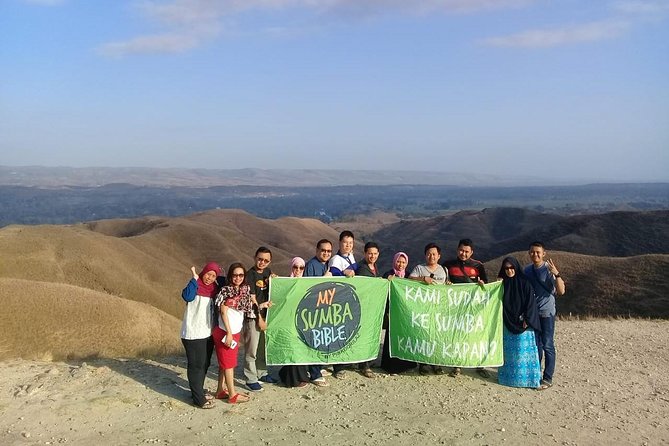
- Small group rhythm (max six) or private booking so the day doesn’t feel like a conveyor belt
- Four nights with breakfast included, plus options to upgrade hotel comfort
- Big-name Sumba natural hits like Weekuri Lake, Lapopu, Tanggedu, and Walakiri Beach
- Cultural immersion without museum vibes at Praijing and Praiyawang
- Sunrise and sunset planning baked in, especially with Wairinding Hill
- A real driver/guide matters on long days and steep, slippery spots
Sumba roads: why a driver/guide saves you energy
If you’ve looked at self-driving in Sumba, you already know the reputation: roads can be rough, and distances can feel longer than the map suggests. That’s exactly why this tour works so well. You get a driver/guide, and your job is basically to show up, look around, and wear shoes that can handle uneven ground.
The payoff is huge. Instead of staring at your phone, you can focus on the scenery—turquoise lagoons, multi-layer falls, savanna grasslands, and beaches with unusual trees.
You can also read our reviews of more tours and experiences in East Nusa Tenggara.
Price and value: where the $281 really goes
At $281 per person for 5 days and 4 nights, the value is mainly in what’s already covered: accommodation and a driver/guide for the whole trip, plus breakfast for four mornings.
What’s not included is equally important for budgeting:
- Lunch and dinner are on you
- Entrance fees and taxes aren’t included
- Petrol isn’t included
So yes, you should plan extra spending day-to-day. But compared with the cost of coordinating transport yourself (and the energy it takes to do it), this package is built to keep Sumba practical. Also, the tour is designed for a small group and can be booked as a private tour, which helps if you want more flexibility on timing and photo stops.
Hotel comfort: simple stays vs business-class upgrade
You’ll get four nights in a hotel with breakfast. The good news: you have a choice. There’s an option to upgrade to more comfortable local business-class hotels if you want better rooms and a bit more breathing space after long driving days.
My practical advice: if you’re the type who can sleep through anything, the simple option may be fine. If you want a real reset after waterfall treks and early mornings, put money toward the upgrade. On a trip like this, sleep quality affects how much you enjoy the next day.
Day 1: Weekuri Lake, the ocean-bay lagoon that feels unreal
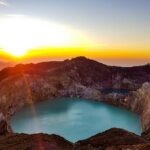
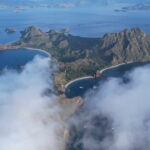
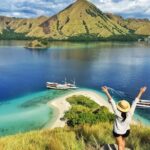
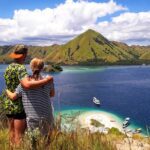
Day 1 starts with a stop that’s hard to describe in a normal way: Weekuri Lake. You’re looking at a turquoise saltwater lagoon sitting along an ocean bay. The water color is the headline—bright, almost unreal—and the setting makes it feel magical in the simplest way.
Plan for about 1 hour here. That’s enough time to enjoy the view, take photos, and slow down without feeling rushed. If you’re a sun-spotter, aim to arrive ready to linger. This is one of those places where the light changes quickly.
Day 2: Praijing weaving village, Lapopu falls, and a hill for sunrise or sunset
Day 2 has the best mix of culture and nature, and it moves in a way that feels efficient instead of frantic.
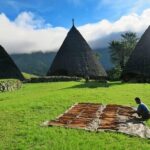
Praijing Cultural Village: Kain Ikat and megalithic tombs
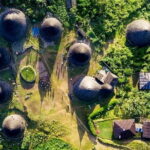
First up is Praijing Heritage Village, about 1 hour. This is where you get a closer look at how Sumba people lived—traditional housing, megalithic tombs, and active weaving of Kain Ikat. You’ll also see cloth that’s colored with natural dye.
It’s not a lecture. It’s an on-the-ground look, and you’ll likely come away with a better sense of why textiles matter here.
Lapopu Waterfalls: pristine, layered, and worth the time
Next is Lapopu Waterfalls (about 1 hour). This one is described as pristine and multi-layered. The layers matter because they create different viewpoints and slightly different waterfall moods depending on where you stand.
Wairinding Hill: plan for the golden-hour view
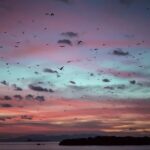
Then comes Wairinding Hill for about 45 minutes. This is the stop for sunrise or sunset, with multiple hilltop points and valley views. It’s an easy way to add drama to the day without needing a long hike.
After that, you may also get a look at a uniquely shaped rock formation locals describe as a sleeping Buddha or sleeping giant. It’s a quick photo moment that adds fun variety.
Day 3: Puru Kambera savanna, Tanggedu’s steep waterfall, and Walakiri Beach
Day 3 is the day for wow-factor scenery, with a clear physical side.
Savana Puru Kambera: grassland, big sky, great photos
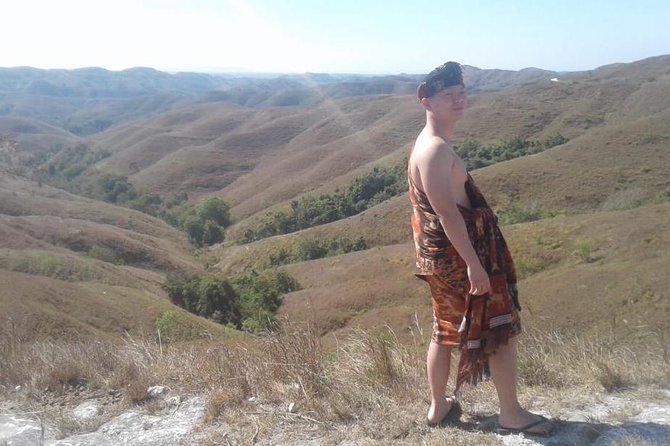
You’ll start with Savana Puru Kambera for about 30 minutes. It’s a savanna scene that can look simple at first glance—just grassland. But that’s exactly why it works on Sumba: it feels different from other parts of Indonesia, and it’s a strong Instagram setup because the horizon lines are clean and open.
If you’re tired of the same-looking scenery, this stop resets your eyes.
Tanggedu Waterfall: moderate trek, steep sections, and a must-see pool
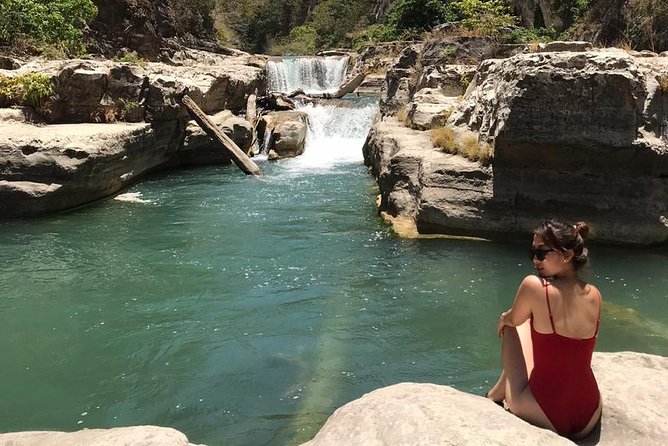
Then it’s Tanggedu Waterfall, around 2 hours. This is called the standout waterfall in Sumba, and the reason is pretty clear once you see it: it’s dramatic and big.
There’s a moderate trekking element to get there, and the path can be steep. This is where having a careful driver/guide makes a difference. You want someone watching footing and timing so you don’t rush a steep section.
Bring gear that’s safe on wet rock or dirt. If you’re prone to slipping, plan to take it slow—this stop rewards the steady pace.
Walakiri Beach at sunset: white sand and unusual trees
Finish the day at Walakiri Beach for about 40 minutes. You get a stretch of white sand and unique trees, and it’s especially good when the sun goes down. It’s a nice end to a day that’s heavy on nature.
Day 4: Waimarang’s three-chamber pool, Praiyawang royalty village, and a mangrove sunset beach
Day 4 mixes early movement, cultural architecture, and a sunset scene.
Waimarang Waterfall: early trek to a big private pool
Waimarang Waterfall starts with an early trek and takes about 2 hours. The big hook is the huge pool that’s described as private, with three chambers.
Cliff jumping is mentioned as possible if you’re feeling bold. What matters more for most people is the terrain: there’s also a tougher climb to reach the top area—often described with a playful name tied to a tricky route. Translation: wear shoes with grip and don’t treat it like an easy stroll.
Praiyawang Traditional Village: East Sumba royalty and traditional architecture
Next is Praiyawang Traditional Village (about 40 minutes). This is described as one of East Sumba’s royalty palace areas. You’ll see architecture, culture, and traditions, and it’s a good counterpoint to the natural stops. After several waterfall days, this one helps you understand the people behind the scenery.
Pantai Watuparunu: mangroves that make sunset feel special
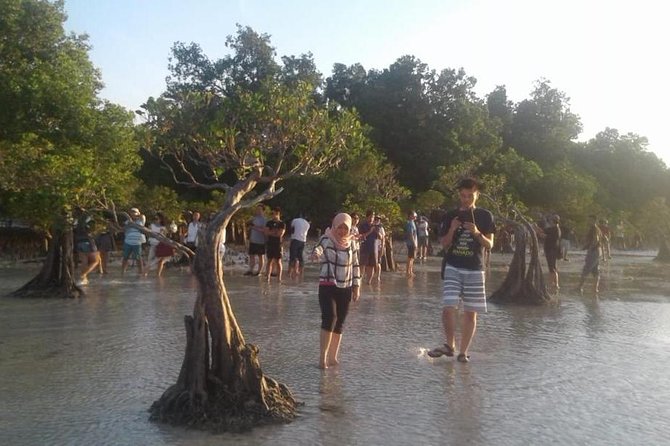
Then you end with Pantai Watuparunu for about 40 minutes. It’s a beach with mangroves, and the sunset setup is the whole reason to come. Posting from a mangrove-framed view is part of the fun here, but even if you don’t care about photos, the mangroves give the coast a different feel than a straight sand-and-sun beach.
Day 5: Waingapu tenun shopping time and Brotherhood Hills rice terrace views
Day 5 is your lighter wrap-up day, with a fabric stop and a final viewpoint.
Waingapu City: Rambu Chiko Gallery and Tenun Ikat
You’ll head to Waingapu City (about 40 minutes) for Rambu Chiko Gallery, where you can explore Sumba fabric, including Tenun Ikat. You’ll have time to wander and shop.
This is a smart last-stop purchase plan. You’ve seen the weaving traditions earlier, and now you’re close to a gallery where you can compare what you like.
Brotherhood Hills: rice terraces and that last photo moment
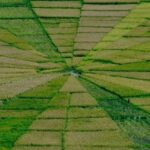
Final stop is Brotherhood Hills (about 40 minutes). It’s a viewpoint over rice terraces, and it’s a nice way to end the trip: wide views, calm light, and a chance to reflect on how varied Sumba is in just a few days.
What you should bring (so the steep parts don’t wreck your day)
This tour is very scenic, but the terrain isn’t always gentle. You should pack with the waterfall days in mind:
- Grippy shoes for steep or slippery sections (especially around Tanggedu and Waimarang)
- A light rain layer since the experience needs good weather and conditions can change
- Basic sun protection for hills and beach time
- Cash for lunch, dinner, and entrance fees, since those aren’t included
When weather can change everything
This experience requires good weather. If it’s canceled due to poor weather, you’ll be offered a different date or a full refund.
That matters because several of the best moments—waterfalls, coastal lake views, hill viewpoints—are weather-dependent. If you’re flexible on dates, you’ll have a better chance of hitting the trip as planned.
Is this tour for you?
Book this if you want:
- A small-group or private way to see both East and West Sumba
- A nature-heavy trip that includes real culture stops (weaving, traditional villages, megalithic tomb areas)
- A guided plan that avoids the stress of rough roads and long distances
Skip it if you:
- Hate early starts or walking on uneven ground
- Don’t want to budget extra for lunch/dinner and entrance fees
- Want a totally stress-free trip with minimal driving and minimal trekking
Should you book Sumba Adventure 5 Days 4 Nights?
I think this is a strong value for the right traveler. For $281, you’re paying for the hard parts to be handled: transport with a driver/guide, four nights of lodging, and breakfast, while still getting standout Sumba stops like Weekuri Lake, major waterfalls, savanna views, and beaches.
Just go in with realistic expectations: you’ll trade comfort in the car for unforgettable scenery on foot. If you’re okay with that trade, this is a very satisfying way to experience Sumba.
FAQ
How many people are in the group, and can I book it privately?
The tour can be booked as a private tour or as a small group. The group size is maximum six travelers.
What time does the tour start?
The start time is 8:00 am.
Are lunch and dinner included in the price?
No. Lunch and dinner are not included, so you’ll need to budget for meals each day.
Are entrance fees included?
No. Entrance tickets are not included, so you’ll pay fees on-site depending on each stop.
What does the hotel package include?
You get four nights in a hotel with breakfast. There’s also an option to upgrade to local business-class hotels.
What happens if weather is bad or the minimum group isn’t met?
This experience needs good weather. If it’s canceled due to poor weather, you’ll be offered a different date or a full refund. If the minimum number of travelers isn’t met, you’ll also be offered a different experience/date or a full refund.