A fast start makes Flores feel real. This 6-day overland route mixes early-morning viewpoints, coastal stops, and genuine village time across East Nusa Tenggara, with small-group flexibility and pickup from Maumere. I love how the schedule forces you into the highlights without turning every day into a rush-job, and I also like the way it builds culture into the route through weaving, traditional villages, and market life. One thing to consider: you’ll be on the move most days, and the Wae Rebo trek plus Kelimutu’s early start asks for moderate physical fitness.
You can start in Maumere or Labuan Bajo, but the plan here is designed around Maumere pickup now that the airport has reopened after a closure. The trip is set up for groups up to 12 people, and it’s private for your group only—so you’re not getting swept along with strangers. You’ll finish in a different location, typically Labuan Bajo, which is great if you want an easy handoff to Komodo-area plans.
Value-wise, the price feels fair because so much is handled for you: air-conditioned transport, lodging, most meals, water, and entry fees are included. Still, you should know what it does not cover (like travel insurance and flights), and you should be ready to tip if you feel your guide and driver earned it.
In This Review
- Quick hits before you go
- Flores overland: what this route is really like
- Price and what you really get for about $1,220
- Day 1: Maumere pickup to Moni, plus Ikat weaving at Lepo Lorun
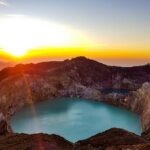
- Day 2: Kelimutu early hike, then Blue Stone Beach, Mengeruda hot spring, Heaven’s Door
- Day 3: Bena Traditional Village, arak in Aimere, and Ruteng market life
- Day 4: Coffee Manggarai processing and the spider-web rice fields near Cancar
- Day 5: From Denge to Wae Rebo, a 5 km trek into the village
- Day 6: Wae Rebo to Labuan Bajo, with lunch and shower stop
- Guides and driving: where the trip can feel personal
- What to pack and how to handle the early starts
- Who this Flores overland tour suits best
- Should you book this Flores overland tour?
- FAQ
- Where does the tour start and where does it end?
- What time does the tour start?
- How big is the group?
- What’s included in the price?
- What should I bring for Kelimutu?
- What is not included?
Quick hits before you go
- Maumere pickup by default: The route specifically pulls from Maumere now that the airport is back open.
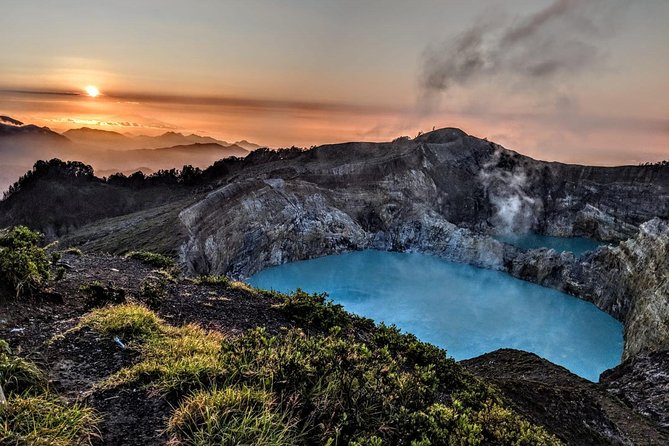
- Kelimutu sunrise timing: You wake up around 4 am for the climb area, then you’re in position early.
- Blue Stone Beach stop: A rare Flores-style coastal detour with a distinct look.
- Swimmable Mengeruda hot spring: Not just a photo stop; you can actually soak.
- Wae Rebo trek from Denge: A 5 km mountain walk that filters the day into real effort.
- Small group, private feel: Max 12 people, and it’s only for your group.
Flores overland: what this route is really like
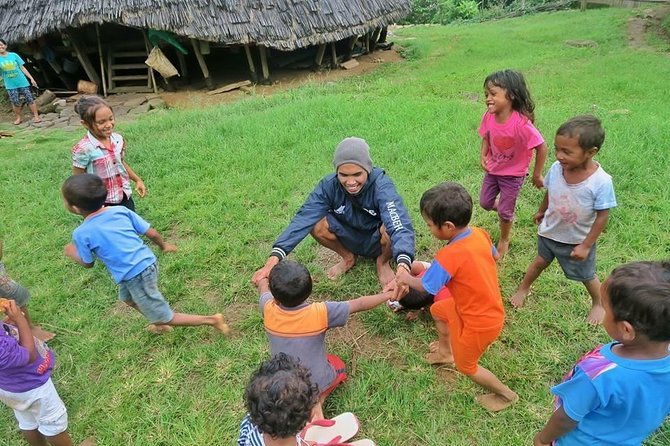
This is one of those trips where the travel itself is part of the point. You’re not just hopping between icons; you’re moving through Flores in a way that shows how the island connects its coasts, crater lakes region, and highland villages. That’s why the days feel packed, but in a satisfying way.
You get a steady rhythm: early starts for the big view moments, then slower or more hands-on stops that focus on craft, food, and daily life. And because it’s small-group (up to 12) and private to your party, you’re less likely to feel like a number while you’re waiting at viewpoints or in village areas.
The “culture + nature” mix is the selling point, but it also shapes the challenge. There are hikes, there are long drives, and the best parts often come early. If you like guided logistics but still want authentic moments, this format fits.
You can also read our reviews of more tours and experiences in East Nusa Tenggara.

Price and what you really get for about $1,220
At about $1,220.44 per person, you’re paying for a full island chunk rather than piecing together separate tours. The included basics matter a lot: air-conditioned vehicle and fees, accommodations, all fees and taxes, mineral water and water, plus 6 lunches, 5 breakfasts, and 5 dinners. When transport, lodging, and meals are rolled in like this, you avoid the money-sink problem that can happen on self-planned overland routes.
Entry fees are also included for the listed stops, which is helpful in Flores where small fees add up quickly across crater areas, beaches, and village visits. The tour also includes what you actually need to keep moving—parking, fuel surcharge, and on-the-ground time with your guide and driver.
What’s not included is straightforward: travel assurance, tipping, beer/wine, and domestic flights. If you’re the type who likes to pre-plan your tipping budget, you’ll want to keep a little cash aside for that. And if you’re flying in from somewhere far, you’ll need to handle flights separately.
Day 1: Maumere pickup to Moni, plus Ikat weaving at Lepo Lorun
Your day starts with pickup from Waioti Airport in Maumere at around 7:00 am. The schedule then drives you toward Moni, with a key cultural stop first: Lepo Lorun Ikat weaving. You’re not just watching a finished product—you learn the weaving process from the beginning, including how materials and steps come together.
That weaving stop is more than a “craft break.” It’s a way to understand why Flores textiles matter. You’ll see that what looks like simple pattern work is really tied to local knowledge and tradition, and that makes the rest of the trip land better.
After that, you push into the Moni area under the Kelimutu crater lakes. You get Koka beach time before heading to Moni. Moni itself is a small base town for Kelimutu visitors, so even your arrival day has the right kind of setting: low-key, not a tourist bubble.
Day 2: Kelimutu early hike, then Blue Stone Beach, Mengeruda hot spring, Heaven’s Door
Day 2 begins with the big show. You wake up at about 4:00 am to reach the base for Kelimutu. The tour is explicit about preparation: bring walking shoes, trousers, a jacket, and a rain coat in case weather turns. That’s practical advice, because early crater-lake mornings in this region can feel cold and damp.
After Kelimutu, the plan shifts to coastal scenes. You drive to Blue Stone Beach via Ende, with the beach stop lasting around an hour. This is one of Flores’ most unusual shore stops, and it’s a nice counterweight to crater-lake mornings: stones, color, and sea views instead of early hiking.
Then comes a classic “Flores reset button”: Mengeruda Hot Spring near the small town of Soa. This is a natural hot spring where you can swim, and it’s set up with some facilities for that. If you’ve been riding in a vehicle all day, a soak helps your body catch up.
The day ends with Manulalu Panorama, including the viewpoint known as Heaven’s Door. It’s timed to wrap the day with sea-and-mountain views and strong scenery that fits the name. The route keeps you moving, but it’s not nonstop misery—these are breaks with a reason.
Day 3: Bena Traditional Village, arak in Aimere, and Ruteng market life
Day 3 leans hard into traditional Flores culture. You visit Bena Traditional Village, described as the biggest and oldest traditional village in Flores. It’s the kind of stop that rewards patience, because it’s more about how a place works than how quickly you can snap photos.
After Bena, you head to Aimere, where arak wine is processed traditionally. Flores has a reputation for arak, and this stop gives you the context that makes that reputation make sense: you see a local production practice rather than just hearing a label.
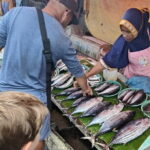
Next up is Ruteng, plus a look at the traditional market. Ruteng sits as a mountain city and economic hub, and the market stop is where you’ll see farmers bringing crops for sale. This is the sort of scene that helps you understand daily life beyond the main tourist sights.
One of the practical values of this day is pacing. It mixes structured village time with a living market moment, so the culture feels less like a staged stop and more like something that exists whether or not there’s a tour bus.


Day 4: Coffee Manggarai processing and the spider-web rice fields near Cancar
This day starts with coffee. If you like coffee, you’ll appreciate the focus on Coffee Manggarai and the chance to see how it’s processed and packed at the home industry. The tour notes that Manggarai coffee was awarded among the best coffees in France in 2018, which gives the stop extra credibility if you care about quality.
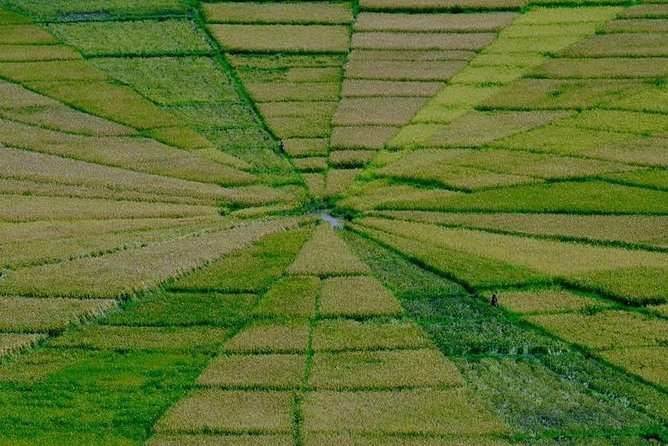
Then you head through paddy areas and on to Cancar for the spider-web rice field. The walk here is short—about five minutes—but the point is the unusual layout and how families manage rice plots. It’s a good stop if you like seeing how people adapt their farming to the terrain.
This day is less about endurance and more about observation. You get a mix of sensory details (coffee work) and small-scale visuals (the rice-field pattern). It’s a good place in the itinerary to catch your breath before the more effort-heavy trek on Day 5.
Day 5: From Denge to Wae Rebo, a 5 km trek into the village
Day 5 is where the trip earns its adventure tag. After breakfast, you drive to Denge, described as the last village before trekking to Wae Rebo. From Denge, you take motorbike to the first post, then you start the trek.
The trek is about 5 km along the mountain. The tour doesn’t pretend this is casual, and it’s not. This is the part of the trip where you’ll feel the terrain and need a steady pace. If you’re the type who gets cranky from early mornings, this day might test you—so plan to keep your attitude simple and your water intake steady.
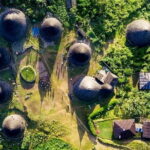
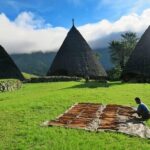
Wae Rebo itself is the destination village, and that’s the payoff: you’re heading into a place that’s famous for its traditional setting. The tour also includes admission fees here, which usually means you’re getting the official village access and not just strolling around.
Day 6: Wae Rebo to Labuan Bajo, with lunch and shower stop
Your final day starts with the drive out from Wae Rebo toward Labuan Bajo. There’s a stop at Wae Rebo Lodge and at Dintor for lunch and a shower, which is a very practical detail after a trek-heavy day.
Then it’s a longer vehicle stretch—about four hours—into Labuan Bajo. Labuan Bajo is on the western side of Flores, and it tends to function as a hub for onward plans in the Komodo area. Even if you’re not continuing immediately, it’s a convenient finish because it’s where services and transport options feel more plentiful than the rural highlands.
This ending is also thoughtfully structured: you’re not finishing in a remote spot where you have to scramble for your next step.
Guides and driving: where the trip can feel personal
The best kind of overland tour is the one where your guide keeps the story clear and your driver keeps the route safe. This tour’s format seems built for that, and the names that keep showing up in past trip stories are a clue that the company invests in real people.
I’ve seen examples of guides like Uni, Ino, Erland, Yani, and Venan leading the route, with drivers including Andot, Mus, Yoghi, and Syaris. A recurring theme is communication—people mention that Irwan replies quickly and makes planning feel smooth. That matters because Flores routes can change with weather and road conditions, and fast responses keep you from spiraling into uncertainty.
Because the group is small (max 12) and your tour is private to your party, your guide can adjust the pace a bit—especially around early mornings, photo stops, and village timing.
What to pack and how to handle the early starts
You should pack around the tour’s stated needs. For Kelimutu, you’re specifically told to bring walking shoes, trousers, a jacket, and a rain coat. Don’t treat that as optional. Early crater mornings can shift fast, and your comfort decides whether you enjoy the viewpoint or just suffer toward it.
For the Wae Rebo trek, the tour doesn’t list exact clothing requirements, but the 5 km mountain trek means you’ll want footwear that grips and clothes you can move in. If you don’t love hiking, this is still doable with moderate fitness and a calm pace—but you should plan for effort.
Also remember the route is largely overland by vehicle. That means you’ll benefit from practical habits: bring water, keep snacks simple, and plan on being in transit for long stretches.
Who this Flores overland tour suits best
This is a strong match if you want Flores as a connected story—coast, crater lakes, farmland, craft, and village life—without having to manage every handoff yourself. It also suits you if you enjoy small-group experiences and appreciate a guide who can translate what you’re seeing into something meaningful.
It’s less ideal if you want a slow vacation with lots of free time. The itinerary is active, with early starts and at least one real hike day. If your idea of paradise is staying put with minimal movement, choose a slower base-stay plan instead.
If you’re someone who likes authentic culture (weaving demonstrations, traditional village visits, local markets) and you’re okay with a little physical work, you’ll probably find this route satisfying.
Should you book this Flores overland tour?
I’d book it if you want the best of Flores in one tight loop: Kelimutu at sunrise, a distinct beach like Blue Stone Beach, a chance to swim in Mengeruda hot spring, and a meaningful village experience ending in Labuan Bajo. The value is strongest if you like that accommodations, most meals, key fees, and transport are handled in one package.
I’d hesitate if you hate early wake-ups or you’re not comfortable with a 5 km trek after days of driving. This tour rewards people who can handle a busy plan with a positive mindset.
If you’re aiming to connect Maumere and Labuan Bajo with real inland texture—not just highlights—this one is a solid pick.
FAQ
Where does the tour start and where does it end?
The tour starts at Waioti Airport in Maumere, Flores, Indonesia. It ends in a different location, with details pointing to Labuan Bajo as the finishing city.
What time does the tour start?
The start time is 7:00 am.
How big is the group?
It’s a private tour/activity and the group size can be up to 12 people.
What’s included in the price?
Included are air-conditioned vehicle and fees, accommodations, all fees and taxes, mineral water and water, 6 lunches, 5 breakfasts, and 5 dinners.
What should I bring for Kelimutu?
For the Kelimutu early hike, you should bring walking shoes, trousers, a jacket, and a rain coat in case of rain.
What is not included?
Not included are travel assurance, tipping, beer/wine, and domestic flights.