Swing first, then rice and royal life. This day strings together Real Bali Swing fun in the hills west of Ubud, then lands you in central Ubud for the market and Ubud Palace, with a real chance to catch evening-style dance at the palace grounds before finishing at Tegalalang’s iconic terraces and Tegenungan waterfall.
I love how the swings turn a simple idea into a full-on photo-and-adrenaline moment, especially with the rice-field setting around Bongkasa Village. I also love the balance of this route: you’re not just hopping from viewpoint to viewpoint—you get a taste of everyday Ubud at the art and traditional markets and you see the living palace area at Puri Saren Ubud. One thing to consider is that the day is packed and drive-heavy, and lunch isn’t included, so you’ll want to plan around meals and energy.
Because this is a private tour with pickup offered and a mobile ticket, you can move as a group without the churn of a big bus. The itinerary does involve walking on uneven ground (swing areas, terrace paths, waterfall approach), so bring a bit of stamina—moderate physical fitness is the right benchmark.
In This Review
- Key highlights worth knowing before you go
- Bali Swing near Ubud: why this stop is more than a cliché
- How the day stays on track: pickup, private tour feel, and drive time
- Ubud Traditional Art Market: what to do in 30 minutes
- Puri Saren Ubud Palace: royal grounds and the evening dance connection
- Tegalalang rice terrace: iconic views plus craft-shop temptation
- Tegenungan waterfall: the last wow before the ride back
- Value and price: what $74 really covers
- Guides who make it better: punctual, clear, and good at photos
- Practical tips so your day feels smooth (not rushed)
- Who this tour fits best
- Should you book this Bali Swing + Ubud icons tour?
Key highlights worth knowing before you go
- Real Bali Swing near Ubud: admission is included, and the setting makes the photos look extra dramatic
- Ubud Palace area (Puri Saren Ubud): a look at the royal family compound, with palace-grounds dance in the evening
- Two-part Ubud market: daily-food traditional market plus arts-and-textiles market, both in one stop
- Tegalalang rice terraces: the classic postcard view, plus craft-shop streets in Tegallalang Village
- Tegenungan waterfall: a strong closing stop after rice-terrace time
- Guides who run on punctuality and good explanations: people like giri, Komang, and Nyoman are praised for clarity and photo help
Bali Swing near Ubud: why this stop is more than a cliché
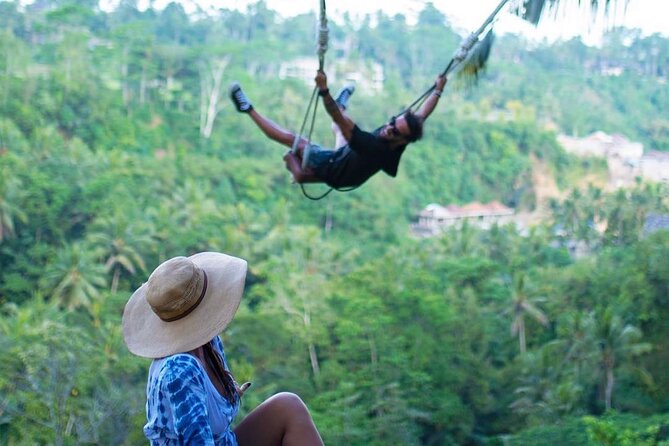
The headline of the day is the Bali Swings in Bongkasa Village, about 20 minutes west of Ubud. The whole concept is funny in a charming way: ropes tied between trees, but turned into a major Bali attraction with the rice-field backdrop that makes the pictures pop. If you’ve seen Bali swings online, you already get the idea. What’s worth showing up for is the experience—the silly thrill of the swing, the multiple photo angles, and the fact that you’re doing it in a greener, hilly part of the island rather than in the middle of town.
This stop runs about 1 hour of admission-included time. That’s important because swings can eat up time fast if the line is long or if everyone is trying to nail the perfect shot. On a tour like this, you want a set plan: decide on your must-do swing moment early, then you can linger for photos without letting it swallow the rest of your day.
Practical note: you’ll likely be walking to and around the swing platforms. If you’re not steady on your feet, or you have knee/back issues, take it slow at every step—don’t rush the stairs and paths just to get the shot.
You can also read our reviews of more tours and experiences in Seminyak.



How the day stays on track: pickup, private tour feel, and drive time

The tour starts at 8:30 am. You’ll get pickup offered, and you’ll use a mobile ticket. The tour is also private, meaning only your group participates—no waiting for random strangers, and no standing around while 30 people argue about photo spots.
One detail that can surprise people is travel time. The description says there’s around 2 hours travel time going to the swing location, and then about 1–2 hours travel time going back. That doesn’t mean the whole day is in the car. It means you should expect a rhythm of:
- morning travel,
- a few focused stops (some shorter than you might expect),
- and a final push back after the waterfall.
If you’re someone who hates rigid schedules, a private format helps a lot. If you’re someone who likes a relaxed pace, still keep your expectations realistic: this isn’t a slow lunch-and-stroll day. It’s a highlights loop.
Ubud Traditional Art Market: what to do in 30 minutes
Next up is Ubud Traditional Art Market. This is one of those stops that can either feel like a quick shopping dash or like a real window into daily life. The difference is how you treat it.
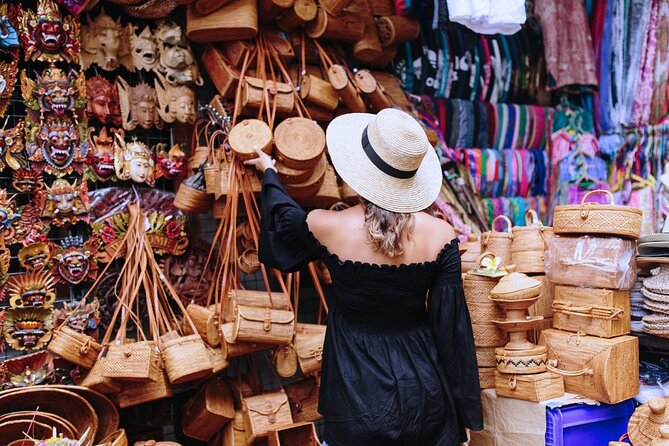
The market is described as having two different parts:
- a traditional market to the west of the arts market (selling daily food and opening earlier),
- and an arts market with handicrafts, arts, and textiles.
The time slot is about 30 minutes, and that’s not a lot. So I recommend you go in with a mission. If you want snacks or small gifts, focus on one side first (traditional food area for quick bites, arts market for textiles and crafts). If you want photos, look for hands at work and close-up stall details rather than trying to capture the entire market at once.
Also, note that the admission here is free. That means you’re not buying a ticket to have your eyes open. You’re paying with time and attention—which is a better kind of cost.
Puri Saren Ubud Palace: royal grounds and the evening dance connection
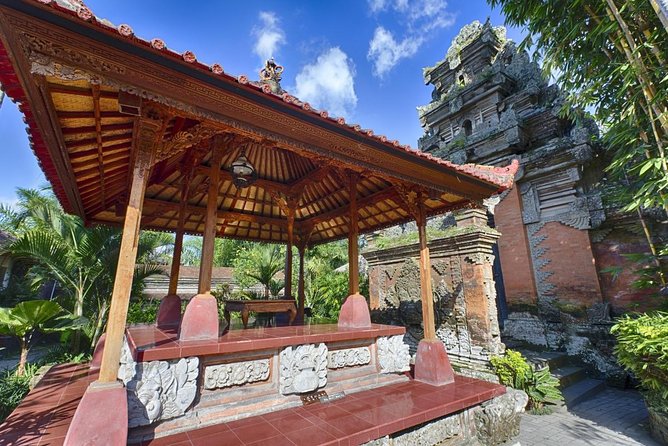
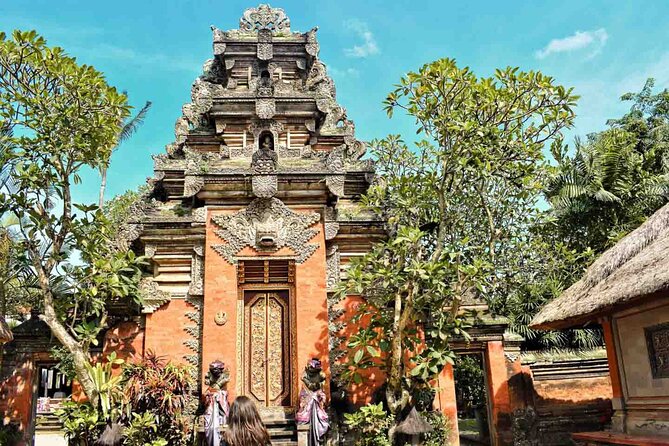
Your next cultural stop is Puri Saren Ubud, also called Ubud Palace. This is where the royal family lives, and the visit is listed at about 30 minutes with admission free.
Here’s what makes it interesting: in the evening, the outside yard is used by a local group for dance performances such as Legong Dance, Barong Dance, Ramayana Ballet, and Mahabharata Ballet.
That’s the key word: evening. If your timing lines up, you may see performance energy in the palace grounds. If it doesn’t, you’ll still get the value of seeing a living palace area rather than a purely decorative monument.
Either way, treat it like a respectful stop. Walk thoughtfully, keep your voice down, and don’t assume you can photograph everywhere. If you want a better shot, ask your guide where it’s best to stand—this is exactly the kind of request that a good guide will handle without making it awkward.
Tegalalang rice terrace: iconic views plus craft-shop temptation
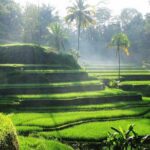
After the palace stop, the route goes north to Tegalalang rice terrace in Tegallalang Village. This is one of Bali’s most recognizable rice-terrace areas, and the description nails why: you get a beautiful view with coconut trees and a small river valley that looks great in every direction.
You’re scheduled for about 1 hour here with admission included. That time matters because Tegalalang can be busy and spread out. If you only walk to the first viewpoint and call it done, you’ll miss the better angles where terraces stack more dramatically.
One more thing you’ll notice right away: Tegallalang Village is known for a handicraft center, especially for wholesale and export. Along the road, there are lots of shops selling painted woodcarving with colorful designs. The carved pieces are made from very light wood, and they’re described as having reasonable prices. Many places sell retail too.
So here’s the practical way to use this time without getting derailed:
- Walk first for views and photos.
- Then shop last, when you’re not trying to make decisions with rice-terrace adrenaline still running.
If you do shop, take your time and compare prices. Craft shops here are part of the experience, not an interruption.



Tegenungan waterfall: the last wow before the ride back
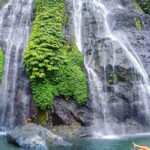
Your final named stop is Tegenungan waterfall. Admission ticket is listed as included, and it’s positioned as the last part of the day—after Tegalalang’s terraces.
Even if you’re not a “waterfall person,” this stop usually lands well at the end because it contrasts with everything you did earlier: swings (ropes and adrenaline), markets (shops and stalls), rice terraces (green steps and views). A waterfall gives you a different kind of sensory payoff.
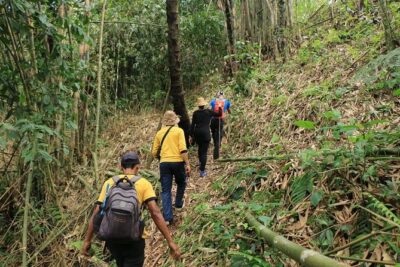
The day description also includes 1 to 2 hours travel time going back, so don’t plan on having long “wander until sunset” time after Tegenungan. Bring water, wear footwear that grips, and expect you’ll spend some time walking on uneven ground around the falls.
If you’re sensitive to slippery areas, take your time. It’s better to move slower and enjoy the view than to rush and cut your trip short.
Value and price: what $74 really covers
At $74 per person, this is priced like a full-day private highlights tour. What makes it feel fair is how much is included:
- All fees and taxes
- Admission ticket included for the swing stop (and also included for Tegalalang rice terrace and Tegenungan waterfall)
- Free entry at the Ubud Traditional Art Market and Puri Saren Palace
Lunch isn’t included, which matters because a long day like this can easily break your budget if you buy snacks only when you’re hungry. My suggestion is simple: eat a solid breakfast before pickup, then plan to buy drinks or small snacks during market time. If you know you’ll need a full meal, set aside extra money for lunch somewhere on the route.
Also, because pickup is offered and it’s private, you’re paying for a driver’s time and the scheduling that keeps everything connected in one day. If you were to do this in pieces—swing tickets, terrace tickets, waterfall tickets plus transport—it usually adds up quickly.
Guides who make it better: punctual, clear, and good at photos
A lot of Bali tours sound similar on paper. The real difference is often the guide—timing, explanations, and whether they help you get good moments without drama.
In the past, this kind of tour experience has been associated with guides named giri, Komang, and Nyoman. Guests have praised them for being friendly, punctual, responsible, and accommodating with requests. They’ve also been described as patient explainers—helpful when you want to understand what you’re seeing, not just check boxes. One guest even called out that the guide was good at photography, which is a big deal at places like the Bali swings and the terraces.
A smart way to use your guide is to ask early:
- When will the best light be for the swing photos?
- Where should we stand at Tegalalang for the best layered views?
- Is there a quiet edge in the market if we want to browse without crowds?
Your guide likely knows these spots on the ground, and it can save you time and frustration.
One extra heads-up from another day’s experience with the same kind of guide: a guest mentioned Tirta Empul temple as part of their route and reminded people to bring a bikini for a water ritual. That stop isn’t listed in your provided schedule here, so I can’t promise it’s included for you. But if your guide suggests any temple water ritual at all, you’ll be glad you planned for it.
Practical tips so your day feels smooth (not rushed)
Here’s what I’d pack and think about for a day like this:
- Wear shoes you can trust on wet, uneven ground. Waterfall areas and terrace paths can be slick.
- Bring sunscreen and a hat. The swing and terrace stops are outdoors for a reason.
- Bring cash for snacks or small buys. Lunch isn’t included, and markets often tempt you with quick treats and small souvenirs.
- If you’re doing the swing, keep your phone/gear secured. You want to enjoy it, not hover over it.
- Have a simple plan for photos: one “must-have” swing shot, then let the rest be fun. That keeps the day on schedule.
If you prefer a calmer pace, ask your guide whether they can prioritize viewpoints first and shopping second. On this route, that order tends to work best.
Who this tour fits best
This tour is a good match if you:
- want a first-time Bali day that hits multiple iconic stops in one go,
- like the Instagram-famous Bali Swing experience but still want real Ubud culture through the market and palace grounds,
- enjoy scenic terraces and a final waterfall payoff,
- and want a private tour feel with pickup and mobile ticket convenience.
It’s not the best fit if you:
- hate drive-heavy days,
- need a long lunch break (since lunch isn’t included),
- have trouble with walking on uneven ground around terraces and waterfalls.
Should you book this Bali Swing + Ubud icons tour?
I’d book it if you want one day that mixes big Bali visuals (swing, terraces, waterfall) with a genuinely local-feeling stop in Ubud (market and Puri Saren). The value makes sense because key admissions are included, and the private format keeps the experience from turning into a waiting game.
Before you commit, do one practical thing: ask your guide how the timing will work for the palace area’s evening dance connection. The palace grounds are tied to Legong and other performances in the evening, and knowing whether you’ll catch it—or just see the palace area—helps you set the right expectations for your day.
If you want a highlight reel of Ubud and north-side nature without too much logistics work, this is a strong, straightforward choice.