This is the kind of Ubud activity that feels like real countryside life, not a theme park. You walk into the forest with a local guide, then get your hands on tropical fruit and vegetables before a traditional meal made with your harvest. It is practical, hands-on, and honestly one of the more meaningful ways to spend a half-day here.
I also like how the day is paced around food and place: forest picking, a quiet walk through rice terraces, and then cooking at your Balinese host. The possible drawback is simple: this experience depends on good weather and involves walking, so it is not for anyone who wants a fully sit-down, easy stroll.
In This Review
- What makes it work: small group, strong local guide, real harvest
- Key highlights you will feel during the day
- Forest-to-table in Ubud: what this is really like
- The 4-hour flow: timing and how the day is paced
- Fruit picking in the Balinese forest: the hands-on part
- Vegetable harvesting: where lunch starts
- Rice terraces walk: quiet views, not a crowded viewpoint
- Cooking at the Balinese host’s home: the lunch you remember
- The guide experience: what to look for, especially in French
- Pickup, mobile tickets, and small-group comfort in Ubud
- Price and value: what $75.97 buys you
- What to wear and bring so the hike feels easy
- Who should book this forest-to-lunch experience
- Should you book this Ubud forest hike with lunch at the inhabitant?
- FAQ
- What time does the experience start in Ubud?
- How long is the hike and lunch experience?
- Is pickup offered?
- Is there a limit on group size?
- Do I receive a mobile ticket?
- What fruit can I expect to pick and taste?
- What about vegetables for lunch?
- What happens when you reach the host’s home?
- What if it rains or the weather is poor?
- Is there free cancellation?
What makes it work: small group, strong local guide, real harvest
The format is small and human. With a maximum of 7 people, it stays flexible and you are not rushed. And the guide experience can be a big part of the value—French-speaking guides like Gede Sutapa get praised for being funny, upbeat, and very fluent, so you get more than just directions.
If you have your own expectations set around fruit picking, cooking, and genuine rural scenery, you will get a lot out of this. If you want a long sightseeing bus tour with lots of temples and big photo stops, you may find it too focused on nature and food.
Key highlights you will feel during the day
- 8:00 am start in Ubud: you catch the countryside when it feels calm.
- Hands-on fruit picking in the forest: white mango, jackfruit, coconuts, snake skin fruit, passion fruit.
- Vegetables for your lunch: you gather the ingredients you will later cook.
- A walk through rice terraces: quiet views that feel less crowded than the usual routes.
- Cooking and sharing at a Balinese host’s home: your meal is tied to what you collected.
- Maximum 7 people: enough structure for safety, but not enough to feel like a factory.
You can also read our reviews of more tours and experiences in Ubud.

Forest-to-table in Ubud: what this is really like
Ubud is famous for culture tours, but this one leans hard into the island’s everyday rhythm. You start early, then move through forest paths where the main “attraction” is nature itself: leaves, fruit, local plants, and the small skills of living with the land. The goal is not just sightseeing. It is learning how food grows, how people choose what to harvest, and how meals connect to the seasons and the home.
I like the fact that the experience is built around work you can understand. When you pick fruit or vegetables, you immediately connect the plant to the meal later. That is the difference between watching food being made and being part of the process. You walk away knowing what to look for, not just what to photograph.
And because the group stays small, you get time for questions. With guides such as Gede (often highlighted for French), conversation can turn into explanations about plants, daily life, and how Balinese families use what the forest provides.
The 4-hour flow: timing and how the day is paced
The experience runs about 4 hours. In practice, that short length matters. It means you can fit it into a Ubud schedule without losing the whole day, while still doing something that feels substantial.
You will move through three distinct phases:
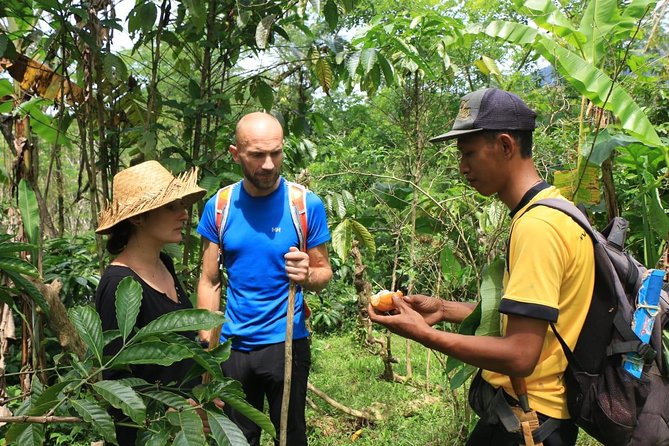
1) Forest time for fruit and vegetable picking, with a local guide showing you what to look for.
2) A countryside walk that leads out of the forest and toward rice terraces.
3) Host-family lunch where you help prepare a traditional meal, using your harvest.
That structure keeps the energy steady. You get active time outdoors first, then you shift into cooking and sharing. The day ends as a meal, not just as a walk.
Fruit picking in the Balinese forest: the hands-on part
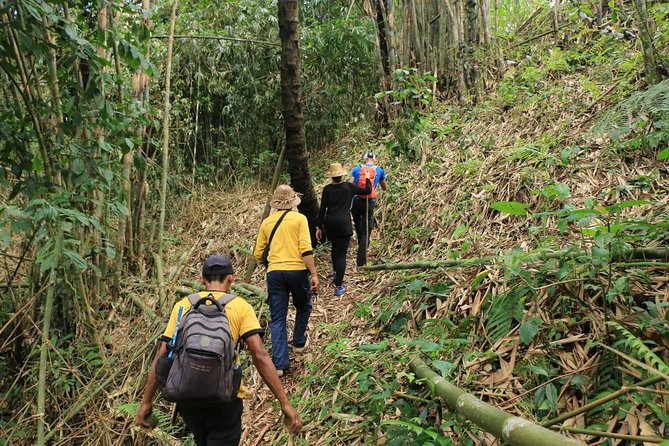
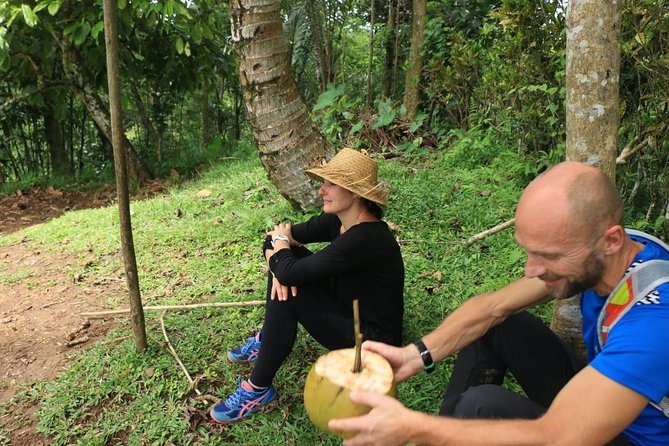
This is the heart of the experience. You cross the forest with your hiking guide and start harvesting tropical fruits. The menu of plants you may encounter includes white mango, jackfruit, coconuts, snake skin fruit, and passion fruit.
Why this matters: you stop treating fruit like a supermarket item and start seeing it like something seasonal and cared for. You also learn that not every fruit is the same to identify, pick, or eat. Your guide helps you understand what is worth tasting on the spot versus what is better saved for later preparation.
Expect the forest to be “alive” in a way that city tours never replicate. It is shaded, earthy, and full of textures. You will likely notice how people in rural Bali stay observant—not just for entertainment, but because the forest is part of feeding the family.
A small practical consideration: fruit picking can get hands-on fast. If you hate getting a little dirty or prefer perfectly clean experiences, plan on a casual, “forest day” mindset. Closed-toe shoes help, and loose clothing is your friend.
Vegetable harvesting: where lunch starts
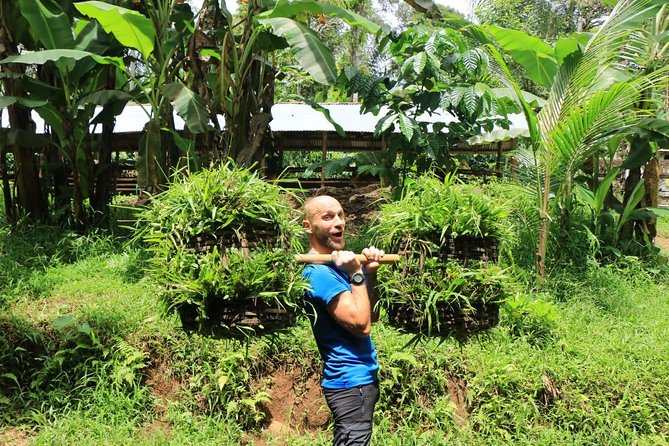
After fruit comes vegetables—because the lunch is not random. You pick greens and vegetables that will later become part of the traditional meal at your host’s home. This is one of those details that turns the experience from fun to memorable.
If you enjoy food experiences, you will appreciate the logic: you gather ingredients during the hike, then you taste what those same plants become. It also makes the meal feel personal. You did not just buy lunch. You helped create it.
One added detail you might find in the cooking phase is that the meal can include foraged greens such as ferns, depending on what is available and what your guide teaches you to harvest. That kind of local ingredient is often hard to find on ordinary menus, which makes the lunch feel more specific to the forest you walked through.
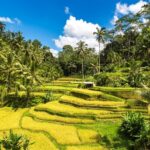


Rice terraces walk: quiet views, not a crowded viewpoint
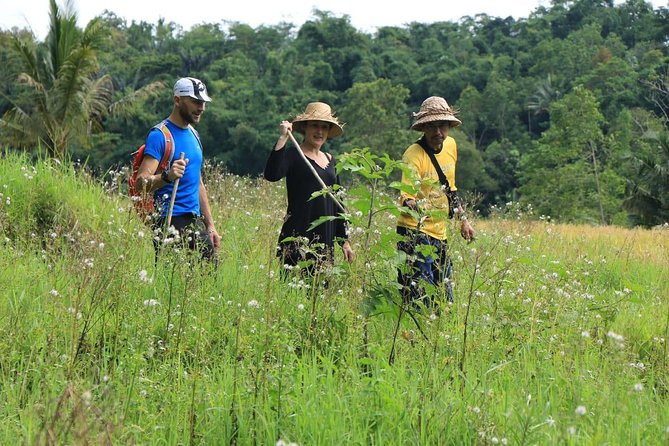
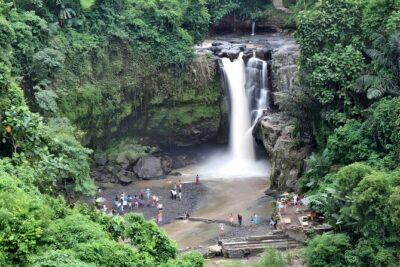
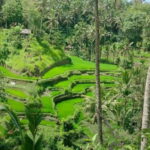
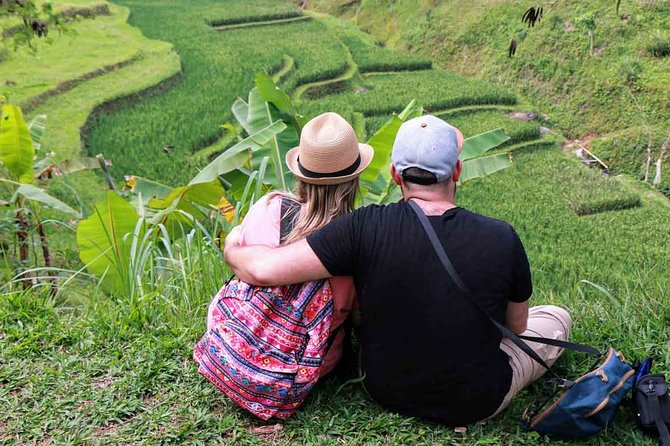
When you leave the forest, you transition into a countryside scene dominated by rice terraces. The description highlights that the terraces are grown year-round thanks to the tropical climate. You also get a calmer feeling while looking at them—less of the usual crowds and more of a “slow down and see” vibe.
This part is not just scenery. It reinforces what you already learned in the forest. Bali’s food system is not one place—it is connected landscapes. Forest plants feed homes. Terraces feed communities. Different environments, same result: you end up eating what the land produces.
Practical note: this segment is still outdoors. You will want your energy for it. Even if the day is only about 4 hours, there is meaningful movement through uneven ground.
Cooking at the Balinese host’s home: the lunch you remember
The best “wow” moment for many people is the shift from walking to cooking. Once you reach your Balinese host, you help prepare a traditional meal using the vegetables you collected earlier. Then you share that meal with the host’s family.
This is valuable for two reasons:
- Food becomes storytelling. Your guide and host can explain how ingredients are used and why certain plants matter.
- You see hospitality in action. Rural meals are not just about feeding you. They also show how a family lives day to day.
If you are the kind of person who loves learning from real routines—how meals are built, what gets cooked first, how people work together—this home-based lunch format hits hard. It is also a nice contrast to Ubud’s more formal cultural performances. Here, the culture is in the kitchen and on the table.
And because this happens after you harvest, you get a satisfying loop: hike → pick → cook → eat.
The guide experience: what to look for, especially in French
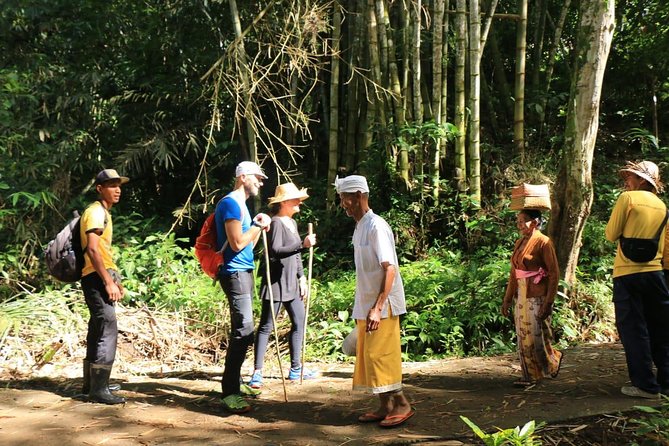
A strong local guide makes this tour feel like education and not just activity. The experience often shines with French-speaking guides, and Gede Sutapa comes up for being particularly engaging—fluent French, good humor, and a genuine way of explaining what you are seeing.
Even if your guide is different, use this as your checklist:
- Do they explain what you are picking, not just tell you where to stand?
- Do they help you taste and understand what you harvest?
- Do they keep the group comfortable while moving through the forest?
Small group size also matters here. With up to 7 people, guides can respond to questions and adjust pacing when someone needs a quick moment.
Pickup, mobile tickets, and small-group comfort in Ubud
This is the kind of tour that can save you hassle. Pickup is offered, and you get a mobile ticket, which makes it easier to manage on the ground in Ubud.
From a comfort and value standpoint, the small group limit of 7 people is a major plus. Big tours can turn nature walks into a conveyor belt. Here, you are more likely to feel like you are walking with a group that stays together naturally.
Duration also supports value. About 4 hours means you do not lose your whole day to transport and waiting. You can still plan a late lunch or a cultural evening after.
Price and value: what $75.97 buys you
At $75.97 per person (about half a day), this price is not the cheapest “walk and see” option in Ubud. But it does buy you several things that cost money and time in real life:
- A guide for a forest route (with picking guidance)
- An experience that includes fruit and vegetable harvesting
- A home-based traditional meal tied to your harvest
- Small group sizing, which adds staffing and limits the number of people per run
You are paying less for sightseeing tickets and more for doing work that leads to food: the guide time, the host relationship, and the meal prep. If food experiences are your thing, this tends to feel fair because you leave fed and informed, not just photographed.
If you are strictly budget-driven and only want scenic walks, you could find cheaper options. But you would likely miss the fruit-to-meal connection that makes this one special.
What to wear and bring so the hike feels easy
Even though nothing is described as extreme, it is a forest walk plus outdoor terrace paths. I recommend packing like it is a casual nature day.
Bring:
- Comfortable closed-toe shoes you can walk on uneven ground with
- Light layers (mornings can feel cooler in Ubud)
- A small bag for fruit you may sample and for personal items
- Sunscreen and water (the day starts at 8:00 am)
If you have a strong preference for pristine, dry clothing, accept that this is a nature experience with hands-on picking. Plan accordingly.
Who should book this forest-to-lunch experience
This is a great fit if you want:
- Nature-first Bali, not just staged culture stops
- A hands-on food experience that starts outdoors and ends at a table
- A small-group morning in Ubud that feels calm and personal
- A guide-led route where you learn what you are actually picking
It is also a good choice if you like French-speaking guiding experiences, since guides like Gede Sutapa are known for being fluent and entertaining.
It may be less ideal if you want a long, landmark-heavy day or if your schedule cannot handle an early 8:00 am start.
Should you book this Ubud forest hike with lunch at the inhabitant?
Yes, I would book it if you want the kind of Bali day that connects land, food, and people in a single loop. The strongest reason is the structure: forest picking, rice terrace walking, and then cooking with your harvest at your host’s home. That link is what makes the experience feel worth the money.
Skip it only if your priority is mainly classic sightseeing, or if your comfort level with outdoor walking and weather dependency is low. If you are flexible and curious, this is one of those Ubud experiences you can talk about because you did something real—then ate what you helped gather.
FAQ
What time does the experience start in Ubud?
The start time is 8:00 am.
How long is the hike and lunch experience?
It lasts about 4 hours.
Is pickup offered?
Yes, pickup is offered.
Is there a limit on group size?
Yes. The activity has a maximum of 7 travelers.
Do I receive a mobile ticket?
Yes, you receive a mobile ticket.
What fruit can I expect to pick and taste?
You may pick and taste tropical fruits such as white mango, jack fruit, coconuts, snake skin fruit, and passion fruit.
What about vegetables for lunch?
You also pick vegetables during the walk, and those are used later in the traditional meal.
What happens when you reach the host’s home?
You help prepare a traditional meal and then share it with the host’s family.
What if it rains or the weather is poor?
The experience requires good weather. If it is canceled due to poor weather, you will be offered a different date or a full refund.
Is there free cancellation?
Yes, free cancellation is available. You can cancel up to 24 hours in advance of the experience for a full refund.