Blue fire in Java keeps time. This Mount Ijen tour strings together an overnight ferry ride from Bali to East Java and a night crater hike where the main event is the blue flame. You also get up close to sulfur mining and the striking turquoise crater lake.
What I like most is how tightly the logistics are handled, from Bali pickup to ferry to the guide joining you on the Java side. You also get the right tools for the hike, including a gas mask and flashlight, so you can focus on the view instead of scrambling for gear.
One consideration: this is a night hike with rocky steps and active volcanic gases, so you need to be comfortable moving carefully while wearing the mask when your guide asks.
In This Review
- Key Highlights You’ll Actually Feel
- Why Mount Ijen Feels Different Than Other Volcano Tours
- The Bali-to-Java Overnight Part (How the Day Actually Moves)
- The Guide + Gear Setup That Makes the Crater Walk Work
- First Stop on the Clock: Ijen Arrival, Breakfast, and the Pre-Hike Pace
- The Climb: What the Dark Trek Feels Like
- Getting to the Blue Flame View: The Part Everyone Flashes Photos For
- Dawn at Mount Ijen: Sunrise, the Caldera Lake, and a Different Kind of Wow
- Transport and Returns: Getting Back Without Turning It Into a Grind
- Price and Value: Is $129 Reasonable for This Route
- Who This Tour Is Best For (And Who Might Skip It)
- Small Tips That Improve Your Chances (Based on What Actually Happens)
- Should You Book This Mount Ijen Blue Fire Tour?
Key Highlights You’ll Actually Feel
- Overnight ferry rhythm: Bali to Java by ferry, then you’re already positioned for the crater visit at night
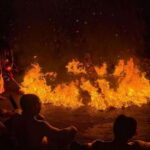
- Blue flame timing: the flames show during darkness as sulfur gases burn near the crater
- Sulfur miner reality: you see locals extracting sulfur from within the crater area
- Real hiking effort: about 3.4 km up (2 to 2.5 hours) plus roughly 700 meters down to reach the flame viewpoint
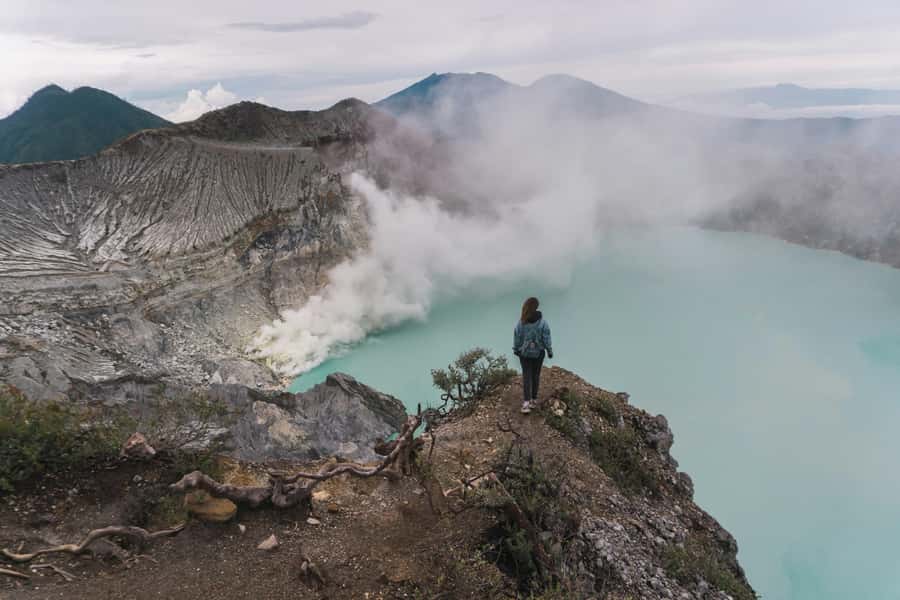
- Dawn + turquoise crater lake: sunrise brings the caldera lake’s distinctive light color into view
Why Mount Ijen Feels Different Than Other Volcano Tours
Most volcano tours are about a big view from a single lookout. Mount Ijen works differently. The payoff isn’t just scenery. It’s an atmosphere: volcanic smoke in the dark, sulfur mining happening close by, and that famous blue flame that only really makes sense when you’re near the crater.
I like that the tour is built around how Mount Ijen behaves. The blue flames come from sulfur gases combusting above the crater, so you’re not rushing to a viewpoint at sunset and calling it done. You’re there during the night window when the glow can be seen, then you’re also in place for sunrise and the crater lake view.
If you enjoy travel that mixes nature with human activity, you’ll probably find this one more memorable than a postcard stop.
You can also read our reviews of more tours and experiences in Indonesia.
The Bali-to-Java Overnight Part (How the Day Actually Moves)
This tour starts with pickup in Bali, then transitions you across water to East Java. You’ll have one of two Bali pickup options noted as Tridhatu 5 for the meet point, plus pickup service across areas like Kuta, Legian, Lovina, Seminyak, Nusa Dua, Sanur, and Ubud. The exact rendezvous is typically at your hotel lobby or another specified spot.
Then you take a ferry ride of about 40 minutes. After that, the route continues by car or bus through East Java. This matters because you’re not just “getting to the mountain.” You’re being repositioned for a night experience that depends on timing and darkness.
The tour includes a private driver, highway entrance fee, and parking fee, which helps a lot when you’re traveling between islands and trying to keep the schedule tight.
Practical note: since meals like lunch and dinner are not included, your energy planning matters. You’ll want to be ready for food that isn’t built into every stretch of the day.
The Guide + Gear Setup That Makes the Crater Walk Work
This is a small-group tour with an English-speaking guide who stays with you for the full experience. That guide component is a big deal at Mount Ijen because you’re moving in low light, close to volcanic conditions, and on uneven terrain.
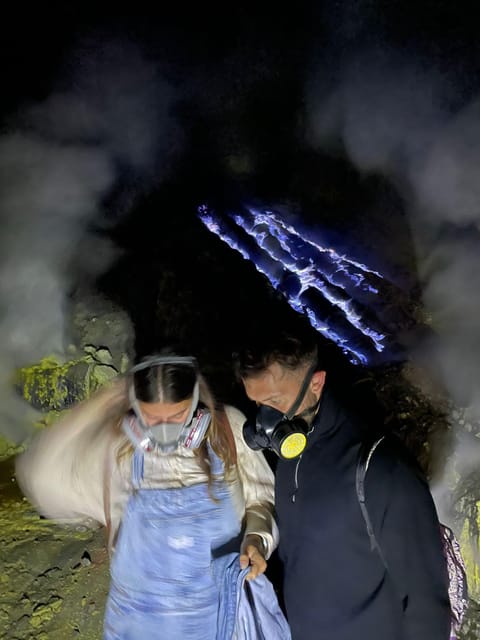
The tour provides gas mask and flashlight for the activity. You can also bring your own gear if you prefer, and one of the reviews notes using a personal gas mask even though the tour supplies equipment.
The mask isn’t a gimmick. You can expect periods where gases are heavier and your guide will ask you to wear it. The goal is simple: you want to keep breathing steady so you can focus on what’s in front of you.
First Stop on the Clock: Ijen Arrival, Breakfast, and the Pre-Hike Pace
After you reach Mount Ijen, the day shifts from travel mode into activity mode. You’ll visit, have breakfast, and then start the hiking sequence with the guide.
A common pattern here is a short wait or rest time at the base before climbing. That’s useful. It helps you settle, get a feel for the pace, and make sure everyone has their equipment ready before you start moving uphill.
The hike itself is about 2 to 2.5 hours to the peak area, covering around 3.4 km. That may not sound huge on paper, but it’s climbing in volcanic terrain, at night, and with the expectation of continuing for sunrise after.
What I like about this setup is the practical pacing. One review describes reaching the top at a good pace with occasional reminders about where to step, which is what you want: steady progress instead of a group sprint.
The Climb: What the Dark Trek Feels Like
The top portion of the climb is where you feel the real effort. It’s dark, and volcanic rocks can be slick or uneven. A flashlight helps, and your guide’s route choices matter.
Also, plan on careful movement. Even if you’re fit, your eyes need a moment to adjust to the light conditions and your footing needs time to sync with the ground.
This is also where you’ll likely experience the gases more. One review specifically mentions gas being a lot, and the gas mask getting used during the ascent. That’s not something you can control, so the best strategy is to be ready to follow your guide’s instructions quickly.

Getting to the Blue Flame View: The Part Everyone Flashes Photos For
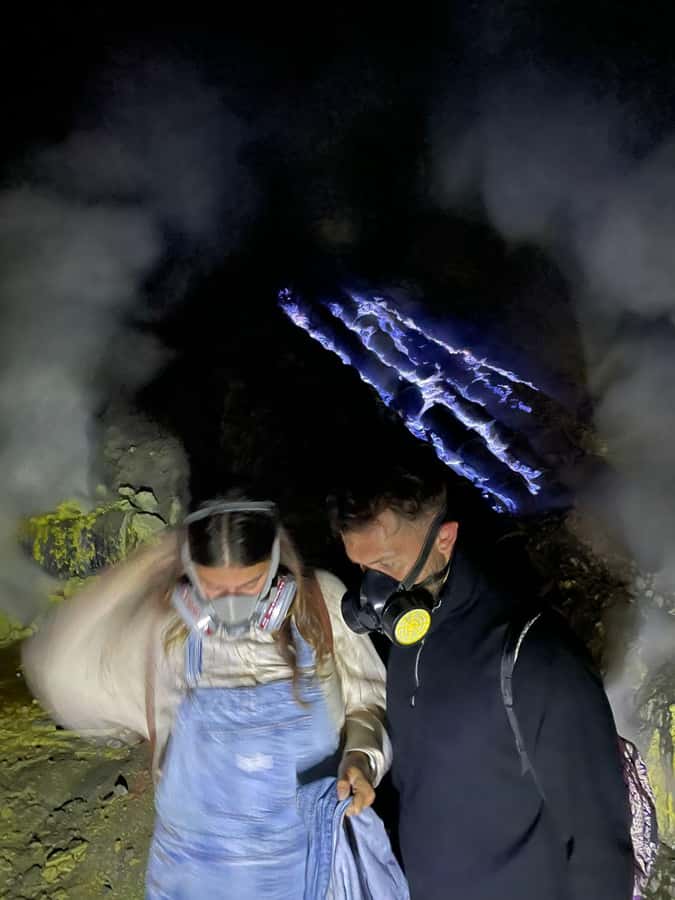
The most famous moment is the blue flame itself. The tour includes time for the crater-side viewing, and the hike schedule reflects it: after reaching the peak area, you descend toward the crater below.
The distance details given for the trek sequence are clear: about 700 meters to descend to see the blue flame crater more closely. That descent is what puts you near enough for the flames to be visible and meaningful, not just a faint story you heard somewhere.
The blue flame shows because sulfur gases are combusting near the crater. Up close, it can start small and then expand visually as you get the right line of sight. One review describes the flames growing in the visible area as the viewer got closer, turning the scene into something more mysterious than expected.
And yes, you also see local miners extracting sulfur in the crater zone. That adds texture to the spectacle. It’s not just a natural phenomenon. It’s a working landscape.
A quick reality check: the crater atmosphere isn’t comfortable by default. That’s why the mask is included, and why your guide’s timing is important. If you want a photo moment with minimal discomfort, this may not be the best style of adventure. If you want the real experience, it’s exactly the kind of place where you earn your view.
Dawn at Mount Ijen: Sunrise, the Caldera Lake, and a Different Kind of Wow
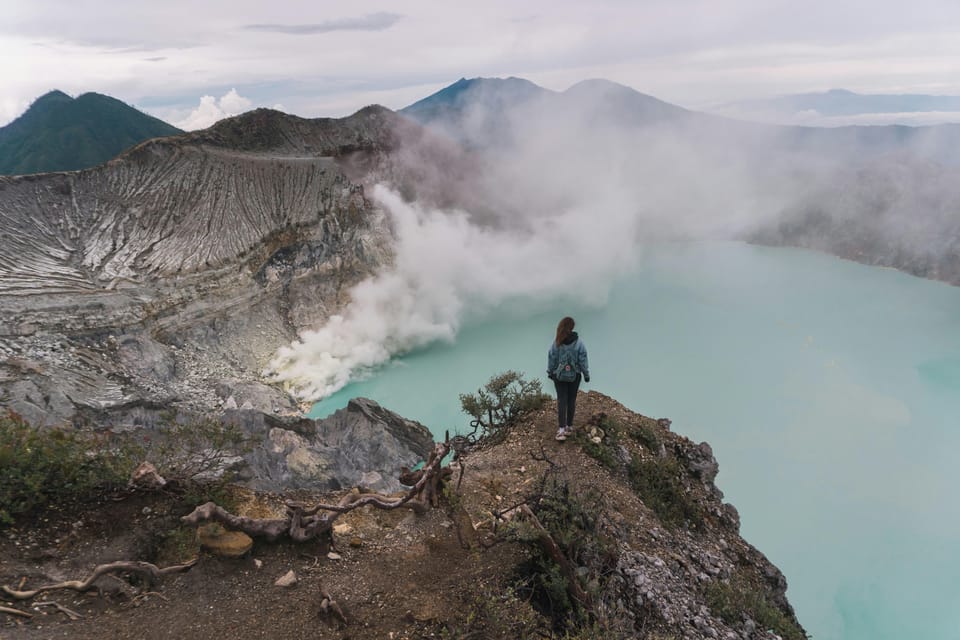
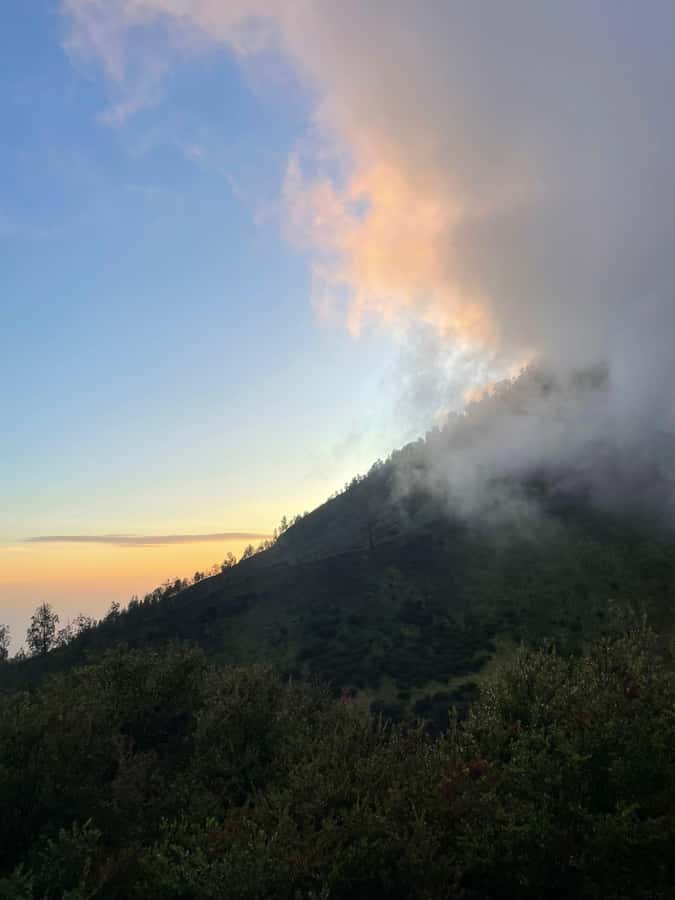
After the blue flame viewpoint, the day transitions toward sunrise. The schedule notes sunrise as part of the experience, with the overall trek window placing sunrise within about 6 hours after the Ijen visit starts.
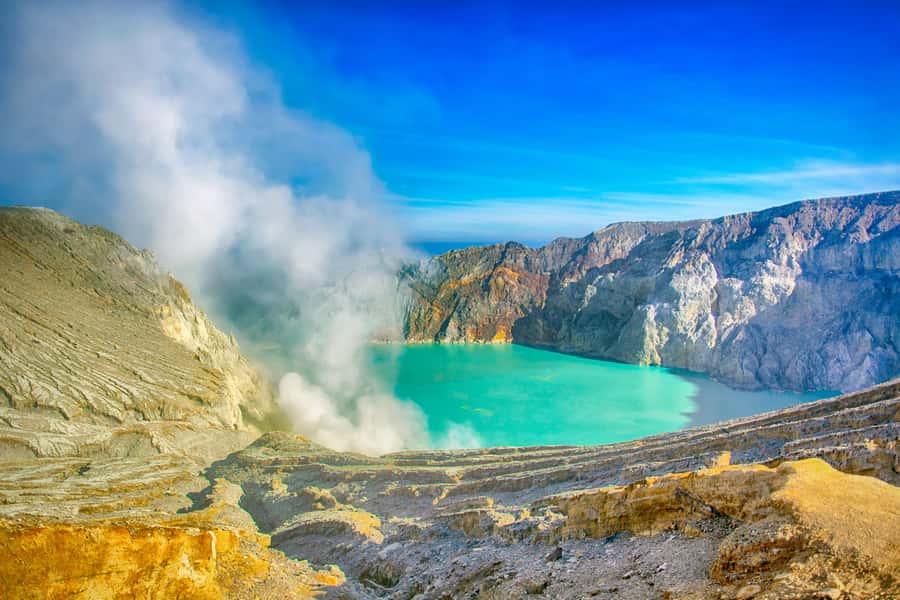
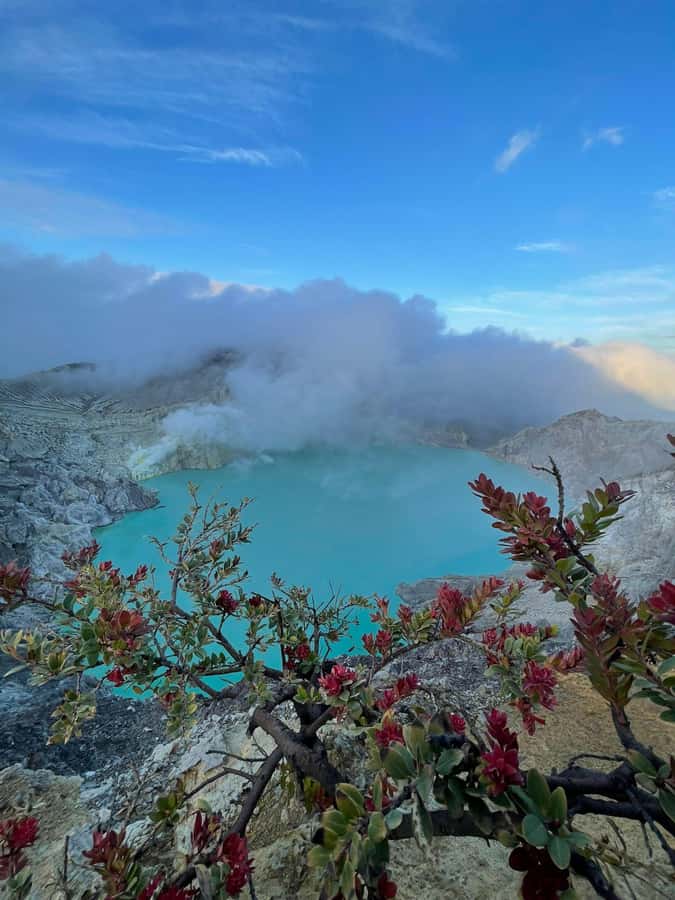
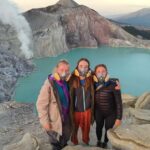
When daylight arrives, the crater lake becomes the other star. You’re looking for the turquoise-colored acidic crater lake, and that color is one of the reasons people talk about Mount Ijen long after the flames fade.
Cloud cover can change what you see at sunrise. One review notes it was cloudy, so the sun itself wasn’t visible, but the bright turquoise lake still stood out in the crater setting. That’s good news for your expectations: you’re not dependent on perfect skies to get a striking image and a real sense of place.
Also, when the light comes up, the environment stops being only smoke and dark rock. The scale reads differently, and you start noticing the bowl shape of the caldera and how far the crater activities stretch.
Transport and Returns: Getting Back Without Turning It Into a Grind
A tour like this can become exhausting if transportation is sloppy on either end. Here, the included pickup and drop-off plus the private driver helps reduce friction.
One review specifically mentions a safe return to the hotel after the experience, with the chance to rest during the ride. That matters because you’re doing a night hike and then pushing into sunrise. You’re not going to want to negotiate your own rides at the end while you’re tired.
Price and Value: Is $129 Reasonable for This Route
At $129 per person, this isn’t a budget snack tour. But it also isn’t just a guide and a ticket. You’re paying for a chain of time-sensitive logistics: Bali pickup, ferry transfer to Java, an English-speaking guide for the full crater experience, and equipment for the crater conditions.
Included items that affect real value:
- ferry ticket
- hotel pickup and drop-off
- private driver
- parking fee, and highway entrance fee
- gas mask and flashlight
- English speaking guide, plus small-group handling
Not included:
- lunch and dinner
- trolley taxi service (extra fee if you need it)
To me, the price feels fair when you compare the included cross-island travel and crater gear. The big cost isn’t just the hike. It’s getting you positioned for the night timing and bringing you back safely.
If you already have your own transport in place and you’re the type who can handle the schedule independently, you might find cheaper options. But for most people, the value here is that you don’t have to stitch together the ferry + timing + guide + equipment.
Who This Tour Is Best For (And Who Might Skip It)
You’ll likely love this tour if:
- you want the blue flame experience in East Java, not a distant viewpoint
- you like guides who keep the pace steady and remind you to watch your footing
- you’re okay with a night adventure and volcanic gases handled responsibly with a mask
You might reconsider if:
- you’re not comfortable walking carefully on rocky ground in the dark
- you strongly dislike wearing a gas mask when needed
As for fitness, the hike is clearly defined (about 3.4 km up, then descent toward the crater). It’s not described as a multi-day trek, but it is an active night walk with elevation and changing conditions.
Small Tips That Improve Your Chances (Based on What Actually Happens)
Bring rain gear. Even if it turns out you don’t use it, volcanic regions can change quickly, and one review notes bringing rain clothes because weather was a concern.
Also, arrive ready for a long day with food gaps. Since lunch and dinner are not included, you’ll want to plan how you’ll handle meals around the schedule.
Finally, pack for light-and-dark reality:
- keep your attention on where your guide directs you
- don’t rush during gas-heavy moments
- use your flashlight responsibly, not recklessly
These are basic moves, but they make the difference between getting through the experience calmly and feeling stressed.
Should You Book This Mount Ijen Blue Fire Tour?
If you want an Ijen experience that actually hits the two big goals—blue flames at night and the turquoise acidic crater lake at dawn—this tour is built for that. The included ferry, driver, English-speaking guide, and crater gear take a lot of uncertainty out of the equation.
I’d book it if you’re the kind of traveler who likes to see the real workings of a place, including the sulfur miners, and you’re comfortable with a night hike where your guide controls the safety rhythm.
Skip it if you want a relaxed day with no night elements or if you’re uncomfortable with volcanic gases and the gas mask.
If your dates don’t land on the first Friday of the month, you’ll be lining up with the tour’s operating window and maximizing your chance of seeing the blue flame and sunrise sequence.