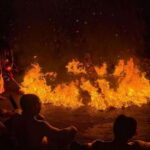
Blue fire pulls you in. What makes Mount Ijen so worth it is the mix of early-night trekking and the guide-led moments that turn a scary dark climb into something understandable and doable. I especially like that you don’t just get dropped at a viewpoint—you get an attentive tour guide who keeps the experience focused on what matters.
I also enjoy how much the trip leans on comfort and competence. With an experienced, pleasant driver and a tight handoff from Bali to Java, the long travel doesn’t feel like chaos. The main drawback to plan for is the early, overnight schedule: you’re moving in the dark, and it’s not the kind of outing for people who hate night hikes.
In This Review
- Key Points to Know Before You Go
- Blue Fire at Ijen: What the Dawn Trek Feels Like
- Bali to Gilimanuk: The 4-Hour Drive and 2PM Ferry Rhythm
- Overnight Comfort Near the Volcano: When 1AM Becomes Normal
- Your Gear for Sulfur Fumes: Gas Mask and Headlight Setup
- Crater Time: Sulfur Miners, Sulfur Art, and Real Views
- Guide and Driver Quality: Attentive Explanations, Smooth Driving
- Price vs What You Get at $117 per Person
- Who This Tour Suits (and Who Should Skip It)
- Should You Book Mount Ijen Blue Fire Tour via Bali?
- FAQ
- How long is the Mount Ijen Blue Fire Tour from Bali?
- What’s included in the package?
- Is lunch included?
- What time does the experience start from Bali?
- How long is the ferry ride?
- Do I need a hotel near Mount Ijen?
- What gear should I bring?
- What safety equipment is provided?
- Who is this tour not suitable for?
- Are large bags allowed?
Key Points to Know Before You Go
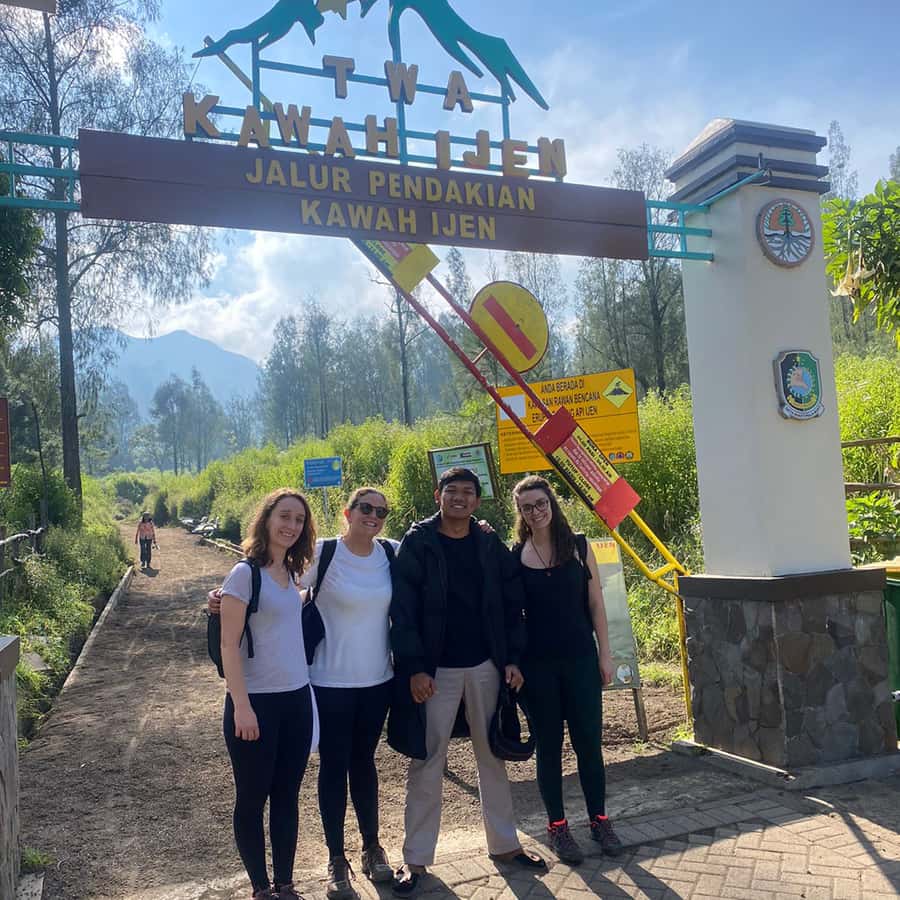
- Blue fire viewing at the Ijen crater during a guided, dawn-focused trek
- A small-group feel with limited participants for a more personal pace
- Gas mask + headlight included, so you’re not scrambling for gear
- Hotel near Mount Ijen so you don’t start the climb exhausted
- Sulfur miners and sulfur art show up at the top, not just scenic stops
Blue Fire at Ijen: What the Dawn Trek Feels Like
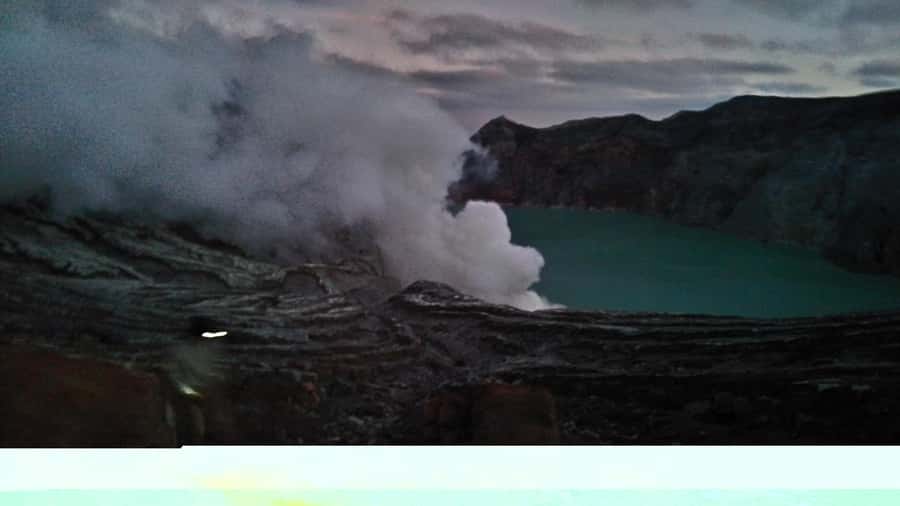
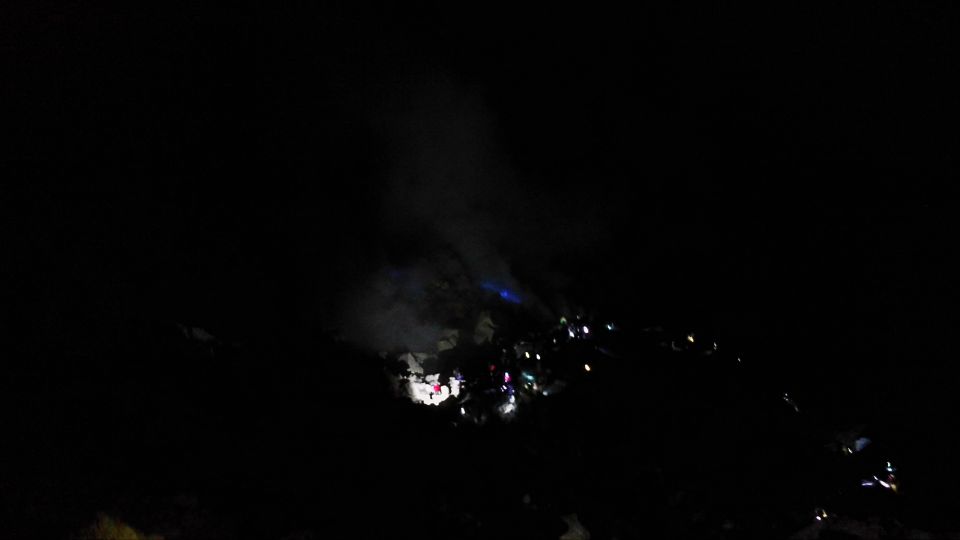
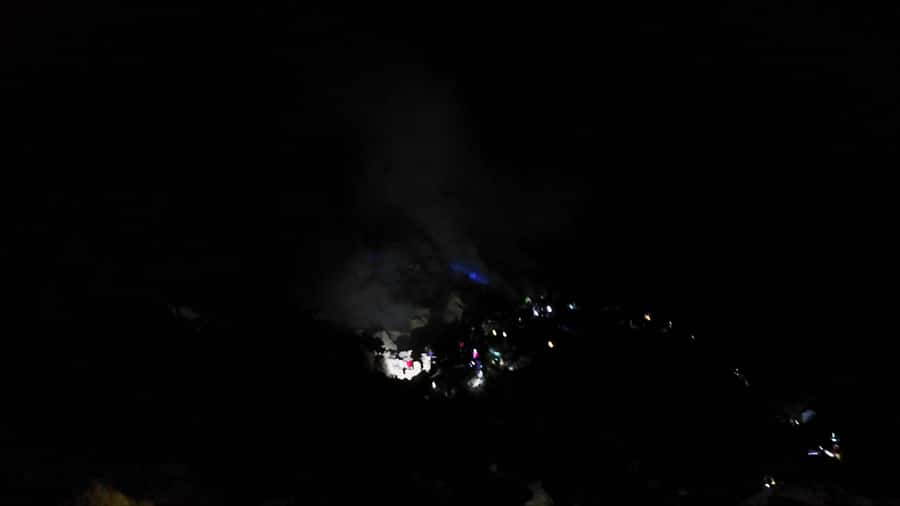
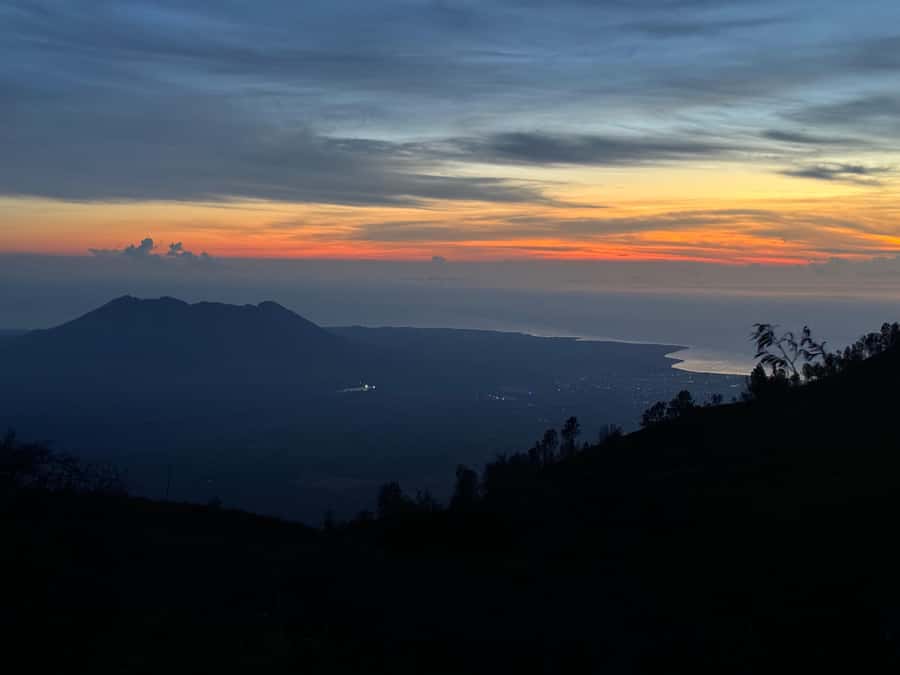
Mount Ijen is an active volcano in East Java, on the border between Banyuwangi and Bondowoso. The big attraction is the crater glow people call the blue fire, seen during a guided trek at dawn. Since the viewing happens while it’s dark, this isn’t a casual sunrise stroll—it’s a night climb with purpose.
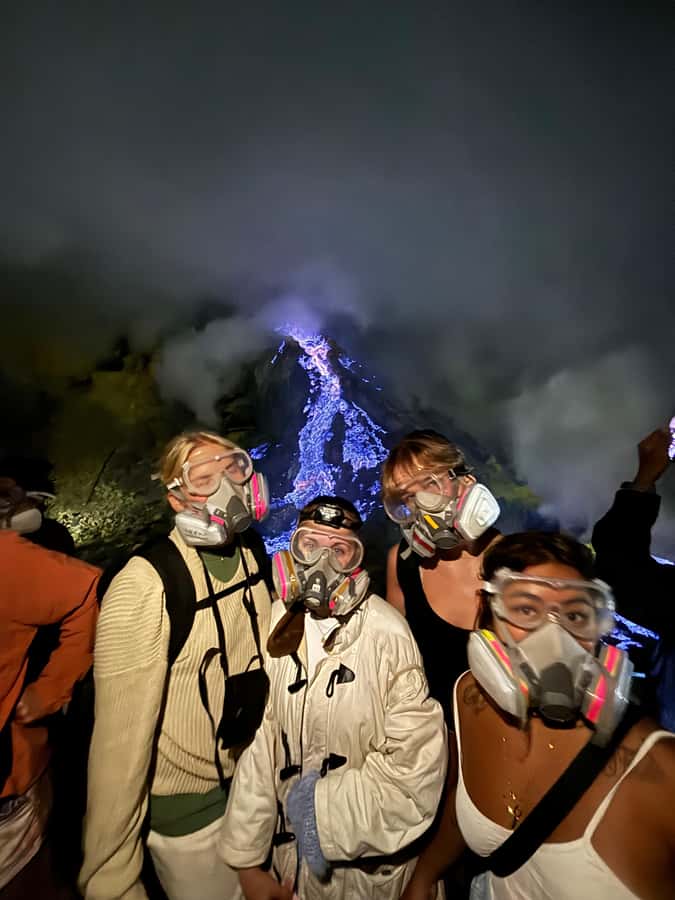
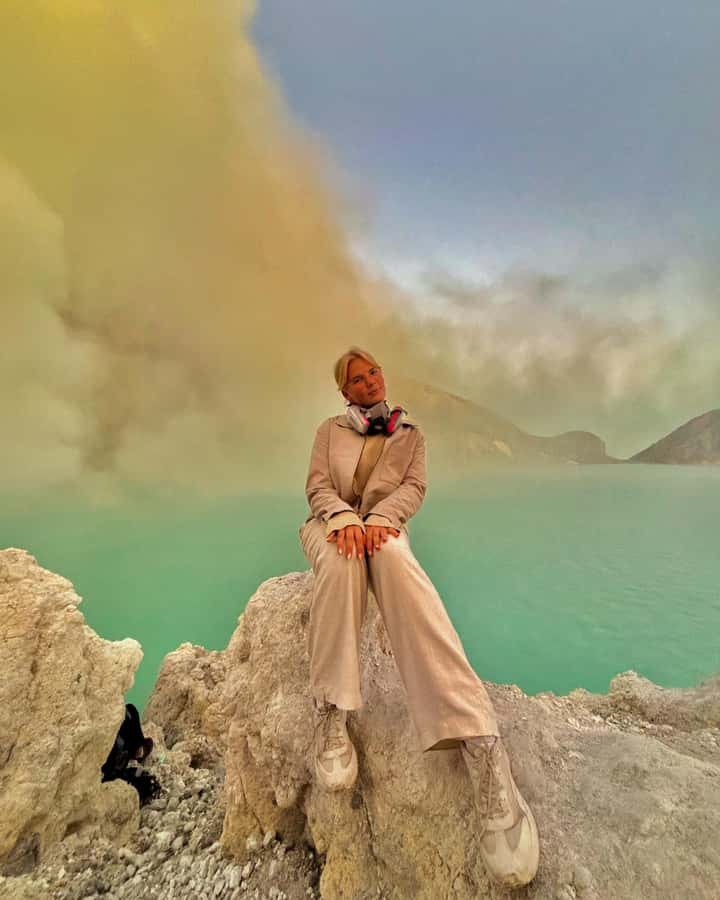
What you’ll appreciate most is how the experience is structured around visibility and timing. You get a headlight for the hike, and you also get a gas mask, because sulfur fumes are part of the environment around the crater. Instead of guessing what to do when the moment arrives, your guide helps you make sense of what you’re looking at and where to position yourself.
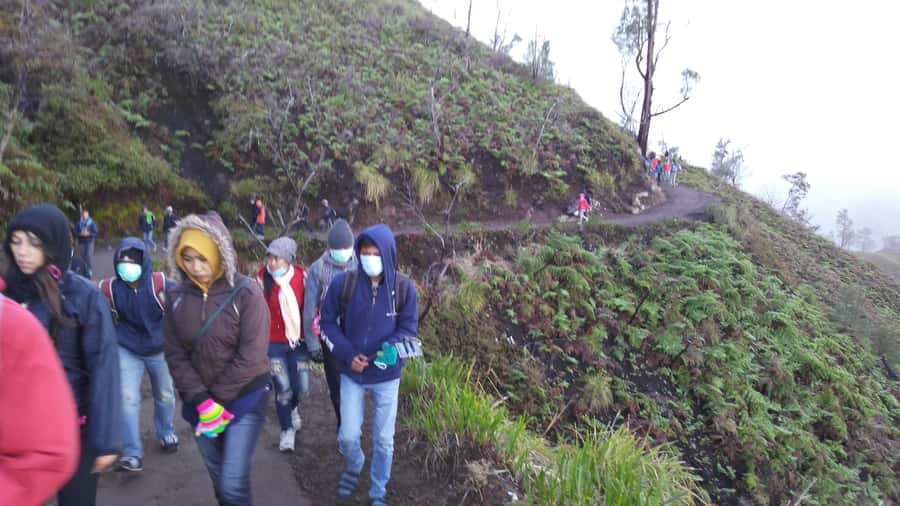
The tradeoff is effort. You should expect cold early hours, uneven ground, and a pace that’s brisk by necessity. If you’re the type who needs lots of breaks or you struggle on steep terrain, plan carefully.
You can also read our reviews of more tours and experiences in Indonesia.
Bali to Gilimanuk: The 4-Hour Drive and 2PM Ferry Rhythm
This tour isn’t just “a volcano day.” It’s a Bali-to-Java transfer built into the plan, and the timing starts with a long run toward Gilimanuk. From areas like Kuta, Ubud, Sanur, and Seminyak, you’re looking at about 4 hours by car to reach the port before your ferry leaves around 2pm.
Then comes the sea-crossing rhythm. You board the ferry for about 70 minutes, and there’s another ferry leg of about 70 minutes as part of the route. In practice, that means you’re awake for a chunk of the afternoon and early evening, and you’re aiming to arrive in East Java around midnight.
Here’s the fun detail: at least on some sailings, the boat experience can include karaoke on the ferry. It’s one of those silly-but-memorable travel moments you won’t get on a quiet, no-frills transfer. The whole scene can remind you of classic European port vibes—only with a lot more island energy.
Overnight Comfort Near the Volcano: When 1AM Becomes Normal
Once you arrive in East Java, you don’t jump straight into the climb with zero rest. You’ll have accommodation prepared near Mount Ijen, and the idea is simple: don’t burn out before your viewing window. Your guided start point is set for around 1am, which is exactly why the lodging matters.
This is one of the smarter parts of the package. A lot of volcano trips fail on the basics: you travel all day, arrive late, then push people up a mountain when they’re already tired. Here, the schedule is built so you’re still functional when the hike begins.
It’s still an early morning plan, though. You should treat this as a night activity with a dawn finish, not as a “sleep in and go” day trip. Bring a jacket and plan for cooler air during the climb hours.
Your Gear for Sulfur Fumes: Gas Mask and Headlight Setup
You don’t have to figure out the basics on your own. The trip includes a gas mask and a headlight, plus mineral water during the experience. That means you can focus on the hike and the crater moments instead of standing at a counter somewhere trying to rent gear.
The gas mask is not optional in terms of comfort. Around Ijen, sulfur fumes are part of what you’re exposed to near the crater area, and having the mask helps you handle that environment. It also helps you feel more confident while your guide is moving you through timing-sensitive spots where staying together matters.
Small gear reminders can help you enjoy the hike more. Wear comfortable shoes, bring a towel, and have your camera ready. If you’ve ever tried to film through cold hands, you’ll appreciate packing something warm enough to keep you steady.
Also note what isn’t allowed: alcohol and drugs, and luggage or large bags. Travel light and keep things easy to carry. You’ll thank yourself when you’re moving in the dark.
Crater Time: Sulfur Miners, Sulfur Art, and Real Views
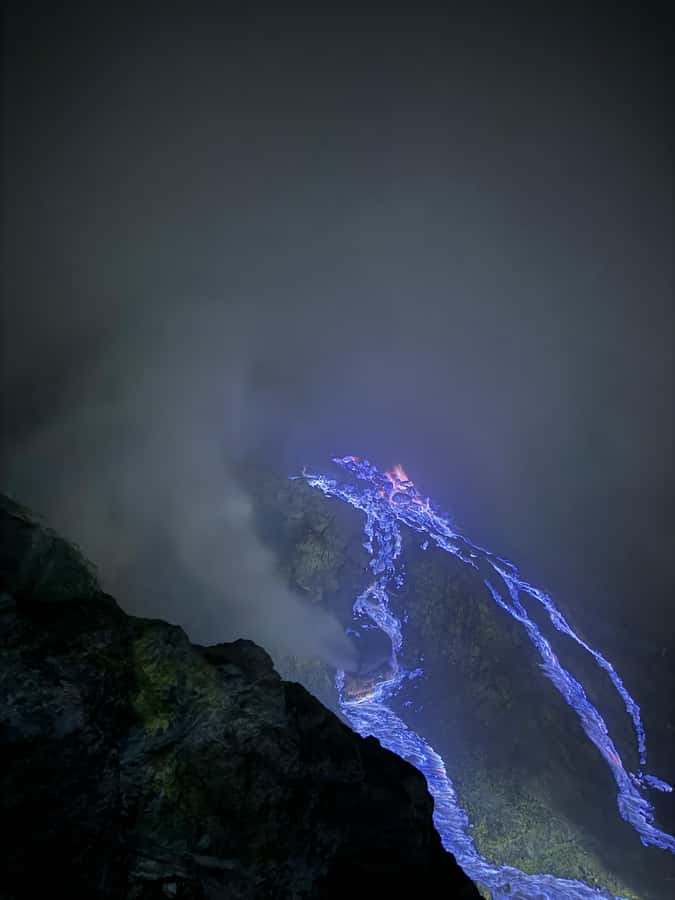
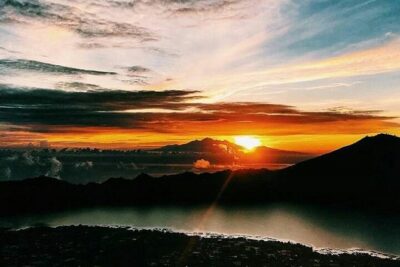
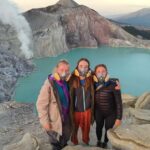
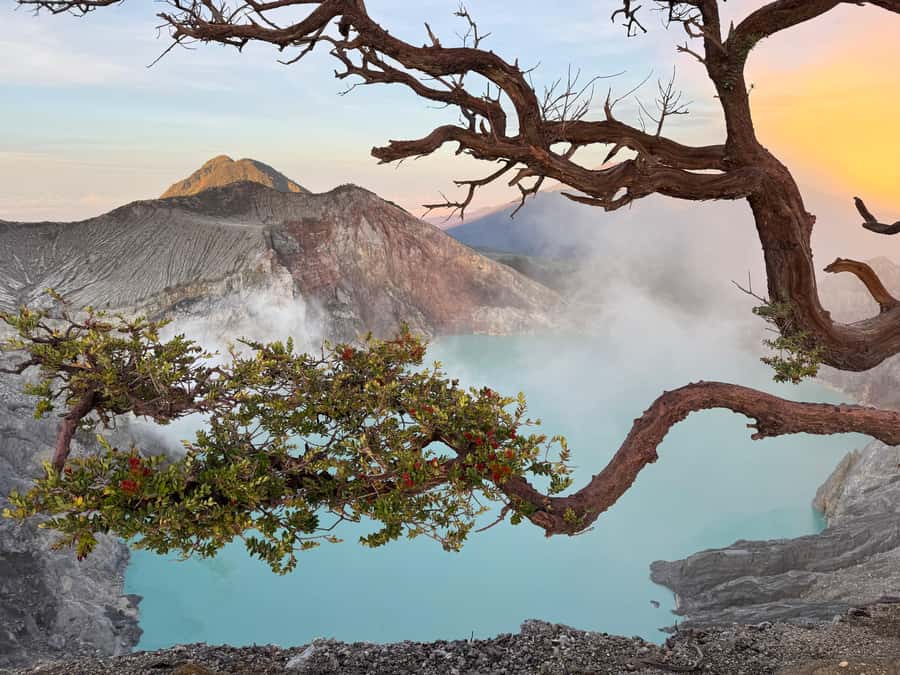
The crater is where Mount Ijen shifts from “interesting hike” to “why did I wait so long to do this?” You’ll be there as the light changes, and you’ll get to experience the crater environment from the guided route.
The tour includes a chance to meet local sulfur miners who work on the mountain. This matters because it adds human context. You’re not only seeing geology—you’re seeing people’s daily work tied directly to that environment. The guide can help you understand what you’re looking at beyond just snapping photos.
One highlight that gets overlooked on some volcano experiences is the works of art made from sulfur you can find at the top. That’s a nice reminder that Ijen isn’t just raw nature—it’s also a place where materials get transformed into objects. If you like small, meaningful souvenirs, this is more interesting than the usual mass-produced trinket.
And yes, you’ll also get those “inside the crater” views that people talk about. The timing is key, so don’t assume you’ll have long, slow time for wandering. The guide keeps you on a rhythm that matches what’s happening in the crater area during dawn.

Guide and Driver Quality: Attentive Explanations, Smooth Driving
What makes this tour feel easy is the human side: attentive guiding plus a driver who handles the long transfer without turning it into a stress test.
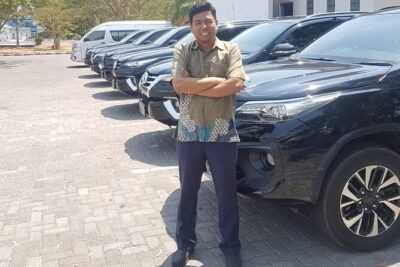
Two names in particular show how that matters. One participant praised the driver Adus (Gustawan) for being the best and helping with everything needed. Another praised the guide Suki for delivering a great experience. You might not always get the exact same team, but the point is clear: when the guide is good, you waste less time figuring things out and you enjoy more of the moment.
You’ll also notice how pickups and transfers are handled. The driver holds a sign with your last name, and you’re asked to wait around 10 minutes early in the hotel lobby. After pickup time, the driver waits no longer than 5 minutes, so being ready matters.
This kind of tight coordination matters on an overnight schedule. When timing is strict, “good logistics” turns into “less stress,” and less stress turns into better views.
Price vs What You Get at $117 per Person
At $117 per person for a 1-day listing (with overnight lodging), the real question is not just cost. It’s what’s included that would otherwise cost you time or money.
Here’s what you’re getting bundled:
- Pickup and drop-off from Bali to the Kawah Ijen area
- Accommodation near Mount Ijen
- Return ferry transport
- Entrance fees to the Kawah Ijen volcano area
- English-speaking guide
- Javanese breakfast (all you can eat)
- Gas mask, headlight, and mineral water
Lunch and other meals aren’t included, so you may want to plan for that. But compared to arranging ferry tickets, entry fees, transfers, and crater gear separately, the package is built to reduce your work.
In other words, you’re paying for a full chain of “get you there, keep you safe, and feed you before the climb” rather than paying for only the trek. For many people, that’s the real value—especially when you’re crossing from Bali to East Java and trying to show up at 1am ready to move.
Who This Tour Suits (and Who Should Skip It)
This works best for visitors who:
- want a guided, dawn-focused blue fire experience
- are comfortable hiking in the dark and waking early
- like the extra layer of meeting sulfur miners and seeing sulfur-made art
It’s not a fit for everyone. It’s specifically listed as not suitable for pregnant women and people with mobility impairments. The hike is part of what you’re paying for, and the schedule doesn’t leave room for slow pacing or limited movement.
If you’re traveling with a lot of luggage, also reconsider. Large bags aren’t allowed, so you’ll want a carry-light setup. And if you hate early mornings, this will feel like a wake-up-and-go event, not a relaxed holiday day.
Should You Book Mount Ijen Blue Fire Tour via Bali?
Book it if you want a serious volcano moment with the practical supports handled for you: hotel near the climb, crater entry included, headlight and gas mask, and an English-speaking guide who keeps the whole thing organized. The best part is that you’re not only chasing a phenomenon—you’re also getting human context with the sulfur miners and a chance to spot sulfur art at the top.
Skip it (or choose another format) if your body doesn’t handle night climbs well or if you need mobility-friendly accommodations. This is also a long day/night when you start in Bali—car time plus ferry time—so go in knowing you’re signing up for a full travel push.
If you’re okay with that trade, this is one of the most efficient ways to do Ijen from Bali without turning your trip into a logistics puzzle.
FAQ
How long is the Mount Ijen Blue Fire Tour from Bali?
The tour is listed as 1 day and runs on an overnight schedule from Bali to East Java for the dawn climb.
What’s included in the package?
It includes Bali pickup and drop-off, accommodation near Mount Ijen, return ferry, Kawah Ijen entrance fees, an English-speaking guide, Javanese breakfast (all you can eat), gas mask, headlight, and mineral water.
Is lunch included?
No. Lunch and other meals are not included.
What time does the experience start from Bali?
You’ll be picked up from your Bali area and then depart by ferry from Gilimanuk at around 2pm.
How long is the ferry ride?
The route includes two ferry legs, each about 70 minutes.
Do I need a hotel near Mount Ijen?
Yes, accommodation near Mount Ijen is included so you don’t get tired before the around 1am start point for the climb.
What gear should I bring?
Bring your passport or ID card, camera, towel, jacket, and comfortable shoes.
What safety equipment is provided?
You’ll receive a gas mask and a headlight.
Who is this tour not suitable for?
It is not suitable for pregnant women and people with mobility impairments.
Are large bags allowed?
No. Luggage or large bags are not allowed, and alcohol and drugs are also not allowed.