Borobudur hits you fast. In about five hours, you get a guided walk through the UNESCO temple complex and its Buddhist art in a way that’s hard to copy on your own. I like that the tour is set up for convenience: hotel pickup and drop-off means you spend your energy on the site, not on figuring out transport.
Two things I really liked are the small group feel (limited to 8) and the added value of having a guide inside the temple. You’ll see the massive scale up close, including 504 life-sized Buddha statues and thousands of carved reliefs. One drawback to plan around: entrance fees are not included, and the upper-level access details require a separate cash payment, plus climbing the top level isn’t allowed on Mondays.
In This Review
- Key highlights worth your attention
- Why Borobudur Works So Well as a Half-Day Trip from Yogyakarta
- Pickup, Small Group, and the Real-Life Convenience
- The Drive and the Setup: What Your Morning (or Afternoon) Feels Like
- Inside Borobudur: Statues, Bell-Shaped Spires, and Relief Panels
- Why the Temple Guide Matters More Than You Think
- Mendut and Pawon: The Optional Stops That Add Context
- Timing Tips: Crowds, Heat, and the Monday Climb Rule
- Price and Value: What You’re Paying For at About $37
- Who This Tour Fits Best (and Who Might Want a Different Plan)
- Should You Book This Borobudur Half-Day Guided Tour?
- FAQ
- How long is the Borobudur Temple half-day guided tour?
- Do I get hotel pickup and drop-off in Yogyakarta?
- Is the entrance fee included in the tour price?
- Is a guide provided inside Borobudur?
- Can you climb to the top level of Borobudur?
- Is upper part access included?
- Are Mendut and Pawon temples included?
- What group size is this tour?
- What cancellation options are available?
Key highlights worth your attention
- Hotel pickup and drop-off in Yogyakarta keeps your morning (or afternoon) low-stress
- Small group (up to 8) helps you get questions answered without feeling rushed
- Temple guide inside Borobudur gives context for the statues and the relief storylines
- UNESCO-level wow factor: 504 Buddha statues and 2,672 relief panels
- Optional Mendut and Pawon temples on the same straight-line route
Why Borobudur Works So Well as a Half-Day Trip from Yogyakarta
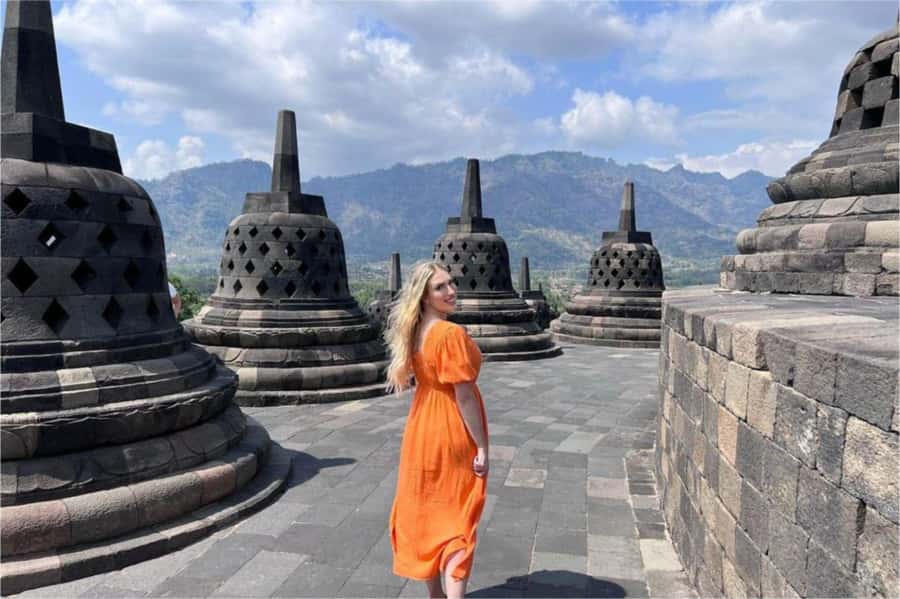
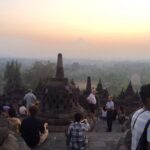
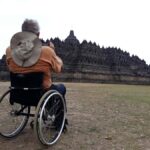
Borobudur is famous for a reason. It’s the largest Buddhist temple in the world, and even without a background in Buddhism, the place lands emotionally. From the first view, you get this sense of ordered, intentional design—layers, terraces, spires, and carvings that feel like they were built to guide you step by step.
A half-day format is also realistic. You’re not trying to “do everything” in one go. You’re there for the big moments: the temple’s overall layout, the most striking statues, and the key relief panels. That balance matters because Borobudur can feel like sensory overload if you treat it like a quick photo stop.
You’ll also get a useful contrast. Borobudur is the main event, but the optional add-ons—Mendut and Pawon—change the mood. They help you see Borobudur as part of a wider religious landscape, not just one standalone monument.
You can also read our reviews of more tours and experiences in Yogyakarta.

Pickup, Small Group, and the Real-Life Convenience
The tour runs with pickup from your hotel in Yogyakarta, and you’re dropped back after the visit. That sounds simple, but it’s huge. In practice, it saves time and reduces friction. You don’t have to haggle for a car, negotiate a driver’s waiting time, or worry about whether you’ll get back before dark.
The group size is limited to 8 participants. That number is not random. It typically means less crowd pressure in the temple area and easier communication with your driver and guide. You’re more likely to ask questions and actually get answers without the tour turning into a hurried assembly line.
Your driver is English-speaking. You’re not just paying for transport. The best drivers treat the ride like a primer. I’ve seen accounts of guides such as Tony and Yuni sharing history in the car and answering questions on the spot. Even if your driver’s style differs, the English support is a big value for people who want meaning, not just movement.
The Drive and the Setup: What Your Morning (or Afternoon) Feels Like
Expect a straightforward day: pickup, a drive to Borobudur, time at the temple, and then the return trip. Because the tour is about 5 hours total, it stays within a manageable frame. You’re not stuck in long transit all day, which helps if you’re also doing other Yogyakarta sights.
The real benefit is mental. When the schedule is tight, you need the tour to be organized enough that you don’t waste minutes. This kind of half-day service is made for that. You arrive, you get oriented, and you start walking with a clear sense of what to look for.
Bring a realistic attitude, too. Borobudur is popular. Even with an efficient plan, you may meet crowds on-site. If you’re sensitive to heat and waiting, plan to hydrate and keep your pace steady.
Inside Borobudur: Statues, Bell-Shaped Spires, and Relief Panels
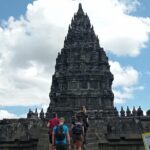
At Borobudur, the big story is how the design teaches you to see. The monument is made of stepped levels and surrounded by detailed Buddhist artwork. As you move through the temple, you’re not only looking at decorations—you’re reading a visual message.
Here are the highlights you’ll focus on:
1) 504 life-sized Buddha statues
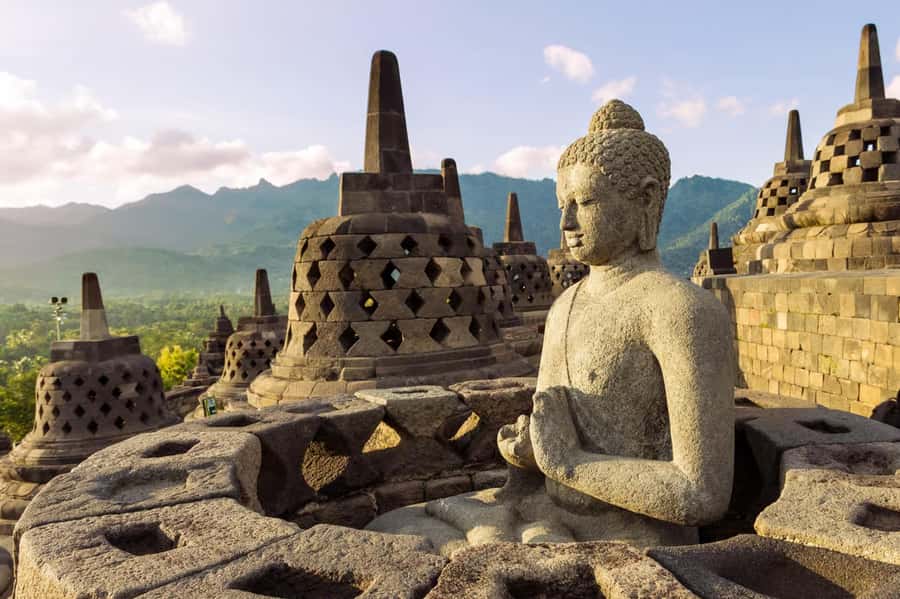
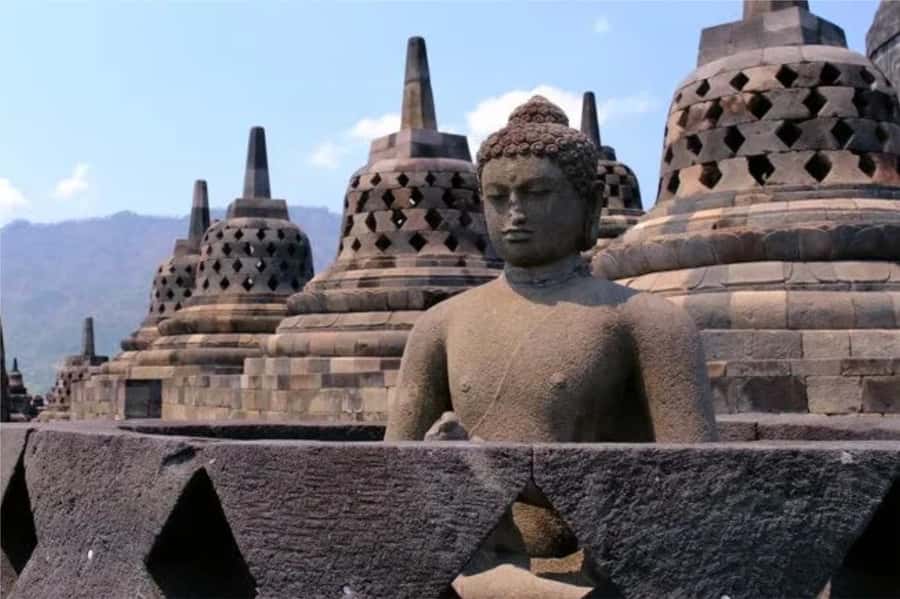
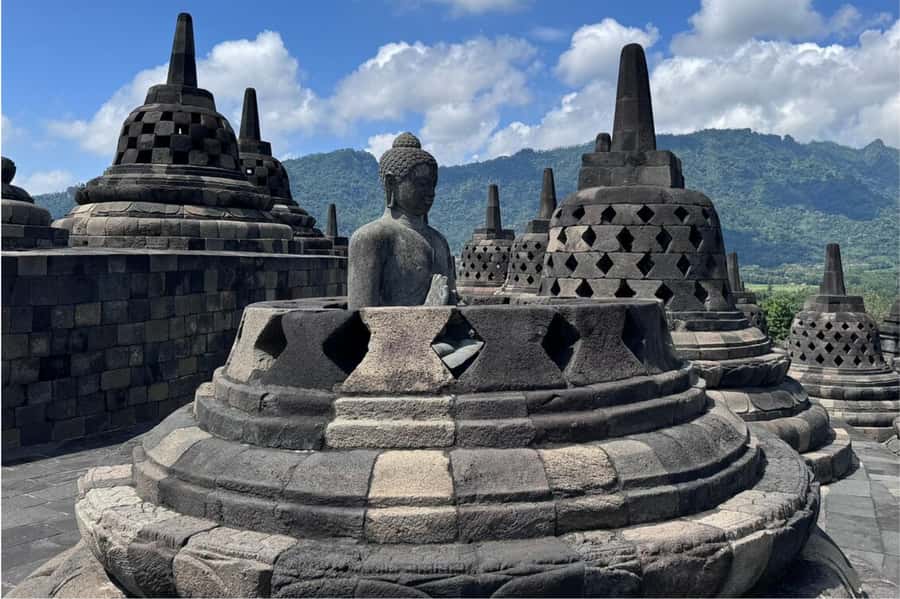
You’ll encounter 504 Buddha statues, each carved from a single stone. That detail matters. It turns the temple from “a lot of statues” into a series of individual works of art, each with its own presence and shape.
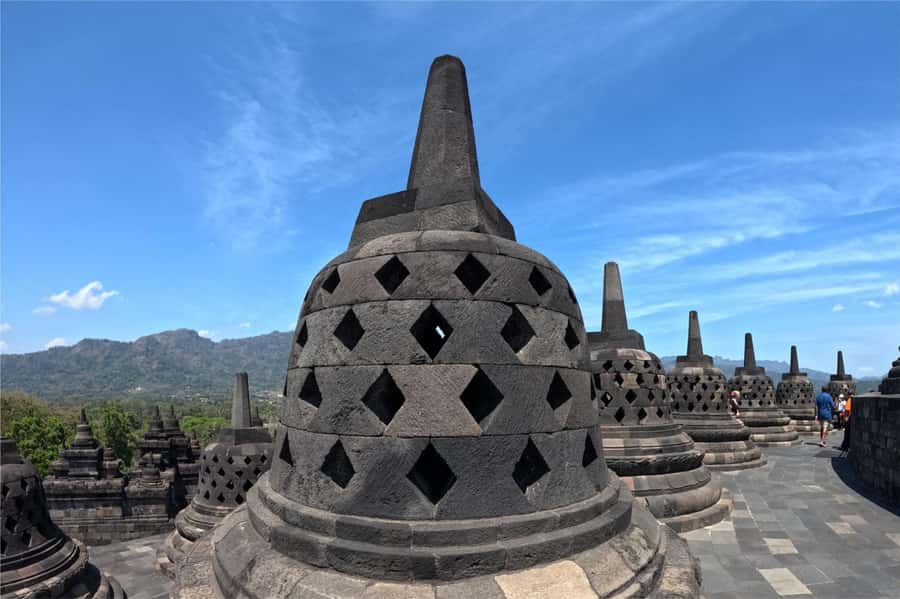
2) Seated Buddhas under bell-shaped spires
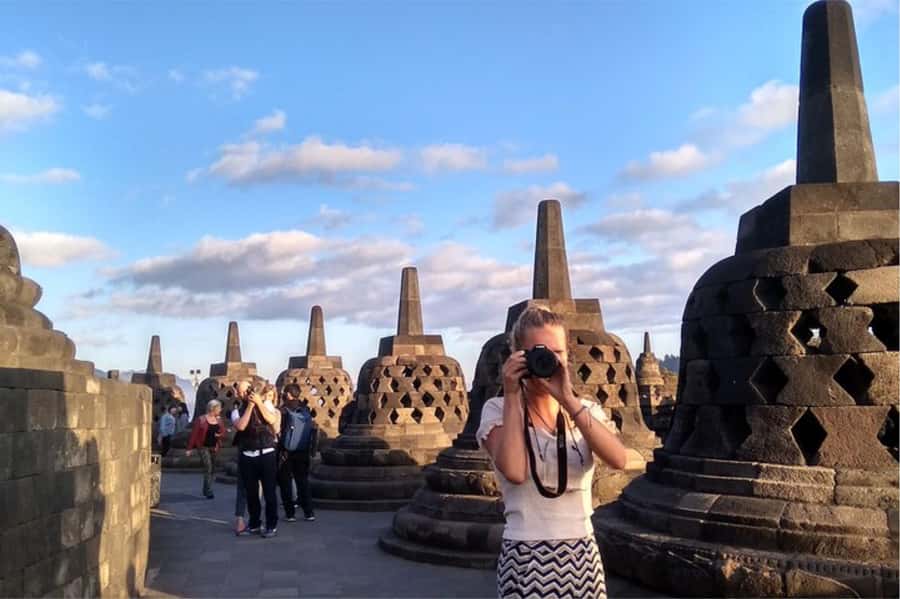
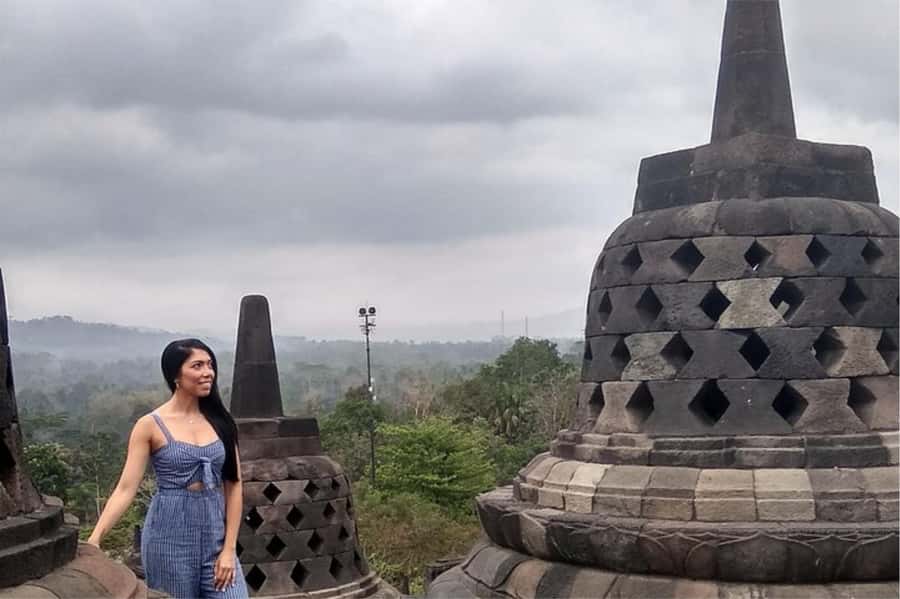
Many of the Buddhas sit beneath bell-shaped spires. When you see this arrangement repeatedly, you start to understand the temple’s rhythm. It’s not random. It’s structured and repetitive, like a visual chant that draws your eyes in.
3) 2,672 relief panels and the teaching story
The relief work is enormous: 2,672 relief panels. Relief carvings are the kind of artwork that rewards attention. If you’ve ever walked past a wall of text and wished someone would translate it, you’ll understand why a guide inside the temple helps so much here.
A key practical point: the temple’s scale means you’ll see more than one “type” of view—front angles, side angles, and terraces. Try not to rush straight from one highlight to the next. Pause and let your eyes adjust. The reliefs can be easier to spot once you slow your step.
Why the Temple Guide Matters More Than You Think
The tour includes a guide inside the temple, and that’s the part that turns sightseeing into understanding. With a guide, the statues and relief panels stop being just impressive objects. You start connecting the visuals to Buddhist teachings and to the temple’s construction logic.
Even if you’re not religious, you can still appreciate what the site is doing. The design guides your movement and your attention. A good guide helps you notice things you’d otherwise miss—symbol patterns, the meaning of elements, and how the artwork relates to the overall structure.
You’ll also be accompanied by a local guide licensed to work at the temple. That’s practical. Local knowledge often means clearer explanations and better navigation of where to stand, where to look, and how to understand what you’re seeing without guessing.
If you want an extra-rewarding experience, ask your guide one simple question early. Something like what to focus on first—reliefs or statues—helps you get oriented fast. Then the rest of the walk feels smoother.

Mendut and Pawon: The Optional Stops That Add Context
After Borobudur, the itinerary may include Mendut and Pawon temples. This is an optional add-on, but it’s worth considering if you like religious sites that feel less “theme-park” and more lived-in.
These temples are positioned along a straight line with Borobudur. The details of the original ritual purpose aren’t fully explained in the tour information you’ll receive, but the layout itself is fascinating. It suggests deliberate planning—like a religious route you’re stepping into, not just driving from one landmark to another.
Mendut and Pawon also break up the experience. Borobudur is huge and visually intense. Smaller nearby temples let you breathe. You can look longer, ask questions, and connect the carvings and style across sites.
Timing Tips: Crowds, Heat, and the Monday Climb Rule
Timing is everything at Borobudur. The temple’s popularity means crowds can show up even on short visits. If you’re thinking about comfort, prioritize early or late hours rather than mid-day heat.
There’s also an important rule to plan around: Borobudur can’t be climbed to the top level on Mondays. That matters because “top-level access” is part of what many people imagine when they picture the temple. If you’re visiting on a Monday, set expectations accordingly.
Another practical reality: access options can affect what you pay on the day. Your tour includes an arrangement that ensures the entrance fee includes upper part access, but you still must pay it separately in cash during the tour. So even if your main tour price sounds straightforward, budget a bit for on-site payment.
If you’re the type who likes to know exactly what you’ll get, bring cash and go with a relaxed mindset. That combo prevents stress when you’re standing in front of a site this big.
Price and Value: What You’re Paying For at About $37
The price is listed at $37 per person, and it’s positioned as a half-day guided experience. Here’s how that value breaks down:
You’re paying for:
- Hotel pickup and drop-off
- A driver (English-speaking)
- A guide inside the temple
You’re not paying for:
- Entrance fees
- Food and drinks
So what do you really get for the money? Convenience plus interpretation. Entrance tickets at major sites can feel like a separate step, and without a guide, you can spend a lot of time just figuring out what you’re looking at. This tour tries to sell you the part that’s hardest to DIY well: the meaning and the flow.
Is it “cheap”? Not necessarily. But it’s not just sightseeing transport either. When you add up the value of a small group, a temple guide, and the logistics handled, the price starts to make sense—especially if you want to maximize your limited time in Yogyakarta.
Who This Tour Fits Best (and Who Might Want a Different Plan)
This Borobudur half-day tour suits you if:
- You’re short on time in Yogyakarta and want the main monument with a guide
- You prefer a small group over a large bus crowd
- You want someone to explain the 504 Buddha statues and 2,672 relief panels without you doing homework first
- You like the idea of optional add-ons with Mendut and Pawon
It may be less ideal if:
- You’re mainly interested in climbing and top views and you’re visiting on a Monday
- You want total freedom to roam slowly at your own pace without any structured guidance
- You don’t want to handle a separate cash entrance payment for upper access
If you’re unsure, consider what you value more: flexibility or interpretation. This tour is designed for interpretation.
Should You Book This Borobudur Half-Day Guided Tour?
I think you should book it if you want a smooth, guided Borobudur visit that respects your time. The strongest reasons are practical: pickup/drop-off, small group, and a guide inside the temple. Those three things reduce stress and increase understanding once you’re there.
Before you book, do two things: check your day of travel for the Monday top-level climbing rule, and plan for entrance fees paid separately in cash. If you do those, the experience should feel straightforward and worth the effort.
Also, bring water and wear comfortable shoes. Borobudur is big. The better you prepare your body, the more you’ll enjoy using your eyes and brain instead of rushing to get to the next shaded spot.
FAQ
How long is the Borobudur Temple half-day guided tour?
The duration is about 5 hours.
Do I get hotel pickup and drop-off in Yogyakarta?
Yes. Pickup and drop-off from your hotel in Yogyakarta are included.
Is the entrance fee included in the tour price?
No. Entrance fee is not included, and you pay it separately on the day of the tour in cash.
Is a guide provided inside Borobudur?
Yes. The tour includes a guide inside the temple.
Can you climb to the top level of Borobudur?
Borobudur cannot be climbed to the top level on Mondays.
Is upper part access included?
The tour information says the temple entry fee is guaranteed with the upper part access, but you still must pay separately in cash on the day.
Are Mendut and Pawon temples included?
They are optional and may be visited after Borobudur.
What group size is this tour?
It is a small group limited to 8 participants.
What cancellation options are available?
Free cancellation is available up to 24 hours in advance for a full refund.