Purification in Ubud feels personal. This half-day-style tour takes you to Tirta Empul for the traditional melukat ceremony, then layers in two iconic sites—Goa Gajah and Gunung Kawi—so you’re not just watching rituals, you’re understanding why these places matter in daily Balinese Hindu life.
I love the way the day is guided and explained, especially when your driver/guide brings context to the carvings, the temples, and the purification steps. I also like the smooth, comfortable setup: hotel pickup in Ubud, a private group feel, and an English-speaking guide who keeps the route moving for a 6-hour day. One consideration: the $29 price covers transport and guided visits, but temple admission fees are not included, so your total budget will be a bit higher once you arrive.
In This Review
- Key Things I’d Focus On
- What You’re Actually Doing: Balinese Purification and Melukat at Tirta Empul
- Pickup in Ubud: A Private, English-Guided Day That Stays Practical
- Goa Gajah (Elephant Cave): A Mysterious 9th-Century Start in Bedulu
- Tirta Empul and the Melukat Ceremony: Holy Water, Prayers, and Offerings
- The water part: plan for real footing
- Timing can bring extra depth
- Gunung Kawi Temple: Rock-Cut Shrines, Rice Terraces, and an 11th-Century Mystery
- Practical Tips That Make or Break the Day
- Timing, Pacing, and What the Route Feels Like
- Price and Value: Is $29 Worth It?
- Who Should Book This (and Who Should Skip It)
- Should You Book Bali’s Ubud Purification Tour?
- FAQ
- How long is the Bali Ubud Traditional Balinese Purification tour?
- Where does pickup happen?
- Is this tour private?
- Is the melukat purification ritual included?
- Are temple admission fees included in the price?
- Are meals included?
- Can women on their period join the purification ritual?
- What if I need to cancel?
- What should I bring for the day?
Key Things I’d Focus On
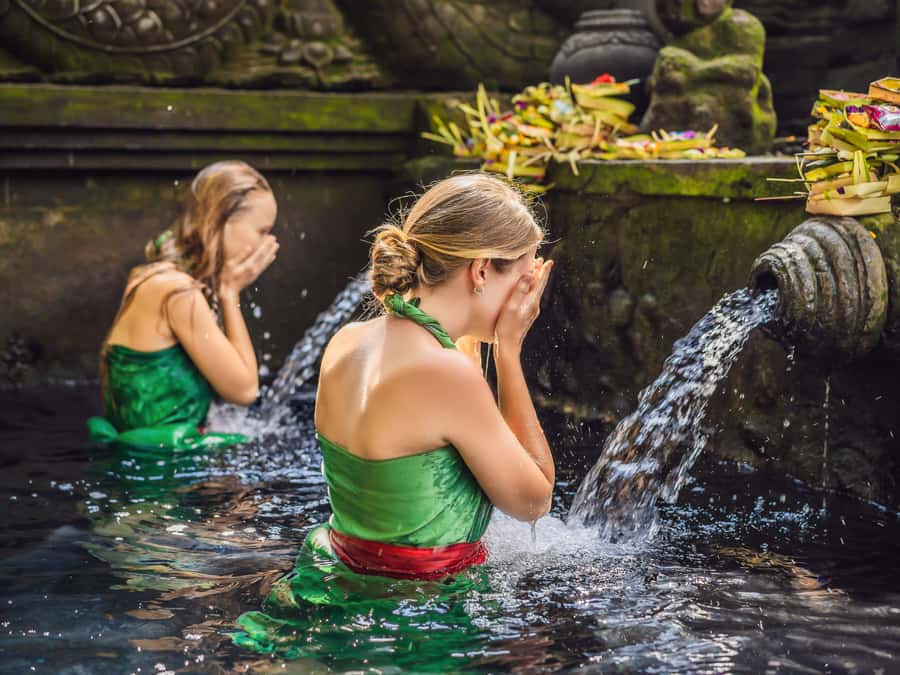
- Melukat at Tirta Empul is the main event: sacred spring water, prayers, offerings, and holy-water blessings.
- Goa Gajah + Gunung Kawi add spiritual depth beyond the water ritual, with 9th- and 11th-century temple context.
- Private group with English guidance helps you ask questions and move at a calm pace.
- Practical on-site realities matter: you may walk into waist-high water and need a place to store your items.
- Temple rules are real rules: women who are menstruating can’t join the purification ritual or enter the temple area.
What You’re Actually Doing: Balinese Purification and Melukat at Tirta Empul
The heart of this experience is melukat, a cleansing ritual meant to reset more than just your body. In Balinese Hindu practice, purification is about clearing the mind and spirit as well—so your role isn’t passive. You’ll be guided through a sequence of ceremony moments that include prayers, offerings, and holy-water blessings as you participate in the tradition at Tirta Empul Temple.
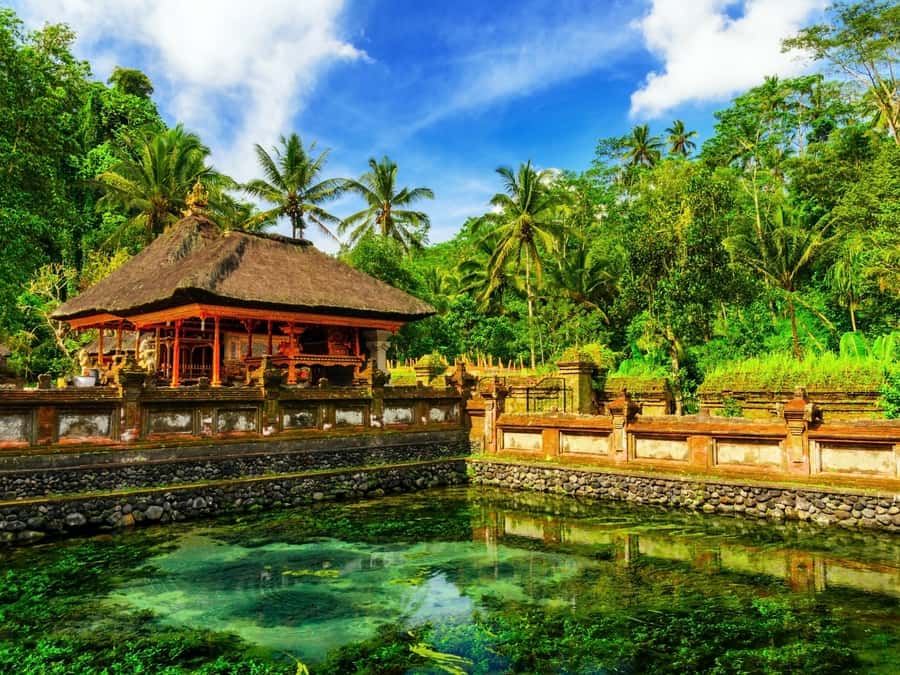
Tirta Empul is known for its sacred spring water, described as having purifying properties. The temple complex dates back to the 10th century and is dedicated to Vishnu, which gives the ritual extra meaning if you’re the type who likes to understand the “why” behind what you’re doing. If you’re hoping for a spiritual experience that feels structured (not random), this part of the tour is designed for that.
Just as important: this is a temple setting with customs you’re meant to respect. The tour is explicit about one rule—women who are menstruating are not permitted to join the purification ritual or enter the temple area—so plan your day with that in mind.
You can also read our reviews of more tours and experiences in Ubud.


Pickup in Ubud: A Private, English-Guided Day That Stays Practical
This is a private group tour, which usually means your time isn’t spent waiting for other people to show up “any minute now.” Pickup is arranged from your hotel or villa in Ubud or nearby areas, and you’re asked to wait in the lobby at the scheduled pickup time. The driver may contact you directly to coordinate, but the key is being ready and easy to spot when they arrive.
The tour runs about 6 hours, and the structure is built for a full day’s worth of sights without turning into a sprint. Your driver is English-speaking, and many guides focus on explaining the significance of what you’re seeing—not just pointing at it. In past experiences on similar routes, I’ve found this is what separates a “temple photo day” from a day that actually changes how you see the place.
Also, transport quality matters here. The activity lists highly-rated transport, with 94% of reviewers giving a perfect score—so you can reasonably expect the ride to be comfortable and the logistics to be handled.
Goa Gajah (Elephant Cave): A Mysterious 9th-Century Start in Bedulu
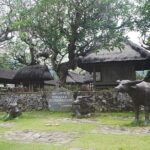
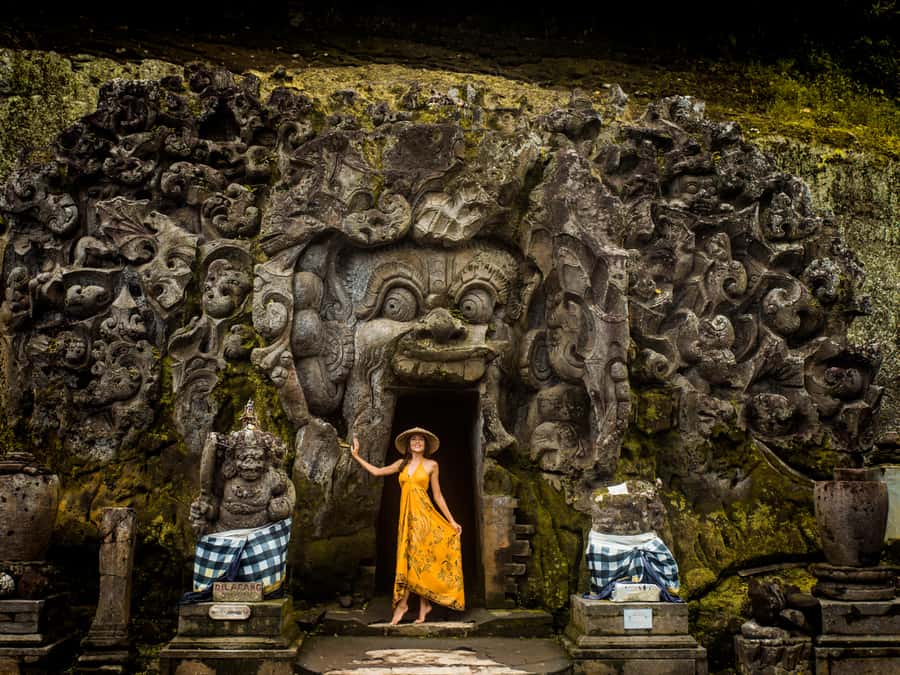
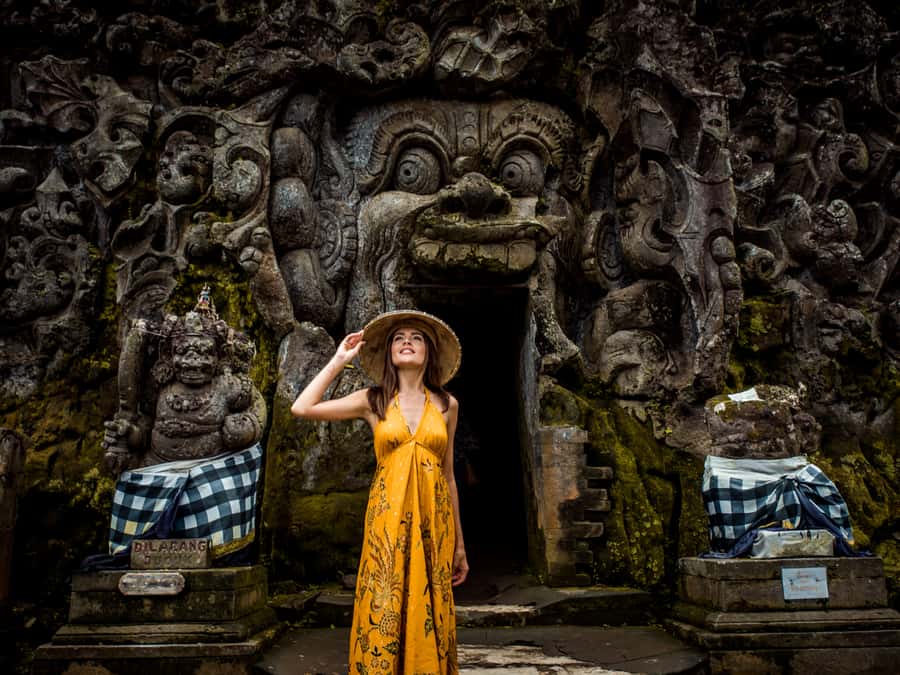
Goa Gajah—also known as the Elephant Cave—is where your day often begins, with about 1.5 hours on-site. This location is in the village of Bedulu and dates back to the 9th century. The main feature is a cave adorned with intricate carvings: demons, mythical creatures, and Hindu deities.
Even if you’re not a big “archaeology person,” the carvings do something useful. They set the tone for the day by showing that Balinese sacred sites aren’t sterile or modern-looking—they’re full of symbolism. A guide’s job here is great when they translate those details into everyday spiritual meaning, so you’re not just looking at faces and shapes. You’re learning the language behind the art.
One subtle benefit of starting here: Goa Gajah gives you a quieter entry point before the busier ritual activity at Tirta Empul. It’s a good way to adjust from travel-mode into ceremony-mode.
Tirta Empul and the Melukat Ceremony: Holy Water, Prayers, and Offerings
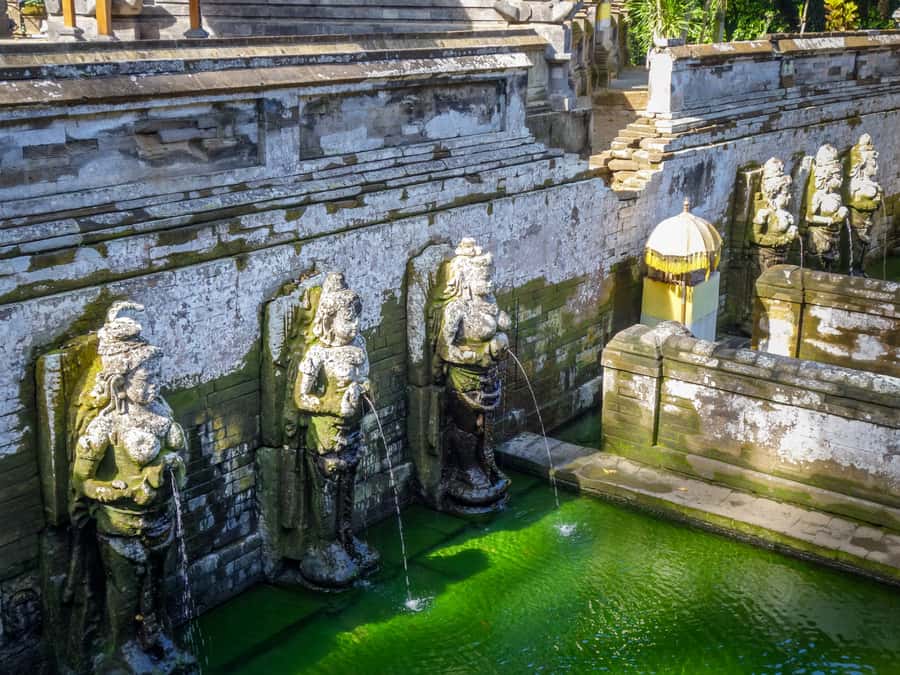
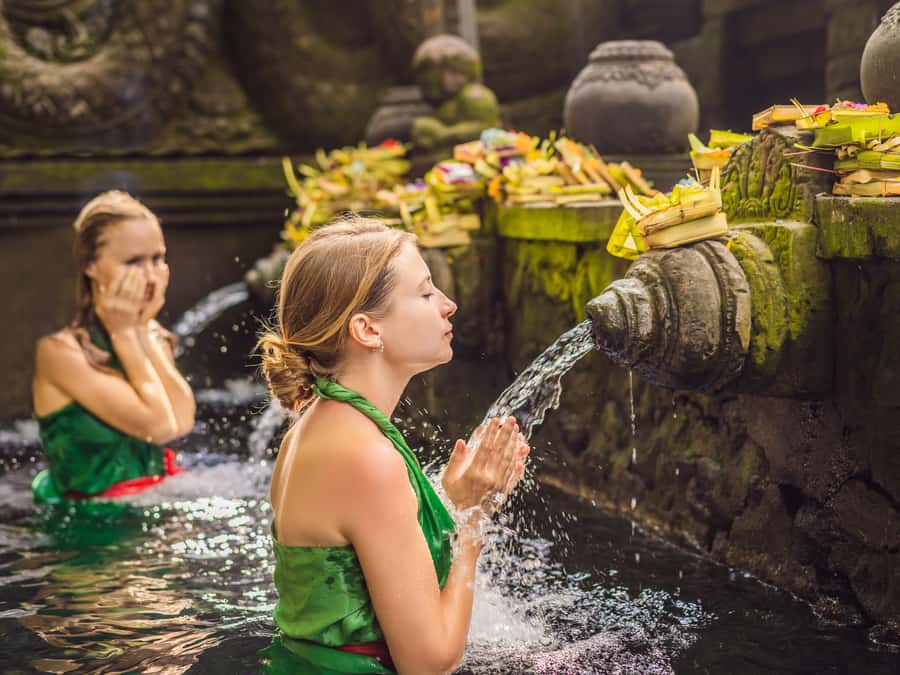
Tirta Empul is where the time stacks up, with about 2.5 hours dedicated to the purification ritual. The temple is famous for its sacred spring water, and the tradition you’ll participate in is melukat—a guided cleansing ceremony using prayers, offerings, and holy-water blessings.
Expect participation that’s more like ritual procedure than a casual dip. You’ll follow instructions from local priests and guides, and it’s normal to feel a bit unsure at first—until someone shows you what comes next. Guides on this tour are often praised for making the steps understandable, so you can focus on the meaning instead of the confusion.
The water part: plan for real footing
One practical detail that’s worth flagging: the purification can involve walking waist-high into water. That means you should plan ahead with clothing that makes it easier to participate comfortably. In a prior experience connected to this tour, people changed into bathers and used an on-site area for changing and storage, including lockers.
You don’t need to bring a full beach kit, but you do want to be prepared. If you go in with “I’ll just wear my day clothes,” you’ll probably regret it at some point. Wear something you can move in, and consider bringing a small bag strategy for wet items.





Timing can bring extra depth
The ritual may coincide with local ceremonies depending on your visit date. When it aligns, the atmosphere can feel more lived-in and less staged—which is usually what you want when you’re chasing authentic spiritual practice.
Gunung Kawi Temple: Rock-Cut Shrines, Rice Terraces, and an 11th-Century Mystery
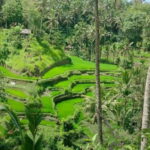
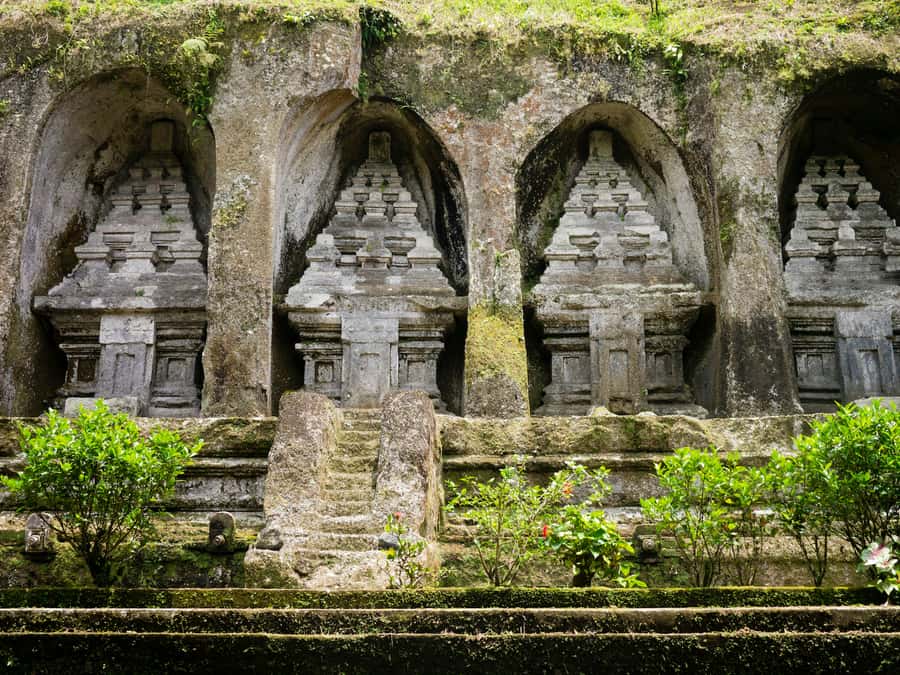
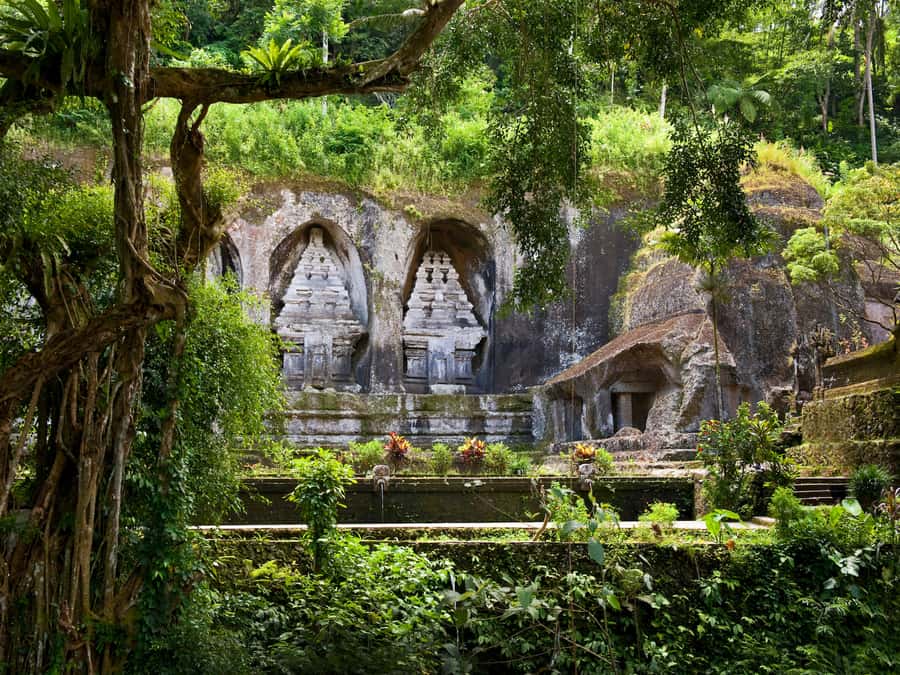
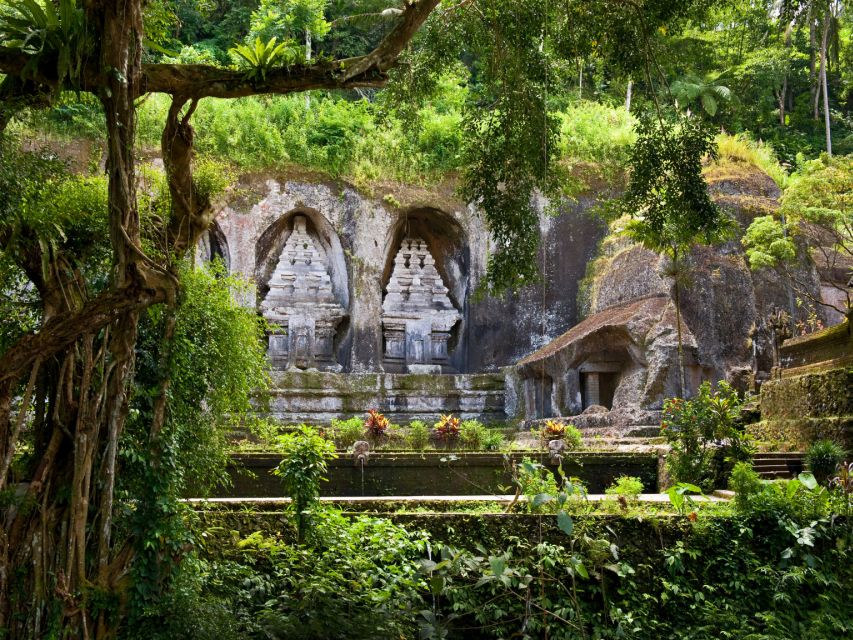
In the afternoon, the tour heads to Gunung Kawi Temple, about 1 hour. This is an ancient rock-cut shrine complex set among lush rice terraces and river valleys. It dates back to the 11th century.
The most striking part is the stone carving work—shrines dedicated to King Anak Wungsu and his queens. The site tends to feel more atmospheric than flashy. Think of it as a “slow down” stop after Tirta Empul: fewer ceremony steps, more quiet observation.
If you like history, this is a nice counterweight. Goa Gajah gives you cave-carvings and myth imagery; Gunung Kawi gives you monumental rock shrines with royal dedications. Together, they help you see Balinese sacred space as layered: story, devotion, and place all in the same frame.
Practical Tips That Make or Break the Day
This tour is spiritual, but it’s also physical and rules-based. A little prep goes a long way.
Sarongs and temple etiquette: Some temple areas require you to wear a sarong. A good guide will help you sort this out correctly and avoid unnecessary purchases. One rider shared that their guide protected them from getting talked into buying a sarong they didn’t need.
Water and storage: Because Tirta Empul purification can involve walking into the water, plan for storing your valuables. On-site lockers and a changing setup can make the ritual easier. Pack like you’re doing a wet activity, not like you’re touring a museum.
Don’t ignore the period restriction: Women who are menstruating can’t join the purification ritual or enter the temple area. If this affects you, check your timing before booking so you don’t arrive on a day that you can’t participate.
Bring what the driver asks for: The tour notes that you should bring your online ticket because the driver may require it before boarding.
Comfort beats style: You’ll be in temples and moving between sites. Shoes you can walk in, water-friendly clothing, and an attitude that you’re here to follow instructions will make the day feel smoother.
Timing, Pacing, and What the Route Feels Like

This is built as a tight spiritual circuit: Goa Gajah, then Tirta Empul, then Gunung Kawi, with return to Ubud afterward. On paper it’s simple. In practice, the melukat portion is what will define your day.
Here’s how the pacing usually works:
- Goa Gajah is long enough to let the carvings sink in without rushing.
- Tirta Empul is the commitment—2.5 hours where you’ll spend time participating and following ceremony flow.
- Gunung Kawi gives you a calmer, scenic finish before heading back.
A practical tip: eat before you go, if your schedule allows. Meals aren’t included, and you’ll want energy for ritual participation and walking.
Price and Value: Is $29 Worth It?
At $29 per person for a 6-hour private-group day, this tour’s value is less about luxury and more about what’s included: hotel pickup, transport, guided visits, and parking.
What you need to know is what isn’t included:
- Admission fees for the attractions/temples
- Meals
- Personal expenses and optional add-ons
So the fair way to judge value is this: you’re paying for a full route with transport and guidance, and you pay separately for entry and food. If you’d otherwise hire your own driver for multiple sites in the Ubud area and spend time figuring out logistics, the structure here can be a good deal.
Also, the tour is praised for transport quality and smooth handling. That matters because trying to chain three temple stops on your own can turn into extra waiting, wrong turns, and the kind of stress that kills the mood.
Who Should Book This (and Who Should Skip It)
This tour is a strong fit if you:
- want a Balinese purification ritual you can participate in (not just watch)
- enjoy spiritual context and historical temple details while you travel
- prefer a private, English-guided setup where you can ask questions
- are comfortable following temple rules and ceremony instructions
You may want to skip or choose another option if you:
- need a trip without any temple participation rules (the period restriction is firm)
- don’t want water-based ritual participation
- are looking for a beach-and-nightlife style Bali day
Should You Book Bali’s Ubud Purification Tour?
If your ideal Bali day includes more meaning than selfies, I think this is worth booking. The best reason is simple: you get the key ritual moment at Tirta Empul and then you’re not left with a “one-and-done” experience. Goa Gajah and Gunung Kawi add context, carvings, and sacred architecture so the day feels like a connected story.
Book it if you’re ready to:
- follow guidance during the melukat ceremony
- plan for wet-ritual clothing and on-site storage needs
- add a bit extra to your budget for temple admission and your own meals
Skip it if participation rules around the purification area would prevent you from joining the ceremony. No workaround is suggested—respecting local practice is part of the experience.
If you do book, look for a guide by the style you want: some are especially focused on cultural explanations and helping you with practical items like sarongs and photo angles. And if music choice or photo help matters to you, that’s been part of what people praise on similar days.
FAQ
How long is the Bali Ubud Traditional Balinese Purification tour?
The total duration is 6 hours.
Where does pickup happen?
Pickup is included from your accommodation in Ubud or nearby areas. You should wait in the lobby of your hotel or villa at the specified pickup time.
Is this tour private?
Yes, it’s listed as a private group.
Is the melukat purification ritual included?
Yes. You participate in the traditional purification ritual known as melukat at Tirta Empul, with prayers, offerings, and holy-water blessings.
Are temple admission fees included in the price?
No. Admission fees for attractions and activities are not included.
Are meals included?
No. Meals are not included, though some refreshments may be provided.
Can women on their period join the purification ritual?
No. Women who are menstruating are not permitted to join the purification ritual or enter the temple area, according to Balinese Hindu customs.
What if I need to cancel?
Free cancellation is available up to 24 hours in advance for a full refund.
What should I bring for the day?
Bring your online ticket, since the driver may require it before boarding. Also plan clothing that works for a water-based ritual at Tirta Empul, and be ready for temple-area etiquette such as sarongs if required.