Java at dawn is a whole different planet. This 3D2N private run pairs Bromo sunrise with Ijen blue fire, plus an optional Madakaripura waterfall, and ends with a ferry-ready drop at Ketapang Port for Bali.
I love the timing and routing that get you to viewpoints before it gets chaotic, especially the early jeep start for Bromo. I also love that you’re not just dropped off at Ijen: you get practical gear like a gas mask and a torch, along with a local guide who stays with you.
One consideration: the famous blue fire is weather-dependent, and Ijen is also closed every first Friday of the month—so plan with a bit of flexibility.
In This Review
- Key things worth your attention
- Why this 3-day East Java route makes sense from Yogyakarta
- Price and what you actually get for $308
- Day 1: Probolinggo arrival, then Madakaripura timing (if you choose it)
- Day 2: The Bromo sunrise plan that avoids the worst timing traps
- Sand sea to the crater: horses, stairs, and the Mt Batok photo moment
- Day 3: Ijen blue fire at midnight, sulfur lake at sunrise
- Your guides matter more than the route
- Blue fire reality check: how to maximize your odds
- What to pack and wear for 2 a.m. volcano mornings
- Where you’ll sleep: choose a base near the right area
- Is this tour for you?
- Should you book this Bromo–Ijen–Ketapang Port tour?
- FAQ
- FAQ
- What is the duration of the tour?
- When do you get picked up in Yogyakarta?
- How early is the Bromo sunrise jeep departure?
- Do I need to trek a lot at Bromo?
- Is the Ijen blue fire guaranteed?
- What equipment is provided for Ijen?
- Is Ijen always open?
- Does the tour include accommodation and meals?
- Where does the tour end for the Bali connection?
Key things worth your attention
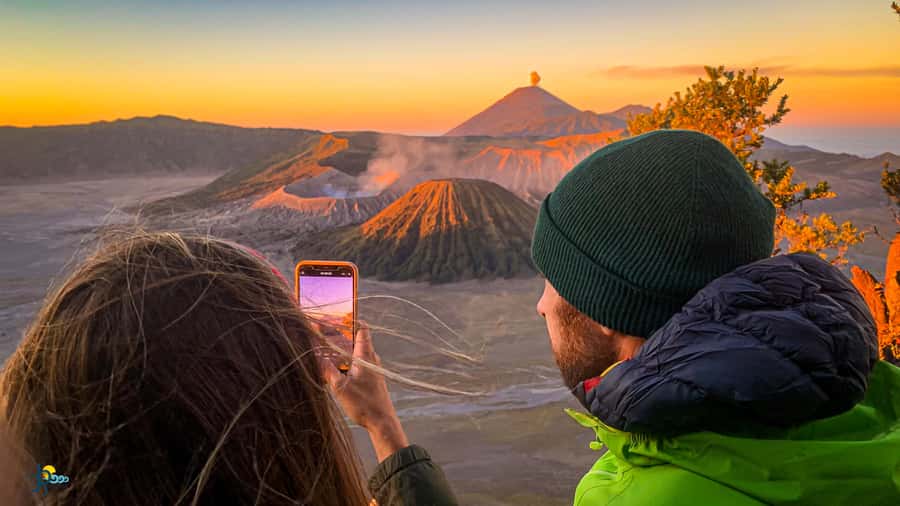
- Bromo sunrise by 4×4 jeep: you reach the viewing area before the crowds thicken
- Ijen blue fire is not guaranteed: your best chance comes with clear conditions
- Real safety support: guides handle the steep, early climbs and sulfur-lake viewing
- Optional Madakaripura waterfall add-on: you’ll trek about 1–1.5 km on fresh paths to the falls
- End point is built for Bali: drop at Ketapang Port, then ferry to Gilimanuk
Why this 3-day East Java route makes sense from Yogyakarta
If you’re basing yourself in Yogyakarta, this tour is one of the more logical ways to hit East Java’s biggest hitters without turning the whole trip into logistics homework. You start with a comfortable, air-conditioned private car, then shift into the more demanding volcano transport modes where you really don’t want to improvise.
The best part is the pacing. Day 1 is about travel and a scenic reset. Day 2 is all-in sunrise at Mount Bromo. Day 3 is the tough one: midnight start, Ijen sulfur crater, and a sunrise finish—then straight to Ketapang so you can roll into Bali.
This is also a good fit if you want a private setup. You’re not fighting for space with strangers. You have an English-speaking driver and local guides at Bromo and Ijen, and they handle the “hard-to-solve” parts: timing, access points, and safety on the climbs.
You can also read our reviews of more tours and experiences in Yogyakarta.

Price and what you actually get for $308
At $308 per person for 3 days, the value comes from what’s included—not just the big attractions. You’re paying for the combination of transport and specialist support that would be annoying (and often more expensive) to piece together yourself.
Here’s what your money covers:
- Private AC car from Yogyakarta and hotel pickup/drop-off
- Jeep 4×4 for Bromo sunrise
- Local guides for Bromo and Ijen (and Madakaripura if you add it)
- Entry tickets for Bromo and Ijen
- Ijen equipment: torch light and gask mask
- Ketapang to Gilimanuk ferry ticket
- Parking, tolls, and mineral water
What’s not included is also clear: hotel stays, and meals. You’ll want to budget for those. You’ll also handle personal expenses and bring your own trekking pole (optional) if you like that support on uneven ground.
So, if you want the smooth version—drivers, tickets, and correct sunrise timing—this price is easier to justify.
Day 1: Probolinggo arrival, then Madakaripura timing (if you choose it)
Your first day starts with a hotel pickup in Yogyakarta around 07.00–08.00. Expect a long drive—about 7 hours—into the Probolinggo area (commonly the Cemoro Indah and Sukapura zone). Once you arrive, you rest and prepare for the early start the next morning.
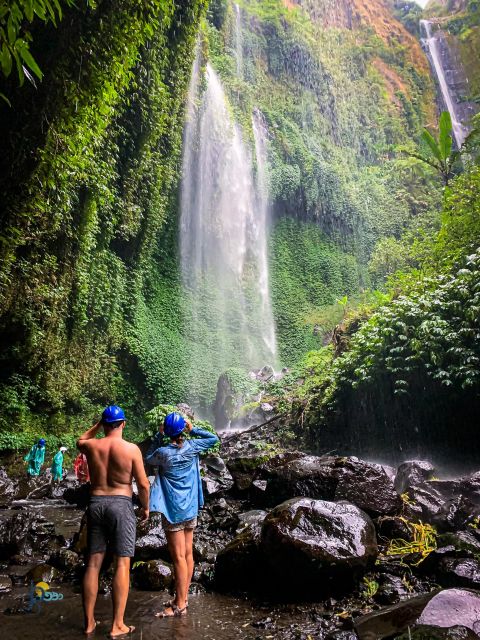
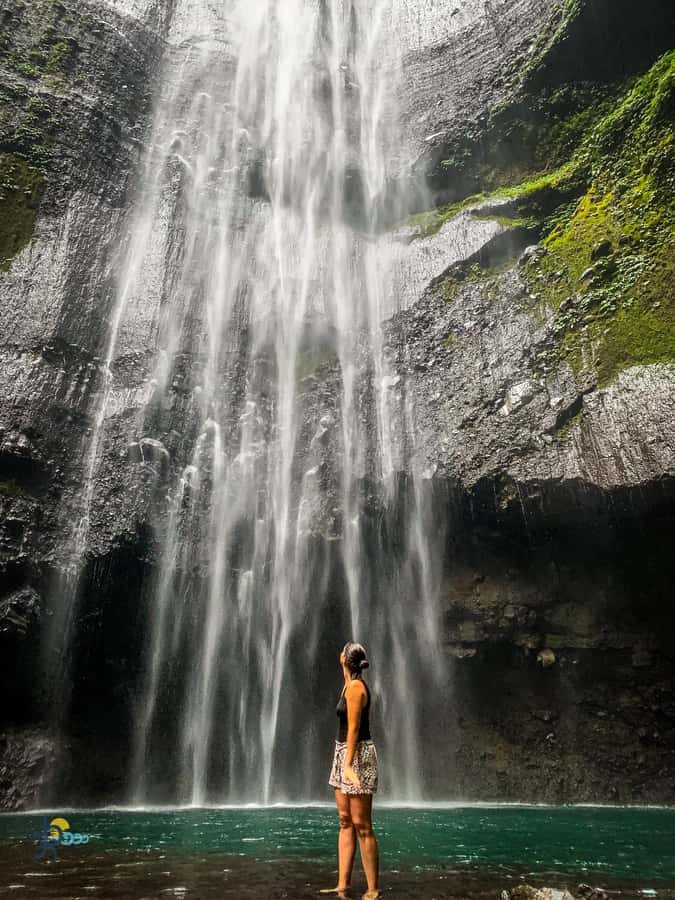
If you add Madakaripura waterfall, you’ll need a tighter schedule. The plan notes leaving at about 07.00 so you can reach the waterfall area before 14.00, with a lunch stop along the way. Madakaripura is described as the highest waterfall in Java, so the payoff is the scale: it’s the kind of place where you feel surrounded by the fall instead of just watching it from a distance.
From the parking area, you ride a motorbike shuttle with a local guide, then trek about 1–1.5 km from the entrance gate. The walk takes around 1.5–2 hours. Bring shoes you can trust; the ground can be slick. The good news: this trek is straightforward compared with volcano climbs.
If you don’t add Madakaripura, Day 1 is mostly travel + sleep. That can actually be smart. Bromo and Ijen both start before sunrise, and your body will thank you for not adding a second physical day.
Day 2: The Bromo sunrise plan that avoids the worst timing traps
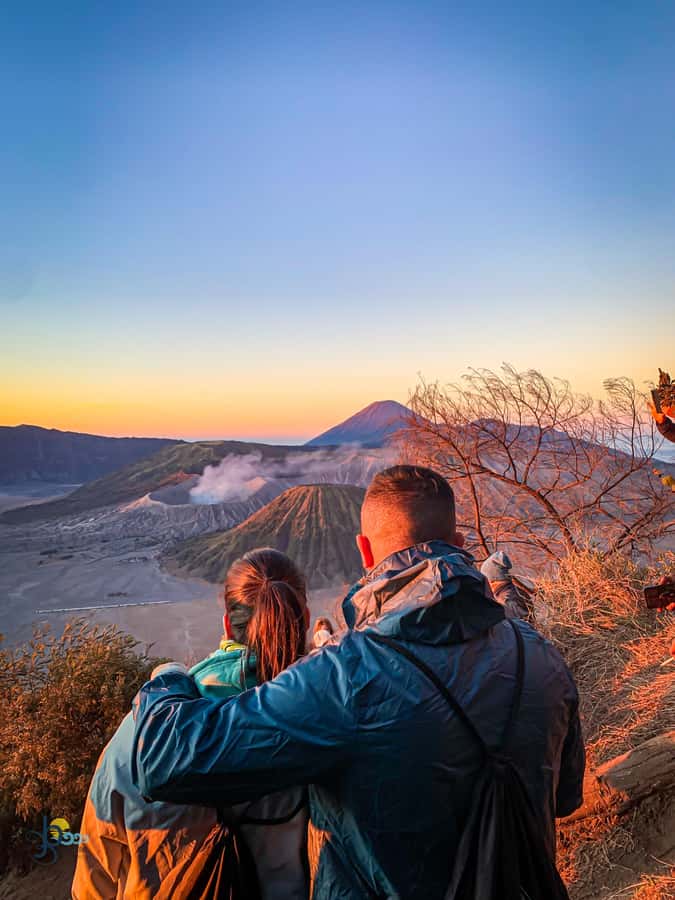
Day 2 is where the trip turns into that classic Java-via-dawn feeling. Your jeep is ready around 02.00–03.00 at your hotel, depending on how far you are from the Bromo area. You’ll ride up early, then head to the viewpoint known as King Kong hill.
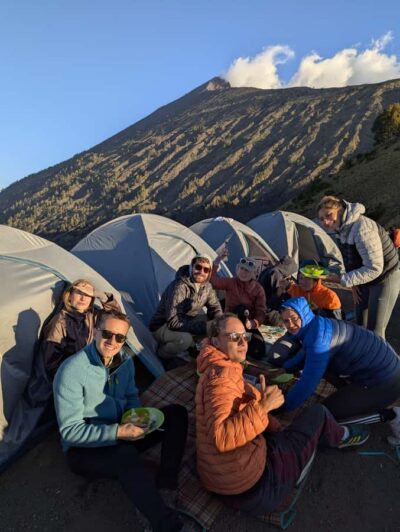
From the gate, it’s about a 15-minute walk up. Nights around volcano viewpoints can be cold. The plan notes temperatures sometimes dropping to around 10 degrees, so pack a real jacket and gloves. There’s also a practical stop at a small warung (local shop) for coffee or tea. That matters more than it sounds when you’re facing a long quiet wait.
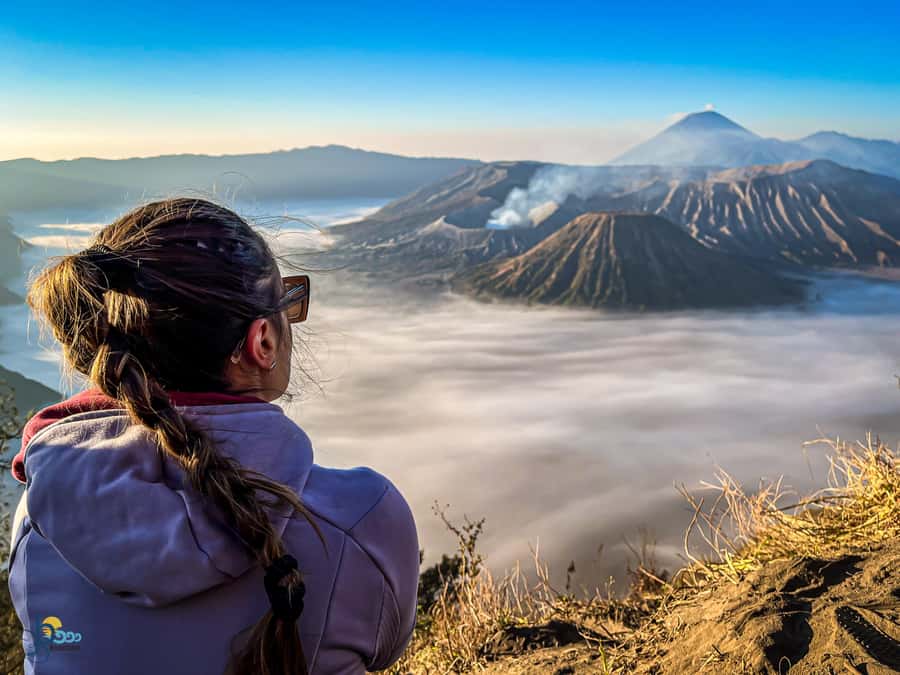
The sunrise here isn’t just a pretty moment. The timing is what makes it work. If it’s not foggy, the sunlight creates shadows that rise from the mountain sides, and the whole view can feel like you’re looking at a living model of light and shadow. You’re also in the right position to appreciate Bromo with Mt Batok and Mt Semeru in the background.
Sand sea to the crater: horses, stairs, and the Mt Batok photo moment
After sunrise, the jeep takes you into the sand sea. This is the part where you stop thinking like a tourist with a camera and start thinking like someone standing inside a natural set.
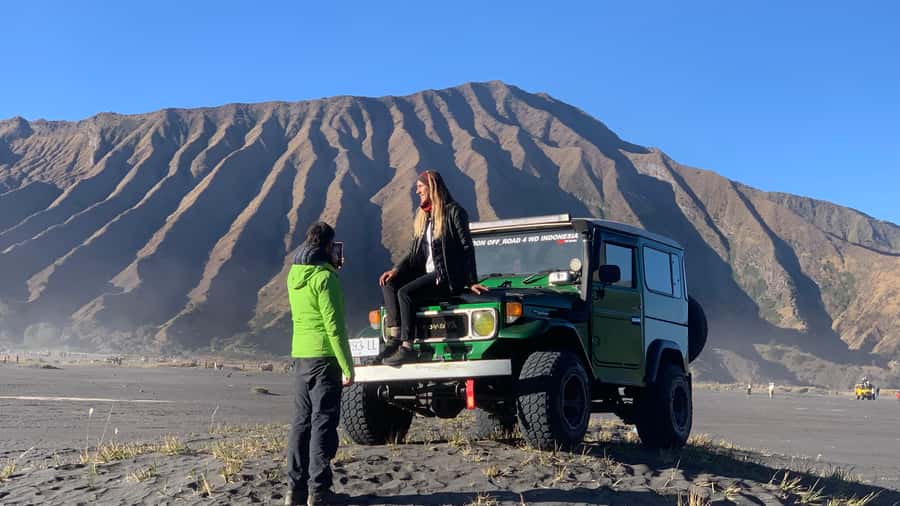
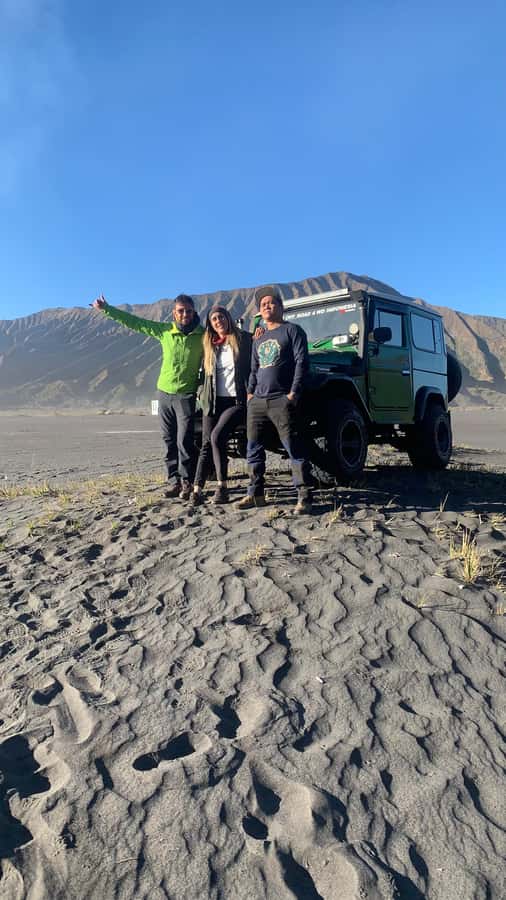
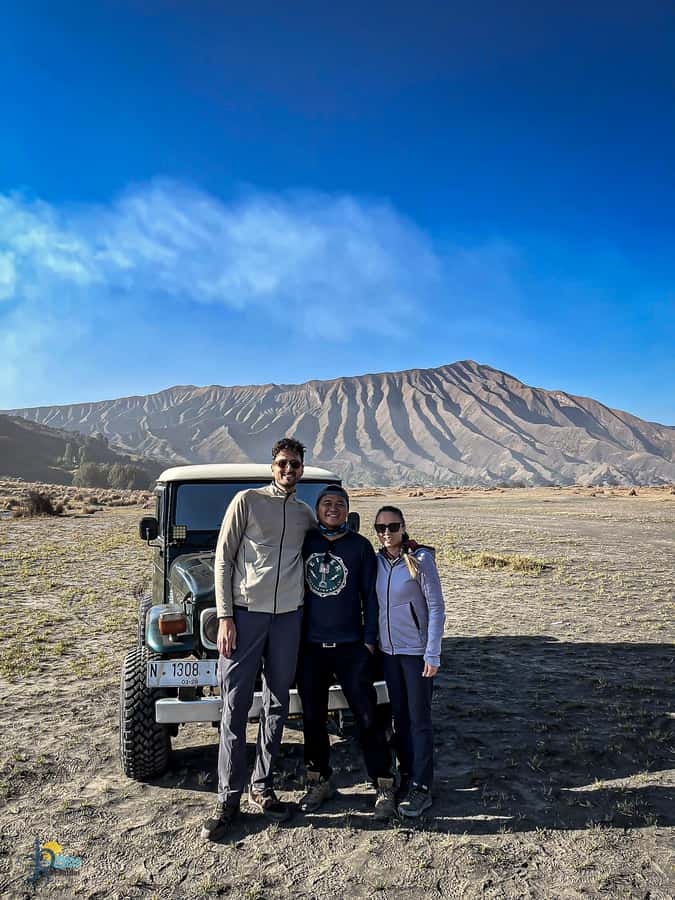
To reach the crater viewpoint, you have two options: walk away or ride a horse to the stairs leading up to the peak and crater. You’re then back down for pictures—specifically a photo/video moment over the jeep with Mt Batok in the backdrop.
A useful detail: this Bromo portion is designed to be manageable. The plan notes that trekking isn’t necessary for Bromo because you’ll go by jeep and walk to the stairs. It also states the tour is safe for children, and you’re accompanied the whole time. That makes Bromo less of a “survival hike” and more of a controlled sunrise adventure.
For your comfort, don’t overpack your expectations. Some mornings have fog, and sunrise effects can change fast. Still, even in less-perfect visibility, Bromo’s atmosphere and scale usually land.
Day 3: Ijen blue fire at midnight, sulfur lake at sunrise
Day 3 starts early—around 00.00 departure from your hotel. You drive for about 2 hours to reach the Ijen area. Then you meet your local guide. The guide handles safety and explains what to look for.
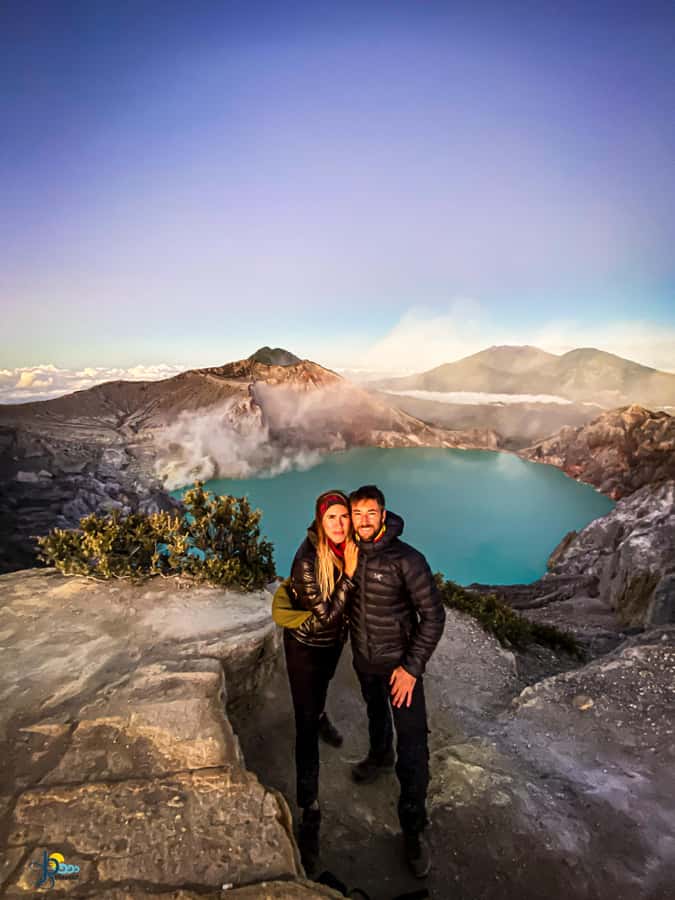
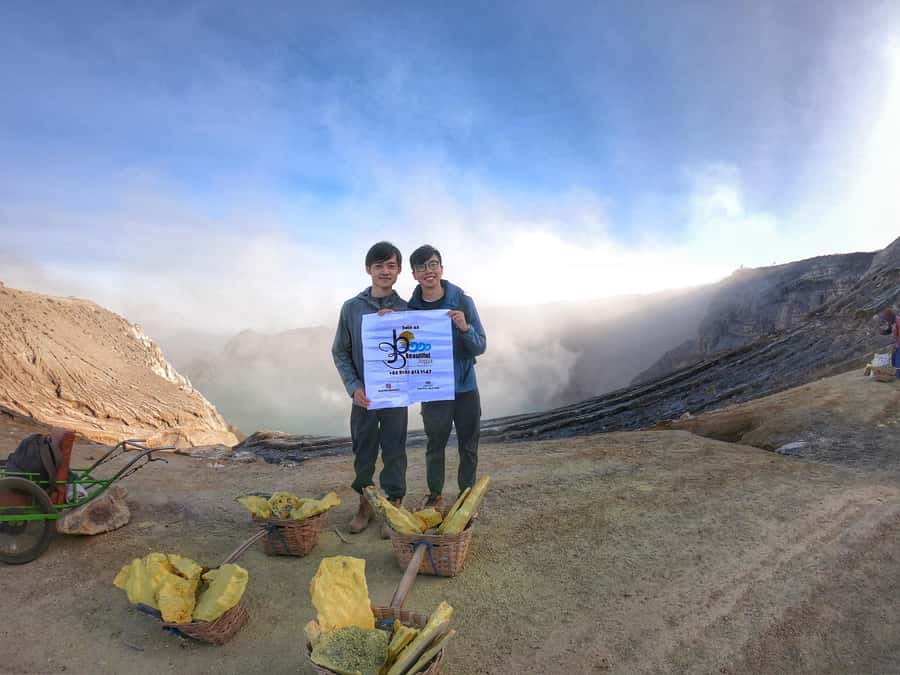
The climb to reach the top is around 2 hours after preparation. This is where the trip earns its reputation: the crater gives you a close look at sulfur extraction and the dramatic lake setting.
This is also where you chase the famous blue fire. It’s described as a phenomenon that only exists in two places in the world, and you’ll see it during the night session and/or when conditions allow near the lake edge. But the tour notes are honest: blue flames are not guaranteed, because weather controls visibility.
There’s a decision point built into the plan. If conditions are good, you’ll descend closer to the edge of the lake for a clearer view of the blue fire. If conditions aren’t ideal, you still watch from your best available viewpoint and focus on the rest of the experience.
Then comes the sunrise finish. You head back up for sunrise, when the sulfur lake turns an intense green backdrop for the crater scene.
Finally, the tour shifts from volcano focus to travel focus. After the hike, breakfast is mentioned as something you can enjoy right after the activity, and then you continue to Ketapang Port. You cross by ferry to Gilimanuk Port in Bali, ending the Java part of your trip.
Your guides matter more than the route
This kind of trip rises or falls on guide quality. Here, you get a driver in charge of the long-distance logistics and separate local guides at the volcanoes.
One review highlights Hengki as an excellent driver and guide—punctual pickups in Yogyakarta, calm and helpful driving, and advance hotel tips for booking in the area. Another review praises the way the timing was chosen to avoid crowded roads and view points, plus rest stops with good facilities. If your guide is Hengki, that’s a huge plus for comfort and confidence.
At Ijen, a guide named Sigit is called out as great to hike with—polite, encouraging, and helpful during the crater climb. There’s also a review mentioning Jimmy, described as funny and supportive, with strong English and country-cultural explanations.
You don’t need a personality show to enjoy volcano travel. Still, having guides who explain the steps, keep the group together, and manage safety details makes the whole day feel less stressful.
Blue fire reality check: how to maximize your odds
Let’s keep this practical: you’re chasing conditions. The blue fire comes down to weather. Even with perfect planning, fog, cloud cover, and visibility can change what you see.
So your best mindset is flexible. If you get clear conditions, the tour’s structure supports that. You start at midnight, hike with a guide, and have the option to descend toward the lake edge if the blue fire can be seen clearly.
If the blue fire is faint or obscured, you’re still getting a rare crater experience: the sulfur lake setting, night visibility in the crater area, and the sunrise view from the top. The green lake at dawn is still the payoff for many people, even when the flames aren’t obvious.
One more date-based note: Ijen is closed every first Friday of the month. If your dates land on that, you’ll need a different plan.
What to pack and wear for 2 a.m. volcano mornings
This is one of those tours where what you wear matters as much as what you see.
Bring:
- Comfortable shoes or hiking shoes
- A jacket (the viewpoint at Bromo can get cold)
- Gloves and long pants
- A daypack and outdoor clothing
- A waterproof bag
- Cash and personal medication
- Comfortable clothes you can move in
- Public transport ticket (only if you’re connecting onward—this note is included in the packing list)
You’ll also be given the basics for Ijen: a torch light and a gas mask. Still, your own clothing and foot support should be ready for uneven ground and long hours.
Where you’ll sleep: choose a base near the right area
Accommodation isn’t included, but the tour provides recommended options so you don’t waste time hunting at the last minute.
For Bromo (Probolinggo side), recommended areas include Cemoro Indah and Sukapura, and example stays like Lava View Lodge, Cafe Lava, Grand Whizz Bromo, Jiwa Jawa, Gubuk Ndeso Homestay, and The Parama.
For Ijen (Bondowoso or Banyuwangi/Licin side), example recommendations include Ijen View Hotel & Resort Bondowoso, Grand Padis, and stays in Banyuwangi/Licin such as The Dreamland, Grand Harvest.
Why this matters: your Bromo jeep leaves early, and your Ijen start is midnight. Being too far from the key pickup points can make your day feel longer than it needs to be.
Is this tour for you?
This one suits you if you:
- Want a private, well-timed East Java volcano hit from Yogyakarta
- Prioritize sunrise access at Bromo with a jeep ride
- Want to see Ijen’s sulfur crater scene and chase the blue fire with guided support
- Are okay with very early starts and cold morning conditions
- Plan to keep moving afterward, since it ends at Ketapang Port for Bali
It may not suit you if you have:
- Respiratory issues (the tour lists this as not suitable)
- Very young children (babies under 1 year are listed as not suitable)
Should you book this Bromo–Ijen–Ketapang Port tour?
If your main goal is sunrise at Bromo plus Ijen’s crater experience, I’d lean yes—especially because the tour handles the hard logistics: AC pickup, jeep access, entry tickets, local guides, and the ferry connection to Bali.
The decision hinges on your date flexibility and expectations. Blue fire isn’t guaranteed, and Ijen shuts on the first Friday of the month. If you can plan around that and you’re comfortable with midnight starts, this is a strong way to pack a lot of real East Java into 3 days without turning it into a stressful DIY mission.
FAQ
FAQ
What is the duration of the tour?
The tour lasts 3 days (3D2N).
When do you get picked up in Yogyakarta?
Pickup from your hotel in Yogyakarta is around 07.00–08.00 on Day 1.
How early is the Bromo sunrise jeep departure?
The jeep is ready at your hotel around 02.00–03.00, depending on how far your hotel is from Bromo.
Do I need to trek a lot at Bromo?
Trekking is not necessary for Bromo. You’ll ride by jeep and then walk to the stairs to reach the crater viewpoint.
Is the Ijen blue fire guaranteed?
No. The blue flames at Ijen are not guaranteed and depend on weather conditions.
What equipment is provided for Ijen?
You receive a torch light and a gas mask for Ijen.
Is Ijen always open?
No. Ijen is closed every first Friday of the month.
Does the tour include accommodation and meals?
Accommodation is not included, and meals are not included. You’ll have breakfast related stops as noted in the trip flow, but the tour lists meals as not included, so confirm details for your specific booking.
Where does the tour end for the Bali connection?
The tour ends with a drop at Ketapang Port, followed by a ferry to Gilimanuk Port in Bali.