Rice paddies and sacred springs on wheels.
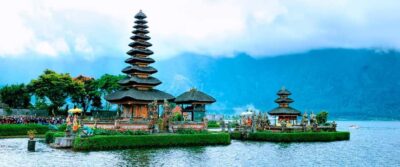
This half-day electric cycling tour is a smart way to get out of central Ubud traffic and still enjoy the steep countryside roads with assist. I also love that you finish at Tirta Empul, where you see pilgrims purify themselves in the temple’s sacred springs, then you get a Balinese lunch as part of the day.
One watch-out: you do need bicycle riding experience. Even with electric help, you’ll still be pedaling on uneven, humid roads, and the tour has a minimum height and rider-weight limits.
In This Review
- Key Points You’ll Care About
- E-Bikes Turn Ubud’s Hills Into a Morning You Can Enjoy
- Pickup, Timing, and the Route Rhythm (Start at 8:00 AM)
- Your Bike Setup and What “Intermediate” Means in Real Life
- Out of Traffic Into Rice Terraces: Why the Ride Part Matters
- Stop 1: Tirta Empul Water Temple and the Purification Springs
- Lunch After the Sacred Springs: Pangkon Bali Resto & Agrotourism
- Guides, Safety, and the Big Benefit of a Small Group
- Price and Value: Is $49 a Good Deal?
- Who This Tour Suits Best (and Who Should Skip It)
- A Quick Reality Check on Weather and When to Go
- Should You Book It?
- FAQ
- How long is the Ubud electric cycling tour to Tirta Empul?
- Is hotel pickup included?
- What is included besides the electric bike?
- How much time do you spend at Tirta Empul Temple?
- Do I need cycling experience?
- What happens if weather is poor?
Key Points You’ll Care About
- Electric assist for hills: You’ll tackle the Ubud hills without turning your morning into a full workout.
- Tirta Empul admission included: You get time at one of Bali’s holiest water-temple sites.
- Built for getting out of traffic: The route prioritizes rural lanes over jammed city streets.
- Small group cap (max 20): Expect a more controlled ride with room for guidance.
- Hotel pickup inside Ubud: A van brings you to the route and back, so you’re not doing extra hassle.
E-Bikes Turn Ubud’s Hills Into a Morning You Can Enjoy
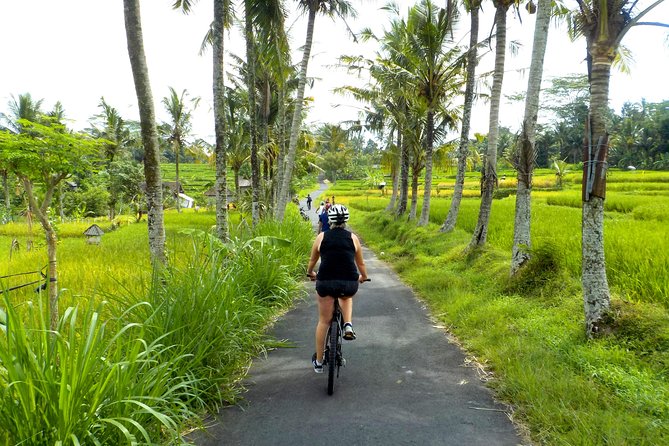
Ubud is gorgeous, but it’s also full of steep climbs and sweaty humidity. This tour makes the timing work because it’s built around electric bikes, so you can focus on the route and the scenery instead of grinding your way up every hill. You still pedal, but the motor assist takes the edge off the hardest sections.
You’re not just riding for views, either. The destination is Tirta Empul Water Temple, and that’s a big reason to go early and out of the main road network. The payoff is real: you get to witness the purification ritual at the sacred springs, then sit down afterward for Balinese food.
The “value” here is practical. For $49 per person, you’re paying for a guided experience plus equipment (bike and helmet), transport by air-conditioned minivan, bottled water, and the temple admission. It’s not only about moving from point A to point B.
You can also read our reviews of more tours and experiences in Ubud.


Pickup, Timing, and the Route Rhythm (Start at 8:00 AM)
The day starts at 8:00 am, and it’s designed to feel efficient, not rushed. If you’re staying in the Ubud area, you get hotel pickup and drop-off, which matters because traffic and parking can drain your energy before you even start cycling.
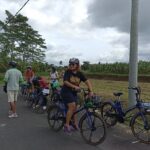
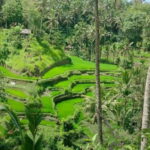
You’ll meet at Warung Lumbung Padi in Petulu (Banjar Laplapan), then begin riding through the countryside around Ubud. The route is aimed at emerald rice terraces, small village lanes, and rustic temple stops rather than the worst of Ubud’s road chaos. In plain terms: it’s a “bike-friendly” plan.
The tour runs about 3 hours total, which is long enough to feel like you did something meaningful, but short enough to keep the day flexible. If you like your Bali mornings active but not exhausting, this fits that sweet spot.
Your Bike Setup and What “Intermediate” Means in Real Life
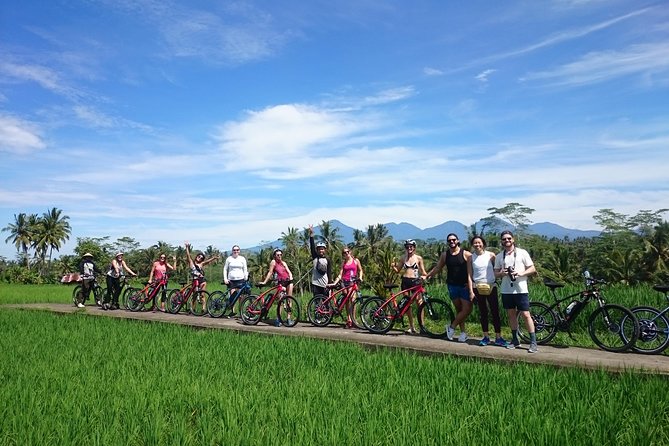
This is an electric cycling tour, but it’s not a motor-scooter with training wheels. You do need bicycle riding experience, and you’ll benefit most if you’re comfortable balancing and steering at low to moderate speeds on rural roads.
The good news from the way groups talk about the tour is simple: the guides keep the ride organized and safe. People mention feeling protected from traffic, and that’s what you want to hear when you’re cycling in a place where roads can change fast.
There are also clear rider limits: a maximum weight of 120 kg / 260 lb and a minimum height of 150 cm. If you’re within those limits and you can ride a bike confidently, the electric assist should make the hills manageable.
Out of Traffic Into Rice Terraces: Why the Ride Part Matters
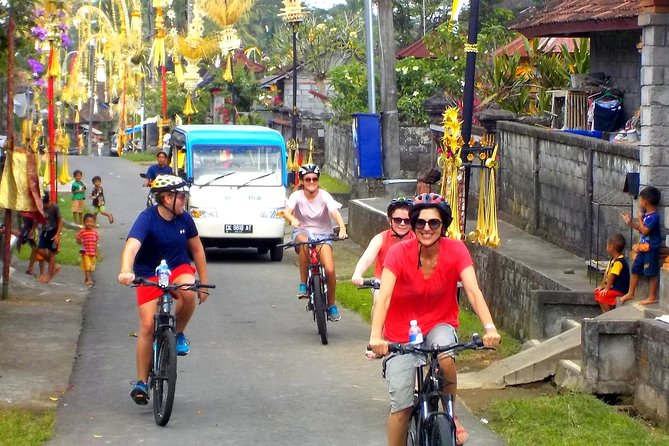
It’s easy to focus only on Tirta Empul and skip the ride story. Don’t. The cycling is the point that makes this tour feel more personal than a standard day trip.
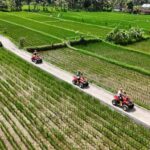
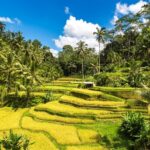
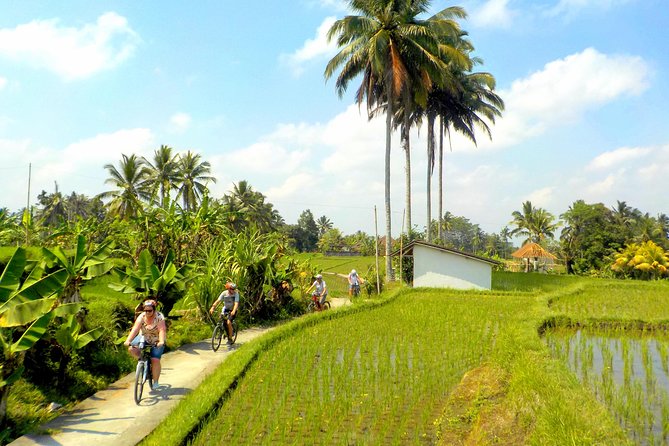
As you leave the busier streets behind, you’ll move through a patchwork of Ubud village life: rice fields, small homes, and temple scenery that you’d otherwise just pass by in a car. The tour includes guidance along the way, so you’re not staring at views like you’re at a scenic bus window. You’re learning what you’re seeing and why it matters locally.
A bonus is the “mental reset” people describe: it’s a calm escape. Instead of being stuck in stop-and-go traffic, you’re gliding through quieter lanes, often with clear sightlines out across agricultural areas.
And yes, there’s structure. The ride isn’t just a free-for-all—stops are part of the flow, and that helps you catch your breath in the humidity.
Stop 1: Tirta Empul Water Temple and the Purification Springs
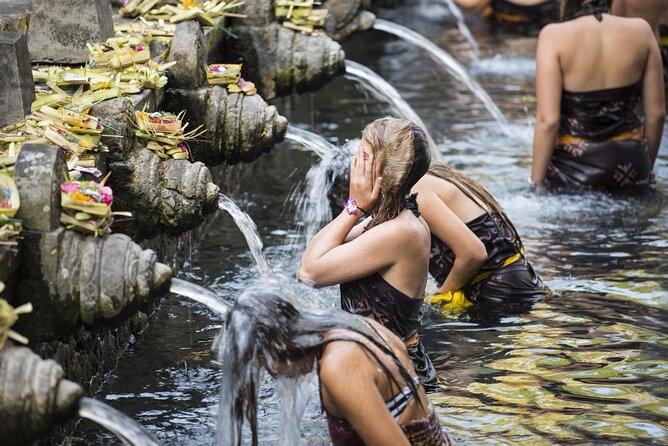
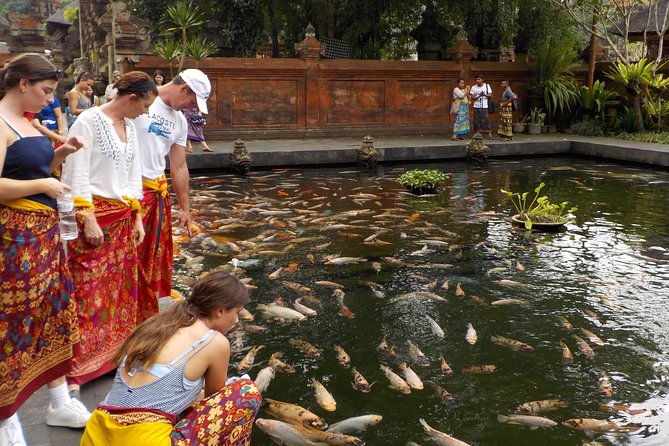
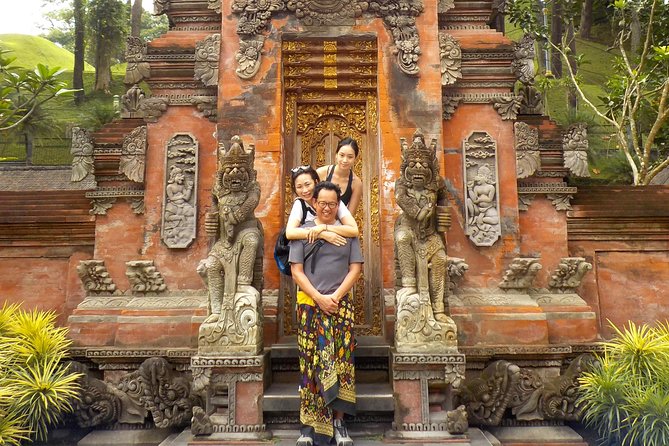
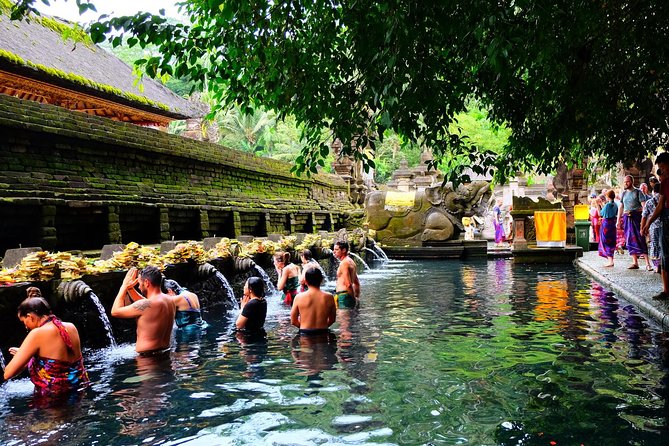
This is the anchor moment of the tour. Tirta Empul is one of Bali’s holiest water-temple sites, and it’s famous for its sacred springs where pilgrims perform purification rituals.
You get about 45 minutes at the temple, with the admission ticket included. That timing is important: it’s enough to see the ritual space and understand the flow of what’s happening, but it’s not so long that you feel rushed or stuck.
What to expect on-site? You’ll be around pilgrims and ritual activity centered on the springs. Even if you don’t know all the details beforehand, the atmosphere is clear—this isn’t a casual photo stop. It’s a living religious space, so keep your behavior respectful and your movements slow.
If you’re worried about the “rules” of temple behavior, you’ll be better off coming with the mindset of observation and respect. The tour also recommends practical gear like covered shoes and sunscreen, which is exactly what you need in Bali’s sun and for walking around temple grounds.


Lunch After the Sacred Springs: Pangkon Bali Resto & Agrotourism
After the temple, the tour moves you toward lunch. The end point is Pangkon Bali Resto & Agrotourism (so plan to finish there after pickup and the cycling portion). The overall idea is straightforward: you’ll savor a Balinese lunch after your visit.
Why does this matter? Because it keeps the day from turning into another “quick bite and back on the road” situation. Food is part of the culture here, and finishing with a sit-down meal helps you actually enjoy the morning you just worked for.
Pangkon’s setting is linked to agriculture and the idea of a calmer environment after temple time. In other words: you get a nice contrast—ritual first, then the comfort of a meal in a more relaxed space.
Guides, Safety, and the Big Benefit of a Small Group
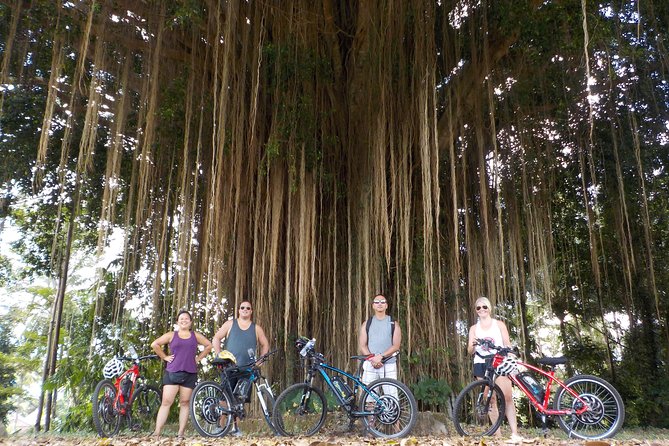
This tour caps at maximum 20 travelers, and that’s a real advantage with cycling. Smaller groups are easier to manage on narrow lanes, and it’s simpler for guides to keep you oriented when the route changes around villages and fields.
You’ll also get a local guide, and people consistently point out that the team is friendly and informative. Some guides are described as personable and knowledgeable, and that’s what helps the tour move beyond sightseeing. When your guide can explain what you’re seeing as you see it, the ride sticks in your memory.
Safety comes up again and again in the feedback style. The tour is designed to avoid the worst traffic, and guides help you ride with confidence. You’re not just handed a bike and told to figure it out.
One practical idea: wear sunscreen, bring covered shoes, and drink water during breaks. The tour includes bottled water, but hot mornings catch people off guard if you wait until you feel thirsty.
Price and Value: Is $49 a Good Deal?
Let’s talk money in a grounded way. At $49 per person, you’re paying for:
- electric bike use and helmet
- local guide
- bottled water
- hotel pickup and drop-off within Ubud
- air-conditioned minivan transport
- Tirta Empul admission
- a Balinese lunch as part of the day’s finish
For Bali, that combo is where value usually lives. You’re not only paying for a ride. You’re also paying for direction, safety, transport, and entry fees bundled into one plan.
Could you rent an e-bike and do Tirta Empul yourself? Sure. But self-planning usually adds friction: navigating busy areas, timing the temple visit, and figuring out what to do at the springs without feeling awkward. This tour handles the structure for you, and that’s worth something.
Also, it’s popular enough that many people book ahead (on average about 25 days), which is a quiet signal that the timing and format work for most visitors.
Who This Tour Suits Best (and Who Should Skip It)
This is ideal for you if you:
- want a half-day activity that still feels like a real experience
- like rice terraces and village scenery more than traffic-heavy routes
- want the comfort of electric assist while still getting some biking time in
- enjoy guided explanations at cultural stops, not just sightseeing
You might want to consider a different option if:
- you’re not comfortable cycling and balancing in humid conditions (the tour requires bicycle riding experience)
- you’re outside the rider constraints (minimum height and maximum weight apply)
- you prefer long, slow temple time over a structured 3-hour window
Kids must ride with an adult, and service animals are allowed. If your group fits the format, this tour is built to be smooth and friendly.
A Quick Reality Check on Weather and When to Go
This experience is weather-dependent. If conditions aren’t good, it can be canceled and you’ll either get another date or a full refund. In Bali, rain happens, but the big point is you’re on a bike, so muddy roads and poor visibility aren’t ideal.
If you’re flexible with your schedule and you like doing one active outing early, this makes sense. The 8:00 am start also helps you beat some heat.
Should You Book It?
I’d book this tour if you want the best of Ubud without turning your day into a logistics project. The electric bike support helps you enjoy the countryside instead of surviving it, and Tirta Empul is a powerful stop when timed with the right pace. The addition of a Balinese lunch makes the half-day feel complete.
Skip it only if you’re not comfortable cycling or you know you won’t enjoy active, outdoors time in Bali’s sun and humidity. If that’s not you, this is a strong, practical way to see more of the real area around Ubud in just a few hours.
FAQ
How long is the Ubud electric cycling tour to Tirta Empul?
The tour lasts about 3 hours.
Is hotel pickup included?
Yes, hotel pickup and drop-off are included for the Ubud area only, using an air-conditioned minivan.
What is included besides the electric bike?
You get the bicycle and helmet, a local guide, bottled water, transport by minivan, and the Tirta Empul admission ticket.
How much time do you spend at Tirta Empul Temple?
You have about 45 minutes at Tirta Empul.
Do I need cycling experience?
Yes. The tour requires that you have bicycle riding experience.
What happens if weather is poor?
The experience requires good weather. If it’s canceled due to poor weather, you’ll be offered a different date or a full refund.