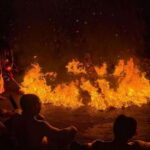
One of Bali’s most dramatic nights is timed to the sunset. At Uluwatu Temple, the Kecak chant and fire sequences play out on a cliff with ocean views, and it just feels cinematic in real life. I love that the show runs on human voices only, so you’re not watching instruments do the heavy lifting; you’re watching people drive the story with rhythm. I also love that you get temple time first, so the night feels like culture, not just entertainment. The main drawback is logistics: it’s popular, so it can get crowded and a bit confusing if you don’t arrive early and understand the temple admission setup.
What you’re really buying here is the full package of setting plus performance. You’ll sit in the open-air amphitheater while the sun drops, then the torches and fire bring the myths to life. The chant is the heart of it: a chorus of 50–70 male performers chanting cak-cak-cak without instruments, which makes the sound feel strong and close. The one thing to consider is that your experience depends on timing and comfort—outdoor seating, changing light, and the tropical weather can shift how easy it is to enjoy the show.
In This Review
- Key things I’d plan around
- Why Uluwatu Sunset Is the Perfect Setting for Kecak
- Uluwatu Temple First: Pura Luhur Uluwatu, Clifftop Views, and Monkey Rules
- How the Kecak Dance Works: Cak-Cak Chant, Fire, and Ramayana Story Beats
- Sunset Timing: Sessions, Arrival Time, and What the Light Does
- Seats, Crowds, and Ticket Reality: Temple Admission Can Catch You
- What to Pack and How to Dress for an Outdoor Fire Dance
- Who This Kecak Sunset Show Suits Best (and Who Might Feel Friction)
- Price and Value: What $12 Really Buys You
- Should You Book This Kecak Dance at Uluwatu Sunset Fire Show?
- FAQ
- What time does the Kecak Dance at Uluwatu Temple start?
- Where is the performance held?
- How much does it cost?
- What’s included with the ticket?
- Do I need to wear a sarong?
- Is photography allowed?
- Are there monkeys at Uluwatu Temple?
- Is it okay for babies?
- What language is the experience in?
Key things I’d plan around
- Sunset scheduling: sessions start around 6:00 PM or 7:00 PM, and timing shifts with sunset.
- Temple first: Uluwatu Temple (Pura Luhur Uluwatu) is part of what makes the night meaningful.
- Chant-only performance: Kecak uses synchronized vocal chanting, no gamelan instruments in this tradition.
- Monkey caution: long-tailed macaques live at the temple; keep valuables secure.
- Cameras and flash: photos are allowed, but flash may be restricted during the performance.
- Crowd management: arrive at least 30 minutes early for better viewing.
Why Uluwatu Sunset Is the Perfect Setting for Kecak
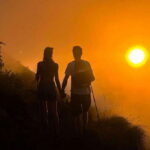
Uluwatu Temple sits on a cliff roughly 70 meters above the ocean, and that matters more than you’d think. Kecak is already an intense performance, but the sunset turns it into something you can almost feel in your chest—watching the sky change while the first chants begin gives you a natural sense of build-up.
This is also one of those shows where the performance style is part of the atmosphere. The Kecak Dance is known as the Ramayana Monkey Chant, and it’s built around vocal rhythm rather than a musical instrument setup. When you hear dozens of voices in unison, the story starts to feel communal, like you’re sitting inside the myth instead of watching it from far away.
You can also read our reviews of more tours and experiences in Indonesia.



Uluwatu Temple First: Pura Luhur Uluwatu, Clifftop Views, and Monkey Rules
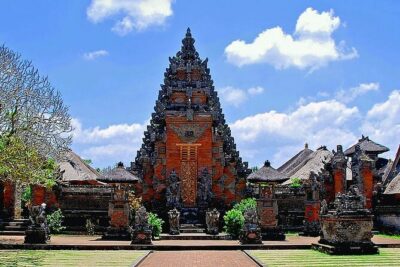
The experience starts at the temple complex, not at the amphitheater door. Uluwatu Temple (Pura Luhur Uluwatu) is one of Bali’s key spiritual pillars, and walking through it before the show helps you understand why the night feels ceremonial.
Look for a couple of practical things when you arrive:
- Give yourself time to explore the grounds at a calm pace before it gets crowded.
- Expect traditional architecture and open cliff edges with major ocean views.
- Be ready for long-tailed macaques. They are known for snatching loose items, so keep bags closed and don’t dangle anything that looks grabby (phone straps, loose hats, small crossbody bags).
One more detail that makes a difference: this is a sacred site. That means you’ll want respectful behavior around temple areas, and it affects your comfort level too. If you treat the space like a photo stop only, you’ll feel rushed. If you treat it like a place of worship, you’ll enjoy the experience more.
How the Kecak Dance Works: Cak-Cak Chant, Fire, and Ramayana Story Beats
Kecak is the Ramayana story told through dance, movement, and chanting. You’ll see characters connected to Prince Rama and Princess Sita, plus Hanuman, the monkey god. The mythology is the engine, but the way the performance is staged is what makes it memorable.
Here’s the key structure you’ll notice as you watch:
- The performance is powered by a chorus of 50–70 male performers chanting cak-cak-cak in rhythmic unison.
- This chorus functions like an orchestra even though there are no instruments in the Kecak part.
- As night falls, the show adds torches and fiery sequences, which heighten the drama.
The “fire” element isn’t random spectacle. It’s timed to the storytelling energy, and it comes across as ritual theater rather than just a stunt show. The combination of chant intensity plus torchlight helps the myth feel urgent, especially when the amphitheater is quiet enough for the voices to carry.
Sunset Timing: Sessions, Arrival Time, and What the Light Does
The show is scheduled for sunset, but Bali’s sunset timing shifts day to day. You’ll typically see two daily sessions: around 6:00 PM for session 1 and 7:00 PM for session 2. In other words, you’re not picking a time that fits your plan so much as aligning your plan to the sky.
Arrive early—at least 30 minutes before the start—because seating is open-air and popular. If you wait until the last moment, you risk being far back or blocked by people standing during key moments.
The light matters for two reasons:
- Early on, you get the cliff-and-ocean backdrop clearly.
- As it darkens, torchlight and fire sequences become the visual focus.
If you’re the type who likes to take photos, you’ll also appreciate that transition. The ocean view looks best before it fully darkens, while fire sequences look best after the sky cools into night.
Seats, Crowds, and Ticket Reality: Temple Admission Can Catch You
This is the part that can make or break the night if you go in assuming it’s one simple ticket. Temple admission is included only with the transport package option. If you’re not using that package, you may need to pay the temple entrance ticket separately.
That’s a small detail, but it’s exactly the kind of thing that causes confusion on-site—especially when everyone arrives around the same time and lines start forming. The show itself is easy to recognize once you’re inside the complex, but getting there smoothly is on you.
Here’s how I’d handle it to keep stress low:
- If you’re trying to avoid surprises, choose the option that includes temple admission with transport.
- Plan your arrival so you’re not rushing to locate the amphitheater mid-crowd.
- Expect the overall venue to feel busy. It’s outdoors, it’s sunset, and this is one of Bali’s most iconic performances.
And yes, crowd noise can affect your experience. Kecak relies on the chorus, so you want fewer distractions near the front rows. Early arrival helps you find a viewing spot where the chant actually hits.


What to Pack and How to Dress for an Outdoor Fire Dance
You’re outdoors for both the temple time and the performance. That changes what “comfortable” means. Nights can feel cooler than you expect after a warm Bali day, and the seating is not designed like a theater seat with stable, cushioned comfort.
For clothing:
- Wear comfortable clothes you can sit in.
- Bring something that covers up enough to feel respectful at a sacred site.
- If you need it, a sarong is provided at the temple entrance.
For essentials:
- Photography or a smartphone: photos are allowed, but flash may be restricted during the performance.
- Water: bottled water isn’t included, so plan to buy it nearby.
- Bags and pockets: keep belongings secure because it’s a monkey area and crowds can also mean things get jostled.
If you’re sensitive to sun and glare earlier in the evening, pack for the transition too. The best photos and best viewing moments happen during changing light, and you’ll want to be able to adjust without rummaging around.
Who This Kecak Sunset Show Suits Best (and Who Might Feel Friction)
This is a strong match if you want culture, not just a quick tourist stop. The show connects you to Balinese myths through dance, chanting, and tradition, and the cliffside ocean backdrop makes it feel special without needing extra explanation.
It’s also good for:
- Solo travelers: you’ll have plenty of time to settle in, and it’s easy to observe the performance without needing a group context.
- Couples: sunset plus fire gives you a naturally romantic backdrop, even if the mood is dramatic.
- Families: the performance is visual, and temple exploration can be interesting, but you’ll want to consider timing and outdoor seating.
The data says it’s not suitable for babies under 1 year. Outside that, your comfort level will depend on patience for lines, walking on uneven temple paths, and sitting for the show.
Price and Value: What $12 Really Buys You
$12 per person is a fairly approachable price point for one of Bali’s headline cultural performances. But value depends on what’s included with your ticket choice.
Here’s the value equation to think about:
- You get a ticket to the Kecak & Fire Dance performance.
- You also get seating at the open-air amphitheater.
- Uluwatu Temple admission is included only with the transport package option.
So if you pick the transport package, the total value feels cleaner: you’re not juggling separate payments while the area is busy. If you don’t, expect to pay the temple entrance ticket separately, and budget a little time for it.
Also consider what you’re spending on besides the performance: you’re paying for a real setting—cliff views, sunset atmosphere, and a temple complex that’s part of the ritual context.
At this price, it’s a smart buy if you’re open to an outdoor, crowded, sunset-time experience and you want the real Balinese myth storytelling style.
Should You Book This Kecak Dance at Uluwatu Sunset Fire Show?
I think you should book if you want your Bali night to feel connected to place. This is one of those experiences where the setting isn’t decorative—it changes how the chanting and fire sequences land. I’d also book if you’re okay arriving early and handling a busy venue with a bit of patience.
I wouldn’t prioritize it if you strongly dislike crowds or if you’re the type who needs very clear, simple logistics without any on-site navigation. The performance is popular, the complex is active, and the temple admission rule tied to transport can cause confusion if you don’t plan ahead.
If you go, go prepared: arrive early, secure your stuff, keep flash off (or assume you may be restricted), and treat the temple with respect. Then Kecak at Uluwatu is exactly the kind of Bali highlight you’ll remember.
FAQ
What time does the Kecak Dance at Uluwatu Temple start?
The show typically starts around 6:00 PM for session 1 and 7:00 PM for session 2 daily, with timing that may vary slightly with sunset.
Where is the performance held?
It takes place in the amphitheater within the Uluwatu Temple complex (Pura Luhur Uluwatu).
How much does it cost?
The price listed is $12 per person.
What’s included with the ticket?
You get ticket access to the Kecak & Fire Dance performance and seating at the open-air amphitheater. Temple admission is included only with the transport package option.
Do I need to wear a sarong?
A sarong is provided at the temple entrance if you need one, but you should still plan for respectful temple clothing.
Is photography allowed?
Photography is allowed, but flash photography may be restricted during the performance.
Are there monkeys at Uluwatu Temple?
Yes. Long-tailed macaques live in the area, and you should keep personal belongings secure because they can snatch loose items.
Is it okay for babies?
It’s not suitable for babies under 1 year.
What language is the experience in?
Languages available are English and Indonesian.