Clay work in Lombok village life feels real. You’ll get step-by-step pottery coaching in a Sasak community, then cook and eat together in a family-style setting. I love how hands-on it is, and I love the way the day turns into village hospitality instead of a quick tourist stop; a minor downside is that fired pieces take time, so your take-home plan may involve packing or later shipping.
I also like that this works even if you’ve never touched clay. You wear your casual, slightly grubby clothes, follow along in English or Indonesian, and end up with something you made yourself. One thing to consider is the timing around drying and firing: the class itself is 2 hours, but the pottery needs extra time to become fully usable.
Finally, the setup is practical and easy to find. Meet at Dawa Pottery Studio on dusun adong, across from the alfamart alley—look for the sign that says Dawa Pottery—and be ready for a relaxed day with food, conversation, and a little mess. If you want hotel pickup, you won’t get it here, so you’ll need to handle your own transport.
In This Review
- Key Things That Make This Lombok Pottery Day Worth It
- Entering Sasak Craft Life at Dawa Pottery Studio
- The Village Welcome and Why It Changes the Whole Tone
- Shaping Clay With Local Guidance (Not Just Instructions)
- The Cooking Class You Actually Sit Down To Eat
- Your Take-Home Pottery: Drying, Firing, and Options
- Price and Value: What $21 Buys You in Real Life
- Where the Day Fits in Your Lombok Plan
- Tips So You Leave Happy (and With a Pottery Win)
- Who This Pottery and Cooking Experience Suits Best
- Should You Book Pottery Lombok Sasak?
- FAQ
- Is the pottery workshop beginner-friendly?
- How long is the experience?
- Where do I meet the group?
- What should I bring?
- Will I be able to take my pottery home?
- Do you offer vegetarian options?
Key Things That Make This Lombok Pottery Day Worth It
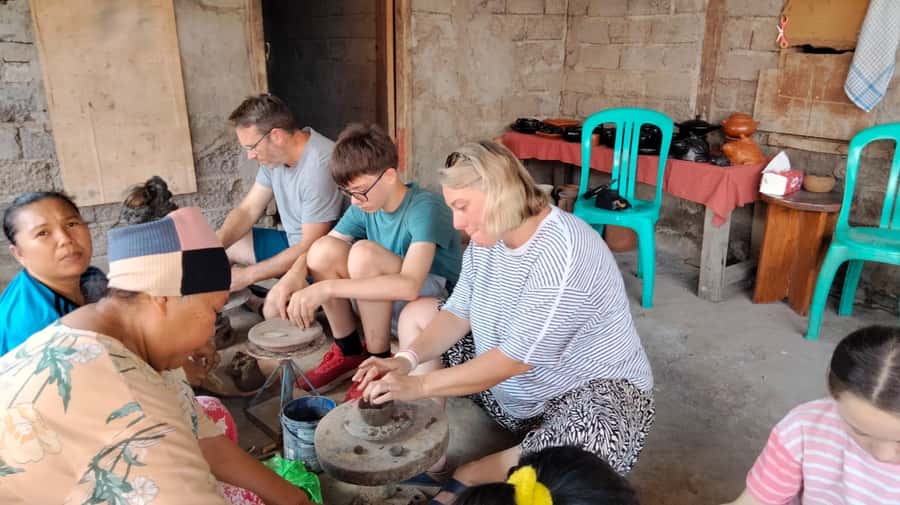
- Hands-on pottery in a real village setting with Sasak artisans guiding your shaping and finishing
- Cooking alongside locals using fresh ingredients, then enjoying the meal in a warm, family atmosphere
- You’ll likely make multiple clay pieces, not just one quick souvenir item
- English guidance is available, with backup help when language gets tricky
- Take-home support through packing, and options for direct take-home or shipping after drying and firing
- Bring clothes that can get dirty because clay work and cooking go together
Entering Sasak Craft Life at Dawa Pottery Studio
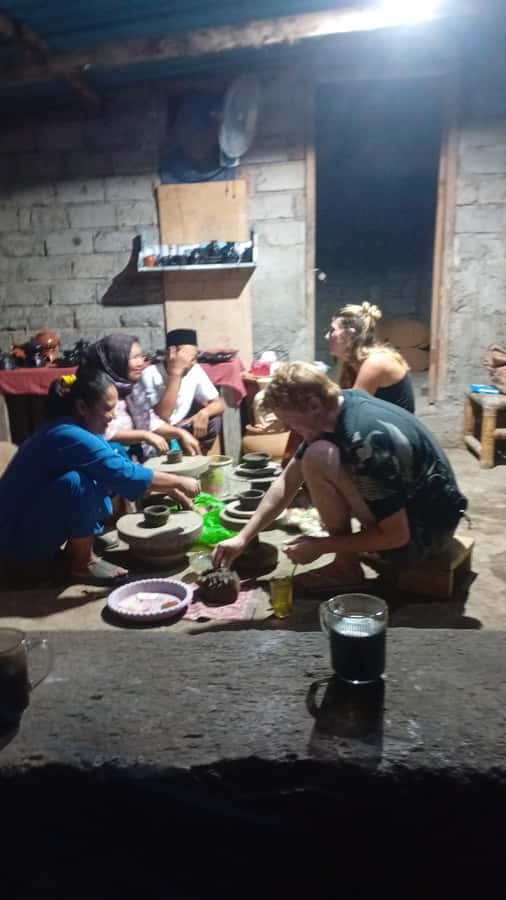
This experience is built around one simple idea: learn by doing. You start at Dawa Pottery Studio in dusun adong, and the day quickly shifts from workshop mode into village rhythm—conversation, shared work, and food that doesn’t feel staged.
The meeting point is specific, which helps. You’re across from the alfamart alley, and you’ll recognize the place by a sign that says Dawa Pottery. If you’re the type who likes to arrive early and settle in calmly, show up a bit ahead so you’re not rushing into clay mode.
Your time on-site for the workshop is about 2 hours, but the craft doesn’t end the moment you stop squeezing clay. The pottery still needs drying and firing, which is why take-home timing can differ from person to person based on how your piece is processed.
You can also read our reviews of more tours and experiences in Indonesia.



The Village Welcome and Why It Changes the Whole Tone
What makes this feel special isn’t only the craft. It’s the way the family-style welcome turns a class into a human connection.
In the reviews, the best moments start before anyone touches clay: coffee or tea with snacks, chatting, and learning a bit about pottery traditions right in the village setting. That kind of pre-work conversation matters because it gives context for what you’re doing with your hands. When you understand what the tools are for and why certain steps exist, your piece feels more meaningful—and you remember the process better.
You’ll also meet family members and spend time in the kitchen later, which is where the day gets even more grounded. If you like experiences where you can ask questions and watch real routines, this format fits.
Shaping Clay With Local Guidance (Not Just Instructions)
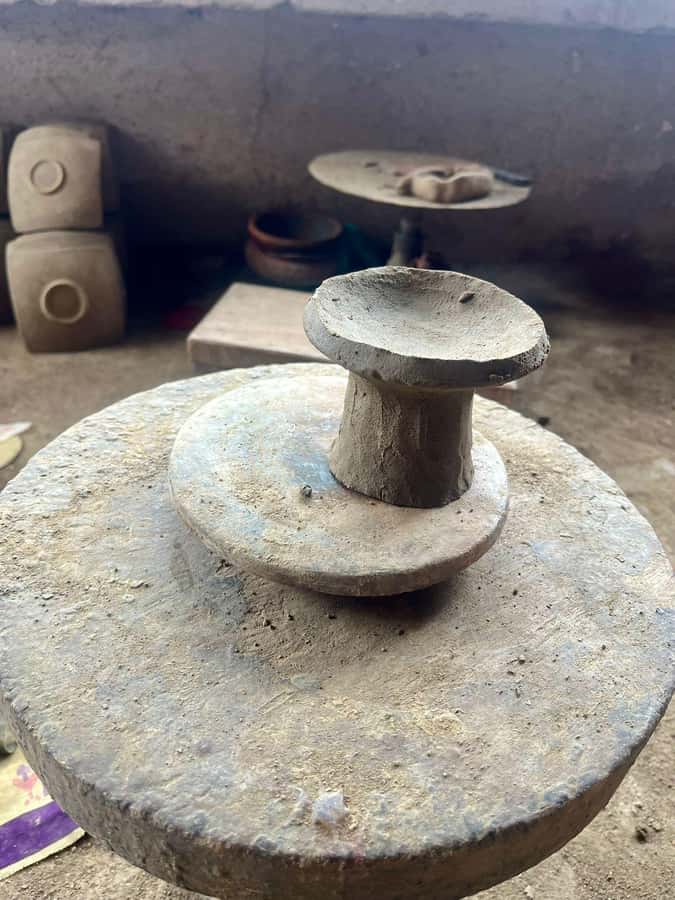
The pottery part is hands-on from the first steps. Sasak artisans guide you through traditional technique using simple tools and time-honored methods—enough structure that beginners feel supported, but enough freedom that your piece can look like your own.
Expect to work through the main phases:
- shaping the clay into your form
- smoothing and refining surfaces
- adding your own design touches
You’re not expected to be artistic in a formal way. The goal is participation. You’ll get help adjusting your technique as you go, and many participants end up making more than one clay item during the session.
A practical note: clay work means your clothes need to be willing to get lived-in. Comfortable clothes are the rule, and you should assume you’ll end up with dust or smudges even if you’re careful.
The Cooking Class You Actually Sit Down To Eat
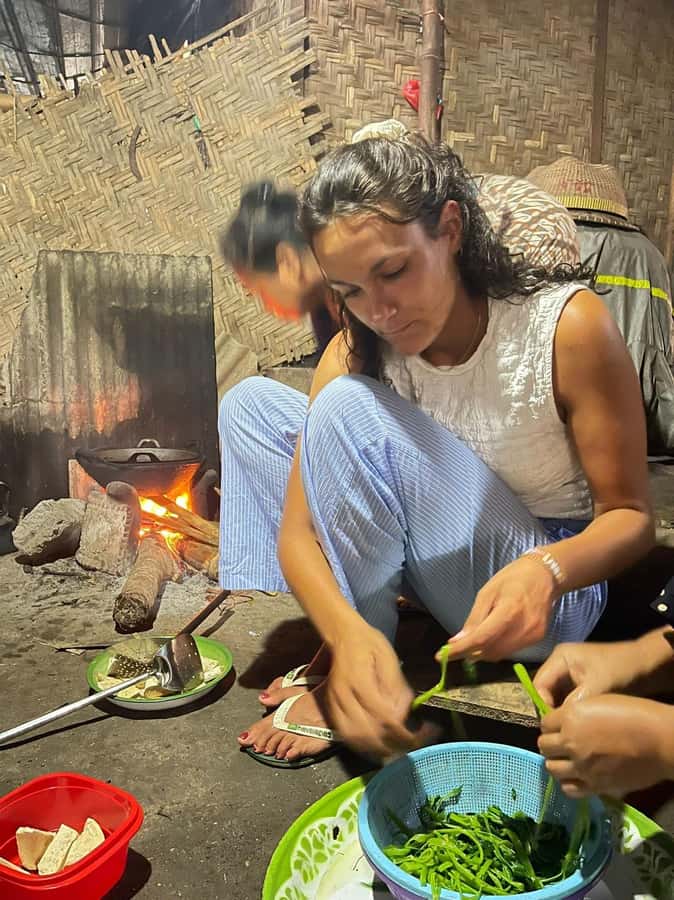
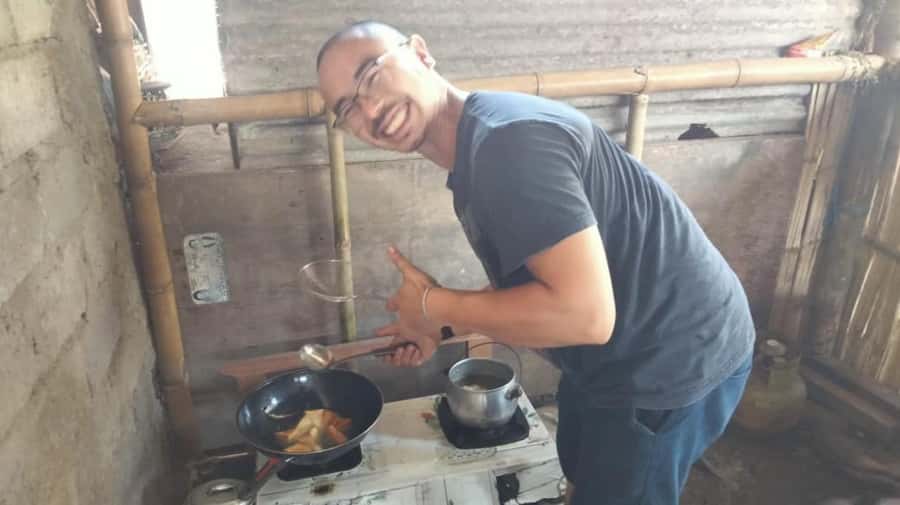
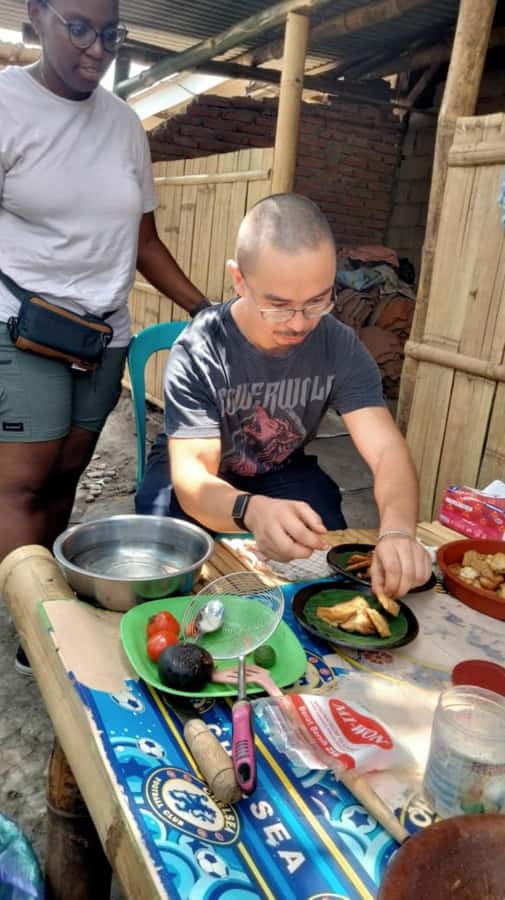
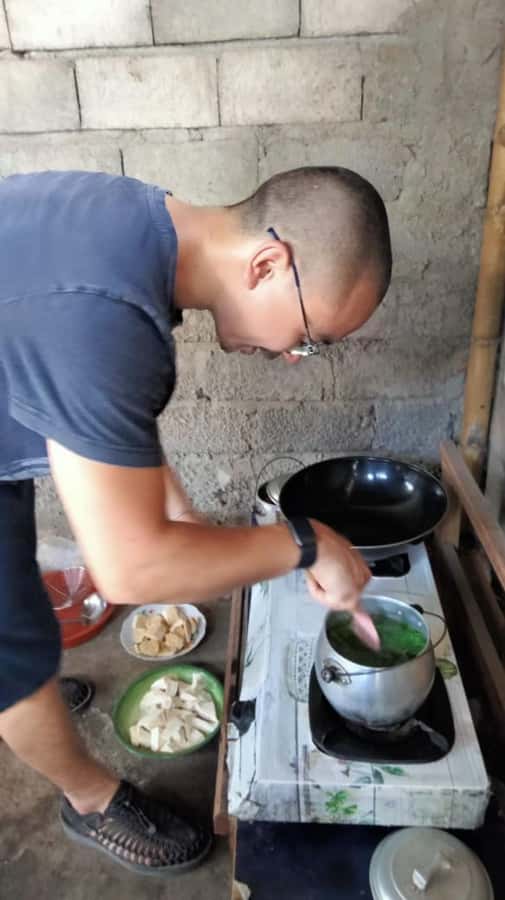
Then comes the part people remember just as strongly: cooking with family members. After the pottery workshop, you’re taken to the kitchen and shown local cuisine steps in a warm, relaxed atmosphere.
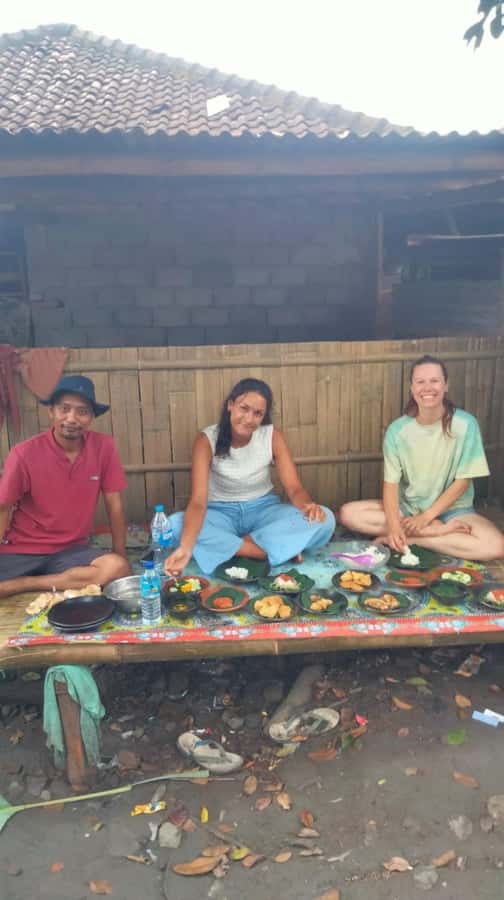
What stands out is how local and fresh the ingredients feel. The meal isn’t just a side activity—it’s part of the cultural rhythm of the day. In the reviews, people also mention eating the meal with hands, which makes it feel less formal and more communal.
If you’re vegetarian, you can request vegetarian options. That’s especially helpful because village menus can be built around everyday ingredients, and it’s nice to know the provider can adjust.
The food also plays a practical role: it keeps your energy up when you’ve been concentrating on clay. Two hours of shaping and smoothing can be surprisingly tiring, and a full meal afterwards makes the day feel complete.
Your Take-Home Pottery: Drying, Firing, and Options
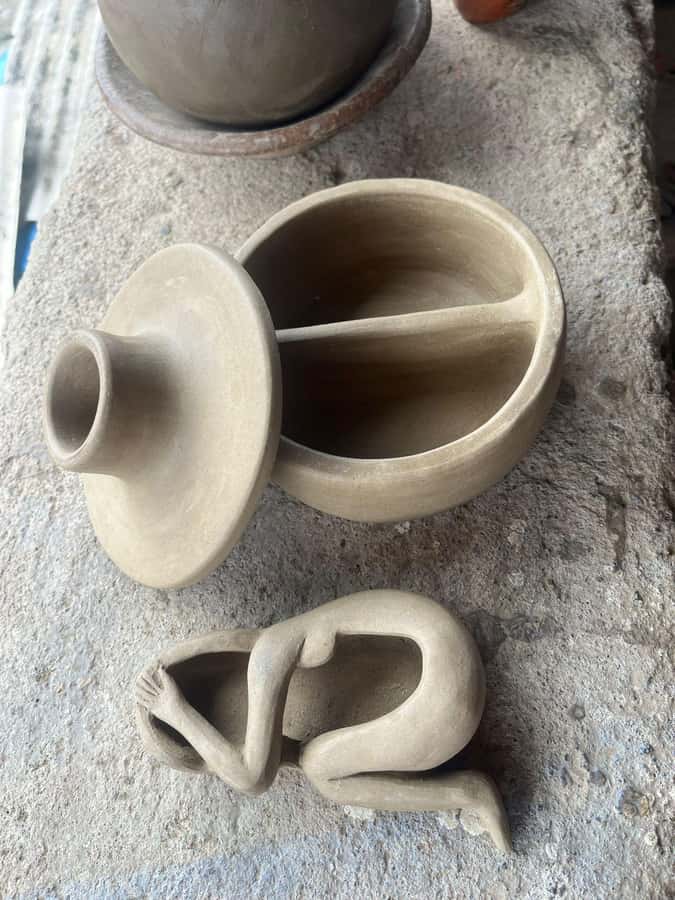
Here’s the truth about pottery: your finished object needs time. Even though the class is only around 2 hours, the piece requires drying and firing—often taking about 2 days for the process.
So how do you take it home? The experience includes help with shipping, and items can be taken home direct. The best approach is to treat this as two possibilities:
- you may take the finished piece directly if it’s ready in time
- otherwise, your piece is packed and arranged for later shipping
That matters for planning. If you’re flying out quickly or your luggage space is limited, shipping support can be a big value. If you’re staying nearby and can store a fragile item safely, direct take-home can be easier.
Either way, ask on the day how your specific piece will be handled. The provider can guide you based on where you’re staying and the firing schedule.





Price and Value: What $21 Buys You in Real Life
At $21 per person for about 2 hours, this is good value if you care about culture you can touch. You’re paying for:
- pottery workshop instruction with local artisans
- all tools and materials
- English/Indonesian guidance
- help with shipping or take-home packing
A big part of the value is that your day includes both craft and food. Lots of experiences give you one activity. Here, you get pottery, then cooking, then a meal connected to the cooking. That blend makes it feel like a full cultural afternoon, not just a workshop.
One small cost note: additional food or drinks are not automatically included as part of the class package. The meal you prepare is part of the experience, but if you want extra drinks beyond what’s served, you may pay separately.
Compared with typical souvenir shopping, you’re not just buying a finished item—you’re making it, learning the steps, and understanding the village context. That’s the difference between a purchase and a memory.
Where the Day Fits in Your Lombok Plan
This is ideal for a half-day slot that still feels meaningful. Because the workshop time is short but the craft process takes longer, you’ll get immediate satisfaction from making the piece and later satisfaction from receiving it if shipping applies.
It’s also a good choice if you want an authentic village setting without complicated logistics. There’s no hotel pickup, so you’ll need to get yourself to Dawa Pottery Studio, but once you arrive the rhythm is simple and clear.
The experience is also described as safe and suitable for all ages, with children welcome when accompanied by parents. You’ll want to keep expectations realistic for younger kids—clay can be fun, but it’s also messy and hands-on.
Wheelchair accessibility is listed, which is a big practical plus. Still, because village environments can vary in floor levels or outdoor surfaces, it’s smart to contact the provider if you have specific mobility needs.
Tips So You Leave Happy (and With a Pottery Win)
If you want your day to run smoothly, follow these practical tips from what the experience requires:
- Wear comfortable clothes that you don’t mind getting dirty. Clay smudges happen. Cooking splashes can happen too.
- Bring your patience. Pottery is tactile and requires time, and learning the steps can feel slow at first—then suddenly it clicks.
- Plan for extra time tied to firing. Even if you finish during the workshop, the final piece needs drying and firing before it’s truly ready.
- Ask about take-home vs shipping. If you’re traveling soon, confirm how the provider handles your specific pottery item.
- If you have dietary needs, request vegetarian options ahead of time. It’s better than trying to solve it at the table.
- If you were underwater within the last 24 hours, skip this activity. The experience notes it isn’t suitable after that kind of activity.
One more small but important thing: you’re likely to do both pottery and cooking, and both require focus. Taking a quiet, comfortable attitude helps. You’ll get more enjoyment out of it when you stop thinking of it as a timed checklist.
Who This Pottery and Cooking Experience Suits Best
This activity is perfect if you like village-level culture and hands-on learning. It’s a great fit for:
- beginners who want guidance without feeling judged
- couples who enjoy shared creative work
- families with kids who can handle a messy, active workshop
- anyone who prefers real cooking and local ingredients over restaurant-only experiences
It’s also a strong pick for people who want a souvenir that isn’t mass-produced. The take-home piece is not just an object—it’s the result of shaping clay, refining it, and understanding the steps along the way.
If you mainly want a fast sightseeing stop or a luxury spa-style day, this might feel too practical and grounded. But if you want something human-scale, this works.
Should You Book Pottery Lombok Sasak?
Book it if you want more than a photo. You’re getting a hands-on pottery workshop with Sasak artisans, plus cooking and eating in a family atmosphere that feels genuinely welcoming. The $21 price makes sense because you’re paying for real instruction and a complete craft-and-meal experience, not just watching someone else work.
Skip it if you strongly need hotel pickup or you’re short on time with no flexibility for drying and firing. Also avoid it if you were underwater within the last 24 hours.
If your ideal day in Lombok includes getting your hands dirty, learning from people in their village, and leaving with something you created, this is an easy yes.
FAQ
Is the pottery workshop beginner-friendly?
Yes. No prior experience is required, and you’ll get step-by-step guidance from local artisans. English or Indonesian support is available during the workshop.
How long is the experience?
Plan for about 2 hours for the activity. The pottery itself needs time afterward for drying and firing, which takes about 2 days.
Where do I meet the group?
Meet at Dawa Pottery Studio on dusun adong. It’s across from the alfamart alley, and you can look for a sign that says Dawa Pottery.
What should I bring?
Wear comfortable clothes that you don’t mind getting dirty. Clay work and cooking can get messy.
Will I be able to take my pottery home?
The experience includes shipping help, and items can be taken home direct. Because drying and firing take time, ask how your specific piece will be handled.
Do you offer vegetarian options?
Yes. Vegetarian options are available upon request.