Morning on Rinjani is a wake-up call. In two days, you hike from Sembalun up past Posts 1-3 to the Crater Rim, then chase sunrise from the main summit.
I like two things a lot. First, the sunrise payoff is real—view after view stretching out over Lombok and beyond. Second, the support is solid: an English-speaking guide, porters, and the camp setup (tents, sleeping gear, cooking tools) mean you’re not wrestling logistics while you’re already climbing.
One consideration: this trek is tough, and the cold at altitude is part of the deal. The last hour to the summit is described as very steep and difficult, so go in with warm layers and a steady pace.
In This Review
- Key things that make this trek special
- The big idea: a 2-day summit that doesn’t mess around
- Getting to Sembalun: the ride before the climb
- Day 1 trail: Posts 1 and 2 set the pace
- Day 1’s real highlight: the Post 3 lunch and hot drink
- Camp at Sembalun Crater Rim: sunset, sunrise, and lake views
- What’s included for your night
- Day 2: the 2:30 AM wake-up and the summit push at 3:00 AM
- The summit viewpoint: what you’re really working toward
- How to enjoy sunrise without turning it into chaos
- After sunrise: descent to camp and down to Sembalun by noon
- Food, water, and what’s actually included in the price
- Meals and drinks
- Water amount
- Camping and carry load
- What you should plan to bring yourself
- Price and value: why $133 can be fair for this kind of effort
- Who should do this trek, and who should skip it
- It may be a good fit if you:
- It’s not a fit if you:
- Small practical tips that make a big difference
- Should you book this Mount Rinjani 2D/1N summit trek?
- FAQ
- How long is the Mount Rinjani 2D/1N summit trek?
- Where do you camp overnight?
- What time do you start the summit hike on day two?
- Is food, water, and camping gear included?
- Is the National Park Rinjani entry ticket included?
- Is pickup available from the Senaru area?
- Who should not join this trek?
Key things that make this trek special
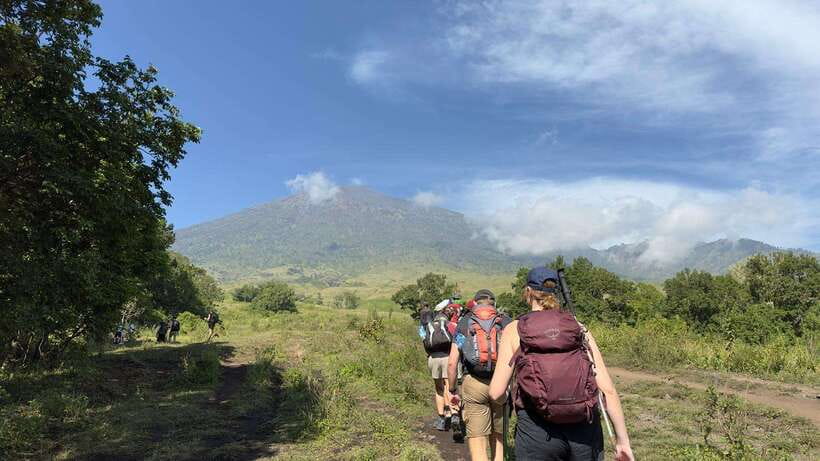
- Sunrise from the summit on day two is the main event, with views toward Lombok, Bali, and Mt. Tambora
- Post 3 is a real break: lunch plus a hot drink, then about a two-hour rest before continuing to camp
- Overnight at Sembalun Crater Rim gives you sunset and easy access to the morning start
- Porters and camp gear are included so your effort stays on the trail, not carrying everything
- Early start is non-negotiable: wake around 2:30 AM, then begin the summit push around 3:00 AM
The big idea: a 2-day summit that doesn’t mess around
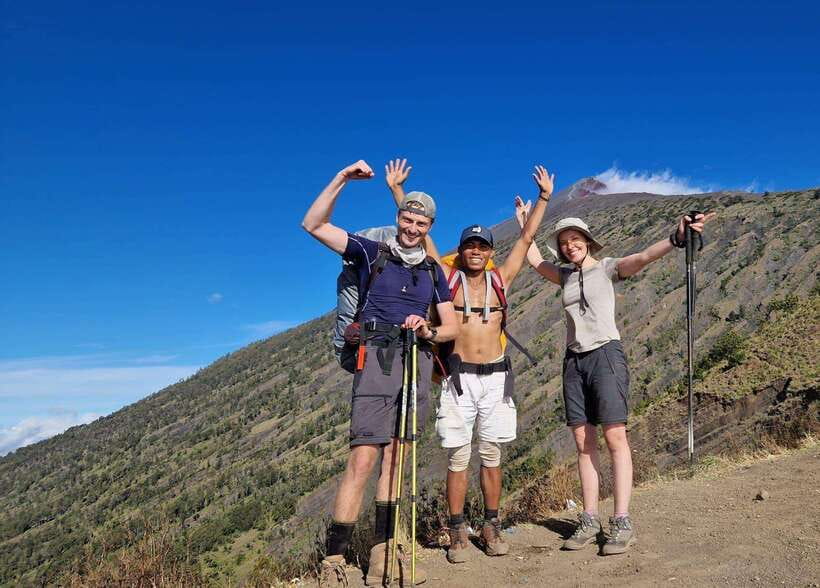
A 2-day Mount Rinjani plan is short for a reason: it’s designed for people who want the summit and sunrise without turning it into a multi-day saga. You get a full hiking day on day one, a night camping on the Crater Rim, then a pre-dawn start for the summit on day two.
What makes it feel worthwhile is the way the itinerary spaces out the hard work. Day one builds you up to camp with resting points, and day two follows a clear rhythm: steady climb, longer moderate sections, then the steep finale.
And yes, the views are the reason. From the top, you can see a wide sweep across the islands—Lombok, Bali, and Mt. Tambora in Sumbawa—plus the dramatic Segara Anak Lake.
You can also read our reviews of more tours and experiences in Indonesia.
Getting to Sembalun: the ride before the climb
Your day begins with a transfer to Sembalun Village in a mountain car. If you’re staying around Senaru, there’s pickup optional—your driver brings your name on paper, and then you’ll meet for briefing at the meeting point.
This matters because Rinjani logistics can be chaotic on your own. Having transport and a guided start keeps you from losing daylight or getting confused before you’ve even started hiking.
After you arrive, you’ll head to the Rinjani Information Center. That’s where the trek officially begins, and where you get positioned for the route that leads toward the Crater Rim.
Day 1 trail: Posts 1 and 2 set the pace
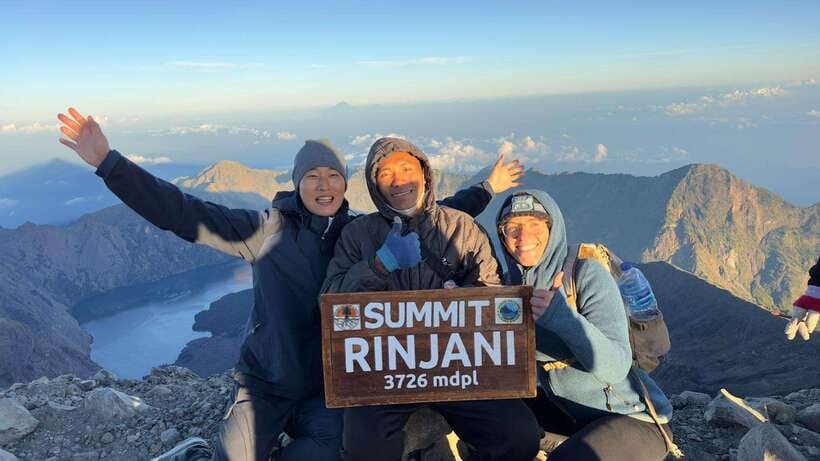
On day one, you start hiking after breakfast and begin moving up toward the Crater Rim. The route includes rest stops at Post 1 and Post 2. They’re not just checkpoints for snacks—they’re built-in rhythm makers.
Think of day one like altitude training, without the lab coat. The climb is gradual enough that you can keep a steady pace, then pause, catch your breath, and reset.
If you tend to go out too fast on day hikes, this is where the guide and porters can save you. Their job is to keep the group moving safely and steadily through the early stretch.
Day 1’s real highlight: the Post 3 lunch and hot drink
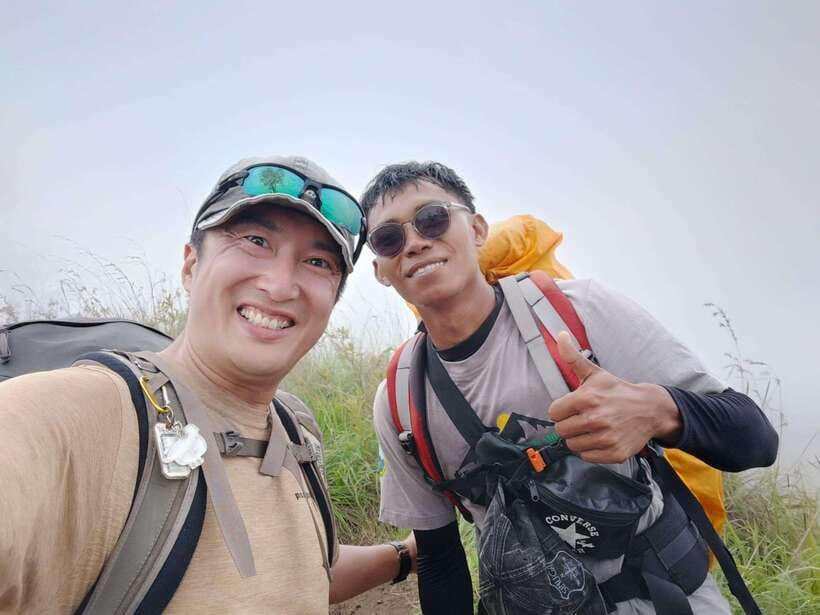
At some point, you’ll reach Post 3, where you’ll take a longer rest—about two hours—after the earlier posts and breaks. This is where the trek turns from “just hiking” into a more human experience.
Post 3 is also where lunch happens, and you get a hot drink. After hours of climbing, a hot drink can feel like someone turned the heater on inside your jacket. It’s the kind of break that helps your legs recover so the afternoon push to camp feels manageable.
After lunch and rest, you continue toward the Sembalun Crater Rim, where you’ll spend the night. So that Post 3 stop isn’t optional. It’s part of what makes the next day possible.
Camp at Sembalun Crater Rim: sunset, sunrise, and lake views
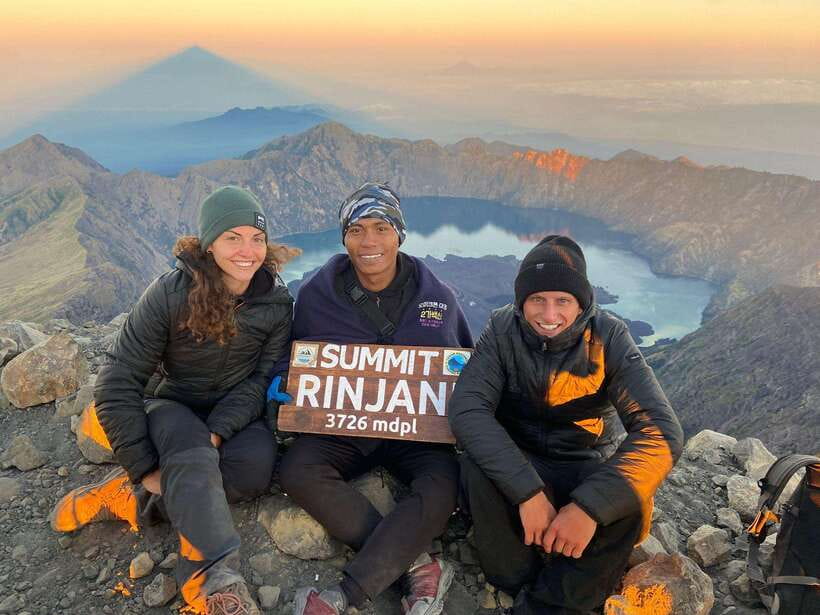
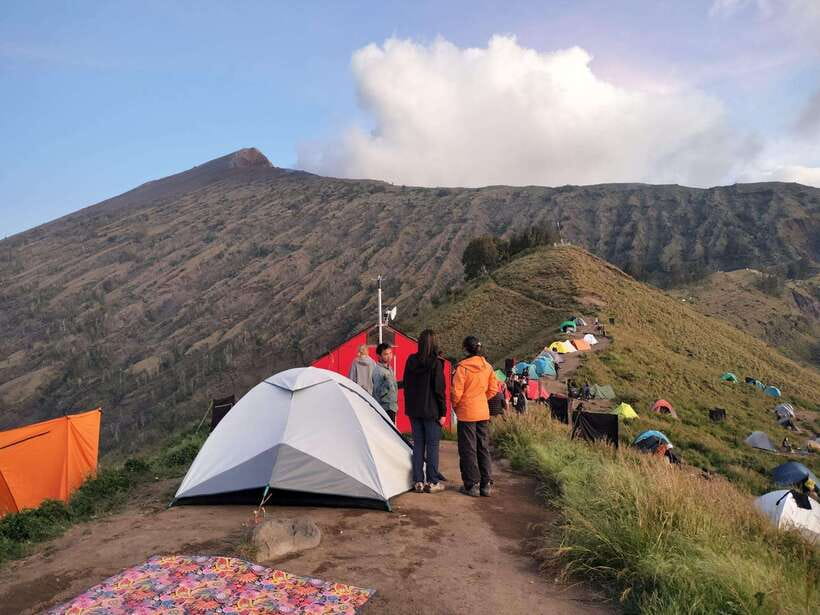
Once you reach the Crater Rim, you’re camping at the Sembalun Crater Rim itself. This overnight spot is one of the best parts of the whole plan because it puts you in the zone for both late-day and early-morning views.
You’ll have time in the evening to enjoy sunset and the surrounding scene—Segara Anak Lake, Sembalun village, and even the summit area in the distance. Camping here isn’t about comfort. It’s about location.
What’s included for your night
You get the basics to camp well enough: tents, sleeping bags and a mat, plus a toilet tent and even toilet paper. Porters and guides also bring cooking utensils and camping equipment. In other words, you’re trekking, not doing logistics.
The tour also lists tea and coffee during the trek, plus fruit like pineapple and banana. Small things, yes, but they help keep morale up when you’re awake early again the next day.
Day 2: the 2:30 AM wake-up and the summit push at 3:00 AM
Day two starts brutally early. You’ll wake around 2:30 AM for a light breakfast, then start the summit trek around 3:00 AM. If you’re the type who needs an hour to fully wake up, plan to go to sleep the moment you can on night one.
The ascent is described in stages:
- The first stage is a moderate climb for about two hours.
- The second stage is fairly easy but long—steady effort more than technical difficulty.
- The final hour is very steep and difficult.
That last hour is the one that usually turns good intentions into tough breathing. If you keep your pace controlled from the start, the steep section becomes less of a shock. If you sprint early, it can feel punishing.
The summit viewpoint: what you’re really working toward
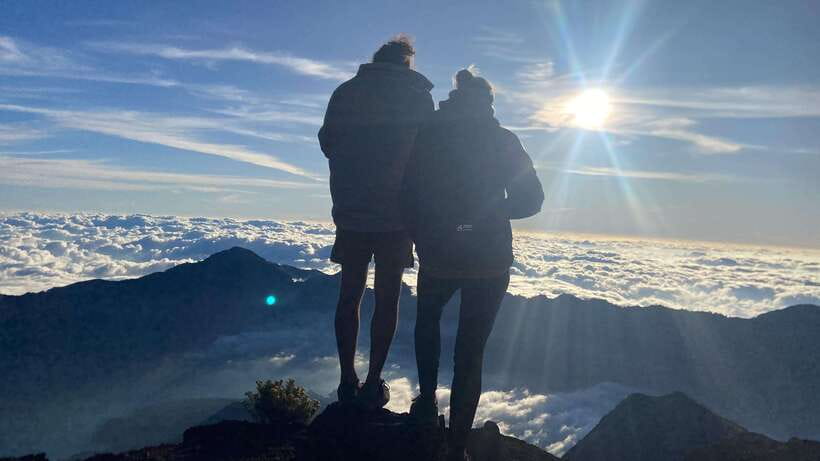
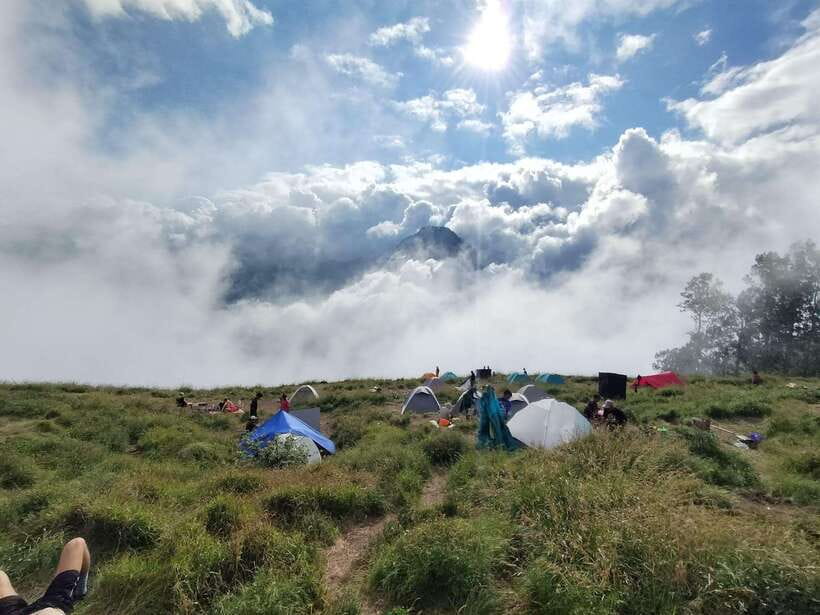
From the summit, you’ll get wide views across major parts of the region. The tour notes visibility of Lombok island, Bali, Mt. Tambora in Sumbawa, and Segara Anak Lake.
This is where the sunrise payoff makes sense. You’re not just walking for a photo. You’re walking for scale—seeing how the islands sit together across water and volcanic terrain.
How to enjoy sunrise without turning it into chaos
Start early means it’s dark for most of the climb, and sunrise can arrive faster than you expect when you’re cold and focused. Keep your strategy simple:
- Stay close to your guide and follow instructions.
- Take a breath break before the steep last stretch if you need it.
- Treat sunrise like a moment to watch, not a moment to race everyone else for position.
And because the tour includes a light breakfast before the ascent, you’ll have some fuel before the hardest segment.
After sunrise: descent to camp and down to Sembalun by noon
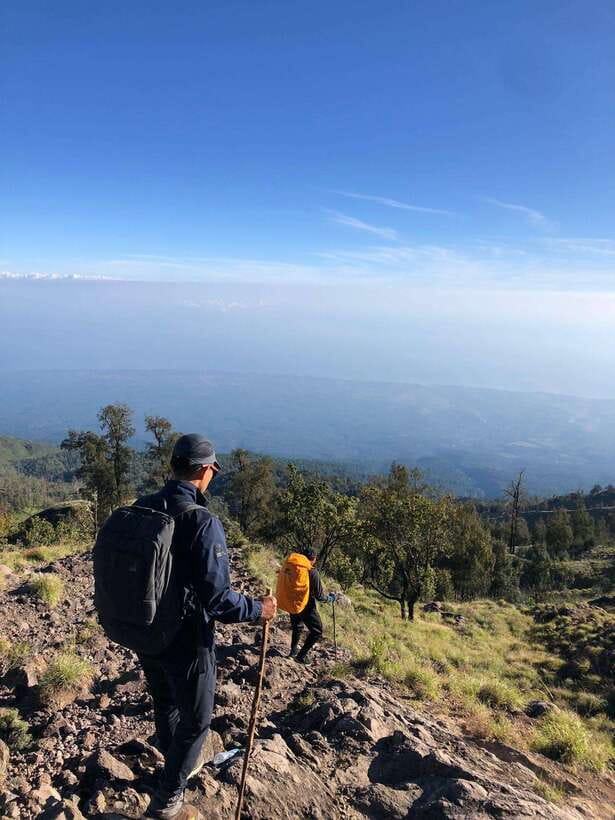
Once sunrise is up, you’ll begin the descent. The itinerary has you returning from the summit to the Sembalun Crater Rim, where you’ll have breakfast after sunrise and rest.
Then you continue descending to Sembalun village for about 4–5 hours. The day ends with arrival at Sembalun around noon, and then you’ll return back to the meeting point.
This structure helps because it gives you a solid transition: you get a morning “reset” at the rim instead of immediately sprinting down after the summit.
Food, water, and what’s actually included in the price
This trek is set up so you don’t have to buy half a camping store before you go.
Meals and drinks
The tour lists 3 meals a day plus fruit like pineapple and banana. It also includes tea and coffee, and drinking water during the trek.
Water amount
You’ll get about 3 liters of mineral water per day/person during the trek. That’s a meaningful inclusion on a hike where dehydration can sneak up on you, even when it’s cooler near altitude.
Camping and carry load
Included equipment covers:
- Tent
- Sleeping bags
- Sleeping mat
- Cooking gear
- Toilet tent and toilet paper
Porters carry cooking utensils and camping equipment. You still carry your own personal daypack or small items, but the heavy camp logistics aren’t your job.
What you should plan to bring yourself
You’ll still want:
- Warm clothing
- Hiking shoes
- Camera (if you’re into photos)
- Snacks (optional but smart)
- Water (the tour provides water, but extra can help if you run through it)
The tour also says headgear and a jacket are required to bring, and trekking poles can be rented. Trekking shoes are not included.
Price and value: why $133 can be fair for this kind of effort
At $133 per person, this is priced like a practical guided trek rather than a premium luxury package. The value comes from what’s bundled, not just the fact that you reach a summit.
You’re paying for:
- Experienced English-speaking guide
- Professional porters and porter support
- Meals (3x daily) and hot drinks
- Camp equipment (tent and sleeping setup)
- Mineral water during the hike
- Trekking insurance listed as included
- Transport to the start point (pickup optional around Senaru)
- Office storage for the backpack you don’t need on the hike
The national park ticket is not included, so factor that cost separately. Also remember you’ll likely spend extra on what isn’t covered: trekking shoes, warm layers, trekking poles (if you want them), and tips for your guide/porters.
So the real question is whether you want to outsource the heavy, messy parts of camping and guiding. If you do, this price can be a bargain. If you want a self-supported adventure, you might look at other styles of Rinjani hiking.
Who should do this trek, and who should skip it
This route is clearly challenging. The trek description includes steep climbs, cold temperatures at higher altitudes, and a very steep final hour to the summit.
It may be a good fit if you:
- Want a structured 2-day summit plan with support and clear stages
- Are comfortable hiking uphill early and willing to handle cold
- Appreciate a guide and porters who keep camp running and meals handled
It’s not a fit if you:
- Are under 10 years old
- Are pregnant
- Have back problems
- Have heart problems
If you’re unsure about fitness, treat the “very steep and difficult” last hour as your stress test.
Small practical tips that make a big difference
- Bring warm layers even if you’re sweating on the climb. Cold at altitude is expected.
- Wear proper hiking shoes. The tour doesn’t include them.
- Don’t smoke. It’s listed as not allowed.
- Keep your snacks simple. You’ll get meals, fruit, tea, and coffee, but extra small items can help you manage appetite during steep sections.
- Plan for early sleep the night before. Waking at 2:30 AM is not optional.
Should you book this Mount Rinjani 2D/1N summit trek?
If your goal is a real summit and sunrise experience in a tight time window, this tour format makes sense. You get the key moments: Post 3 comfort, camping at the Sembalun Crater Rim, then an early push to the top with sweeping views.
I’d book it if you like the idea of hiking with porters handling camp setup and a guide keeping the pace steady. That support—plus the very helpful guide and porter vibe people highlight—can make the difference between enjoying the mountain and just surviving it.
Skip or look closer at your options if you know you’re sensitive to cold, or if the steep final hour doesn’t match your current fitness. Also budget for what’s not included (national park entry and trekking shoes/warm layers).
FAQ
How long is the Mount Rinjani 2D/1N summit trek?
The trek runs for 2 days, with one night camping.
Where do you camp overnight?
You camp at the Sembalun Crater Rim.
What time do you start the summit hike on day two?
You wake around 2:30 AM and start the summit trek around 3:00 AM.
Is food, water, and camping gear included?
Yes. The tour includes 3 meals a day, tea and coffee, fruit, and mineral water during the trek (3 liters per day/person). It also includes a tent, sleeping bags, and a sleeping mat.
Is the National Park Rinjani entry ticket included?
No. The entry ticket is not included.
Is pickup available from the Senaru area?
Pickup is listed as optional, and a driver will bring your name on paper. The tour also has meetings or briefing at a meeting point.
Who should not join this trek?
It’s not suitable for children under 10 years, pregnant women, and people with back problems or heart problems. Smoking is also not allowed.