That rim night feels unreal. A Mount Rinjani summit trek (2 days, 1 night) from Sembalun mixes open-meadow walking with a proper high-camp on the crater rim, so you’re chasing sunrise views in a very efficient way. It’s the kind of challenge that feels serious, but the day structure keeps you moving step by step.
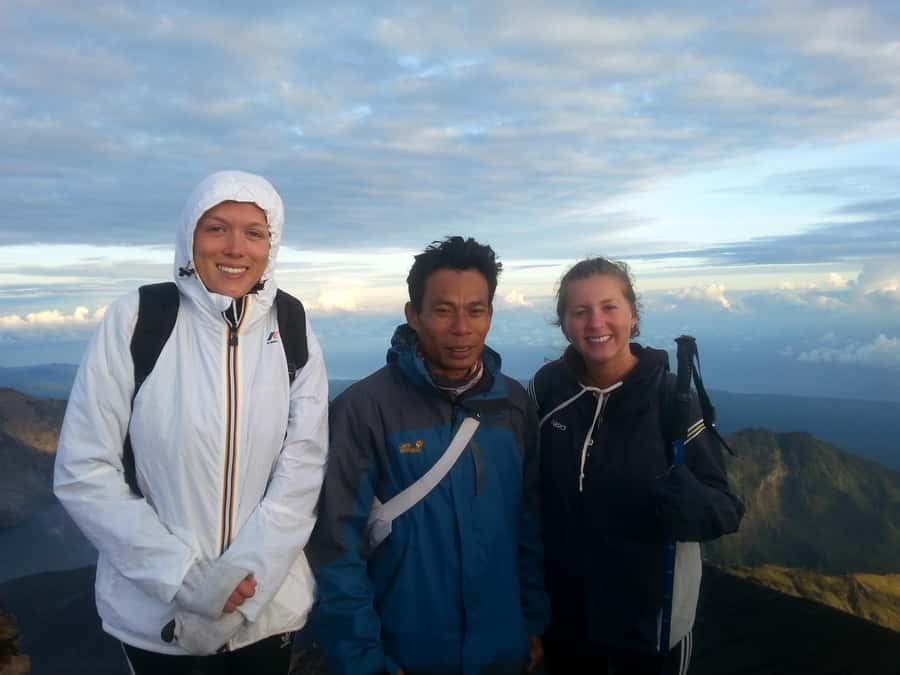
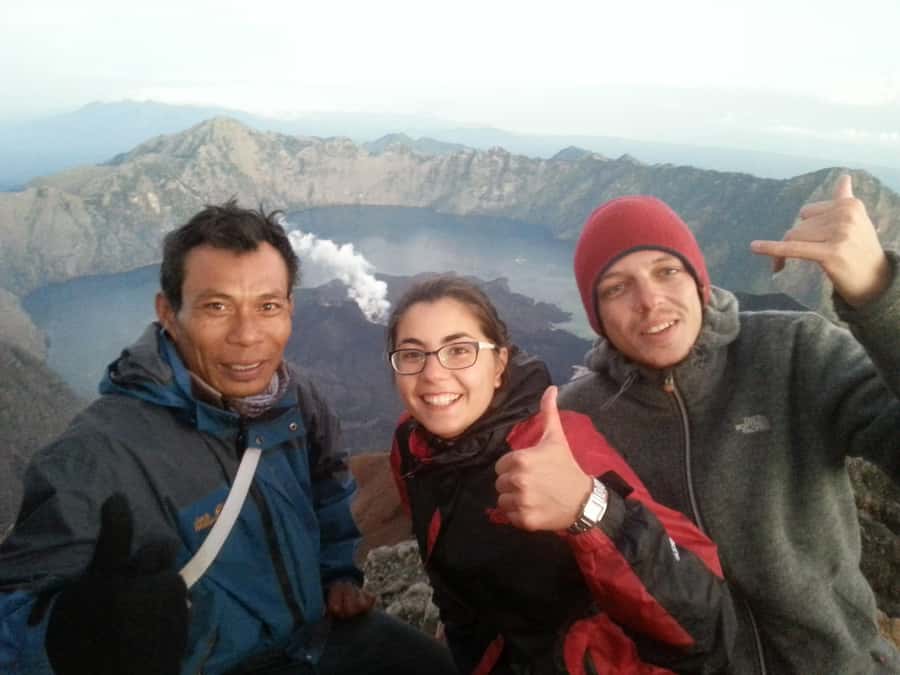
I really like the way the summit timing is set up. You start in the dark, reach the top at 3,726 m around 6:00 a.m., and get panoramic views of Lombok, Mount Bali, Mount Tambora on Sumbawa, and Segara Anak Lake.
One consideration: the climb is hard, and one past guest noted the front lamps weren’t bright enough for the summit walk. It’s smart to bring a backup light or extra batteries so you’re not guessing in the dark.
In This Review
- Key Things I’d Bet On
- Why This 2D-1N Rinjani Summit Route Works
- Day 1: Pickup, Sembalun Meadows, and Posts to the Crater Rim
- Night on the Crater Rim: 2:00 a.m. Wake-Up and Headlamp Hours
- Summit Morning at 3,726 m: The View Checklist You’ll Care About
- Day 2 Descent: Legs, Knees, and Staying Smart for 5 Hours Down
- Price and Value: What Your $143 Covers (and What’s Extra)
- What’s Included in Your Hike Gear (and What You Still Need)
- Who Should Book This Rinjani Summit Trek
- The Logistics Part That Usually Trips People Up
- Should You Book Mount Rinjani Trekking 2D-1N Summit?
- FAQ
- How long is the Mount Rinjani 2D-1N summit trek?
- What time do I get picked up and when do we start trekking?
- Where do we camp overnight?
- When do we start the summit hike and what time do we reach the summit?
- Are meals and water included?
- Is the national park permit included in the price?
- What transport is included after the trek?
- Who is this trek not suitable for?
Key Things I’d Bet On
- Sembalun’s first walking section rewards you early with open views before the more intense uphill starts
- Camping on the crater rim (2,639 m) gives you sunrise and sunset from high altitude
- 2:00 a.m. wake-up and 3:00 a.m. summit push keeps you on track for morning light
- Summit viewing is the main event: Lombok, Bali, Tambora, and Segara Anak Lake
- Porters + 3 liters water/day help you focus on the hike rather than gear hauling
- Transfers after the trek cover Bangsal Harbour, Mataram, and Senggigi so you’re not stuck figuring it out
Why This 2D-1N Rinjani Summit Route Works
This Mount Rinjani trekking option is built for people who want the summit experience without spending a week on the mountain. The route starts in Sembalun Village, then climbs in a way that gives you multiple “checkpoints” (posts) during the long day. That matters because Rinjani is not a gentle stroll. It’s steep, cold at night, and the altitude makes effort feel faster than you expect.
The real magic here is altitude staging. You don’t only summit and leave. You camp on the crater rim at about 2,639 m, so you’re already in the high-world before the early-morning summit climb. That turns the trek from one big push into two meaningful days: a rim evening with sunrise/sunset, then a summit morning with wide island views.
If you’re choosing based on “best views for the time,” this program is set up well. The schedule gets you to the top for morning clarity and then gives you a structured descent back to Sembalun by the end of day 2.
You can also read our reviews of more tours and experiences in Indonesia.
Day 1: Pickup, Sembalun Meadows, and Posts to the Crater Rim
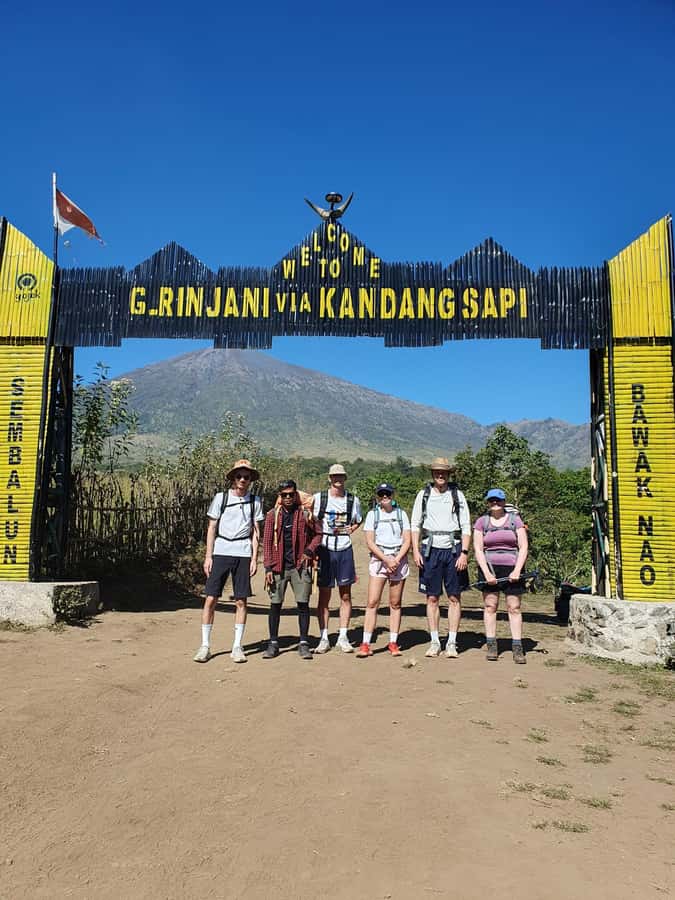
Your day starts with a hotel pickup. You’re picked up around 07:00 a.m. and driven toward the trail start, arriving around 08:00 a.m. in Sembalun. The early start is practical. It helps you avoid some of the harsher midday heat and gets you onto the first climbing section while you still feel fresh.
Walking begins with a gentle climb through open meadow. This part is often the “reset” segment of the trek. Instead of instantly attacking the steep stuff, you ease in and let your body adjust. It also tends to be visually rewarding, because you’re not yet sealed into the darker, steeper terrain.
Then you move through the trail posts:
- Pos 1 (~1,1300 m): after about 2 hours of walking
- Pos 2 (1,500 m): about 40 minutes after Pos 1, with lunch here
- Pos 3 (1,800 m): later in the afternoon as you keep climbing
Lunch at Pos 2 (1,500 m) is a key moment. It breaks the day into something manageable instead of nonstop effort. If you’re the type who gets slower when you’re hungry, this pause is worth appreciating.
From there, the big shift comes when you head to the crater rim. The trek to Sembalun crater rim (2,639 m) takes about 3 hours, including a prolonged steep climb. This is where you feel the mountain really change the rules.
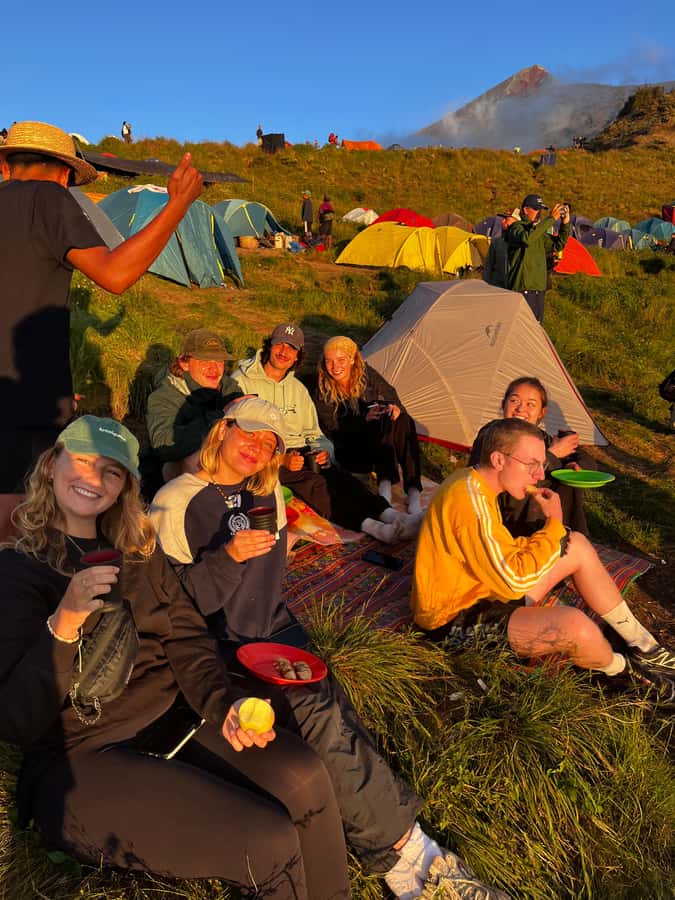
One of the best parts of this day is that you’re not just “passing through.” You camp overnight on the crater rim. That sets up two view windows: you can enjoy sunrise and sunset from the high camp, depending on cloud cover and season.
Practical note: camping at elevation usually means it gets cold fast after dark. Warm clothing is not optional here.
Night on the Crater Rim: 2:00 a.m. Wake-Up and Headlamp Hours
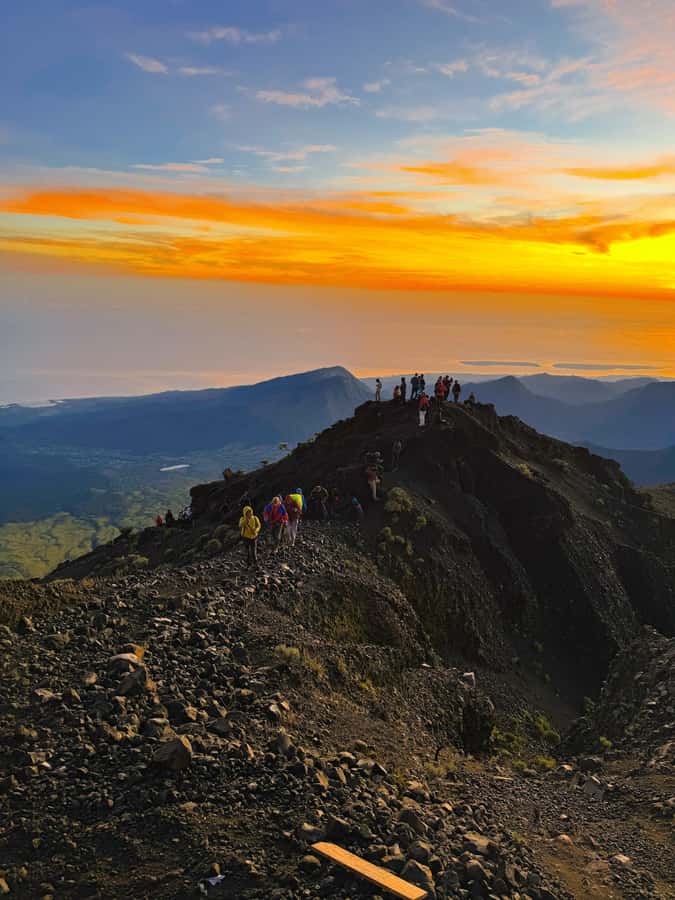
After you settle in on the crater rim, the schedule gets intentionally aggressive. You wake around 2:00 a.m. under the cover of darkness with a hot drink and a light breakfast. Then you start walking toward the summit at 3:00 a.m.
This early start is about timing, not drama. The summit push is planned so you can reach the top around sunrise. That also means you’ll spend a chunk of time hiking in low light. If you’ve ever hiked at night with an underpowered headlamp, you already know how annoying it is. One guest specifically flagged that the front lamps could be better, and I agree with that caution in spirit.
If you do book, treat your lighting like a safety tool:
- make sure it’s working before you leave
- keep spare power if possible
- pack a rain gear layer so a drizzle doesn’t ruin your visibility
The trek provider includes headlamps, but your comfort and confidence matter. A backup approach costs little and can save a lot of stress.
Summit Morning at 3,726 m: The View Checklist You’ll Care About
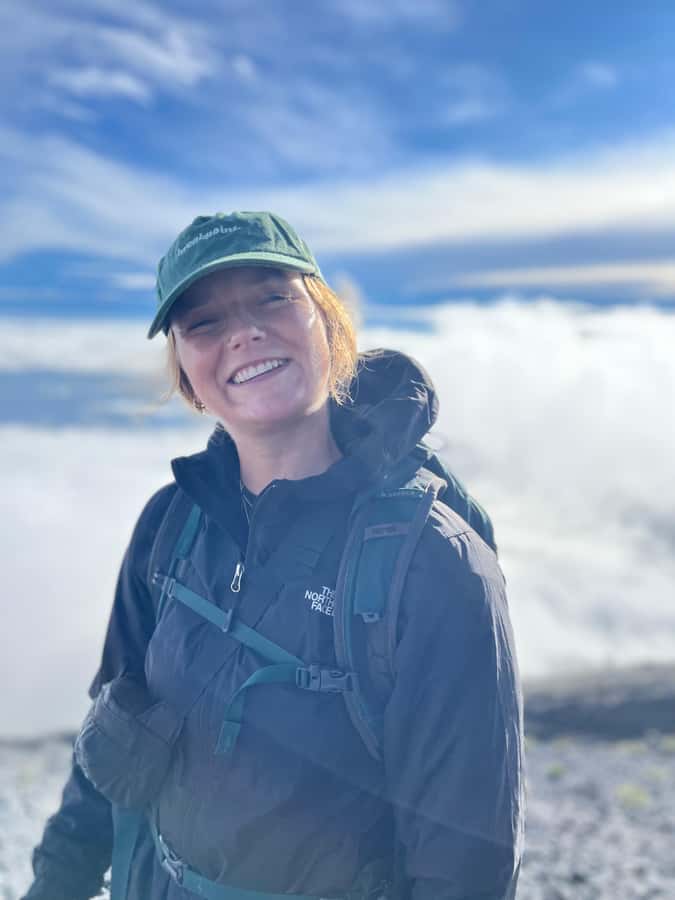
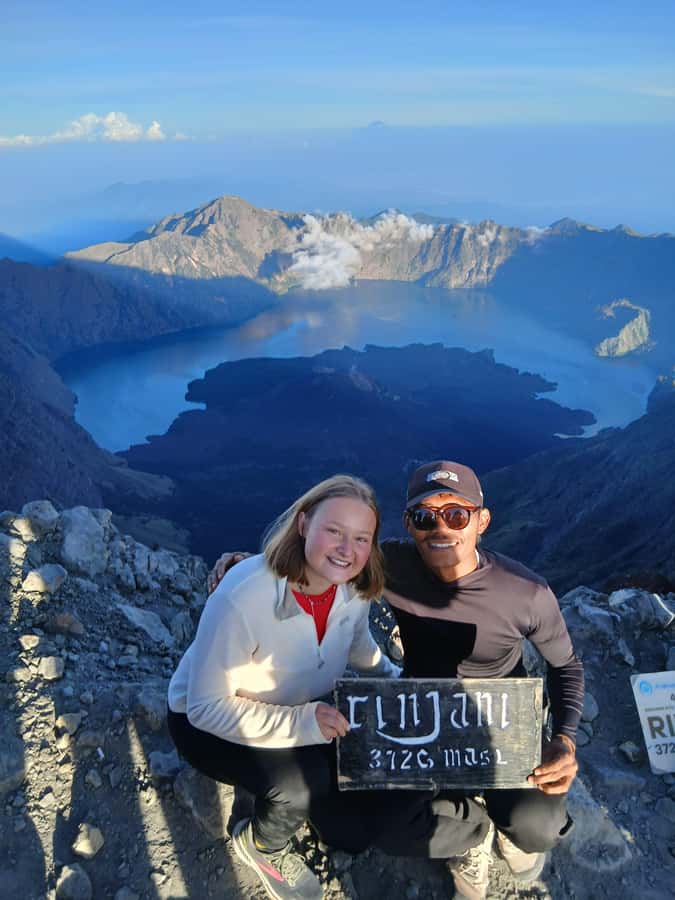
You aim for the summit at 3,726 m. The route says you can reach it around 6:00 a.m., then you enjoy a beautiful sunrise plus panoramic views.
Here’s what the viewpoint is supposed to deliver:
- Lombok island
- Mount Bali
- Mount Tambora (Sumbawa)
- Segara Anak Lake
That’s a lot of geography in one morning, which is why this trek gets chosen over longer multi-day routes. The summit morning is the payoff moment: you’re up high enough to see multiple islands and volcanic features, and the morning light helps those distant shapes actually look like something instead of gray silhouettes.
After summit time, you begin the descent to the next camp segment. The program indicates a 2-hour trek down to the campsite, and you have breakfast there.
My advice: don’t treat the summit like an Instagram stop-and-go. If you can, take a few minutes to look around slowly. The whole point of reaching 3,726 m is that the world opens up beyond the trail. Then save your energy for the legs work on the way down.
Day 2 Descent: Legs, Knees, and Staying Smart for 5 Hours Down
Day 2 continues with the climb’s final chapter: descending back toward Sembalun village. After breakfast at the campsite (about 2 hours descent from the summit), you keep going down for roughly 5 hours to reach Sembalun.
The descent is where your body gets honest. Even if you feel okay on the way up, downhill can be rough on knees and hips. This trek’s difficulty is real, and the reviews you’ll read about it usually agree on the same theme: the climb is challenging, the descent is challenging too, and you’ll appreciate the care of the guide when things feel steep.
Why the guide matters: a good team doesn’t just say go. They pace you, check safety, and help you move without rushing. One guest specifically said the team was experienced and fun and that they took the time needed while keeping everyone safe. That kind of pacing makes a real difference when your legs are tired and you’re stepping in the dark-to-morning transition zone.
When you finish the trek, you’re not left hanging. The transport plan includes getting you onward after the trek to Bangsal harbour, Mataram, and Senggigi.

Price and Value: What Your $143 Covers (and What’s Extra)
At around $143 per person, this Mount Rinjani 2D/1N summit option looks like a solid value if you compare what’s included rather than just the headline cost.
What you generally get in the package:
- Experienced trekking guide
- Porter(s) to carry equipment (so you carry yourself, not the whole mountain)
- Water: 3 liters/day per person
- Fruits + cookies (chocolate cookies mentioned)
- Meals: Lunch, Breakfast, and Dinner (plus a hot drink and light breakfast before the summit push)
- Included hiking support gear: hiking poles, headlamp, gloves
- Trekking insurance
- Luggage storage available at the Cakrawala Rinjani office
- Transport after the trek to Bangsal harbour, Mataram, and Senggigi
- Pickup transport from your hotel in Senaru to the start point
Now the not-included costs you should plan for:
- National park permit: IDR 200k/Days or 400k/2Days
- Room/hotel and pickup transport (the program notes some transportation details that may depend on where you’re starting from)
Also watch one logistics detail: if you request pickup location outside the Port Bangsal area, there’s an added cost of 150k per person. That’s the kind of fee that feels small until you realize it changes your plans.
So is it worth it? If you want a guided, structured summit trip that handles meals, water, basic gear, and post-trek transfers, the package makes sense. If you’re the type who’s already doing all-in-one day trips and carrying everything yourself, then the value is less obvious. But for most people who want a summit experience without turning it into a logistics project, $143 is a reasonable starting point.
What’s Included in Your Hike Gear (and What You Still Need)
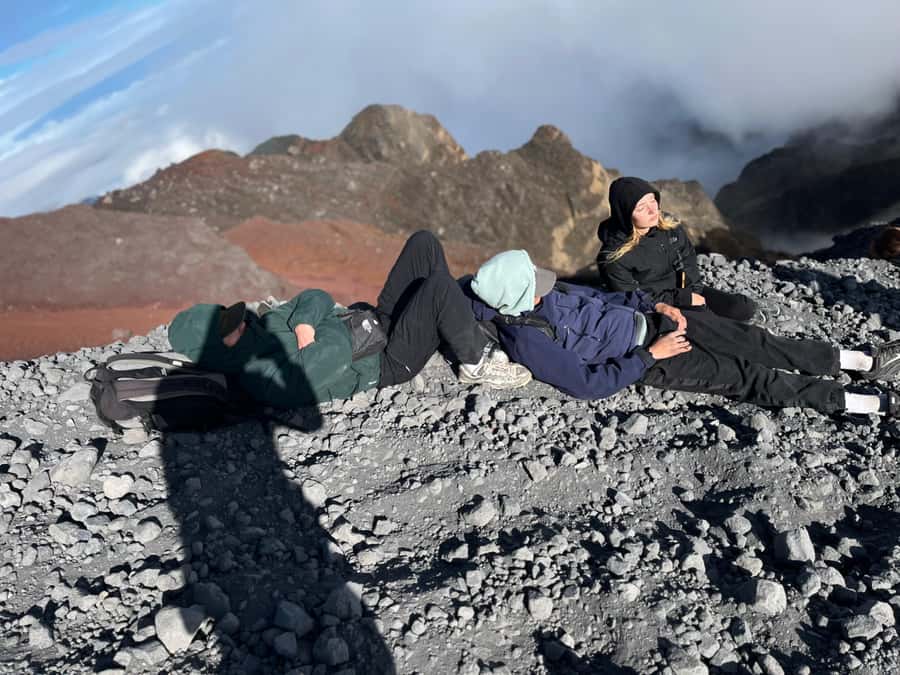
The trek package supplies some key items that help you avoid last-minute shopping. Included gear is:
- Headlamp
- Gloves
- Hiking poles
- Trekking insurance
- Water (3 liters/day)
That said, your personal clothing and comfort items decide whether the trek feels manageable or miserable. Bring:
- Warm clothing (night and early morning are cold)
- Hiking shoes
- Sunscreen
- Rain gear
- Camera
- Snacks (always helpful if you get hungry between posts)
- A garbage bag (you’ll want to keep trash off the mountain)
A small practical tip: plan for layered clothing. You’ll go from chilly, low-light starts to warmer hiking during the day and then back to cold again on the crater rim. One thick jacket alone usually isn’t the whole answer.
Who Should Book This Rinjani Summit Trek
This program is best for people with a decent fitness base and comfort with steep climbs. The route is described as good for experienced trek levels and good conditions. If you’re okay with early starts and long downhill, you’ll likely enjoy it.
It’s not suitable if you have:
- children under 12 years
- pregnancy
- back problems
- heart problems
Also, if you hate night hiking or you strongly prefer a slow, scenic walk, you might find the schedule demanding. The trek is designed to hit the summit at a specific morning time, so there’s less room for lounging.
On the upside, if you’re motivated by challenge plus big reward views, this fits the bill. The camp-on-the-rim element adds meaning beyond just reaching a summit sign.
The Logistics Part That Usually Trips People Up
Two details to handle early:
1) Confirm your pickup time and coordination around Bangsal harbour if that’s where you’ll need transfers after the trek.
2) If you’re not staying near the Senaru area, clarify pickup arrangements. The program specifically mentions pickup from your hotel in Senaru to the start point.
Meeting point is listed as Welcome to Lombok, and you’re advised to inform the team if you’re already in your hotel so they can meet you for briefing. That briefing matters because it sets expectations for the early-morning summit timing, what gear you have, and how the walk will be managed.
Finally, you’ll end back at the meeting point. Then your transfers afterward cover onward travel areas like Senggigi, Mataram, and Bangsal harbour.
Should You Book Mount Rinjani Trekking 2D-1N Summit?
Book this trek if you want:
- a structured 2 days / 1 night summit experience from Sembalun
- a night camping on the crater rim
- a summit morning timed for sunrise plus wide views across Lombok and beyond
- guides who keep you safe and moving at a sensible pace
Skip it if:
- you have health limitations like back or heart issues, or you’re pregnant
- you want an easy hike with long breaks and zero early-morning pressure
- you’re not prepared for the steep climb and steep descent that come with summit routes
My final take: this is a serious trek with a very clear reward. The best part is that the experience isn’t only about the summit; you get a whole rim night and morning payoff. Just plan your clothing for cold, and take that headlamp feedback seriously—either test what you’re given well before darkness or bring a backup light so the summit hours feel under control.
FAQ
How long is the Mount Rinjani 2D-1N summit trek?
It runs for 2 days and 1 night. You’ll start walking on day 1 from Sembalun, camp on the crater rim, then summit early on day 2 and finish with a descent back to Sembalun.
What time do I get picked up and when do we start trekking?
You’ll be picked up around 07:00 a.m. and start the trek around 08:00 a.m. in Sembalun village.
Where do we camp overnight?
You camp on the Sembalun crater rim at about 2,639 m for the night.
When do we start the summit hike and what time do we reach the summit?
You wake around 2:00 a.m., start heading for the summit at 3:00 a.m., and you can reach the summit at about 6:00 a.m. (around 3,726 m).
Are meals and water included?
Yes. You get water (3 liters per day per person) and meals including lunch, dinner, and breakfast across the trek, plus a hot drink and light breakfast before the summit push.
Is the national park permit included in the price?
No. The permit is not included. The cost is listed as IDR 200k per day or IDR 400k for 2 days.
What transport is included after the trek?
After finishing, transport is included to Bangsal harbour, Mataram, and Senggigi.
Who is this trek not suitable for?
It’s listed as not suitable for children under 12, pregnant women, and people with back problems or heart problems.