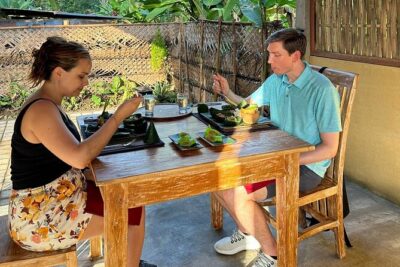
Cooking in a real home kitchen changes everything.
In Munduk, you’re not just watching recipes—you’re making Nasi Campur with a local family, then eating it where daily life happens. I love that the class stays hands-on, from chopping and mixing to grilling and frying. I also love the way the cooking is built around fresh market ingredients and a foundation of Base Genep spice paste. One thing to keep in mind: this experience isn’t suitable for people with altitude sickness, since Munduk sits higher than the coast.
Expect a warm, relaxed evening with an English-speaking host/instructor and clear guidance even if your cooking skills are basic. The best part for me is the human side: you get a look at garden or farm life, then you cook with real patience and good humor. You’ll also have options for vegetarian and vegan diets, plus alternatives when you have allergies or restrictions. The only drawback I’d flag is spice tolerance: even when meals are adjusted for international palates, Balinese flavors still go bold—so if you’re very sensitive, tell your host ahead of time.
In This Review
- Key highlights you’ll feel right away
- Munduk in Bali: why this cooking class feels different
- Inside a local family kitchen: how the evening unfolds
- From Base Genep to Nasi Campur: what you actually cook
- The dish lineup: flavors, textures, and why each one matters
- Sate Lilit (fish or chicken with herbs and coconut)
- Bergedel (golden fried potato patties)
- Balinese Vegetable Stir-Fry
- Balinese Soup (Jukut Jepang)
- Putting it all together as Nasi Campur
- Spice level, MSG, and diet options that keep it practical
- Lunch vs dinner: when to pick your slot
- Getting there: pickup, meeting point, and what to bring
- Value check: why $18 can be fair (and when it isn’t)
- Who should book this Munduk cooking class?
- Should you book it?
- FAQ
- How long is the Munduk Balinese cooking class?
- What is the price per person?
- Is lunch or dinner included?
- What dishes will I cook during the class?
- Are there vegetarian, vegan, or allergy-friendly options?
- Does the class use MSG?
- Do you provide hotel pickup?
- What should I bring with me?
- Is it suitable for altitude sickness?
Key highlights you’ll feel right away
- Nasi Campur, built plate-by-plate: you assemble a full meal from small Balinese dishes.
- Base Genep spice paste: you learn the flavor engine of Balinese cooking, using fresh aromatics.
- A local home setting in Munduk: cooking happens in a family space, not a staged demo room.
- Real cultural connection: you get to see the farm/garden and everyday life while you wait and cook.
- Flexible food rules: vegetarian, vegan, and allergy-friendly menu options are available by request.
- A calm, kind teaching style: English support and patient guidance show up in the details.
Munduk in Bali: why this cooking class feels different
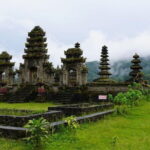
Munduk is one of those Bali places that slows you down. The air feels cooler than the south, and the setting makes the food part feel natural—because you’re surrounded by the kinds of ingredients Balinese cooking is built on.
The biggest reason this class works in Munduk: you’re cooking with ingredients that match the area’s reality. The experience is centered on fresh local produce from market sources, and the meals stay anchored in traditional technique rather than tourist shortcuts.
And since the class takes place at a local family home, you’re not just tasting Bali—you’re seeing how Bali lives. That matters, because cooking here is less about performance and more about routine, family, and sharing.
You can also read our reviews of more tours and experiences in Munduk.


Inside a local family kitchen: how the evening unfolds
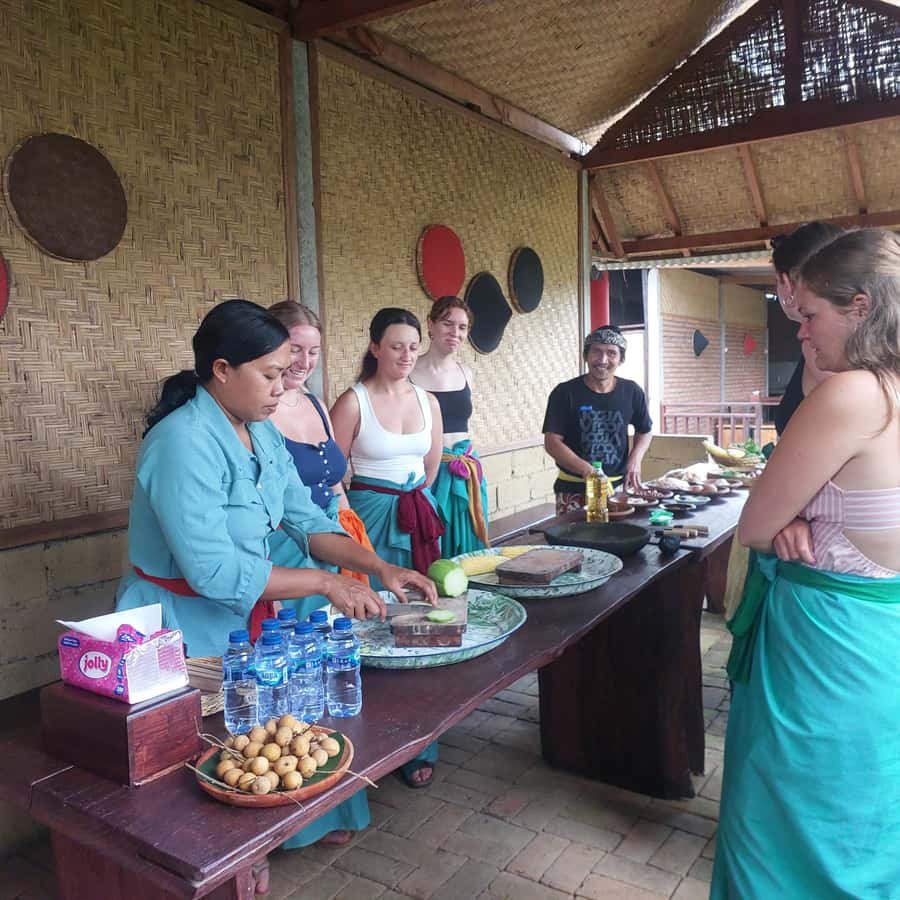
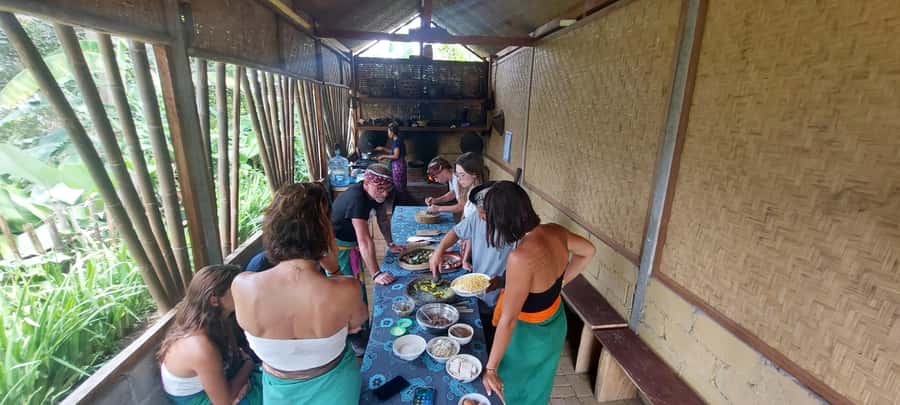
The flow is simple, and that’s a good thing. You’ll arrive at a family home in Munduk, meet your host (English support), and get oriented. If you’ve got a pickup option, the team can collect you from your hotel and text you to confirm the address—handy if roads are confusing or signage isn’t your thing.
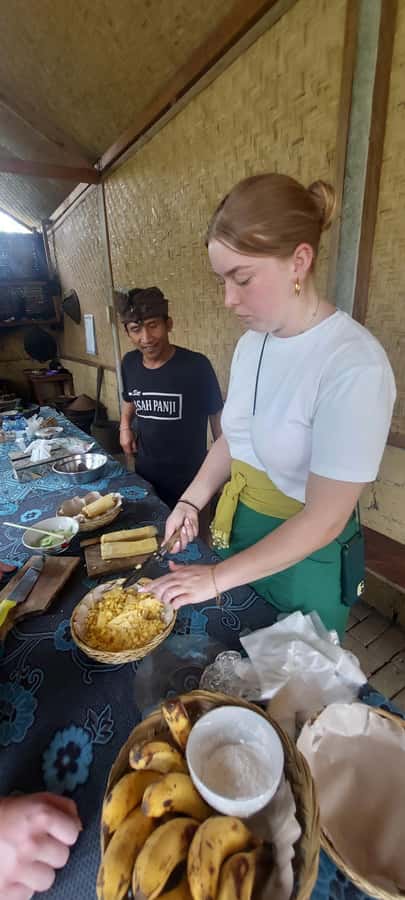
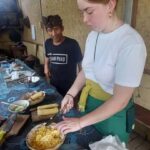
Once you’re settled, you may be shown parts of the home area before cooking starts—some instruction includes a tour of the garden or farm life. In one example, the host explained what they cultivate, plus their daily rhythm and religious life. It’s not a lecture. It’s more like a friendly introduction while you’re waiting for everyone to be ready.
Then the practical part begins. Your instructor guides you step-by-step as you prepare dishes. The teaching style is clear, and if your English is limited, don’t panic. The guidance is designed to be understood in the moment, not just explained on paper. When the cooking wraps up, you sit down together with your hosts and enjoy the meal you made—either lunch or dinner depending on your booking.
From Base Genep to Nasi Campur: what you actually cook
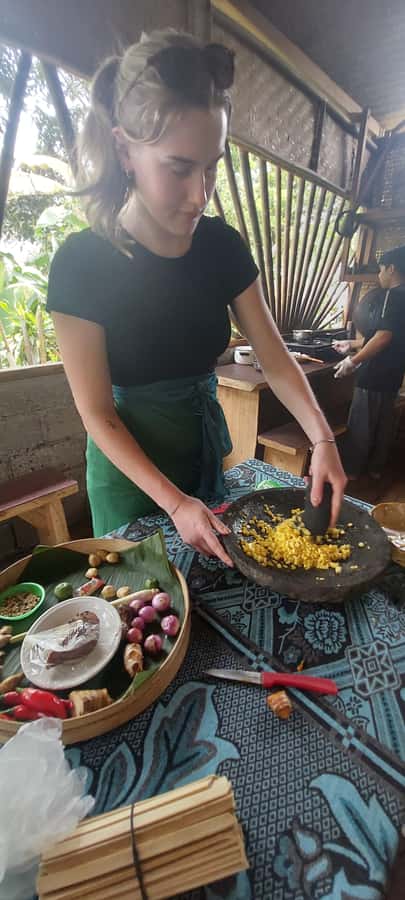
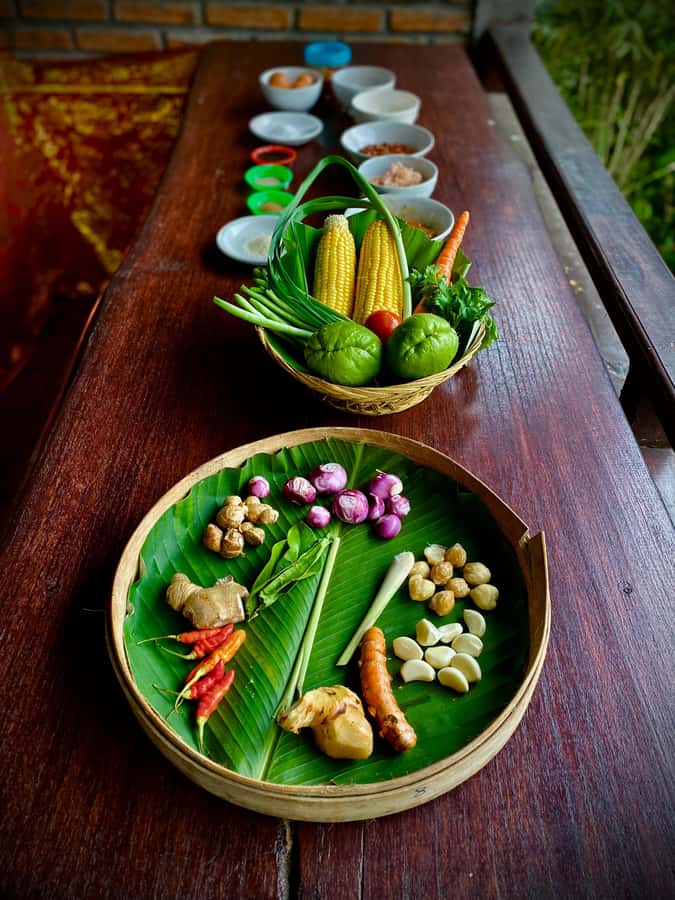
If you want to understand Balinese cooking, learn this: it’s built on a spice foundation. In this class, that foundation is Balinese Spice Paste (Base Genep)—made from fresh ingredients like turmeric, ginger, galangal, shallots, garlic, lemongrass, and chili.
That paste isn’t just a flavor detail. It’s the heart of how many Balinese dishes taste unmistakably Balinese. Even if you only take one cooking skill home, Base Genep gives you a repeatable way to build flavor.
From there, you work on multiple dishes that turn into your meal. The class centers on Nasi Campur, a colorful plate made from several small dishes served together. Think of it as a full Balinese lunch spread in one sitting: you learn, you cook, and then you eat everything as a coordinated plate.
The dish lineup: flavors, textures, and why each one matters
Here’s what you can expect to cook. The menu can vary by class, but the traditional dishes below are the backbone of the experience.
Sate Lilit (fish or chicken with herbs and coconut)
You’ll mix minced fish or chicken with fresh herbs and grated coconut, then shape it around bamboo sticks and grill it. What makes it special is the texture: it’s not just skewered meat—it’s minced, seasoned, and fragrant, with coconut adding richness.



Bergedel (golden fried potato patties)
You’ll make Bergedel, a fried potato patty that lands crisp outside and savory inside. It’s the kind of dish that makes your kitchen feel rewarding fast, because once you form and fry, you can see the result quickly.
Balinese Vegetable Stir-Fry
You’ll cook seasonal vegetables with aromatic spices. This is where the class balances the heavier fried and grilled items. It also helps you understand how Balinese spice paste and chili flavors pair with vegetables instead of overpowering them.
Balinese Soup (Jukut Jepang)
You’ll prepare a comforting soup made with chayote (jepang) and herbs/spices. This one matters because it shows a lighter side of Balinese flavors—something soothing alongside richer dishes. In a meal like Nasi Campur, this kind of dish is the palate-cleanser.
Putting it all together as Nasi Campur
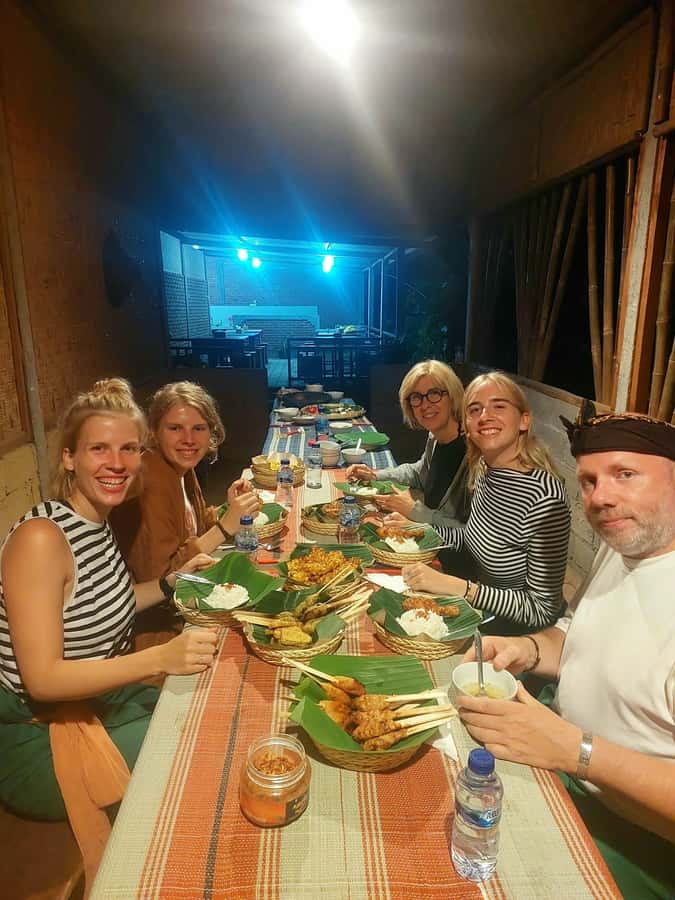
After cooking, you eat what you made, served in a relaxed home setting. The point isn’t just to fill your stomach. It’s to experience the logic of Balinese meals: multiple flavors, multiple textures, all working together on one plate.
Spice level, MSG, and diet options that keep it practical
This class is upfront about comfort. Meals are adjusted for international palates so they’re flavorful without being brutally spicy. Still, chili is part of the culture and you’ll likely taste it even in moderated versions.
One detail I really appreciate: the cooking uses no MSG and focuses on fresh, natural ingredients. That matters if you’re sensitive to flavor enhancers or if you just want your food to taste like real ingredients, not chemical shortcuts.
Diet support is also built into the experience, not tacked on. You can request vegetarian or vegan menus, and there are allergy-friendly alternatives if you can’t have meat, wheat/flour, peanuts, or eggs.
Practical move: when you book, tell them what you need clearly. The more exact your restriction (for example, wheat vs. “bread”), the easier it is for the menu to match your day.
Lunch vs dinner: when to pick your slot
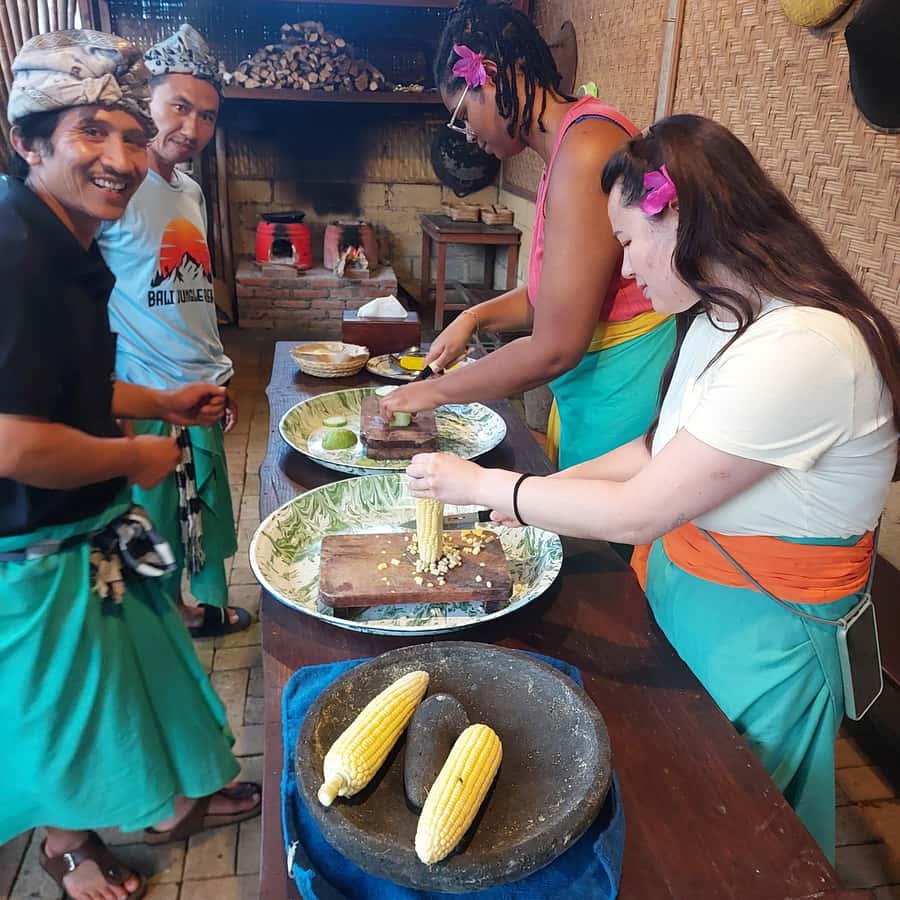
The experience runs about 2–3 hours, and you can do it as either lunch or dinner. If you’re traveling around Bali by day, lunch can work well because you finish early enough to keep exploring. Dinner can be great if you want a calmer evening and a meal that feels like a story, not just a stop.
If you’re hoping for the most relaxed pace, choose the time that fits your energy. Cooking takes attention—your hands, your senses, and the whole flavor-building process. You’ll enjoy it more when you’re not rushing from another activity.
Getting there: pickup, meeting point, and what to bring
Meeting point can vary depending on the option you book. If you select pickup, the team will collect you from your hotel and text you to confirm the address. Since Bali’s neighborhoods and roads can be tricky, this kind of door-to-door help is genuinely useful.
Bring these items:
- Sun hat
- Camera
- Comfortable clothes (you’ll be moving around while cooking)
- Insect repellent
And one real safety note: the experience isn’t suitable for altitude sickness. If that’s ever been an issue for you, don’t “test it” with this one.
Value check: why $18 can be fair (and when it isn’t)
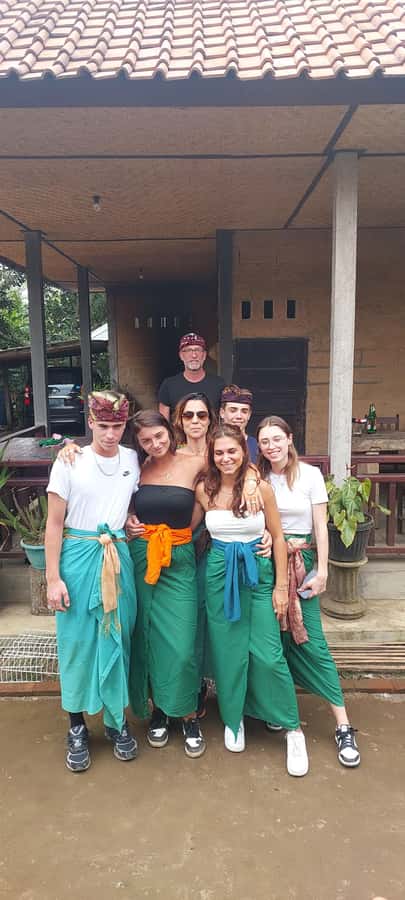
At $18 per person for a 2–3 hour cooking class with a shared lunch/dinner, you’re paying for more than a meal. You’re paying for instruction, ingredients, equipment, and the fact that it’s happening inside a family home.
You also get:
- all ingredients and cooking equipment
- fresh local ingredients
- authentic Balinese recipes
- drinking water
- lunch or dinner
- pickup and drop-off if you choose that option
So where’s the value? It’s in the full package: cooking + eating + cultural context + practical recipes you can repeat.
When might it feel less worthwhile? If you’re only looking for a quick photo-stop or you’re not interested in learning how the dishes are built. This is best when you want to cook, not just watch.
Also, double-check your expectations about spice and diet. The class can adjust, but it works best when you’re specific about what you need.
Who should book this Munduk cooking class?
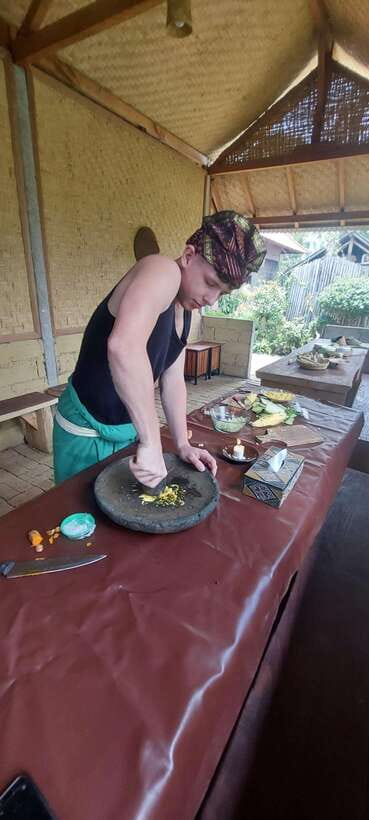
This is a great fit if you want:
- a hands-on Bali experience that feels grounded and local
- to learn how Base Genep drives flavor
- a real home-cooked meal built around Nasi Campur
- a kind teaching approach, even if your cooking background is zero
- vegetarian/vegan or allergy-friendly options available by request
It’s especially appealing if you’re staying in or near northern Bali areas, because Munduk itself is a nice change from the usual coastal rhythm.
If you hate cooking, or you need a very quiet, sit-and-watch type of activity, this may not be your best match. This class asks you to participate with your hands.
Should you book it?
Yes—if your idea of a good Bali day includes learning food from the inside out. You get real cooking skills, a meal that’s more interesting than restaurant copycats, and the kind of warm home atmosphere that’s hard to replicate.
Book it if:
- you want Balinese cooking taught in a human, relaxed way
- you care about fresh ingredients and no MSG
- you want clear diet options (vegetarian/vegan/allergy-friendly)
- you’re excited to build a Nasi Campur plate from multiple dishes
Skip it if:
- altitude sickness is a concern for you
- you want only a quick snack experience
- cooking hands-on isn’t your thing
If you choose the right time slot and come prepared with a hat, repellent, and an open mind, this is one of those experiences that sticks with you long after the last bite.
FAQ
How long is the Munduk Balinese cooking class?
It lasts about 2 to 3 hours.
What is the price per person?
The price is $18 per person.
Is lunch or dinner included?
Yes. Your booking includes lunch or dinner, depending on the time you choose.
What dishes will I cook during the class?
You’ll prepare traditional Balinese dishes such as Sate Lilit, Bergedel, Balinese vegetable stir-fry, Balinese soup (Jukut Jepang), and you’ll make Base Genep spice paste as part of the cooking.
Are there vegetarian, vegan, or allergy-friendly options?
Yes. Vegetarian and vegan menus are available on request, and there are alternatives for guests with restrictions including no meat, wheat/flour, peanuts, or eggs.
Does the class use MSG?
The cooking uses no MSG.
Do you provide hotel pickup?
Pickup is optional. If you select it, the team will pick you up from your hotel and text you to confirm the address.
What should I bring with me?
Bring a sun hat, camera, comfortable clothes, and insect repellent.
Is it suitable for altitude sickness?
No, it is not suitable for people with altitude sickness.