Ubud hits hard in one day. You get temple-and-palace culture, close-up monkey energy, and then the big green scenery stop at Tegenungan Waterfall and the Tegallalang Rice Terraces. The route makes sense: you start with craft in Celuk, then shift into Ubud’s royal and market side, and finish with nature that feels like a reset button.
Two things I like a lot: the tour is private with a driver-guide, so you can move at a human pace instead of being herded. And the mix is smart—Monkey Forest plus rice terraces plus a waterfall means you’re not just repeating the same kind of sight.
One thing to consider: entrance tickets and lunch cost extra, and you’ll spend a lot of the day outside. If you’re dealing with a bad back or you need gentler walking, this route may feel too much.
In This Review
- Key points worth knowing
- Ubud in one day: how the rhythm actually works
- Celuk Village: gold and silver craft you can actually picture
- Ubud Monkey Forest: how to enjoy the chaos safely
- Ubud Royal Palace: Balinese traditional house style and palace grounds
- Ubud Art Market: souvenirs with real local flavor
- Tegallalang Rice Terraces: views that reward slow walking
- Tegenungan Waterfall: a valley view with real payoff
- Price and logistics: what $30 buys (and what it doesn’t)
- Who should book this Ubud Monkey Forest, Palace, and Terrace day?
- Should you book this Ubud full-day tour?
- FAQ
- Which stops are included in the tour?
- Are entrance tickets included in the price?
- Is there hotel pickup and drop-off?
- Is this a private tour, and how many people fit in the car?
- Is lunch included?
- What should I bring for this day?
- Are there any rules about what I can do during the tour?
- Can I reserve and pay later, and what’s the cancellation window?
Key points worth knowing
- Celuk Village shows how gold and silver craft is made in everyday work, not just as a souvenir pitch.
- Ubud Monkey Forest is a real small rainforest where you’ll see monkeys close up (and you’ll want to follow the basics to stay safe).
- Ubud Royal Palace gives you a clear look at traditional Balinese house-style and palace grounds.
- Tegallalang Rice Terraces are best when you take your time—views change with the angle and the light.
- Tegenungan Waterfall sits in a small valley, so the water view feels tucked-in rather than like a distant postcard.
- Private car for up to 4 people keeps the day smooth, with hotel pickup and drop-off baked in.
Ubud in one day: how the rhythm actually works
This tour is built around flow. You won’t be bouncing randomly across the island. You start in the craft area first, then move through Ubud’s cultural core, and only after that do you go for the green, watery payoff.
Expect a day that feels full from start to finish. The upside is you leave with a rounded sense of Ubud: art and making (Celuk), living tradition (the palace), local shopping (Art Market), then the classic Bali nature circuit (rice terraces and waterfall).
Also, it’s private, which matters more than it sounds. You can ask your English-speaking driver-guide questions as you go, and you’re not trapped in a rigid group schedule. Several drivers on similar tours have shown real flexibility—like swapping one stop order or adjusting the route—so the day can fit your pace better than a fixed bus tour.
The biggest practical tip: plan your photos in your head. You’ll hit several “wow” moments, and the only way to get good shots without rushing is to take breaks at the right times—usually after the first view at each spot.
You can also read our reviews of more tours and experiences in Ubud.

Celuk Village: gold and silver craft you can actually picture
Celuk Village is known for traditional gold and silver handicrafts. The value here isn’t only the final products in a shop window. It’s watching (or learning about) the craft behind them—how the work is done and why the designs look the way they do.
This stop works well early in the day. You’re fresher, the light is often better for seeing details, and you’re not already tired from walking in tourist heat. If you like souvenirs that feel like more than a logo or a mass-made trinket, this is where you’ll shift from shopping to understanding.
A smart way to use this time: focus on process questions. Ask what makes the craft distinct, how pieces are made, and what types of items people bring home. Your driver-guide is there to help you connect the dots, especially since the tour includes an English-speaking guide.
Two practical notes:
- Bring some patience if you want explanations. Craft takes time, and good work doesn’t feel rushed.
- Keep an eye on what you buy—if you’re carrying things later to the waterfall and terraces, you’ll want a simple, secure plan.
Ubud Monkey Forest: how to enjoy the chaos safely
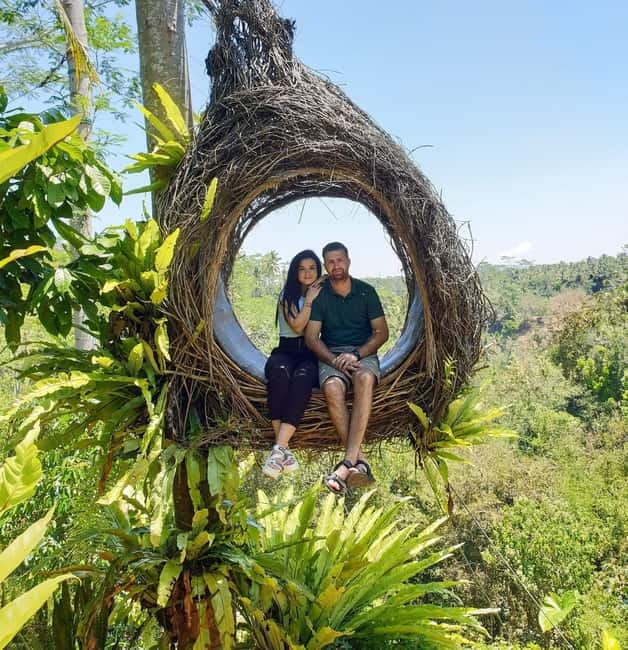
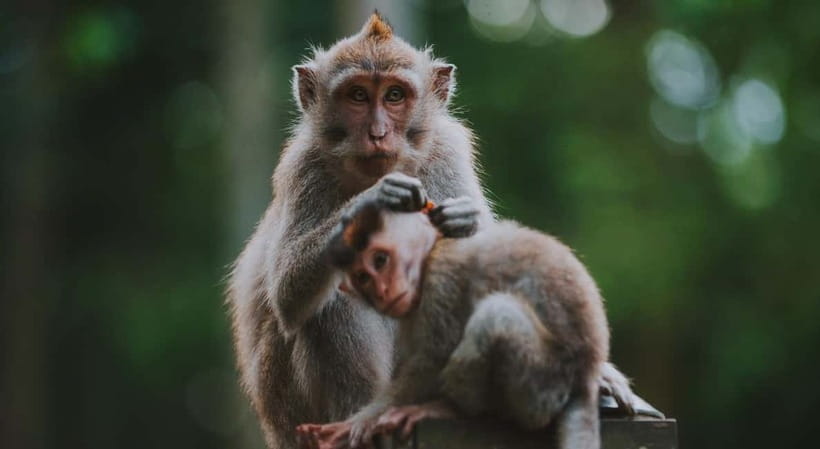
If you’ve ever seen monkeys on TV, you’re probably imagining a zoo. This is not that feeling. The Ubud Monkey Forest is a small rainforest area where macaques live around visitors, and you’ll get that up-close energy the second you step in.
Here’s what I’d tell you to do: treat it like an animal place, not a photo set. Keep your belongings secure. Be calm. Don’t startle them. And follow whatever rules staff share on-site, because behavior changes fast in a place like this.
What makes this stop special is the contrast with the rest of the day. One minute you’re in cultural spaces, the next you’re in a leafy, noisy environment where monkeys bounce between paths. It can be funny, it can be a little stressful—especially if you’re nervous around animals—but the best experience comes from staying steady and letting them come to you.
If you want great photos, don’t try to out-rush the monkeys. Pause where other visitors have space, keep your feet planted, and wait for natural moments—like when they move between trees or interact with the ground area.
And yes, it’s normal to feel uneasy at first. Once you realize they’re part of the environment, not an attack, your brain relaxes and the experience turns into a story you’ll remember.
Ubud Royal Palace: Balinese traditional house style and palace grounds
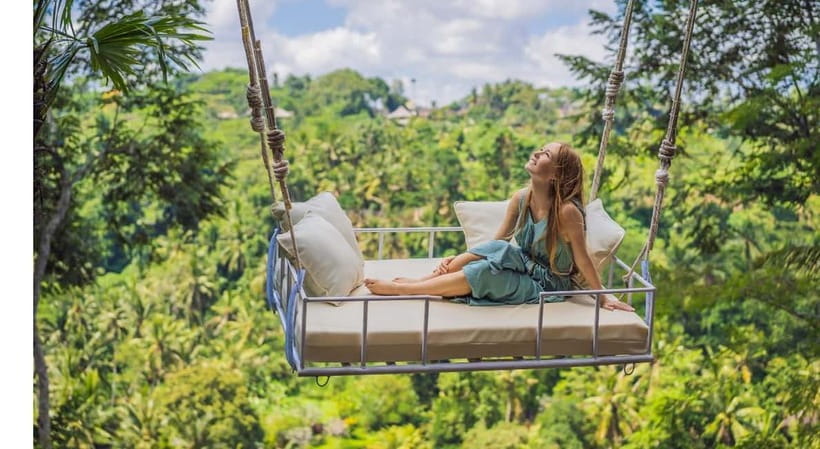
The Ubud Royal Palace stop adds context. After craft and monkeys, the palace feels like a slower chapter—more structure, more “this is how people lived and governed,” and less chaos.
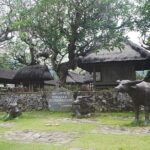
You’ll admire traditional Balinese traditional houses that make up the residence of the Ubud King. That phrase matters because it changes how you look at the site. You’re not just staring at old buildings; you’re noticing the house-style living elements that define Balinese architecture.
What I like about this stop is that it anchors the day. You start to understand why the market exists, why craft matters, and why certain traditions show up again and again in Ubud. It turns your photos from random points into a theme.
Practical tip: dress and behave respectfully. This is a palace setting, and even if you’re just passing through, your attitude should match the place.
If you already know you prefer fewer stops, the palace is a good place to linger. It’s easier to take your time here than it is in the more traffic-heavy shopping zones.
Ubud Art Market: souvenirs with real local flavor
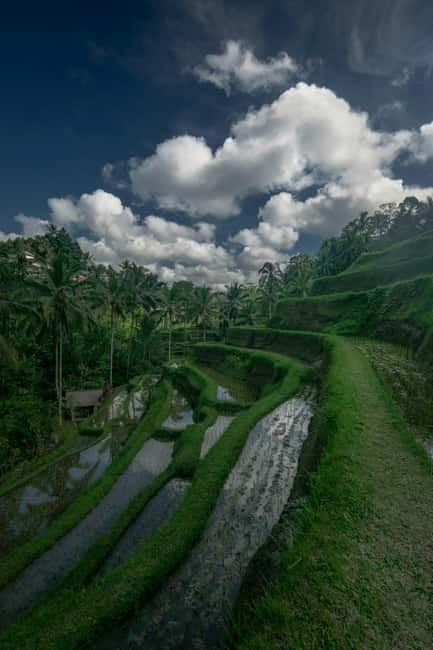
The Ubud Art Market is where the day shifts into spending mode. It’s also where you can get practical gifts that fit your trip—think small items you can carry easily back home.
This is a good stop for browsing because you’ll already have seen the craft side earlier in Celuk. Now you can compare what you understand (gold and silver handicrafts) with what’s available in the market. If something catches your eye, you’re better able to judge quality and style.
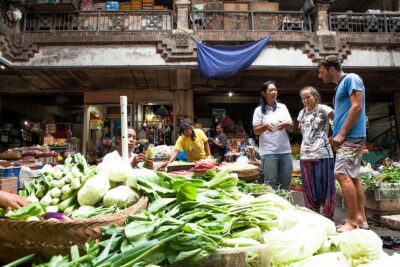
A strategy that works: set a simple target before you enter. Pick one category—small carvings, textiles, or accessories—and don’t wander endlessly. Markets can expand your attention in a hurry, and you’ll spend energy you could save for rice terraces and the waterfall.
Also, keep your bargaining mindset calm. You’re not trying to “win” every purchase. You’re looking for a fair price for a fair item, especially since you’re paying for souvenirs during a day that includes multiple paid attractions.

Tegallalang Rice Terraces: views that reward slow walking

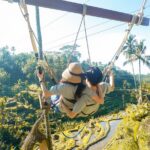
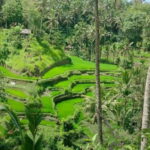
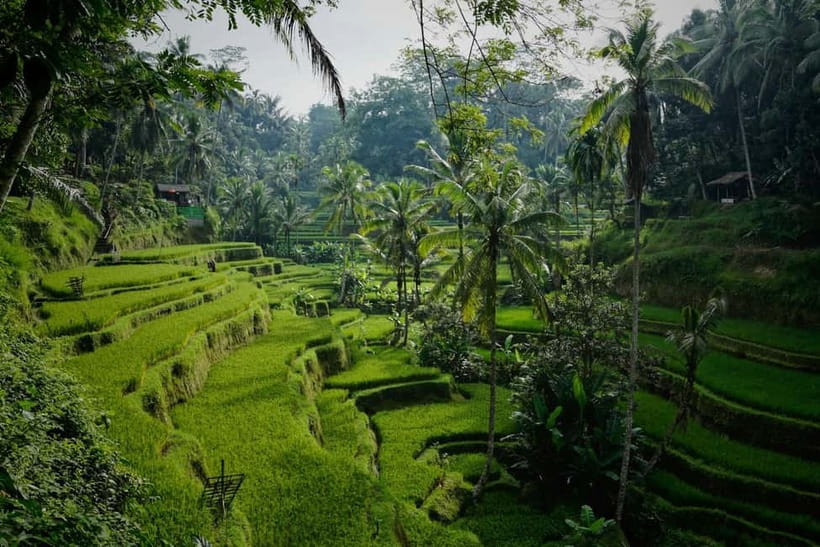
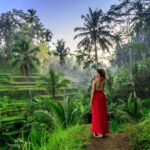
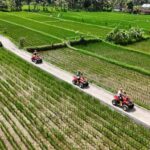
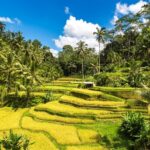
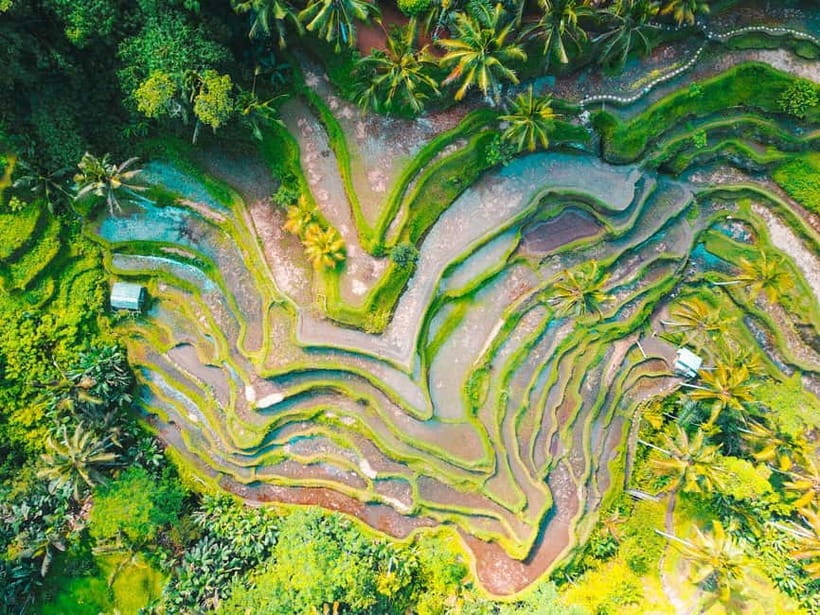
Tegallalang Rice Terraces are one of those places where the views change as you move. What looks like a single “pretty scene” turns into layers of steps and green bands once you’re closer.
The value of this stop is not only the photo. It’s the sense of living work in the scenery. The terraces aren’t just scenery; they’re part of how people grow food and shape the land.
If you want the best results, don’t rush the first viewpoint. After you take the initial photos, take a slow walk, find a new angle, and let your eyes adjust. You’ll notice different depth cues—how paths drop away and how terrace edges catch the light.
Footwear matters here. Even if you don’t see “danger,” uneven ground and slippery spots can happen. Move carefully, especially if you’re carrying a bag or a camera tripod.
And plan your timing. If your day is already hot, this is a great place to slow down and take short water breaks before the waterfall leg.
Tegenungan Waterfall: a valley view with real payoff
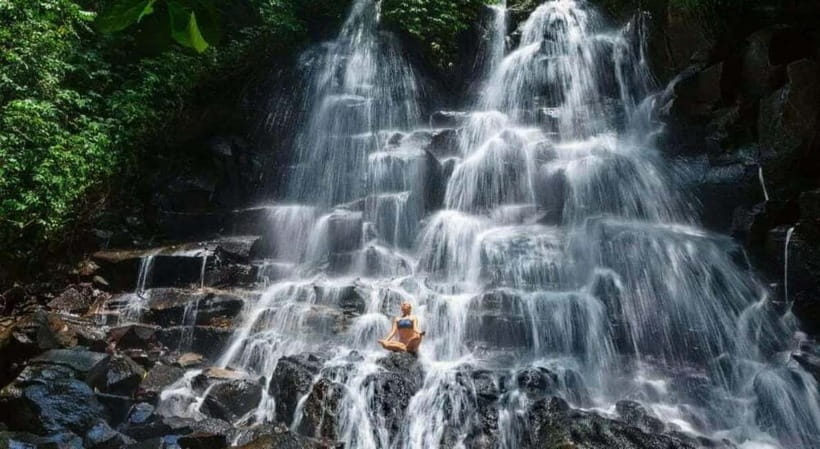
After terraces, the Tegenungan Waterfall stop feels like relief and excitement at the same time. The waterfall is located in a small valley, which helps the view feel closer and more focused, rather than distant and spread out.
This is where the day becomes about sound and motion. Even when you’re just standing for photos, you’ll feel the place in a physical way—cooler air, rushing noise, and that “I’m here” feeling you can’t get from pictures.
A useful thing to know: this stop can mean wet and slippery ground nearby. Wear shoes you trust. Bring insect repellent because you’re in a nature area, and even if the day is comfortable, insects can still be around.
If you’re trying to take a calm break, the waterfall often gives you an automatic pause. People tend to slow down there, partly because the view demands it and partly because you don’t need to do anything but watch and breathe for a moment.
Price and logistics: what $30 buys (and what it doesn’t)
At $30 per person, this is a budget-friendly way to pack major Ubud highlights into one day—especially because the tour includes hotel pickup and drop-off, a private car with air conditioning, and an English-speaking driver-guide.
But here’s the line you need to understand: entrance ticket destination fees aren’t included, and lunch isn’t included. That means your real day cost depends on the specific attractions’ entrance prices. Plan for extra spending at ticket counters and keep a little cash or card ready.
The included items are the kind that save hassle:
- Mineral water
- Ticket parking fees
- Fuel
- Private tour setup (not shared with strangers)
- Maximum 4 people in one car, which keeps things comfortable
The practical question is value: do you want a single-day circuit that covers a lot without driving yourself? If yes, this is good value. If you’d rather explore at your own pace and only pick two sites, you might spend less by building your own route.
Also, the day starts with pickup based on where you specify. You’ll need to prepare your order barcode for verification before the activity runs—small step, but worth doing so the morning doesn’t get chaotic.
Who should book this Ubud Monkey Forest, Palace, and Terrace day?
This tour fits best if you want a “greatest hits” day without stress. I’d point you toward it if:
- You like variety: craft, animals, palace culture, shopping, and nature in one loop.
- You want a driver-guide who can answer questions in English and keep the day flowing.
- You prefer a private car with up to 4 people, not a full group bus.
It’s also a good first Ubud visit. You’ll leave with a mental map of where things are and what you actually enjoy.
Skip it or think twice if:
- You have back problems (the tour isn’t positioned for that).
- You have altitude sickness concerns (this tour notes it isn’t suitable).
- You’re over 95 years old (not suitable per tour info).
- You hate animal situations. The monkey forest is the playful highlight, but it can feel stressful if you don’t like close encounters.
One last “read this before you go” note: bring sunscreen and insect repellent, and plan for a change of clothes. Waterfall areas and humid garden walks are the kind of combo that soaks you faster than you expect.
Should you book this Ubud full-day tour?
If you’re trying to maximize your time in Ubud and you want the day handled—pickup, car, English guide, and a route that makes sense—this is an easy yes. The private setup, combined with the mix of Celuk craft, Monkey Forest, Royal Palace, and the natural punch of Tegallalang and Tegenungan, makes it feel like real value for the money.
If your travel style is slow and solo-heavy, or if you only care about one or two stops, you may be better off picking fewer destinations to reduce ticket costs and walking time. But for a first Ubud day, this circuit is hard to beat: you’ll see the recognizable highlights and still get time to enjoy them.
FAQ
Which stops are included in the tour?
The tour includes Celuk Village, Ubud Monkey Forest, the Ubud Royal Palace, Ubud Art Market, Tegallalang Rice Terraces, and Tegenungan Waterfall.
Are entrance tickets included in the price?
No. Entrance tickets for the tourist attractions are not included in the tour price.
Is there hotel pickup and drop-off?
Yes. The tour includes hotel pickup and drop-off.
Is this a private tour, and how many people fit in the car?
Yes, it’s a private tour. The car accommodates a maximum of 4 people.
Is lunch included?
No. Lunch is not included.
What should I bring for this day?
Bring change of clothes, sunscreen, and insect repellent.
Are there any rules about what I can do during the tour?
Smoking in the vehicle is not allowed, and alcohol and drugs are not allowed. Alcoholic drinks are also not allowed in the vehicle.
Can I reserve and pay later, and what’s the cancellation window?
You can reserve and pay later. Cancellation is allowed up to 24 hours in advance for a full refund.