You start with a shopping list. I like that the guided market tour in Ubud sends you to local vendors first, so your meal starts with real choices. The whole farm-to-table idea feels practical from the beginning, not just a buzzword.
Next comes the hands-on cooking. You’ll use organic, farm-fresh ingredients and follow a local expert as you cook, with a recipe PDF included so the dishes can follow you home.
One caution: at $47.31 per person, the value depends on how your final total lands for you. If you’re the type to hunt for the cheapest cooking class in Bali, you’ll likely want to compare all-in prices before booking.
In This Review
- Key Highlights at a Glance
- Farm-to-Table Cooking in Ubud: What Makes This 3.5-Hour Class Different
- Guided Market Tour: Picking Ingredients Like a Local
- Organic Farm-Fresh Cooking: The Hands-On Class That Actually Teaches
- Visiting a Balinese Family Home: A Daily-Life Check-In
- Lunch You Cook: Eating the Results, Not Just Learning Them
- Price and Value in the Real World (Including the Currency Surprise)
- Who Should Book This Ubud Farm-to-Table Experience
- Practical Tips Before You Go (From What the Tour Requires)
- Should You Book It?
- FAQ
- How long is the cooking experience in Ubud?
- What is included in the ticket price?
- Is pickup and drop-off offered?
- How many people are in the group?
- What happens if the weather is poor?
- What is the cancellation policy?
Key Highlights at a Glance
- Guided market ingredient shopping in Ubud, with you choosing what goes into the dishes
- Organic farm-fresh cooking, using ingredients tied to the farm-to-table concept
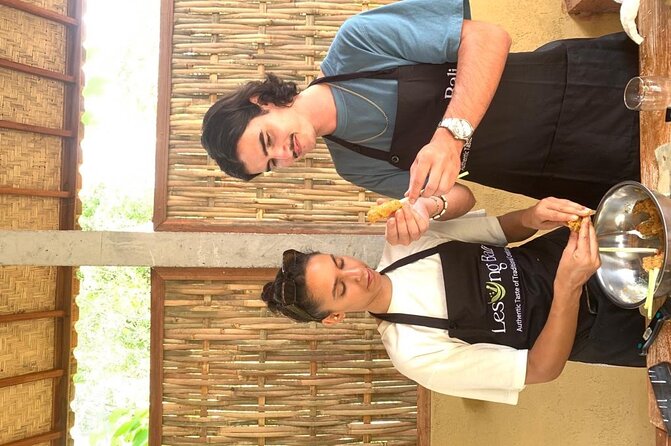
- Hands-on class with a local expert, not just watching from the back
- A visit to a Balinese family home, for a window into daily life
- Lunch included, so you eat what you helped make
- Small group size (max 15), which usually makes hands-on instruction feel more personal
Farm-to-Table Cooking in Ubud: What Makes This 3.5-Hour Class Different
This is a 3 hours 30 minutes Ubud experience that blends four things in one flow: market shopping, cooking, a home-life visit, and lunch. That structure matters because it turns a cooking class into a mini day about how food moves through daily Balinese life—where ingredients come from, who grows them, and how families eat.
The setting is outside the classroom too. While you cook and wait for your dishes to come together, you get countryside views, which makes the whole rhythm feel calmer than a kitchen-in-a-building setup.
Small group size can also change the vibe. With a maximum of 15 travelers, you’re less likely to feel like a number, especially during hands-on steps.
The price point is the real question. The listed cost is $47.31 per person, and one past shopper flagged that the trip can feel expensive once the final amount lands for them.
You can also read our reviews of more tours and experiences in Ubud.



Guided Market Tour: Picking Ingredients Like a Local
The first major stop is the guided market tour, where you select fresh ingredients directly from local vendors. This is where the value starts to show, because you’re not just learning recipes—you’re seeing how cooks build meals from what’s available that day.
I like this part because it forces you to pay attention. You naturally think about what’s fragrant, what looks ripe, and what ingredients are common in Balinese cooking. Even if you’re not memorizing names, you’ll start recognizing patterns.
It also sets you up for the farm-to-table promise later. When your cooking class is based on ingredients you helped choose, it’s easier to understand why certain flavors show up again and again in local dishes.
A practical note: you’ll want to arrive ready to walk a bit in the market environment. This is not a sit-down lecture start.
Organic Farm-Fresh Cooking: The Hands-On Class That Actually Teaches
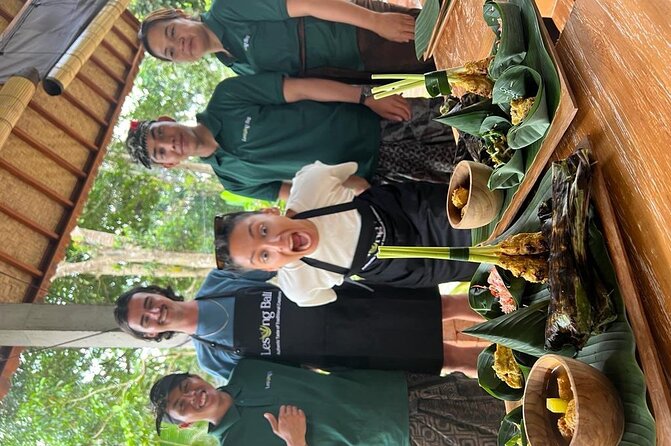
After the market, you shift into a hands-on cooking class with a local expert. The big theme here is organic, farm-fresh ingredients, harvested from the farm as part of the experience.
That matters because it changes how you think about cooking. Instead of working with ingredients that feel interchangeable, you’re using produce chosen for freshness and typical local use. The class is built to connect those ingredients to finished dishes, not just to teach techniques in isolation.
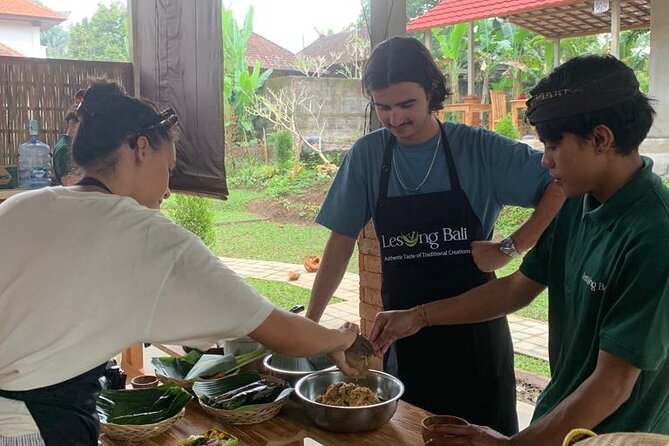
You’ll be actively cooking, not passively watching. That keeps the time moving, and it gives you a stronger sense of achievement at the end when you sit down to eat.
One more useful detail: the tour includes a recipe PDF. That’s a big deal for real-world value. Cooking classes can be fun, but you often forget parts at home. A written recipe you can reference helps you turn the experience into something you can repeat.
One thing to keep in mind: the tour says it requires good weather. That matters most for outdoor cooking windows and the views you’ll expect to enjoy.
Visiting a Balinese Family Home: A Daily-Life Check-In
Between cooking and lunch, you visit a local Balinese family in their home. This part is valuable because it shifts the focus from food-as-performance to food-as-routine.
Home visits are where you usually learn what doesn’t get mentioned in cooking demos: how people live, how families structure their days, and what kinds of habits show up around cooking and eating. In this experience, the home stop is presented as insight into daily life and the island’s way of living.
Just remember that home visits are intimate. Keep a respectful tone, and go in with curiosity rather than a checklist.
Also, the tour keeps the overall timing tight at about 3.5 hours. That can feel like a whirlwind if you prefer slow travel, but it helps you fit the experience into a normal Ubud day.
Lunch You Cook: Eating the Results, Not Just Learning Them
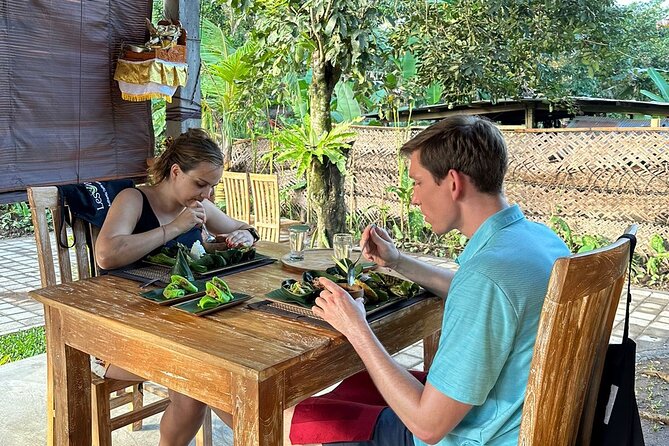
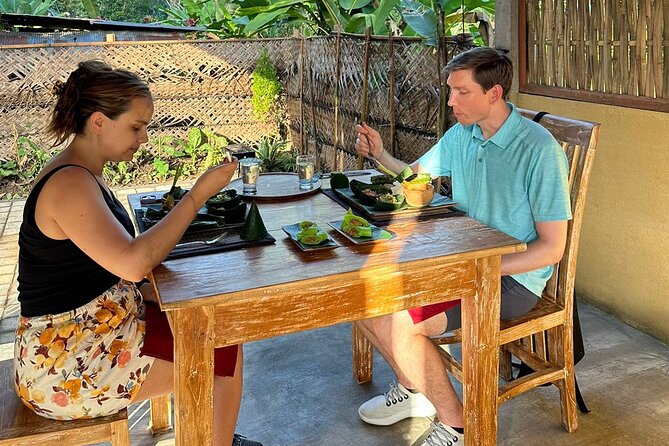
The final payoff is lunch, and it’s included. This isn’t a generic buffet stop where you leave with an empty stomach. You sit down to enjoy the dishes you helped prepare, which is the best kind of learning: immediate.
Having lunch included also changes the value math. In many cooking classes, the meal is the part you’d otherwise have to pay for separately. Here, lunch and bottled water are part of the package.
You’ll likely feel more connected to the food because you just worked with the ingredients. Even if some flavors are new to you, you’re eating with context.
For best results, pace yourself from the start. If you snack heavily at the market, you may not taste as clearly during the meal.




Price and Value in the Real World (Including the Currency Surprise)
At $47.31 per person, this looks like a mid-range cooking experience for Ubud. Whether it feels like a good deal depends on what you compare against and what’s included in your final price.
Here’s what you do get, based on the tour info:
- Lunch
- Bottled water
- Pickup and drop-off in the Ubud area
- Recipe PDF
- A structured day with market tour, hands-on cooking, and a family home visit
- Group size capped at 15 travelers
That package is where the value argument lives. When a class includes transportation within Ubud, an actual meal, and a take-home recipe, you’re paying for more than the cooking station.
One review flagged a drawback: the experience can end up feeling too expensive once the total becomes higher for them (they mentioned being charged around $AUD180). That’s the reminder to check your final all-in cost and understand how conversion and any charges apply to your booking.
If you want the cheapest cooking class available, you may find alternatives. If you want a more structured farm-to-table flow with pickup, lunch, and a recipe, this price may start to make sense.
Who Should Book This Ubud Farm-to-Table Experience
I think this fits best if you want more than a kitchen activity. You’ll enjoy it if you care about:
- Ingredient sourcing (market first, then cooking)
- Hands-on cooking with organic, farm-fresh ingredients
- A calmer pace that still packs a lot into 3 hours 30 minutes
- A cultural stop beyond food, with the family home visit
It’s also a good match for couples and small groups because the max group size is 15. If you’re hoping for lots of personal attention during cooking steps, smaller groups help.
If you’re traveling with a very strict budget, you should compare options. Based on the feedback about price feeling high, the category can be sensitive to how much you get for your money.
Practical Tips Before You Go (From What the Tour Requires)
This experience requires good weather. If conditions are poor, the tour says you’ll be offered a different date or a full refund, so treat the day before as a reality check for planning.
You’ll receive confirmation at booking, and you’ll use a mobile ticket. That means you’ll want your phone accessible on the day.
Pickup is included, but it’s specifically for the Ubud area. If you’re staying outside that zone, you may need to coordinate your logistics separately.
Finally, the tour includes the recipe PDF. If you care about recreating meals later, take a minute during or right after lunch to save any details you might want to try again.
Should You Book It?
Book this if you want a farm-to-table Ubud experience that connects ingredient shopping, hands-on cooking, lunch, and a family home visit in one tight schedule. The included lunch, pickup/drop-off, and recipe PDF make it more than just a cooking demo.
Don’t book it blindly if price is your top priority. The experience has enough moving parts that it can feel worth it for some people, but one past shopper thought it was too expensive once the final total landed. If you’re price-checking, compare all-in totals and what’s actually included.
If your ideal day in Ubud is food-focused and you like the idea of starting at the market, this is a strong choice.
FAQ
How long is the cooking experience in Ubud?
It runs for about 3 hours 30 minutes.
What is included in the ticket price?
Lunch, bottled water, pickup and drop-off in the Ubud area, and a recipe in PDF format are included.
Is pickup and drop-off offered?
Yes. Pickup and drop-off are included for the Ubud area.
How many people are in the group?
The tour has a maximum of 15 travelers.
What happens if the weather is poor?
The experience requires good weather. If it’s canceled due to poor weather, you’ll be offered a different date or a full refund.
What is the cancellation policy?
You can cancel for a full refund up to 24 hours before the experience starts. If you cancel less than 24 hours before, the amount paid is not refunded.