Cooking over the water in Nusa Dua hits different. This short, small-group class turns Balinese food into something you can actually recreate at home, with ocean views and a hands-on chef-led flow that stays lively. You also get a market tour in the morning option, which makes the ingredients feel real instead of random.
I especially like that you cook a full set of 12 Balinese menus rather than just one highlight dish, and that the day comes with take-homes like a recipe book and certificate. One thing to consider: drinks aren’t included, and beer or other alcohol would be an extra cost (and alcohol and drugs aren’t allowed during the experience).
In This Review
- Key Highlights Worth Your Time
- Nusa Dua’s Sea-View Kitchen: The Real Appeal
- Morning Market Tour vs Afternoon Cooking: Timing That Works
- The 12-Dish Menu: What You’ll Actually Cook
- Spice Paste Mastery: Base Genep to Be Pasi(h)
- Lunch or Dinner and the Take-Home Set
- The Chef and the Small-Group Advantage (Teddy’s Impact)
- Price and Value: Is $86 Worth It?
- Who This Balinese Cooking Class Fits Best
- Practical Tips: What to Bring and How to Prepare
- Should You Book This Nusa Dua Balinese Cooking Class?
- FAQ
- How long is the Nusa Dua Balinese cooking class?
- Is there a market tour included?
- What time are the two class options?
- Does the class include lunch or dinner?
- What dishes do I cook during the class?
- Is the instruction in English?
- What should I bring, and what is not allowed?
Key Highlights Worth Your Time
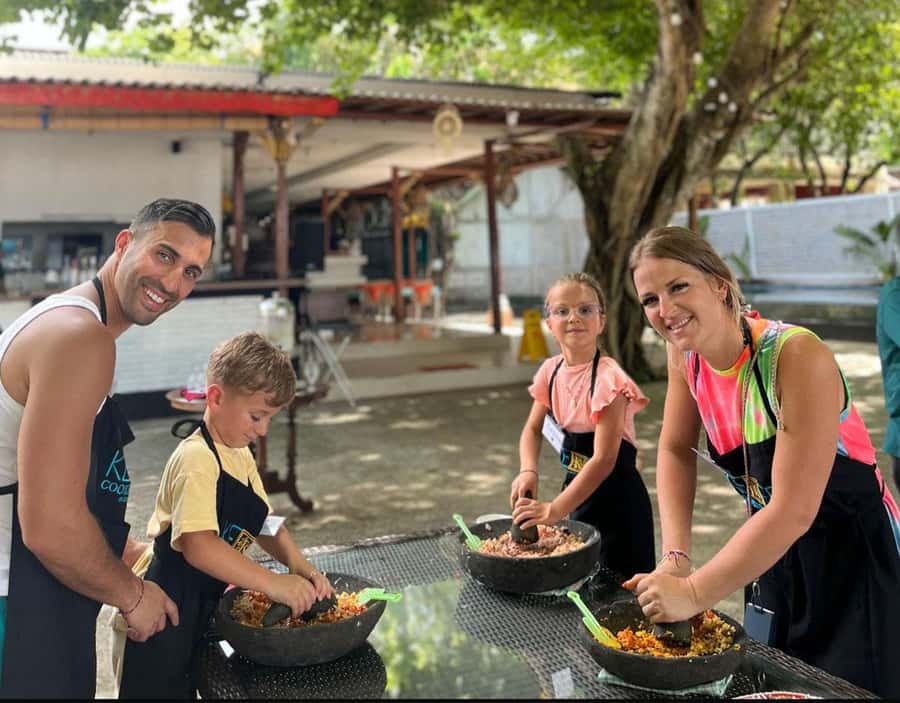
- Market tour included on the morning class so you see ingredients before you cook
- Small group up to 10 participants for more hands-on attention
- 12-menu cooking lineup, from spice paste to fried classics and a coconut pancake
- Chef guidance in English, with friendly, fun instruction
- Sea-view setting plus welcome tea and a snack to settle you in
Nusa Dua’s Sea-View Kitchen: The Real Appeal
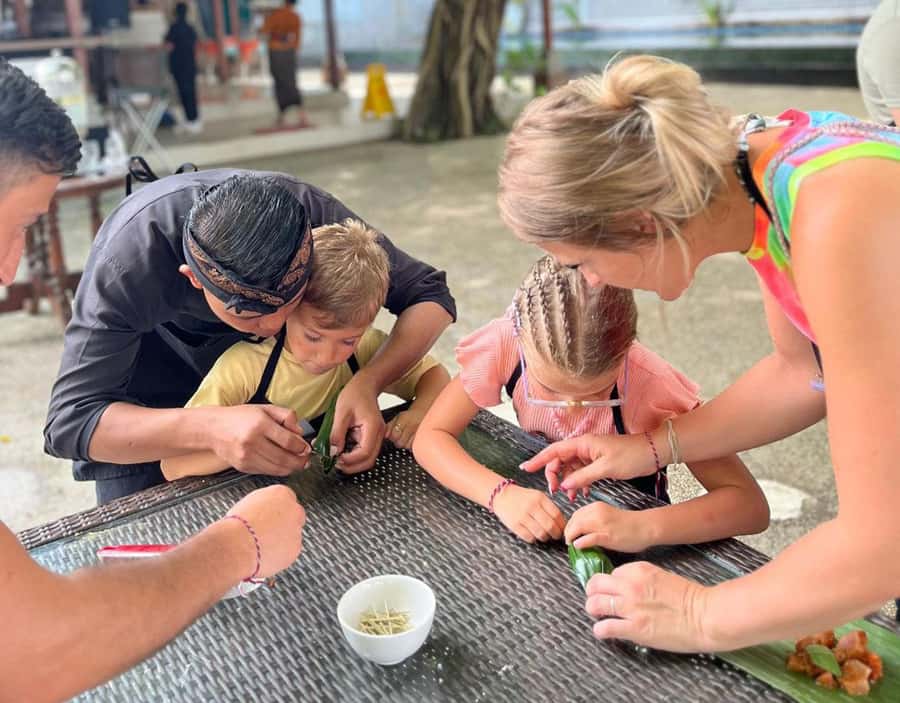
This isn’t a stand-and-watch show. It’s a chef-led Balinese cooking class in Nusa Dua that’s built around doing. The setting matters too: you’re cooking with ocean views, so the experience feels relaxed and special instead of rushed. That matters in Bali, where you can easily end up with tours that feel like a transfer job more than a day out.
The structure also keeps things friendly. With a group limited to 10 participants and instruction in English, you’re not fighting for attention while you chop, mix, and learn the dish basics. And the vibe is helped along by the inclusion of welcome tea and a snack, which is a simple touch that makes the first 20 minutes feel like you’ve arrived somewhere comfortable, not like you’re just waiting to start.
The other “quiet win” here is the chef’s role. Based on what you’ll hear from guides like Teddy, the instruction is meant to be fun, not intimidating. When the kitchen feels approachable, you’re more likely to remember what you did after the class ends.
You can also read our reviews of more tours and experiences in Indonesia.



Morning Market Tour vs Afternoon Cooking: Timing That Works
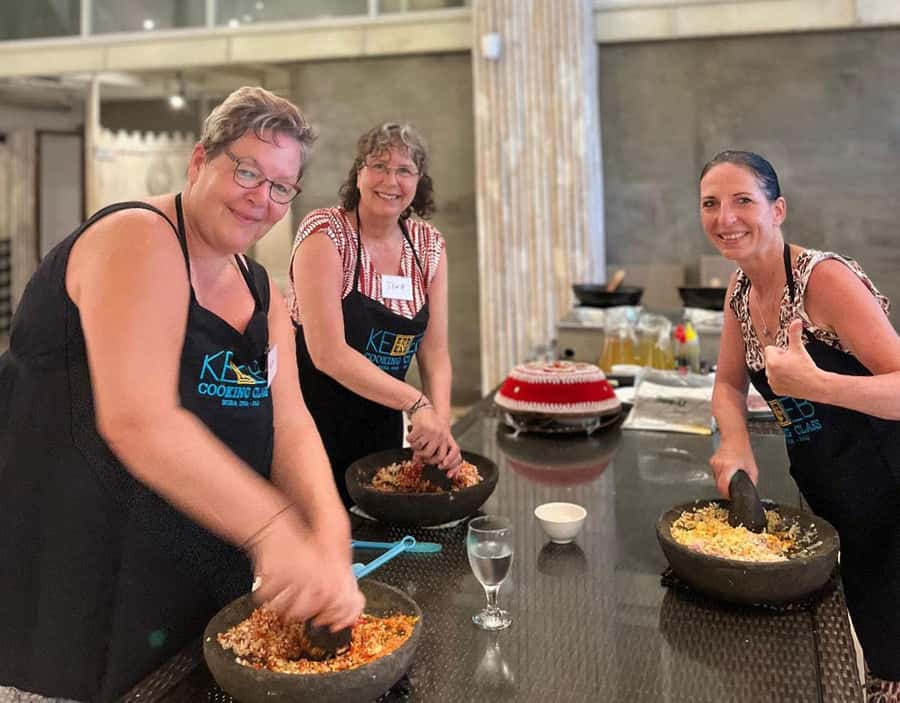
You’ve got two schedules to choose from:
- Morning class (10:00–14:00): includes a market tour
- Afternoon class (15:00–18:00): focuses on cooking without the market tour
Both options land in the sweet spot for a short Bali visit day. Four hours for the morning class is long enough to learn properly, but not so long you lose the whole day. The afternoon class is shorter, which is helpful if you’ve got beach time, spa time, or dinner plans later.
The meal included also changes by time:
- Morning class includes lunch
- Afternoon class includes dinner
That’s a practical detail worth planning around. If you’re the type who hates paying extra for a meal later, the morning class is often the easier sell. If you’d rather keep your evenings open for exploring, the afternoon class gives you a cooked dinner and frees up your night.
The 12-Dish Menu: What You’ll Actually Cook
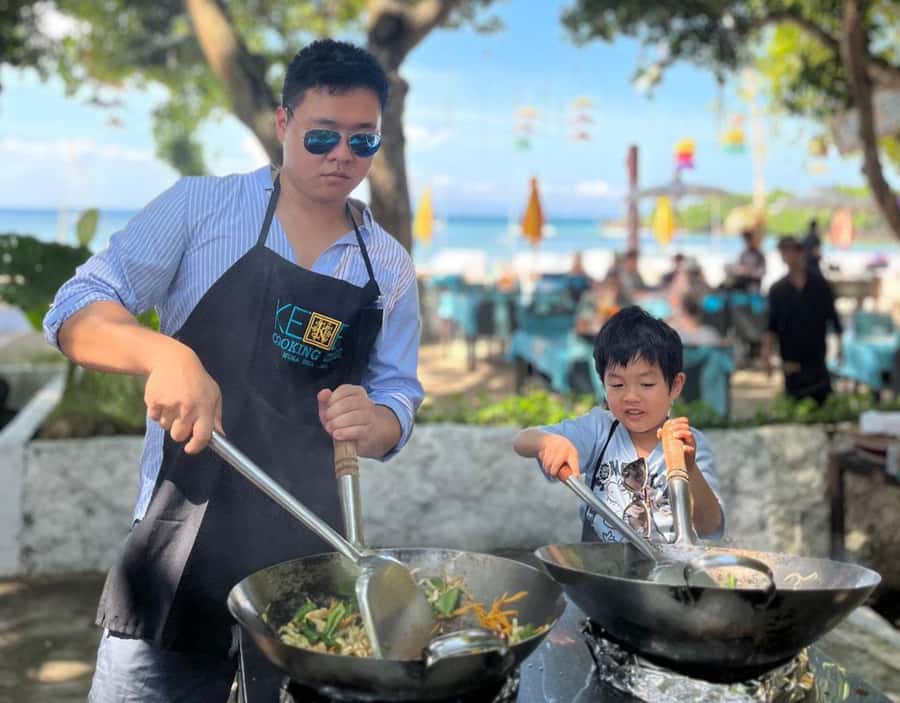
The class centers on cooking 12 authentic Balinese dishes/menus. That’s the biggest value driver because it turns your learning into a sampler of flavors and techniques, instead of a single win you can’t build on.
Here’s what’s on the menu:
- The complete spice paste (base genep or gede)
- Spice paste for seafood base be pasih (noted as orange in appearance)
- Beef rendang (rendang daging)
- Whole roasted chicken ayam betutu
- Assorted seafood curry kari seafood
- Grilled fish in banana leaf pesan be pasih
- Minced chicken satay sate lilit (yam listed)
- Green bean salad with chicken lawar kacang
- Vegetable salad in peanut sauce dressing pecelan
- Fried noodles mie goreng
- Fried rice nasi goreng
- Coconut pancake dadar unti
What this means for you in real terms: you’ll practice repeating foundations. Even when the dishes look different on the plate, the skills overlap—spice preparation, mixing, balancing textures, and handling cooking times. That makes the “I can cook this at home” feeling much more achievable.
A quick note: the class promises an intimate, guided experience, so even if you’re not an experienced cook, you’re still expected to be actively involved. If you prefer kitchens where you can sit back and watch, this may feel hands-on in the best way—or just too active. For most people, though, that’s exactly the point.
Spice Paste Mastery: Base Genep to Be Pasi(h)
Balinese cooking is often won or lost on spice paste. This class leans into that, and it’s one of the most memorable parts because you’re not only eating the results—you’re learning the building blocks.
You’ll make:
- The complete spice paste: base genep or gede
- A seafood base spice paste: be pasih, described as orange in appearance
Those two elements matter because they show you how Balinese cooks think: one foundation paste for general balance, and another approach for seafood flavoring. When you understand that logic, you can adapt it later. For example, if you’re trying to recreate something at home, you won’t just copy a recipe—you’ll know what the spice base is meant to do.
And yes, it’s likely to be a little hands-on and a little messy. That’s normal. The benefit is you’ll remember the textures and the steps, not just the final taste.
Lunch or Dinner and the Take-Home Set
After you cook, you’ll get to savor the meal you created—lunch for the morning class or dinner for the afternoon class. That’s not a throwaway detail. Eating right after cooking helps your brain connect each dish to what you did with your hands.
Then you get the official take-home items:
- A certificate
- A recipe book
These are practical because they help you repeat what you learned. A lot of cooking classes give you a vague memory and a nice photo. This one gives you written instructions you can actually use when you shop for ingredients later.
There’s also a “confidence” side to it. When you’ve made 12 menus yourself, you’ll walk away feeling like you can handle a full Balinese meal rather than just a starter.





The Chef and the Small-Group Advantage (Teddy’s Impact)
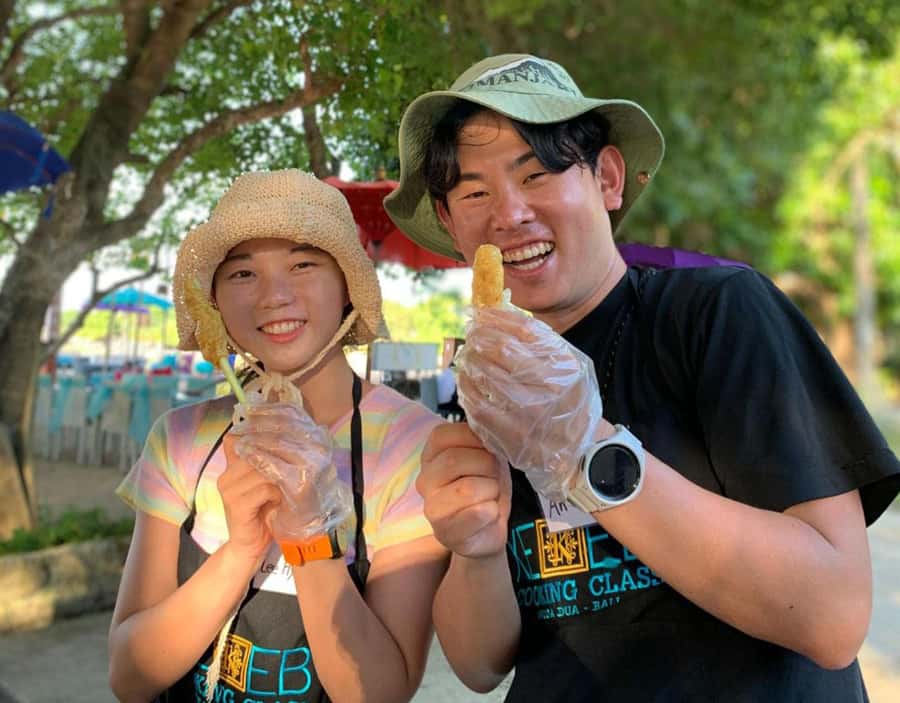
The experience is guided by a friendly chef, and the name Teddy comes up strongly in feedback. When a chef brings energy and clarity, your time in the kitchen feels like a fun workshop instead of a stressful test.
Small group size matters more than people think. With a maximum of 10 participants, you’re less likely to get ignored when a step is tricky—especially for spice paste work, where consistency can be the difference between “close enough” and “actually right.”
From what’s shared about the day, the instruction also feels professional—so you’re not guessing. You’ll be guided through what to do next, with enough structure to keep the class moving without turning it stiff.
Price and Value: Is $86 Worth It?
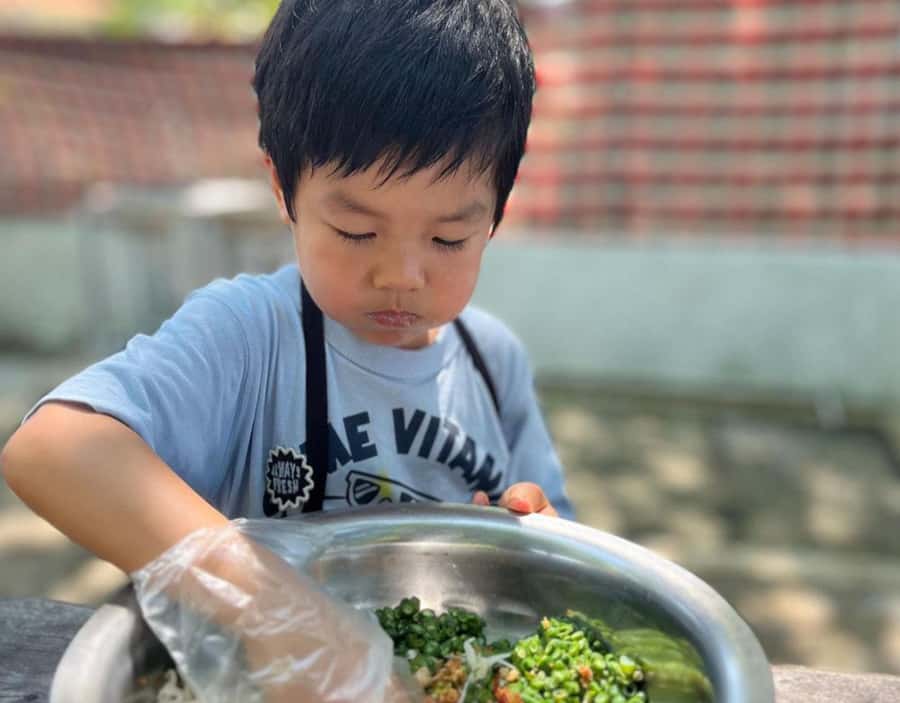
At $86 per person for 3 to 4 hours, this class competes well in Bali’s cooking scene—mostly because of what’s included.
You’re getting:
- A chef-guided cooking class
- Welcome tea and snack
- 12 dishes/menus
- A certificate and recipe book
- Lunch or dinner depending on the class you pick
- Plus a market tour if you choose the morning slot
- Small group with English instruction
That’s where the value comes from. You’re not paying just for entertainment or a single meal. You’re paying to learn a full lineup, get food coverage, and take documentation home so your learning doesn’t evaporate.
One cost note: drinks aren’t included, and ordering things like beer would be extra. If you like pairing food experiences with alcohol, plan a little budget so you don’t get surprised.
Who This Balinese Cooking Class Fits Best
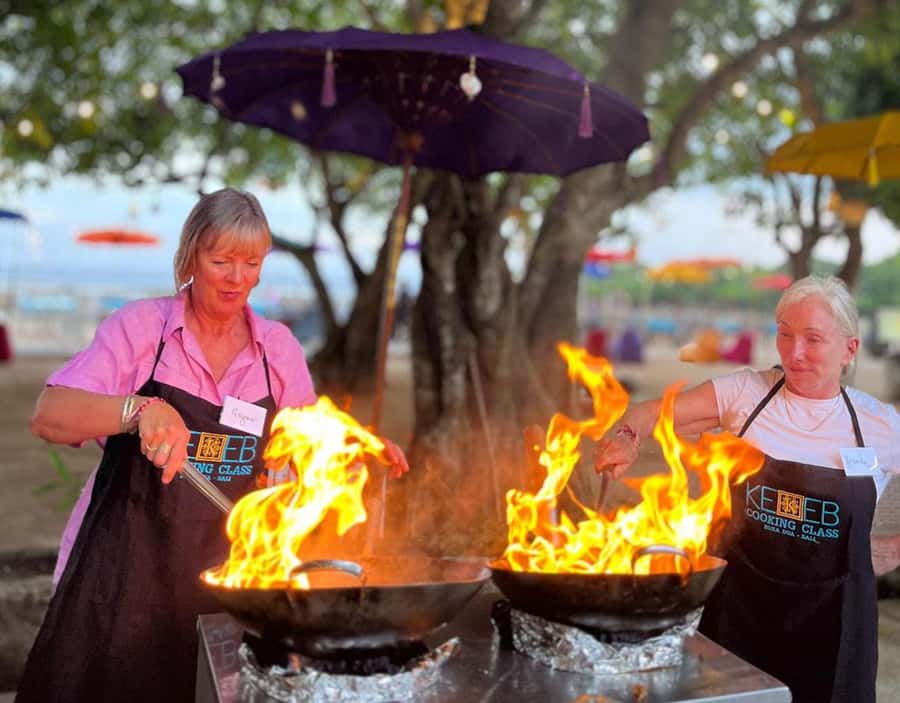
This is a strong match if you want:
- A hands-on Balinese food day with clear instruction
- Sea views and a calmer setting than the typical busy Bali day
- A structured experience you can finish in half a day
It also suits couples and small groups who enjoy cooking and want a shared activity that ends with a proper meal. Because you cook so many dishes, it’s a good option for people who get bored with one-note workshops.
Not a fit (based on the stated limits): children under 10 aren’t suitable. If you’re traveling with kids, check ages carefully before booking.
Practical Tips: What to Bring and How to Prepare
Before you go, keep a few simple things in mind so the day runs smoothly:
- Bring cash (this is explicitly required)
- Alcohol and drugs aren’t allowed
- The class is in English, and the experience is run as a small group
Also, expect that your day will be scheduled like a real activity: morning runs 10:00–14:00, afternoon runs 15:00–18:00. That affects meal timing and how you plan the rest of your day in Nusa Dua.
If you’re booking, plan to reserve at least a day ahead, since bookings are handled with that in mind.
Finally, since the operator contacts you after booking via WhatsApp for meeting point details, make sure your phone works and you can check messages close to your start time.
Should You Book This Nusa Dua Balinese Cooking Class?
I’d book it if you want a clear, structured Bali food experience with real kitchen time. The combination of 12 menus, sea-view setting, and take-home materials makes it feel like more than a tour. If the morning market tour appeals to you, the morning slot is the best choice because it adds context before you cook.
Skip it if you only care about one dish, or if you’re looking for a purely relaxed sightseeing day. This is a cooking class first, and the whole point is active participation.
If you’re trying to choose between the morning and afternoon class, ask yourself one question: do you want the market context? If yes, go morning. If you want a shorter evening-friendly schedule, choose afternoon and still get dinner plus the full cooking experience.
FAQ
How long is the Nusa Dua Balinese cooking class?
The class runs about 3 to 4 hours, depending on the schedule you choose.
Is there a market tour included?
Yes, the market tour is included for the morning class only.
What time are the two class options?
The morning class is 10:00–14:00, and the afternoon class is 15:00–18:00.
Does the class include lunch or dinner?
Yes. Lunch is included with the morning class, and dinner is included with the afternoon class.
What dishes do I cook during the class?
The class includes cooking 12 Balinese menus, including spice paste (base genep or gede), rendang, ayam betutu, seafood curry, fried noodles, fried rice, and dadar unti.
Is the instruction in English?
Yes, the instructor is listed as English-speaking.
What should I bring, and what is not allowed?
Bring cash. Alcohol and drugs are not allowed.