Making silver jewelry in Ubud feels oddly personal. I like how the Ondox class in Ceking rice terraces north of Ubud turns a craft lesson into a friendly, small-group session where you design something you’ll actually wear. You get hands-on time with a Balinese husband-and-wife team and the workshop is easy to build into your day.
My favorite part is the small-group attention. You’ll work at your own pace, and guides can help you adjust details so the end result looks clean, not rushed. I also like that the class is tied to local life, with profits set aside to support community management in their village.
One thing to think about: there’s no shuttle included, so you’ll want to handle your own short ride (Gojek/Grab makes this simple). Also, the class time is capped around 1.5–2 hours, with an extra fee if you run longer.
In This Review
- Key things to know before you go
- Why This Ubud Silver Class Feels Like a Real Workshop
- Getting There in Plain English (Ceking Rice Terraces)
- The People Behind Ondox: Kedak, Komang, and a Family Team
- What You Can Make: Your Ring, Earrings, Pendant, or Bracelet
- The Real Value: Silver Amount, Craft Time, and Extras
- Inside the Class Flow (About 1.5–2 Hours)
- The Ceking Rice Terrace Setting: A Bonus, Not the Main Act
- Comfort and Practical Tips That Save Your Session
- Who This Workshop Fits Best
- Price and Logistics: The Fair-Trade Angle
- Should You Book Ondox Silver Class in Ubud?
- FAQ
- How long is the silver jewelry class?
- What silver do I get to take home?
- What kinds of jewelry can I make?
- Is casting included?
- Are gemstones included?
- Do I need shuttle service to get there?
Key things to know before you go
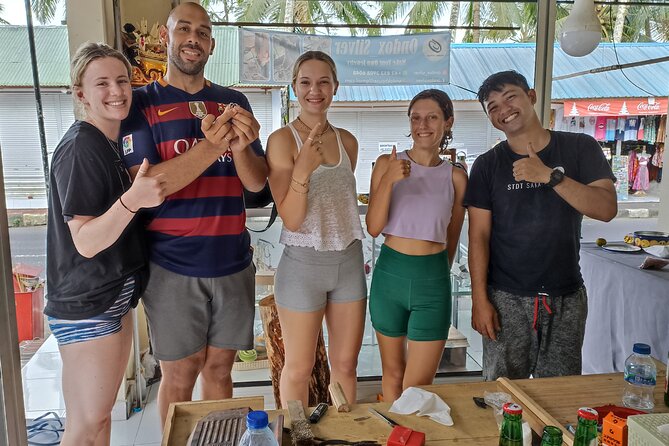
- Small group (max 5 people) with close coaching so you are not stuck watching from the sidelines.
- Design your own ring, earrings, pendant, bracelet or bangle in a Balinese style.
- You keep a silver keepsake and get snacks plus bottled water.
- Casting process isn’t included, so the workshop focuses on what you can make and finish during class.
- Optional extras cost money: additional silver by the gram and gemstones sold on site.
- Easy to combine with Ubud sightseeing since you’re near major attractions and the rice terraces.
Why This Ubud Silver Class Feels Like a Real Workshop
This is the kind of activity I trust: you’re not just shopping for a souvenir, you’re learning a skill and leaving with a piece that looks made for you. The Ondox workshop runs as a family business, and the energy is practical and welcoming from the first minute.
I like that it’s in Ceking rice terraces, not buried deep inside central Ubud traffic. You can actually take a break before or after class and enjoy the view right outside, which makes the whole day feel less like an appointment and more like a morning or afternoon out.
You can also read our reviews of more tours and experiences in Ubud.



Getting There in Plain English (Ceking Rice Terraces)
The meeting point is on Jl. Raya Tegallalang, Tegallalang, Gianyar, Bali 80561. The good news is you don’t need complicated logistics: you can use online taxis like Gojek or Grab, and you handle your own pickup and drop-off since shuttle service isn’t included.
In practice, this matters because Ubud is busy. When you can ride directly to the workshop area, you waste less time negotiating, waiting, and wrangling schedules. It also makes it easier to fit class times around meals, temple visits, or a spa.
The People Behind Ondox: Kedak, Komang, and a Family Team
You’re guided by native Balinese artisans, and the husband-and-wife team I saw highlighted by name includes Kedak and Komang. They explain steps clearly and seem genuinely invested in helping your piece look right.
Many people come in with an idea from photos, and the team works with that. You can bring a concept (like a ring style you like) and adapt it into a Balinese design language while still making sure the jewelry is workable in the time you have.
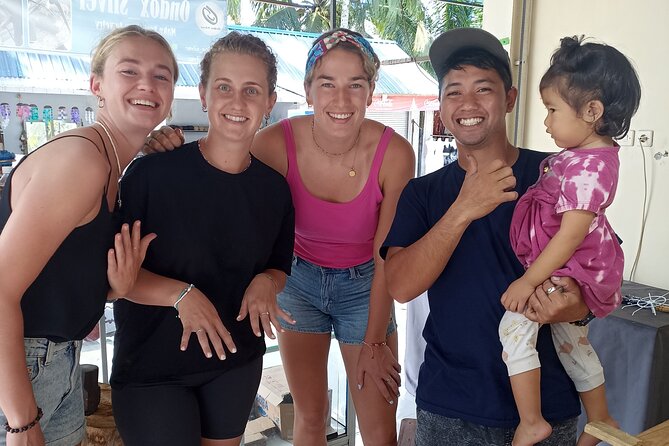
There’s also a family atmosphere. Reviews mention their daughter, which tells you the workshop isn’t some faceless factory setup. That matters because it often translates to patience when your hands are new at carving metal.
What You Can Make: Your Ring, Earrings, Pendant, or Bracelet
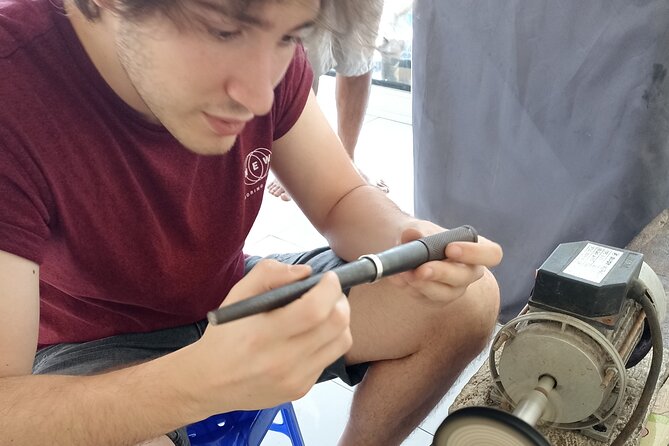
The class is built around designing your own silver jewelry. You can choose from options like rings, earrings, pendants, or bracelets, and you’ll work on a style that follows traditional Balinese craft.
A key detail: you’ll do the steps you can complete during the class, and you can create and finish your piece except the casting process. Translation: you get hands-on with the shaping and design work that makes your piece feel personal, and the workshop handles parts that are better done as a specialized step.
If you want something simple, you can likely finish within the class flow. If you want a more complicated design, the team can help you—just know that complexity often means more guidance from them during the session.
The Real Value: Silver Amount, Craft Time, and Extras
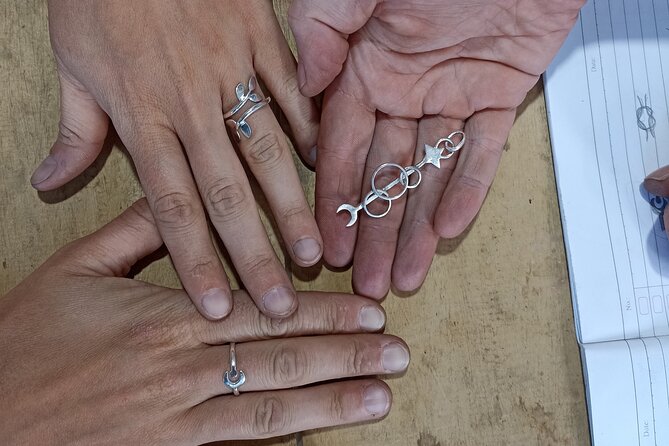
This is where the class’s value shows up, because the price includes a real material cost: pure silver by weight plus guidance, snacks, and water.
One small complication is that the provided details mention 5 grams of pure silver in the included section, while other info you’ll see connected to the experience points to 6 grams as the keepsake amount. Either way, you should confirm the exact grams for your selected slot when booking, so you know what you’re paying for.
At $30.56 per person, you’re not just paying for a one-hour craft show. You’re paying for instruction plus enough silver to make a meaningful, wearable souvenir. That’s a different value category than most Ubud craft stops where the takeaway is mostly mass-produced.
Then there are optional upgrades:
- Extra silver is available at IDR 80,000 per 1 gram.
- Local gemstones can be purchased for an extra fee.
- If you need more time beyond the typical window, there’s an additional fee of 75,000.
Those extras are normal. The useful part is knowing the cost structure upfront, so you don’t get surprised mid-session if you decide you want a bigger piece or a stone.






Inside the Class Flow (About 1.5–2 Hours)
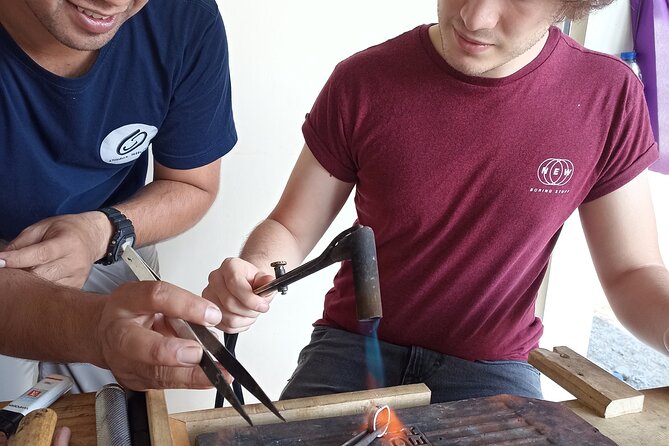
The workshop class runs about 1.5 to 2 hours. The duration matters because it shapes how they teach: they guide you step-by-step, then keep you moving so you leave with something finished enough to take home.
Here’s what that usually looks like in a practical silver-making workshop like this:
- Welcome and setup
You’ll be greeted and offered snacks and bottled water. There’s also free Wi‑Fi, which is handy if you want to pull up your reference photos quickly.
- Design selection and planning
You and the guides talk through what you want to make—ring, pendant, or another choice—and how to adapt it into a Balinese silver style. People who arrived with inspiration pictures often found it helpful because the team could suggest what to change for the metal and the time you have.
- Manual carving and construction steps
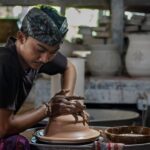
The class emphasizes manual carving and traditional techniques. This is the part where you feel the difference between a true craft lesson and a craft-tour where someone else does the work.
- Finishing steps
You finish your piece to a take-home state, with the casting step handled outside what’s done in the session.
Because the casting process isn’t included, it also means you should manage expectations. This isn’t a magic trick where you start with raw metal and end with a complex cast masterpiece in two hours. It’s a focused lesson that prioritizes the hands-on parts of design and making.
The Ceking Rice Terrace Setting: A Bonus, Not the Main Act
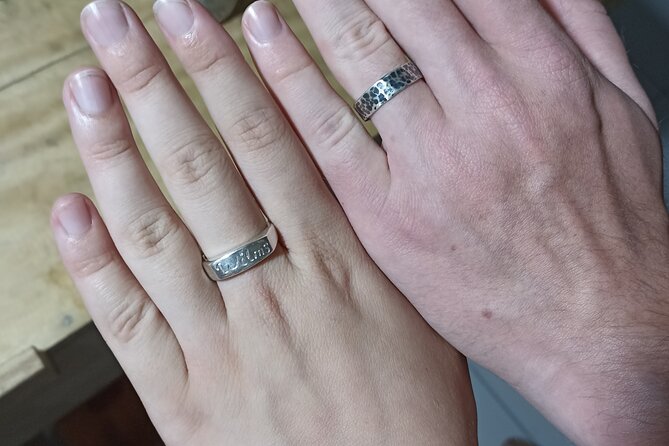
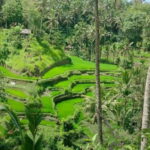
The location is a major plus, especially because it’s easy to look at after class. Your workshop is across from the rice terraces area in Ceking.
I like pairing this with an early morning ride or a late afternoon break. It gives you something to do before your hands get busy, and it gives you a calm way to reset after the concentrated workshop work.
Also, being north of central Ubud can help you feel like you left the main strip for a bit. You get the cultural craft lesson, but you don’t have to spend the whole day fighting traffic or crowds.
Comfort and Practical Tips That Save Your Session
Small details can make or break craft lessons. Based on how the workshop runs, here are the practical things I’d plan around.
- Bring clear reference photos if you have a specific ring or pendant style in mind. The team can work with pictures and help you adapt your idea.
- Expect close help, especially if you’re new. The whole point of max 5 people is that you shouldn’t be stuck waiting while others finish.
- Plan your timing if you want to add gemstones or extra silver. These upgrades are part of the experience, but deciding early helps you fit everything into the class window.
- Wear shoes you can move in. You’re working at a station, and you’ll be more comfortable if you’re not doing it in sandals that slip or pinch.
If you’re the type who likes making something with your own hands, this setup is a good match.
Who This Workshop Fits Best
This class is a strong choice if you want a real craft souvenir rather than a quick purchase. It’s also ideal if you like activities where you can talk with the maker while the work is happening.
It’s especially good for:
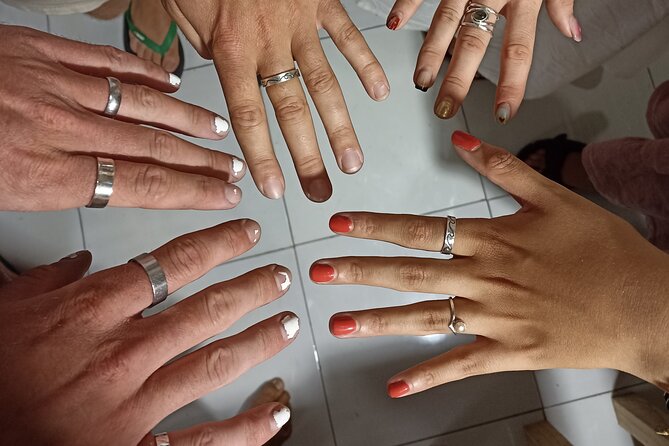
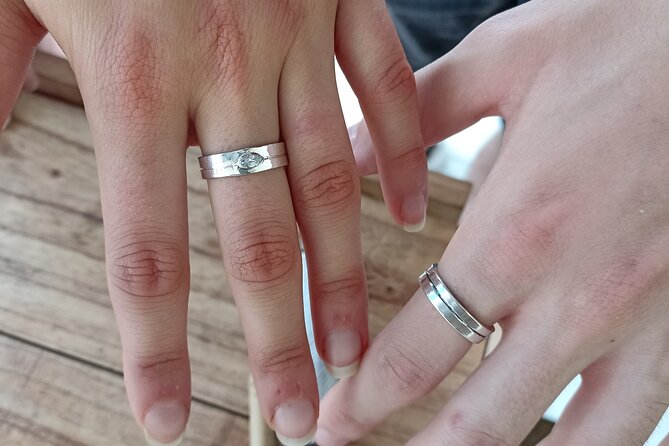
- Couples or friends who want a shared project. Many people leave with rings that match their personalities.
- People who enjoy learning a process, not only consuming an outcome.
- First-timers in jewelry making who want step-by-step guidance without intimidation.
If you’re expecting a luxury jewelry showroom where you just watch skilled artisans, this is not that. It’s a hands-on workshop with teaching built in.
Price and Logistics: The Fair-Trade Angle
The price is not bargain-bin low, but it doesn’t feel inflated either, because you’re getting:
- Pure silver included by weight
- Instruction on making and finishing your design
- Snacks and bottled water
- A small-group teaching model (max 5)
There’s also an element of local impact. The workshop set profits aside to donate to community management in their village, and that’s not just marketing talk here. When your souvenir is tied to a family workshop, your money tends to stay in the local craft economy rather than evaporating into a big chain.
So for me, the value question comes down to this: are you happy to spend 1.5–2 hours learning and shaping a piece? If yes, the cost makes a lot more sense than typical Ubud trinkets.
Should You Book Ondox Silver Class in Ubud?
If you want one of the more meaningful craft experiences in Ubud, this is an easy recommendation. You get hands-on making, patient guidance from the Kedak and Komang team, a silver keepsake, and a setting that makes the day feel like more than a checklist item.
Skip it only if you strongly prefer a guided tour with no hands-on component, or if you’re hoping for a full casting-in-class experience. Also think about transport: since there’s no shuttle, you’ll want to be comfortable taking a Grab or Gojek ride.
FAQ
How long is the silver jewelry class?
The class runs about 1.5 to 2 hours. If you stay longer than that, there is an additional fee of 75,000.
What silver do I get to take home?
The included details mention pure silver by weight. The information you’ll see states 5 grams of pure silver, while the experience is also described as including 6 grams in some places, so it’s smart to confirm the exact amount for your booking.
What kinds of jewelry can I make?
You can design and make pieces like rings, earrings, pendants, and bracelets (and similar items) in a Balinese style, and you can create your own design during the class.
Is casting included?
The casting process is not included. The class focuses on the parts you can create and finish during the session.
Are gemstones included?
Snacks and bottled water are included, but gemstones are sold separately for an additional fee.
Do I need shuttle service to get there?
No shuttle is included. The workshop is easy to reach using online taxis like Gojek or Grab, and you end back at the meeting point after the activity.