Jakarta starts to make sense fast with this guided route. You’ll see Indonesia’s key power-and-faith landmarks plus the Dutch and Chinese layers of the city, all in a day that’s built for navigation and timing. I especially like the separate guide-and-driver setup, which helps you keep moving even when the streets slow to a crawl. The trade-off: the schedule is packed, and if you’re hoping to go all the way up at Monas or you travel during big holiday traffic surges, timing can get tricky.
This is a true private day with an English-speaking guide, air-conditioned car, bottled water, parking, and entrance fees handled. Guides I’ve heard from by name, like Thomas, Gus, Isabella, Mitchell, and Rizky, are a big part of the charm: they’re good at explaining what you’re looking at while still keeping the pace realistic. One more practical note: a few guests flagged seat-belt concerns in the vehicle, so if that matters to you, it’s smart to ask ahead or during pickup what safety equipment is available.
In This Review
- Key things to know before you go
- Beating Jakarta’s gridlock with a guide-and-driver team
- Independence Square and Monas: your fast track to national identity
- Istiqlal Mosque and Jakarta Cathedral: two big statements, one walkable neighborhood
- Glodok Chinatown wet market and Dharma Bhakti Temple: daily life and living tradition
- Kota Tua, the Dutch “Little Amsterdam” feel, and Fatahillah Museum
- Makutharama Puppet Studio: a hands-on cultural craft stop
- Sunda Kelapa Port: watching the old spice-trade story still at work
- Price and value: what $65 buys on a full-day Jakarta route
- When to go: Ramadan traffic, hot sun, and ticket surprises
- Who this tour is best for
- Should you book this Jakarta highlights tour?
- FAQ
- How long is the private guided Jakarta highlights tour?
- Is this a private tour?
- What major stops are included in the day?
- What’s included in the price?
- Do I get pickup from Jakarta’s airport area?
- Can I cancel for a full refund?
Key things to know before you go
- A purpose-built Jakarta history route: independence, colonial Dutch-era Jakarta, and Chinatown heritage in one day
- Guide + driver means less waiting: you spend more time seeing, less time circling parking lots
- Major admissions are included: you’re not scrambling for tickets at Monas, Istiqlal, and other stops
- You’ll cover several neighborhoods: Glodok, Kota Tua, and Sunda Kelapa each feel like a different city
- Expect hot, sensory street stops: the wet market can be intense, so plan for heat and stimulation
- It’s private, so the pace is adjustable: you can ask questions and move at your group’s comfort level
Beating Jakarta’s gridlock with a guide-and-driver team
Jakarta’s challenge isn’t just traffic—it’s traffic plus confusion. This tour helps you solve both with a simple formula: you get a dedicated driver for moving between sites and a guide for the story and the timing.
That separation matters. When you’re in a shared taxi or chasing public transport connections, you spend energy just staying on track. Here, your guide keeps the day coherent, and the driver focuses on getting you through the worst bottlenecks. In reviews, guests praised the smooth flow even when roads were heavily clogged. One even described walking the last stretch to a cruise ship because the road network was completely jammed—proof that the driver’s job is serious when Jakarta slows down.
You’re also getting a steady base level of comfort. The tour includes bottled water and an air-conditioned vehicle, which is a bigger deal than it sounds in a city where you’ll be outside for multiple stops. If your goal is to see a lot without turning the day into logistics work, this setup is a strong match.
Possible drawback: the day can still feel like a sprint. You’re moving through nine distinct stops (plus passing sights like Independence Square), and you’ll spend a lot of time in transit even with a good driver.
You can also read our reviews of more tours and experiences in Jakarta.

Independence Square and Monas: your fast track to national identity
The day opens with a drive past Independence Square, including the Presidential Palace area and the Arjuna Wijaya Statue. This is one of those sections where the architecture and symbolism do the talking. Even if you don’t read every detail, the scale helps you understand why Jakarta’s political center matters.
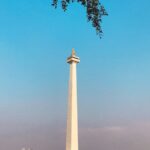
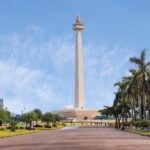
Then comes Monas (National Monument), the 132-meter landmark that symbolizes Indonesian independence. You get about an hour here, with admission included. What I like most is that it isn’t just a photo stop: the monument’s basement features 48 dioramas showing Indonesia’s historical development. One guest specifically noted that the basement museum format moves through a timeline feel—from pre-history toward modern Indonesia—so you’re not stuck with only one theme.
Two practical notes for Monas:
- Top access can be a letdown if tickets are sold out. At least one guest couldn’t go up to the viewing level, and that disappointment can be real if the view is your goal. If Monas top access matters to you, ask your guide to maximize your chances early in the visit.
- You may spend more time indoors than outdoors here, which is helpful when the weather is hot.
If you’re new to Indonesia, Monas gives you a backbone. Later stops—mosques, temples, Chinatown, the old colonial city hall—start to feel connected instead of random.
Istiqlal Mosque and Jakarta Cathedral: two big statements, one walkable neighborhood
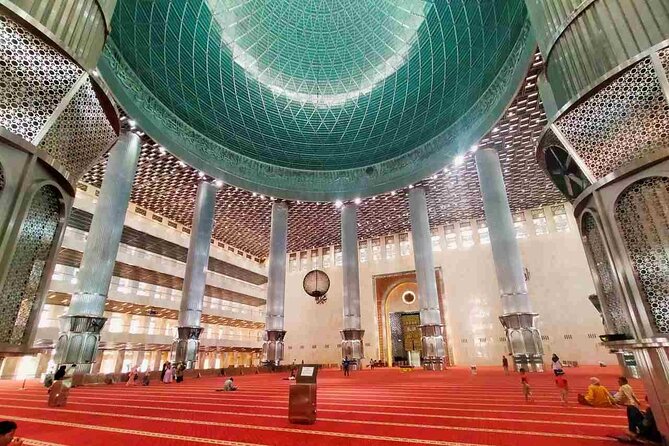
Next is Istiqlal Mosque, listed as the largest mosque in Southeast Asia and the sixth largest in the world by worshipper capacity. The name “Istiqlal” means independence, which makes it a smart follow-up after Monas. You’ll have about 30 minutes here, and the tour includes a mosque donation as part of the experience.
What’s genuinely useful: your visit comes with guidance. Guests have shared that the tour operator sends dress-code info ahead of time (and that sarongs were provided for modesty coverage during mosque entry). Even without perfect details from your side, this is the kind of place where simple preparation pays off: bring comfortable clothing that can adjust easily to cover requirements.
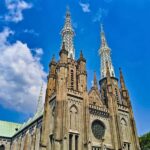
Just across the area is Jakarta Cathedral, built in 1891 in neo-Gothic style. You’ll see tall towers, high windows with stained glass, and an interior that feels very different from the mosque. It’s only about 30 minutes here, but that’s enough to notice the shift in design language.
Why this pairing works: you’re seeing Indonesia’s pluralism in architecture, not in a lecture hall. The tour keeps it respectful and efficient, and you get a good sense of how public life and faith shape the city center.
Glodok Chinatown wet market and Dharma Bhakti Temple: daily life and living tradition
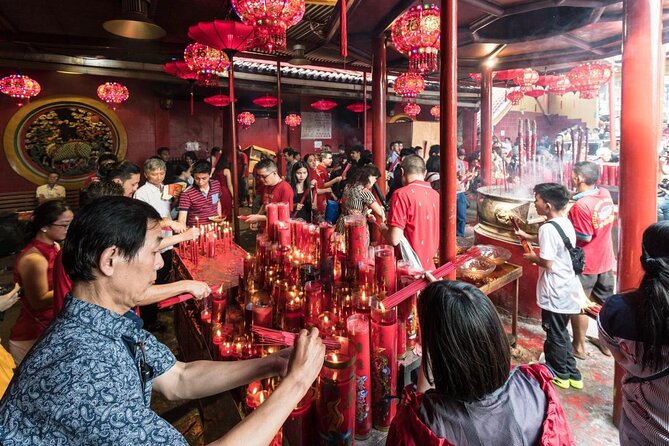
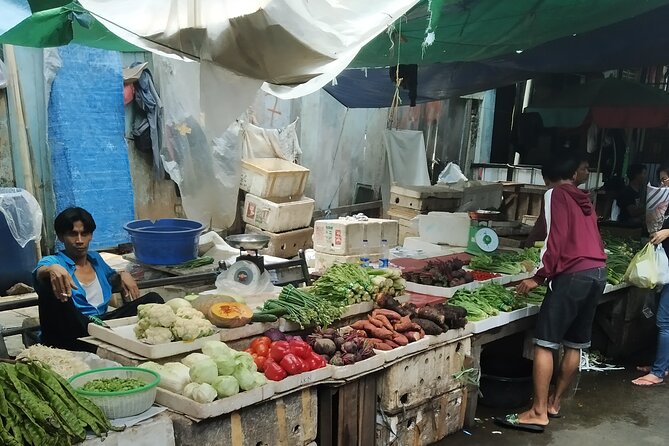
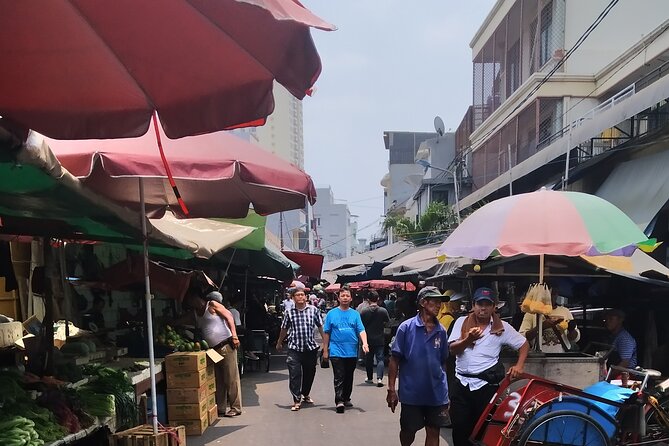
Then the tour heads into Glodok Chinatown, with a stop that includes a visit to a traditional wet market. This part can be the highlight or the hardest moment of the day, depending on your tolerance for sensory overload. One review described it as an assault on the senses, which is fair if you’re not expecting crowds, smells, and constant motion.
Here’s the value: you’re not just looking at buildings. You’re watching daily routines—stalls, carrying habits, the flow of shopping—and your guide helps translate what you’re seeing. Snacks and tropical fruits may come into the picture, which makes the market feel less like a museum and more like real time.
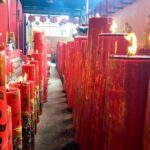
After that, you’ll visit Dharma Bhakti Temple, described as the oldest Confucian temple in Jakarta and still active today. Expect a calm contrast after the market. This stop gives you a living connection to Chinese heritage in Jakarta rather than treating it like a historical costume.
Practical tip: if you’re sensitive to crowds or heat, take your time here. It’s better to linger for one or two moments that speak to you than to try to absorb everything at once.
Kota Tua, the Dutch “Little Amsterdam” feel, and Fatahillah Museum
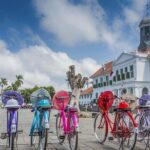
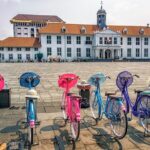
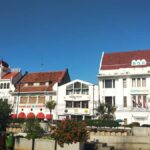
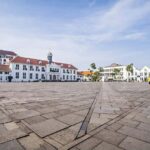
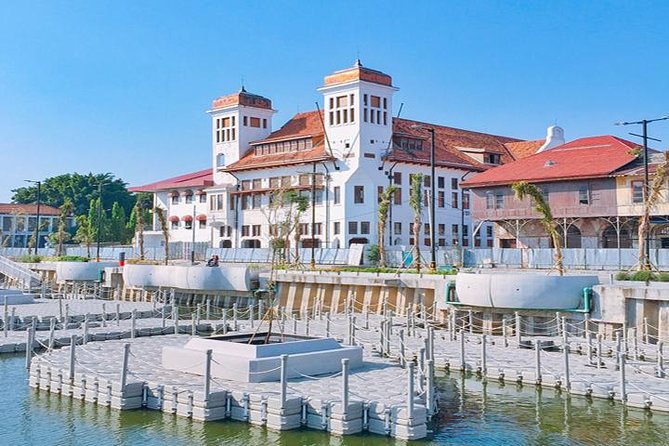
The tour then shifts into Jakarta Old Town (Kota Tua), an area formerly tied to Dutch colonial administration. You’ll get about 30 minutes here, and the free stop is still worth it because the canals and classic Dutch-style buildings create a strong visual memory. A nickname you’ll hear connected to this area is “Little Amsterdam,” and you’ll understand why quickly once you’re walking around.
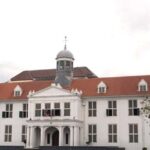
Next is Jakarta History Museum (Fatahillah Museum) inside a former Dutch colonial city hall. This is your longer museum moment—about one hour—with admission included. This stop is valuable because it turns architecture into context: instead of only seeing colonial-era structures, you’re learning what this city space became and how the layers changed over time.
If you like museums, this is the one to take your time inside. Your guide can point out the key themes so you don’t end up speed-reading labels.
Potential drawback: the entire day is heavy on cultural stops, so by now you might be museumed out. If you start feeling fatigued, tell your guide. A good guide will adjust where you spend attention so you leave satisfied, not drained.

Makutharama Puppet Studio: a hands-on cultural craft stop
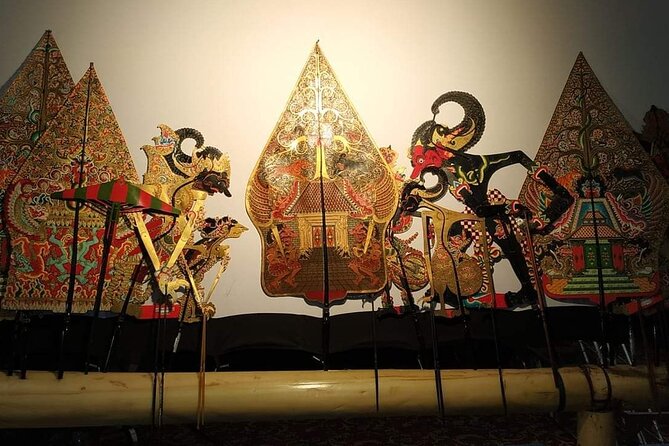
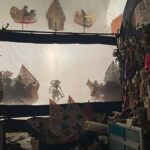
One of the most charming changes of pace comes at Makutharama Puppet Studio. Instead of another monument, you get an artisan-focused visit to Indonesian puppetry—wayang.
You’ll meet puppet masters, learn how puppets are made, and watch them in action. The studio also has collections of wayang from different Indonesian regions. This kind of stop is great for your brain after the big-ticket political and religious sites. It also gives you something tangible to remember when you’re back home: the craft, the materials, and the performance style.
Time is short here—about 30 minutes—so you’ll likely see the process and key pieces rather than an extended workshop. Still, for most people, it’s a high-impact stop that breaks up the day nicely.
Sunda Kelapa Port: watching the old spice-trade story still at work
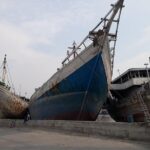
To close the tour, you head to Pelabuhan Sunda Kelapa, Jakarta’s oldest port. It’s tied to the Dutch-era spice trade era, but the best part is that it’s still in use for domestic shipping today.
This is where you’ll often see the phinisi wooden sailing ships lined up. Even if you’re not a maritime person, the visual makes the history feel physical. The port isn’t frozen in time; it’s part of the city’s daily movement.
You’ll have about 30 minutes. It’s enough time to take in the ships, watch the port activity, and get a sense of how trade shaped Jakarta.
Heat reality check: ports can be sunny and exposed. If you’re sensitive to heat, prioritize shade when it’s available and keep your water use steady.
Price and value: what $65 buys on a full-day Jakarta route
At $65 per person for a 7 to 8 hour private guided day, this tour looks best when you compare it to shore excursions or half-day knockoffs that leave you missing important sites.
Here’s what you’re really buying:
- Private transportation (including parking fees) with an air-conditioned vehicle
- An English-speaking guide who connects the sites into one story
- Entrance fees for multiple major attractions
- Bottled water to keep the day workable
- Pickup and drop-off coverage across much of Jakarta, plus cruise port service
- Included donations connected to visits at Istiqlal Mosque and the temple stop
That “included admissions” piece is meaningful in Jakarta. Without it, the cost creep comes fast, and you spend mental energy on logistics. With it, you just show up and go.
That said, value depends on your priorities. If you specifically want a slow, deep museum day with lots of time in each place, this may feel like it moves too quickly. If you want a smart first introduction to Jakarta’s major highlights and their cultural connections, the price looks fair.
When to go: Ramadan traffic, hot sun, and ticket surprises
Jakarta’s street grid doesn’t behave like a clean city map. It changes with calendar events and work schedules.
One review mentioned severe traffic during Ramadan travel patterns—so if you’re visiting around big religious holidays, plan for slower road travel and possibly unexpected delays near major returns to hotels or cruise piers. This tour is designed to handle traffic with a driver, but no one can erase gridlock completely.
Also watch for ticket availability. One guest couldn’t go up to the top at Monas due to sold-out tickets. You can’t control that from your couch, but you can decide how important that upper view is to you.
And then there’s weather. A guest suggested umbrellas because it’s hot and shade can be scarce. You don’t need to overpack, but a light umbrella and sun protection can make the day feel less brutal—especially around outdoor market and port stops.
Who this tour is best for
This tour fits best if:
- You have limited time in Jakarta and want the core sights in one day
- You prefer a guide to connect independence-era symbols, colonial-era architecture, and Chinese heritage
- You’re traveling as a group and want a private format instead of mixing with strangers
- You’re okay with a “see a lot” pace and making a few quick stops along the way
If you’re the type who loves long sits in museums, you might prefer a slower add-on day in one area like Kota Tua or Old Town.
Should you book this Jakarta highlights tour?
I’d book it if your top goal is to get oriented quickly and come away understanding what Jakarta is trying to show you: power and independence at Monas and the state center, faith in Istiqlal and the Cathedral, cultural layers in Glodok and the Confucian temple, and the colonial-era backbone of Kota Tua.
Before you go, I’d do two simple things:
- If Monas top access matters, ask your guide about ticket timing at the start of the day.
- If seat belts are a safety priority for you, mention it at pickup so you know what to expect in the vehicle.
If you want a smooth, well-paced primer without wrestling public transport, this is the kind of private tour that earns its spot on your Jakarta schedule.
FAQ
How long is the private guided Jakarta highlights tour?
The tour runs about 7 to 8 hours.
Is this a private tour?
Yes. It’s private, so only your group participates.
What major stops are included in the day?
You’ll visit key sights including Monas, Istiqlal Mosque, Jakarta Cathedral, Glodok Chinatown (wet market), Dharma Bhakti Temple, Jakarta Old Town (Kota Tua), Fatahillah Museum, Makutharama Puppet Studio, and Sunda Kelapa Port.
What’s included in the price?
The tour includes air-conditioned private transportation, an English-speaking tour guide, bottled water, parking fees, entrance/admission fees, government fees, and hotel or apartment pickup and drop-off within the Jakarta area (plus pickup/drop-off from the Jakarta cruise port). It also includes donations connected to the mosque and temple visits.
Do I get pickup from Jakarta’s airport area?
No. Pickup and drop-off aren’t included for hotels in the CGK Airport area, and CGK Airport transfers aren’t included.
Can I cancel for a full refund?
Yes. You can cancel up to 24 hours in advance for a full refund. If you cancel within 24 hours of the start time, it won’t be refunded.